Artwork
冨嶽三十六景 東海道品川御殿山の不二|Fuji from Gotenyama on the Tōkaidō at Shinagawa (Tōkaidō Shinagawa Gotenyama no Fuji), from the series Thirty-six Views of Mount Fuji (Fugaku sanjūrokkei)
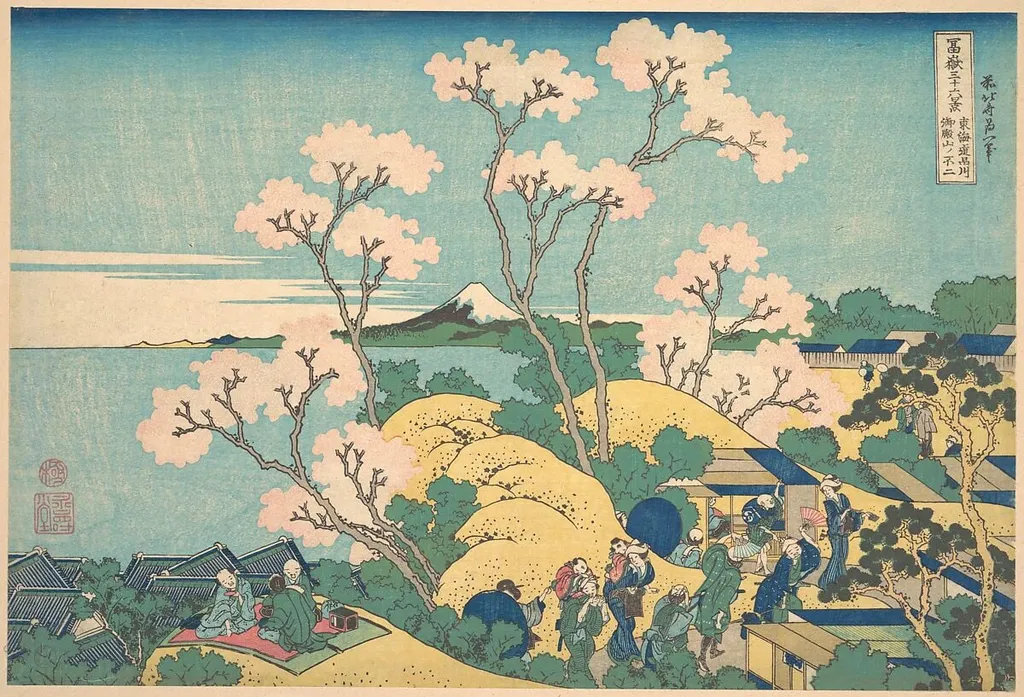
冨嶽三十六景 東海道品川御殿山の不二|Fuji from Gotenyama on the Tōkaidō at Shinagawa (Tōkaidō Shinagawa Gotenyama no Fuji), from the series Thirty-six Views of Mount Fuji (Fugaku sanjūrokkei) is an ink print by the Japonisme artist Katsushika Hokusai. It dates from 1831 and is held in the collection of the Metropolitan Museum of Art.
About this work
Overview
Rendered in ink and color on paper, the work exemplifies the ukiyo-e tradition, blending landscape with everyday life.
This woodblock print is part of Katsushika Hokusai’s series Thirty-six Views of Mount Fuji, produced around 1831. It depicts a view of Mount Fuji from Gotenyama, a elevated spot along the Tōkaidō road near Shinagawa. Rendered in ink and color on paper, the work exemplifies the ukiyo-e tradition, blending landscape with everyday life. The Metropolitan Museum of Art holds one of its surviving impressions.
Subject & Meaning
The scene captures travelers and locals gathered beneath a blooming tree near a path, their small figures emphasizing the vastness of Mount Fuji in the distance. The mountain, rendered with quiet dignity, serves as a constant presence amid transient human activity. The white blossoms suggest spring, reinforcing themes of seasonal change and the enduring natural order. The composition invites quiet reflection rather than narrative drama.
Technique & Style
Hokusai employed fine, controlled lines and layered color washes to suggest depth and texture. The use of Prussian blue, newly available in Japan at the time, gives the sky and distant mountain a cool, atmospheric tone. Subtle gradations and deliberate negative space enhance the sense of stillness.
The print’s precision reflects the collaborative nature of ukiyo-e production, with carvers and printers translating Hokusai’s design with technical skill.
History & Provenance
Created during the peak of Hokusai’s career, the series was commercially successful and widely distributed. This particular print survived in multiple impressions, with copies held in institutions and private collections globally. The Metropolitan Museum of Art acquired its version in the early 20th century, contributing to the Western appreciation of Japanese printmaking. Its preservation reflects its significance in the history of global print culture.
Context
The Tōkaidō road connected Edo with Kyoto, serving as a vital artery for travelers, merchants, and pilgrims. Gotenyama was a known vantage point for viewing Mount Fuji, making it a popular subject for artists and poets. Hokusai’s series responded to rising public interest in travel and nature during the Edo period, transforming local landmarks into enduring visual motifs that resonated beyond Japan.
Legacy
The Thirty-six Views of Mount Fuji influenced generations of artists, both in Japan and abroad, particularly in the development of Western landscape painting and poster design. Hokusai’s integration of natural grandeur with human scale redefined how nature could be represented in print. The series remains a touchstone for discussions on the relationship between art, place, and perception in global visual culture.
Artist & collection

Artist
Katsushika Hokusai spent his life in Edo, now Tokyo, where he drew and carved prints for a living.

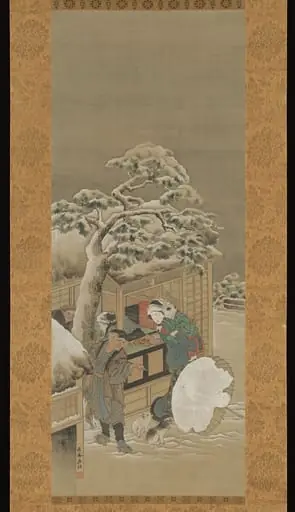
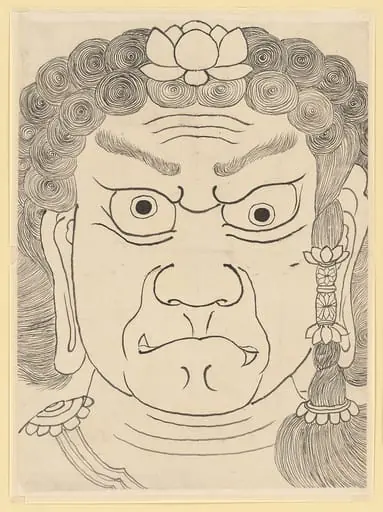
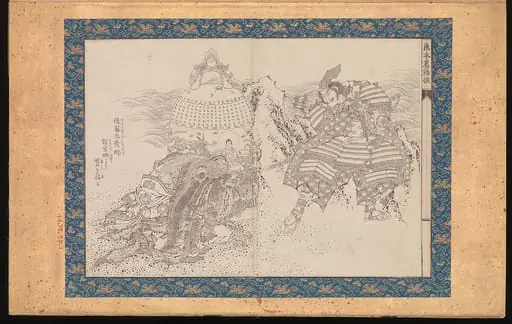
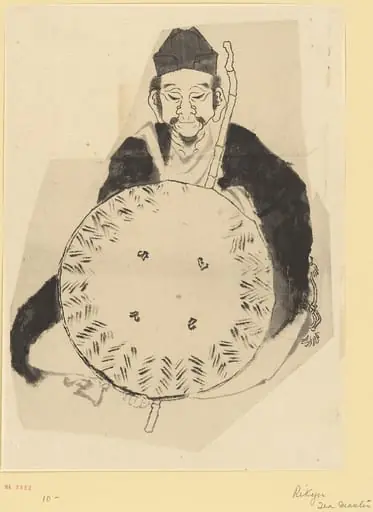
- 冨嶽三十六景 東海道品川御殿山の不二|Fuji from Gotenyama at Shinagawa on the Tōkaidō (Tōkaidō Shinagawa Gotenyama no Fuji), from the series Thirty-six Views of Mount Fuji (Fugaku sanjūrokkei)
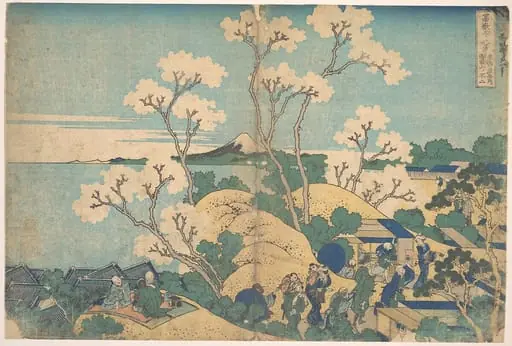 冨嶽三十六景 東海道品川御殿山の不二|Fuji from Gotenyama at Shinagawa on the Tōkaidō (Tōkaidō Shinagawa Gotenyama no Fuji), from the series Thirty-six Views of Mount Fuji (Fugaku sanjūrokkei)
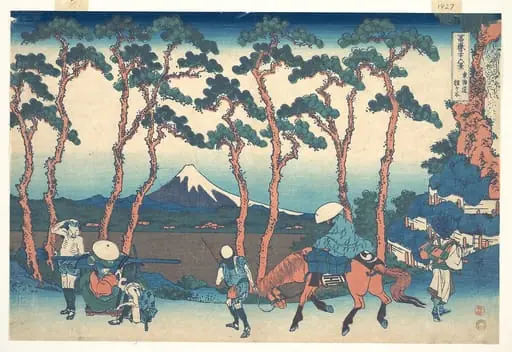 冨嶽三十六景 東海道保土ケ谷|Hodogaya on the Tōkaidō (Tōkaidō Hodogaya), from the series Thirty-six Views of Mount Fuji (Fugaku sanjūrokkei)
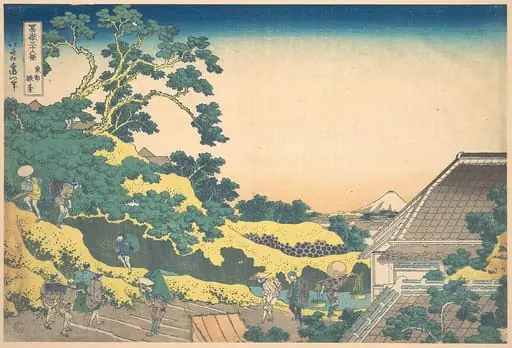 冨嶽三十六景 東都駿台|Surugadai in Edo (Tōto Sundai), from the series Thirty-six Views of Mount Fuji (Fugaku sanjūrokkei)
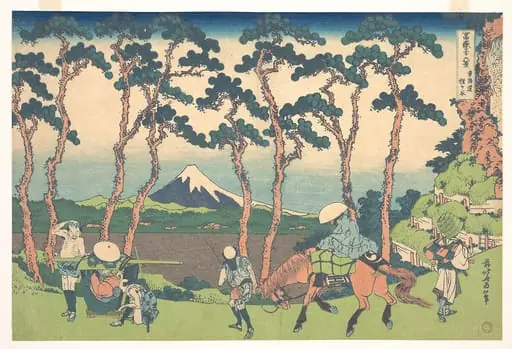 冨嶽三十六景 東海道保土ケ谷|Hodogaya on the Tōkaidō (Tōkaidō Hodogaya), from the series Thirty-six Views of Mount Fuji (Fugaku sanjūrokkei)
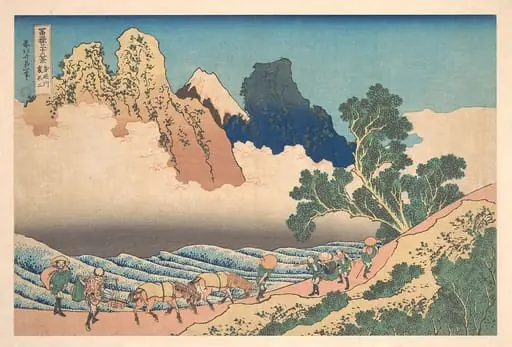 冨嶽三十六景 身延川裏不二|View from the Other Side of Fuji from the Minobu River (Minobugawa ura Fuji), from the series Thirty-six Views of Mount Fuji (Fugaku sanjūrokkei)
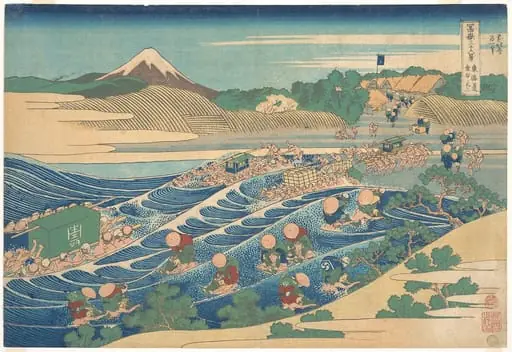 冨嶽三十六景 東海道金谷の不二|Fuji Seen from Kanaya on the Tōkaidō (Tōkaidō Kanaya no Fuji), from the series Thirty-six Views of Mount Fuji (Fugaku sanjūrokkei)
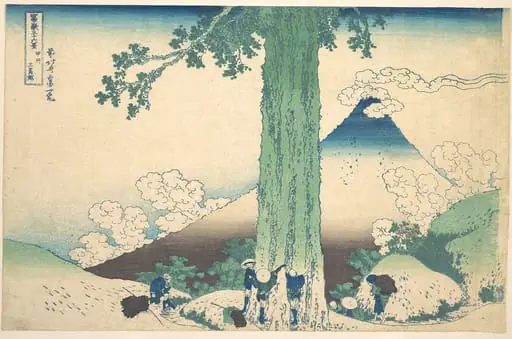 冨嶽三十六景 甲州三島越|Mishima Pass in Kai Province (Kōshū Mishima goe), from the series Thirty-six Views of Mount Fuji (Fugaku sanjūrokkei
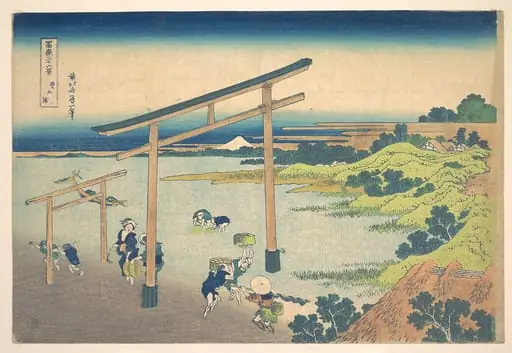 冨嶽三十六景 登戸浦|Noboto Bay (Noboto no ura), from the series Thirty-six Views of Mount Fuji (Fugaku sanjūrokkei)