Artwork
Untitled
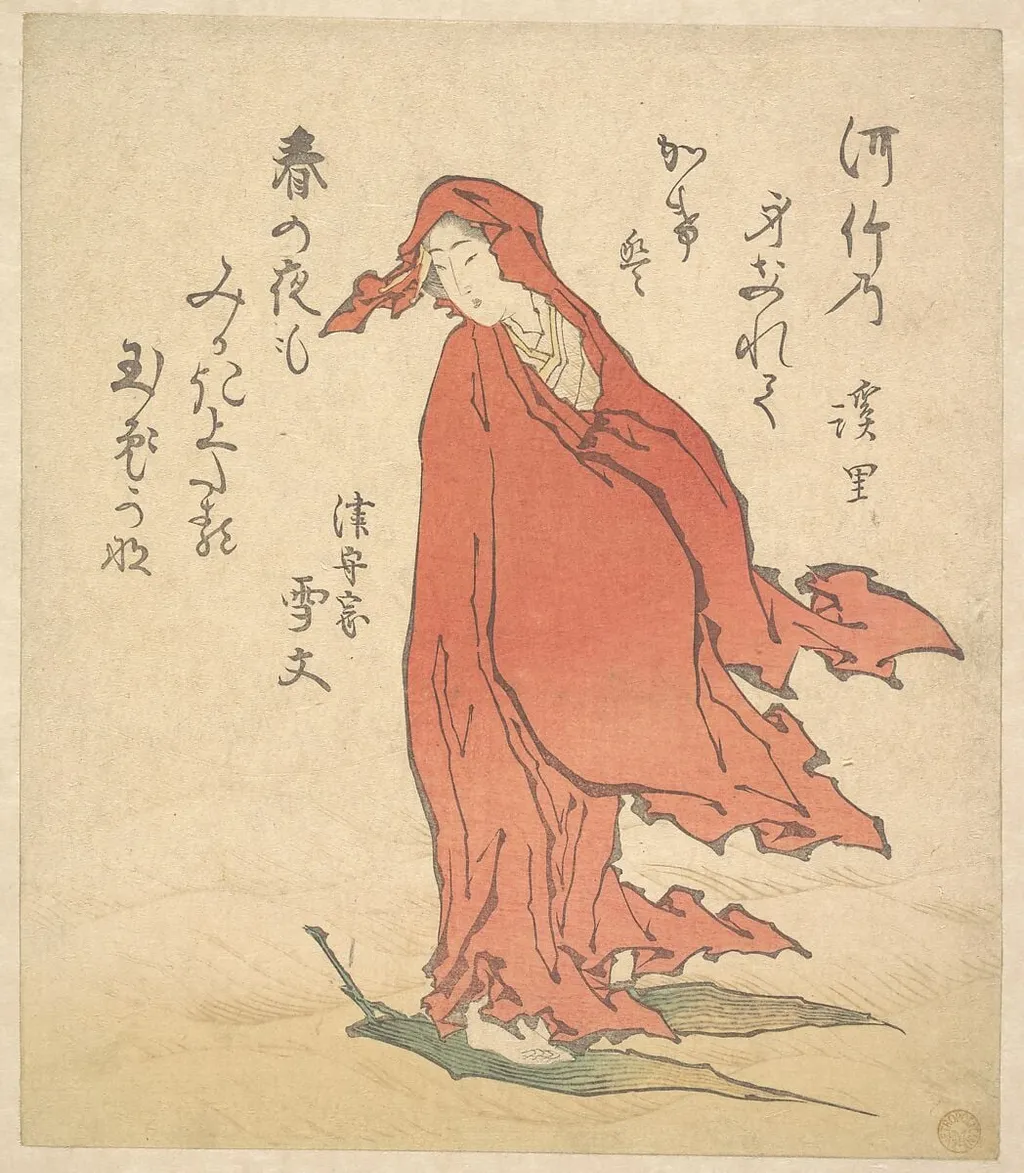
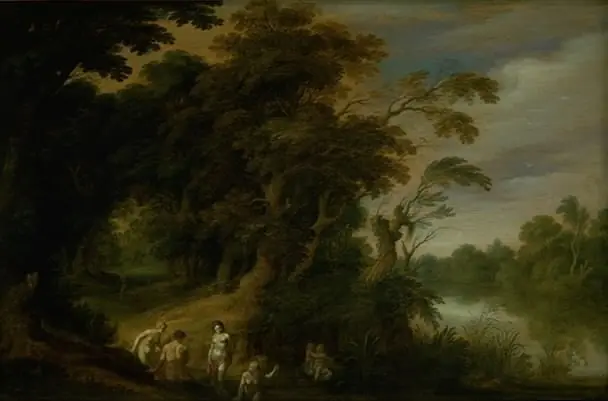
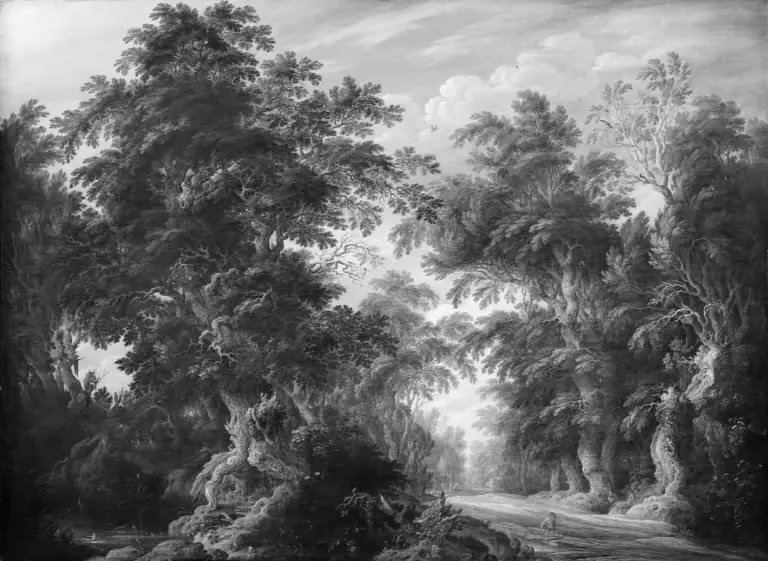
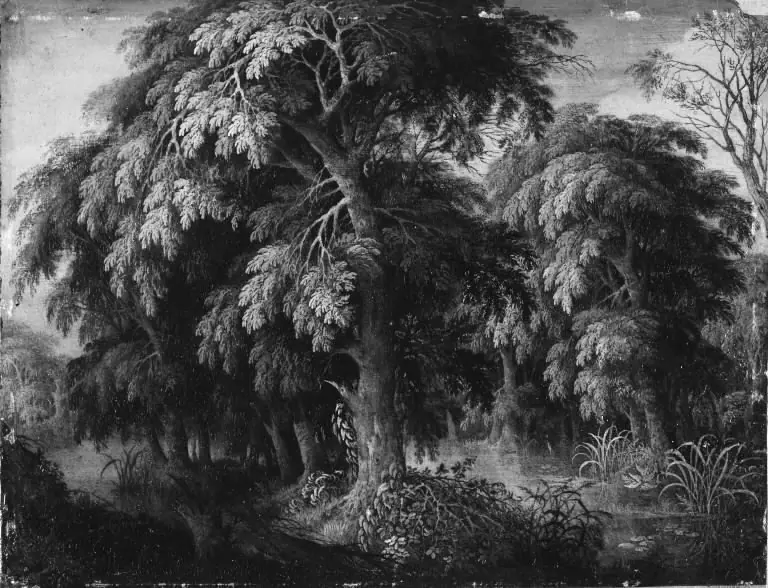
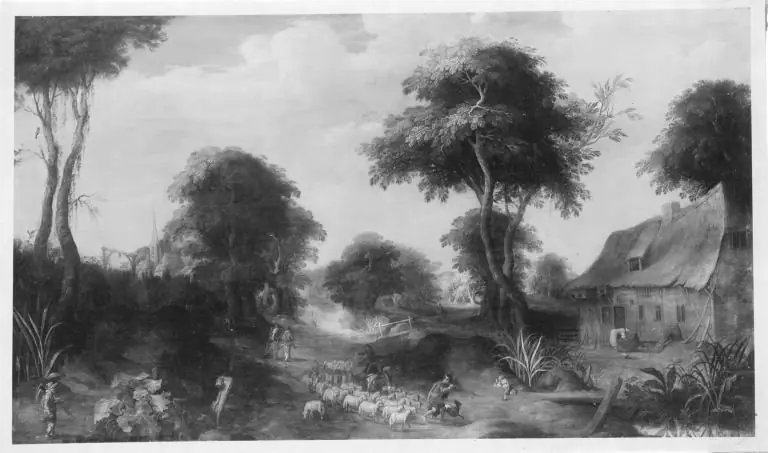
Untitled is an ink print by the Romanticist artist Alexander Keirincx. It is held in the collection of the Metropolitan Museum of Art.
About this work
Overview
The work is part of The Metropolitan Museum of Art’s print collection, valued for its quiet composition and poetic resonance rather than elaborate detail.
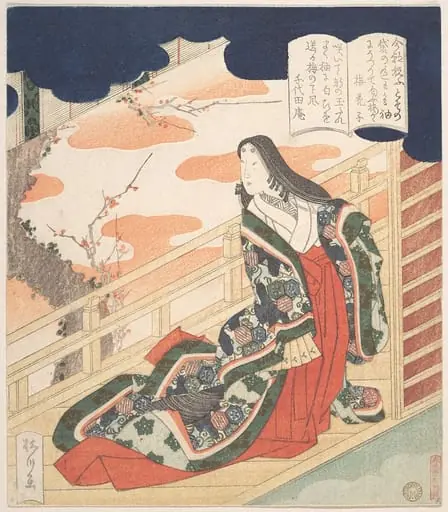
This woodblock print, created in 1835 by the artist Keiri, is a surimono, a privately commissioned print often produced for special occasions. Executed in ink and color on paper, it features a solitary female figure traversing a snow-covered path. The work is part of The Metropolitan Museum of Art’s print collection, valued for its quiet composition and poetic resonance rather than elaborate detail.
Subject & Meaning
A woman, partially concealed by a hooded red cloak, walks alone along a quiet, snow-dusted trail. She holds a bare branch, suggesting winter’s stillness or a ritual gesture. The minimal background, sparse trees and vast white space, emphasizes solitude.
Japanese text encircling the figure evokes seasonal poetry, inviting contemplation of transience, movement, or inner reflection without narrating a specific tale.
Technique & Style
The print employs restrained color: crimson for the cloak, white for snow, and muted browns for trees and ground. The red fabric flows dynamically behind the figure, contrasting sharply with the neutral tones. Fine lines suggest texture in the snow and bark, while subtle cross-hatching adds depth without heavy shading. The composition favors negative space, directing focus to the solitary figure and the poetic inscriptions framing her.
History & Provenance
Produced in 1835 during the late Edo period, this surimono was likely commissioned by a literary or artistic circle for seasonal celebration. Such prints were not mass-produced but circulated among patrons with refined tastes. It entered The Metropolitan Museum of Art’s collection through documented acquisitions of Japanese prints, preserving its original condition and inscriptions.
Context
Surimono emerged as elite prints in early 19th-century Japan, blending poetry, visual art, and craftsmanship. Unlike commercial ukiyo-e, they were often exchanged among poets and artists during New Year or other private gatherings. This work reflects the era’s aesthetic of understated emotion, where nature and brevity conveyed deeper meaning, aligning with haiku and Zen sensibilities.
Legacy
Though not widely known outside specialist circles, this print exemplifies the quiet sophistication of surimono. Its emphasis on restraint, poetic suggestion, and intimate scale influenced later Japanese printmakers and Western collectors drawn to minimalism. It remains a quiet testament to the power of suggestion in visual storytelling, valued for its emotional subtlety rather than spectacle.
Artist & collection
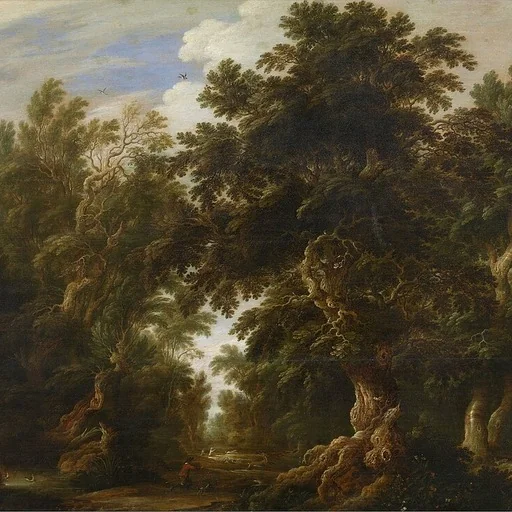
Artist
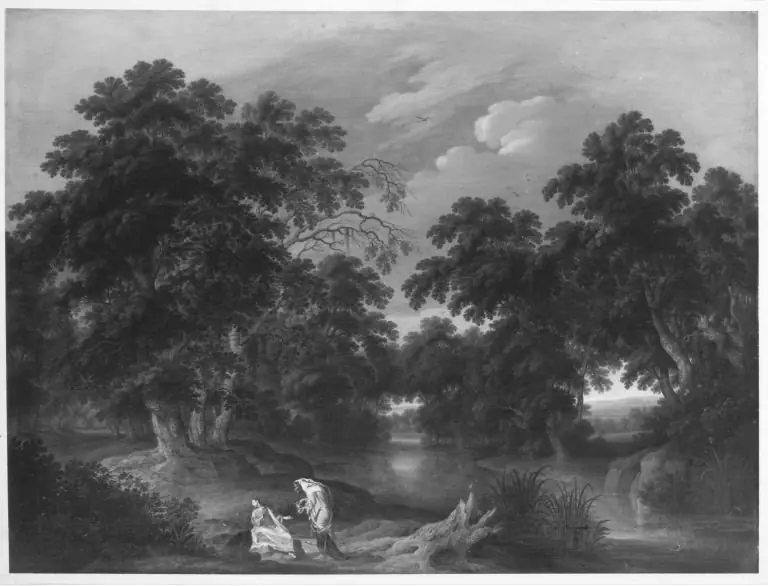
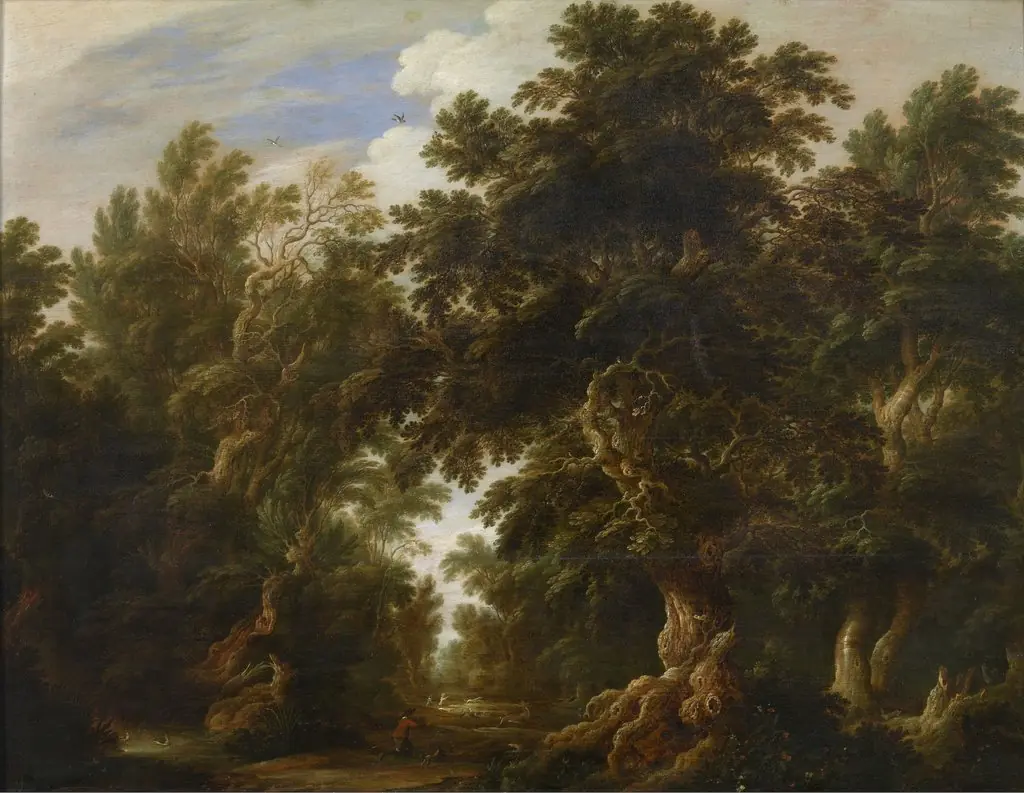
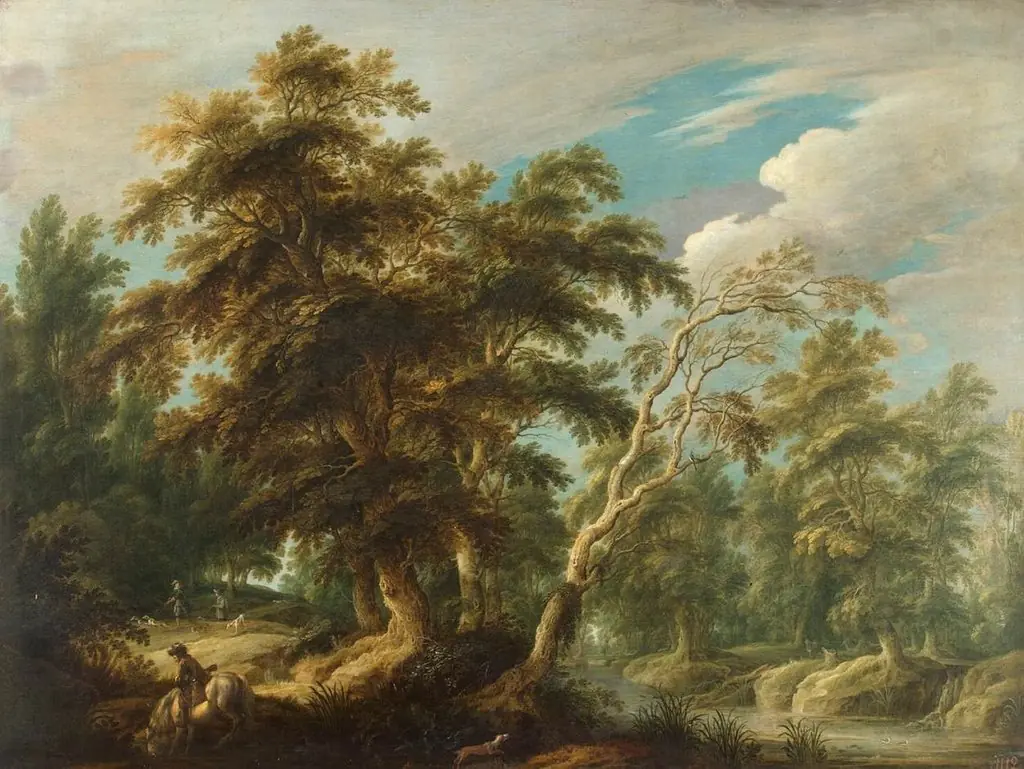
Alexander Keirincx (23 January 1600 in Antwerp – 1652 in Amsterdam) was a Flemish landscape painter who is known for his wooded landscapes with figures as well as his 'portraits' of English castles and country houses.

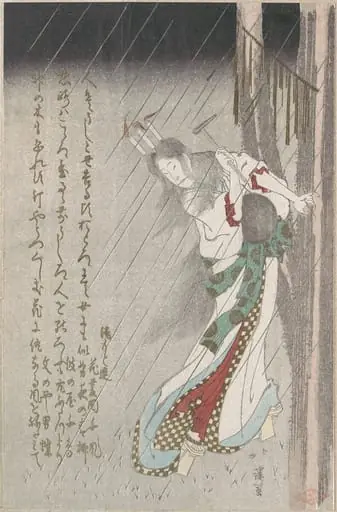
- Ushi-no-toki mairi|Woman in the Rain at Midnight Driving a Nail into a Tree to Invoke Evil on Her Unfaithful Lover
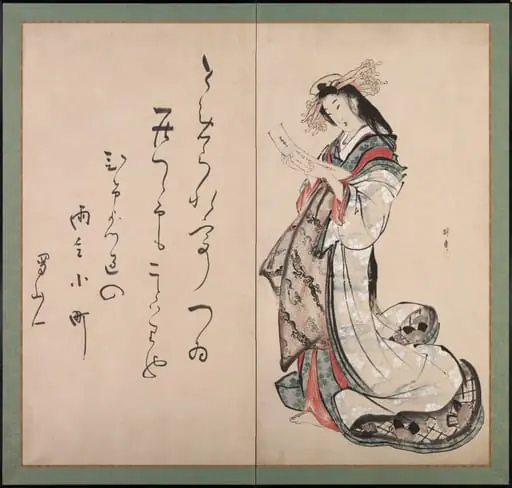 Courtesan Reading a Letter
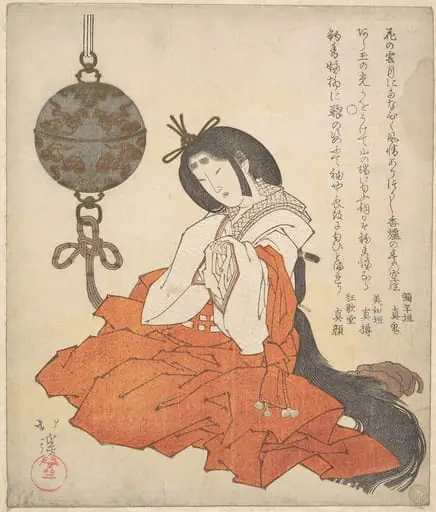 Untitled
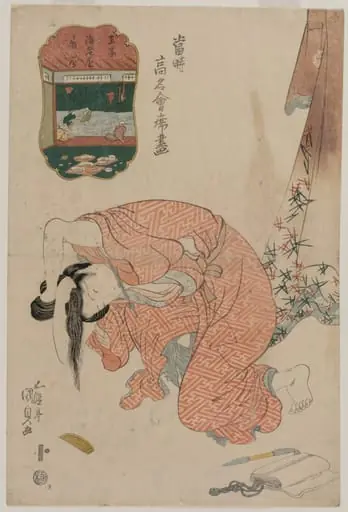 Woman Tying Her Hair (from the series Famous Restaurants of the Present Day)
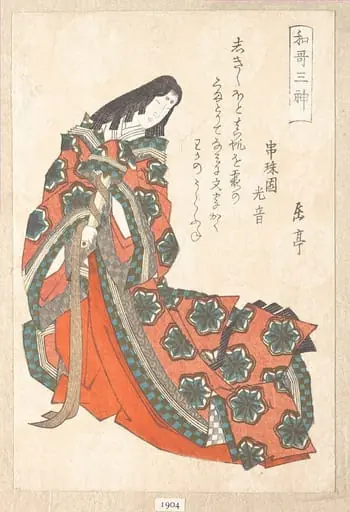 八島岳亭画 『和歌三神』 衣通姫|Sotoori-hime (early 5th century), One of the Three Gods of PoetryFrom the Spring Rain Collection (Harusame shū), vol. 1
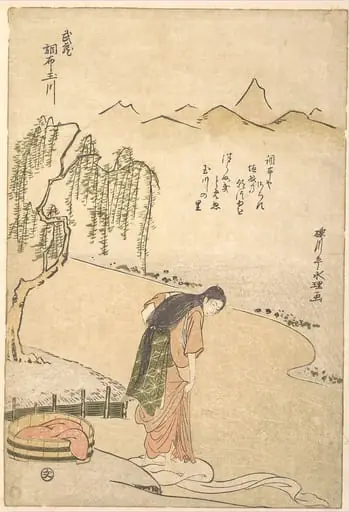 Untitled
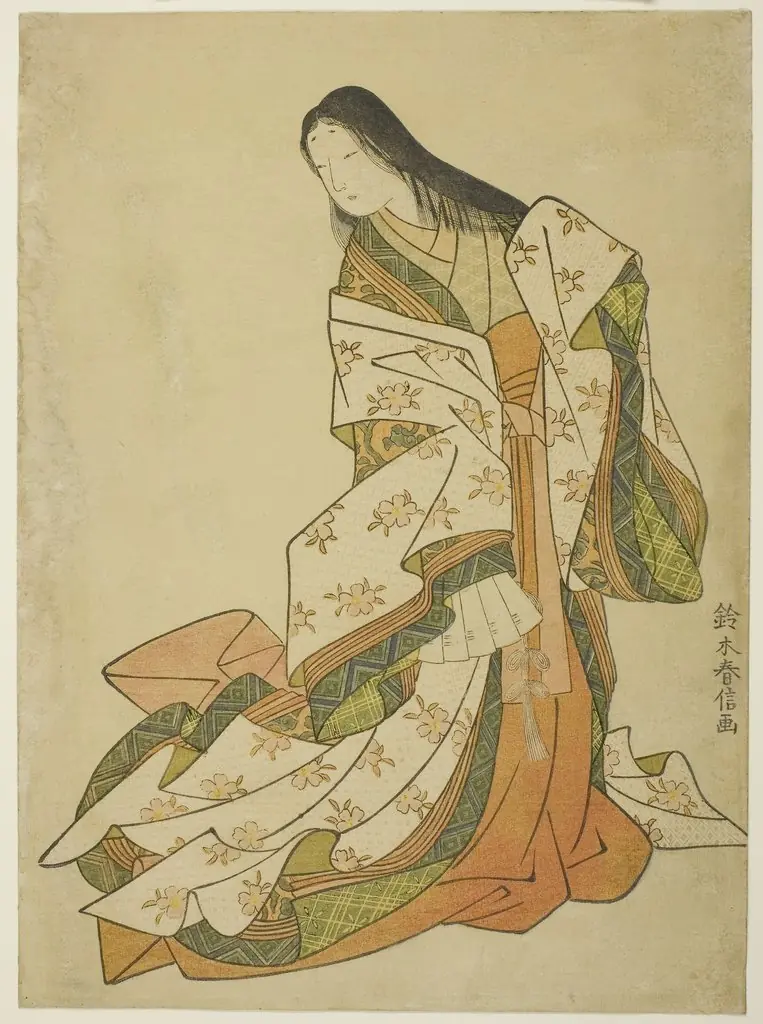 The Poetess Ono no Komachi
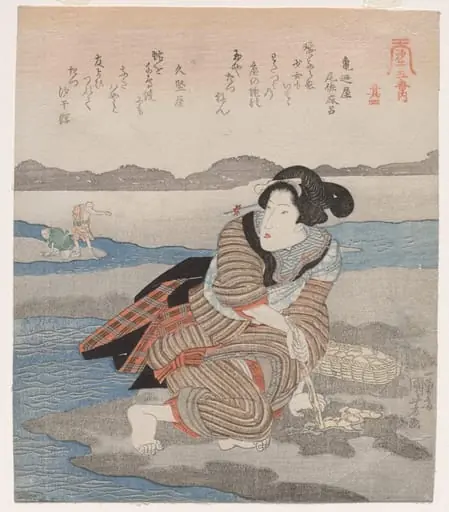 Fourth Print from A Low Tide Pentaptych
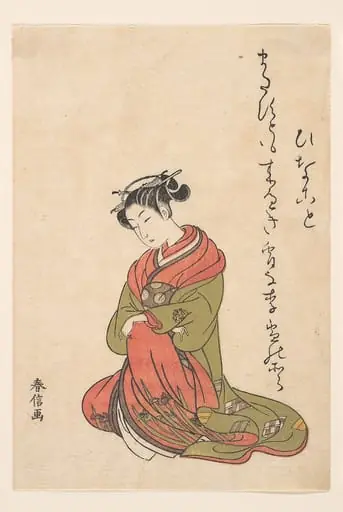 青楼美人合|The Courtesan Itsuhata with Her Pipe
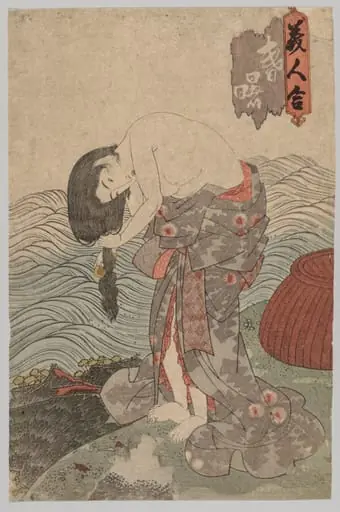 Woman Diver Combing her Hair
 Untitled
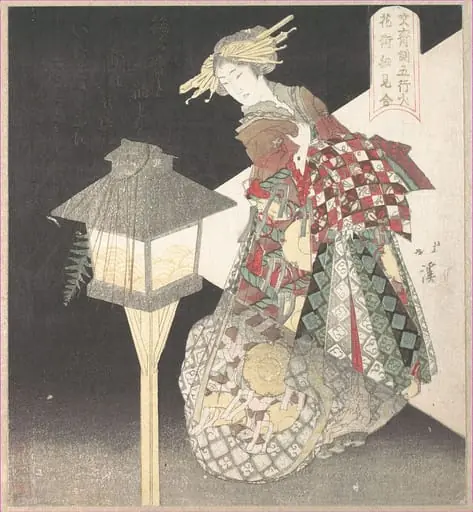 「文齊側五行火 花街細見合」|Courtesan by a Lantern, “Fire,” from the series Five Elements for the Bunsai Poetry Group, a Guide to the Yoshiwara Pleasure Quarters