Artwork
Saunakatu 6 (Etelärantatie)
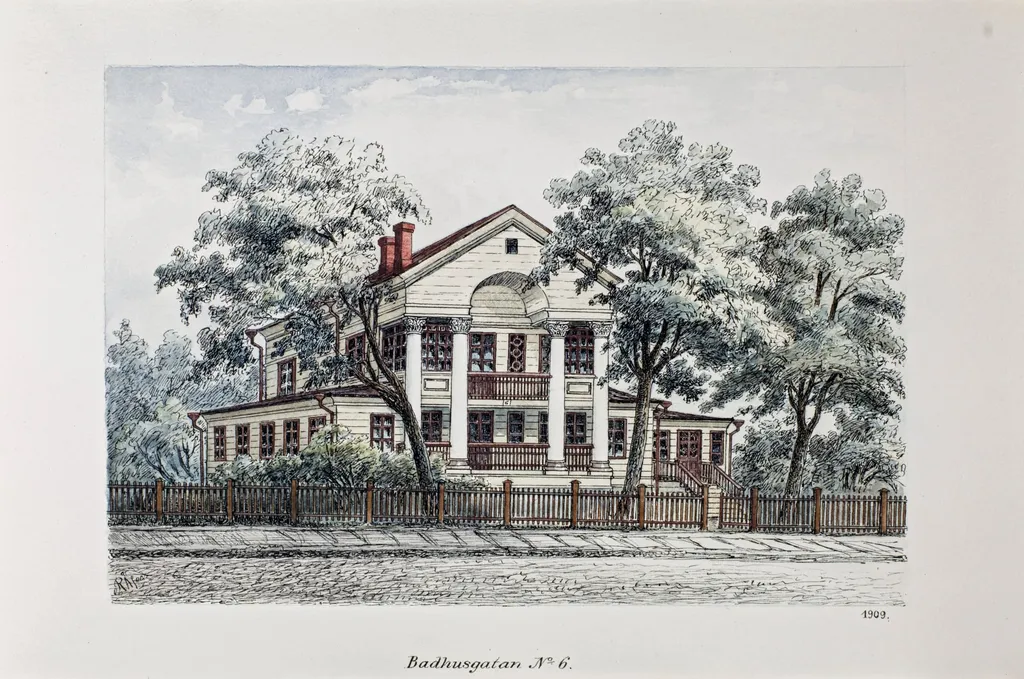
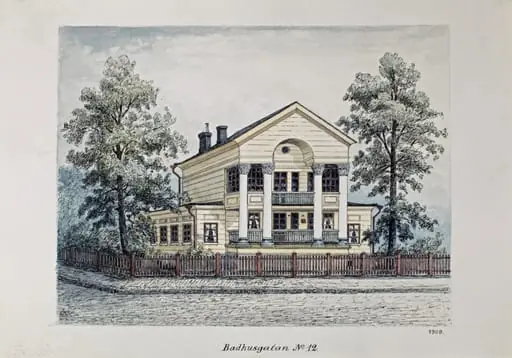
Saunakatu 6 (Etelärantatie) is a drawing by Rudolf Åkerblom. It dates from 1897 and is held in the collection of the Helsinki City Museum.
About this work
Overview
Saunakatu 6 (Etelärantatie) is a detailed architectural drawing by Finnish artist Rudolf Åkerblom, dated around 1897. It depicts a residential building in Helsinki, rendered with precision and a focus on structural elements. The work belongs to a body of drawings documenting urban and domestic environments of late 19th-century Finland, reflecting Åkerblom’s interest in recording everyday spaces.
Subject & Meaning
The subject is a modest yet substantial timber house, typical of Helsinki’s residential architecture at the time. Its prominent porch, second-floor balcony, and dense fenestration suggest a middle-class dwelling. The inclusion of a large tree and fenced yard implies a private, domestic setting, conveying a quiet sense of place rather than narrative or symbolism.
Technique & Style
Åkerblom employed fine-line pen and ink with cross-hatching to model light and texture, giving the structure a tangible solidity. The meticulous rendering of wood grain, window panes, and foliage demonstrates a draftsperson’s attention to detail. The composition is balanced and grounded, avoiding dramatic perspective in favor of observational clarity.
History & Provenance
The drawing likely originated as part of Åkerblom’s personal documentation of Helsinki’s built environment. It was not commissioned but produced as a record of a specific address, Saunakatu 6. Its survival suggests it was retained by the artist or a close associate, later entering institutional or private collections as a historical artifact.
Context
In the 1890s, Helsinki was expanding rapidly, and architects and artists increasingly turned to documenting vernacular buildings before they were altered or replaced. Åkerblom’s work aligns with this trend, capturing structures that reflected local materials and construction methods, offering a counterpoint to the grander civic projects of the era.
Legacy
Though not widely exhibited during his lifetime, Åkerblom’s drawings like this one are now valued for their documentary precision. They serve as visual archives of Helsinki’s residential fabric, aiding architectural historians in understanding the city’s domestic landscape at the turn of the century.
Own this work as a print
Artist & collection

 Antreankatu 5 (Antinkatu)
 A Country Residence, Possibly General Moreau's Country House at Morrisville, Pennsylvania
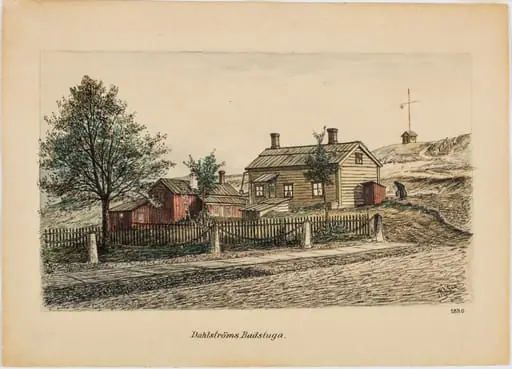 Ullanlinnanmäki
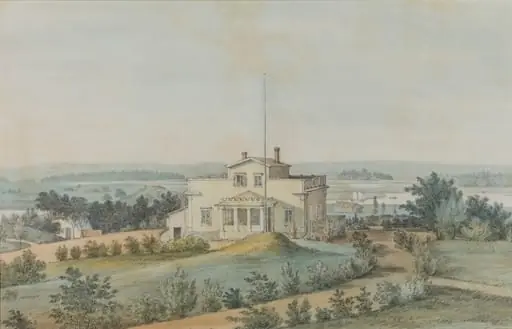 Anneberg (Annala)
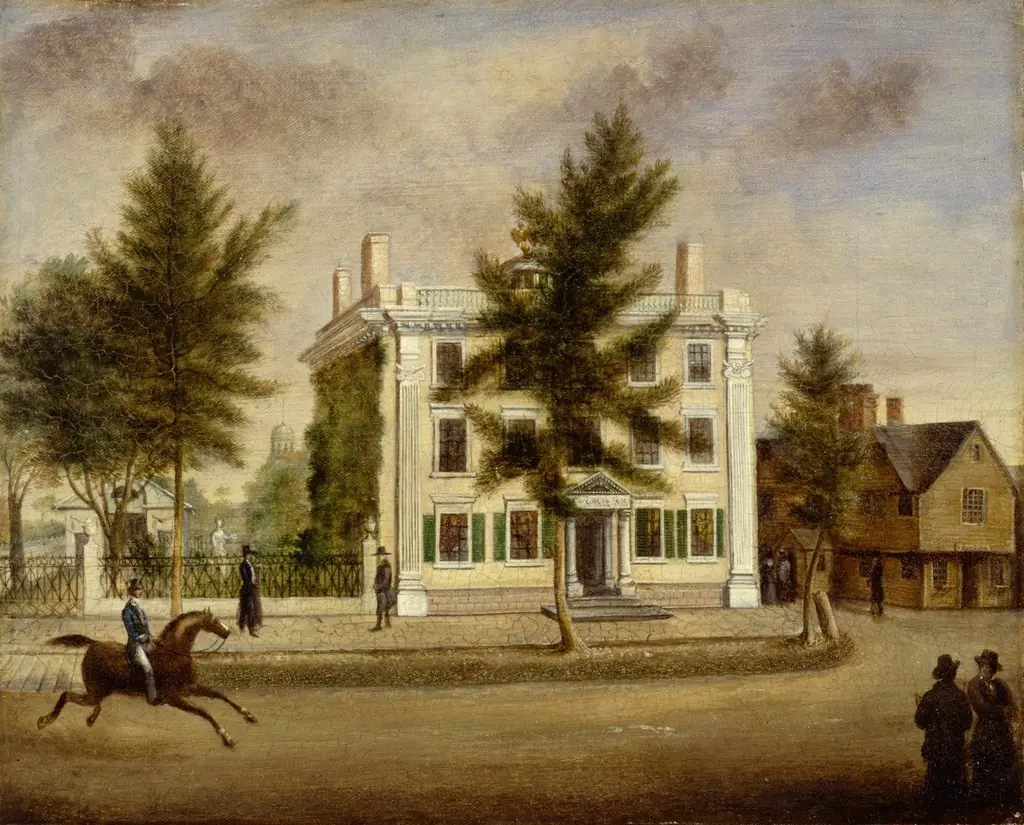 Pickman-Derby House, 70 Washington Street, Salem, Massachusetts
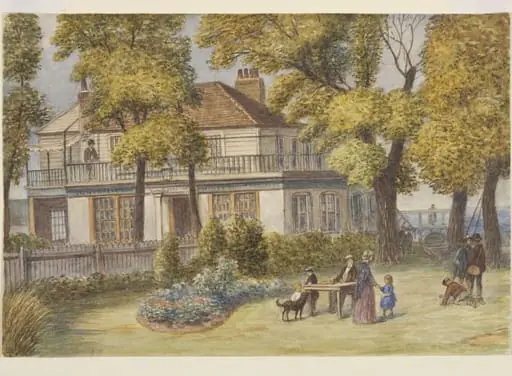 The Horse and Groom by the River Lea
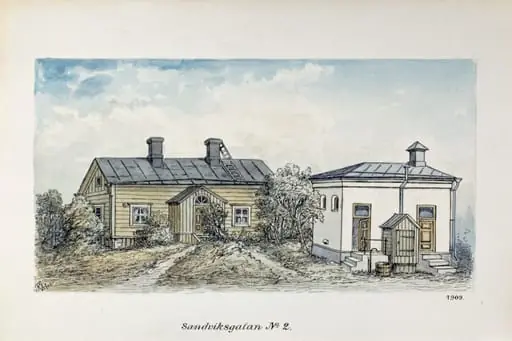 Hietalahdenkatu 2
 H Beard Print Collection
 The cottage in Hyde Park
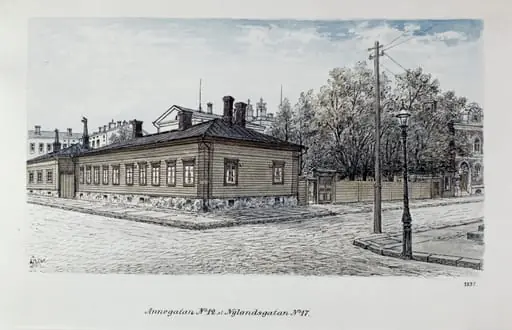 Annankatu 12 - Uudenmaankatu 17, Leschen talo