Artwork
Deathbed of a Nun
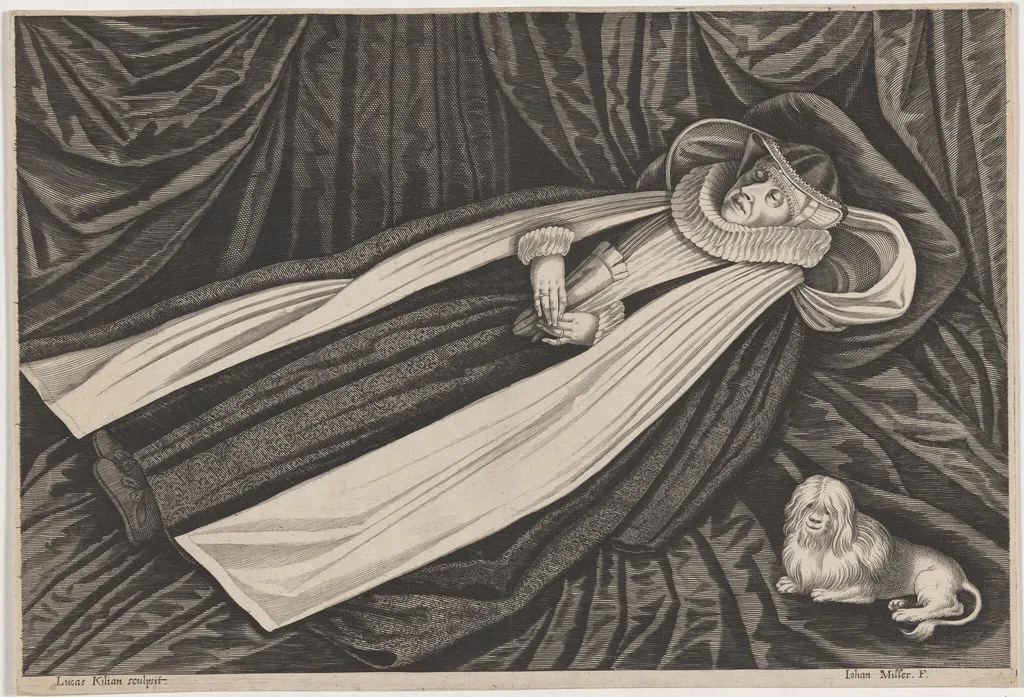
Deathbed of a Nun is an ink print by the Renaissance artist Lucas Kilian. It dates from 1608 and is held in the collection of the National Gallery of Art.
About this work
Overview
Lucas Kilian’s 1608 engraving titled Deathbed of a Nun presents a solemn scene in which a nun lies on a richly draped bed. Rendered entirely in black‑and‑white, the image balances a sense of stillness with the quiet intensity of the moment, highlighted by the precise linear technique typical of early‑17th‑century prints.
Subject & Meaning
The composition centers on a nun in a large ruff collar and a crown‑like headpiece, her hands folded in prayerful repose. A small lion crouches at her feet, gazing directly outward, a symbolic element that may allude to spiritual vigilance or martyrdom, underscoring the gravity of the nun’s final hours.
Technique & Style
Kilian employs fine, intersecting lines and subtle cross‑hatching to model the heavy curtains and the textures of the bedding, creating depth without tonal gradations. The meticulous linework conveys both the material richness of the setting and the subdued atmosphere of a deathbed vigil.
History & Provenance
Born into the Augsburg workshop of the Custos family, Kilian was trained by his stepfather and worked within that studio’s collaborative environment. By the early 1600s he had already produced a range of prints, portraits, mythological scenes, and anatomical studies, demonstrating his versatility before creating this religious subject.
Context
The engraving reflects the period’s interest in devotional imagery that combined realistic detail with moral symbolism. Augsburg’s thriving print market provided a venue for such works, allowing artists like Kilian to disseminate religious narratives to a broad audience.
Own this work as a print
Artist & collection
Artist
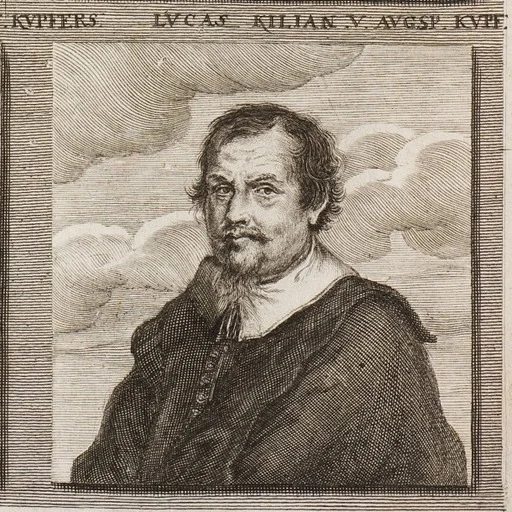
Lucas Kilian (Lucas Kilianus Augustanus; 1579–1637) was a German engraver and etcher from the Kilian family of engravers in Augsburg.

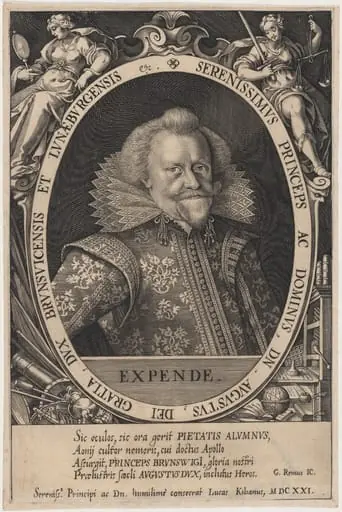
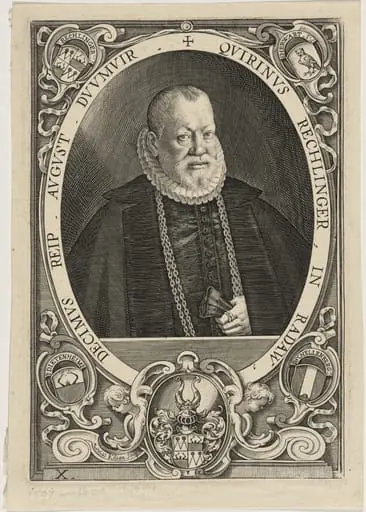
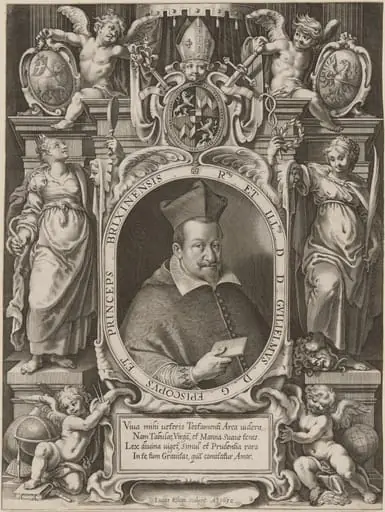
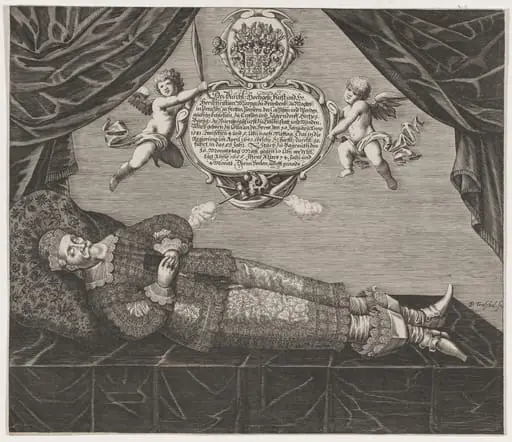
- Christian, Margrave of Brandenburg-Bayreuth on his Deathbed
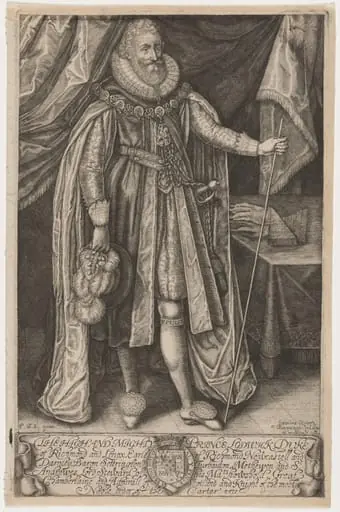 Lodovick Stuart, Duke of Richmond and Lennox
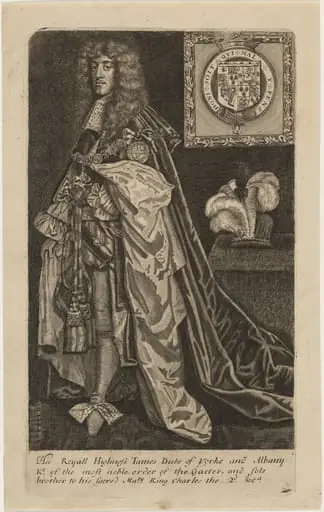 James II as Duke of York
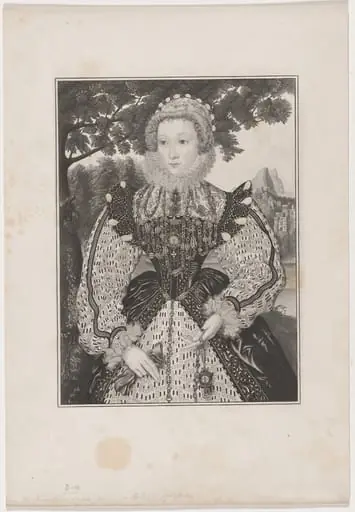 Mary of Guise
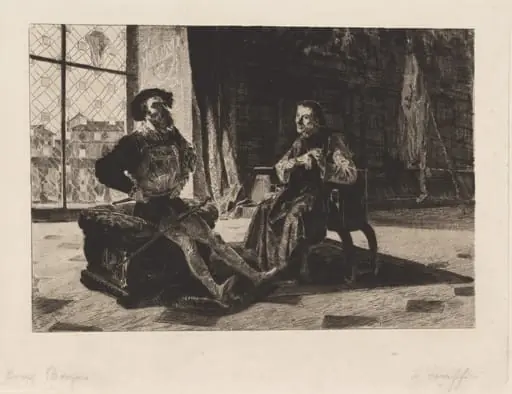 Cesare Borgia and Machiavelli
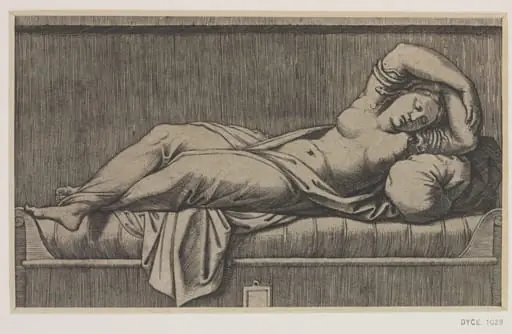 Cleopatra
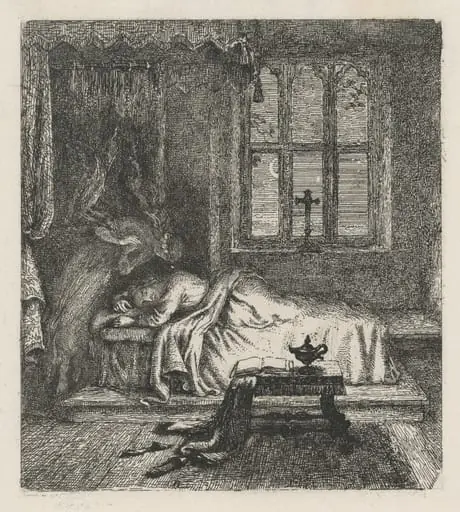 Milton's Dream of His Deceased Wife
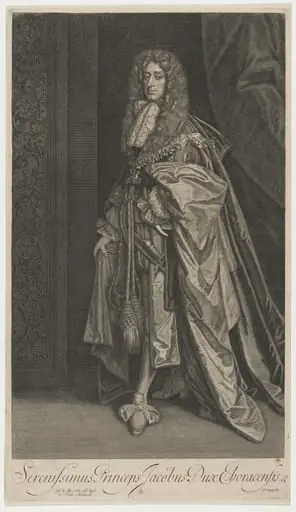 James II, as Duke of York
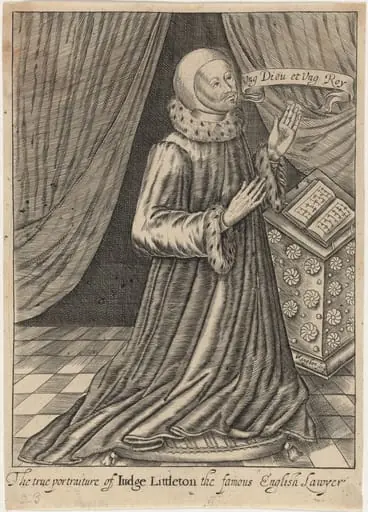 Sir Thomas Lyttleton, Lawyer
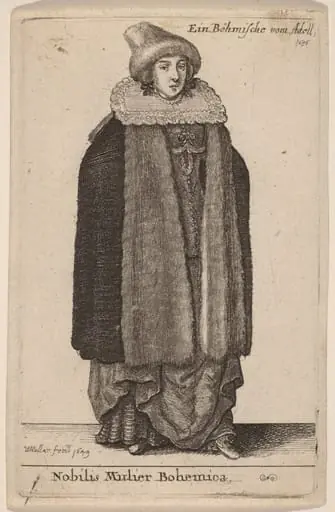 Nobilis Mulier Bohemica
 David in Prayer
 La philosophie endormie