Subject
Lion
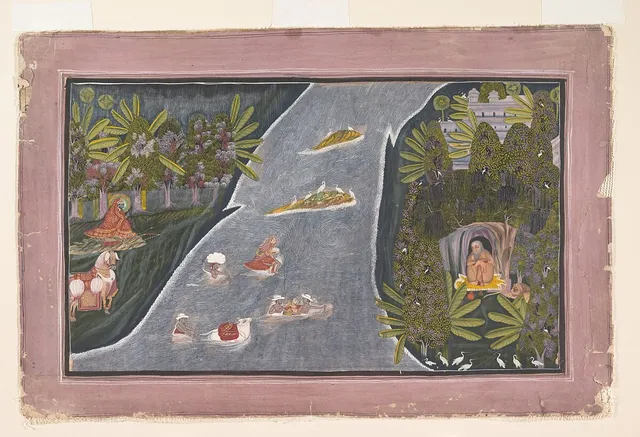
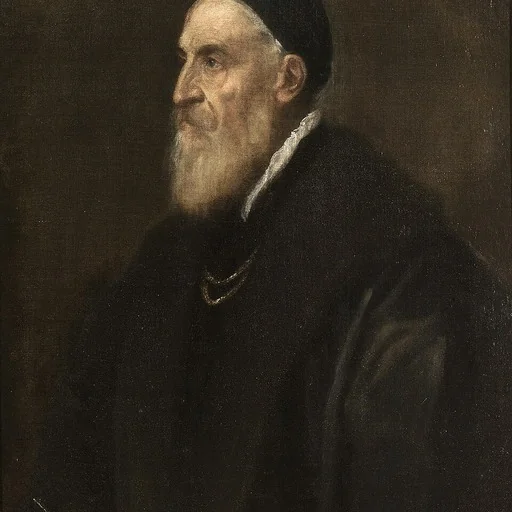
Lion is a subject in art. The gallery holds 119 works in this subject in art, including works by Titian, Édouard Manet and Jean Léon Gérôme.
Few animals have carried as much symbolic weight in art as the lion, which appears across nearly every major civilization as an emblem of power, royalty, courage, and protection. Its earliest monumental treatments come from the ancient Near East and Egypt, where lions guarded thresholds and were fused with divinity—seen in the lion-headed goddess Sekhmet and in the glazed-brick lions that strode along the processional way of Babylon's Ishtar Gate. The supreme achievement of this tradition is the Neo-Assyrian Lion Hunt of Ashurbanipal (c. 645–635 BC) from the North Palace at Nineveh, now in the British Museum. Carved in alabaster, these reliefs cast the king's slaughter of lions as a royal rite, and their most celebrated detail, the "Dying Lioness" pierced by arrows and dragging her paralyzed hindquarters, remains one of antiquity's most affecting animal images.
In the classical world the lion entered heroic myth through Heracles and the invulnerable Nemean Lion, while heraldic Europe made the rampant lion a near-universal sign of sovereignty on shields and banners. Christian iconography gave the beast new meaning: by the end of the 4th century Saint Jerome assigned the winged lion to the evangelist Mark, a symbol later inseparable from Venice and its Serenissima. The lion also became the faithful companion of Saint Jerome himself, a motif endlessly repeated in Renaissance painting.
The lion's defining moment in Western painting is the hunt. Peter Paul Rubens set the template with his turbulent Lion Hunt (c. 1621, Alte Pinakothek, Munich), a tangle of horses, spears, and roaring beasts. Two centuries later Eugène Delacroix, fired by his 1832 journey to Morocco and by studies of caged animals in Paris, revived the subject in his own Lion Hunt canvases (from 1855), making the lion the Romantic emblem of untamed natural force.
The lion's modern afterlife is equally rich. Henri Rousseau's dreamlike The Sleeping Gypsy (1897) sets a wandering lion over a sleeping figure beneath a desert moon—an artist who never saw a wild lion, working from the Paris menagerie and zoo. From Assyrian palaces to naïve modernism, the lion has remained a vessel for ideas of kingship, mortality, and the sublime, bridging sacred symbol and observed nature.
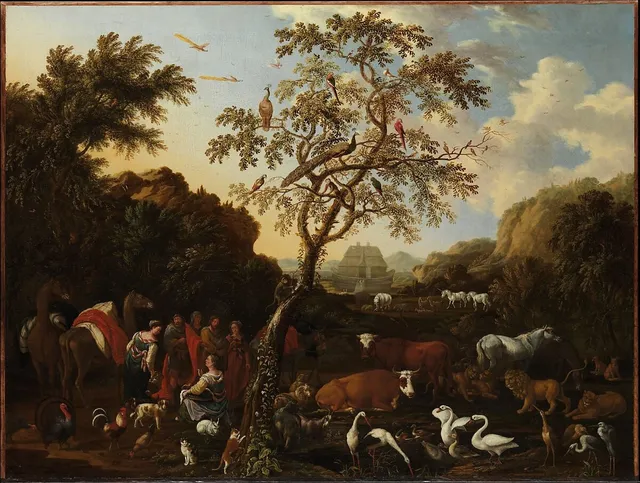
Key artists


Overview
The lion is a large, powerfully built cat native to Africa and India, historically ranging across much of Europe, Asia, and Africa. As an apex predator, it has been one of the most recognizable animals on the planet since earliest times, earning the proverbial title of the king of beasts. Its distinctive physical features, social behavior, and formidable strength have made it a recurring subject in global visual culture. Depicted in at least 216 works in a major art collection, the lion appears across a wide array of media and traditions, reflecting its deep integration into human religious, mythological, and political imagination.
Iconography & meaning
In visual culture, the lion carries diverse symbolic meanings, often representing power, ferocity, and divine authority. Its physical attributes, such as the male's majestic mane which makes him appear larger and more intimidating, contribute to its iconography as a symbol of strength and dominance. The lion's role as a social apex predator that works in coordinated groups further informs its artistic association with noble hierarchy and kingship. In religious contexts, the lion frequently embodies both peril and divine protection, as seen in depictions of Daniel in the Lions' Den, where the beast's capacity for violence is subdued by faith. Similarly, in Buddhist art, lions serve as protective figures accompanying the Historical Buddha, symbolizing the strength and power of the dharma.
Across movements & periods
The treatment of the lion in art has shifted significantly across movements and periods, reflecting changing human interactions with the animal. In ancient and medieval contexts, lions were depicted as both real and mythical threats, a reflection of their historical range across Eurasia before vanishing from much of it by the late Pleistocene. As the animal's range contracted primarily to regions south of the Sahara and a small protected population in India's Gir National Park, artistic representations became less observational and more reliant on established iconographic conventions. Renaissance and Mannerist artists, such as those depicting the Nymph of Fontainebleau, integrated the lion into elaborate allegorical and decorative frameworks, while Buddhist artistic traditions maintained the creature's role as a steadfast guardian figure across centuries of devotional art.
Legacy
The lion's legacy in art and culture remains inextricably linked to its biological reality as a dominant predator and its historical ubiquity. Although the species has suffered a nearly 90 percent population decrease, largely due to habitat loss, retaliatory killings over livestock, and hunting, its image endures as a global symbol of courage and authority. Conservation efforts, such as the National Geographic Big Cat Initiative and organizations like Walking for Lions, now work to mitigate human-wildlife conflict and protect remaining populations in Africa and India. The enduring artistic fascination with the lion, rooted in its physical majesty and social complexity, continues to shape human perceptions of the animal, even as its survival in the wild faces increasing challenges.
Works
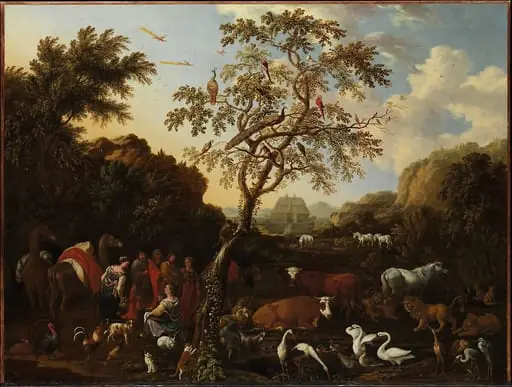 The Ark
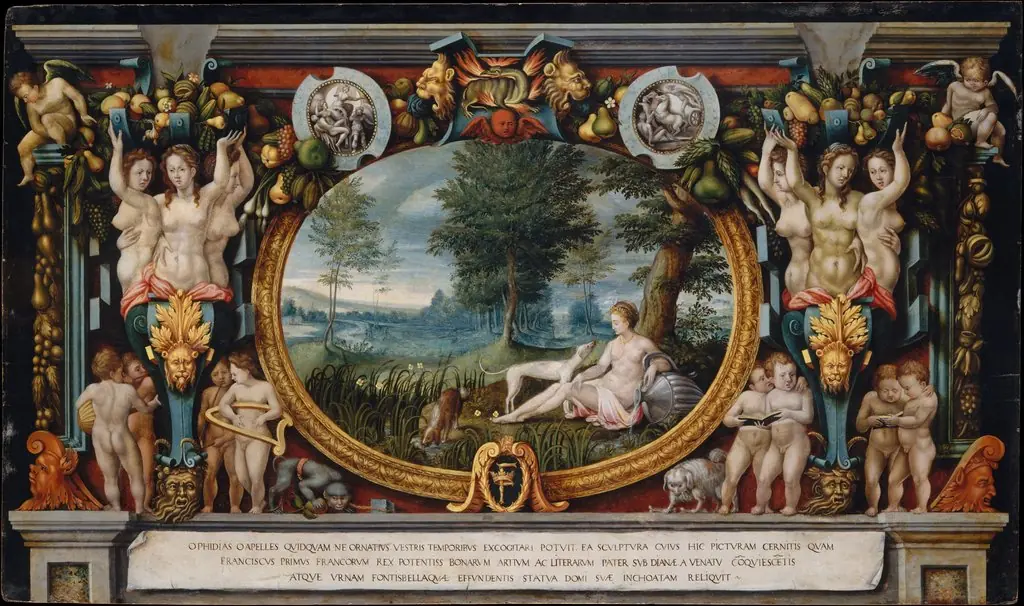 The Nymph of Fontainebleau
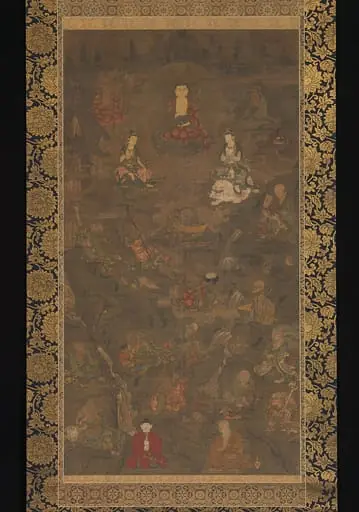 釈迦三尊十六羅漢像|Shaka (Shakyamuni), the Historical Buddha, with Two Attendant Bodhisattvas and Sixteen Arhats
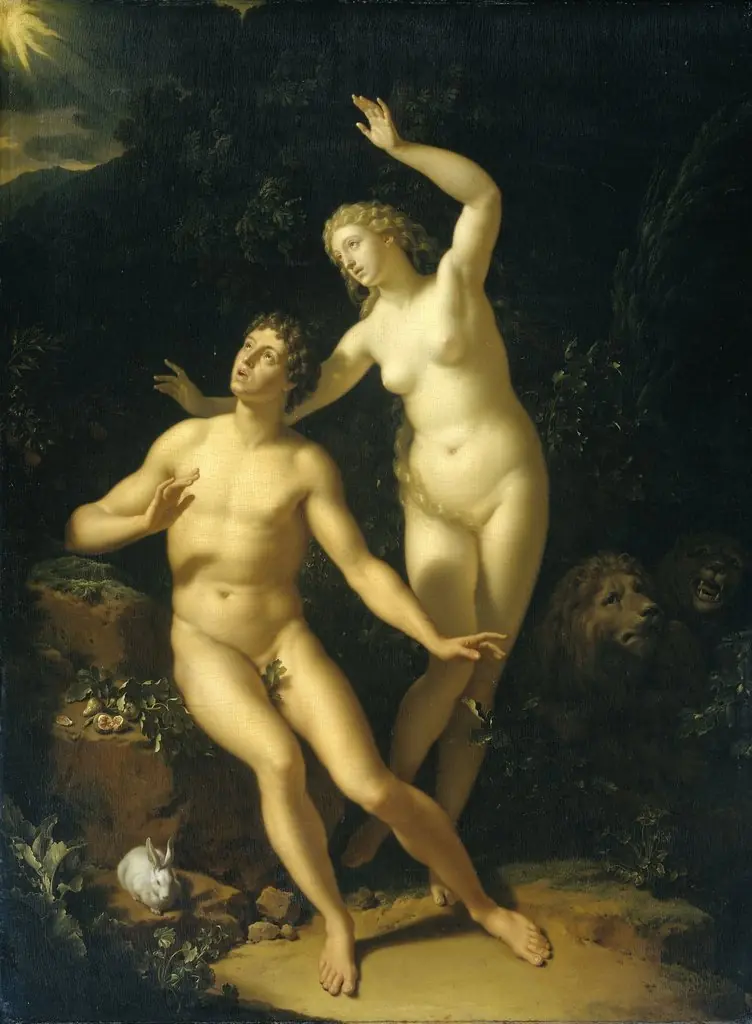 God Holds Adam and Eve Responsible
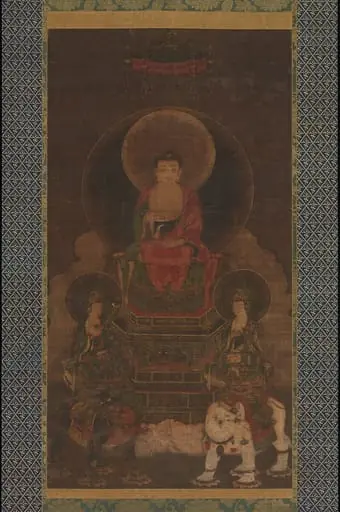 釈迦三尊像|Shaka (Shakyamuni) Triad
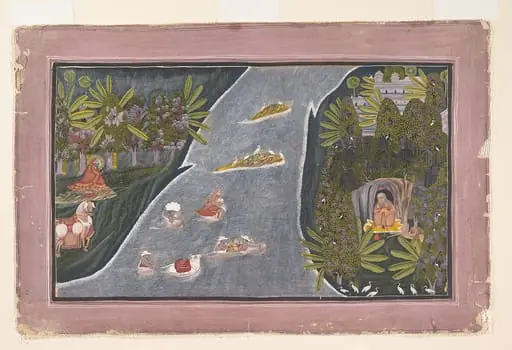 Untitled
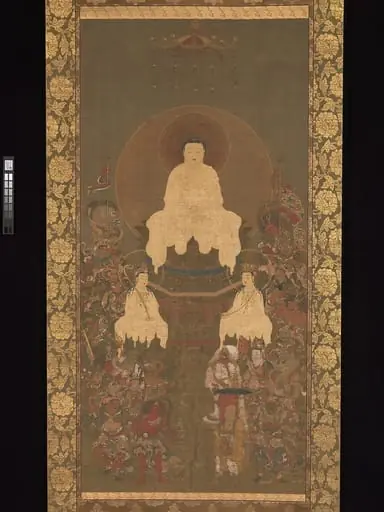 釈迦三尊十六善神像|Shaka (Shakyamuni), the Historical Buddha, with Two Attendant Bodhisattvas and Sixteen Benevolent Deities
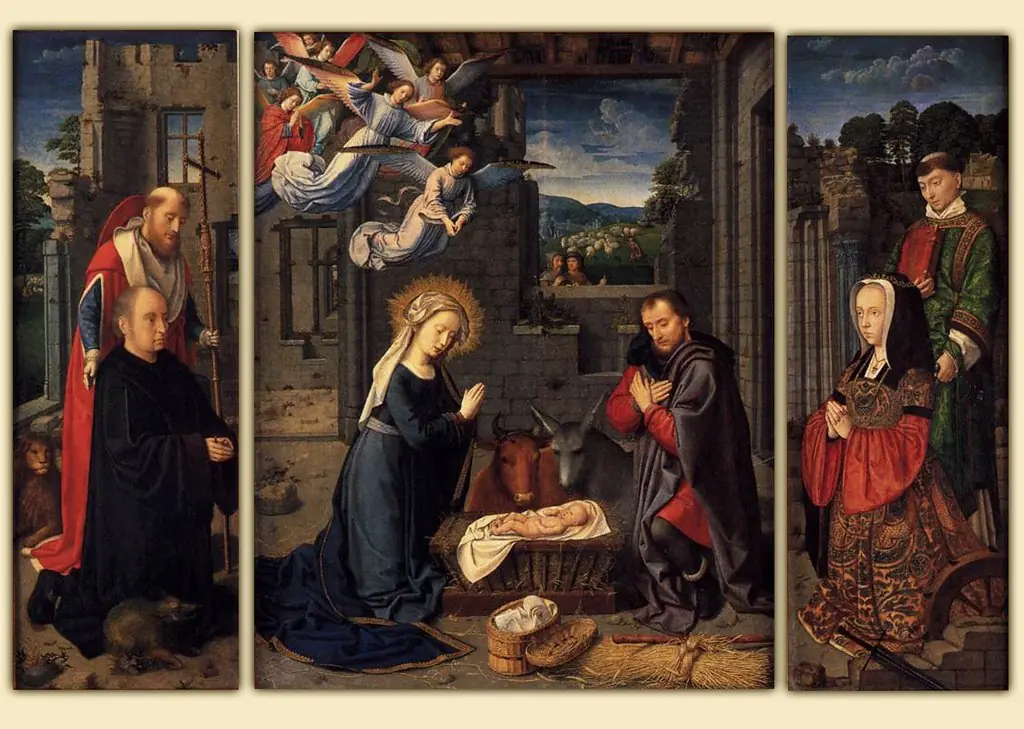 The Nativity with Donors and Saints Jerome and Leonard
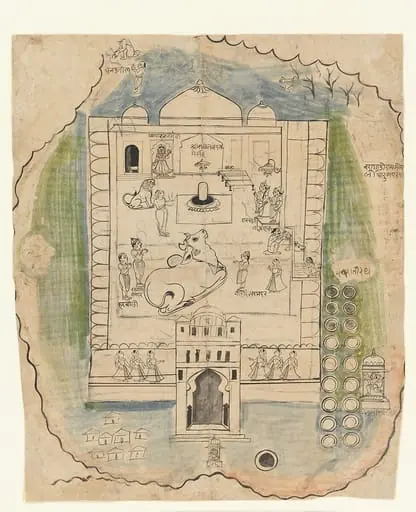 Untitled
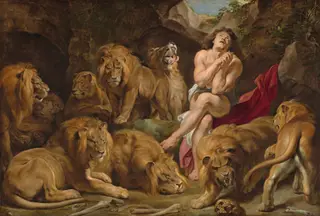 Daniel in the Lions' Den
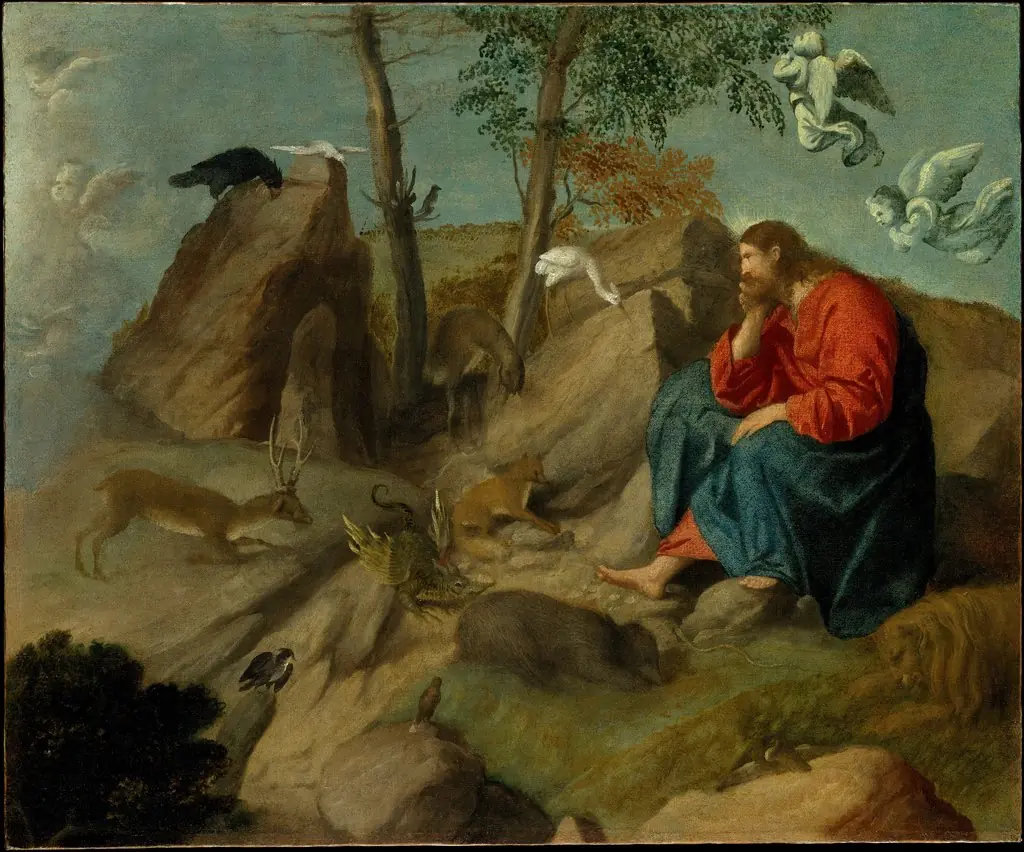 Christ in the Wilderness
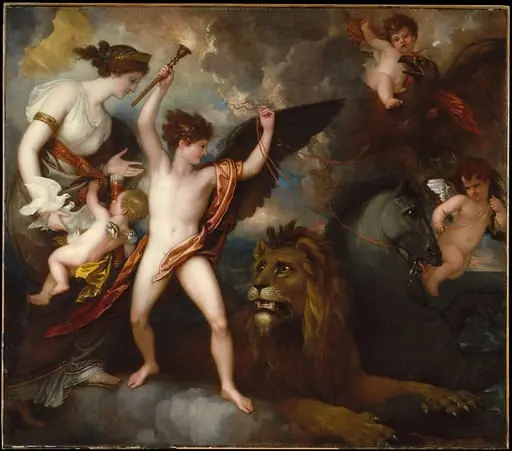 Omnia Vincit Amor, or The Power of Love in the Three Elements
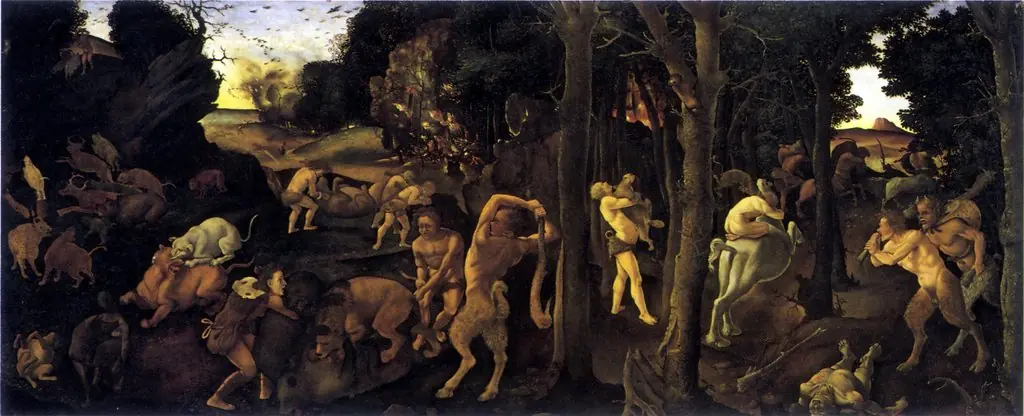 A Hunting Scene
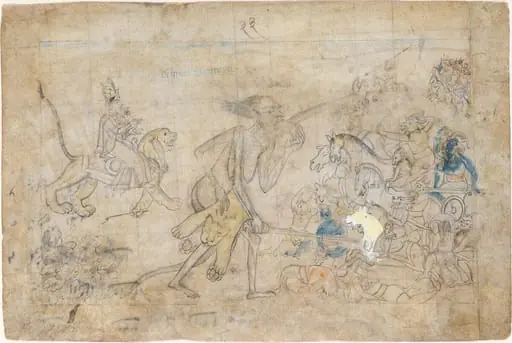 Untitled
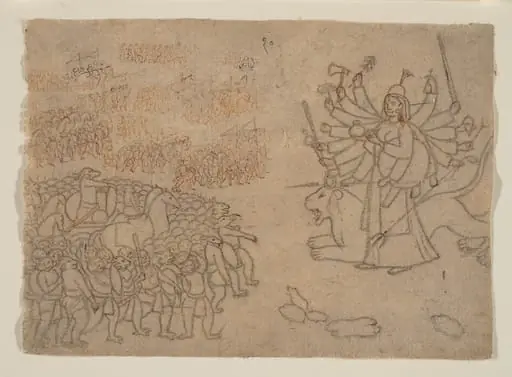 Untitled
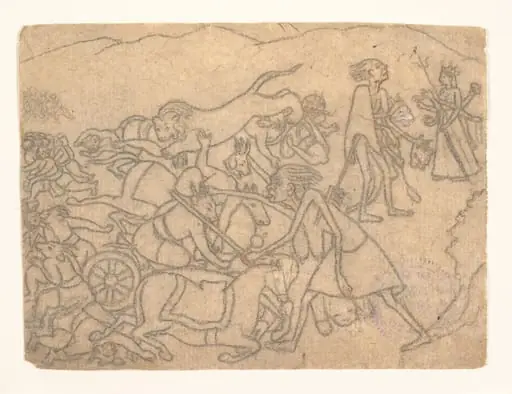 Untitled
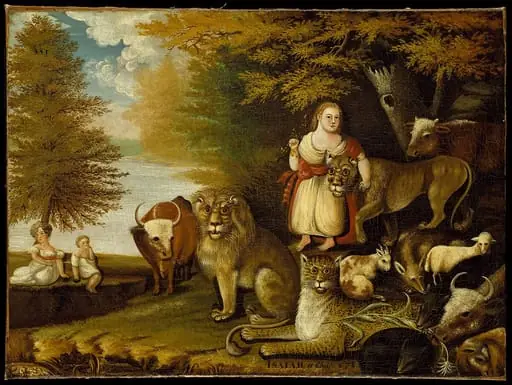 Peaceable Kingdom
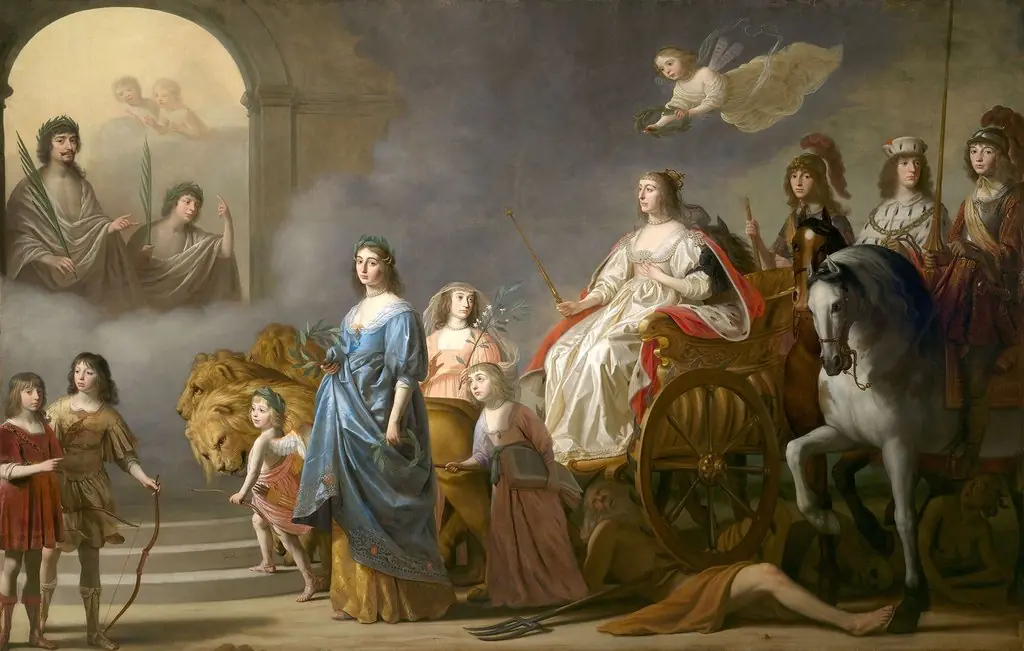 The Triumph of the Winter Queen: Allegory of the Just
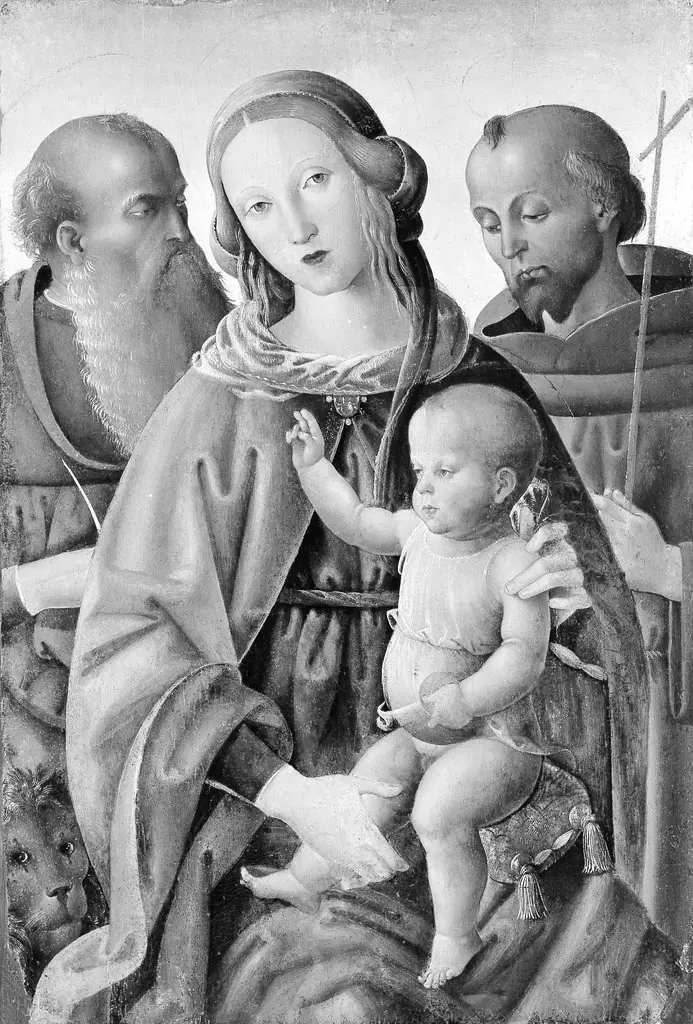 Madonna and Child with Saints Jerome and Francis
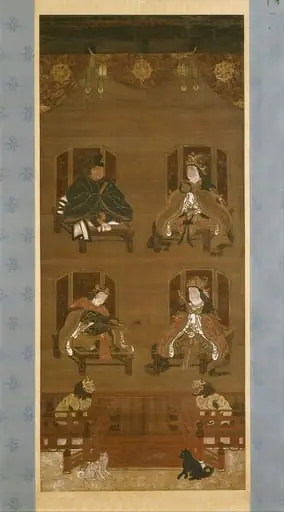 高野四所明神像|The Four Deities of Mount Kōya
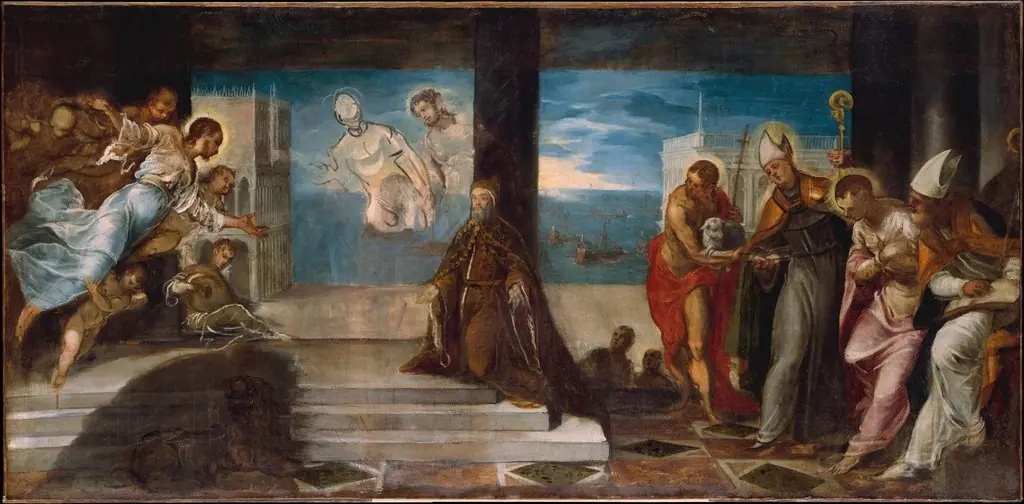 Doge Alvise Mocenigo (1507–1577) Presented to the Redeemer
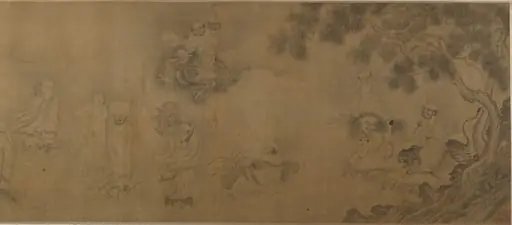 明 /清 佚名 李公麟 偽款 龍王請齋圖 卷|Buddhist luohans crossing the sea to the palace of the dragon king
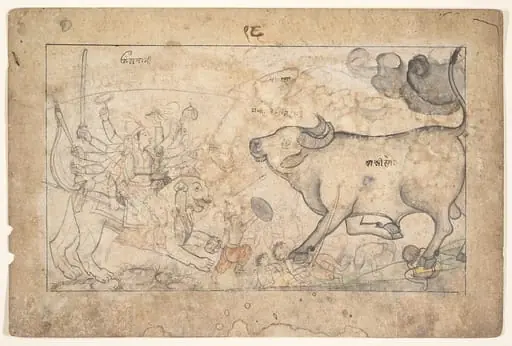 Untitled
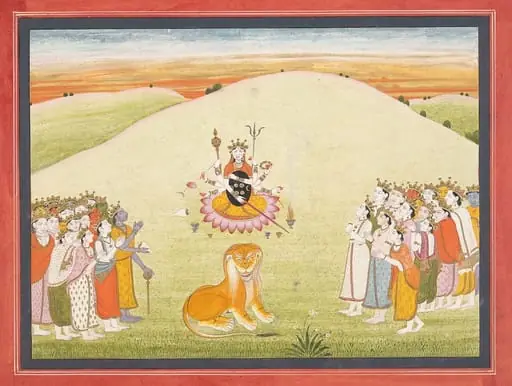 Untitled
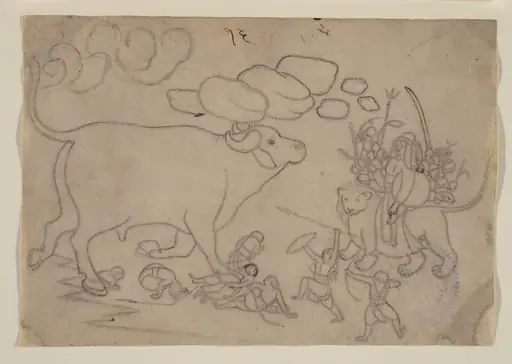 Untitled
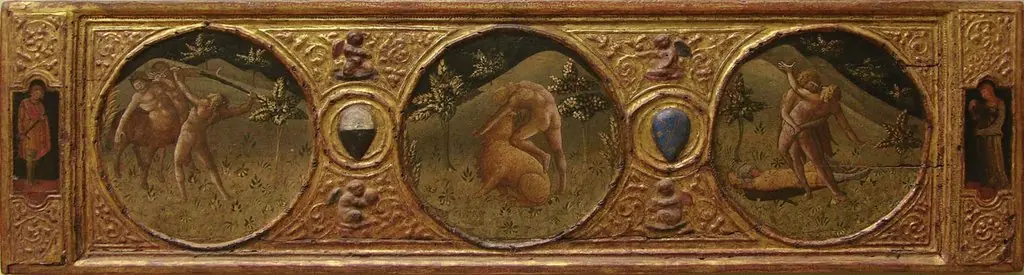 The Labors of Hercules
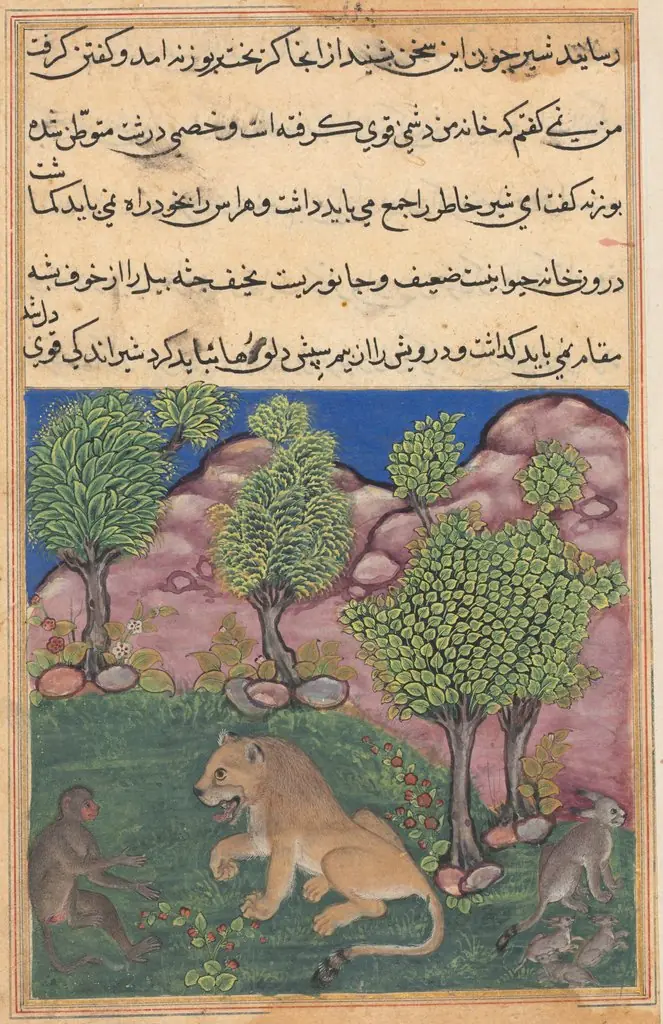 The monkey advises the suspicious lion to cast off fear and take possession of his territory, from a Tuti-nama (Tales of a Parrot): Twenty-ninth Night
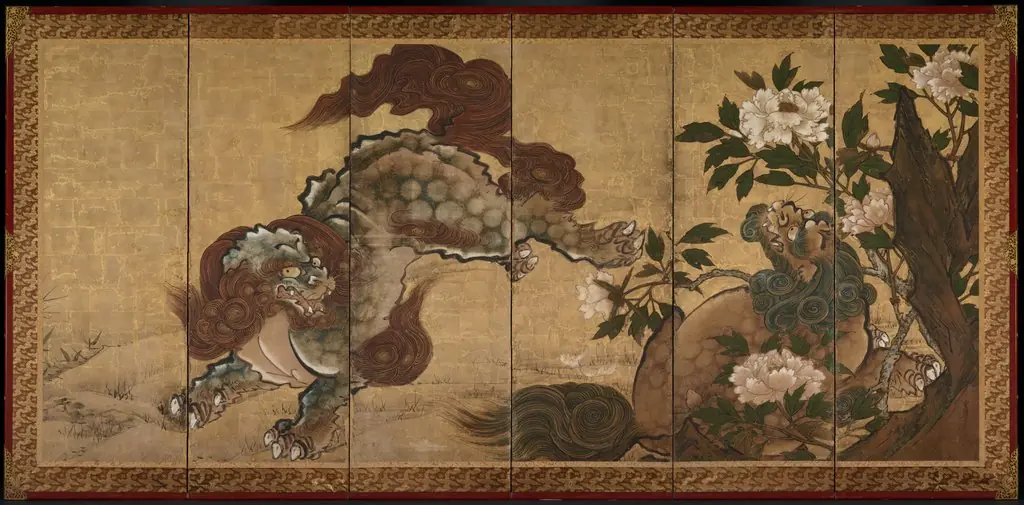 Lions and Tigers in Peony and Bamboo
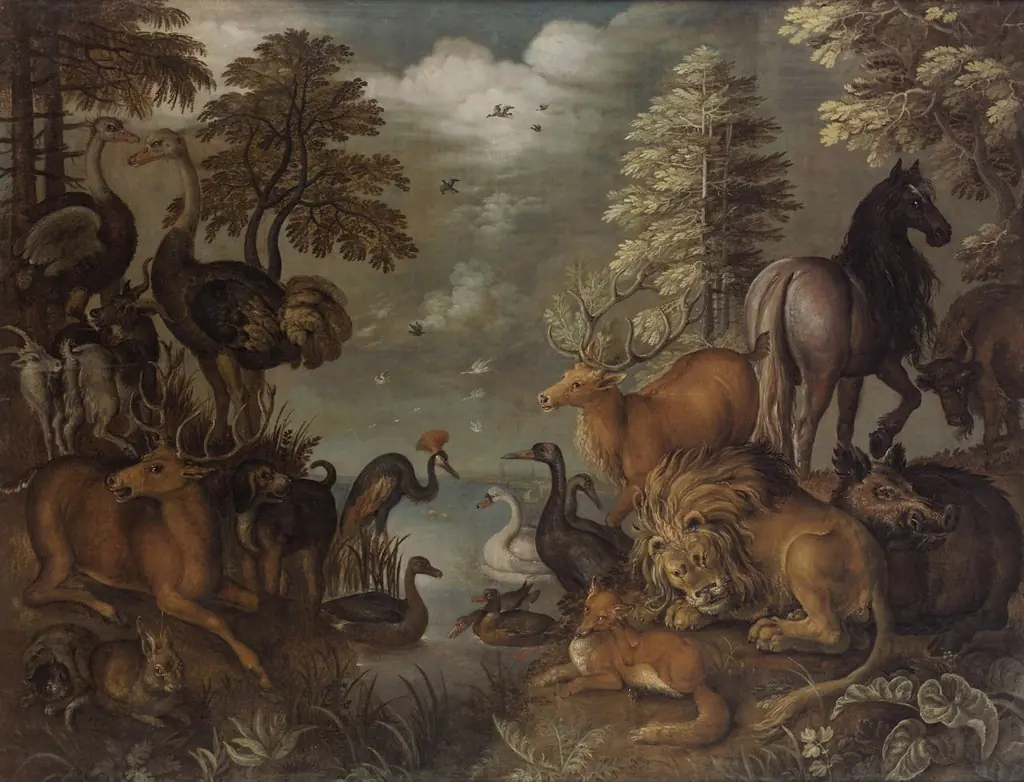 Große Landschaft mit Tieren
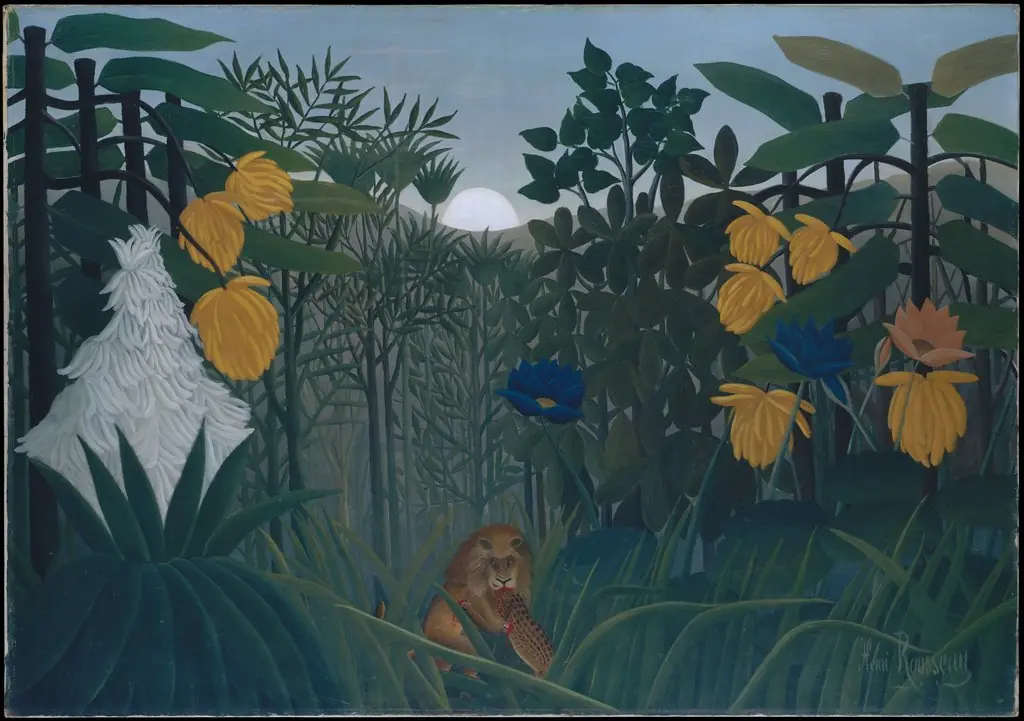 The Repast of the Lion
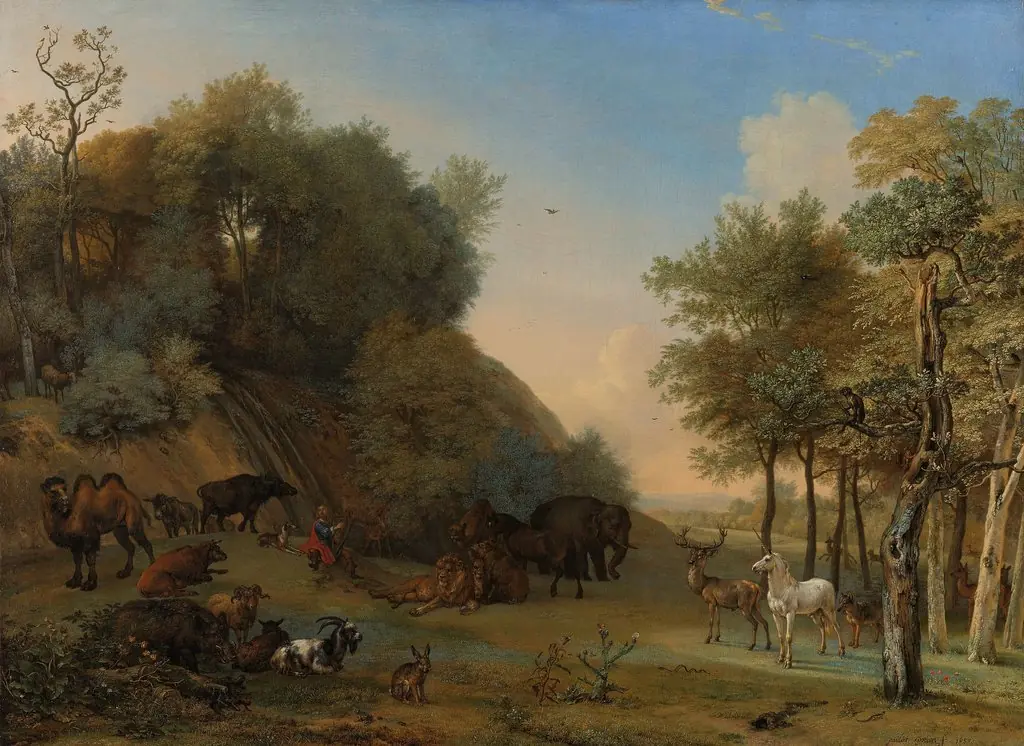 Orpheus and the Animals
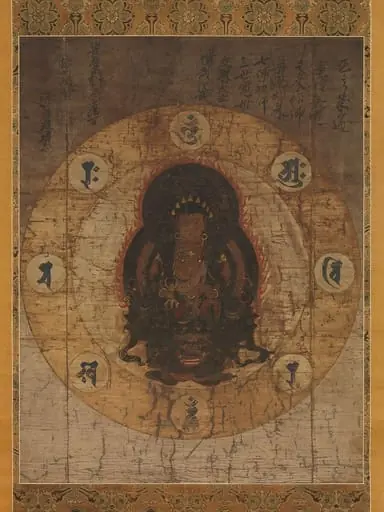 八字文殊菩薩像|Monju Bosatsu with Eight Sacred Sanskrit Syllables
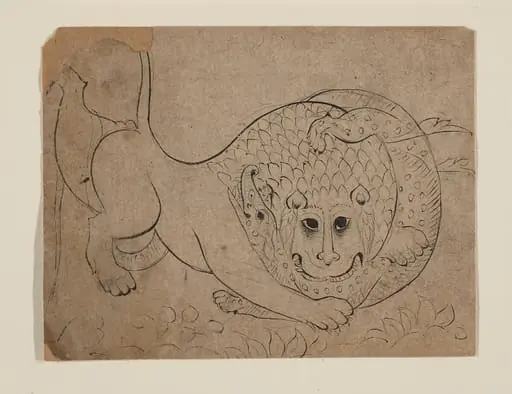 Untitled
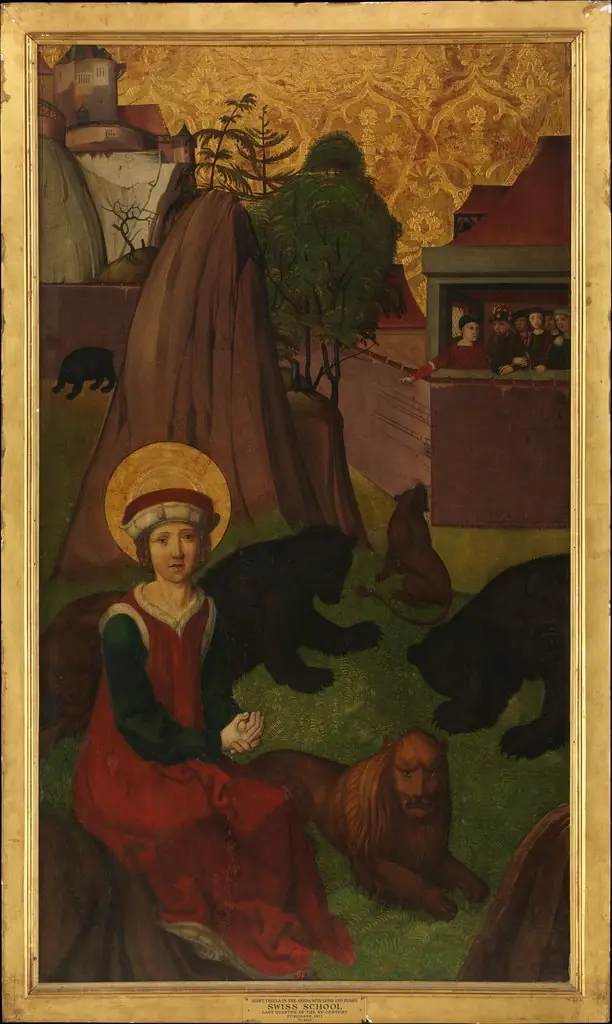 Saint Agapitus of Praeneste in the Arena; (interior) The Beheading of Saint Agapitus of Praeneste
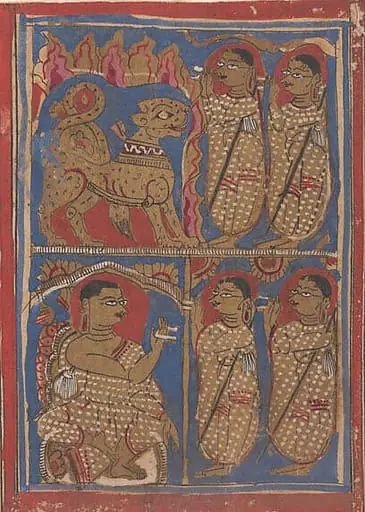 Untitled
 Untitled
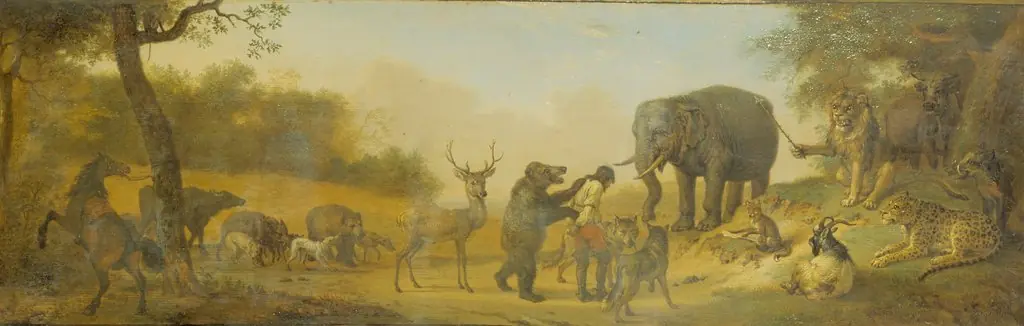 Hunter and Hounds being Judged
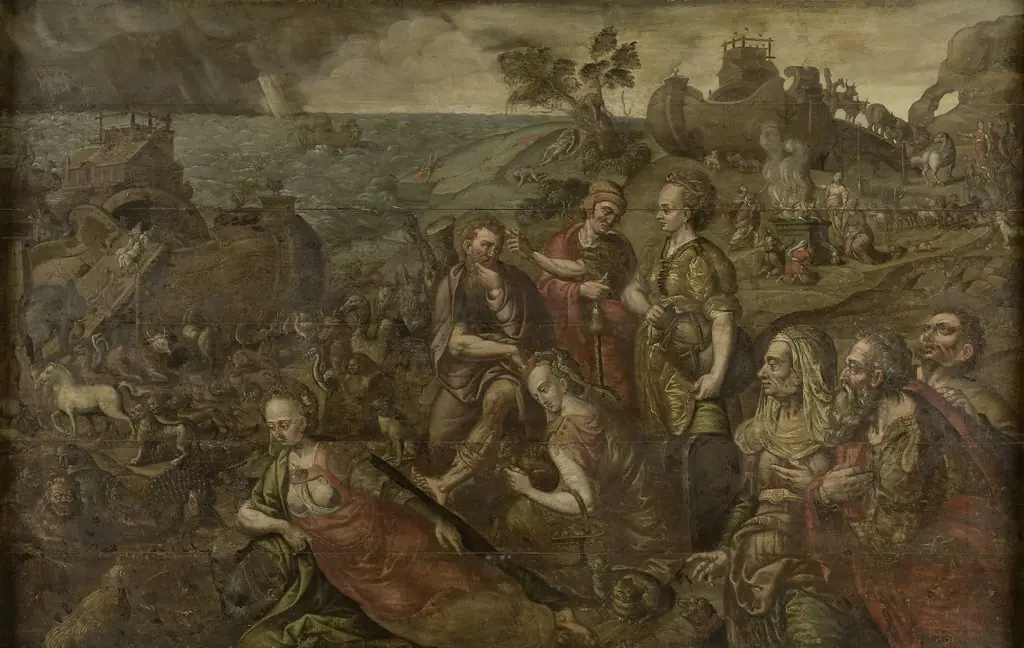 Noah's Ark
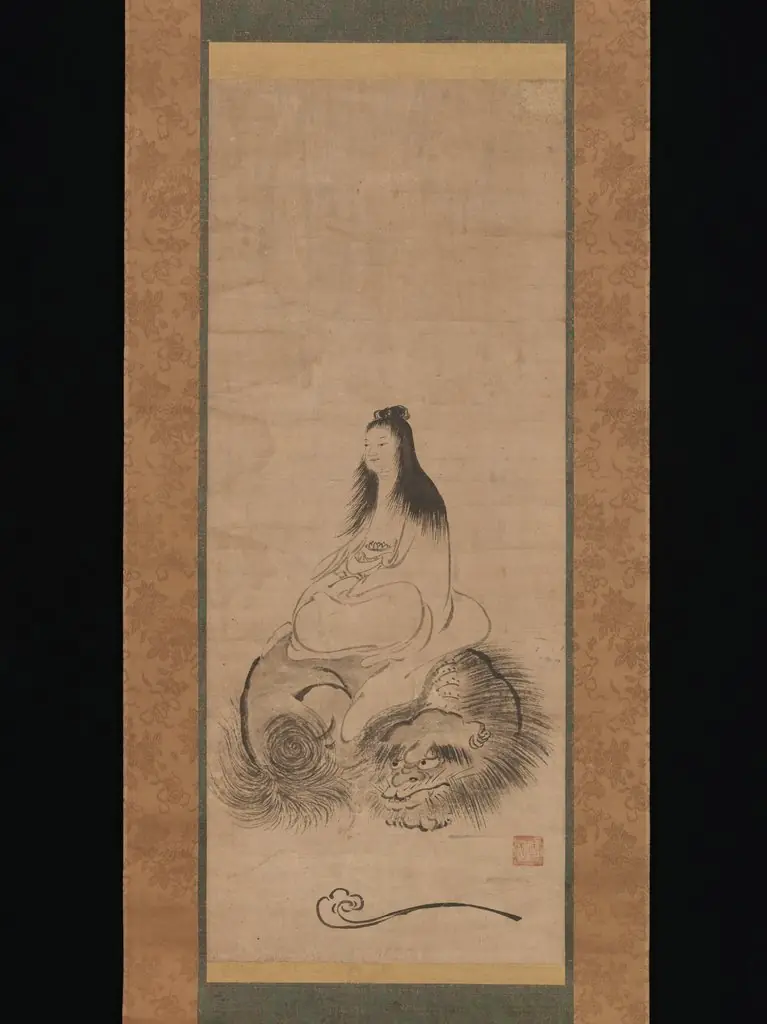 Monju on a Lion
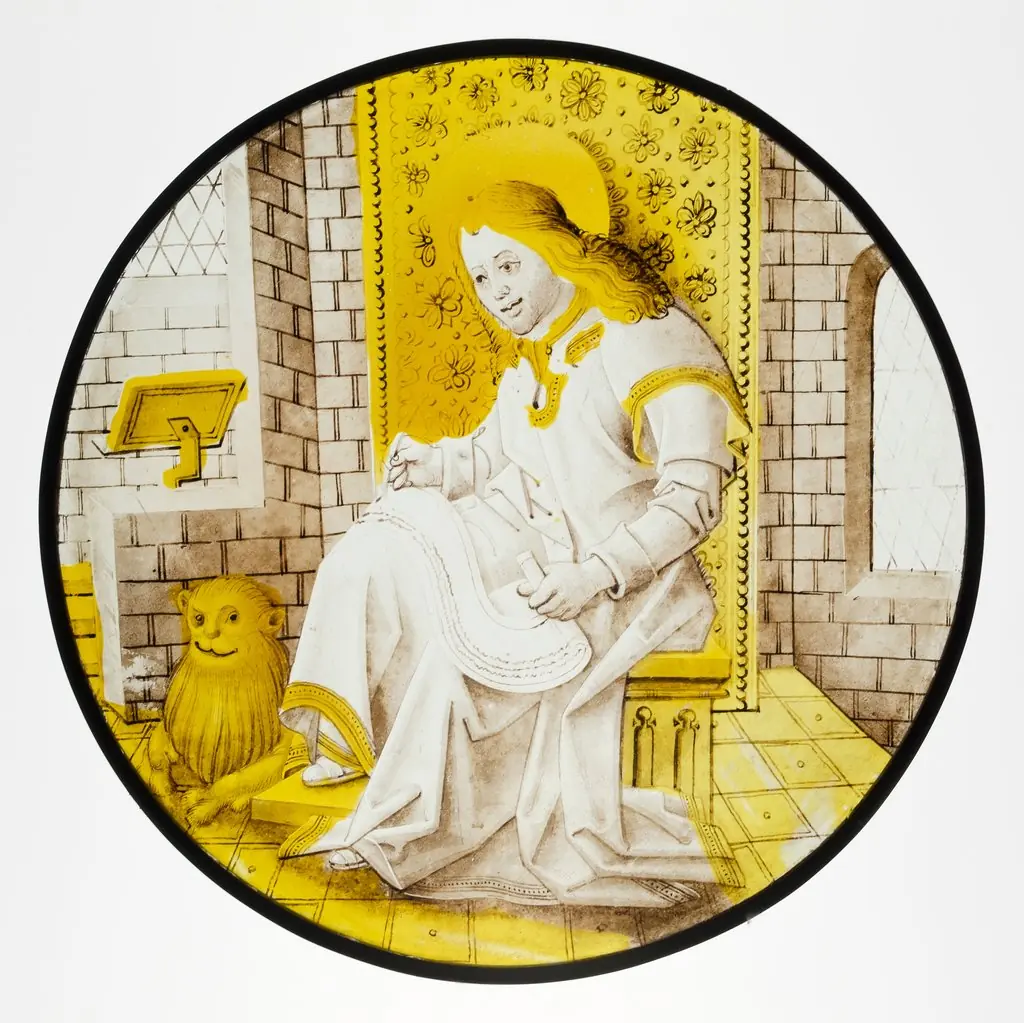 Roundel with Saint Mark
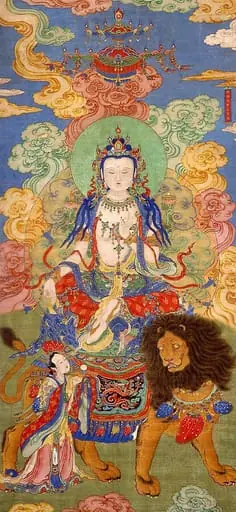 清 佚名 大勢至菩薩像 軸|Mahasthamaprapta Bodhisattva
 Untitled
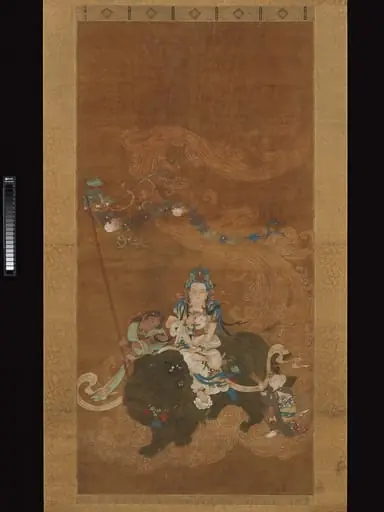 明 佚名 送子觀音圖 軸|Guanyin the Bringer of Sons
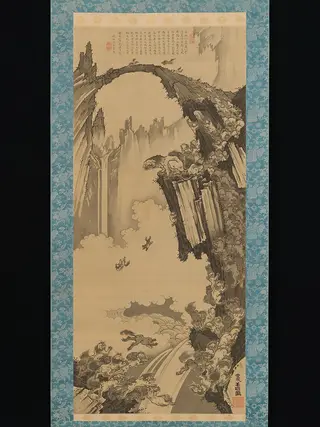 曽我蕭白筆 峨山南宗賛 天台山石橋図|Lions at the Stone Bridge of Mount Tiantai
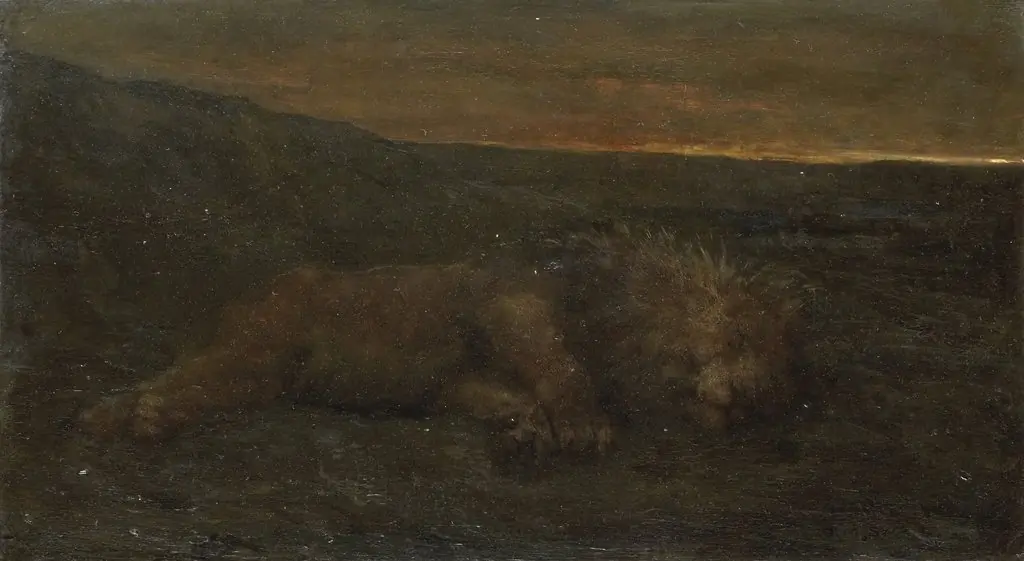 Sleeping lion at night
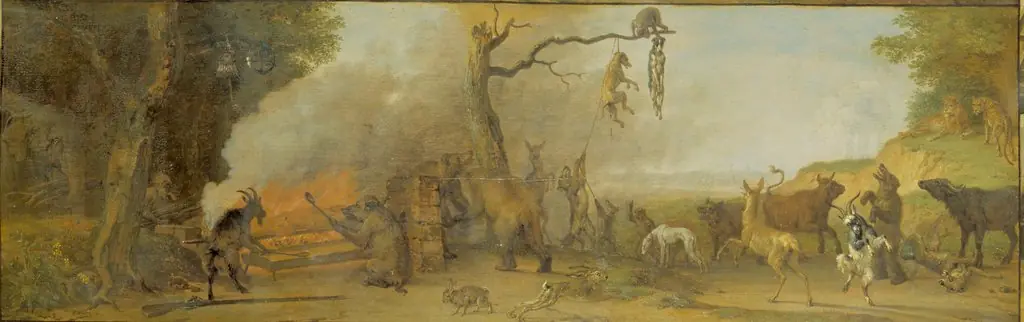 Execution of Hunter and Hounds
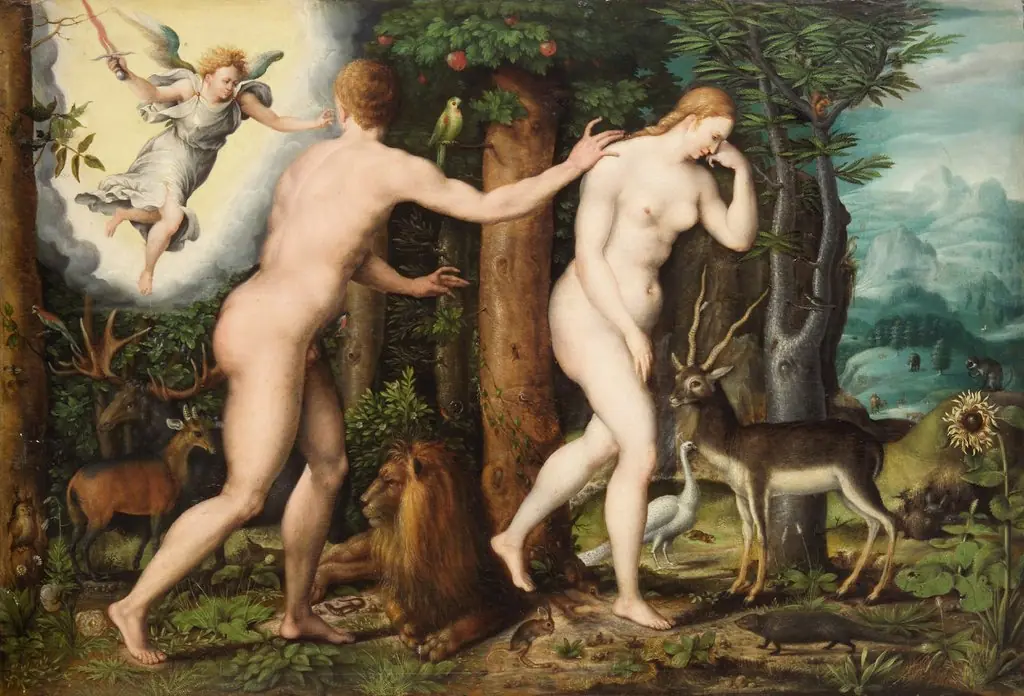 Vertreibung aus dem Paradies
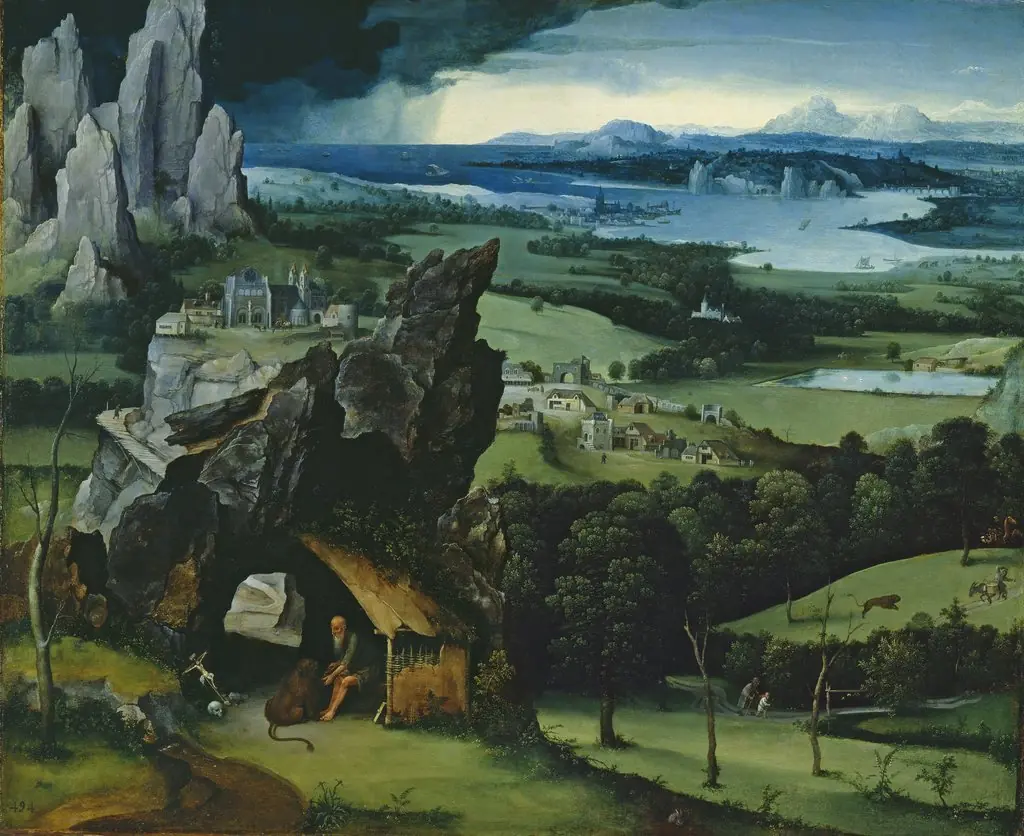 Landscape with St Jerome
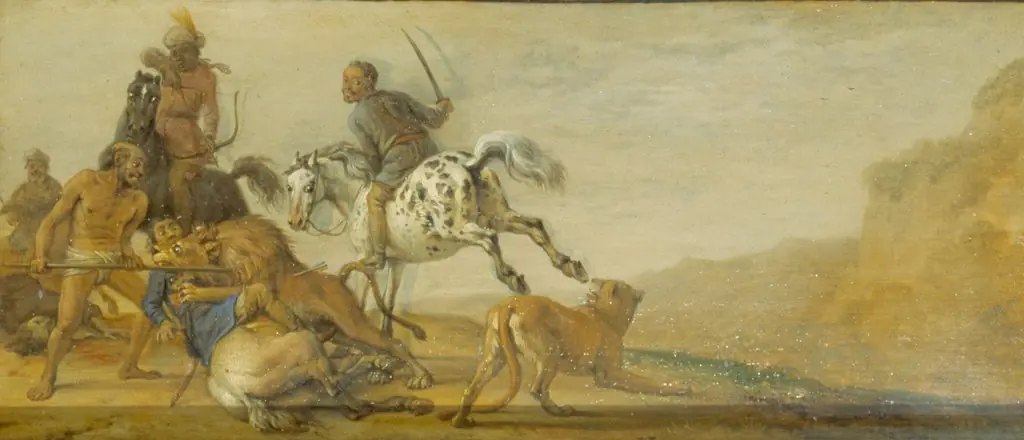 The Lion Hunt
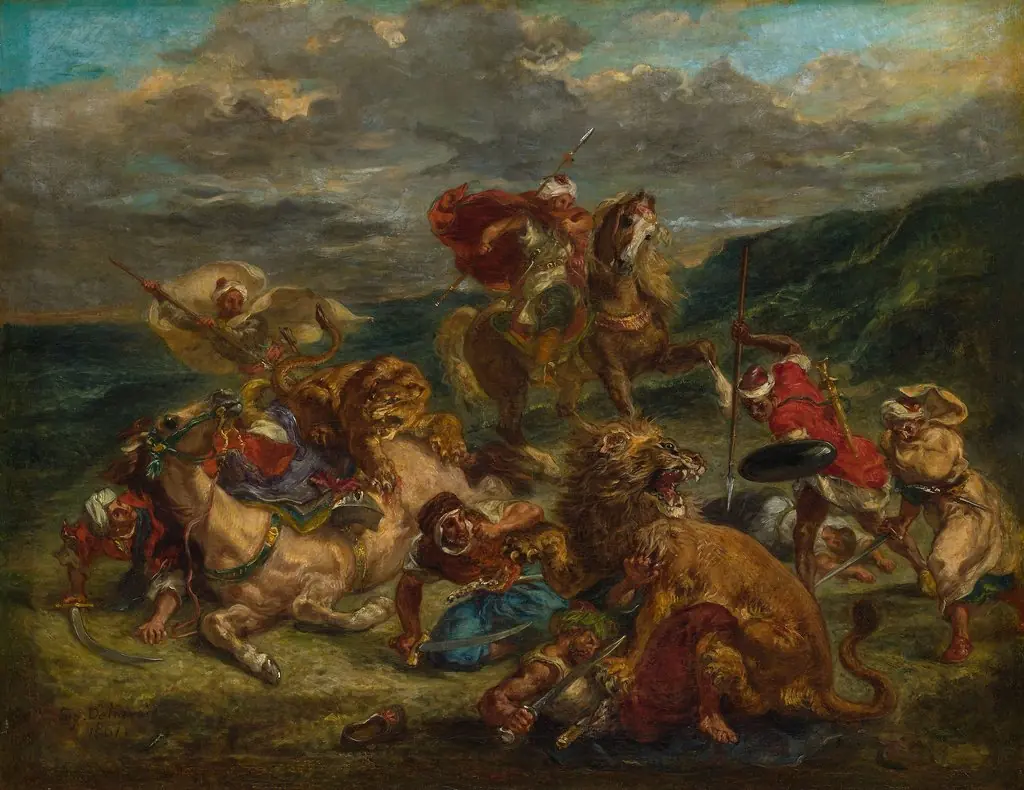 La Chasse aux lions au Maroc
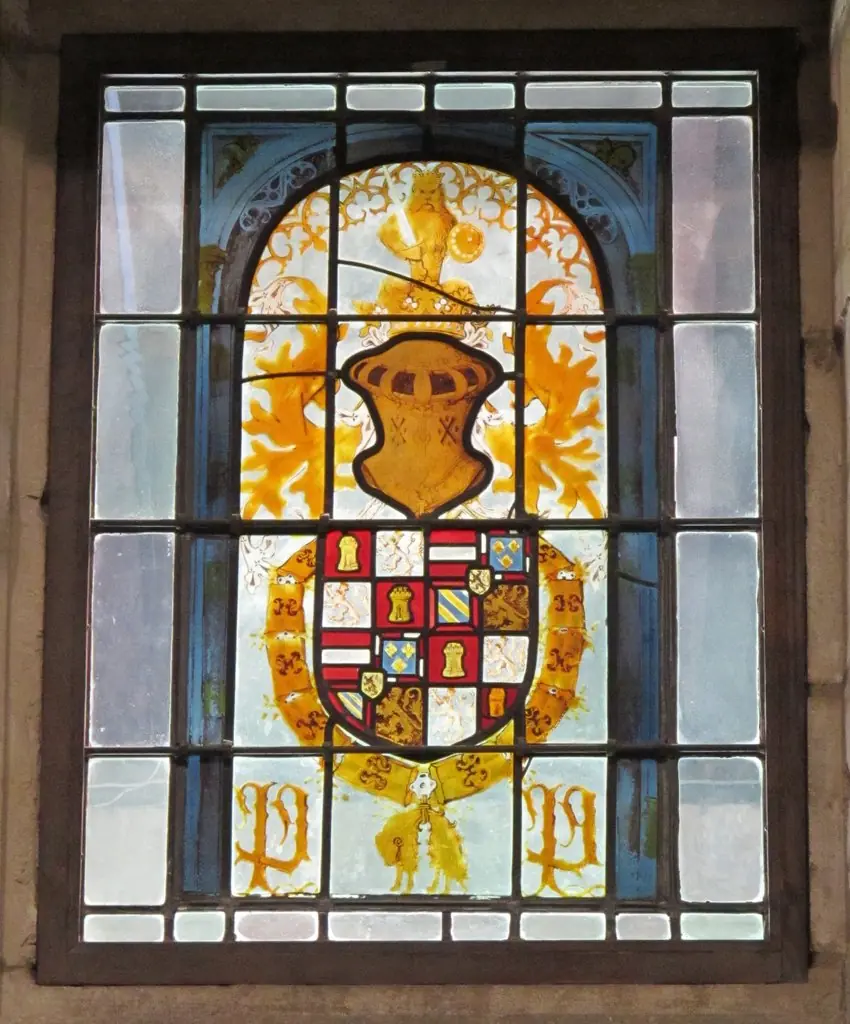 Heraldic Panel with Arms of the House of Hapsburg
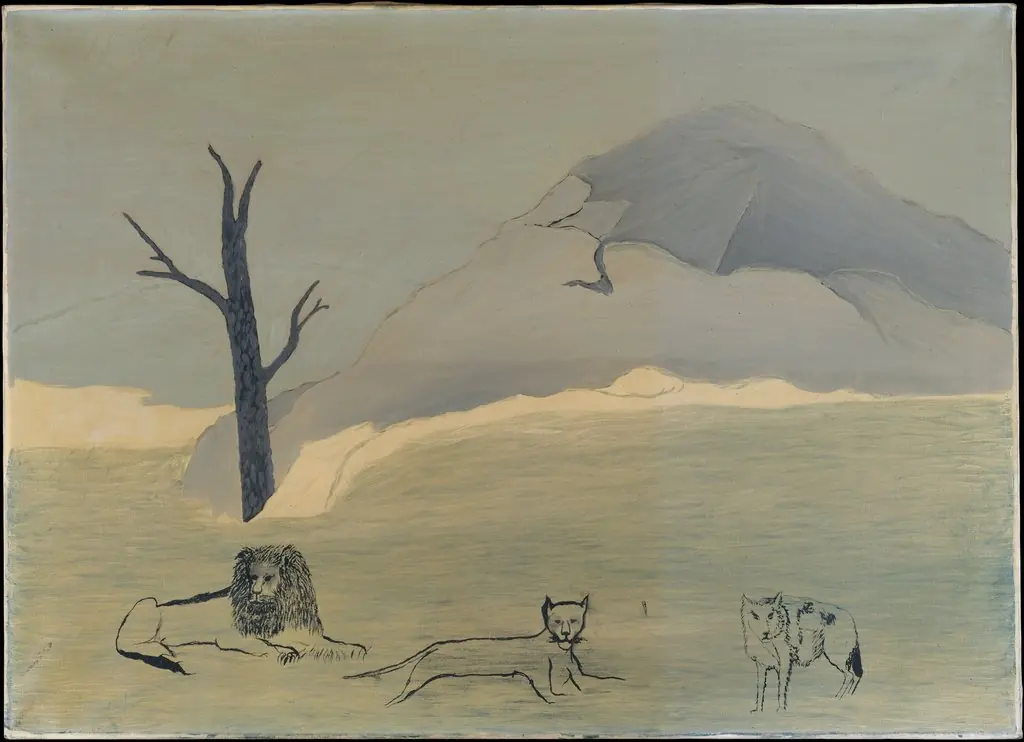 Holy Mountain IV
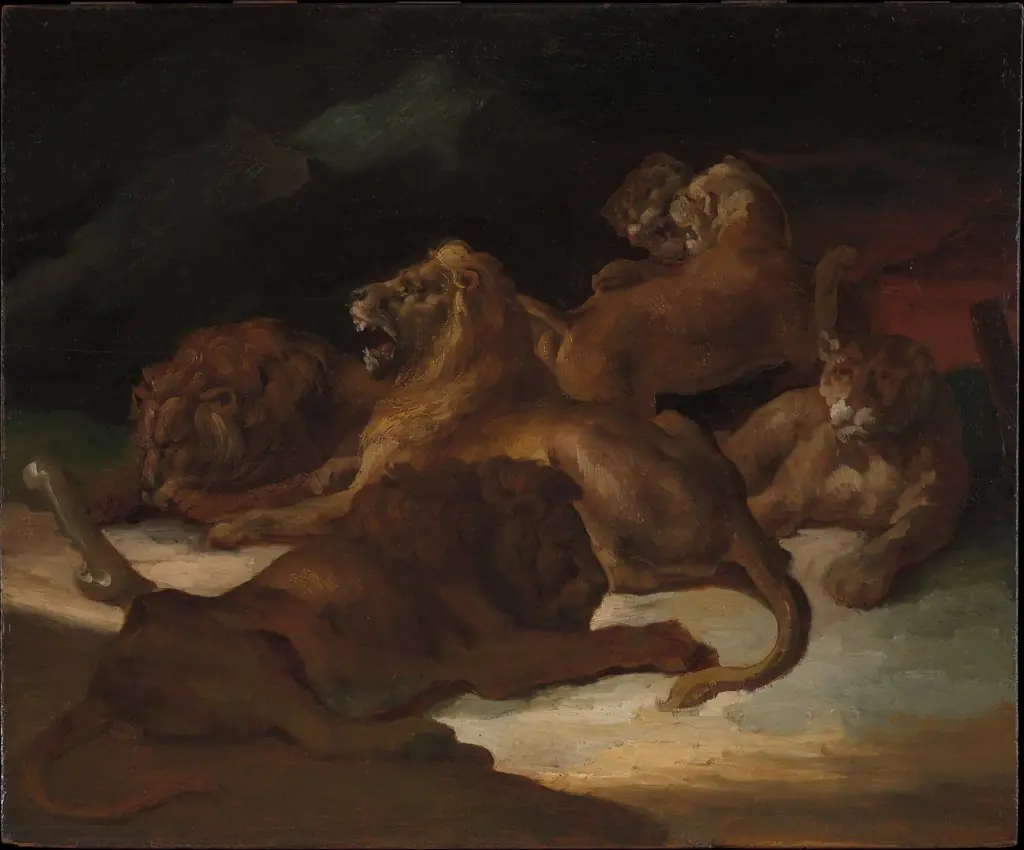 Lions in a Mountainous Landscape
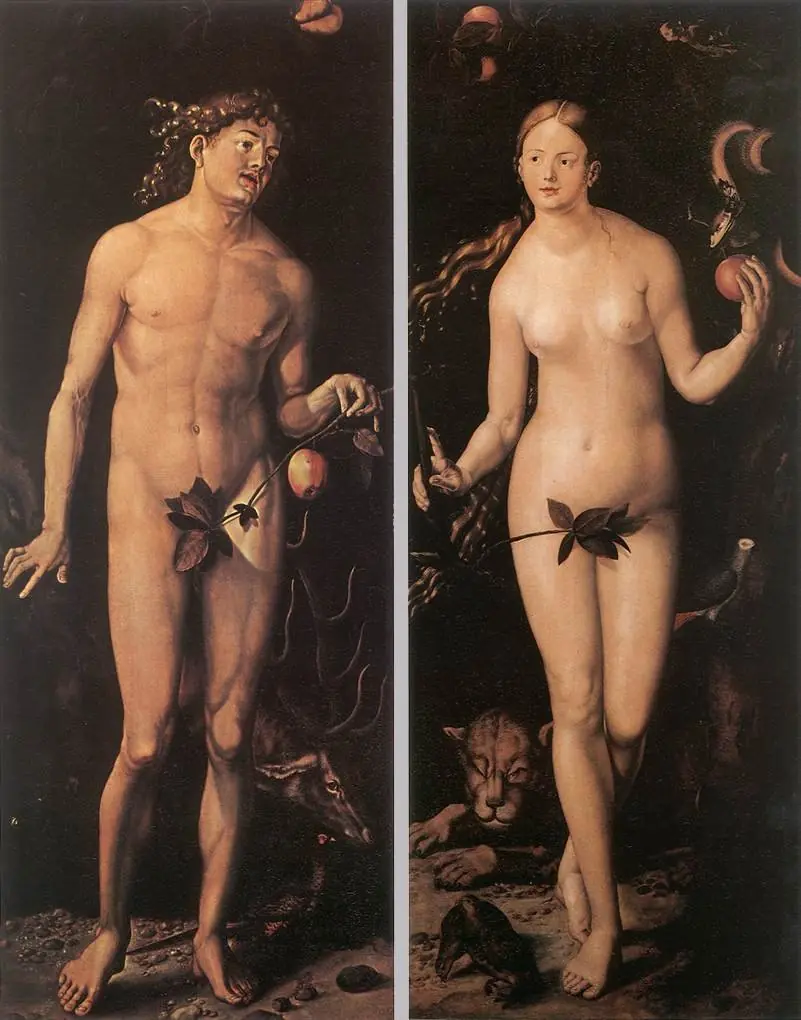 Adam and Eve
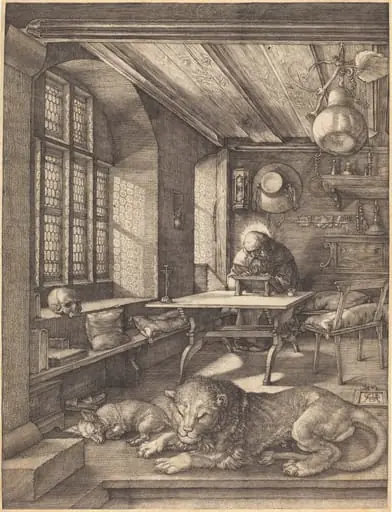 Saint Jerome in His Study
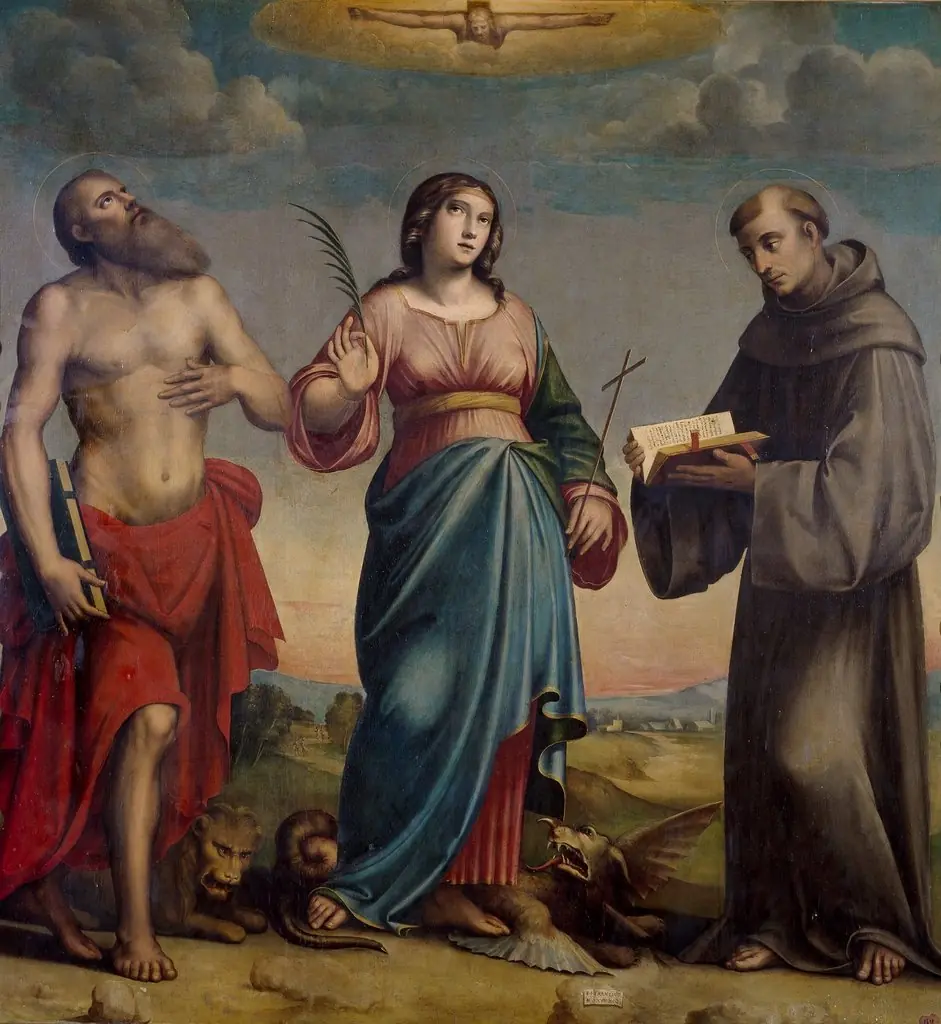 San Jerónimo, Santa Margarita y San Francisco
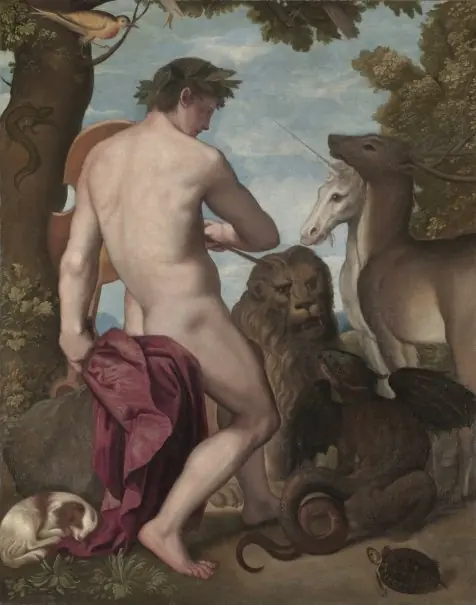 Orpheus Enchanting the Animals
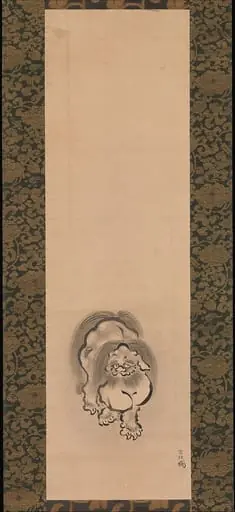 Untitled
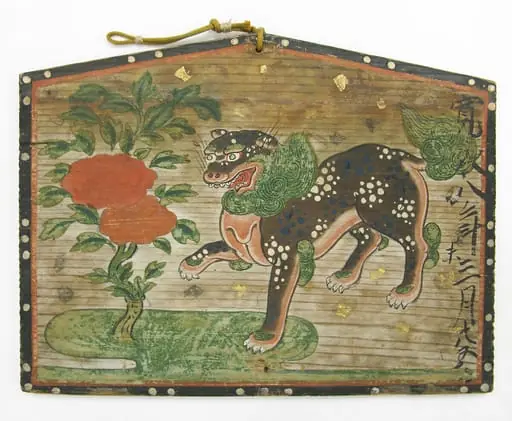 水辺に牡丹と唐獅子図絵馬「寛永八 年末三月廿五日」|Ema (Votive Painting) of a Chinese Lion and Peony Tree by Flowing Water
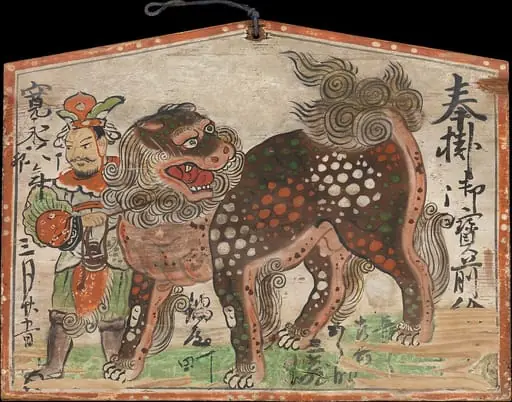 優闐王と唐獅子図絵馬「奉掛御宝前 絵馬 寛永丁卯年三月廿五日」|Ema (Votive Painting) of Chinese Lion Led by Utenō
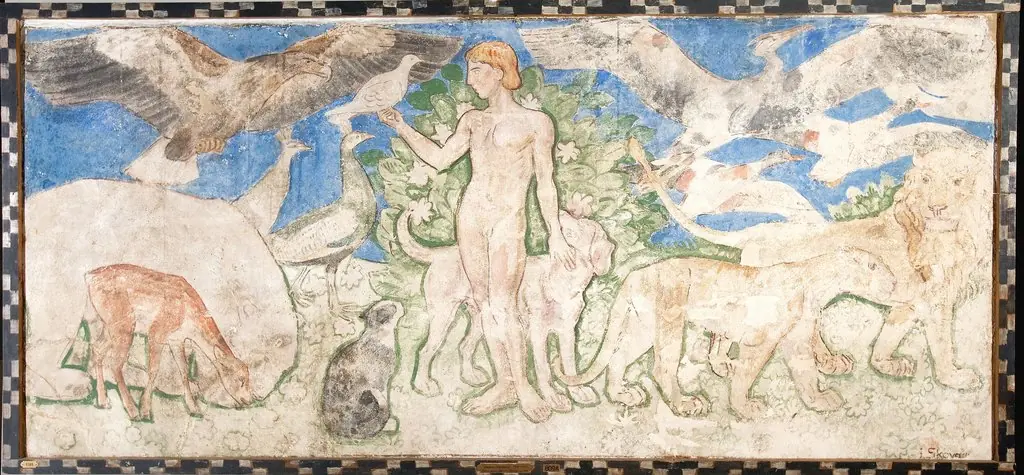 Adam Naming the Animals
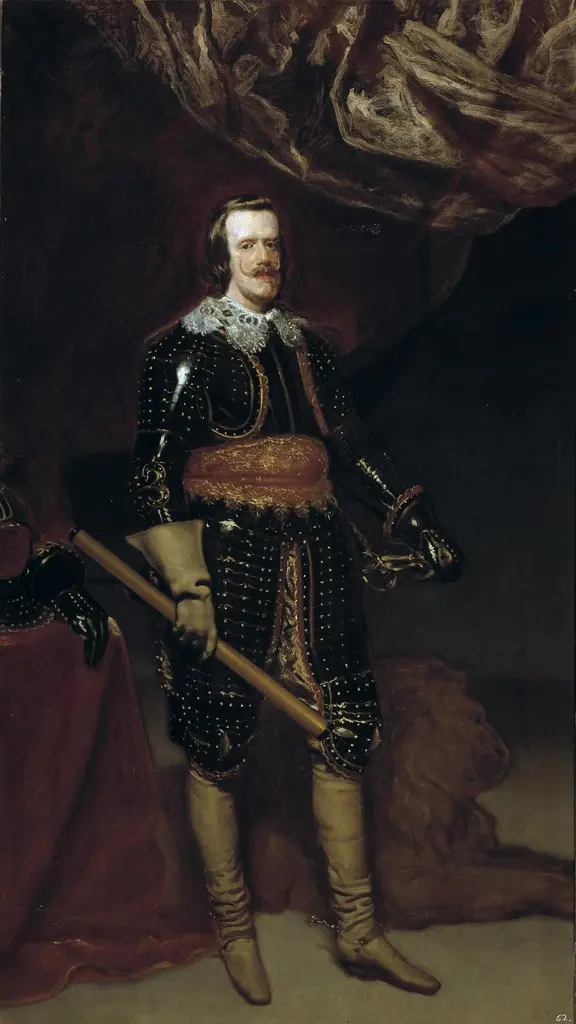 Philip IV in Armour, with a Lion at his Feet
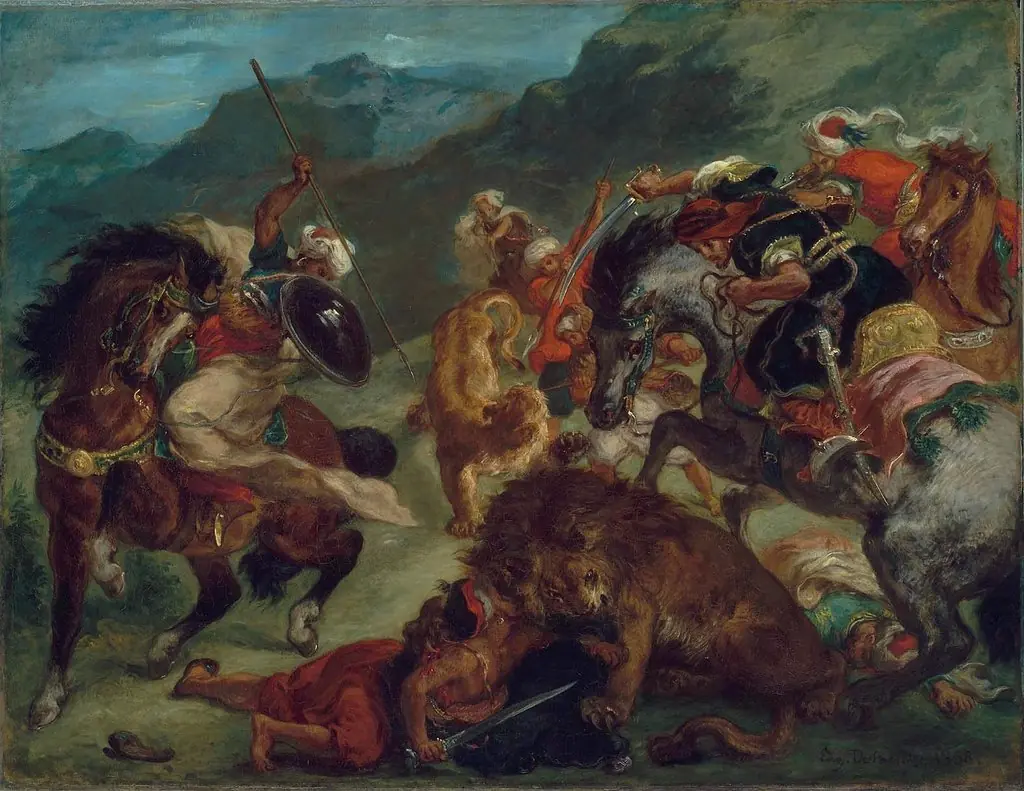 Lion Hunt
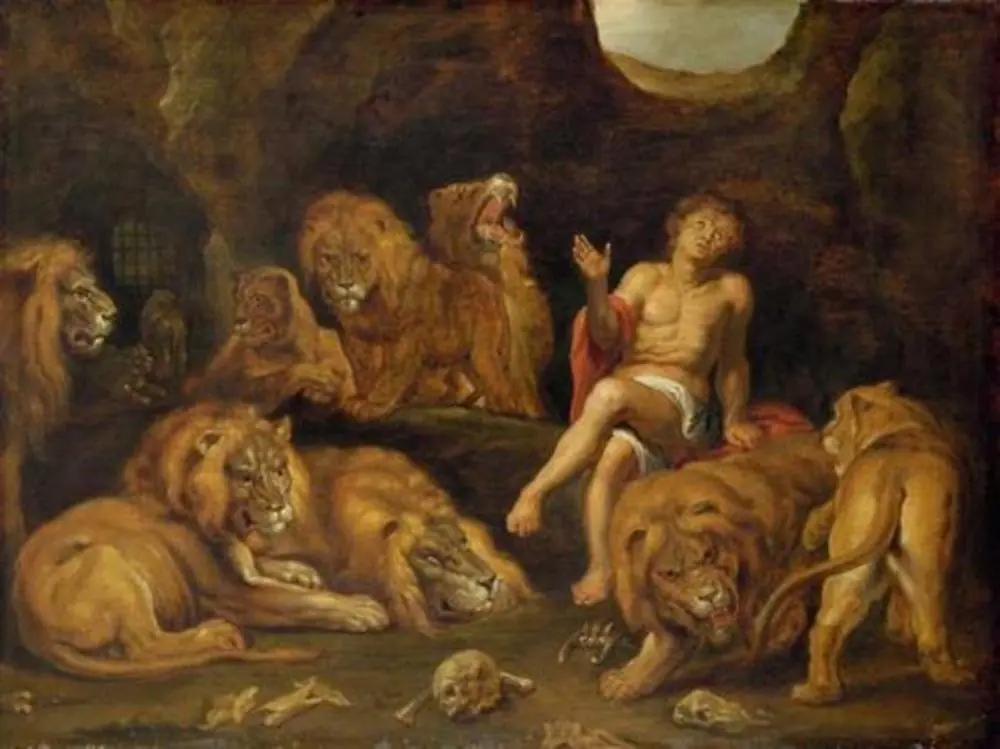 Daniel in the Lion's Den
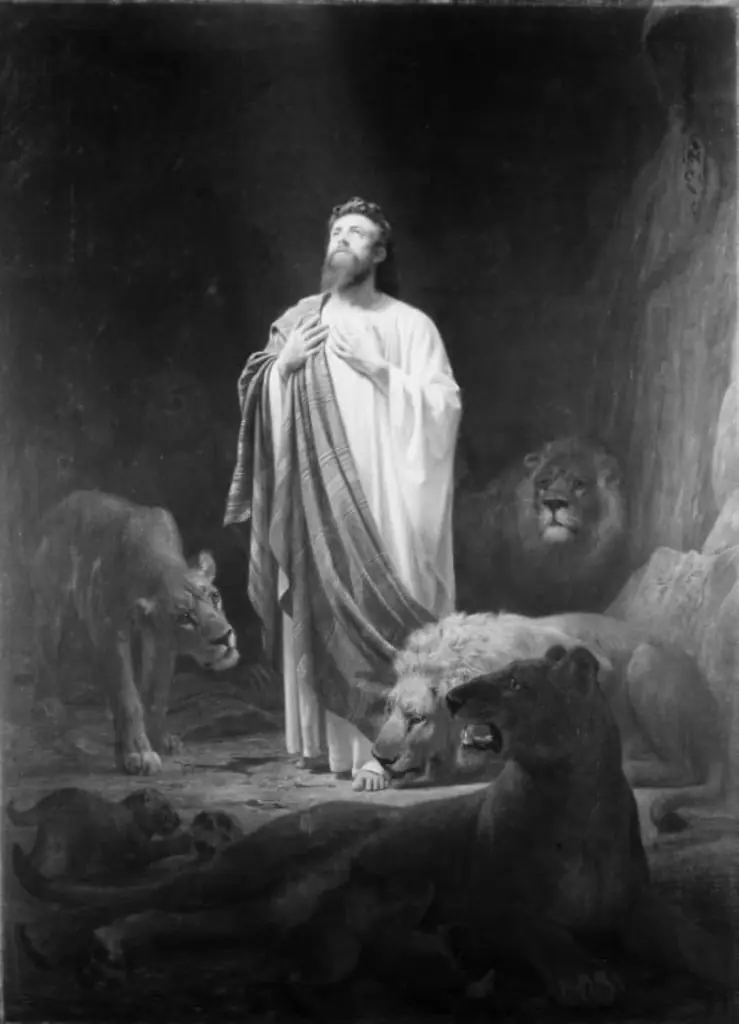 Daniel i løvekulen
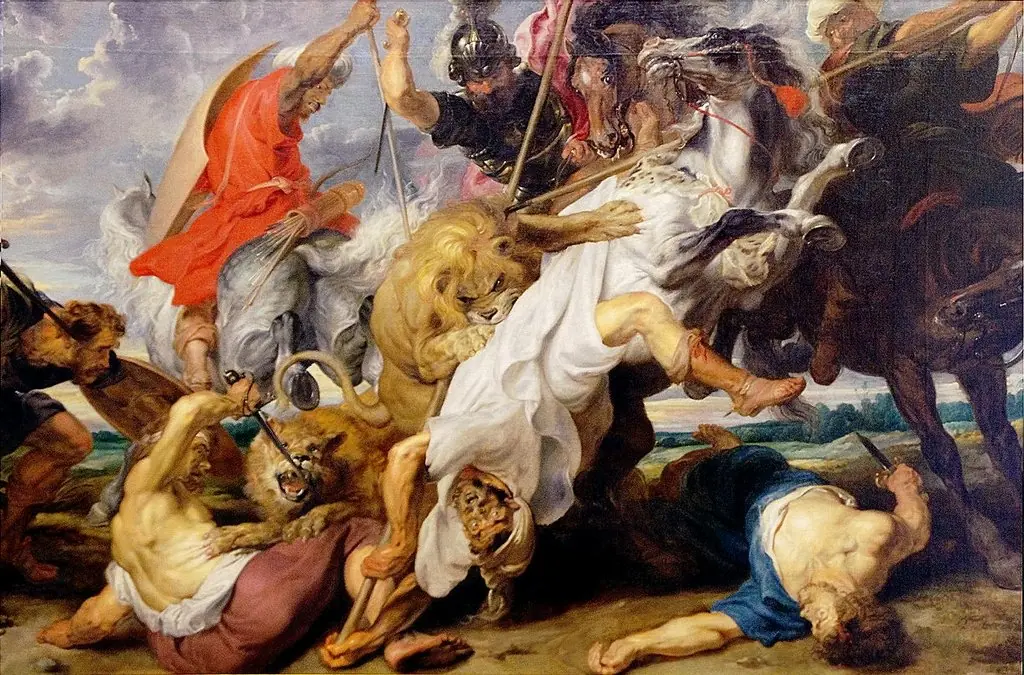 The Lion Hunt
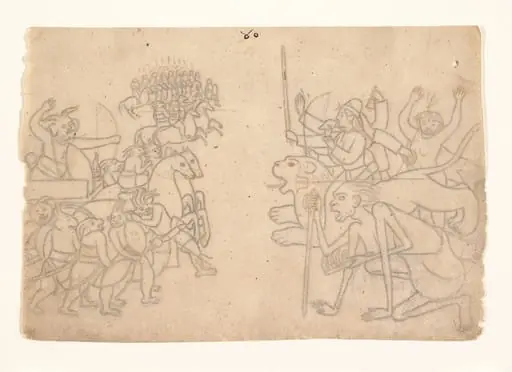 Untitled
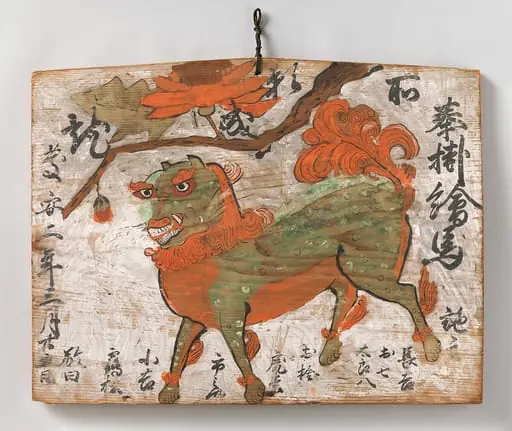 牡丹に唐獅子図絵馬 「奉掛絵馬慶 安二年三月廿五日」|Ema (Votive Painting) of Chinese Lion and Peony Tree
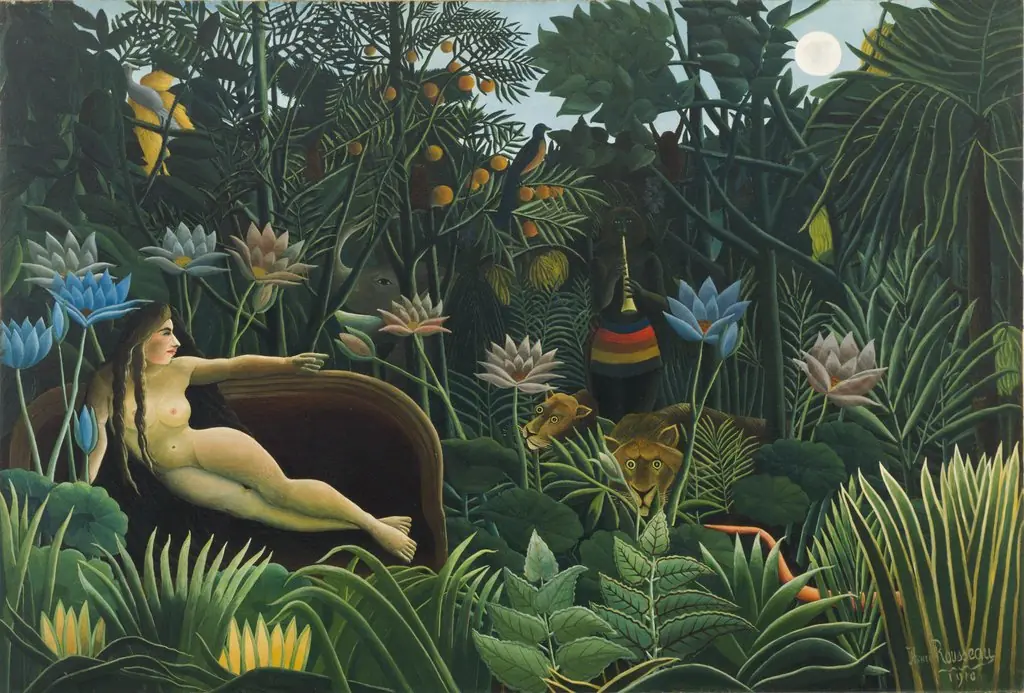 The Dream
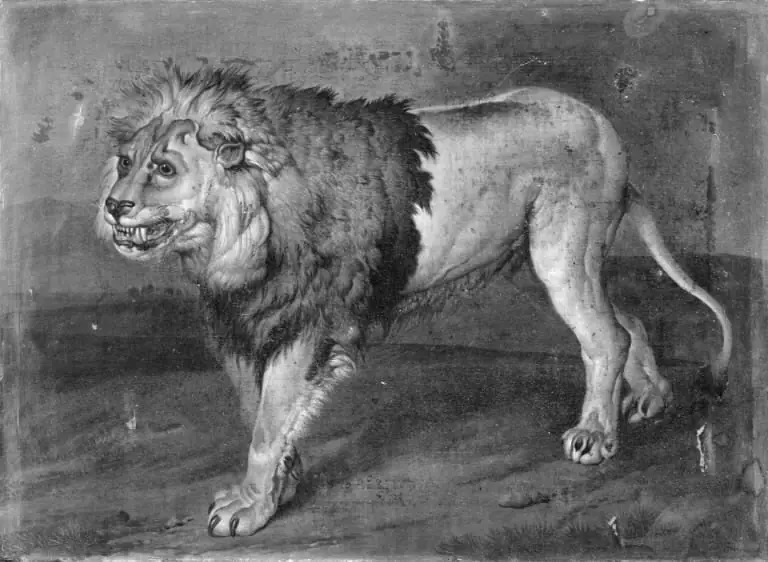 A Lion in a Landscape
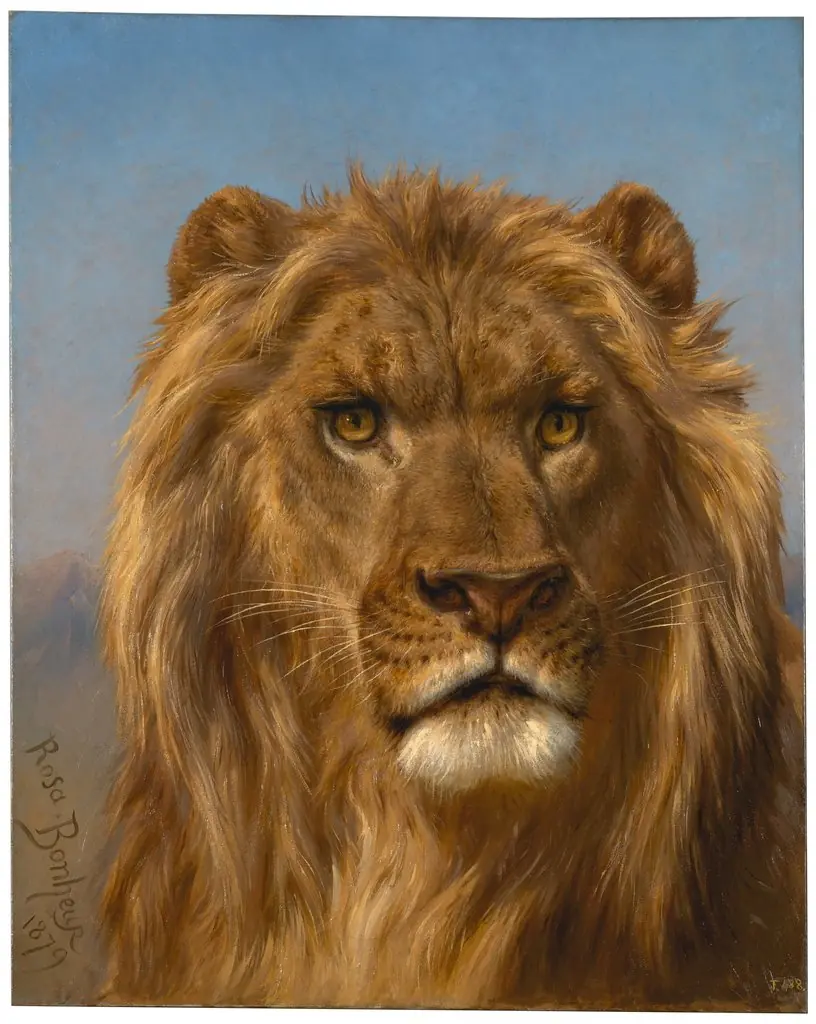 Portrait of a Lion
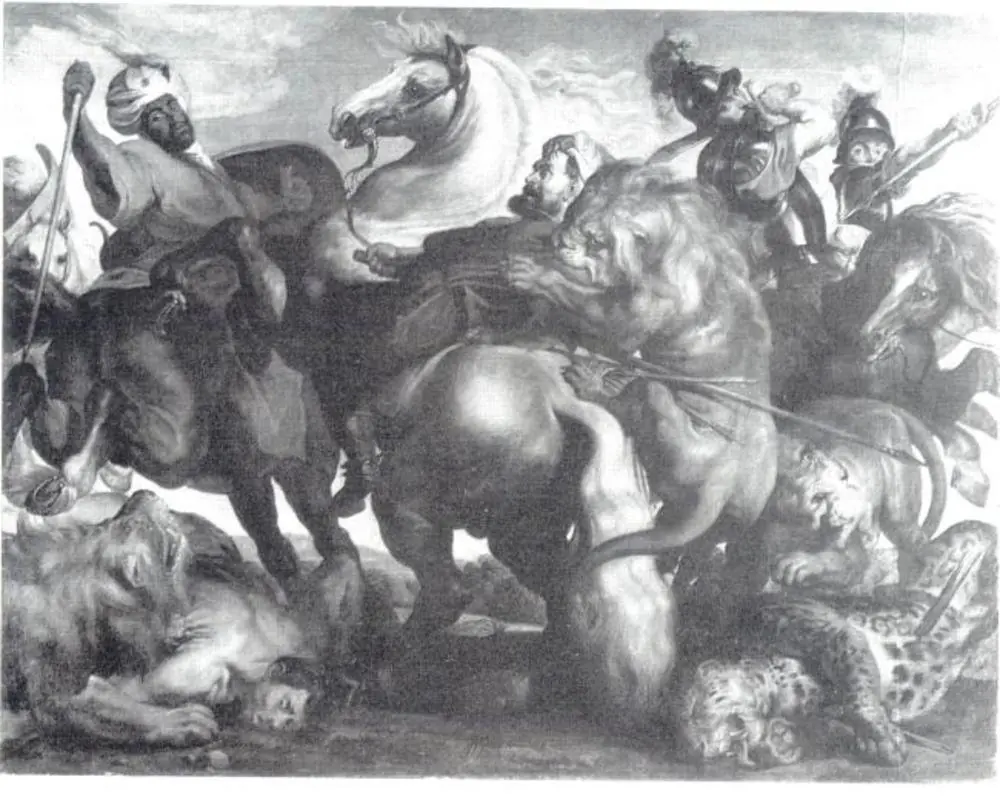 The Lion and Leopard Hunt
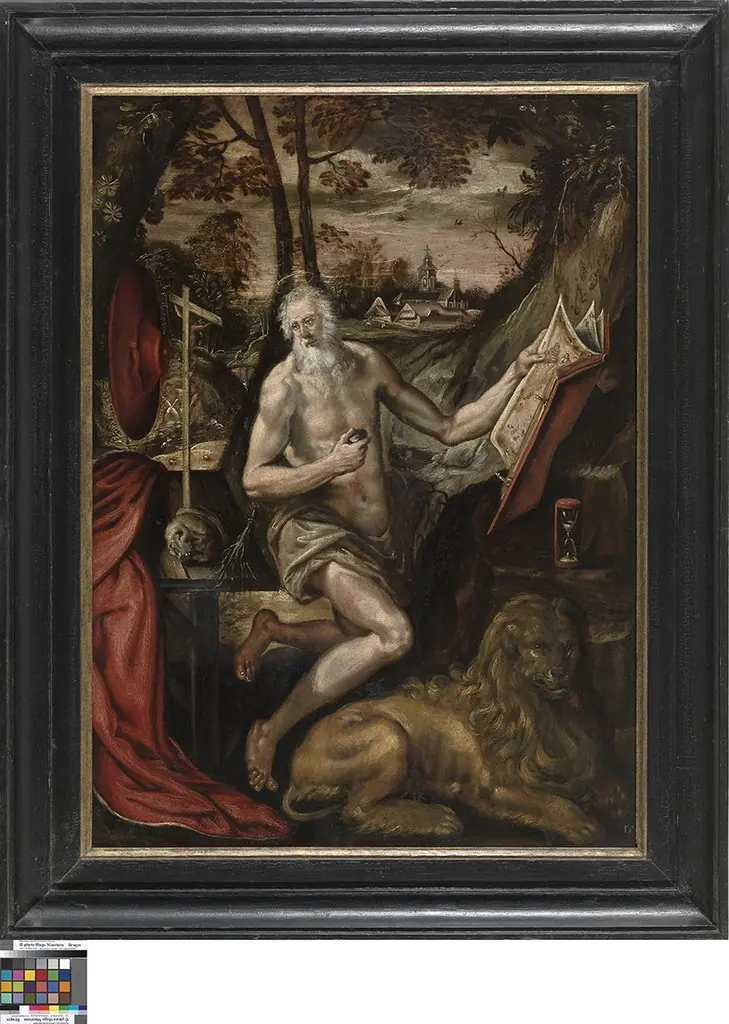 Saint Jerome
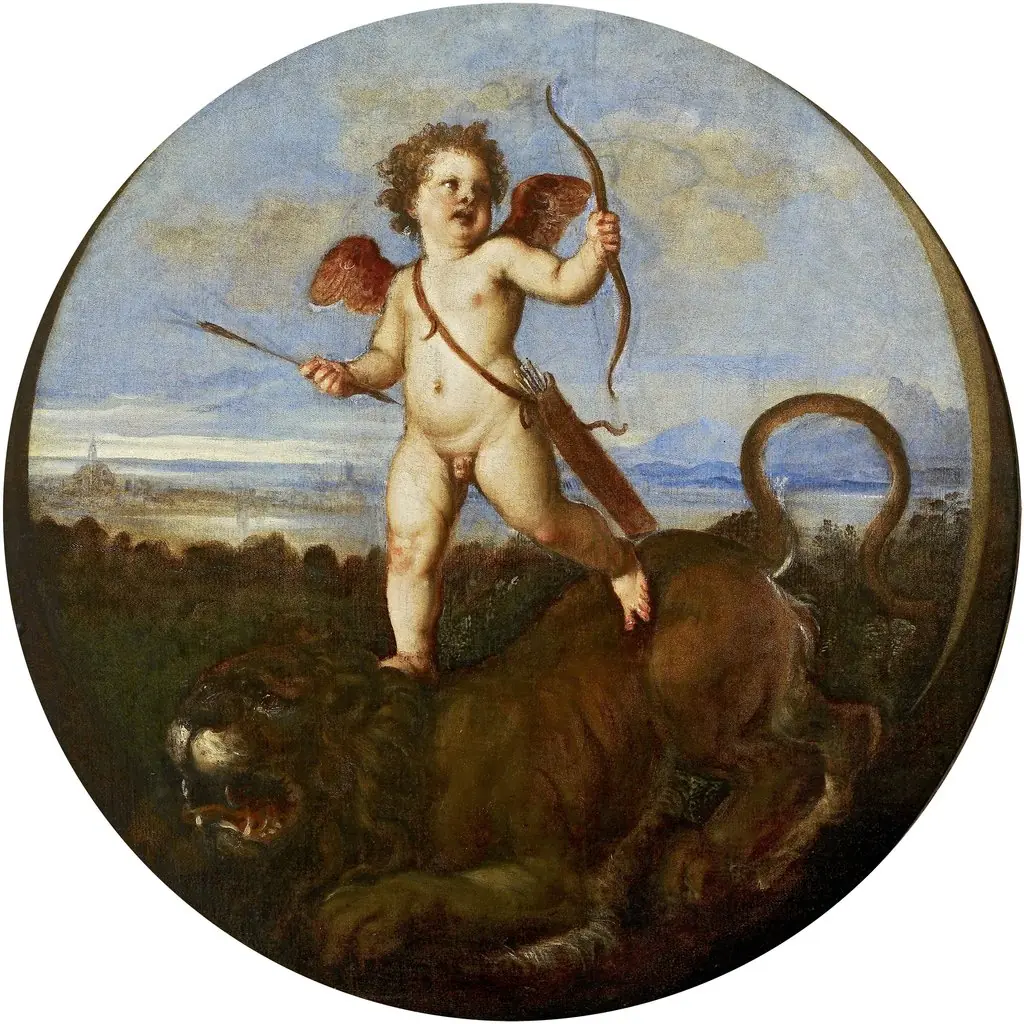 The Triumph of Love
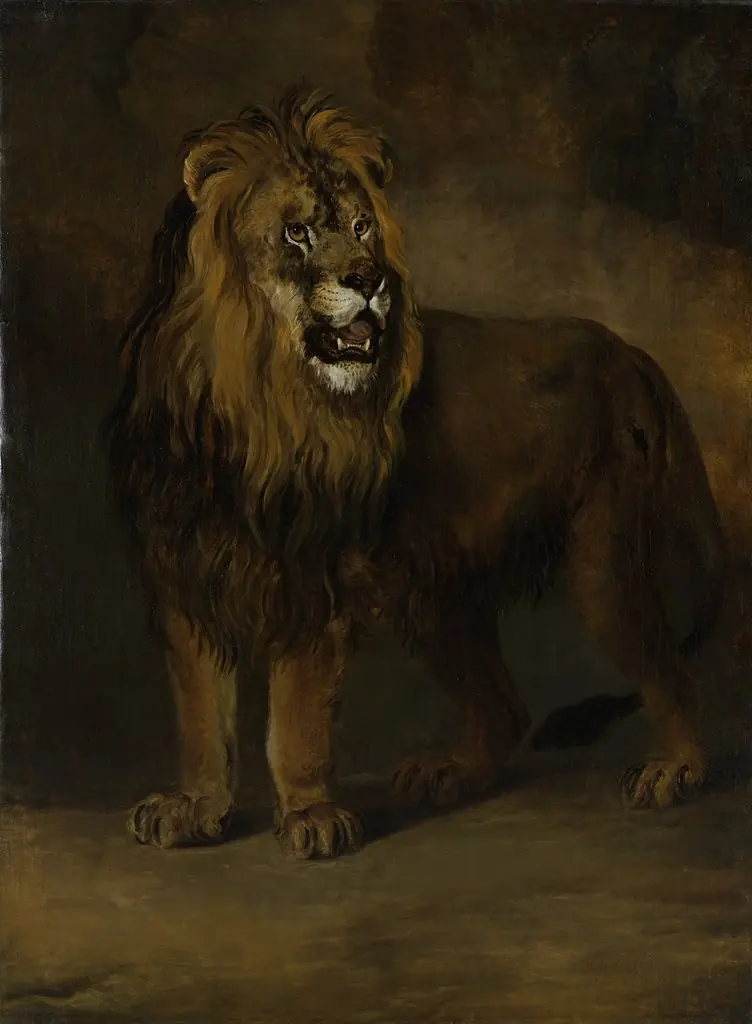 A lion from the Menagerie of King Louis Napoleon, 1808
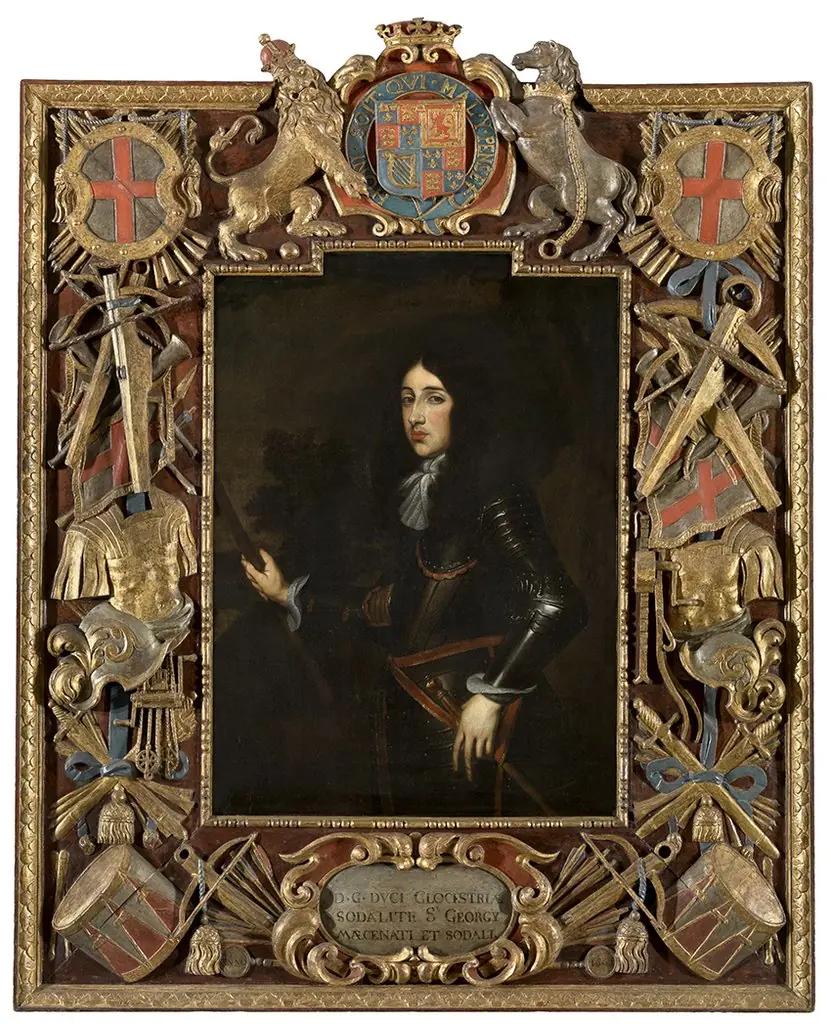 Portrait of Henry Stuart, Duke of Gloucester
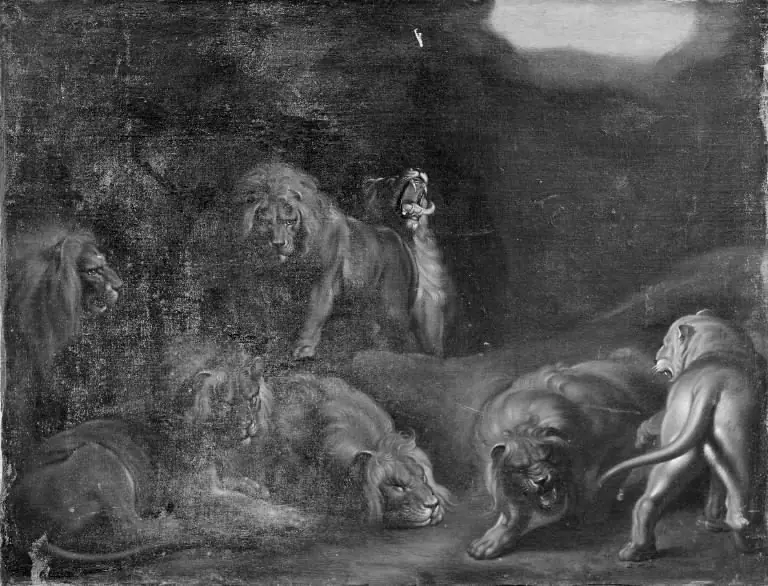 Den of Lions
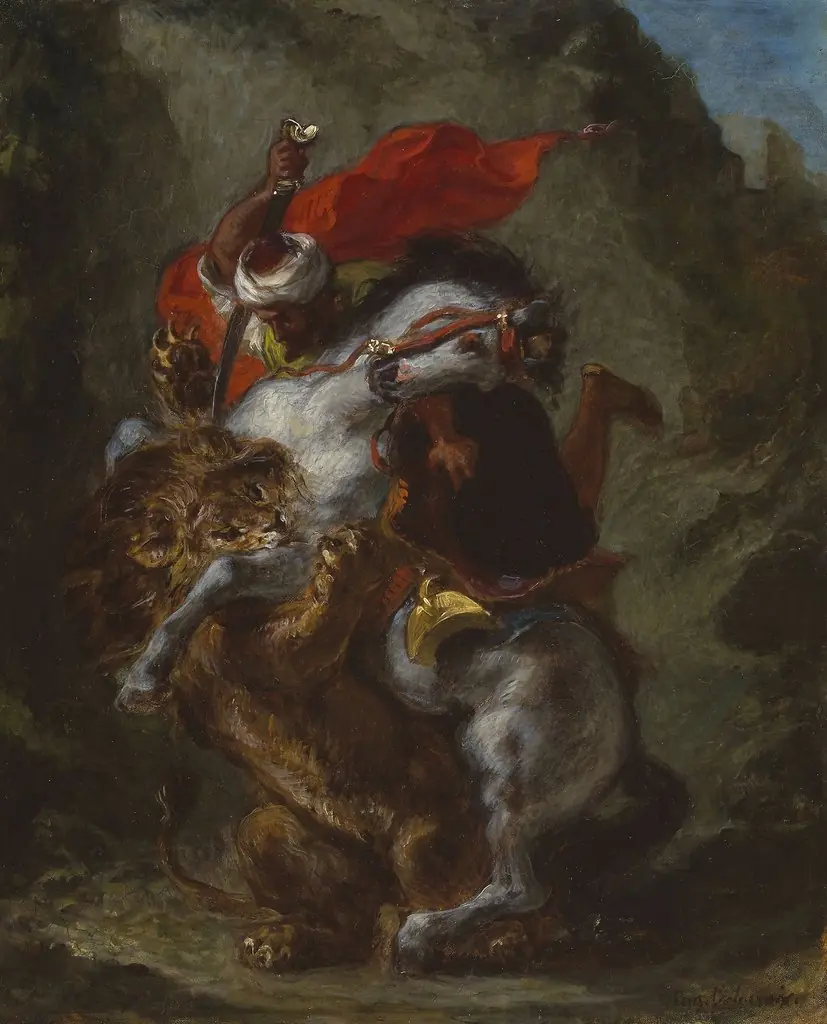 Arab Horseman Attacked by a Lion
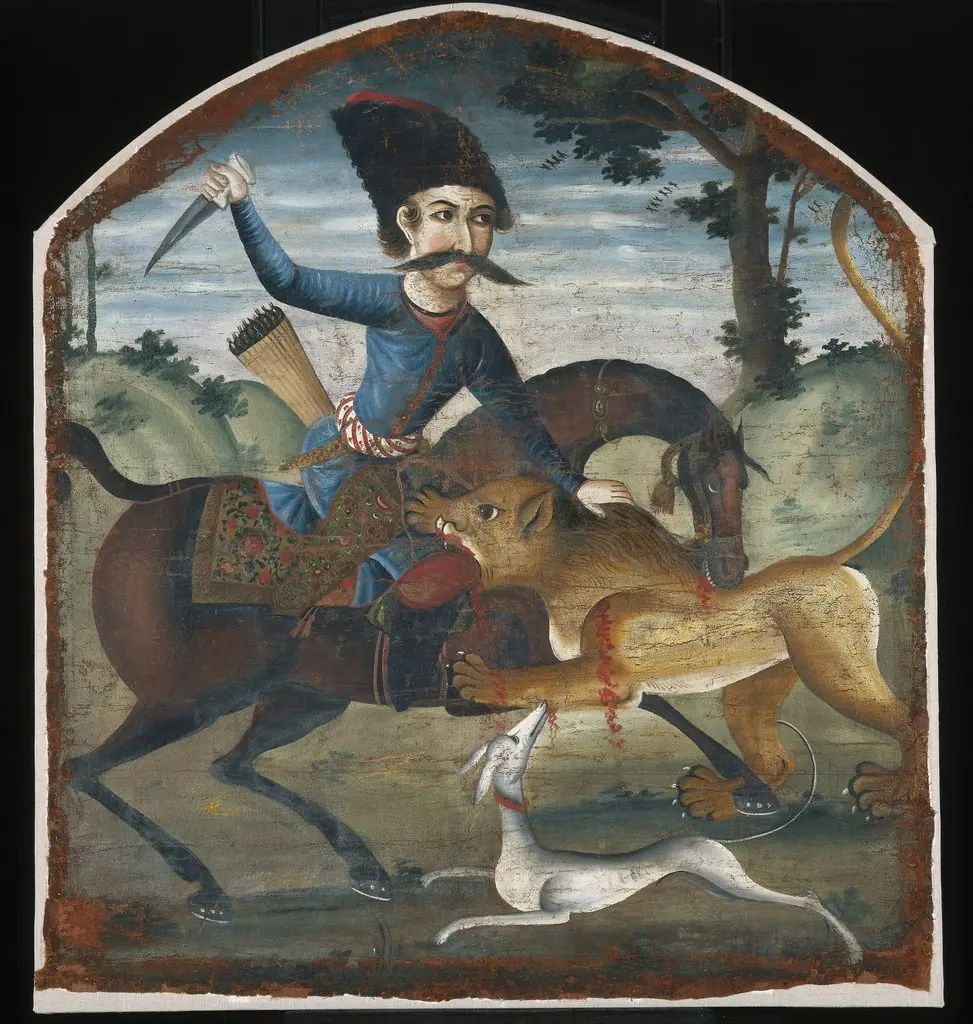 Hunter on Horseback Attacked by a Lion
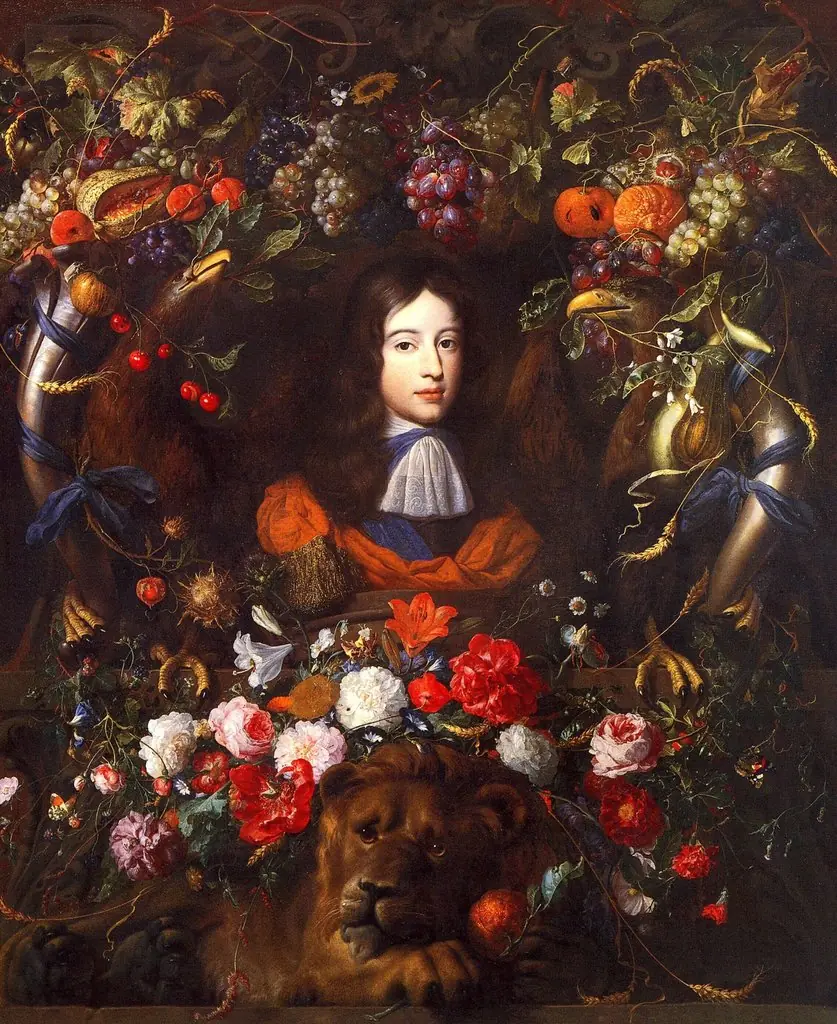 Flower garland with portrait of William III of Orange, aged 10
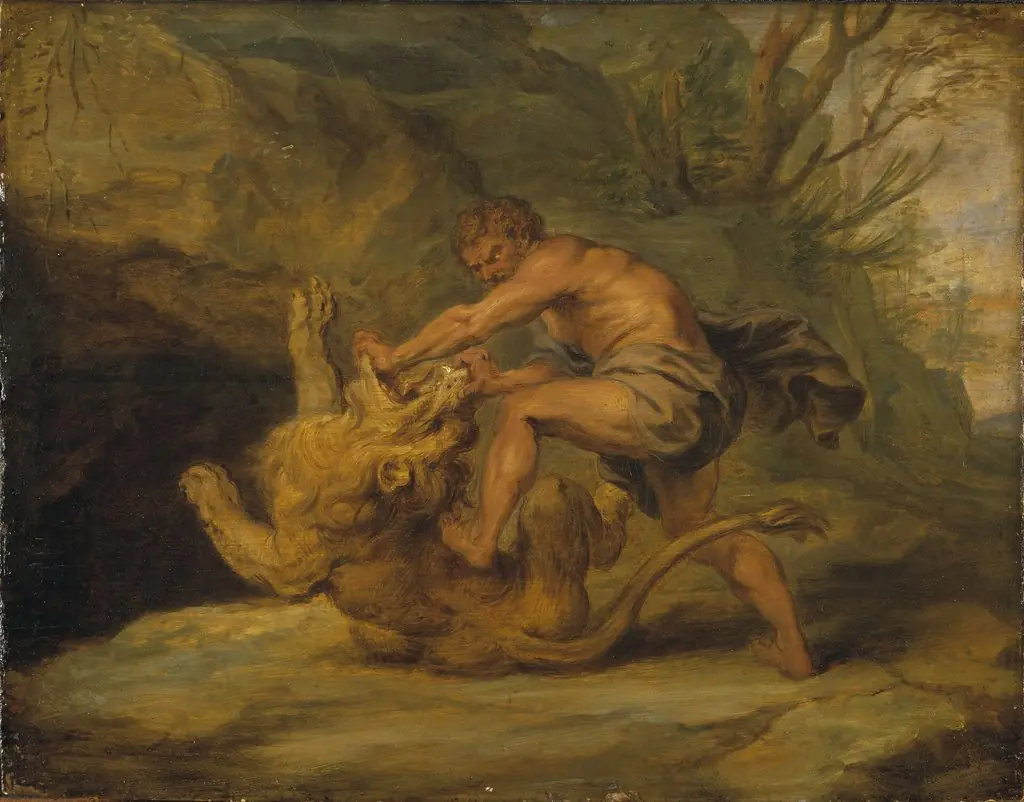 Samson and the Lion. Study
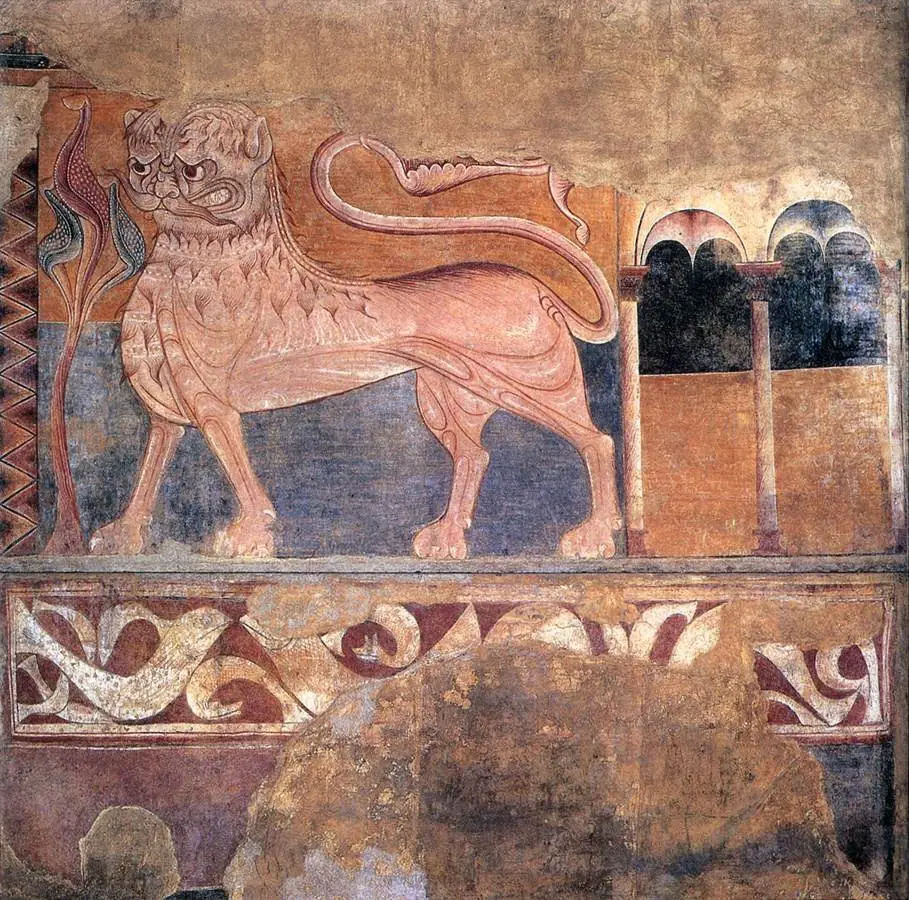 Lion wall painting
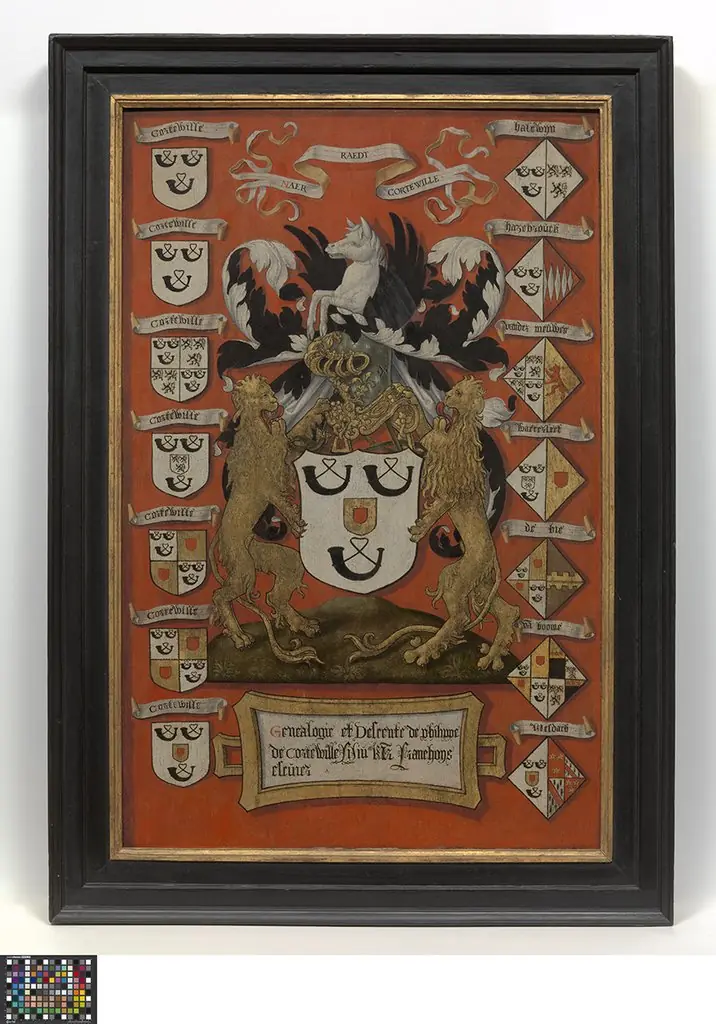 Pedigree of Filips de Cortewille
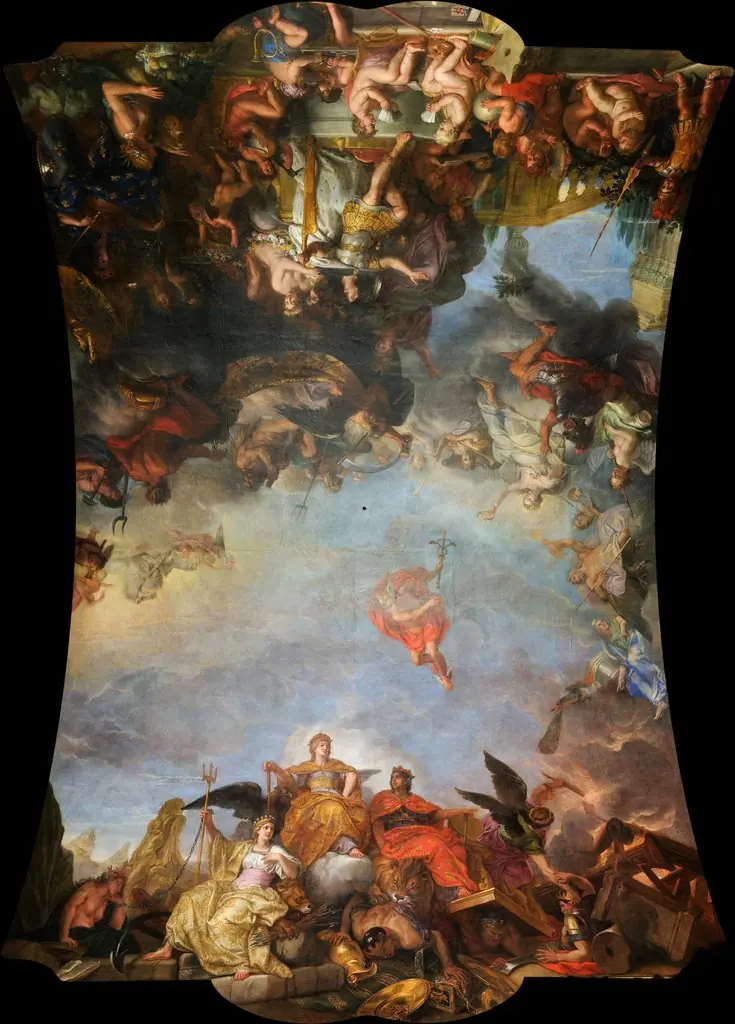 The King governs by himself, 1661
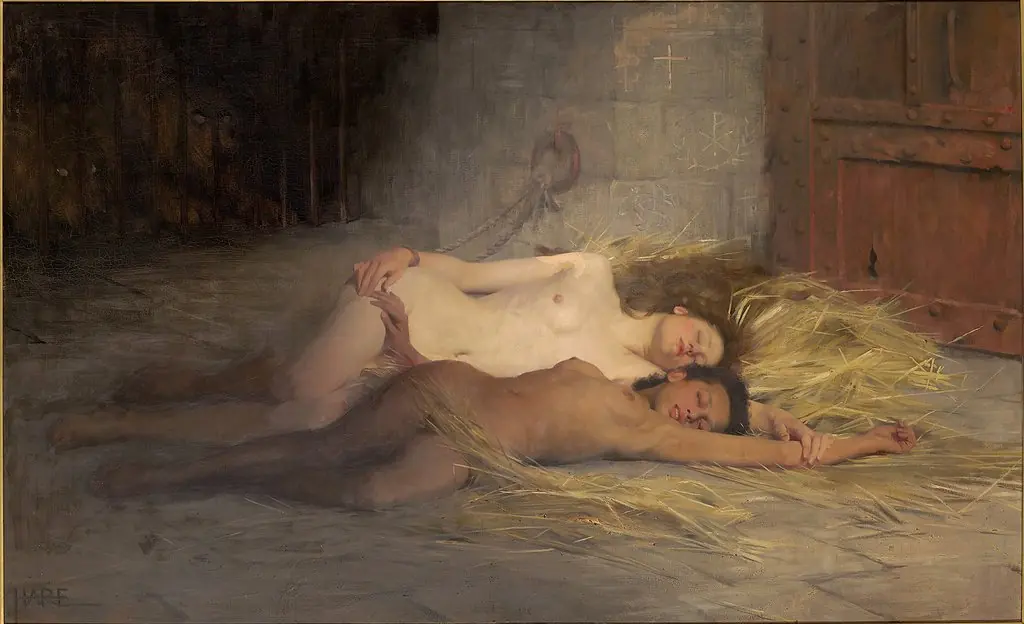 The victory of faith
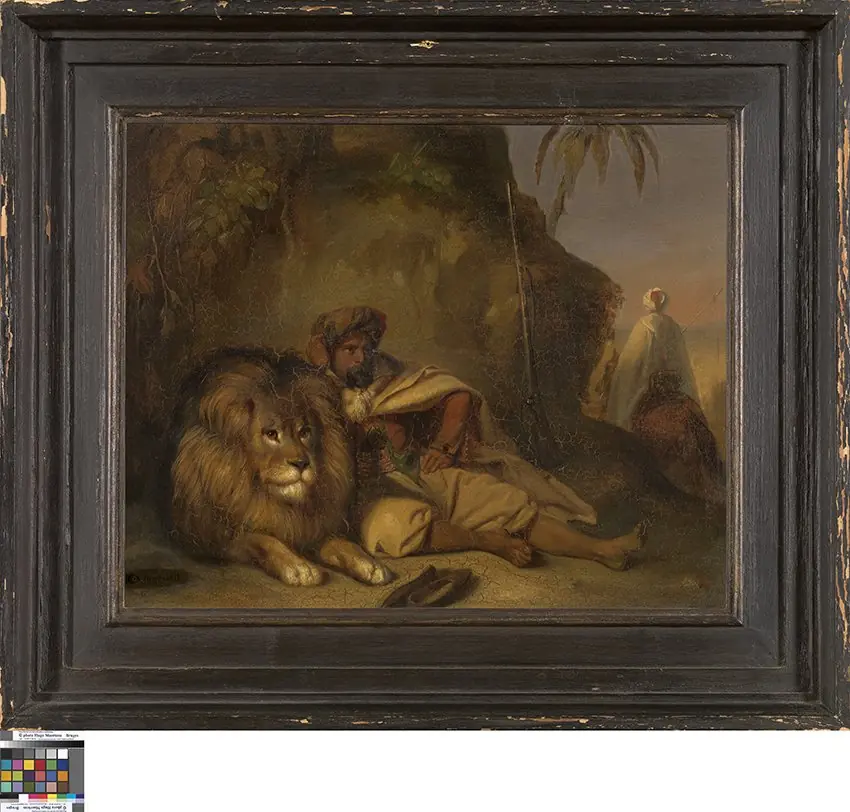 Arabische ruiters in de woestijn
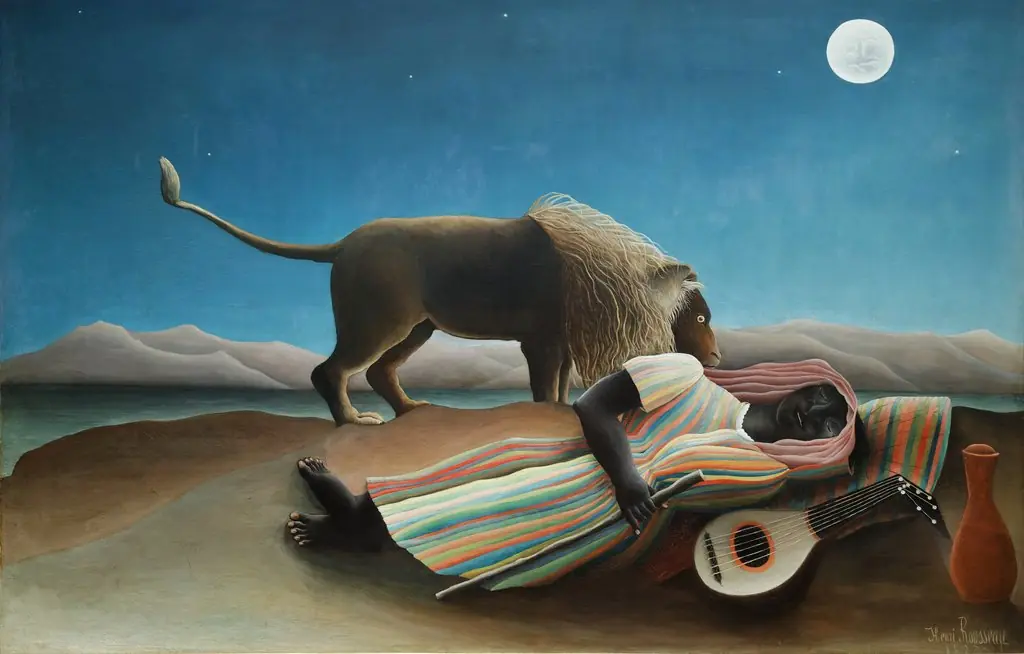 The Sleeping Gypsy
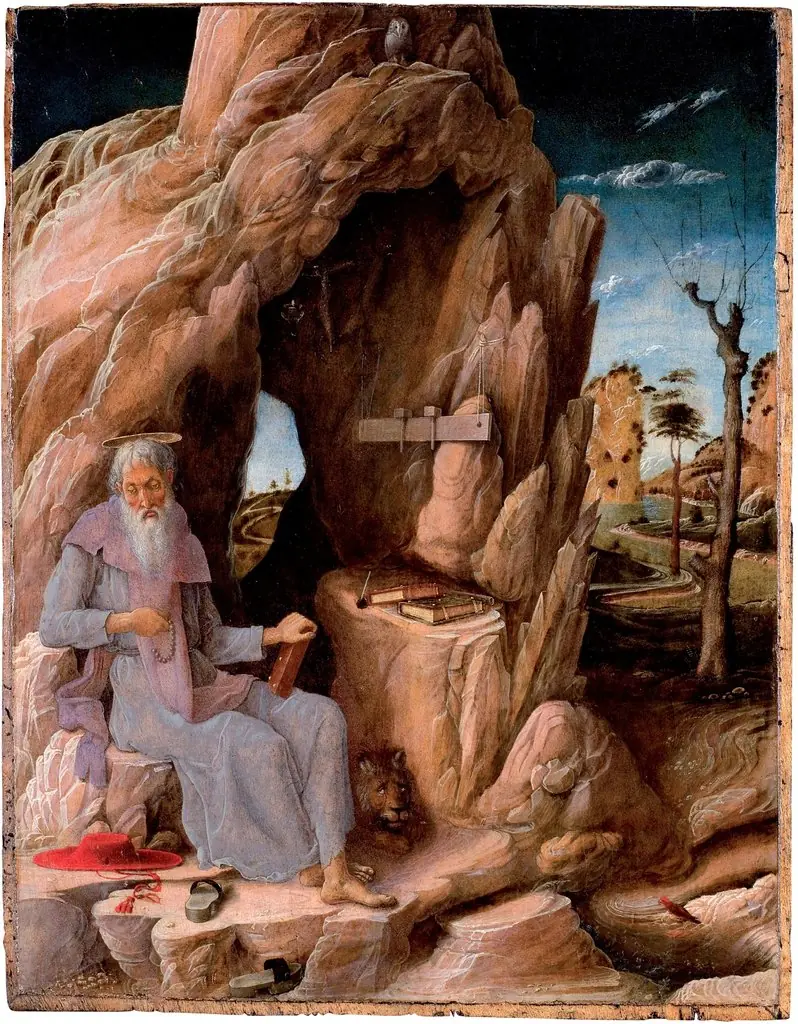 Saint Jerome in the desert
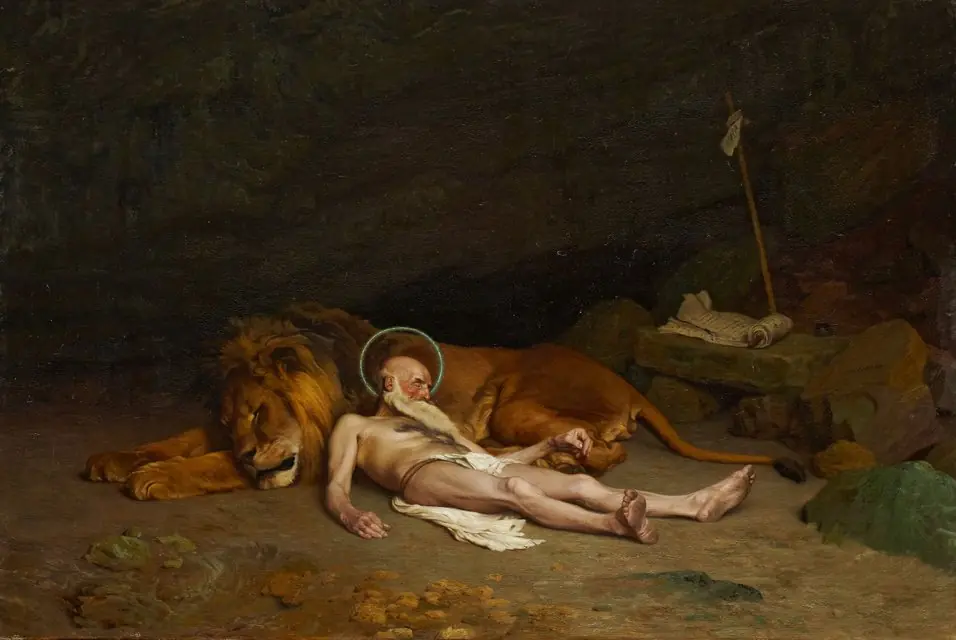 Saint Jerome
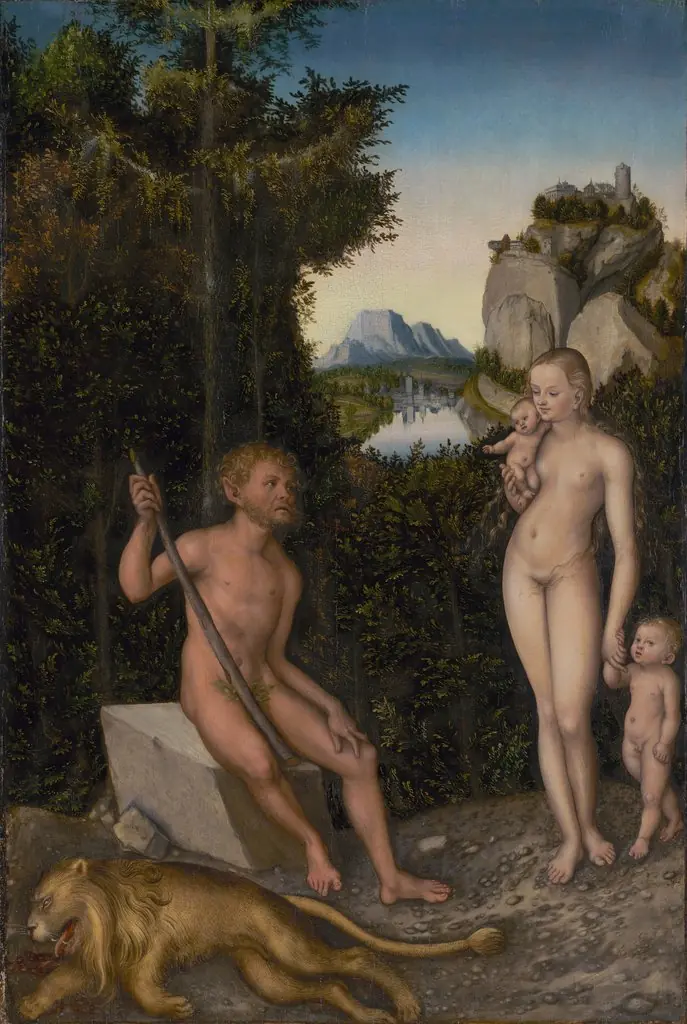 A Faun and His Family with a Slain Lion
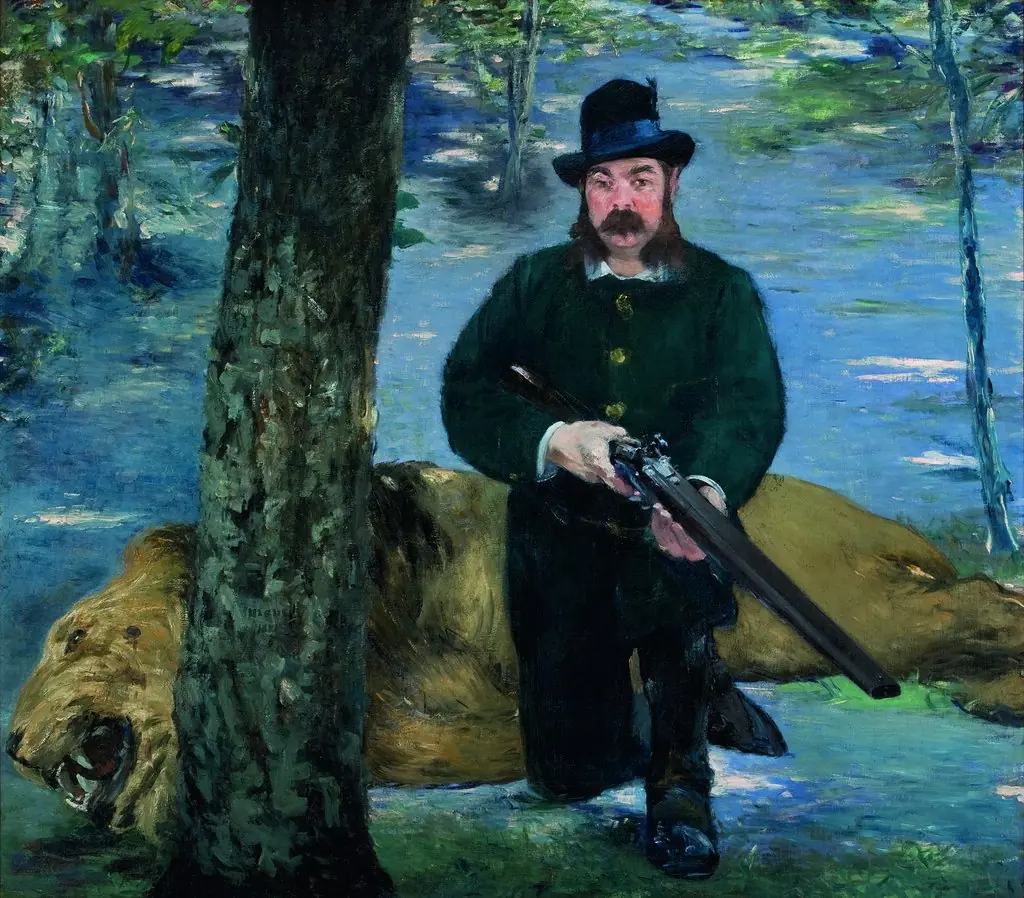 Mister Pertuiset, The Lion Hunter
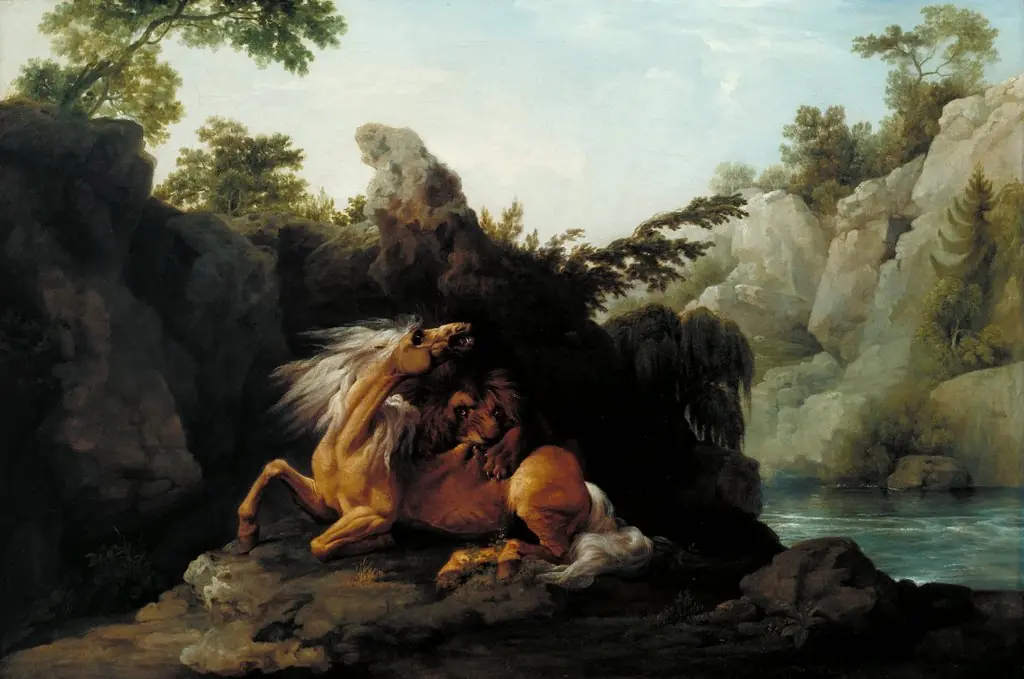 Horse Devoured by a Lion
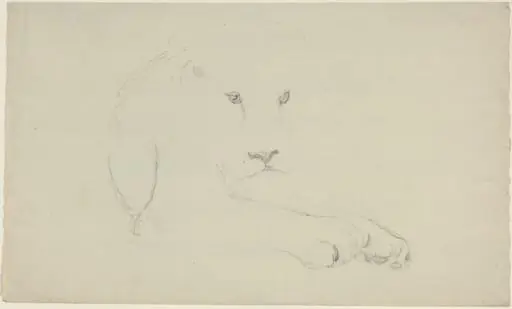 Lion
Lion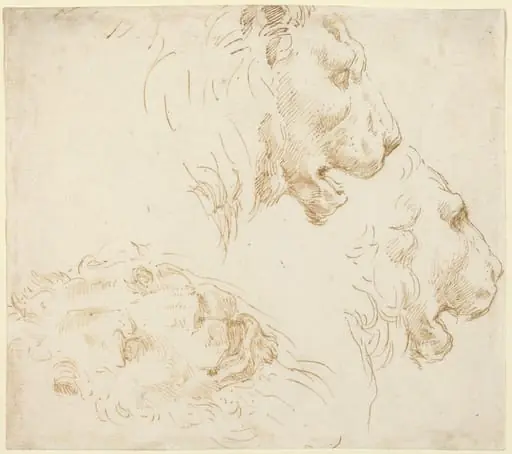 Studies of a Lion's Head
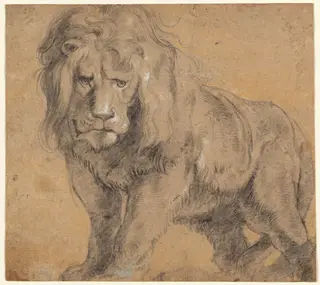 Lion
Lion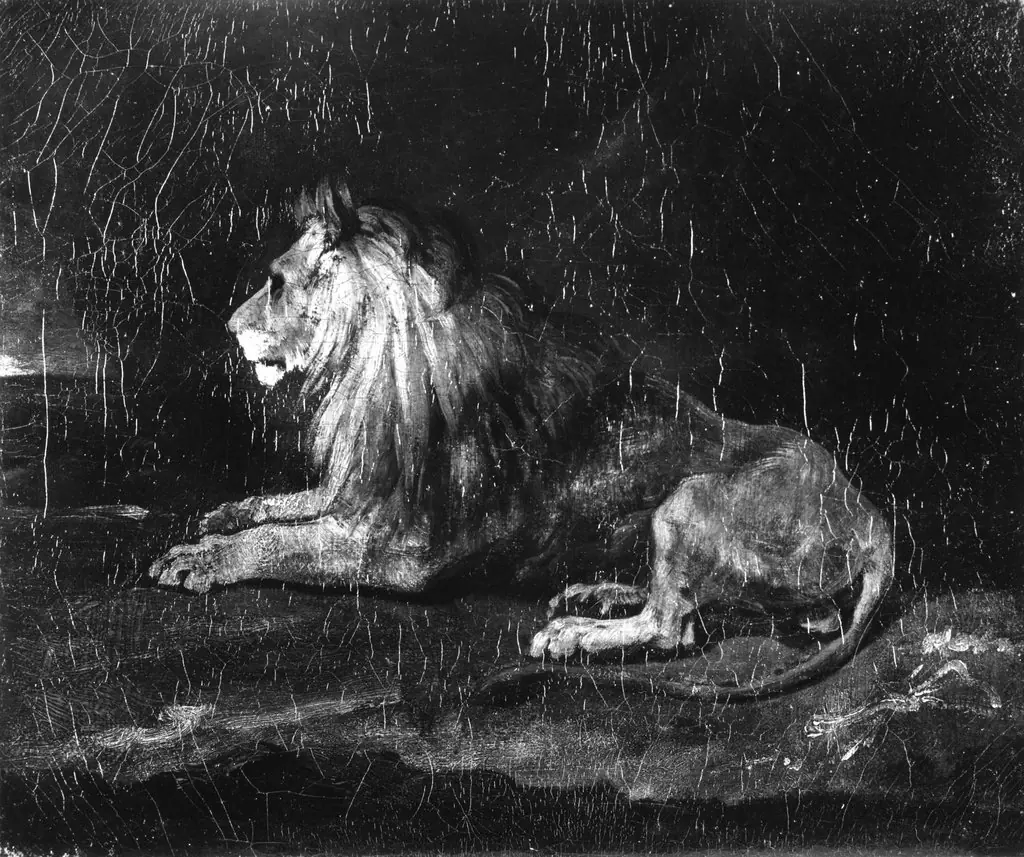 Lion in Repose
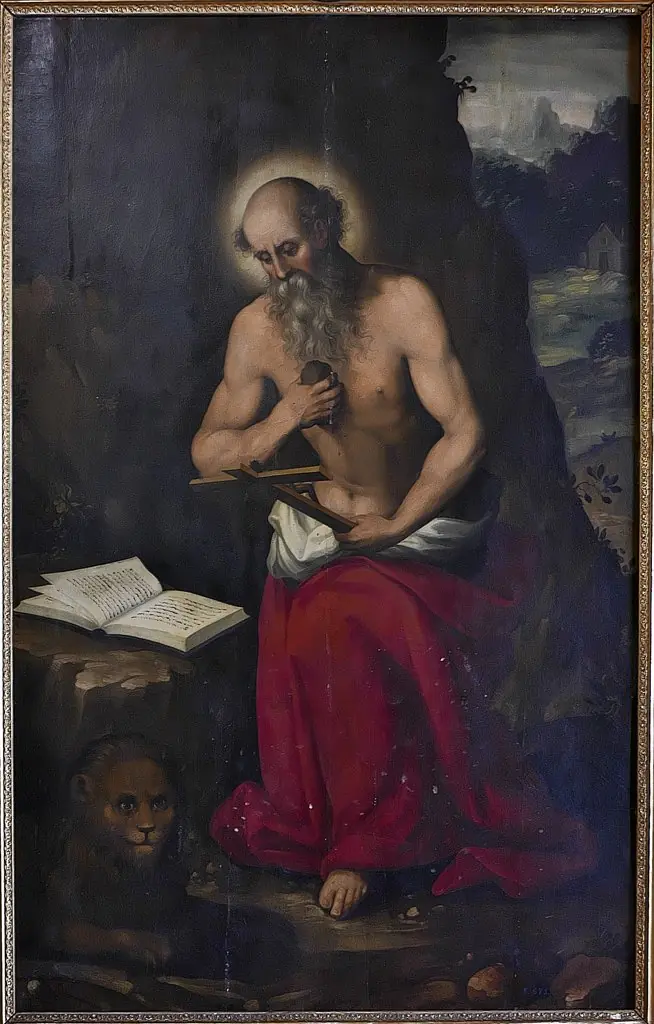 Saint Jerome
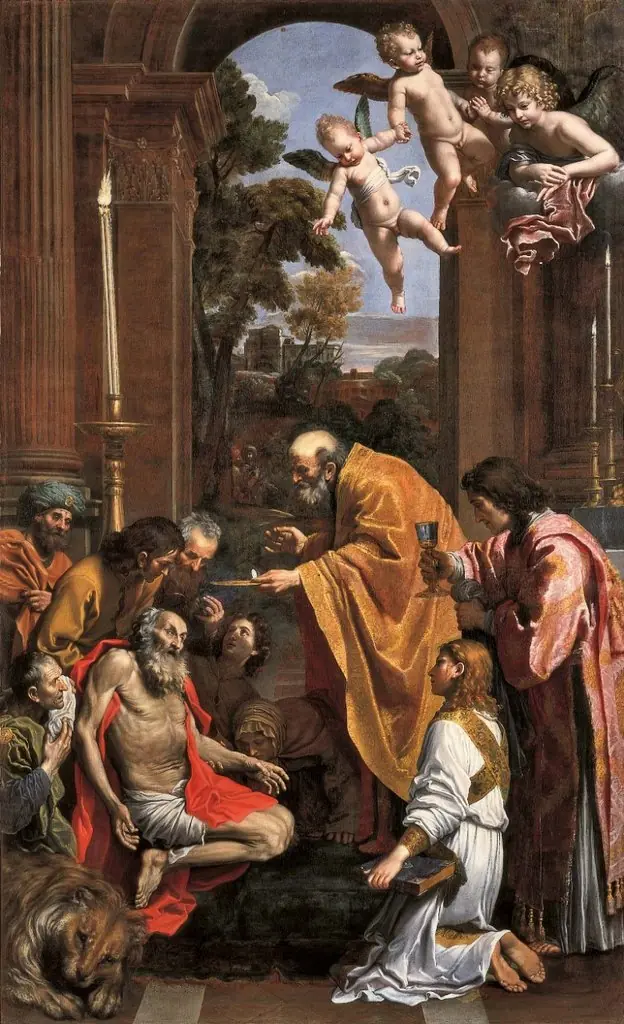 Communion of Saint Jerome
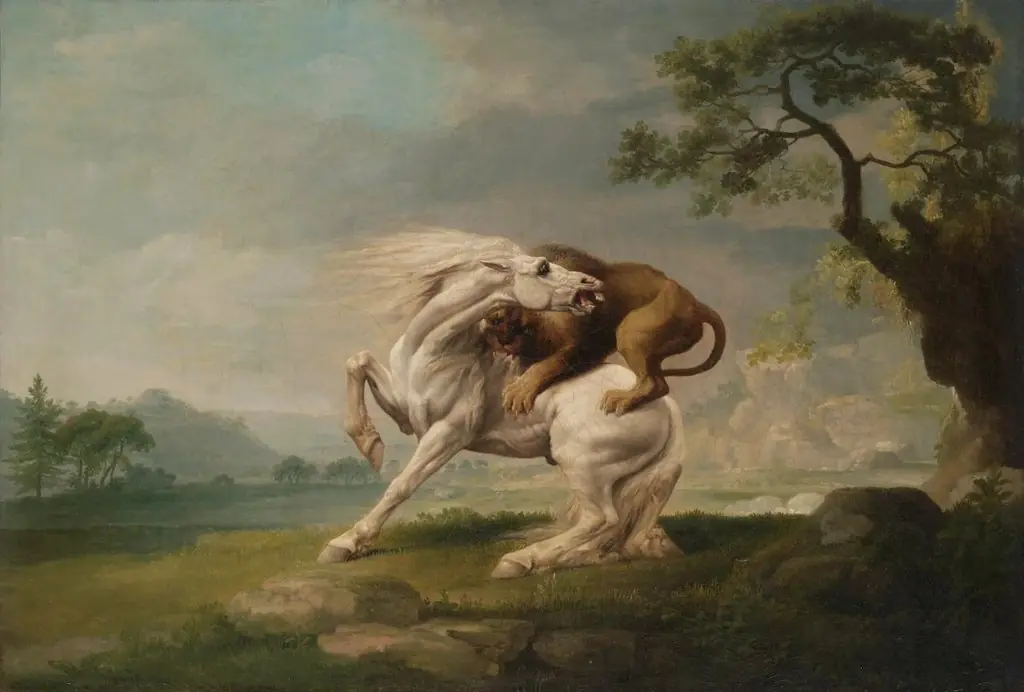 A lion attacking a horse
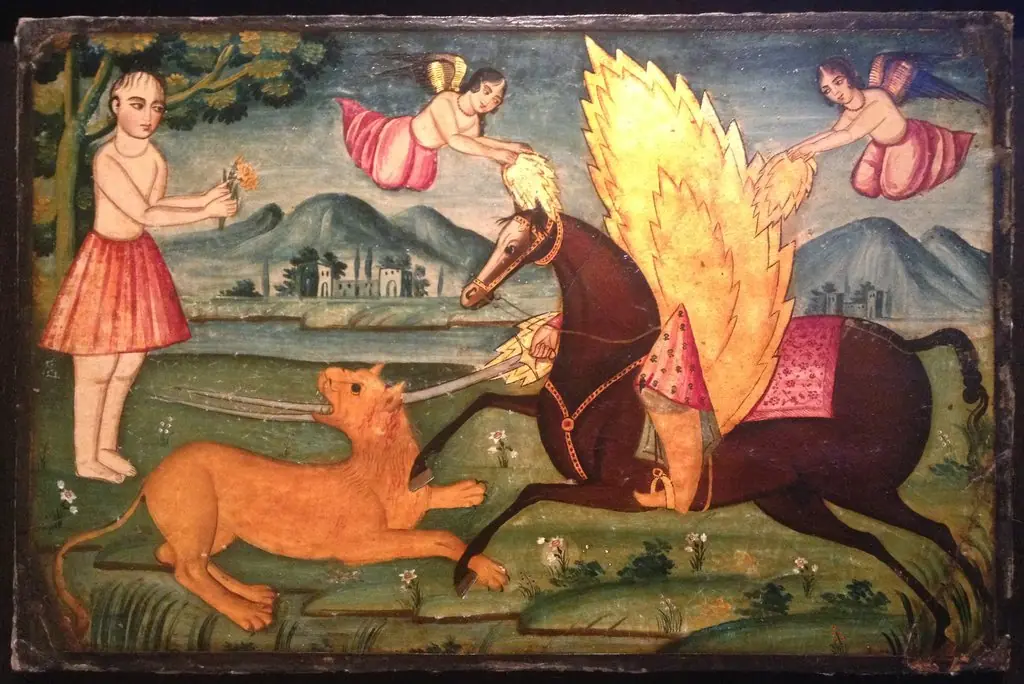 The Shiite Imam Ali
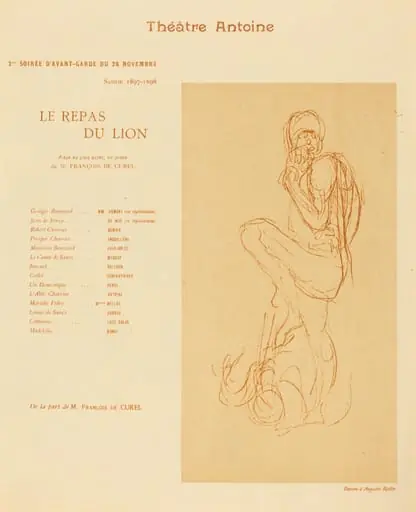 Le Repas du lion
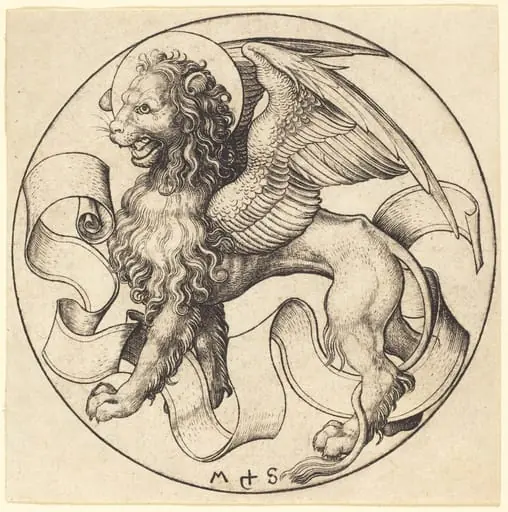 The Lion of Saint Mark
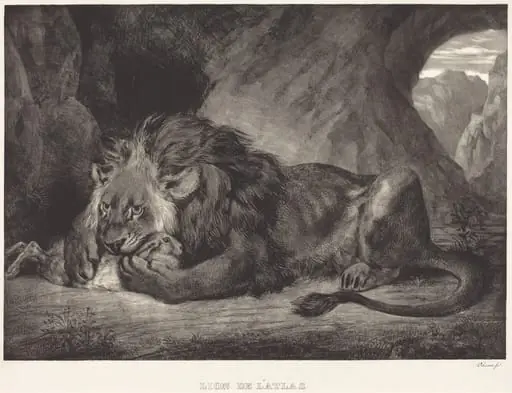 Lion of the Atlas Mountains (Lion de l'Atlas)
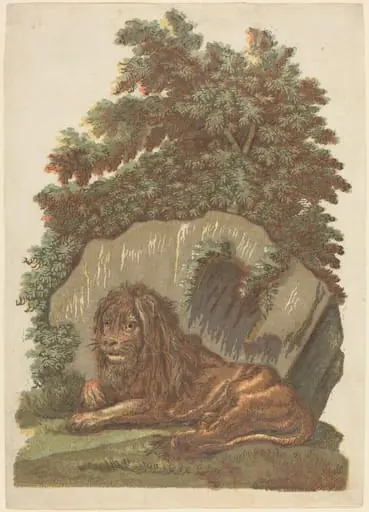 The Lion
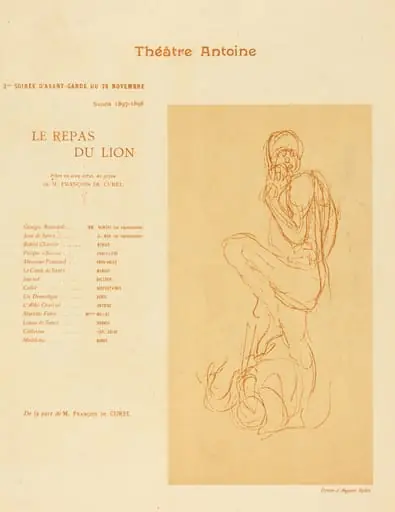 Le Repas du lion
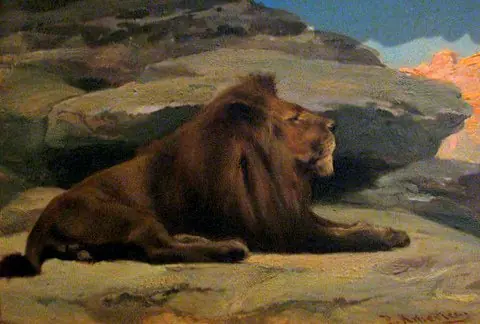 Lion
Lion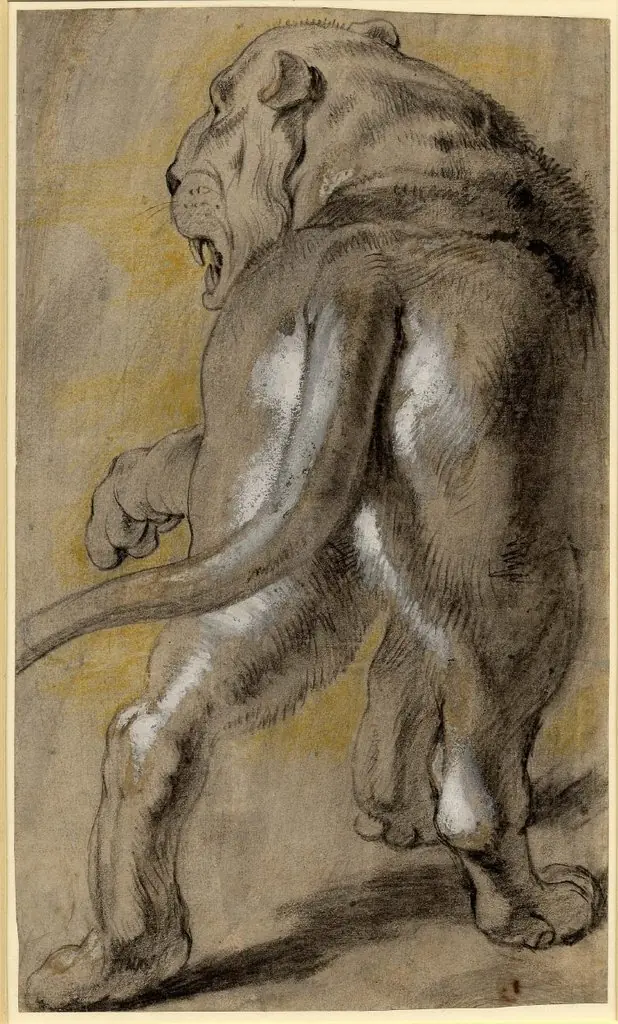 Lion
Lion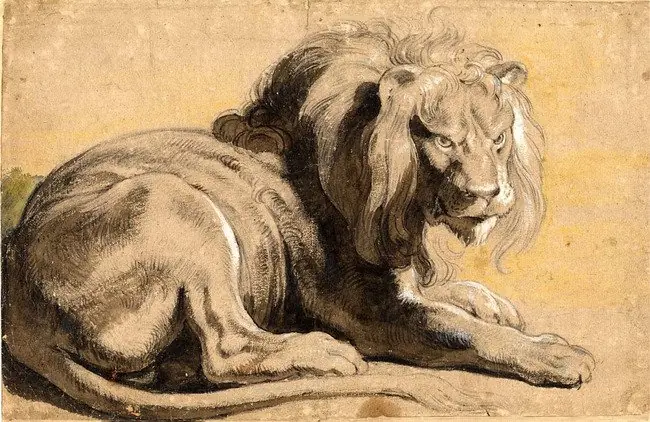 Lion
Lion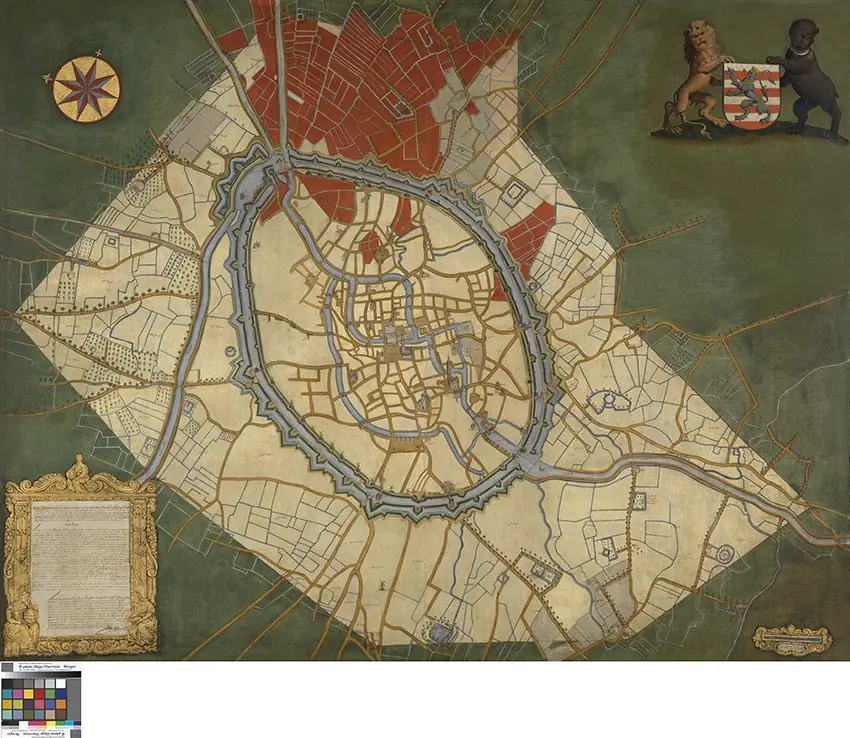 Kaart van Brugge en de feodale gronden
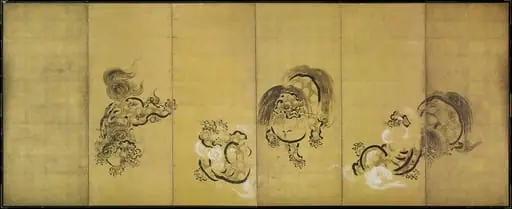 舞楽図屏風 ・唐獅子図屏風|Bugaku Dances (front); Chinese Lions (reverse)
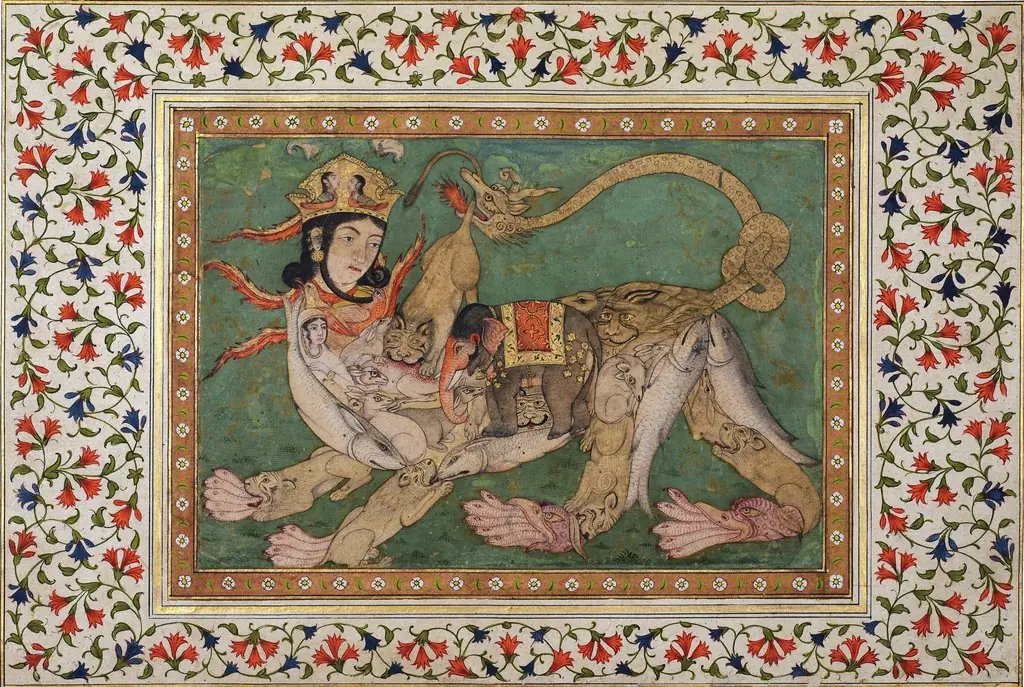 Al Buraq
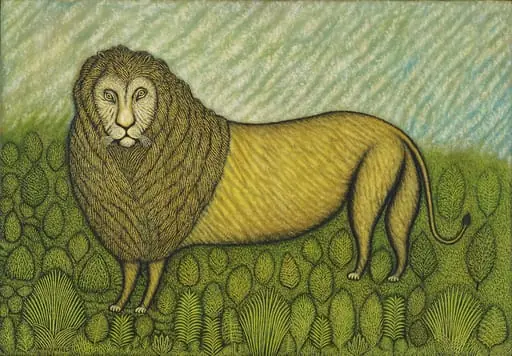 Untitled
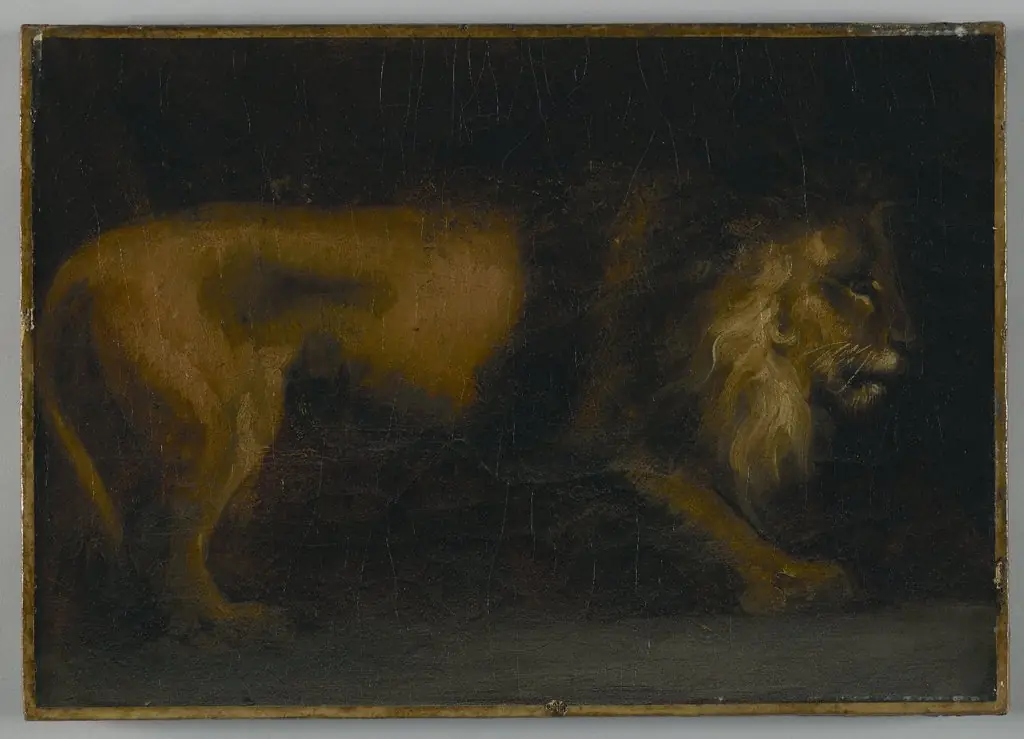 Study of a Lion
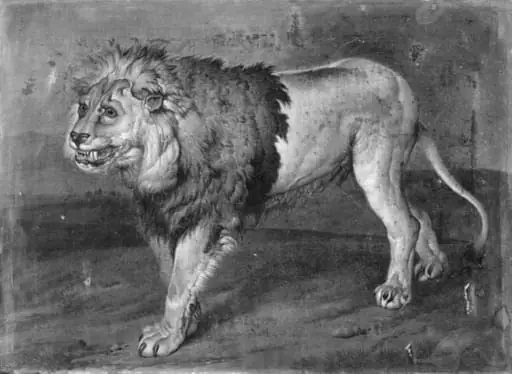 A Lion in a Landscape
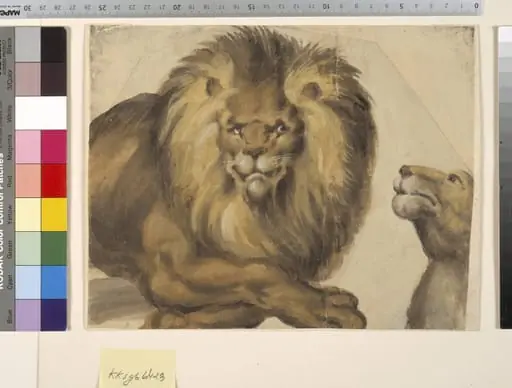 En hanløves forkrop og en hunløves hoved
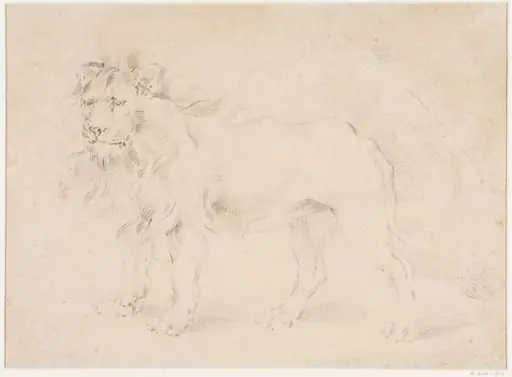 Study of a lion
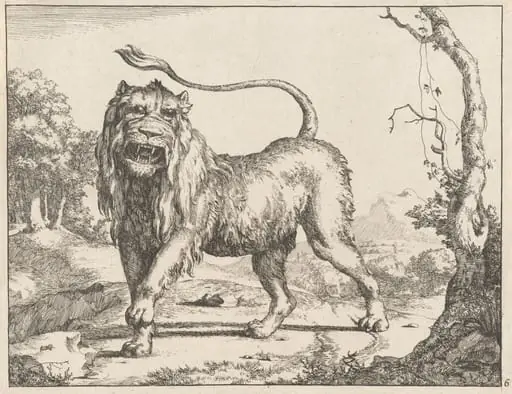 Lion
Lion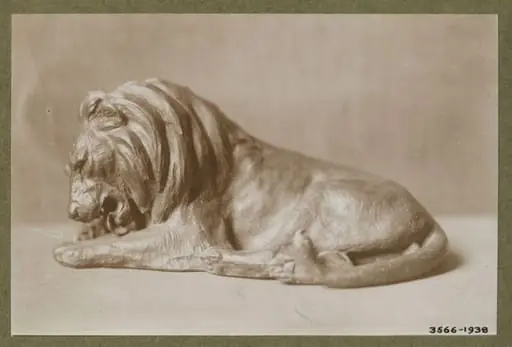 Untitled
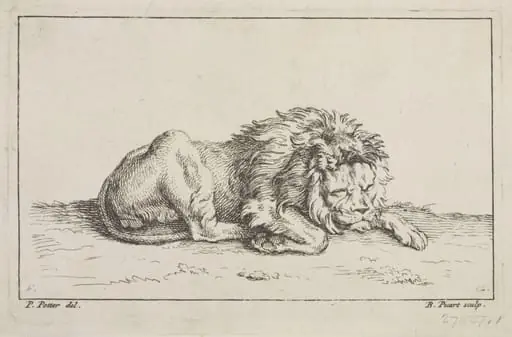 Untitled
Frequently asked questions
What is Lion?
Lion is a subject in art. family name
How many Lion works does Artifact World Gallery have?
Artifact World Gallery holds 119 public-domain Lion works, all free to view and download.
Who are the key Lion artists?
Key Lion artists in the collection include Titian, Édouard Manet and Jean Léon Gérôme.
Where can I see Lion works?
Lion works in the collection are held by Metropolitan Museum of Art, National Gallery of Art and Statens Museum for Kunst.