
Movement
Suprematism
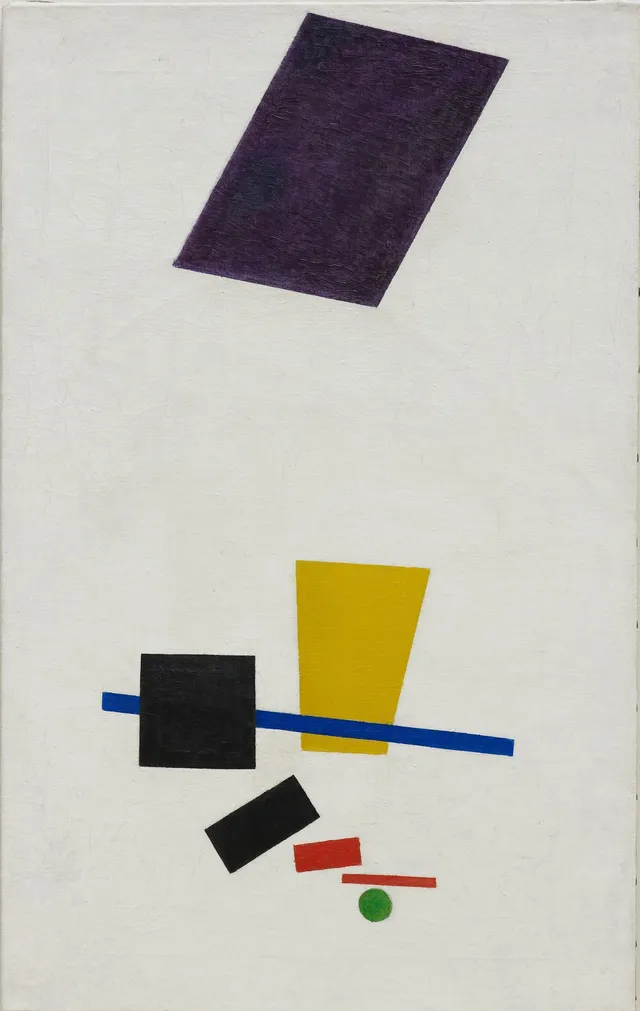
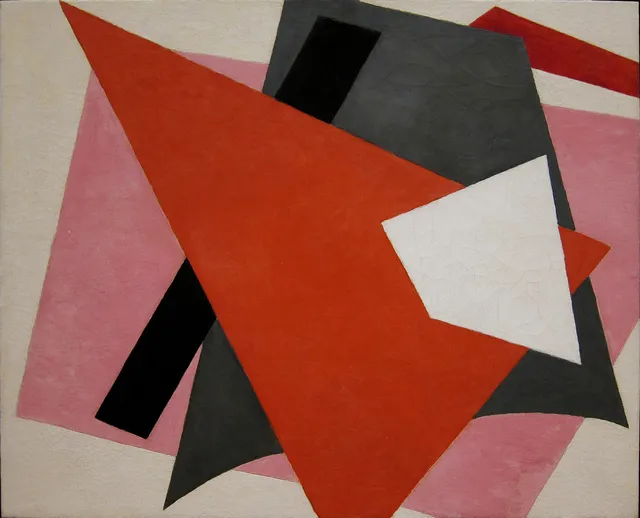
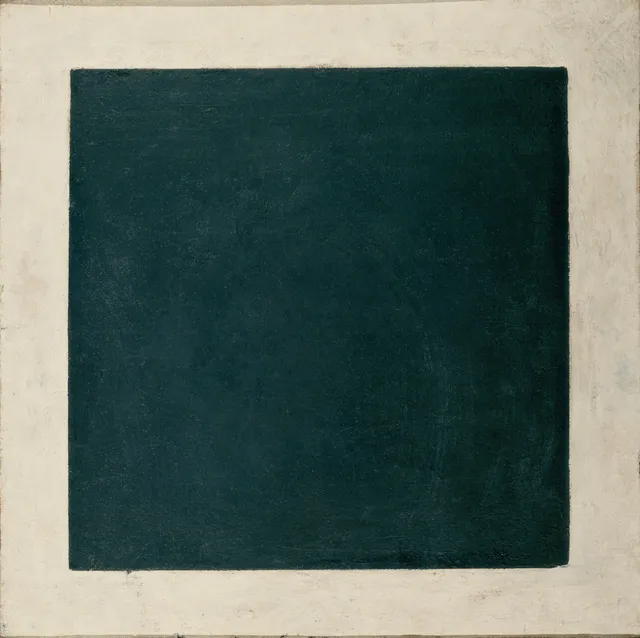
Suprematism is an art movement dating from 1913. The gallery holds 36 works in this movement, including works by Olga Rozanova, Kazimir Malevich and Nadezhda Udaltsova. Browse Suprematism paintings, portraits, pictures and artworks from the world's public-domain museum collections.
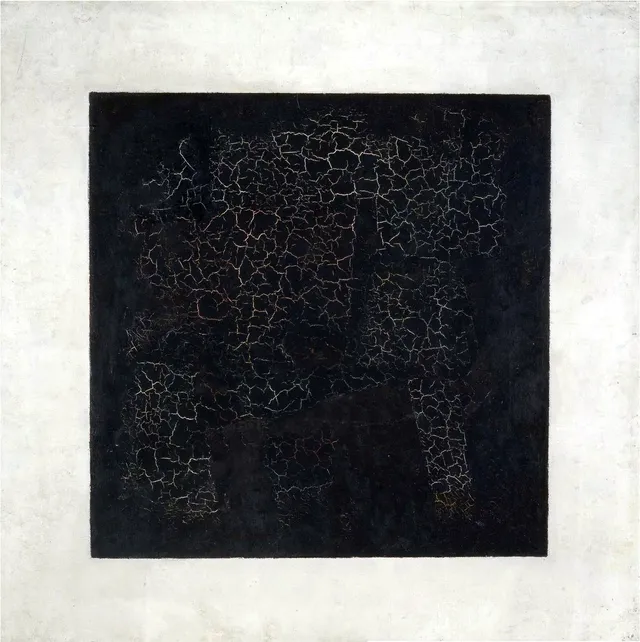
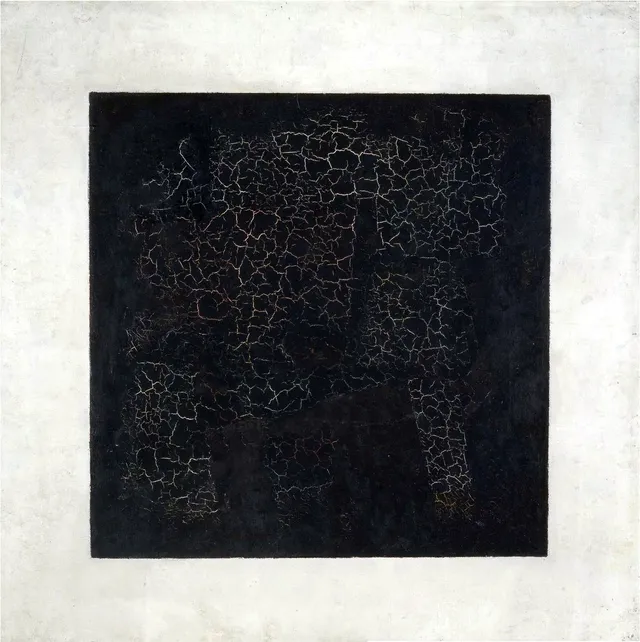
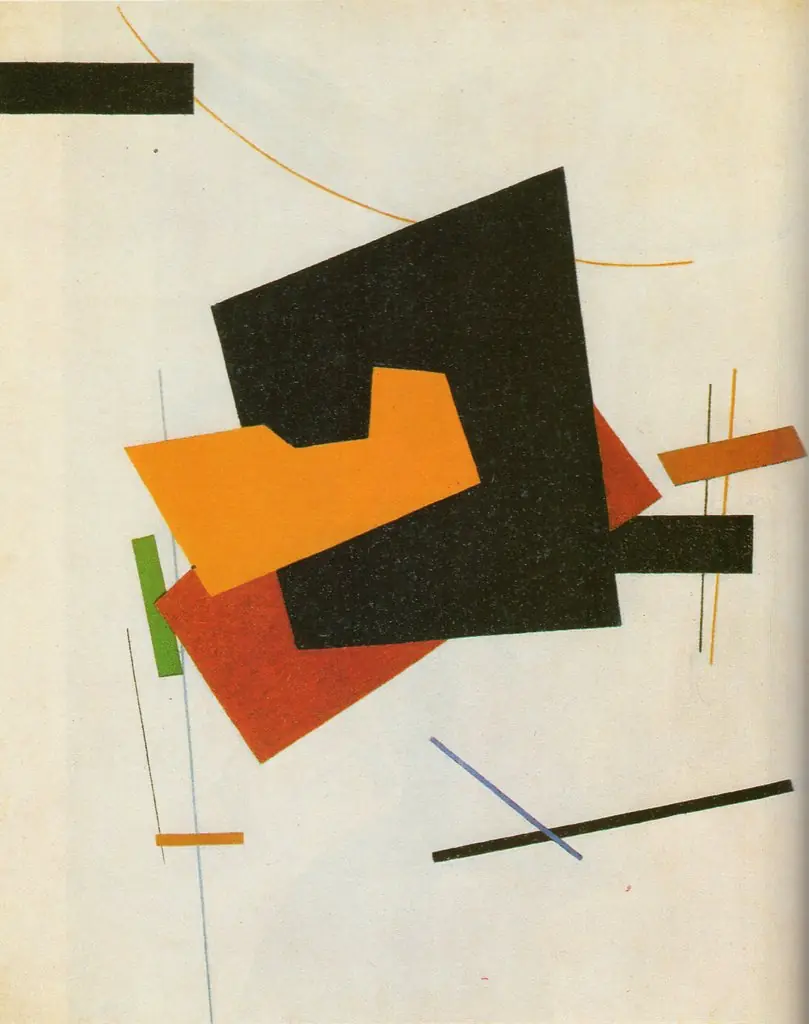
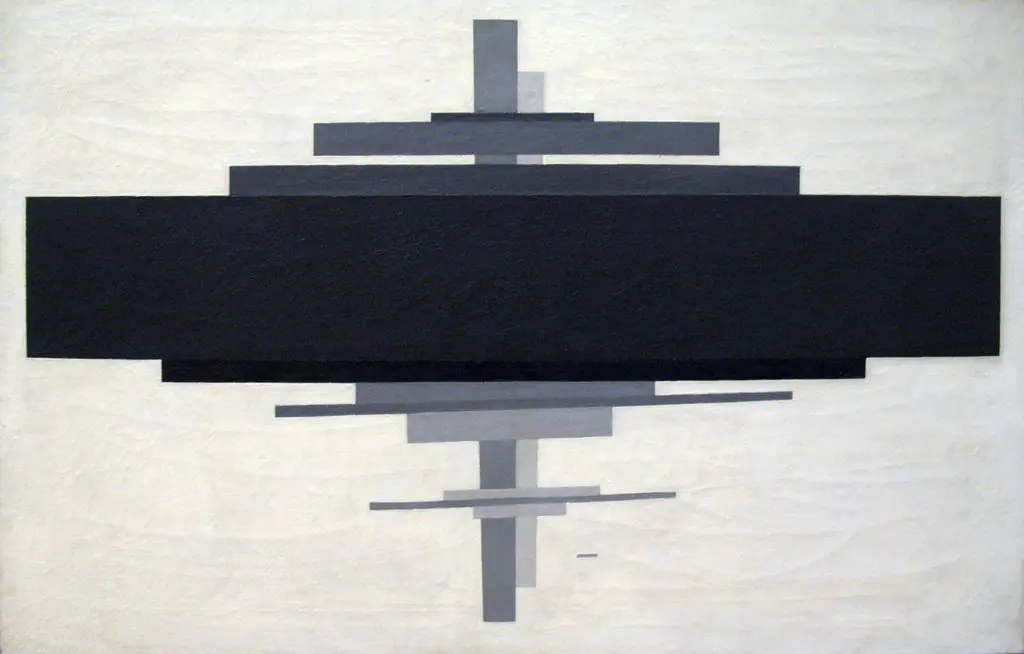
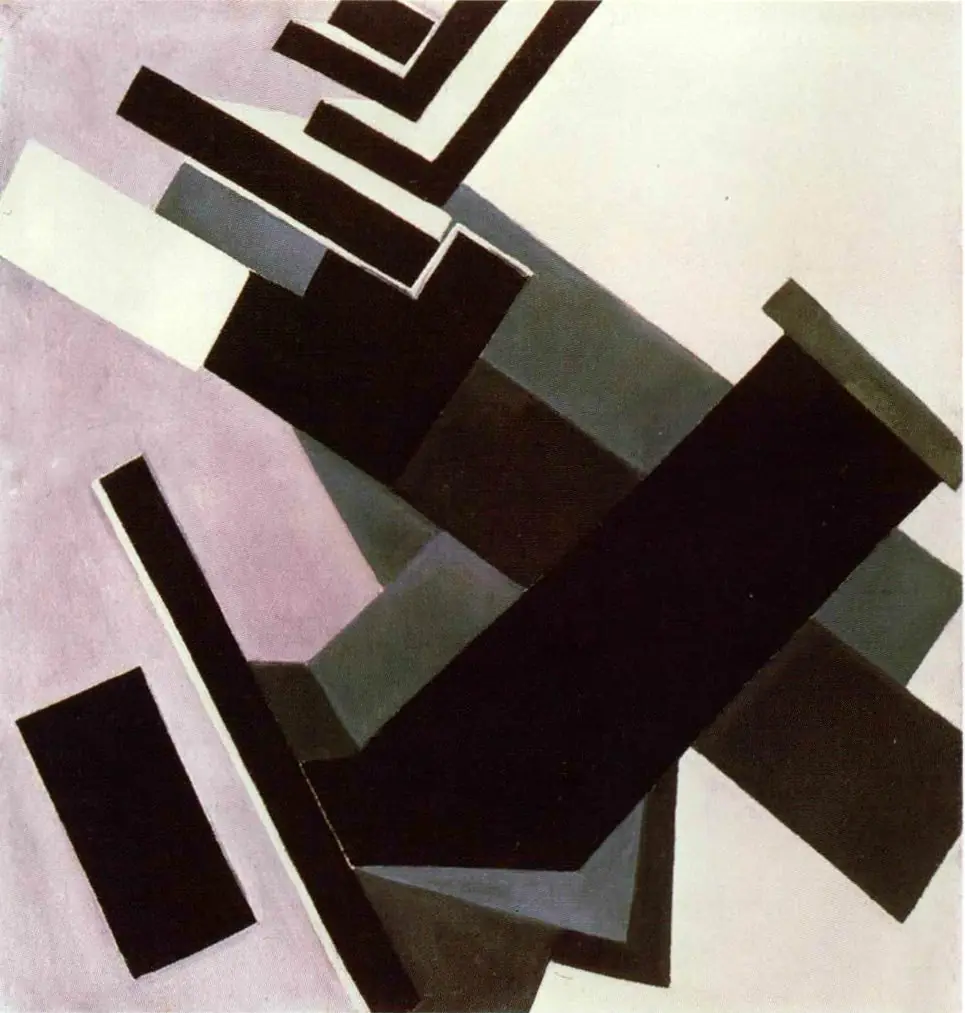
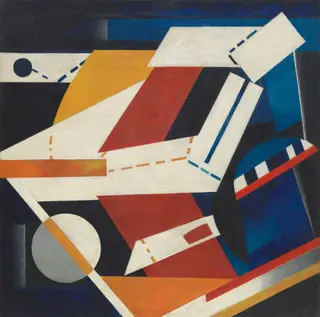
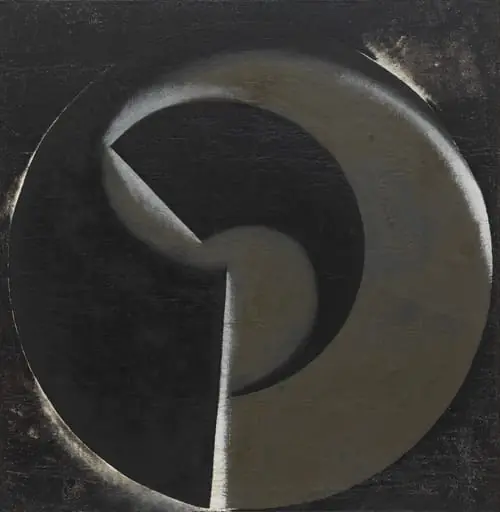
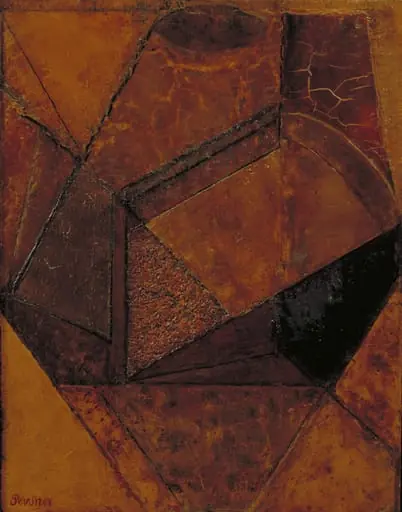
Suprematism was the first systematic movement of pure geometric abstraction, founded by Kazimir Malevich in Russia in 1915. The word derives from the idea of the "supremacy" of pure feeling over the depiction of objects; Malevich defined it as "the supremacy of pure feeling in creative art." Its founding moment came at The Last Futurist Exhibition of Paintings 0,10, held at the Dobychina Art Bureau in Petrograd from December 1915 to January 1916, where Malevich showed thirty-nine works and hung his "Black Square" high in the upper corner of the room—the place traditionally reserved for an Orthodox icon. The movement emerged from the ferment of Russian Cubo-Futurism, and its core motif first appeared in Malevich's designs for the 1913 Futurist opera Victory Over the Sun.
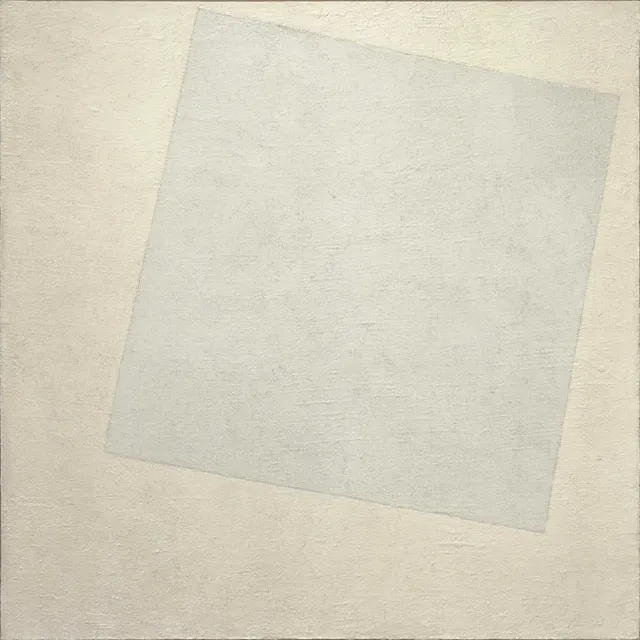
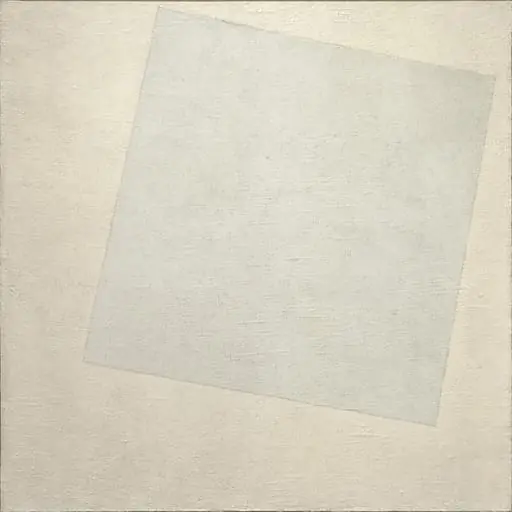
Visually, Suprematism reduced painting to elemental forms—squares, rectangles, circles, crosses, and bars—floating in dynamic arrangements against neutral white or light grounds. Malevich called the black square the "zero point" of painting, a decisive break with representation. From this austere beginning the style evolved through a brilliantly coloured phase of tilted, weightless geometries to a final, near-immaterial mode exemplified by "Suprematist Composition: White on White" (1918), in which a faintly outlined white square hovers on white. The aim was not decoration but a transrational art of pure sensation and infinite space.
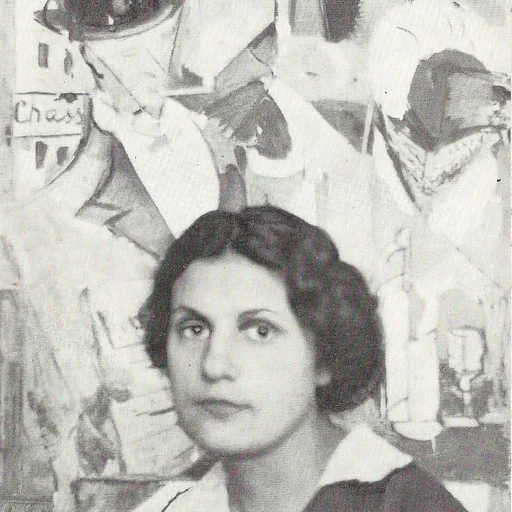
Malevich was the movement's theorist and central figure, but Suprematism drew a wide circle: Olga Rozanova, Ivan Kliun, Lyubov Popova, Nadezhda Udaltsova, and Mikhail Matyushin worked in or alongside its orbit, while younger followers Ilya Chashnik and El Lissitzky joined Malevich at the UNOVIS group in Vitebsk after 1919. Canonical works include the several versions of "Black Square," "Suprematist Composition: White on White," Popova's architectonic paintings, and Kliun's Suprematist compositions.
Suprematism's influence far outran its brief lifespan. El Lissitzky translated its flat geometries into spatial, architectural form through his "Proun" works, bridging painting and design and carrying the idiom westward to the Bauhaus and De Stijl. The movement stood in productive tension with Constructivism, which rejected Malevich's spiritual abstraction in favour of utilitarian making; figures such as Aleksandr Rodchenko moved between the two. Together these Russian avant-garde currents reshaped twentieth-century abstraction, graphic design, and architecture.
Key artists


Works
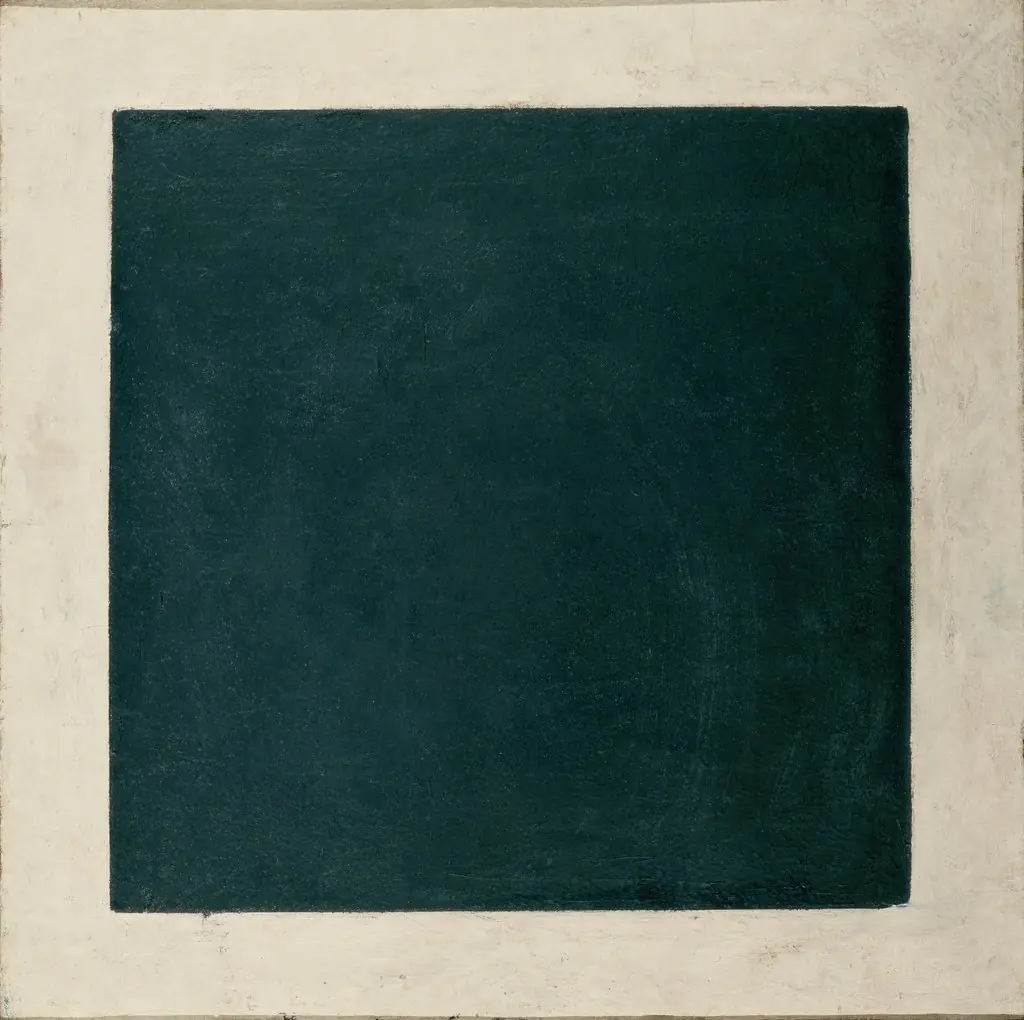 Black Square (1930)
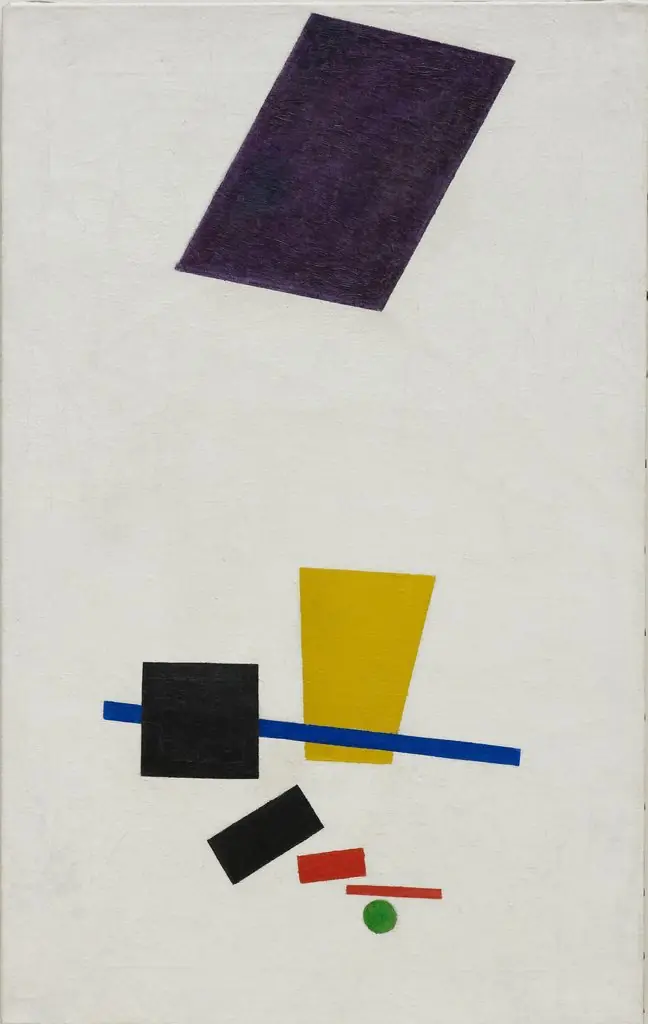 Painterly Realism of a Football Player - Color Masses in the 4th Dimension
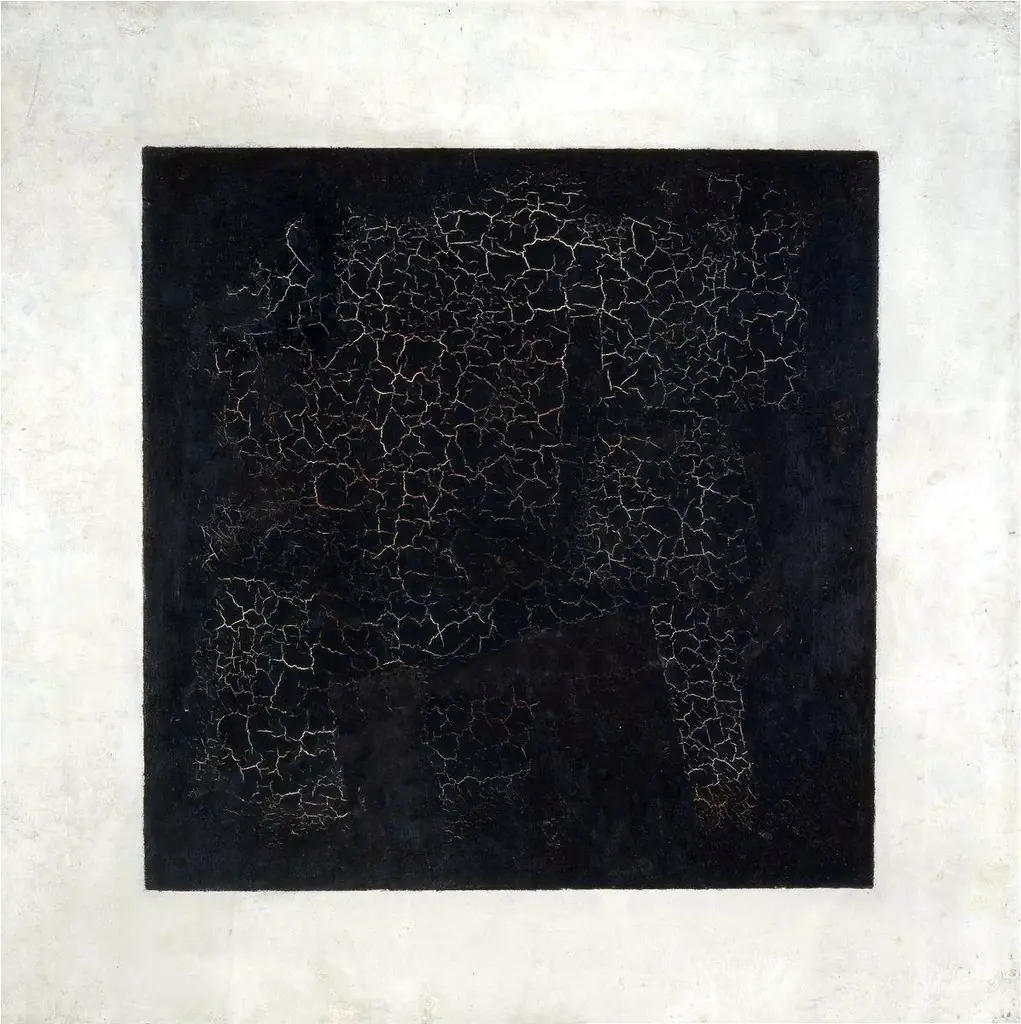 Black Square (1915)
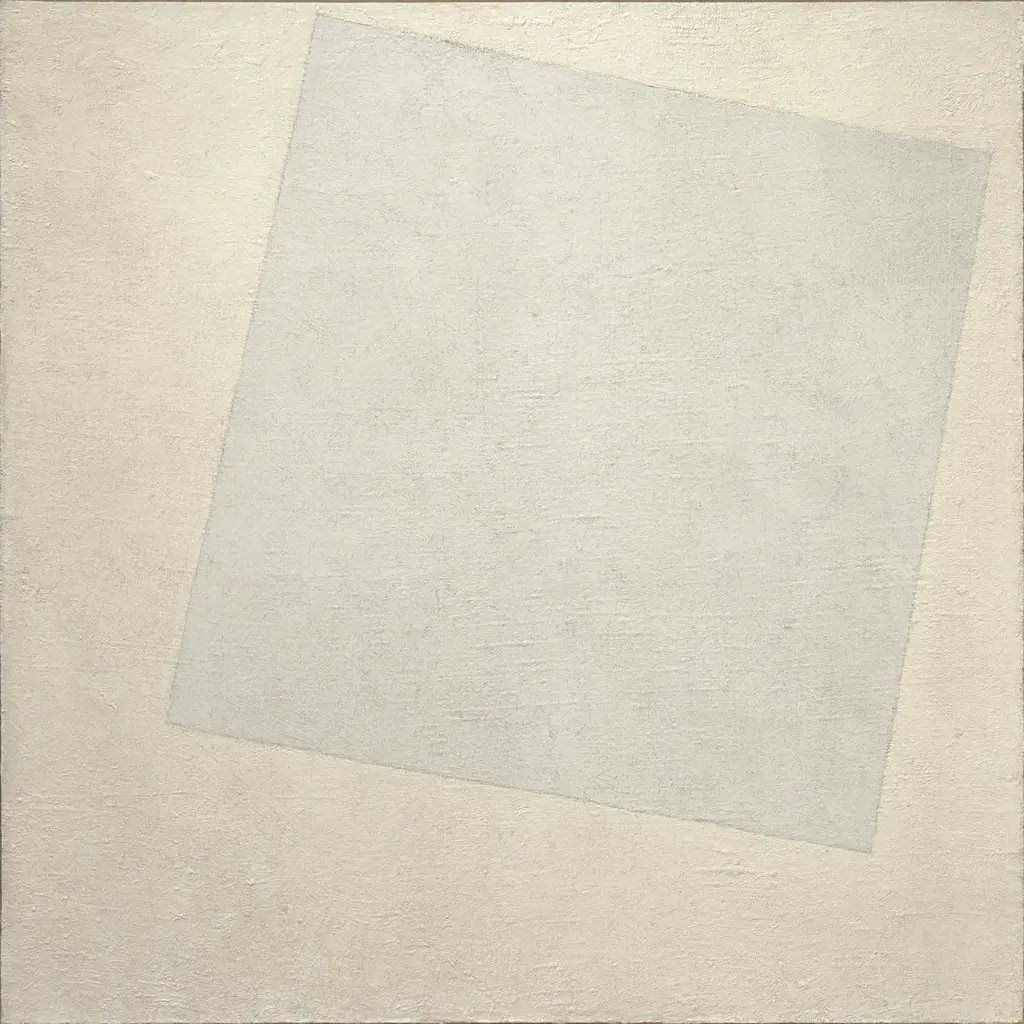 Suprematist Composition: White on White
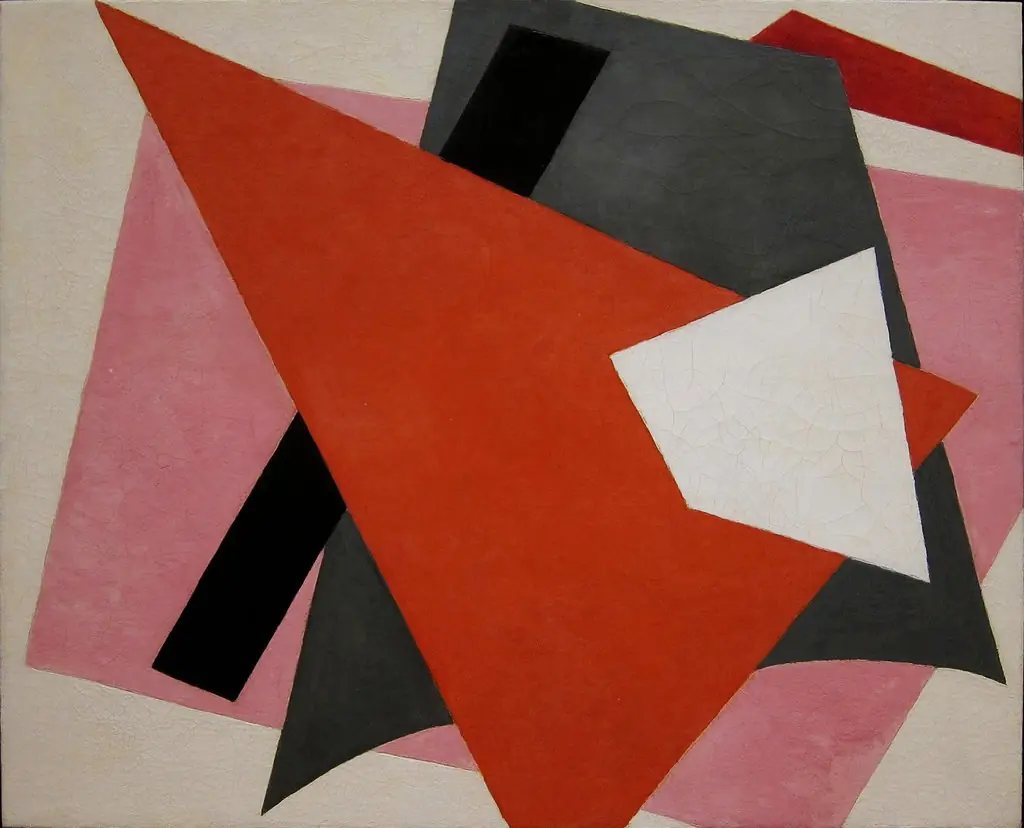 Painterly Architectonic
 Suprematism
 Suprematism
 Suprematism
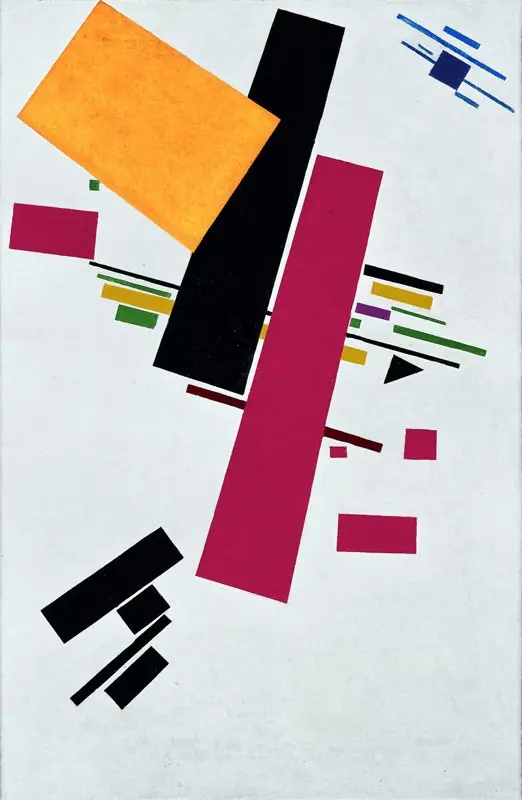 Supremus No. 38
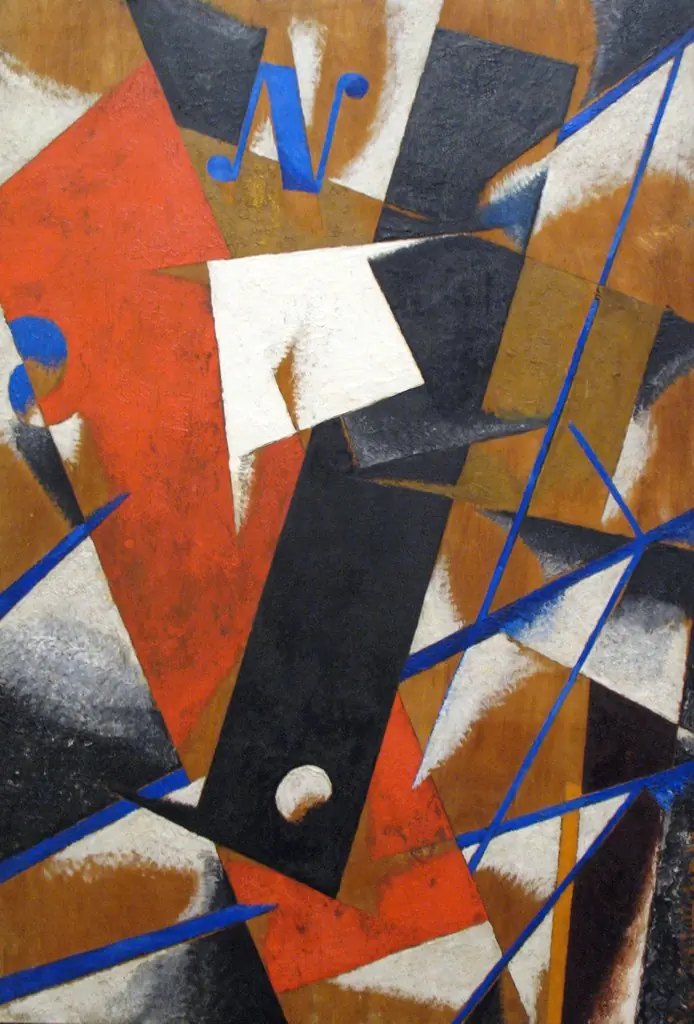 Space-power construction
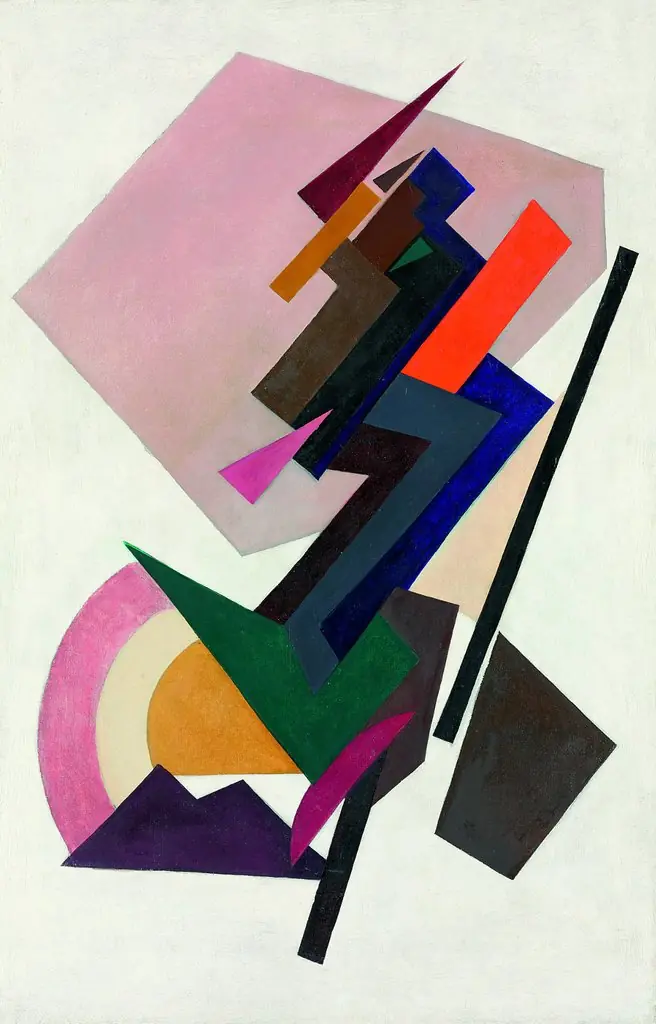 Suprematism
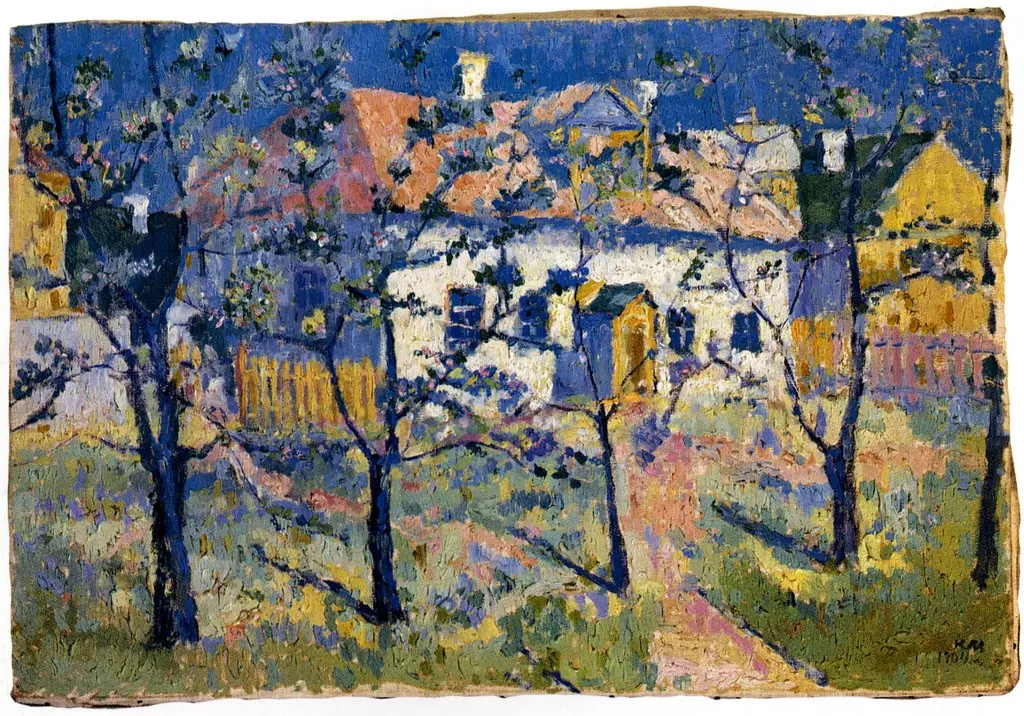 Garden in Blossom
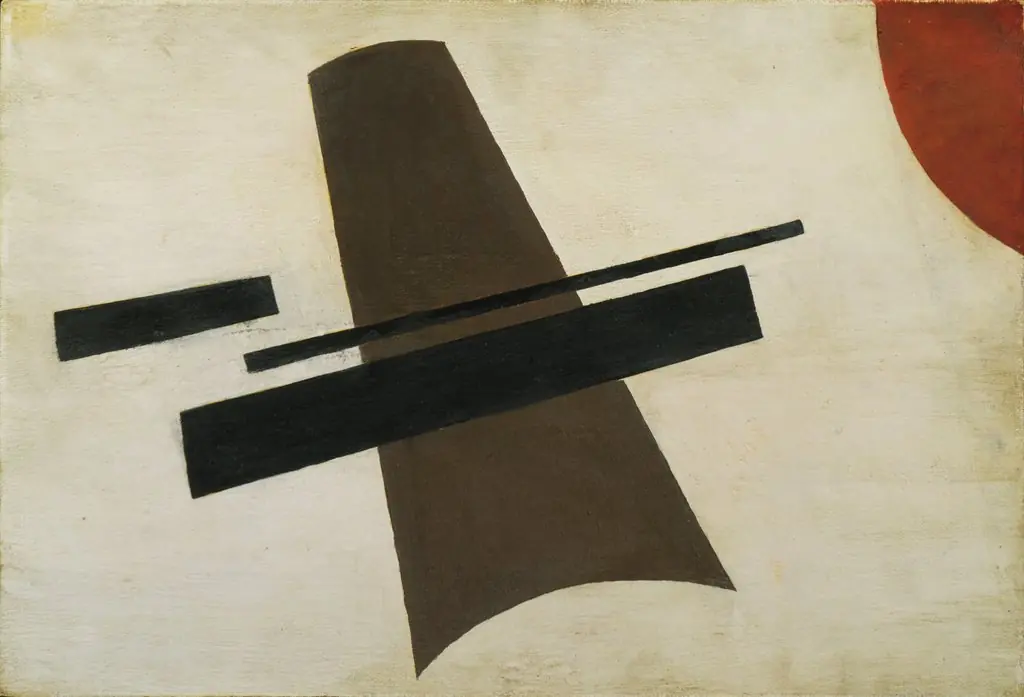 Suprematism
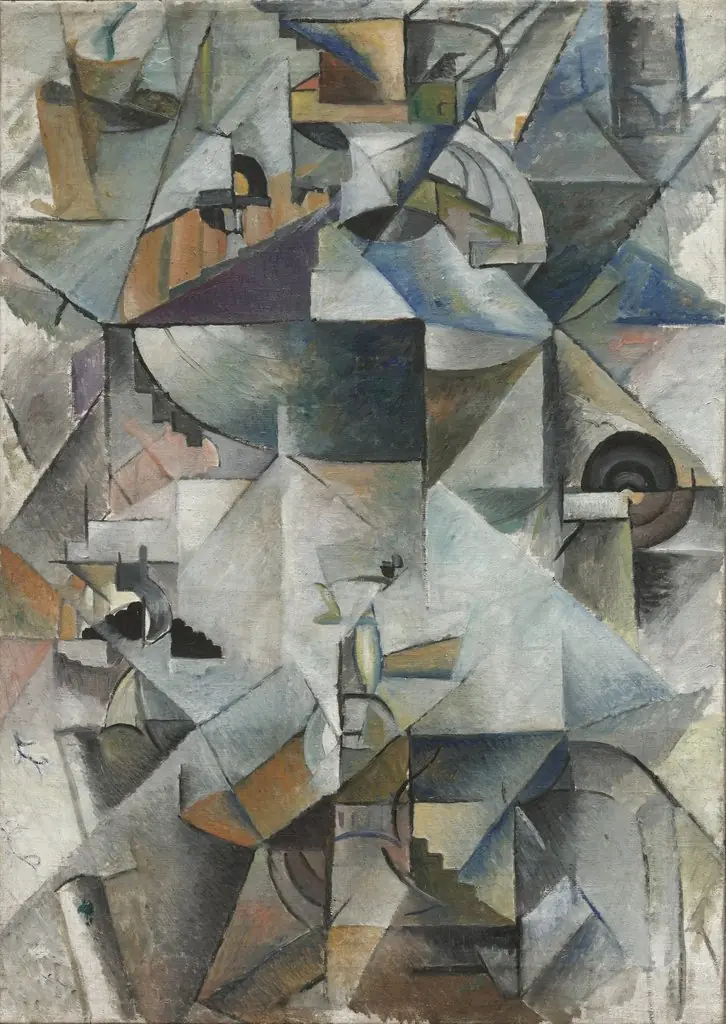 Samovar
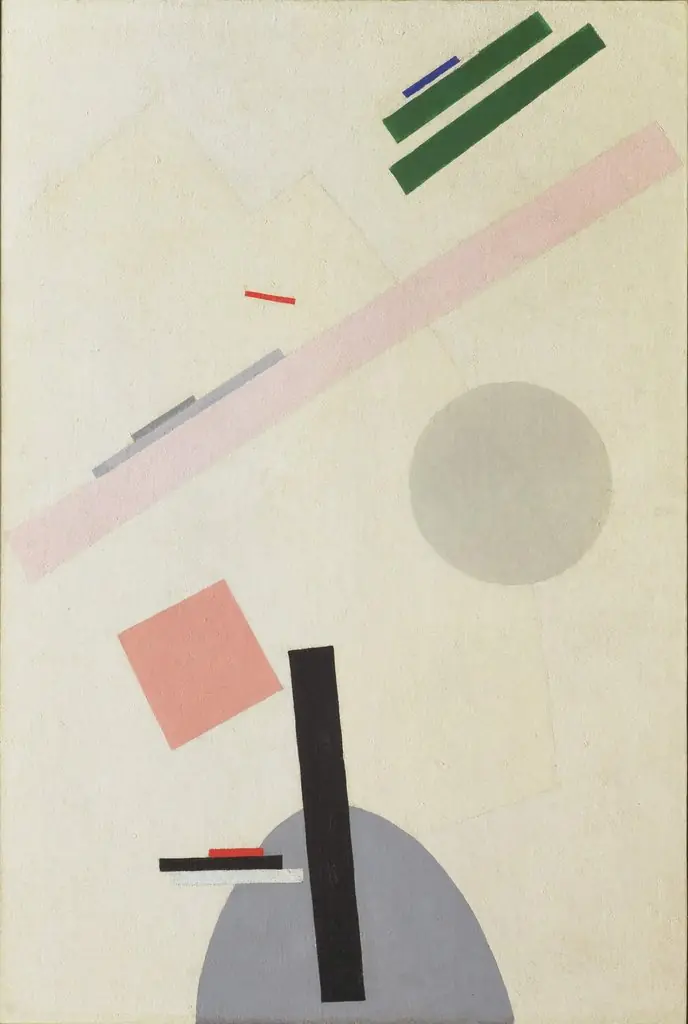 Suprematist Painting
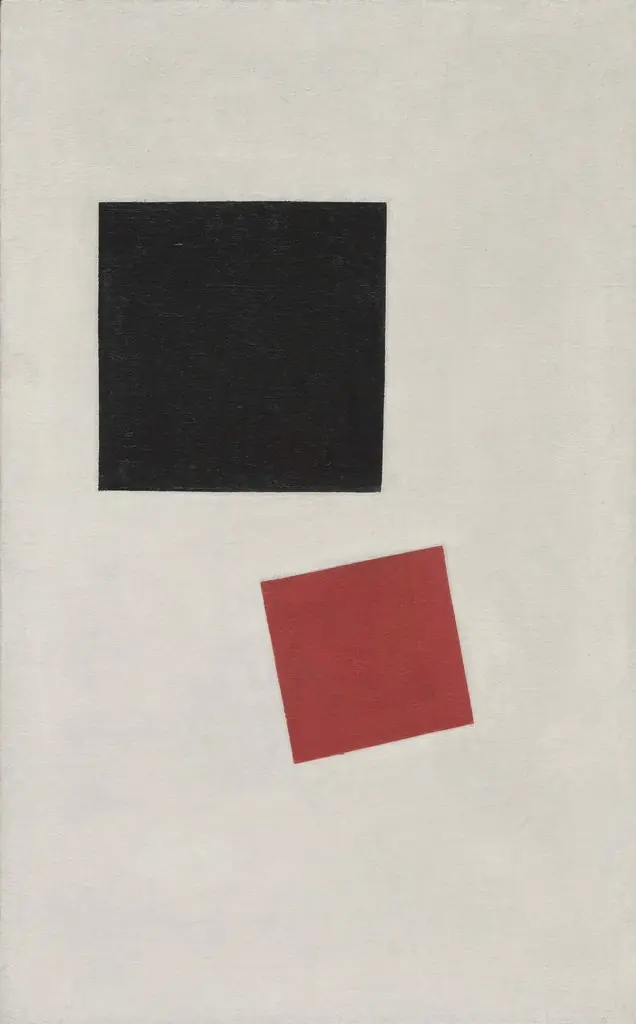 Painterly Realism of a Boy with a Knapsack - Color Masses in the Fourth Dimension
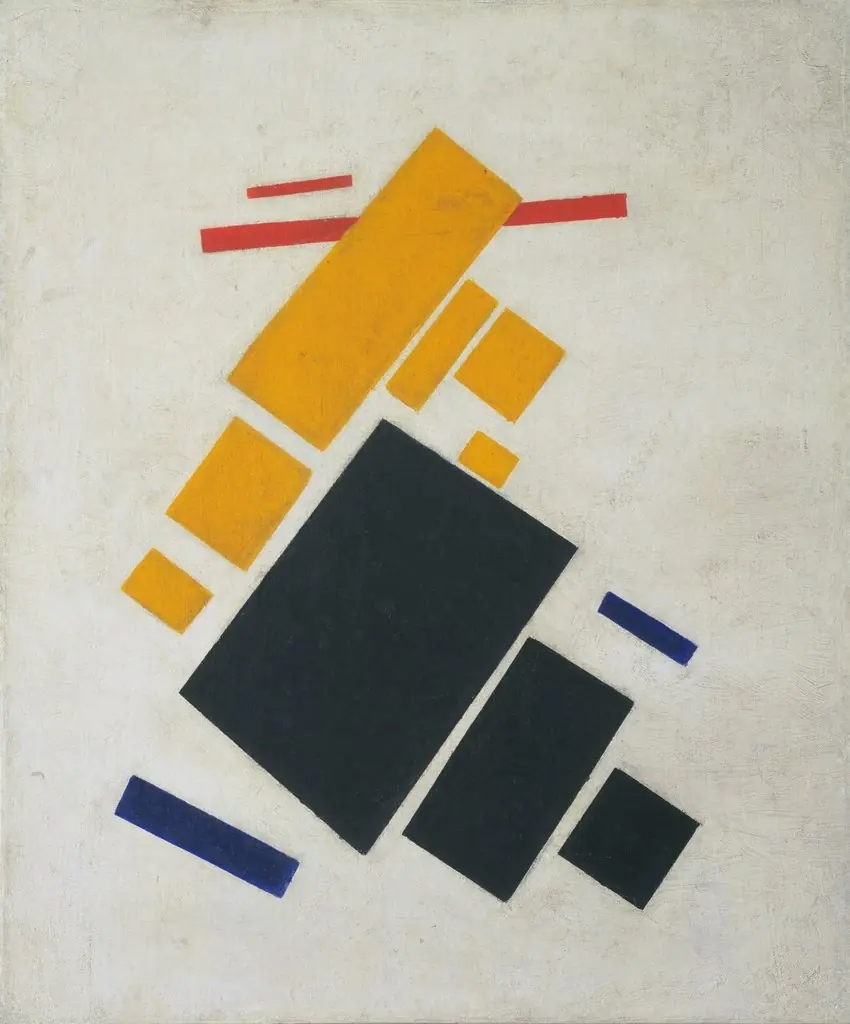 Suprematist Composition: Airplane Flying
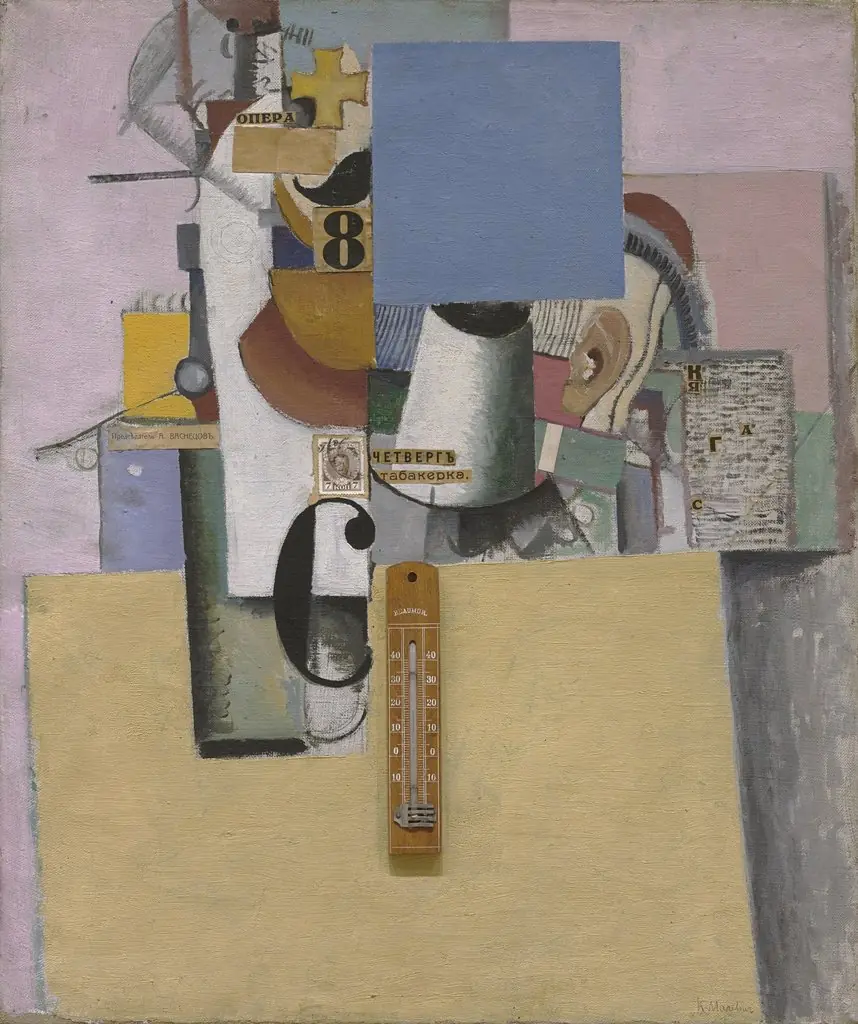 Reservist of the First Division
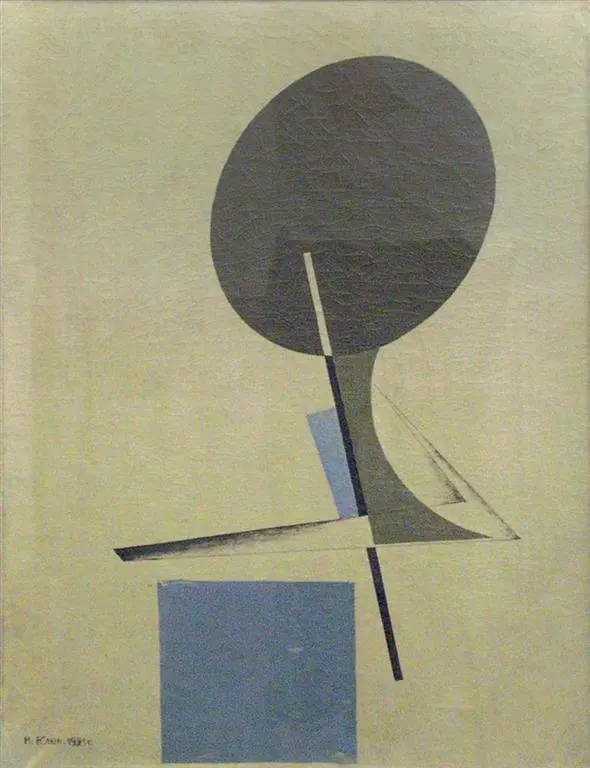 Composition
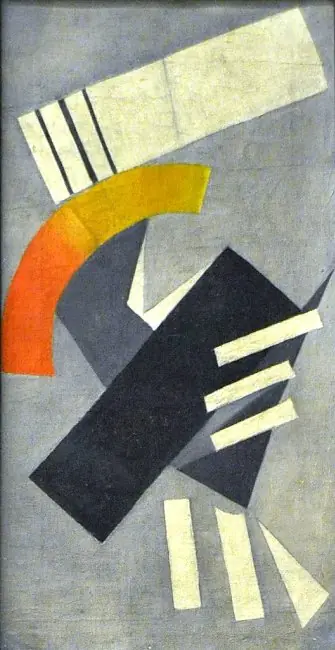 Suprematism
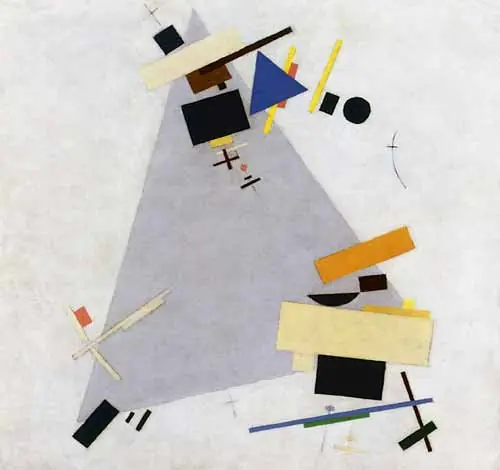 Dynamic Suprematism
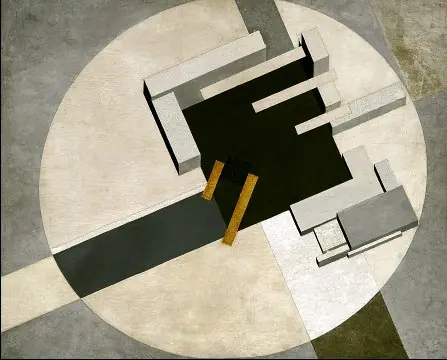 Proun 1E (City)
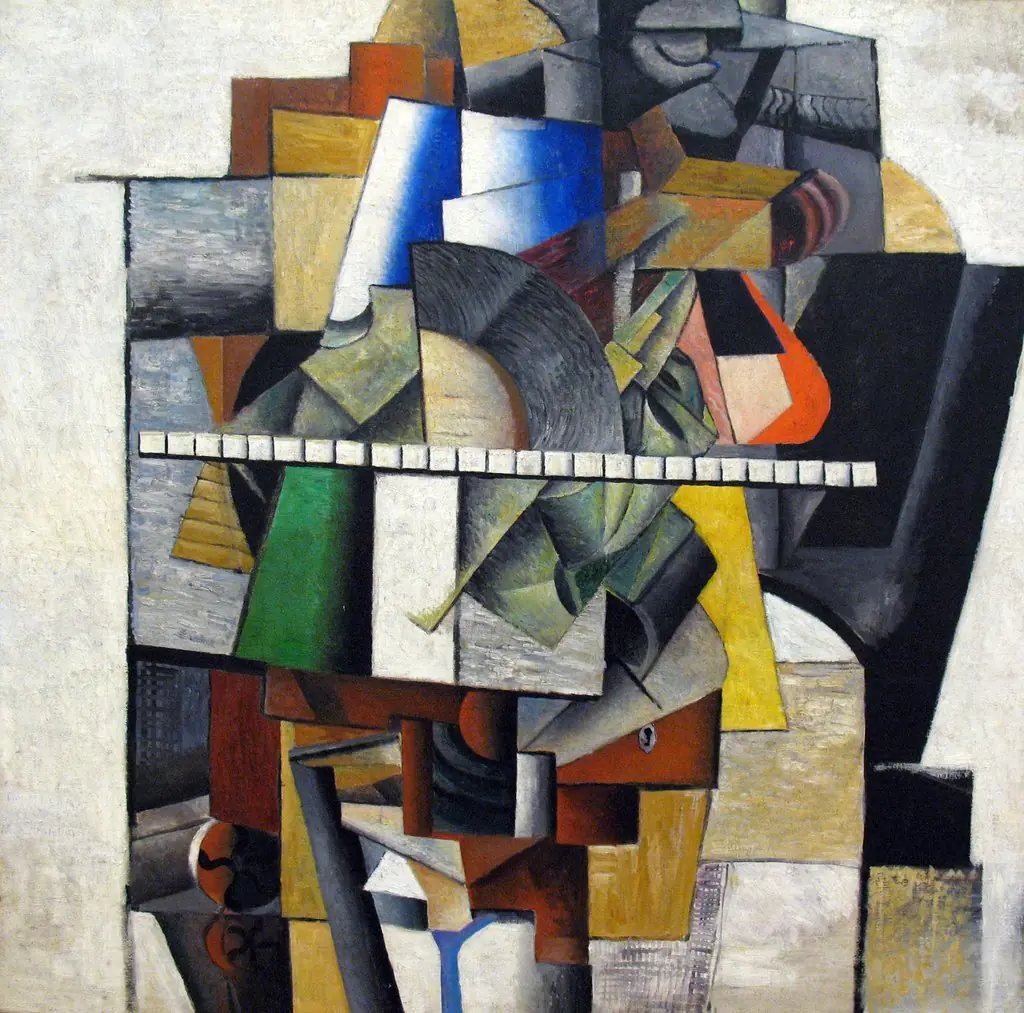 Portrait of Mikhail Matyushin
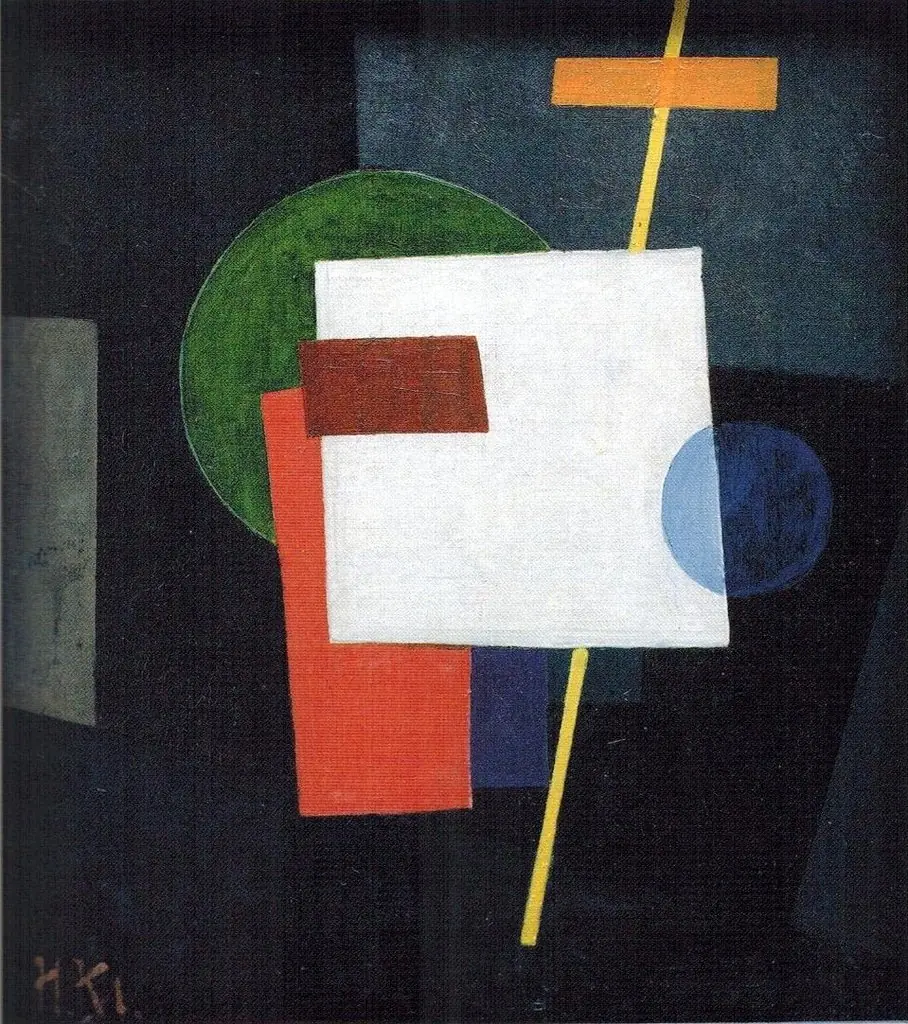 Suprematism
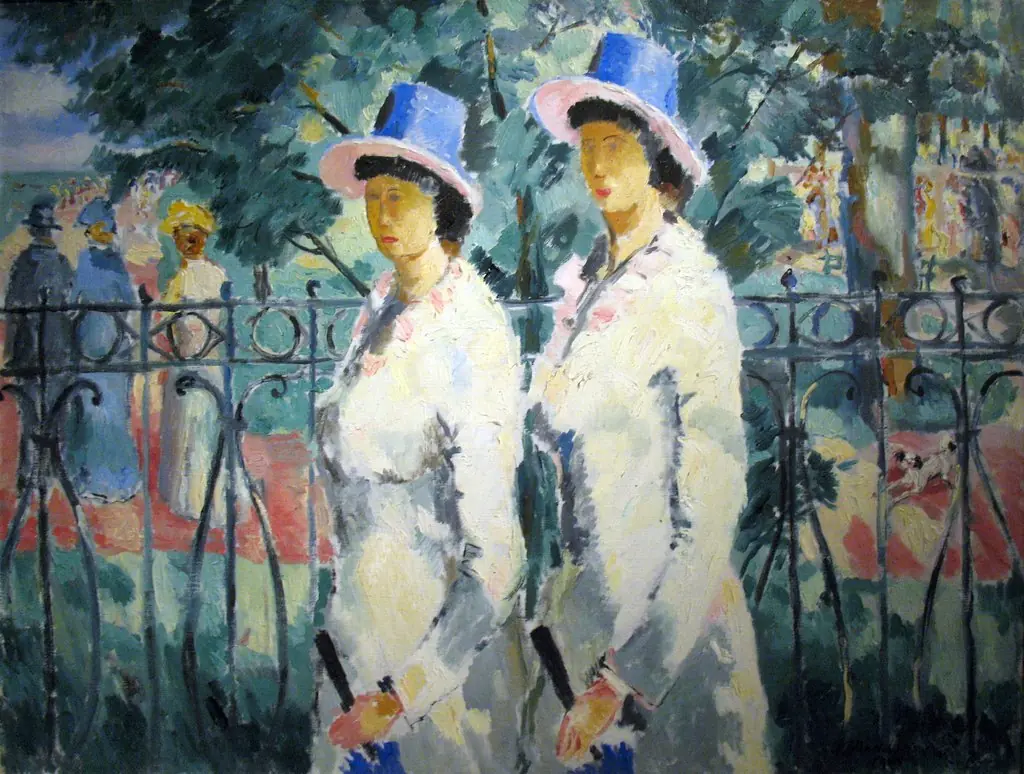 Two Sisters II
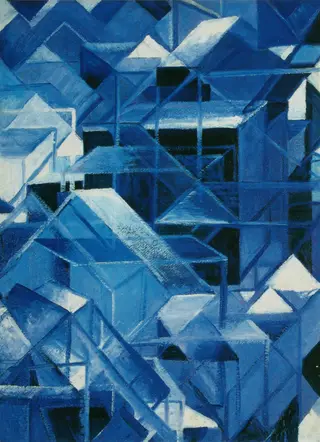 Crystal
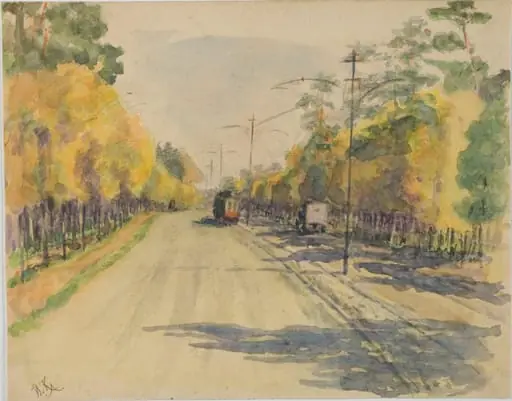 Χωρίς τίτλο
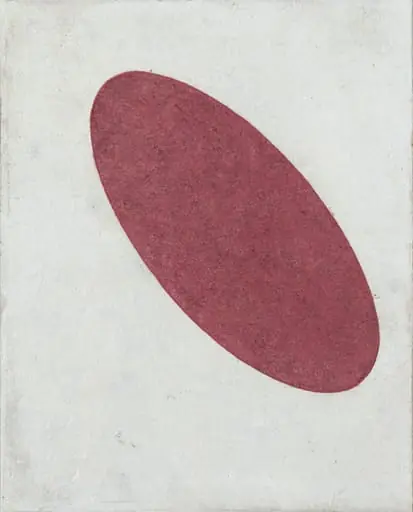 Σουπρεματιστική μελέτη φόρμας και χρώματος
 Χωρο-Δυναμική Κατασκευή
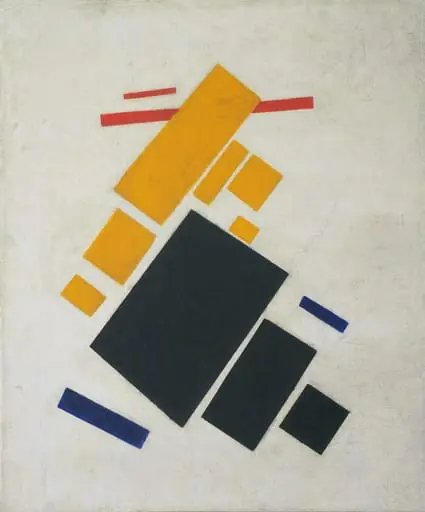 Untitled
 Untitled
 Untitled
 Untitled
 Untitled
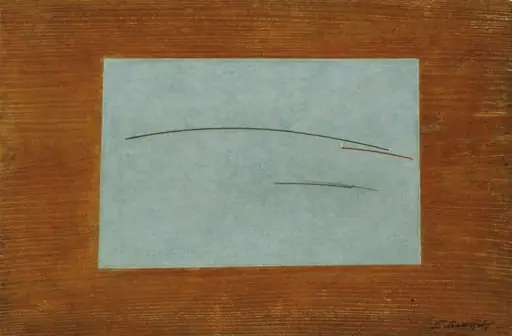 Untitled
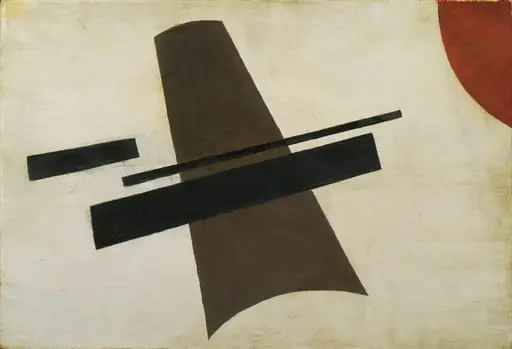 Untitled
Groups & collectives
Frequently asked questions
What is Suprematism?
Suprematism is an art movement. The abstract movement founded by Kazimir Malevich in Russia around 1915, reducing painting to pure geometric forms — squares, circles, crosses — on white grounds.
How many Suprematism works does Artifact World Gallery have?
Artifact World Gallery holds 36 public-domain Suprematism works, all free to view and download.
Who are the key Suprematism artists?
Key Suprematism artists in the collection include Olga Rozanova, Kazimir Malevich and Nadezhda Udaltsova.
When did Suprematism take place?
Suprematism dates from around 1913.
Where can I see Suprematism works?
Suprematism works in the collection are held by Museum of Modern Art, Tretyakov Gallery and Metropolitan Organisation of Museums of Visual Arts of Thessaloniki – MOMus.