Artwork
New York Harbor
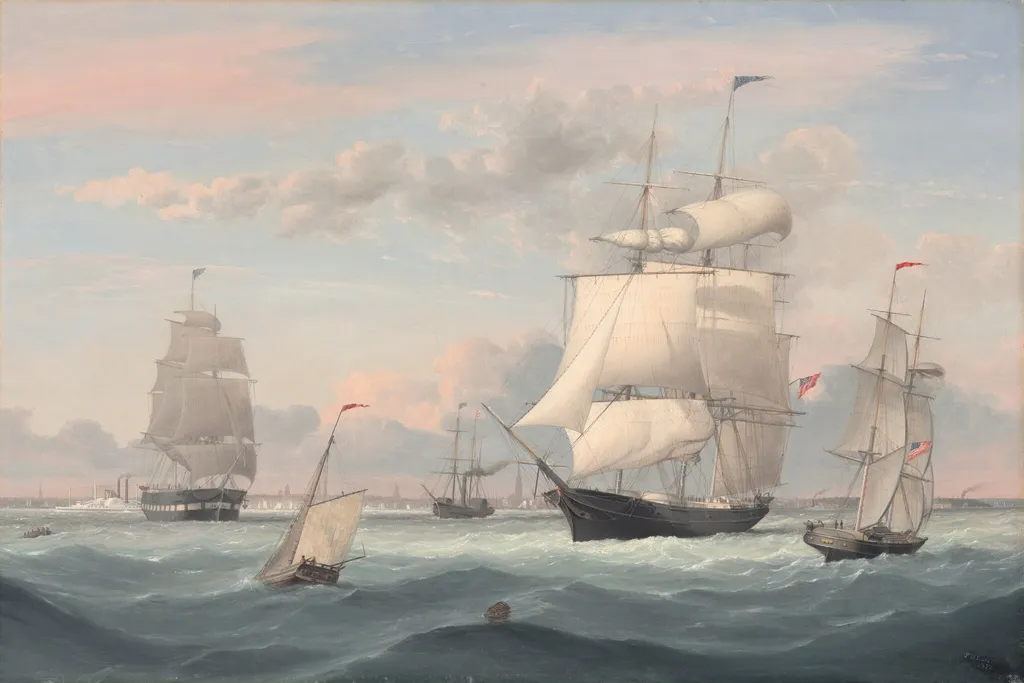
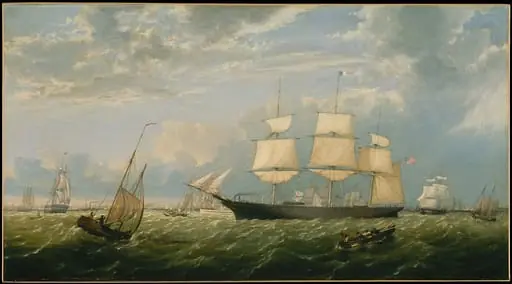
New York Harbor is an oil painting by the Hudson River School artist Fitz Henry Lane. It dates from 1852 and is held in the collection of the National Gallery of Art.
- Inscription
- Inscribed:lower right: FHLane. / 1852
About this work
New York Harbor on a bright, clear day, big sailing ships across the water and tall buildings rising behind. In 1852 ships were still the main way to travel. Lane uses sharp light and deep shadow to make the scene feel real.
Technique & Style
Its formal qualities include a focused composition on the vessel and careful rendering of atmospheric effects characteristic of the marine art genre.
New York Harbor (1852) is an oil painting on canvas that belongs to the marine genre, depicting a boat within a harbor scene. The work was created by Fitz Henry Lane using oil paint applied to a stretched canvas support, a technique typical of his marine paintings. Its formal qualities include a focused composition on the vessel and careful rendering of atmospheric effects characteristic of the marine art genre.
The painting entered the National Gallery of Art’s collection through the 1994 bequest of Frances Elizabeth Morris Smith, preserving its documented provenance and condition.
History & Provenance
Fitz Henry Lane executed the oil on canvas painting New York Harbor in 1852. The work's documented ownership history begins with Lewis Gouverneur Morris (1882–1967) of New York. Upon Morris's death, the painting passed by inheritance to his daughter, Frances Elizabeth Morris Smith (1915–1994), who resided in Newport and Palm Beach.
Following Smith's death, the artwork was transferred to her estate. In 1994, the piece was bequeathed to the National Gallery of Art in Washington, D.C., where it remains in the collection. This chain of custody is supported by curatorial records, including a 1996 telephone conversation with Smith's daughter, Alletta M. Cooper.
New York Harbor, an 1852 oil on canvas marine painting by Fitz Henry Lane, entered the National Gallery of Art collection through the 1994 bequest of Frances Elizabeth Morris Smith, daughter of collector Lewis Gouverneur Morris, as documented in NGA curatorial records. The work remains in the Gallery’s permanent holdings in Washington, D.C., where it is catalogued as part of the museum’s collection. No exhibition history is noted in the available documentation, and the accession details correspond to the bequest described in the provenance record.
Context
Fitz Henry Lane’s 1852 oil painting New York Harbor exemplifies the marine genre in which the artist achieved prominence, combining precise atmospheric detail with a luminous treatment of light that anticipates American Luminism. The canvas entered the National Gallery of Art’s collection through the bequest of Frances Elizabeth Morris Smith, daughter of collector Lewis Gouverneur Morris, whose family owned the work from the 1880s until 1994. Its inclusion in the Gallery’s holdings underscores scholarly recognition of Lane’s contribution to 19th‑century American seascape painting and reflects the work’s enduring significance within the broader narrative of U.S. marine art.
Overview
This oil on canvas painting, titled "New York Harbor," was created by Fitz Henry Lane in 1852. It captures a vibrant daytime scene of the bustling port, characterized by a clear sky and numerous sailing vessels navigating the water. The background features the emerging skyline of New York City, suggesting the economic vitality of the era.
Subject & Meaning
The artwork presents a dynamic view of New York Harbor, emphasizing the significant role of maritime activity in the mid-19th century. Numerous large sailing ships traverse the sunlit waters, reflecting the period when sea travel and trade were paramount for connection and commerce. The distant city structures hint at urban expansion and the growing importance of the port.
Own this work as a print
Artist & collection
Artist
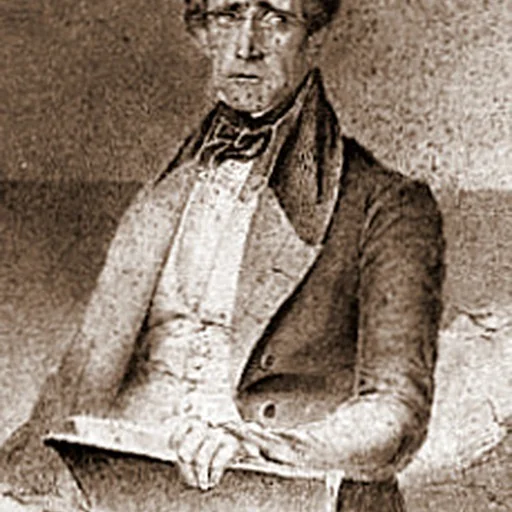
Fitz Henry Lane (born Nathaniel Rogers Lane; also formerly, mistakenly, known as Fitz Hugh Lane; December 19, 1804 – August 14, 1865) was an American painter and printmaker of a style that would later be called Luminism, for its use of…

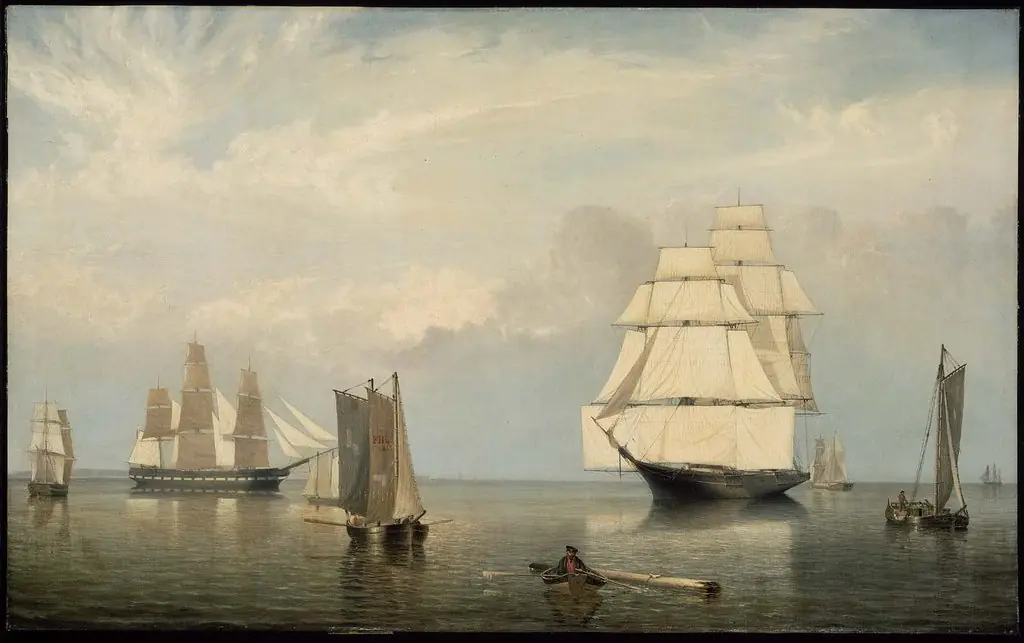 Salem Harbor
 Linieskibet "Valdemar" krydser Sundet ind for en frisk bramsejlskuling
 A frigate and Dutch fishing boats off the Isle of Wight
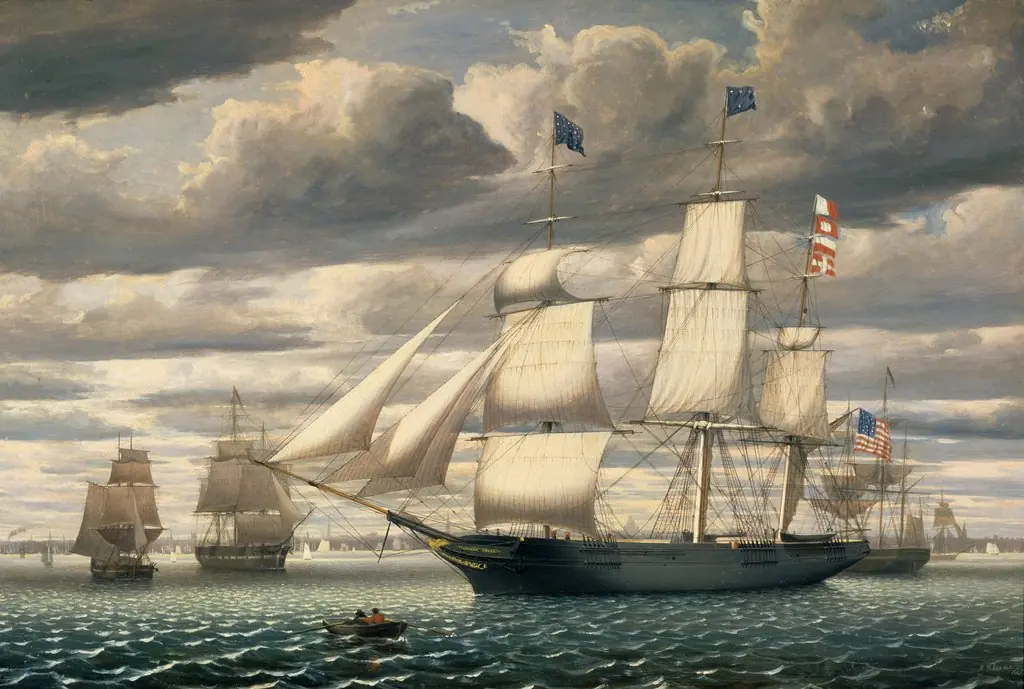 Ship Southern Cross in Boston Harbor, 1851
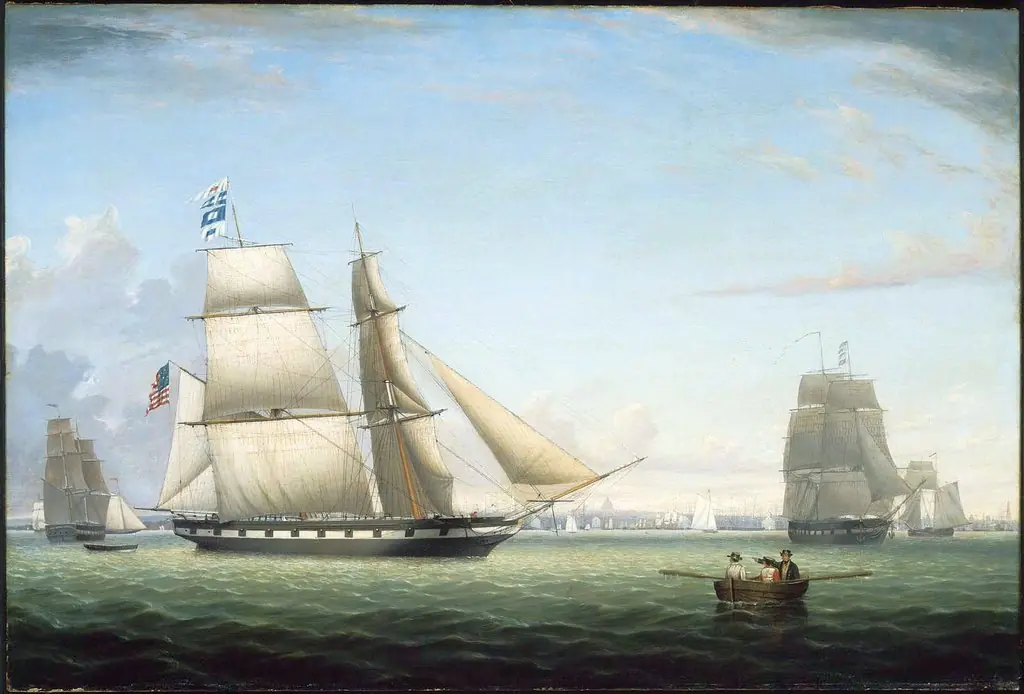 Brig "Antelope" in Boston Harbor
 An American Naval Brig Lying at Anchor while Her Sails Are Drying
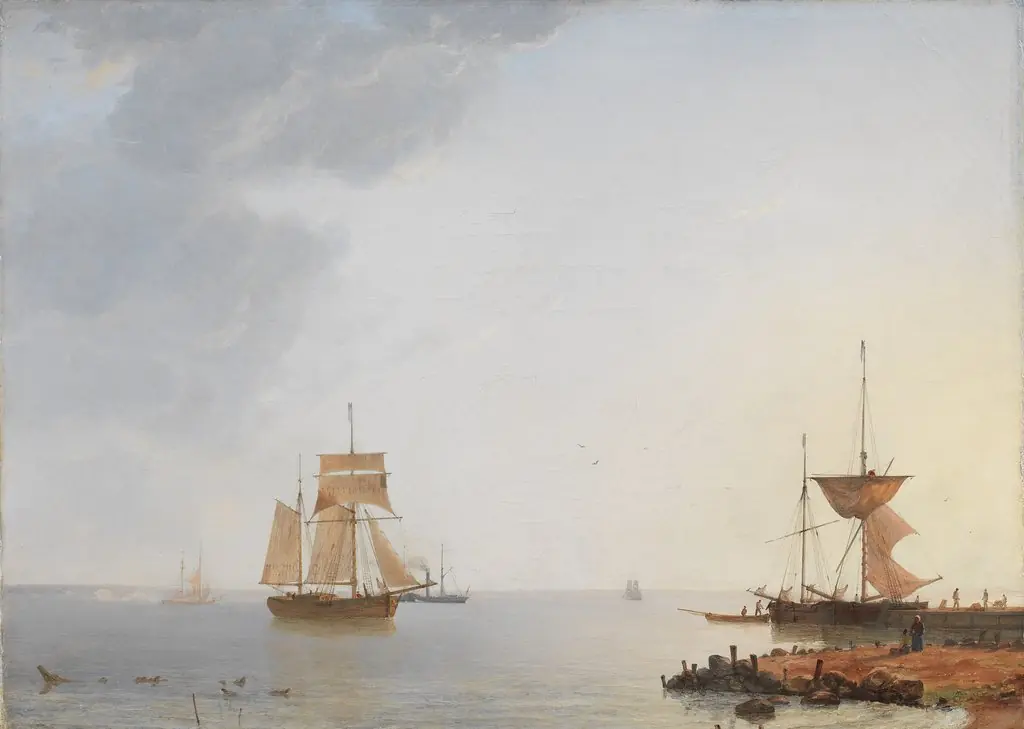 Ships Off the Coast of Zealand. Morning
 Coasting Vessels with a Harbour