
Movement
Luminism
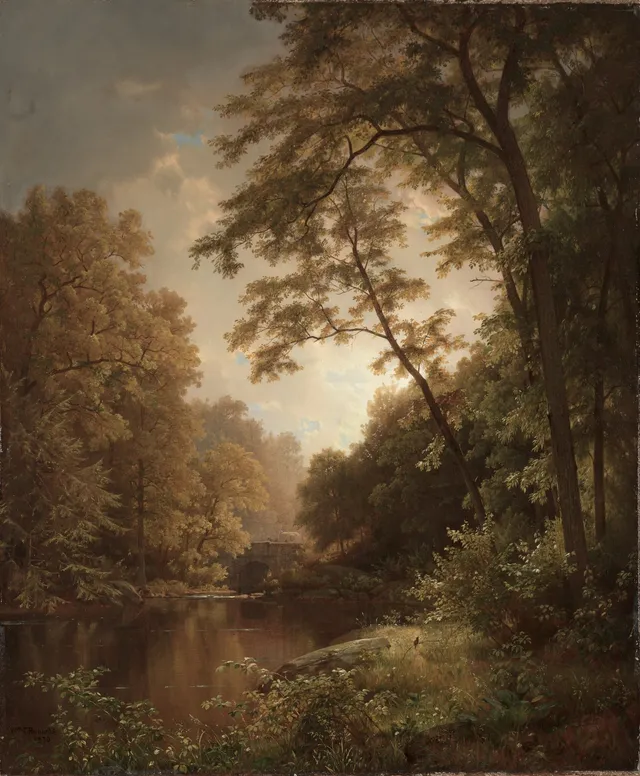
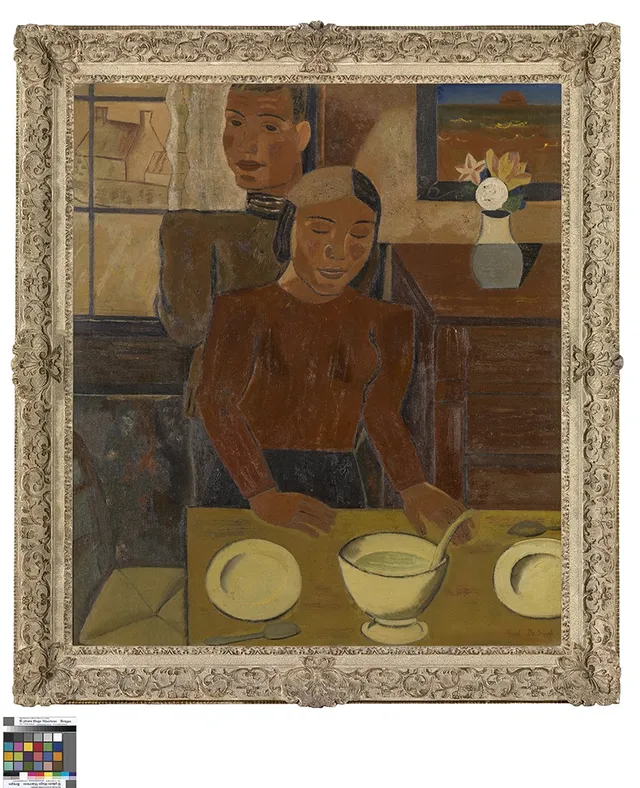
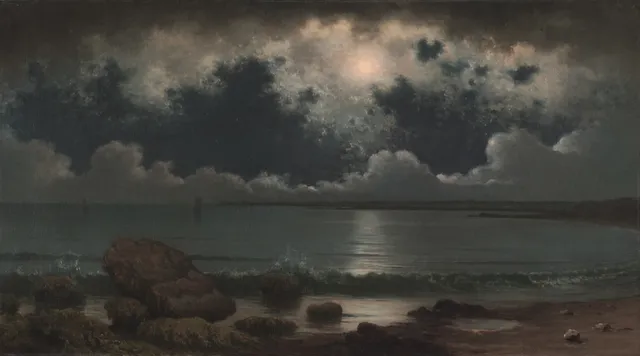
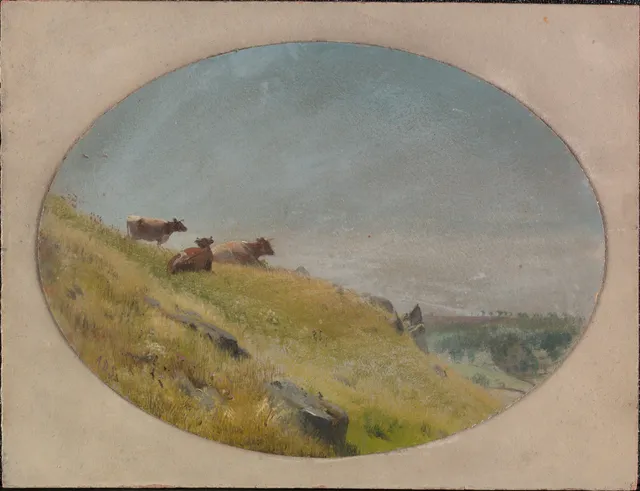
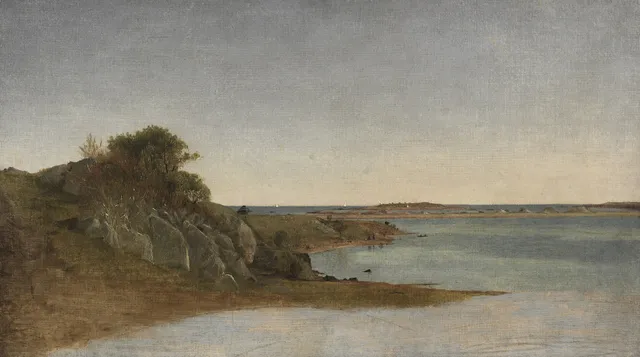
Luminism is an art movement. The gallery holds 26 works in this movement, including works by Alfred Thompson Bricher, John Frederick Kensett and Martin Johnson Heade. Browse Luminism paintings, portraits, pictures and artworks from the world's public-domain museum collections.
Luminism is the name given to a distinctive current in American landscape painting that flourished roughly between 1850 and 1875, an outgrowth of the second generation of the Hudson River School. The painters now grouped under the label never used it themselves; the art historian John I. H. Baur of the Whitney Museum coined "luminism" in 1954 to describe canvases that lavished unusual attention on the effects of light and atmosphere. The category was cemented in scholarship by John Wilmerding's landmark 1980 exhibition at the National Gallery of Art, "American Light: The Luminist Movement, 1850–1875." It arose as American artists, steeped in Transcendentalist ideas about nature and the divine, sought a quieter, more contemplative alternative to the grand operatic vistas of Frederic Church and Albert Bierstadt.
The Luminist picture is defined above all by clarity and stillness. Compositions tend to be horizontal and small in scale, organized around glassy, mirror-calm water and a wide, luminous sky. Brushwork is deliberately effaced—smooth, almost invisible strokes that suppress any trace of the artist's hand, so that the surface seems lit from within rather than painted. The result is a measured, hushed monumentality: coastlines, salt marshes, and harbors bathed in cool, even light at dawn or dusk.
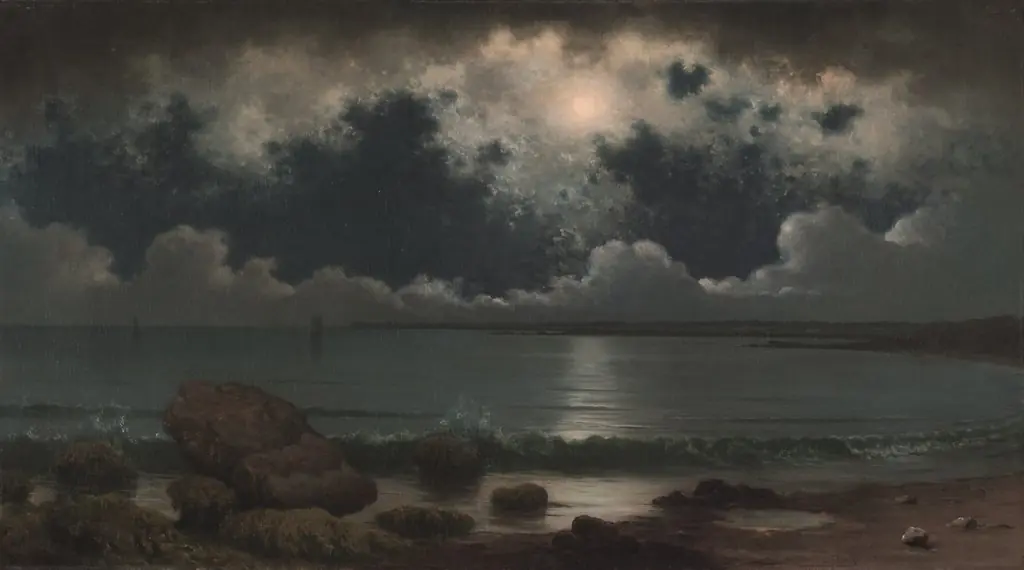
Its canonical figures are Fitz Henry Lane (1804–1865), Martin Johnson Heade (1819–1904), and John Frederick Kensett (1816–1872), with Sanford Robinson Gifford often included. Lane's serene views of Maine's Penobscot Bay, Heade's salt-marsh and approaching-storm scenes, and Kensett's spare Newport shorelines are touchstones. The collection holds representative works including Heade's Point Judith, Rhode Island, Kensett's View near Newport, William Trost Richards's June Day, and Aaron Draper Shattuck's Landscape with Cows.
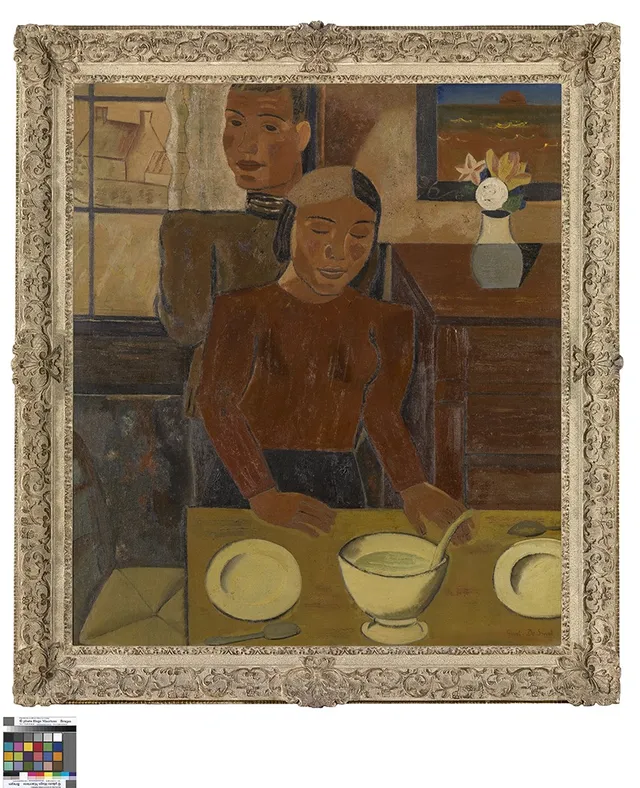
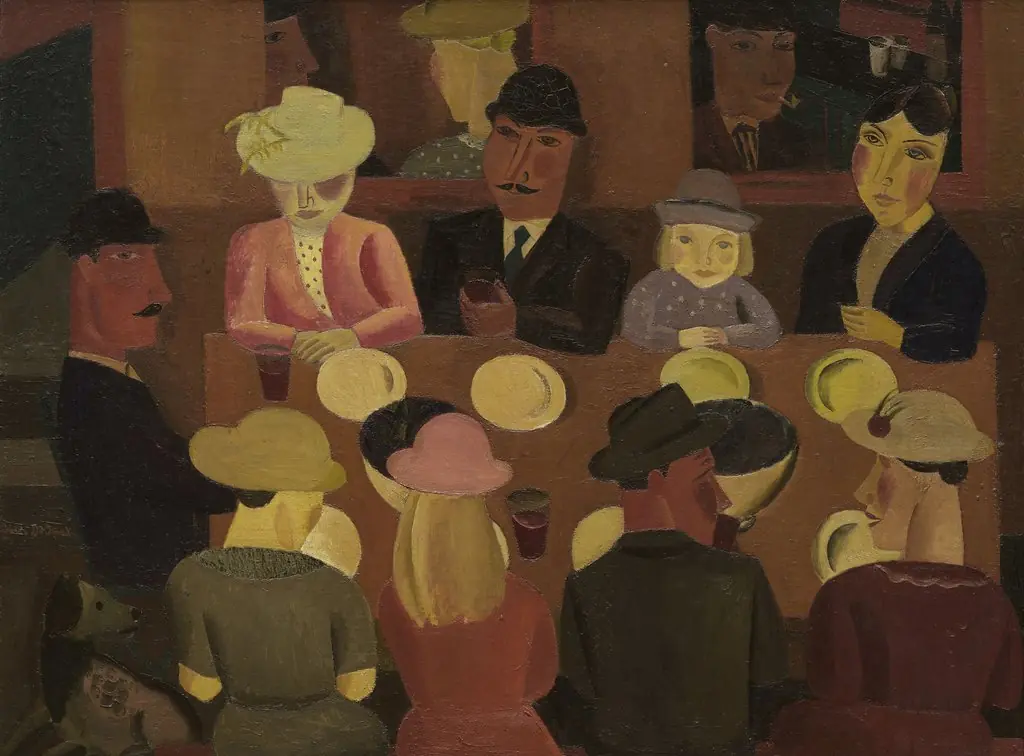
The term "luminism" also names an unrelated, later movement—a Belgian late-Impressionist or neo-Impressionist style of the 1890s and 1900s led by Émile Claus, whose circle Vie et Lumière pursued bright, broken color. Gustave De Smet, represented here by De maaltijd and The Mussel Eaters, began under Claus's influence before turning to Flemish Expressionism; this Continental usage accounts for the "neo-impressionist" descriptor sometimes attached to the term. American Luminism, by contrast, hid the brushstroke that Impressionism flaunted, and its quiet, light-filled tradition has since been read as a precursor to American tonalism and even mid-century color-field abstraction.
Key artists


Artist
Artist
Works
 Point Judith, Rhode Island
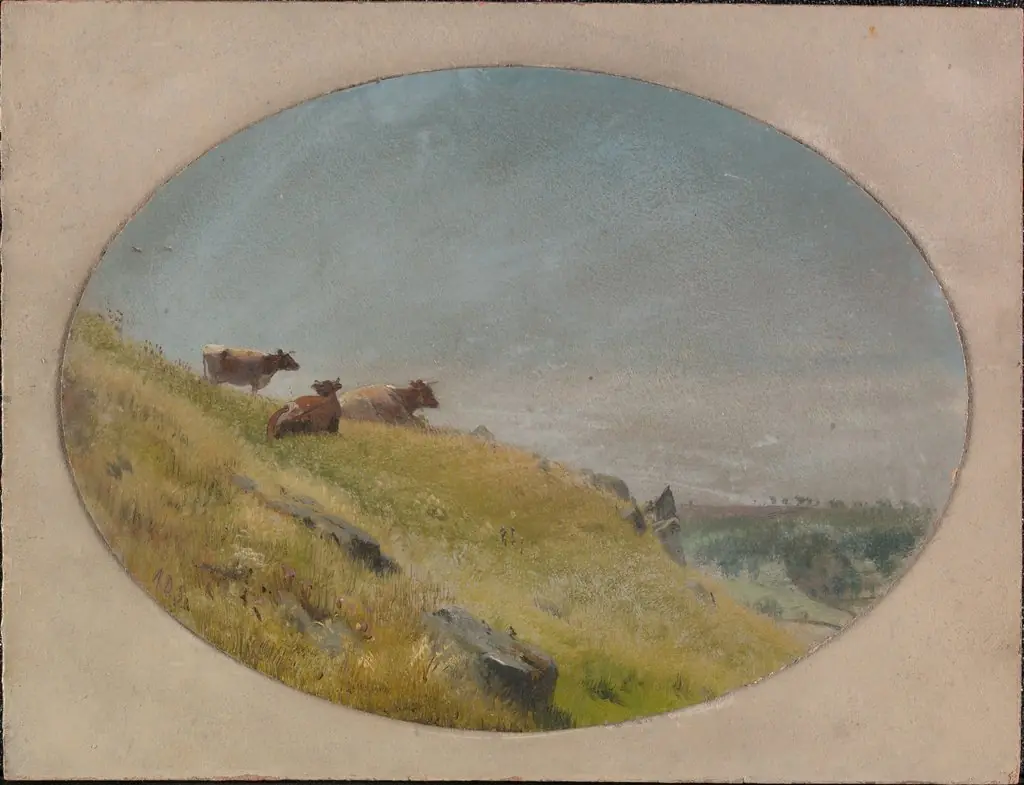 Landscape with Cows
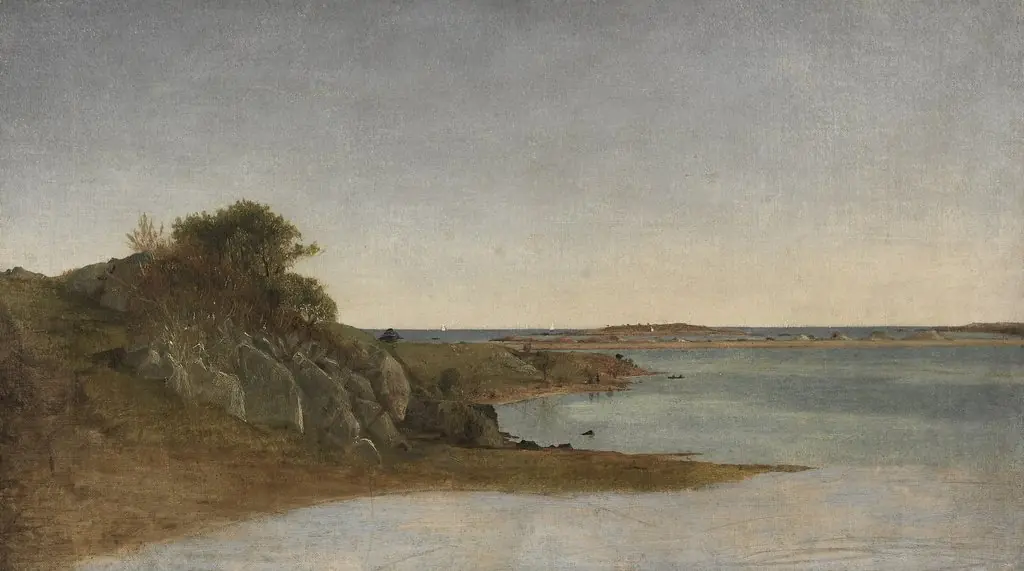 View near Newport
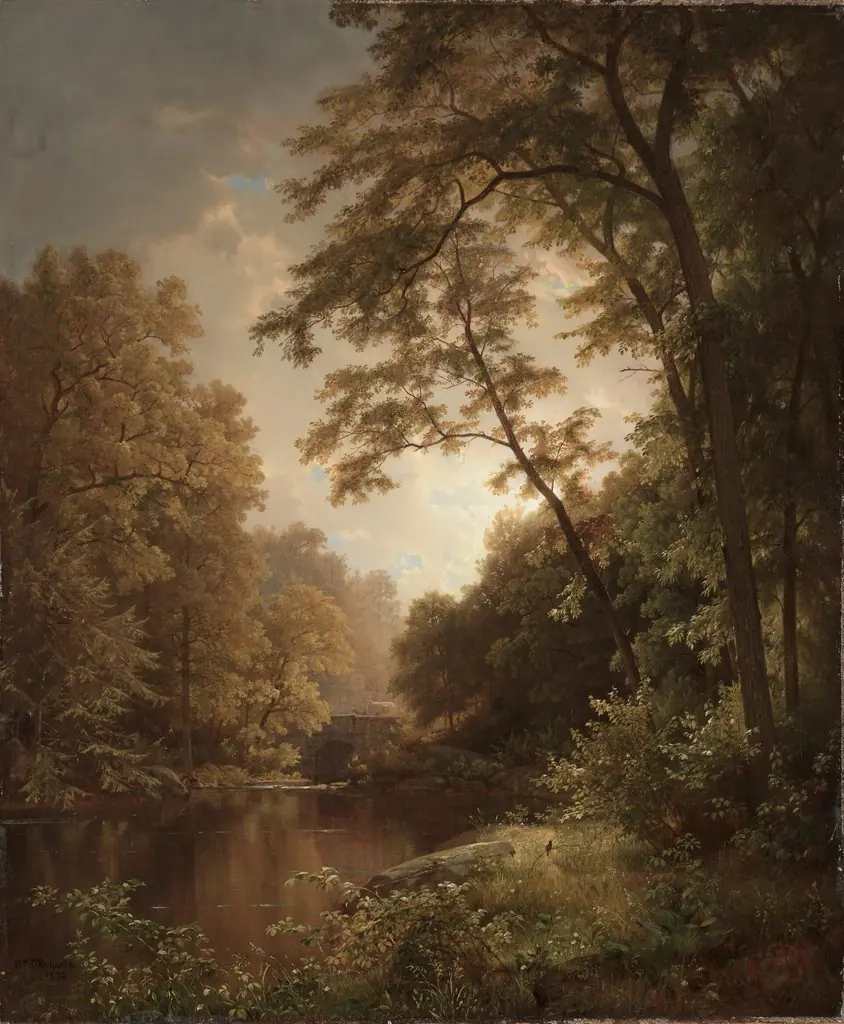 June Day
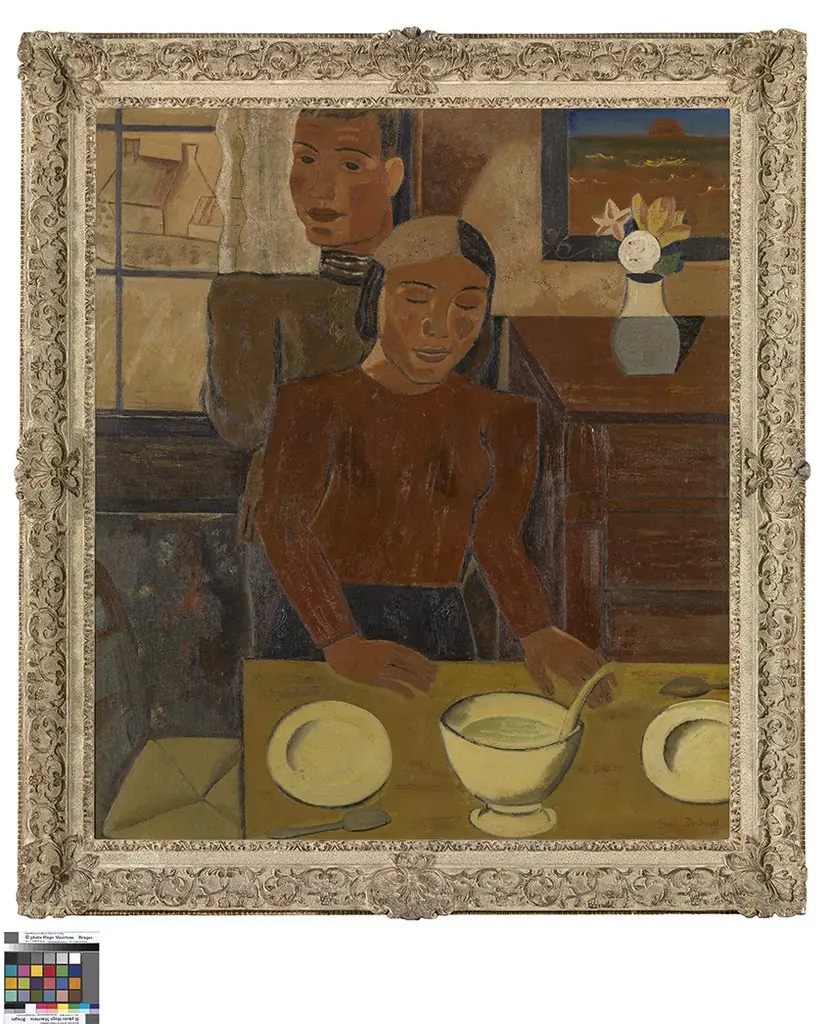 De maaltijd
 The Mussel Eaters
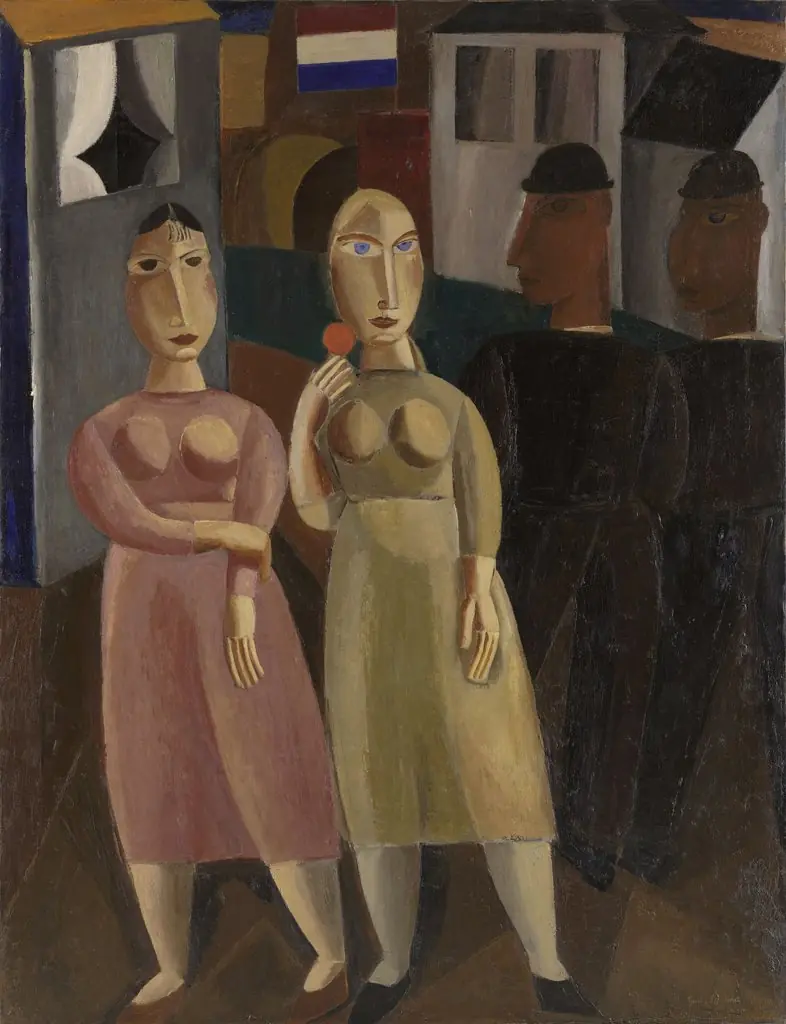 Sunday
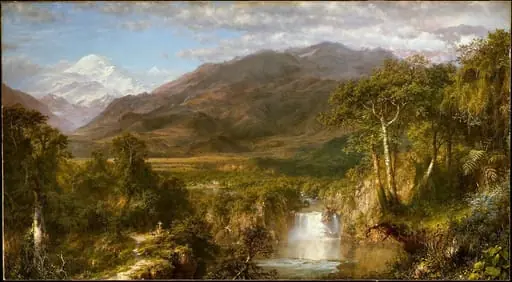
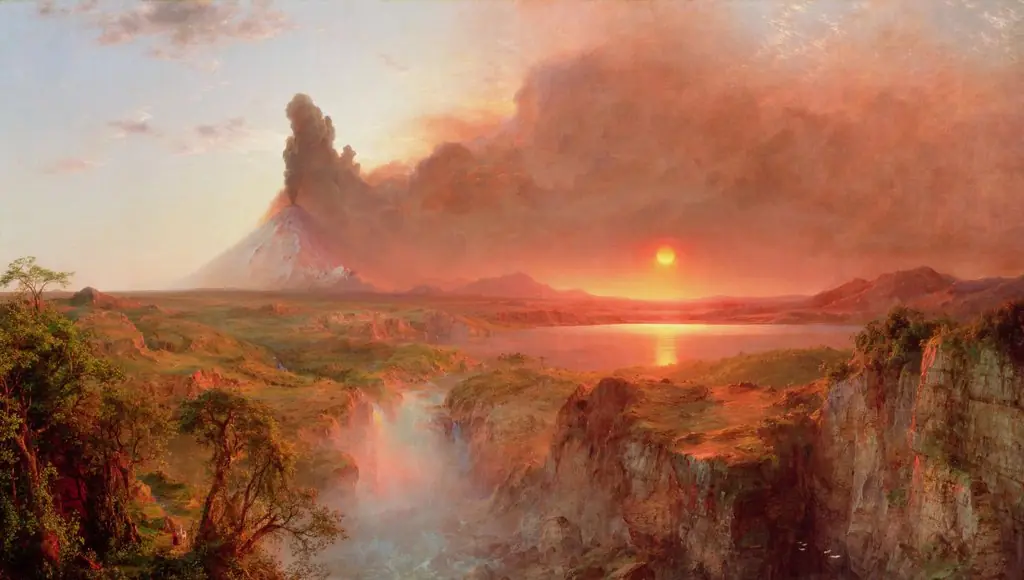 Cotopaxi
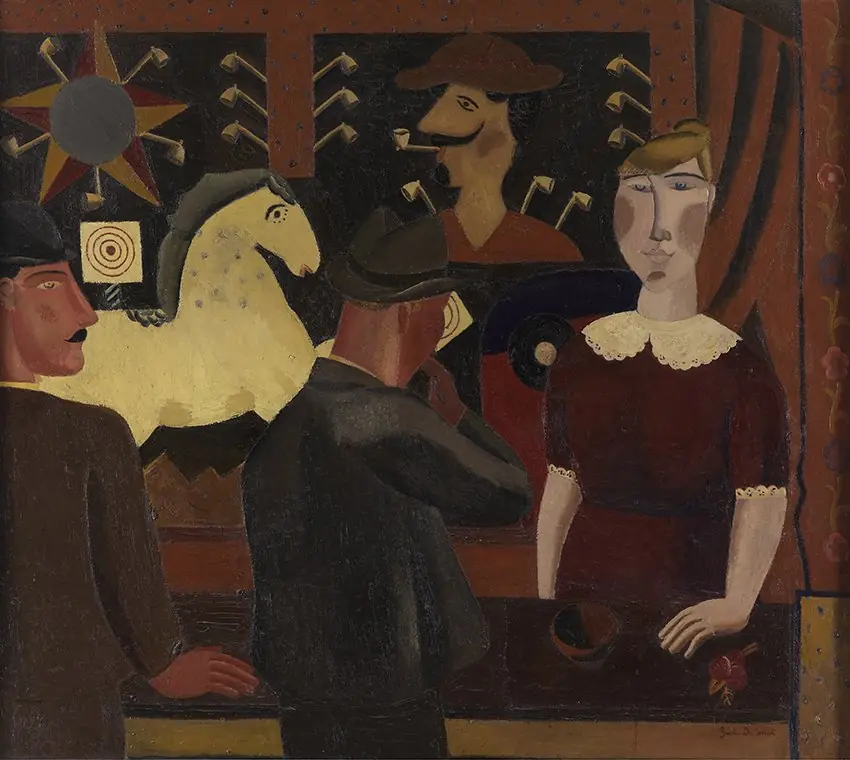 De grote schietkraam
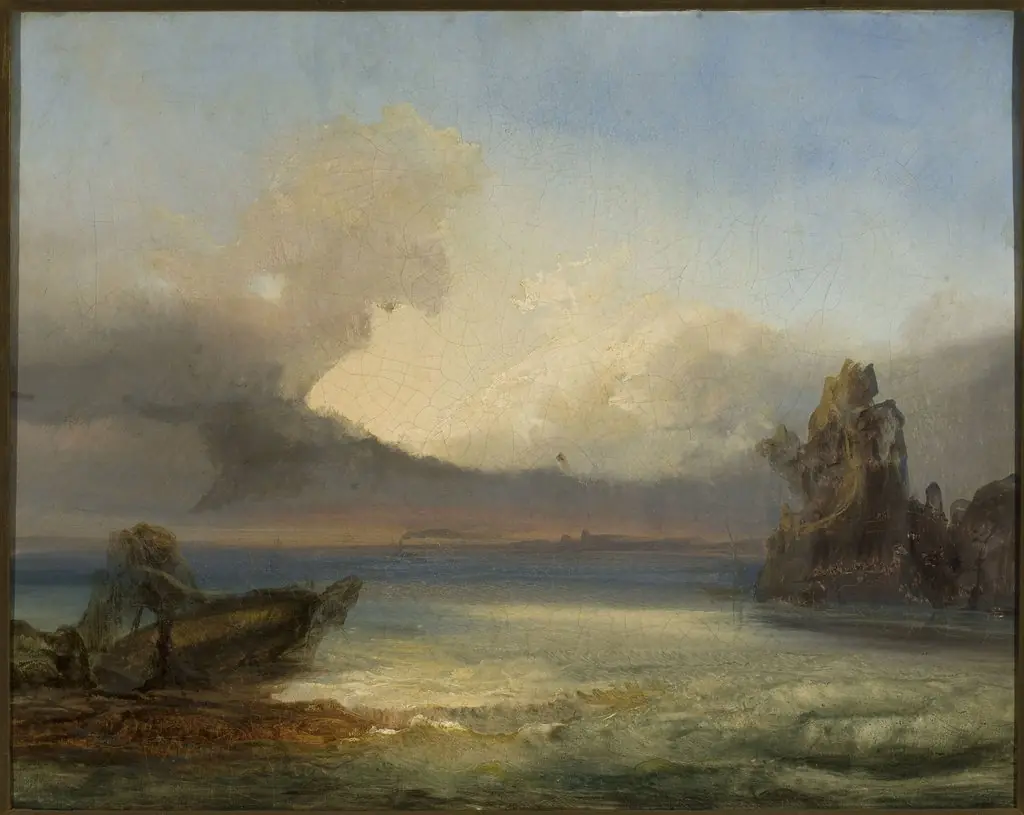 Marine landscape
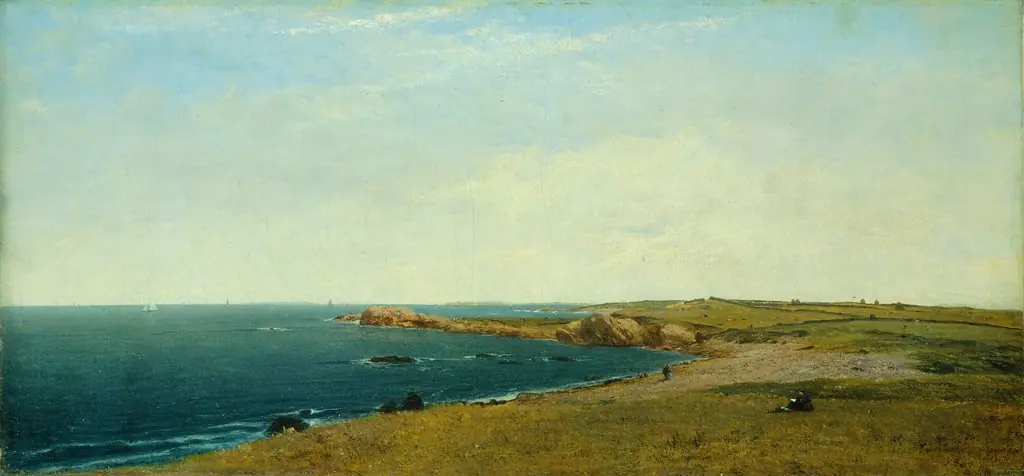 Near Newport
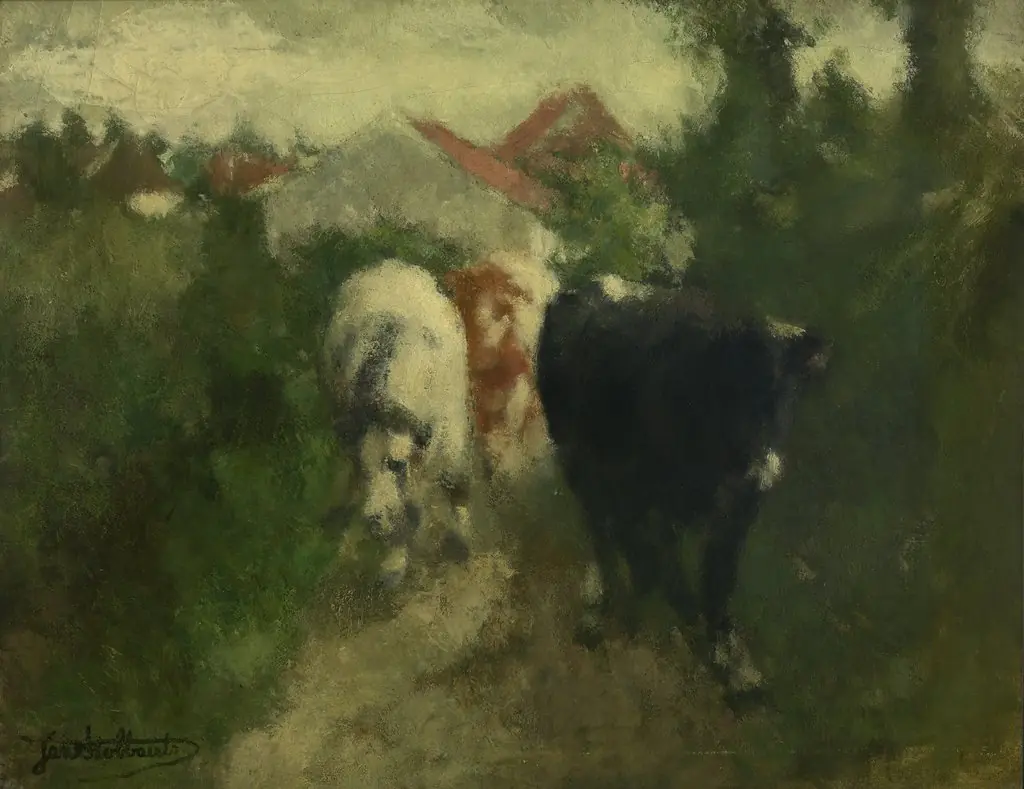 Sunken Road
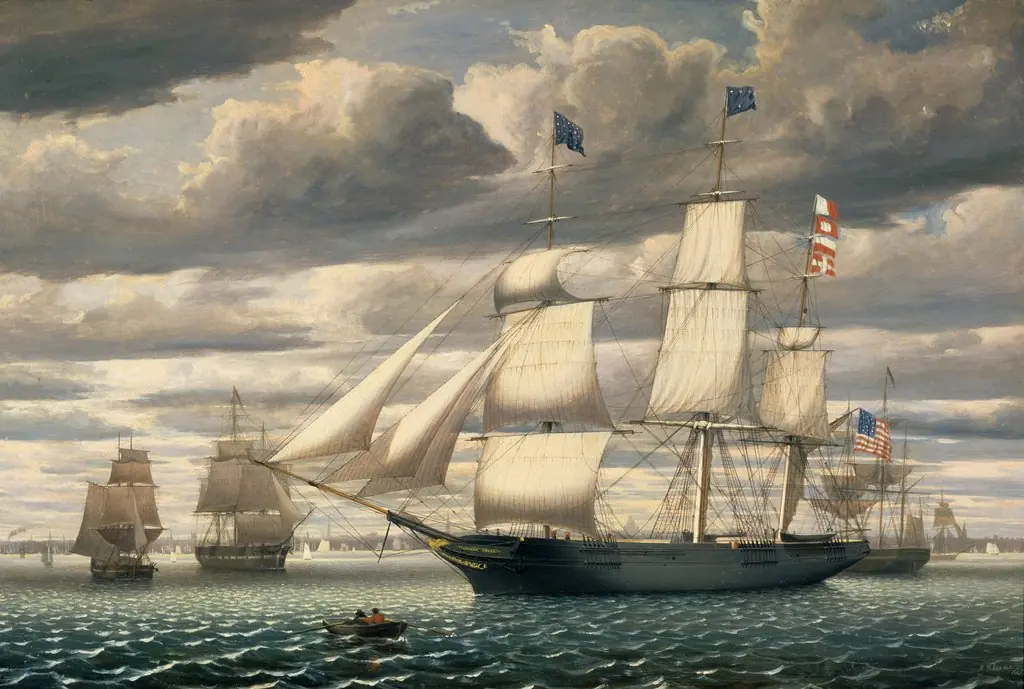 Ship Southern Cross in Boston Harbor, 1851
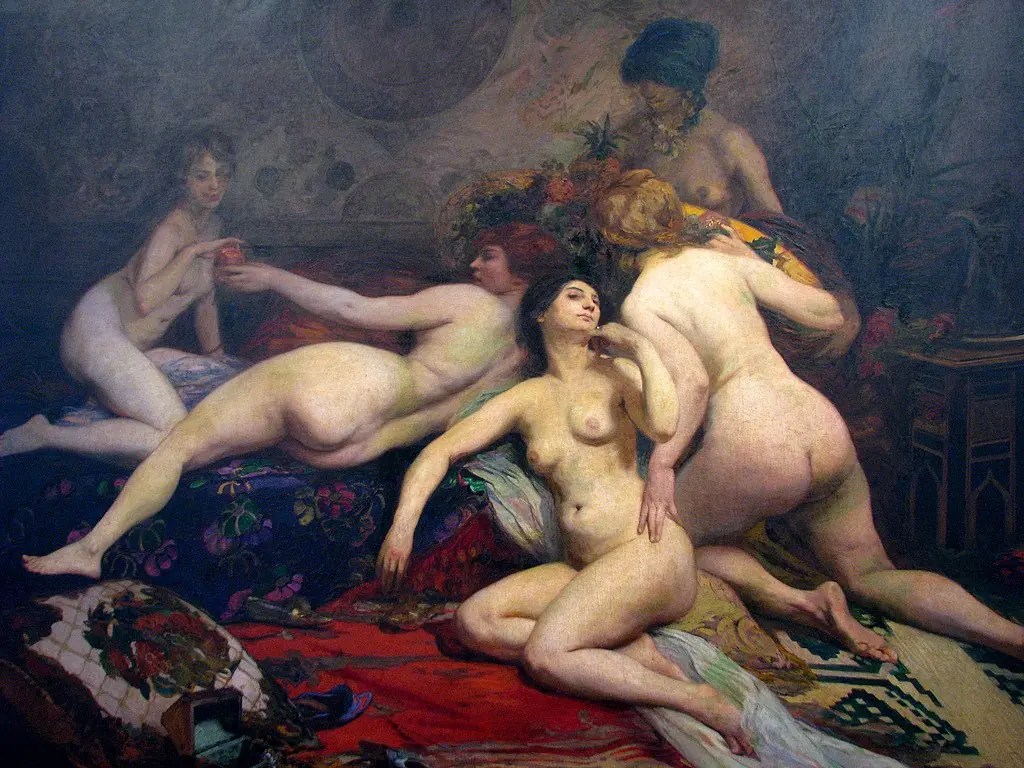 A hora do prazer
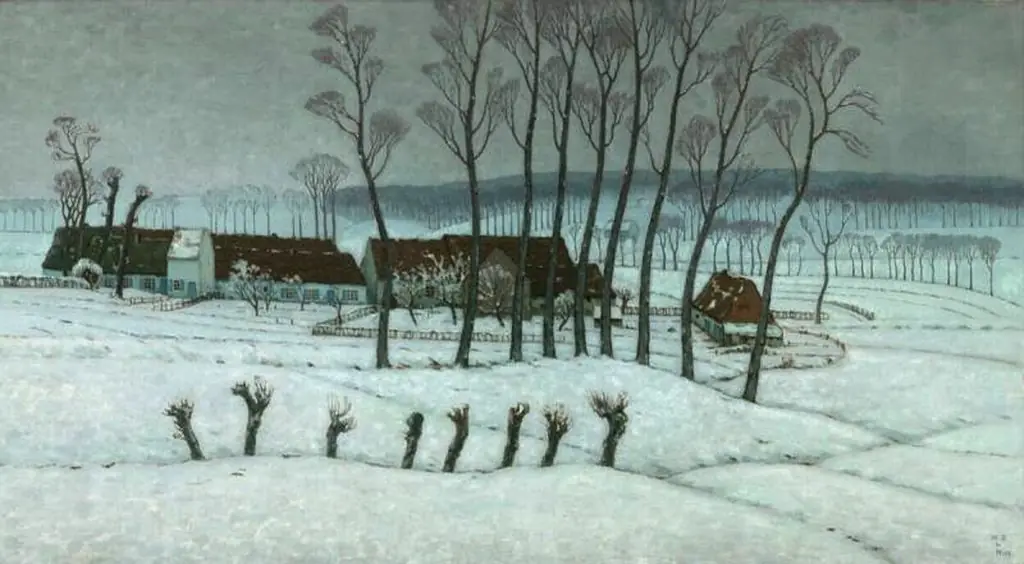 Snow at Berchem-Sainte-Agathe
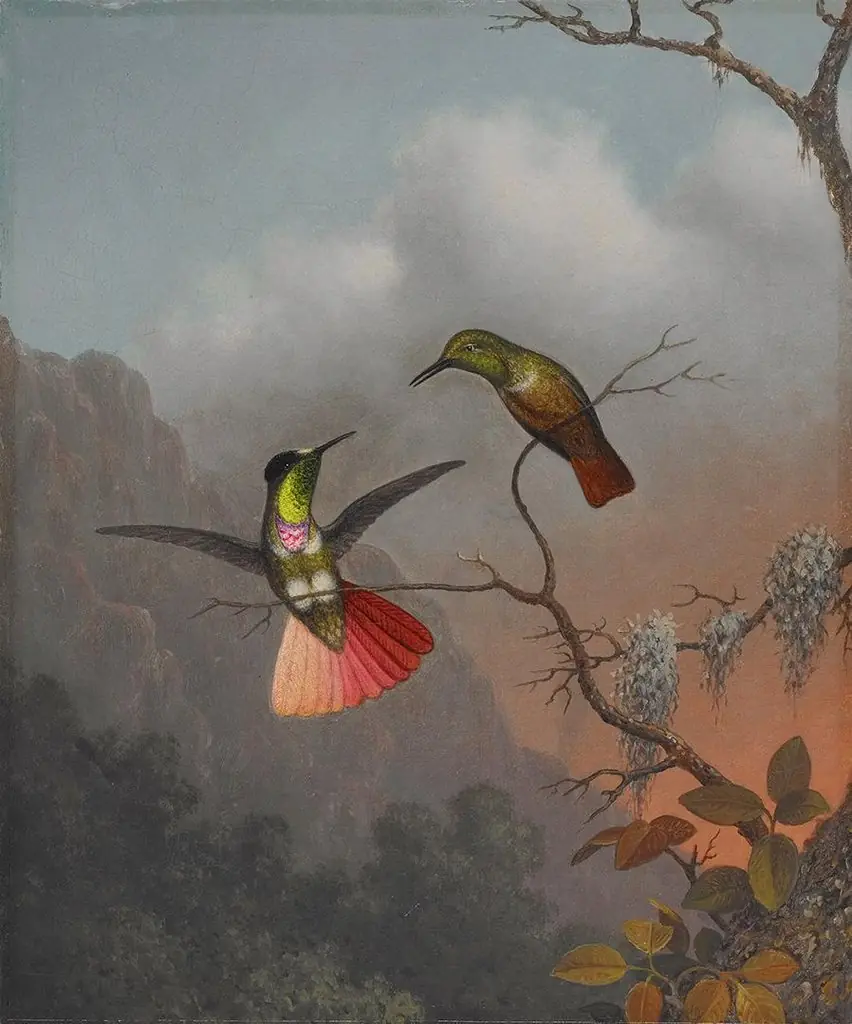 Hooded Visorbearer
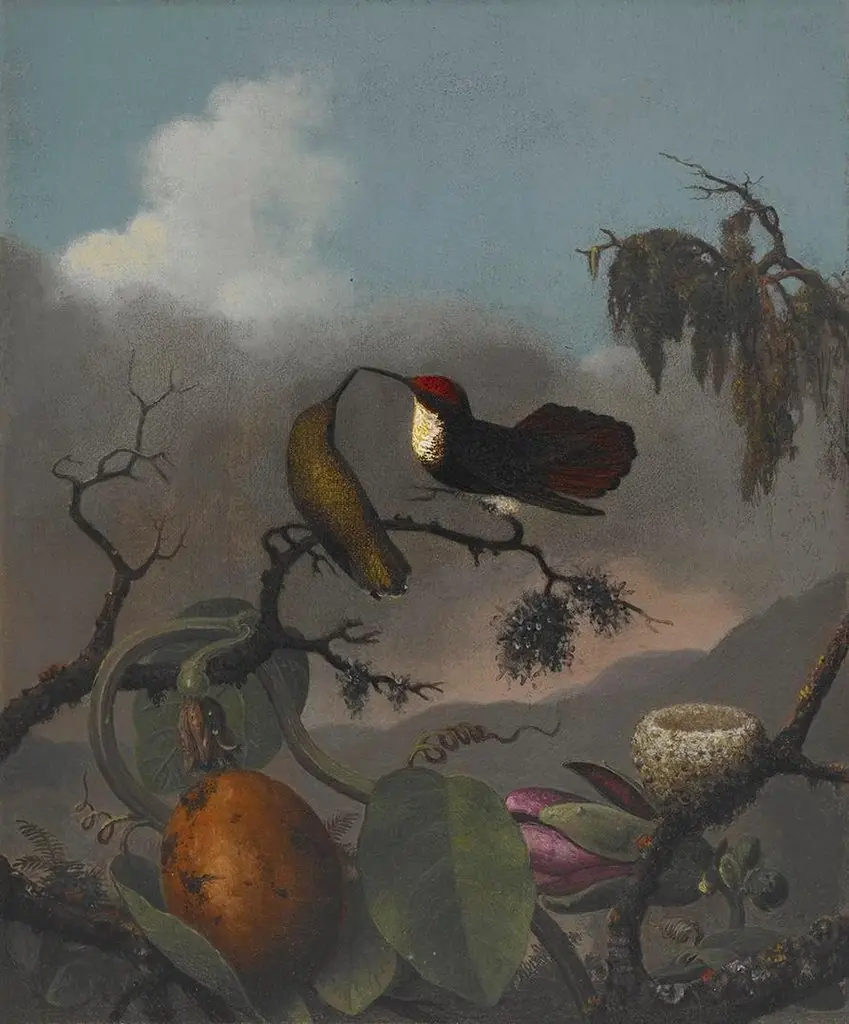 Ruby-Topaz
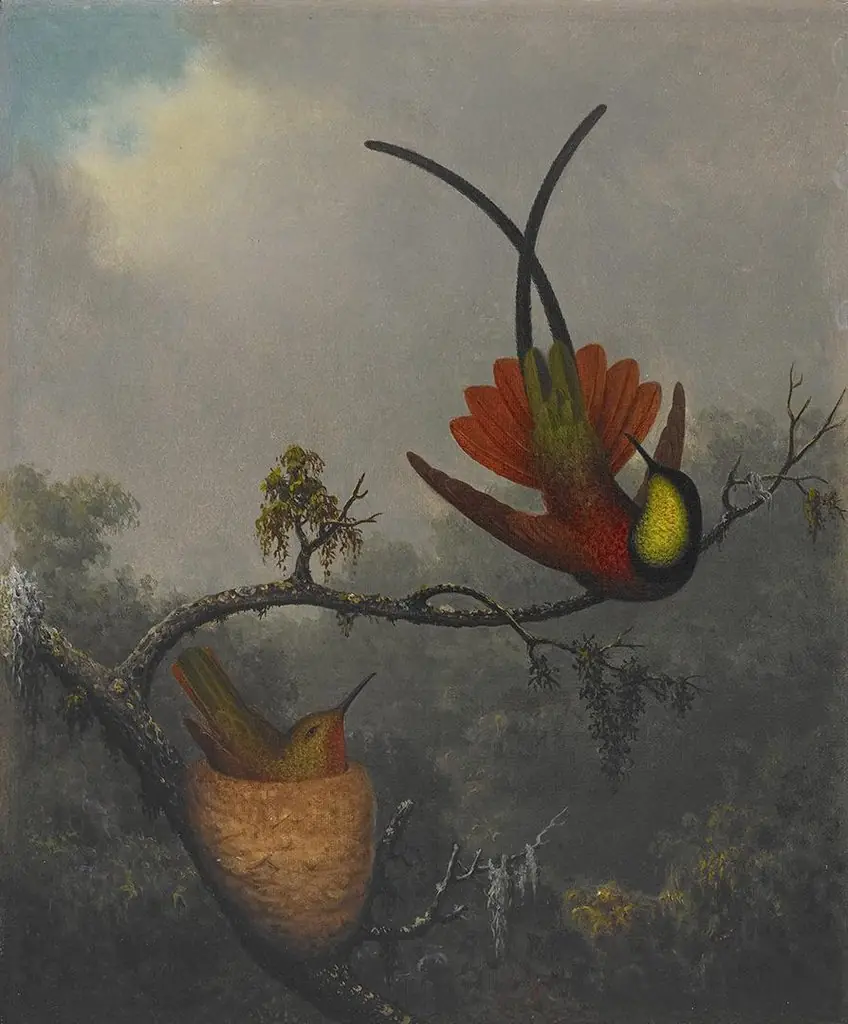 Crimson Topaz
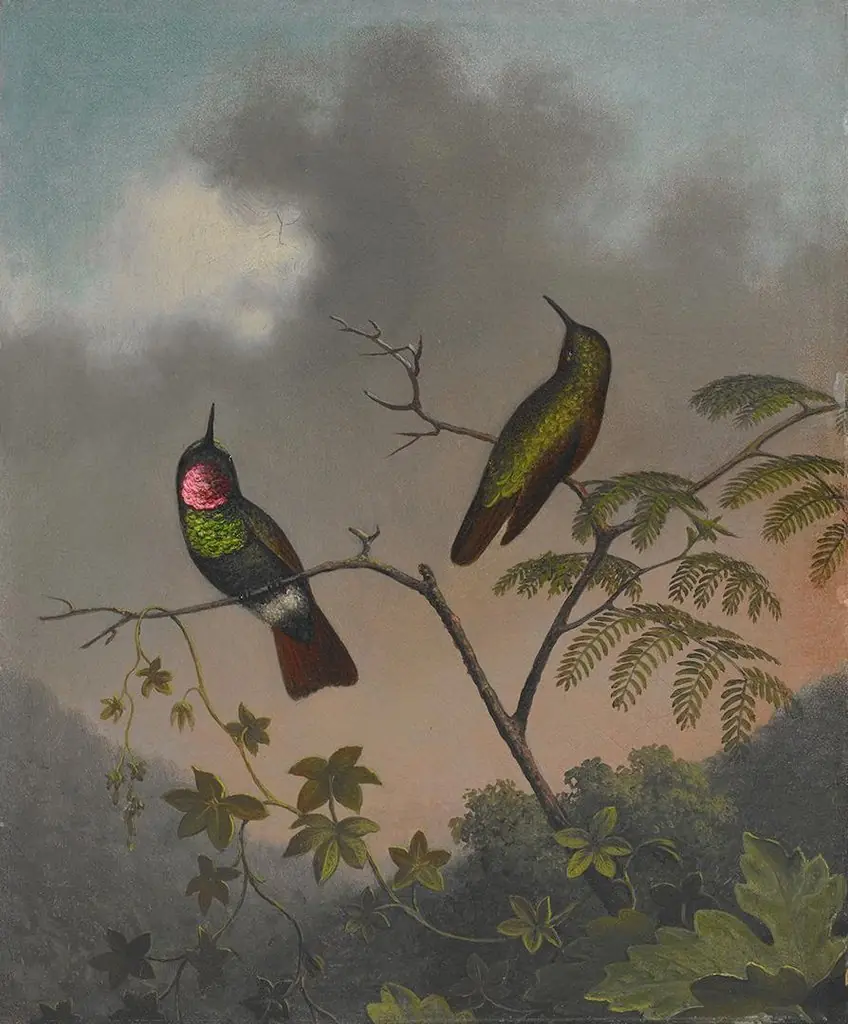 Brazilian Ruby
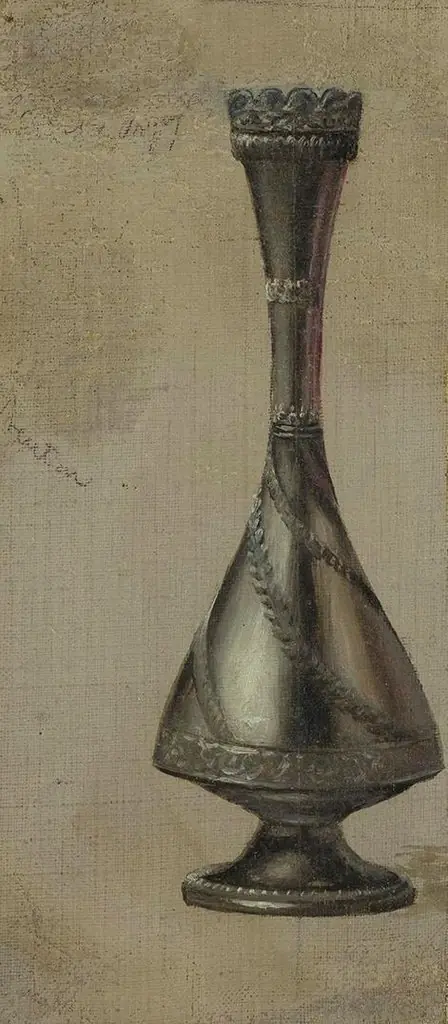 Study of Silver Vase
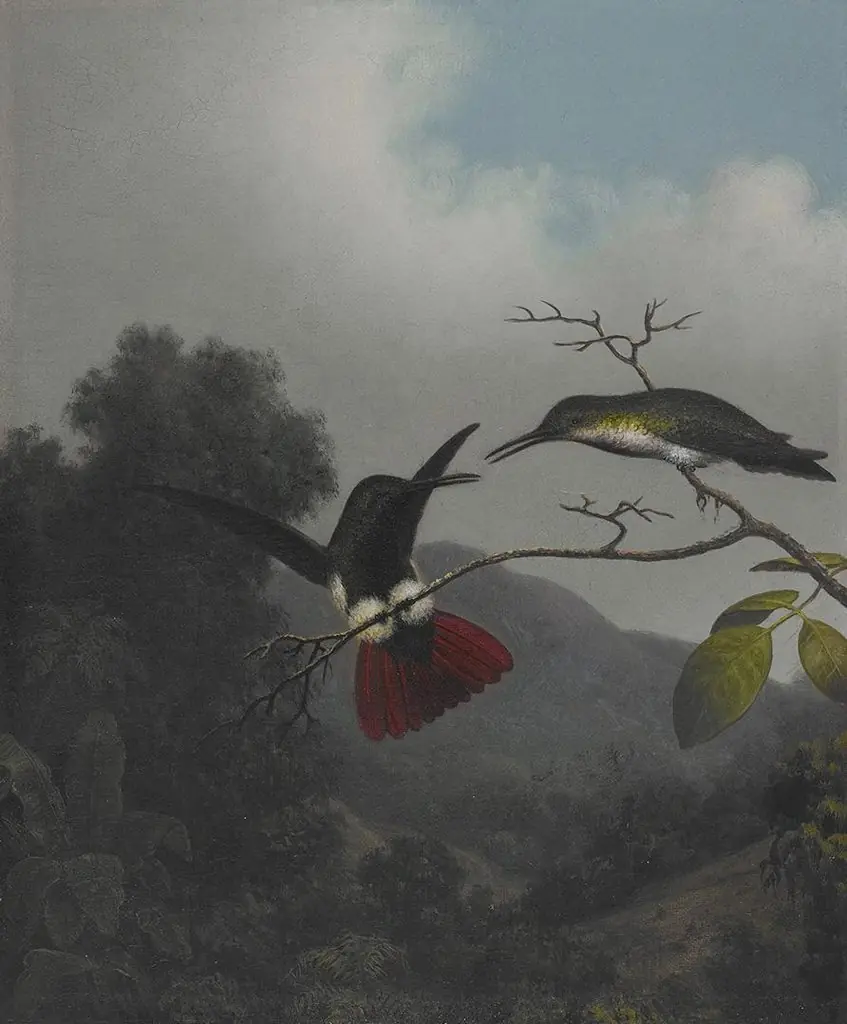 Black-throated Mango
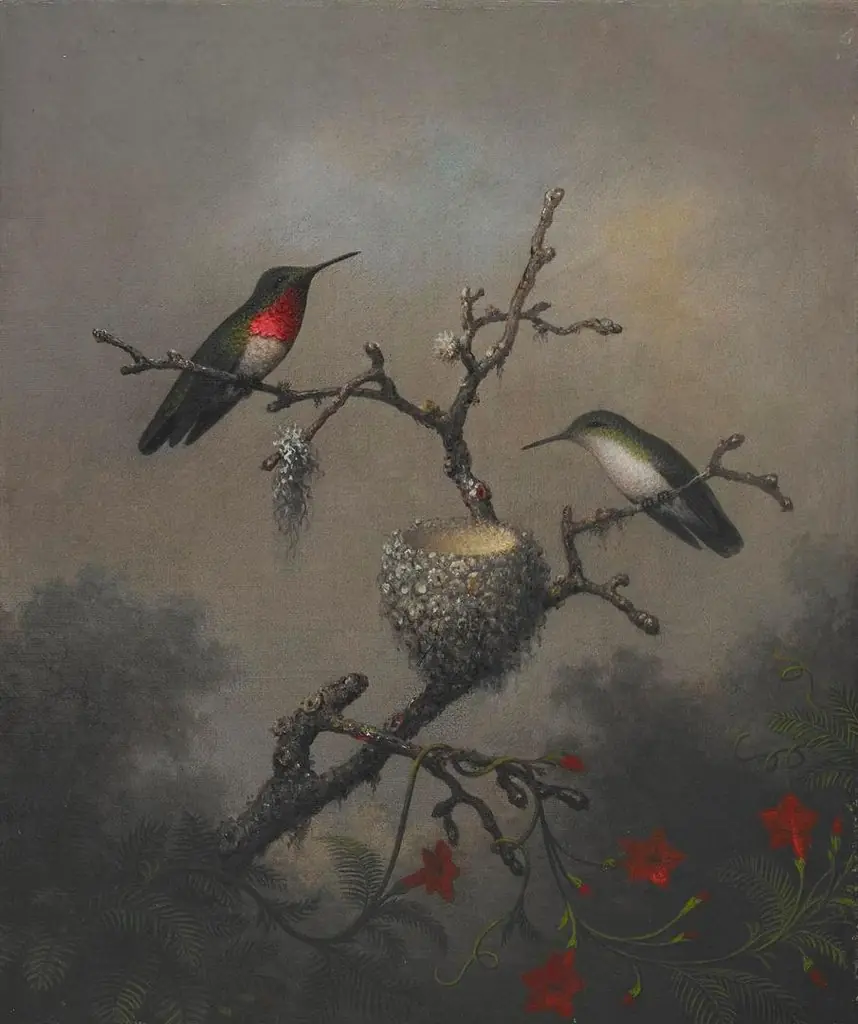 Ruby-throated Hummingbird
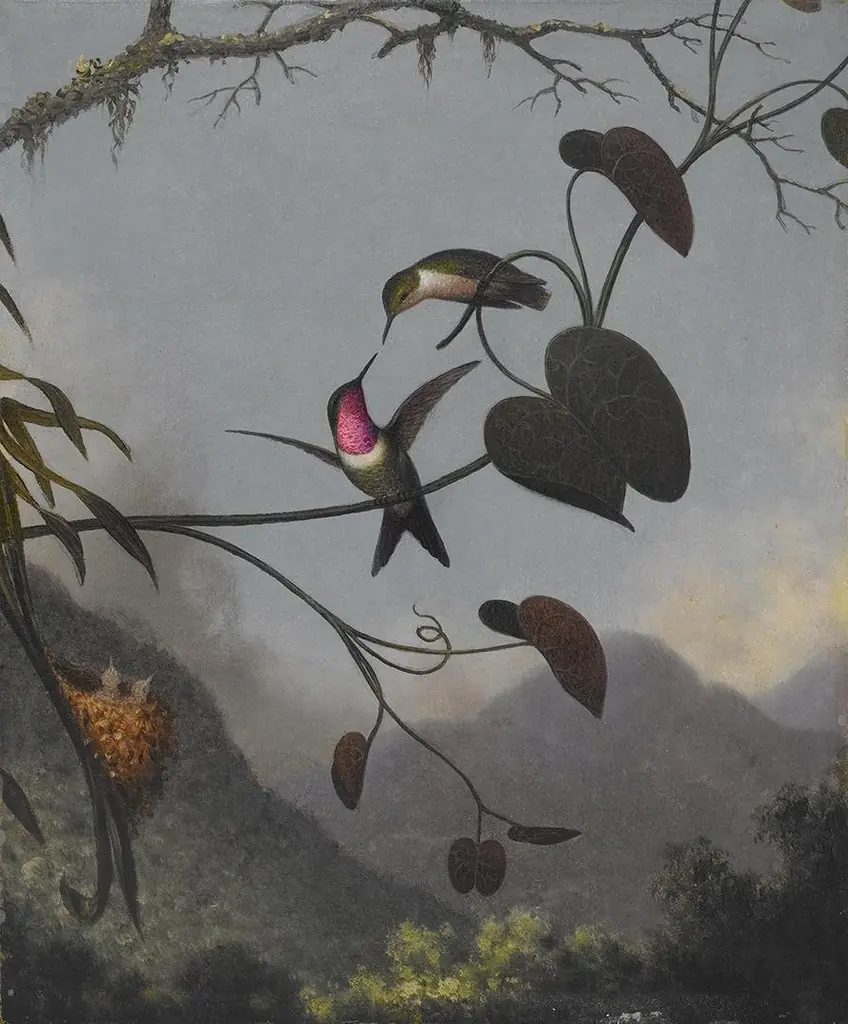 Amethyst Woodstar
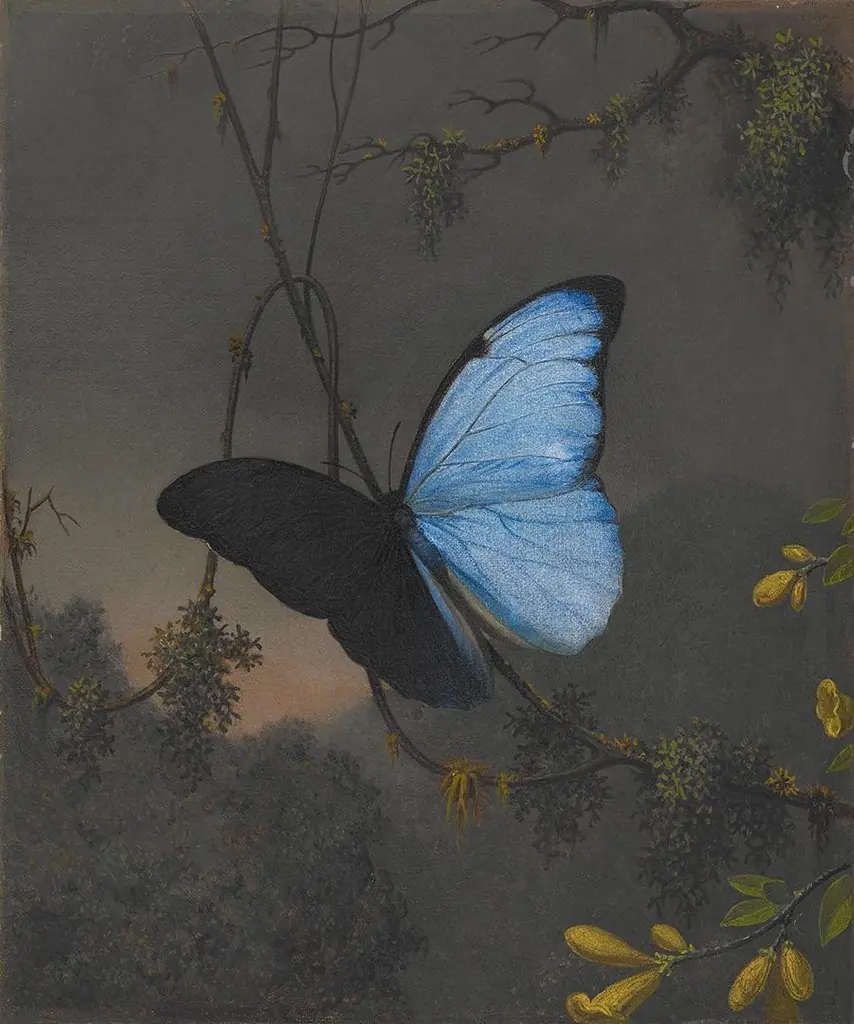 Blue Morpho Butterfly
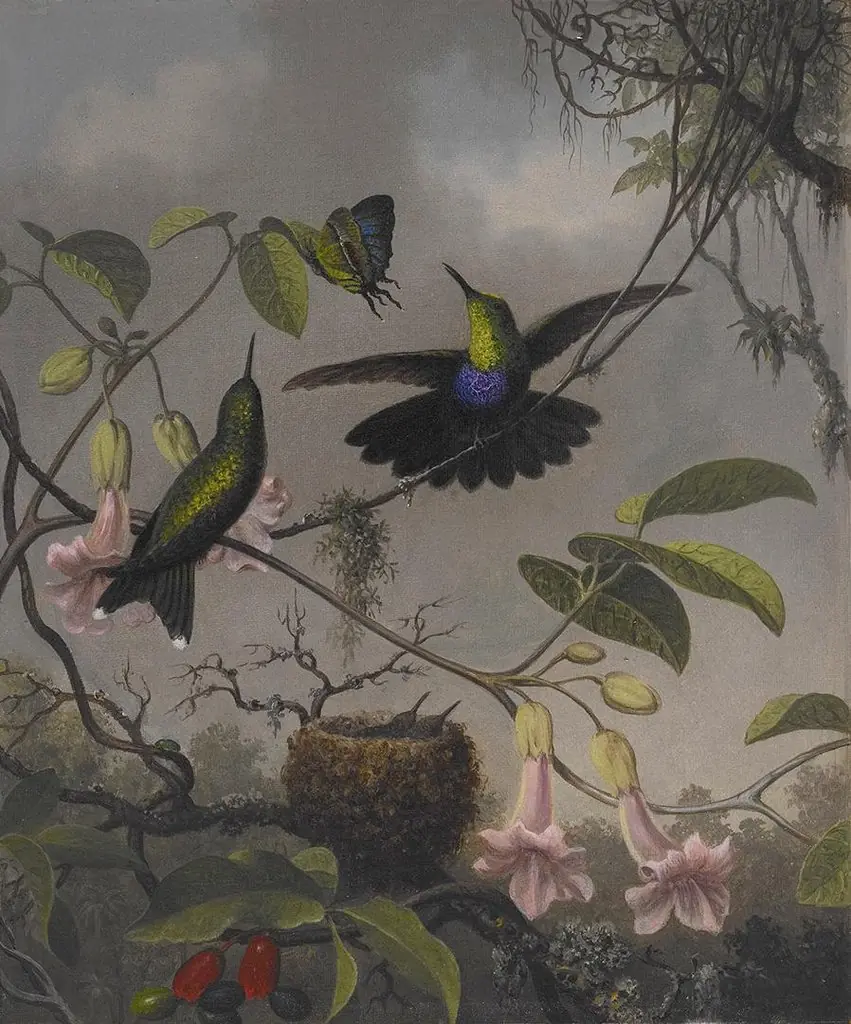 Fork-tailed Woodnymph
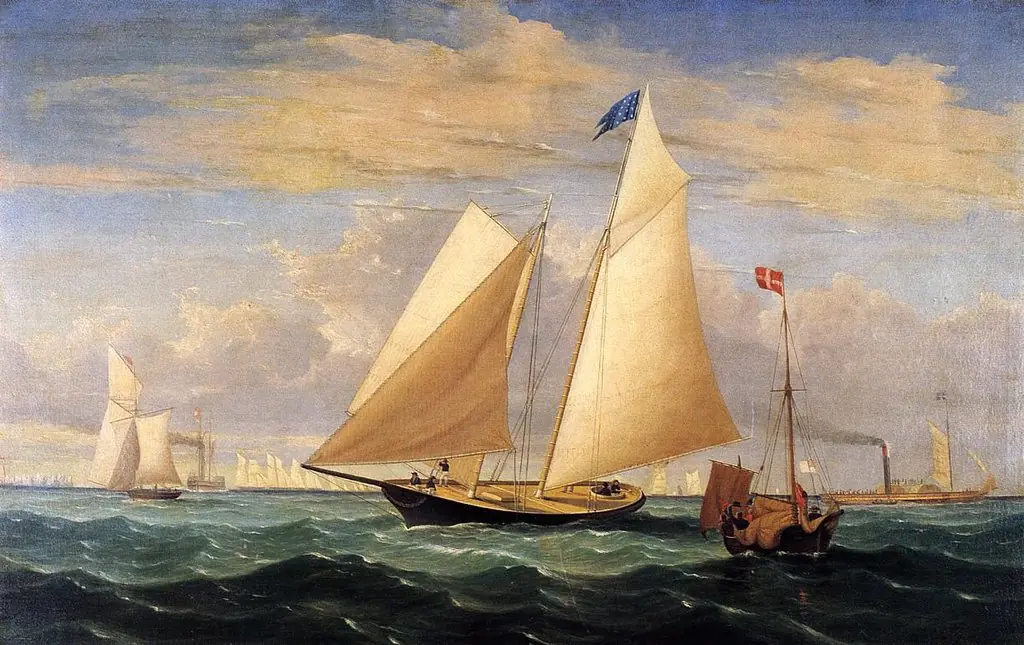 The Yacht America Winning the International Race, 1851
Groups & collectives
Learn this movement
Frequently asked questions
What is Luminism?
Luminism is an art movement. An American landscape painting tendency (roughly 1850–1875) within the Hudson River School tradition, characterized by glassy, luminous atmospheric effects that seem to dissolve the visible brushstroke.
How many Luminism works does Artifact World Gallery have?
Artifact World Gallery holds 26 public-domain Luminism works, all free to view and download.
Who are the key Luminism artists?
Key Luminism artists in the collection include Alfred Thompson Bricher, John Frederick Kensett and Martin Johnson Heade.
Where can I see Luminism works?
Luminism works in the collection are held by Crystal Bridges Museum of American Art, Cleveland Museum of Art and Royal Museum of Fine Arts Antwerp.