Artwork
William Morris Hunt
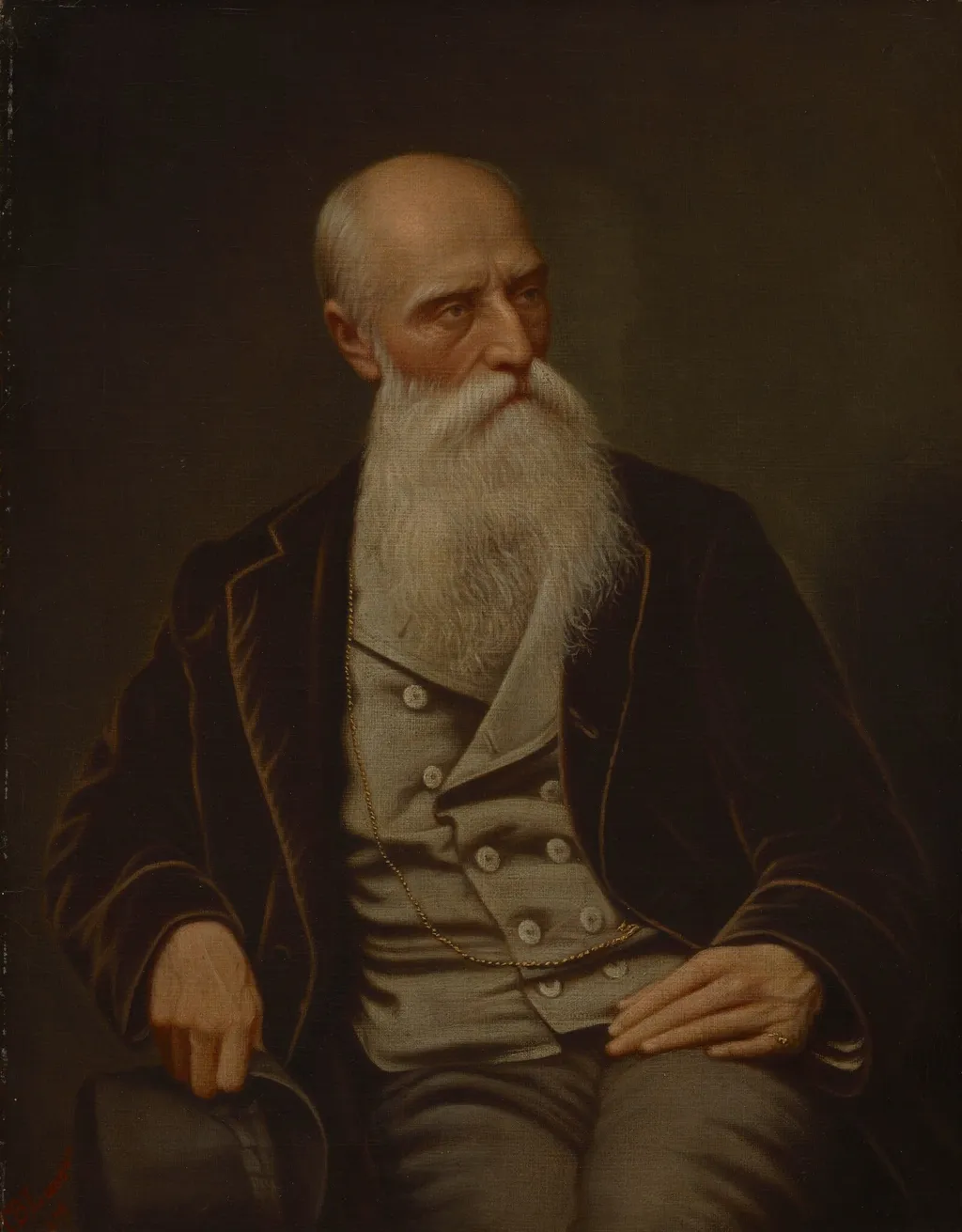
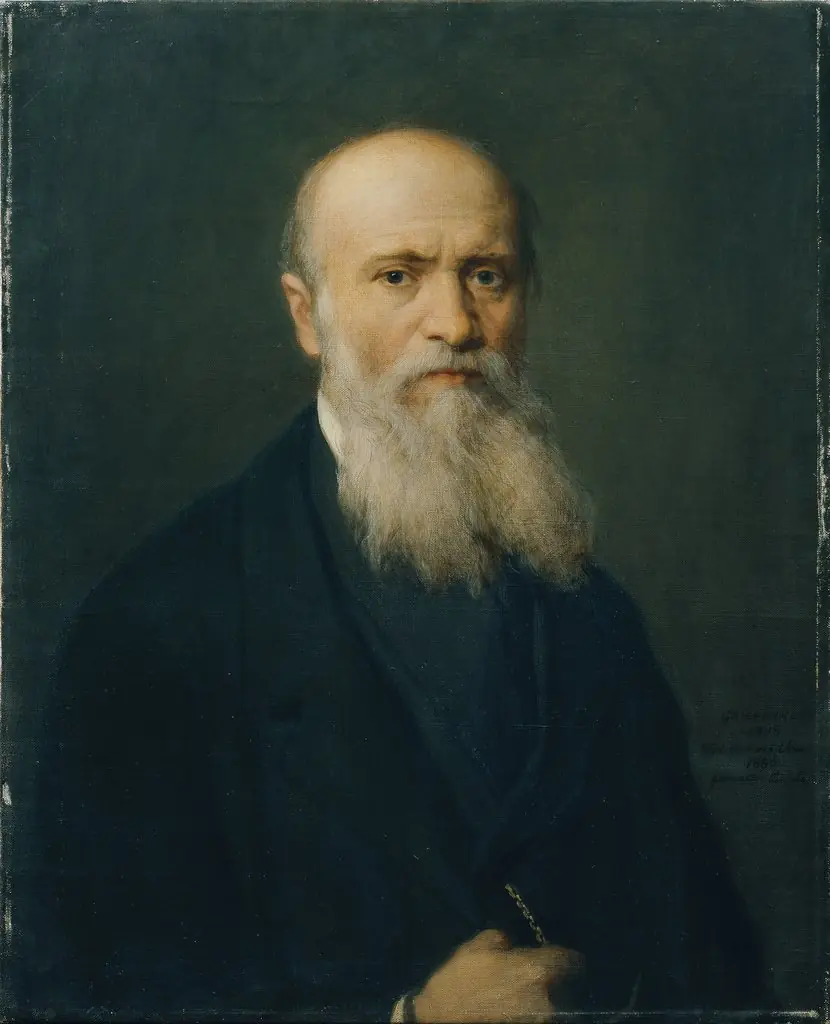
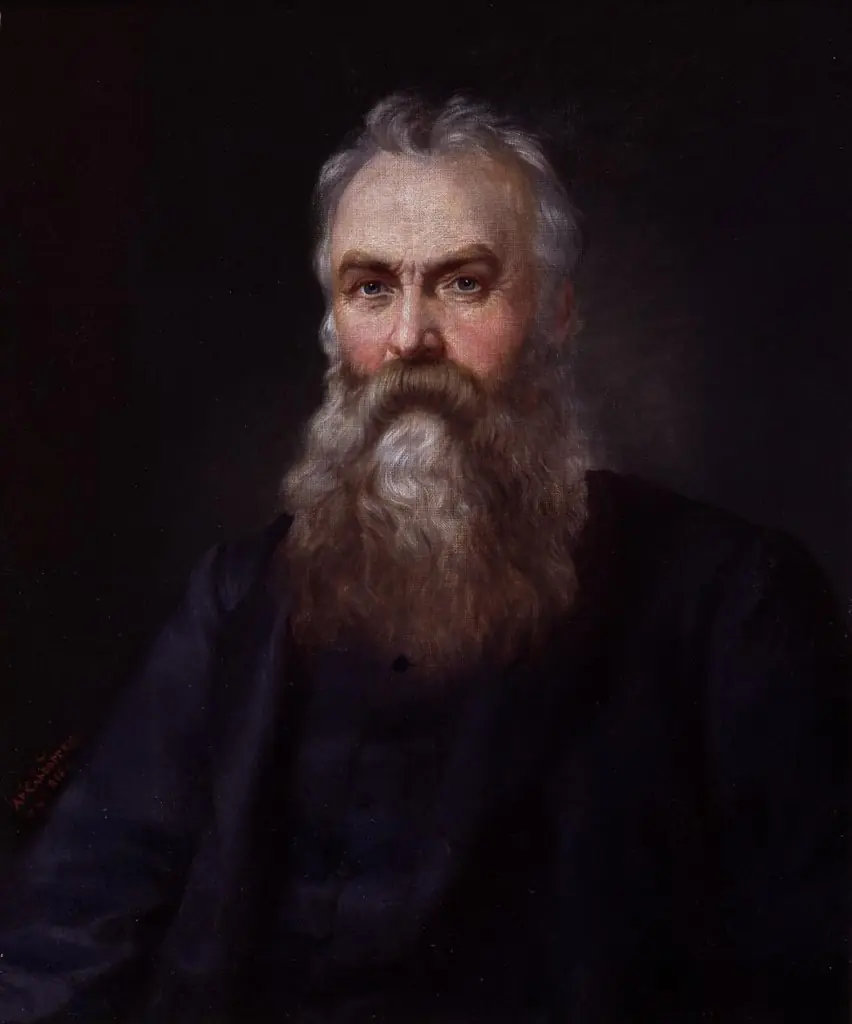
William Morris Hunt is an oil painting by the Impressionist artist Thomas Bayley Lawson. It dates from 1879 and is held in the collection of the National Gallery of Art.
- Inscription
- Inscribed:lower left: TBLawson / 1879
About this work
Subject & Meaning
Its iconography reflects the era’s emphasis on artistic legacy, while the work’s symbolism underscores the transmission of artistic taste across generations.
The painting portrays Thomas Bayley Lawson, a prominent American art collector and philanthropist, rendered as an emblem of late‑19th‑century patronage and cultural stewardship. Its iconography reflects the era’s emphasis on artistic legacy, while the work’s symbolism underscores the transmission of artistic taste across generations. The composition serves as a visual record of the collector’s influence within American art circles and his role in shaping institutional holdings.
The subject is identified through provenance linking the piece to Lawson’s family and subsequent acquisition by the National Gallery of Art, establishing its representation of enduring artistic heritage.
Technique & Style
Thomas Bayley Lawson painted this work in oil on canvas in 1879. The painting measures 45.7 cm in height and 35.8 cm in width. It depicts a subject rendered with the formal and stylistic qualities typical of Lawson's portraiture, characterized by precise brushwork and naturalistic rendering.
The support is canvas, and the handling reflects standard practices of oil painting during the late 19th century. The work entered the National Gallery of Art's collection through a series of transactions involving the artist's son, Thomas U. Lawson, and subsequent owners before being gifted to the institution in 1947.
The National Gallery of Art holds the painting as part of the Andrew W. Mellon collection, where it remains on public view.
History & Provenance
The portrait was painted in 1879 by Thomas Bayley Lawson.
By 1890 it was in the possession of the artist’s son, Walter U. Lawson, who retained it until selling it on 28 April 1921 to New York collector Thomas B. Clarke. After Clarke’s death, the work was sold on 29 January 1936 through M. Knoedler & Co. to The A.W. Mellon Educational and Charitable Trust, Pittsburgh. It was then gifted in 1947 to the National Gallery of Art, Washington, D.C.
Overview
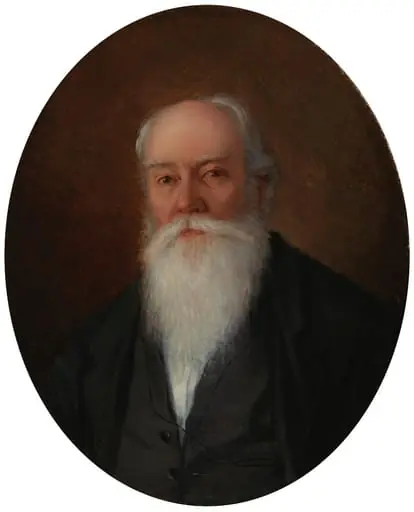
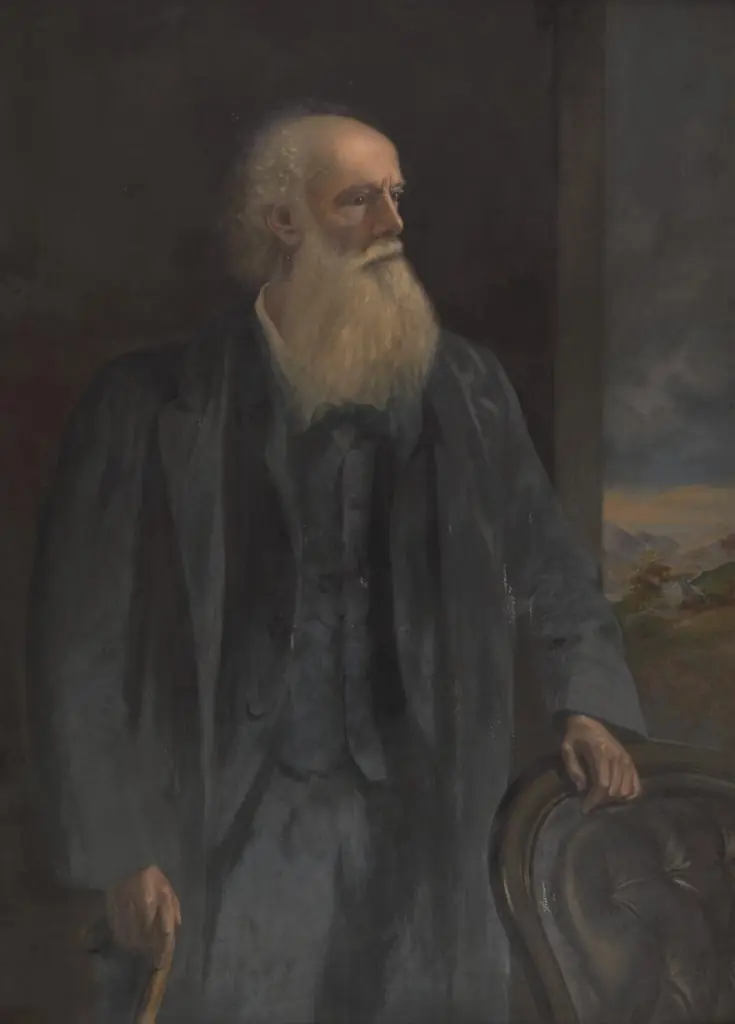
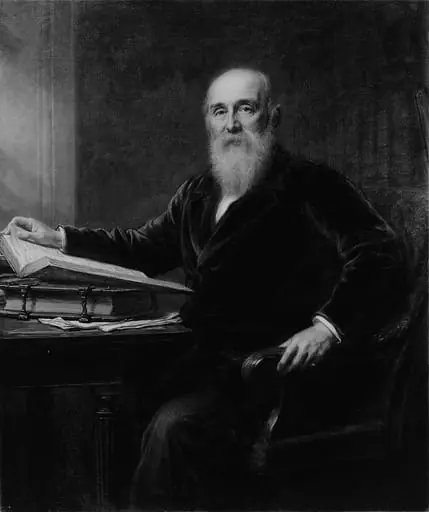
Thomas Bayley Lawson’s oil on canvas, dated around 1879, portrays a seated gentleman distinguished by a long white beard and a receding hairline. He is dressed in a dark coat layered over a light vest and trousers, his hands placed calmly on his knees. The composition conveys a formal, contemplative atmosphere, emphasizing the sitter’s dignified presence.
Own this work as a print
Artist & collection