Artwork
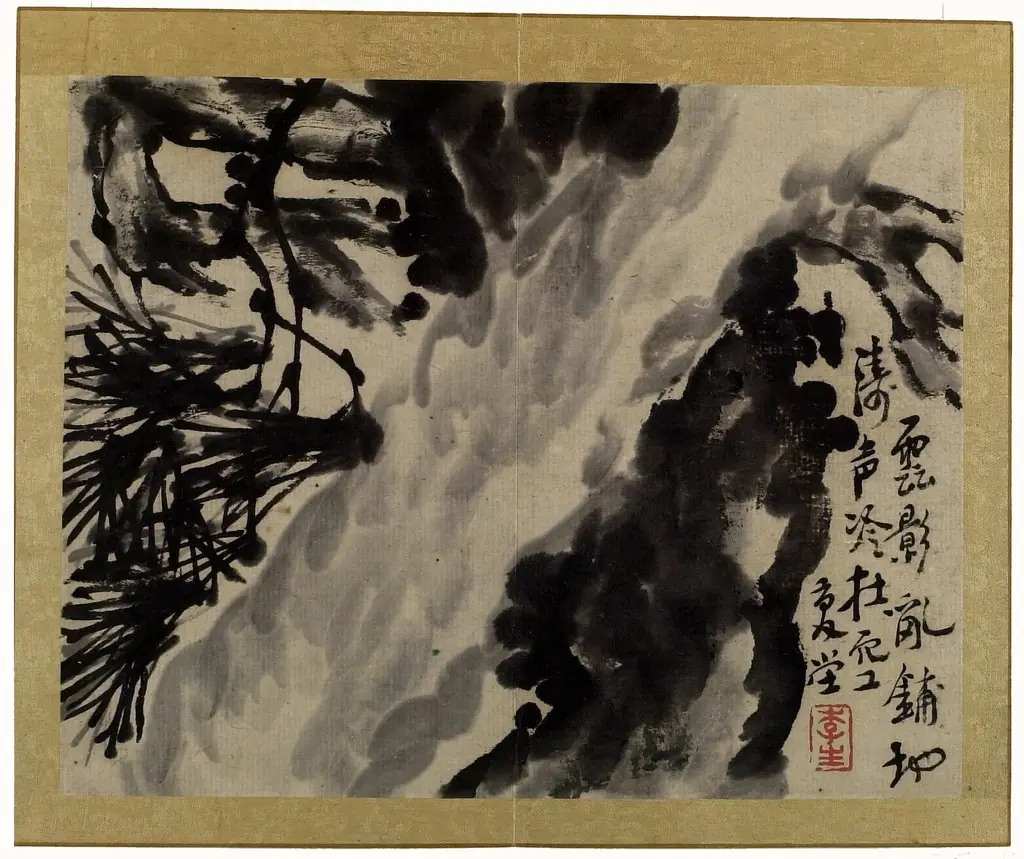
Five Pine Trees
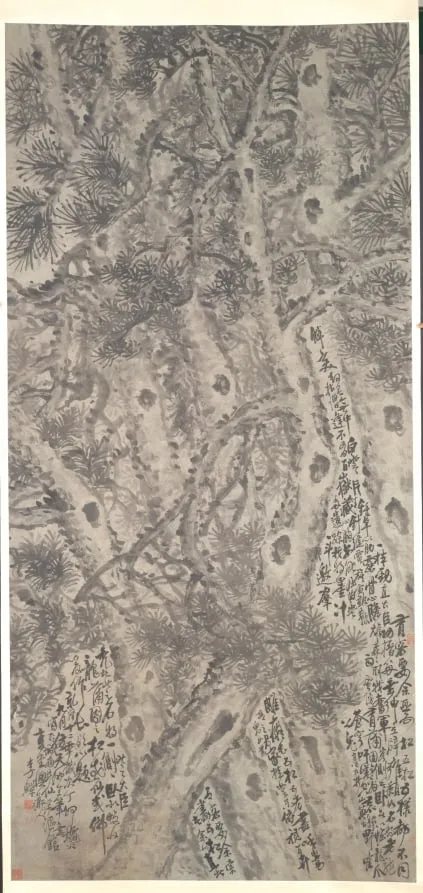
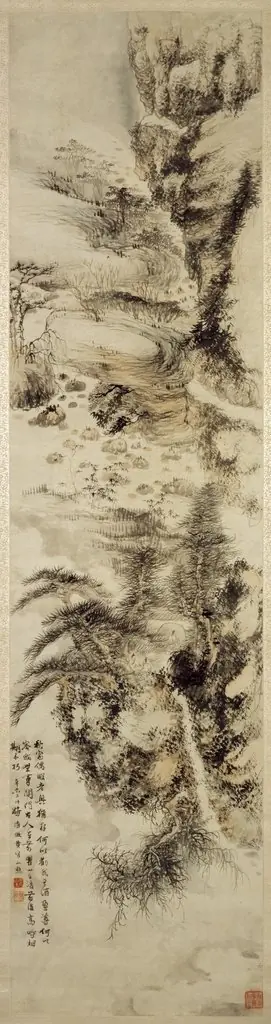
Five Pine Trees is an unspecified painting by the Baroque artist Li Shan. It dates from 1747 and is held in the collection of the Cleveland Museum of Art.
- Accession no.
- 1976.112
- Credit line
- Purchase from the J. H. Wade Fund
About this work
Overview
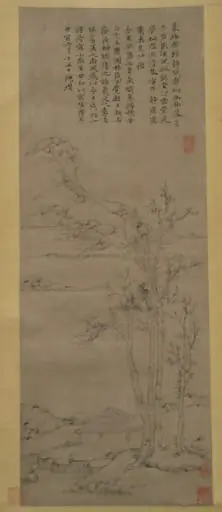
Five Pine Trees, executed by the Yangzhou-born scholar‑artist Li Shan toward the end of his career, presents a compact grouping of five pines against an unadorned field. The composition forgoes naturalistic detail, opting instead for a rhythmic arrangement of trunks and foliage that functions as a visual poem rather than a literal landscape.
Subject & Meaning
The choice of pine trees aligns with the traditional literati repertoire of bamboo, orchids, and plum, symbols of resilience and scholarly virtue. In this work the trees become metaphoric characters, each rendered with a deliberate, calligraphic gesture that suggests the interdependence of painting and poetry within the cultured elite’s aesthetic ideals.
Technique & Style
Li Shan abandons precise representation, employing richly modulated brushstrokes that echo the flow of semicursive script. The trunks twist in sweeping lines, while the needles appear as swift, dark flicks, creating a sense of movement. The surrounding void is not empty space but an integral component that balances the composition, allowing the brushwork to breathe.
History & Provenance
Painted in his later years, the piece reflects his shift away from copying nature toward an expressive, calligraphic approach.
Born into a family of officials, Li Shan benefited from an education that secured him a court appointment and a lifelong engagement with the scholar‑artist tradition. Painted in his later years, the piece reflects his shift away from copying nature toward an expressive, calligraphic approach. The work remains in a private collection, having passed through several Chinese collectors since the 18th century.
Artist & collection