Artwork
清 李鱓 墨竹圖 軸|Ink bamboo
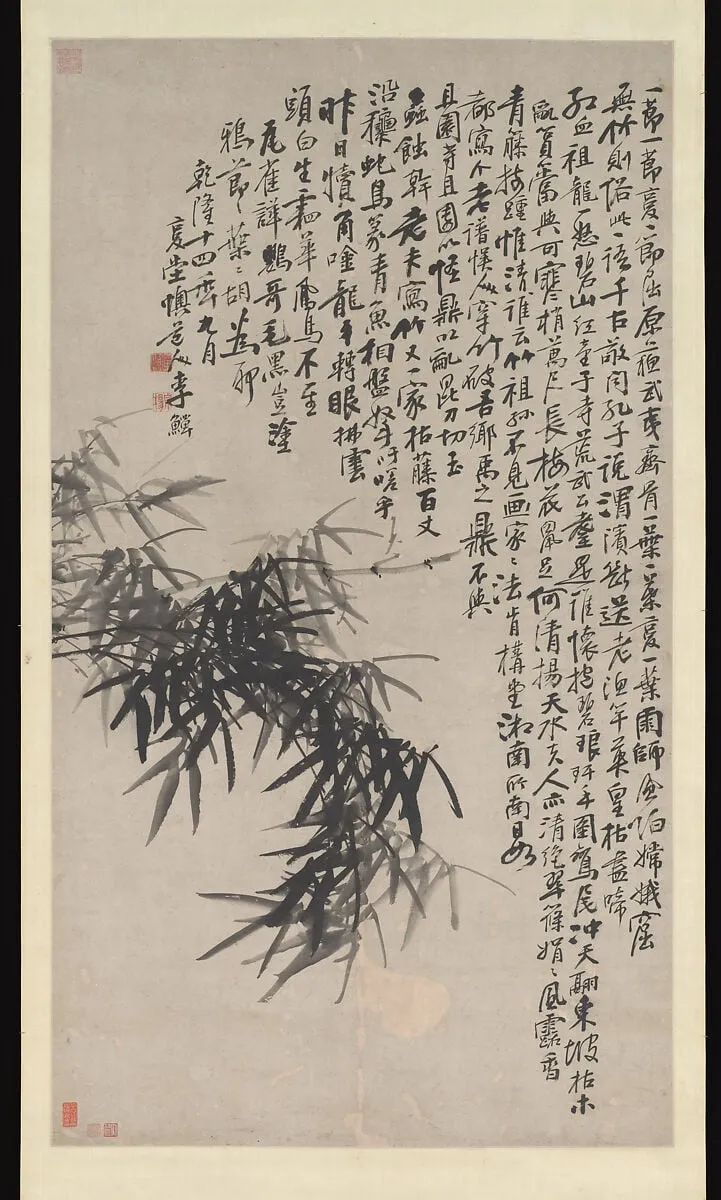
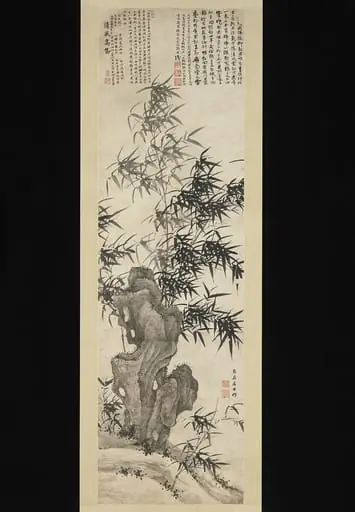
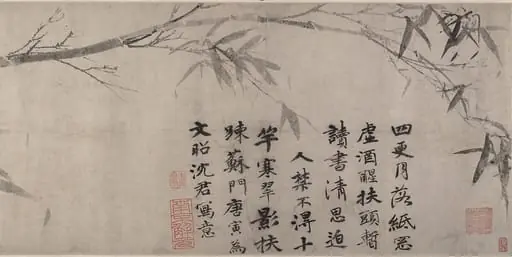
清 李鱓 墨竹圖 軸|Ink bamboo is an ink painting by the Baroque artist Li Shan. It dates from 1749 and is held in the collection of the Metropolitan Museum of Art.
About this work
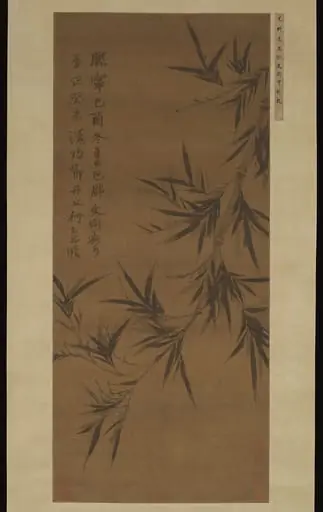
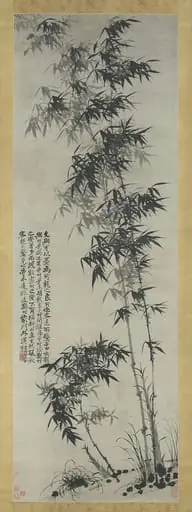
You see a single bamboo stalk bending across blank paper, drawn in black ink.
Li Shan painted this in 1749, when artists in China used bamboo to show skill, how little ink could say a lot. The leaves are just quick flicks of the brush, but they still look alive.
Look up cross-hatching to see how lines can build shape without color.
Subject & Meaning
The piece, now housed in the Metropolitan Museum of Art, thus serves as a visual meditation on the cultivated character prized by the scholar‑official class.
The hanging scroll painted by Li Shan in 1749 portrays a cluster of slender bamboo stalks rendered in ink on paper. Bamboo, classified botanically as Bambusoideae, functions in Chinese visual culture as a symbol of moral integrity, resilience, and scholarly virtue. By depicting the plant in a minimalist yet vigorous manner, the work conveys the artist’s admiration for these qualities and aligns with the literati tradition of using nature to express personal virtue.
The piece, now housed in the Metropolitan Museum of Art, thus serves as a visual meditation on the cultivated character prized by the scholar‑official class.
Technique & Style
Created in 1749 by Li Shan, this hanging scroll utilizes ink applied directly onto paper as its primary medium and support. The work focuses on the depiction of bamboo (Bambusoideae), executed through monochromatic ink techniques characteristic of the artist's style. As a painting classified within the landscape genre, the piece demonstrates the handling of fluid ink to render botanical forms on a flexible paper surface designed for vertical display.
The material composition remains consistent with traditional Chinese scroll painting practices of the Qing dynasty, relying solely on the contrast between black ink and the paper ground to define the subject matter without the application of color pigments.
History & Provenance
The hanging scroll titled Ink Bamboo was painted in 1749 by the Qing‑era artist Li Shan, known for his bamboo depictions. Executed in ink on paper, the work originates from China and was created as part of Li Shan’s mature period. Its documented provenance places it in the collection of the Metropolitan Museum of Art, where it has been listed since its acquisition.
The scroll’s dating is confirmed by archival records indicating an inception date of 1749‑00‑00, and its subject matter aligns with the Bambusoideae family of grasses.
Overview
This hanging scroll, titled Ink Bamboo, was created by the artist Li Shan in 1749. Executed with ink on paper, the painting presents a singular depiction of bamboo. The composition focuses on a single stalk, rendered with a minimalist approach that emphasizes the plant's natural form and vitality.
Artist & collection