Artwork
Birds, Flowers and Insects
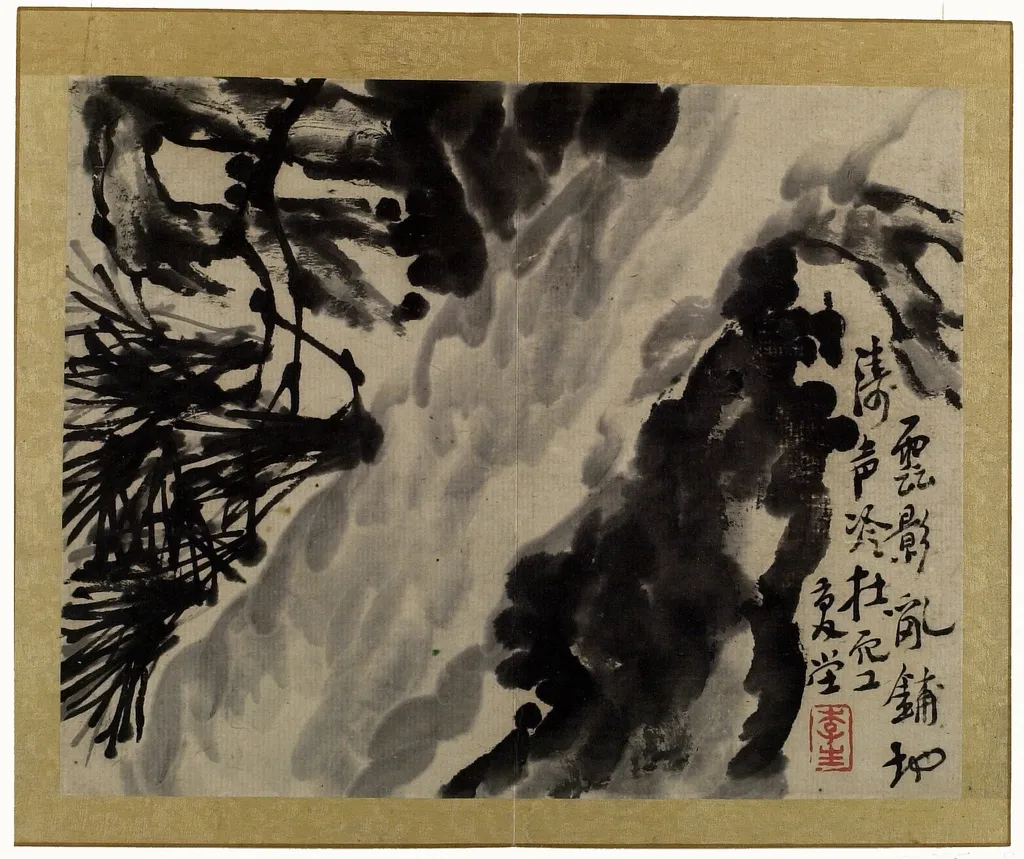
Birds, Flowers and Insects is an unspecified painting by the Chinese Orthodox School artist Li Shan. It dates from 1721 and is held in the collection of the Art Institute of Chicago.
About this work
Overview
Painted in 1721 by the Chinese artist Li Shan, this work presents a quiet natural scene featuring birds, flowers, and insects. Executed in ink and color on silk, it reflects the literati tradition of observing nature with quiet precision. The painting is part of the Art Institute of Chicago’s collection, where it is preserved as an example of early 18th-century Chinese courtly painting.
Subject & Meaning
The composition gathers elements of the natural world, delicate blossoms, small insects, and perching birds, without narrative or symbolism. Rather than conveying allegory, it invites contemplation of seasonal cycles and the harmony of small life forms. The absence of human figures emphasizes nature’s autonomy, aligning with Confucian and Daoist ideals of balance and quiet observation.
Technique & Style
Li Shan employed fine, controlled brushwork to render textures: the softness of petals, the sheen of insect wings, and the layered feathers of birds. Colors are restrained, with pale washes of ink and muted pigments creating a tranquil atmosphere. Subtle gradations in tone suggest volume without heavy shading, characteristic of the refined aesthetic favored in Qing dynasty court circles.
History & Provenance
The painting was completed during the reign of the Kangxi Emperor, a period when imperial patronage supported detailed naturalistic art. It remained in private collections in China before entering the Art Institute of Chicago’s holdings in the 20th century. Its journey reflects the broader dispersal of Chinese artworks following political upheavals in the late Qing and early Republican eras.
Context
This work belongs to a tradition of bird-and-flower painting that flourished in China from the Song dynasty onward. Unlike more dramatic or symbolic depictions, Li Shan’s approach emphasizes quiet observation over grandeur. It aligns with scholarly tastes of the early Qing, where refined technique and understated beauty were valued over overt expression or ornamentation.
Legacy
Li Shan’s painting exemplifies the enduring appeal of naturalistic detail in Chinese art. While not widely known outside specialist circles, it continues to inform studies of Qing-period aesthetics and the role of nature in literati culture. Its preservation in a major Western institution ensures ongoing access for comparative and cross-cultural scholarship.
Own this work as a print
Artist & collection


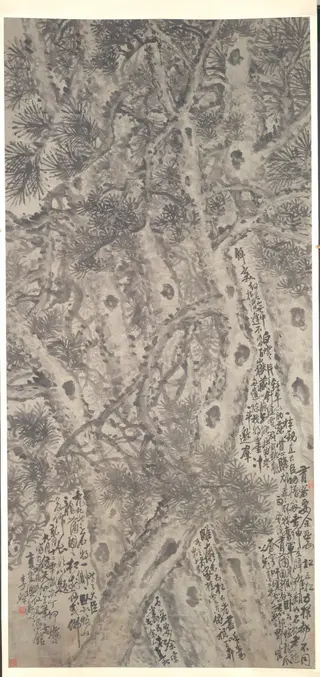
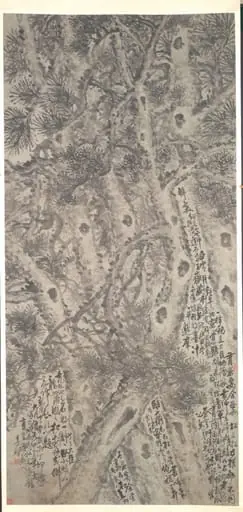
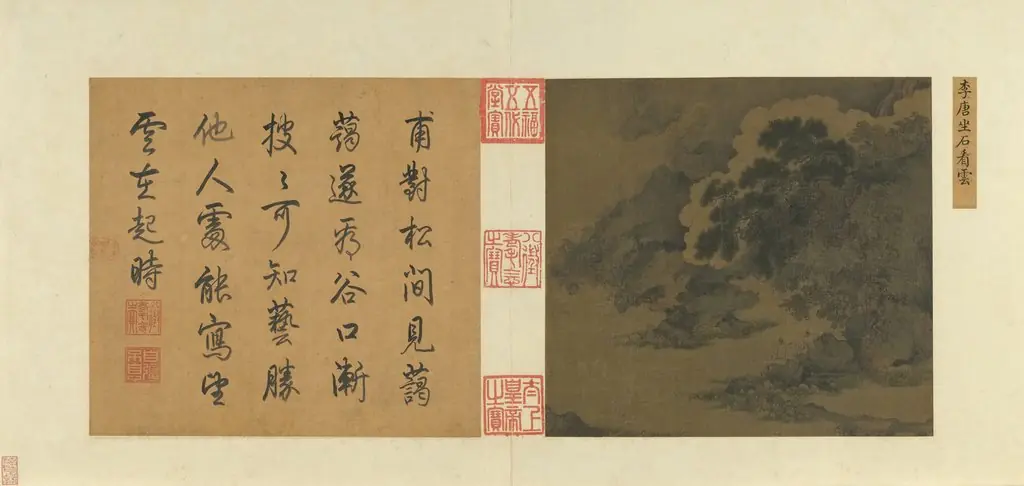
- Seated on a Rock Gazing at the Mists
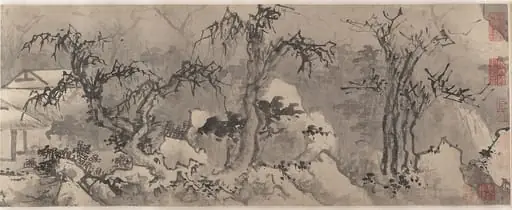 明 傳蔣嵩 冬景山水圖 卷|Winter landscape
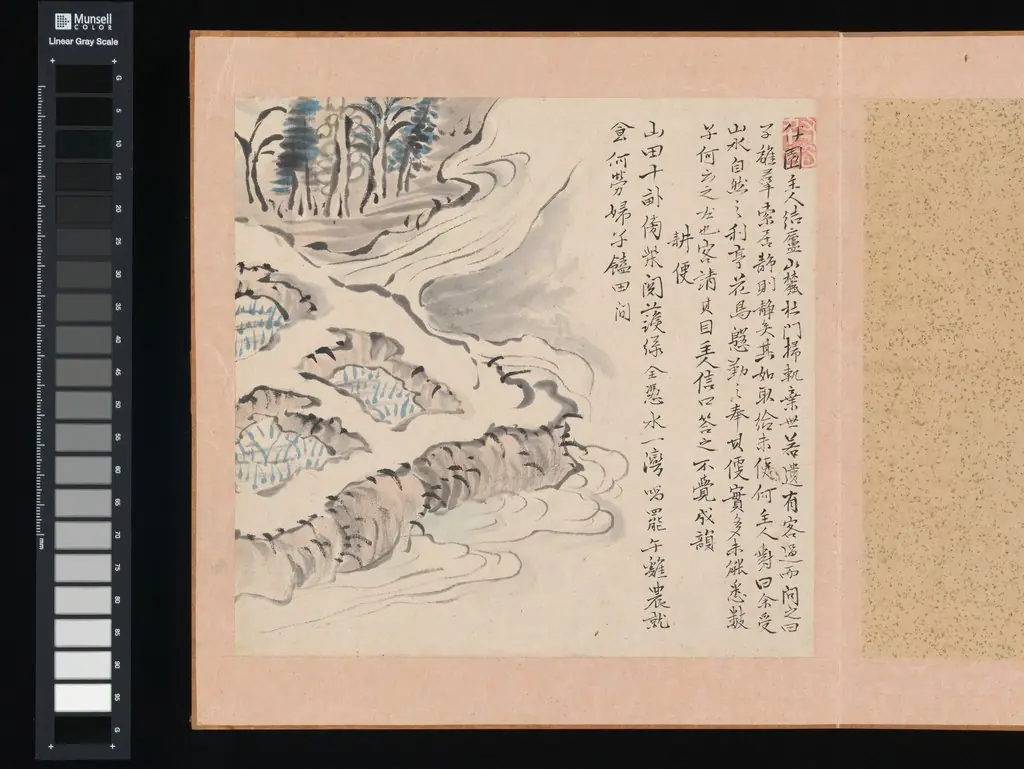 "Convenience in Drawing Water" from Jūben (Ten Conveniences); "Pleasure of Dawn" from Jūgi (Ten Pleasures)
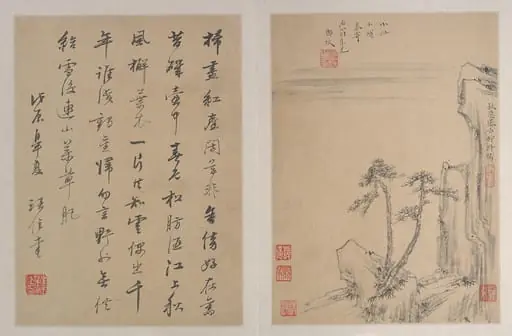 Untitled
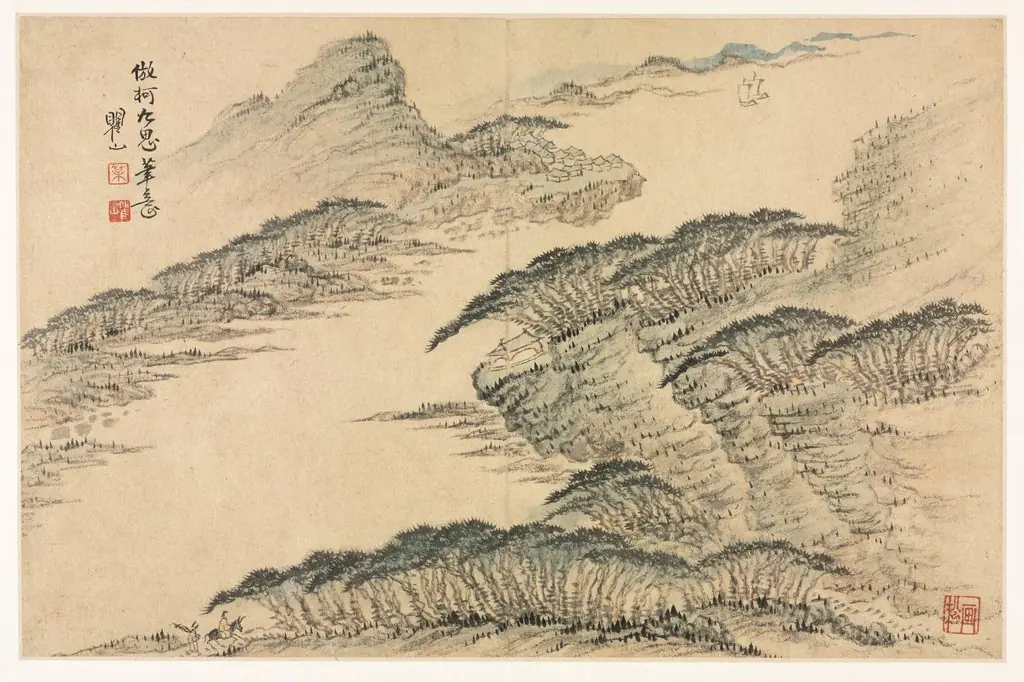 Landscapes in Various Styles after Old Masters
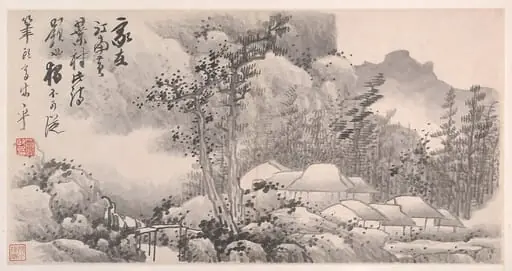 清 龔賢 山水圖 冊|Landscapes
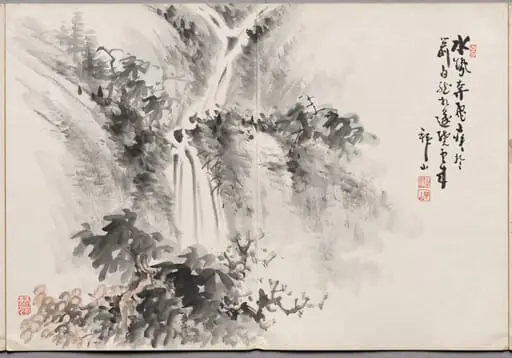 Painting Ten from Album of Paintings by Haizan
 Landscape Album in Various Styles: Landscape after Mi Fei
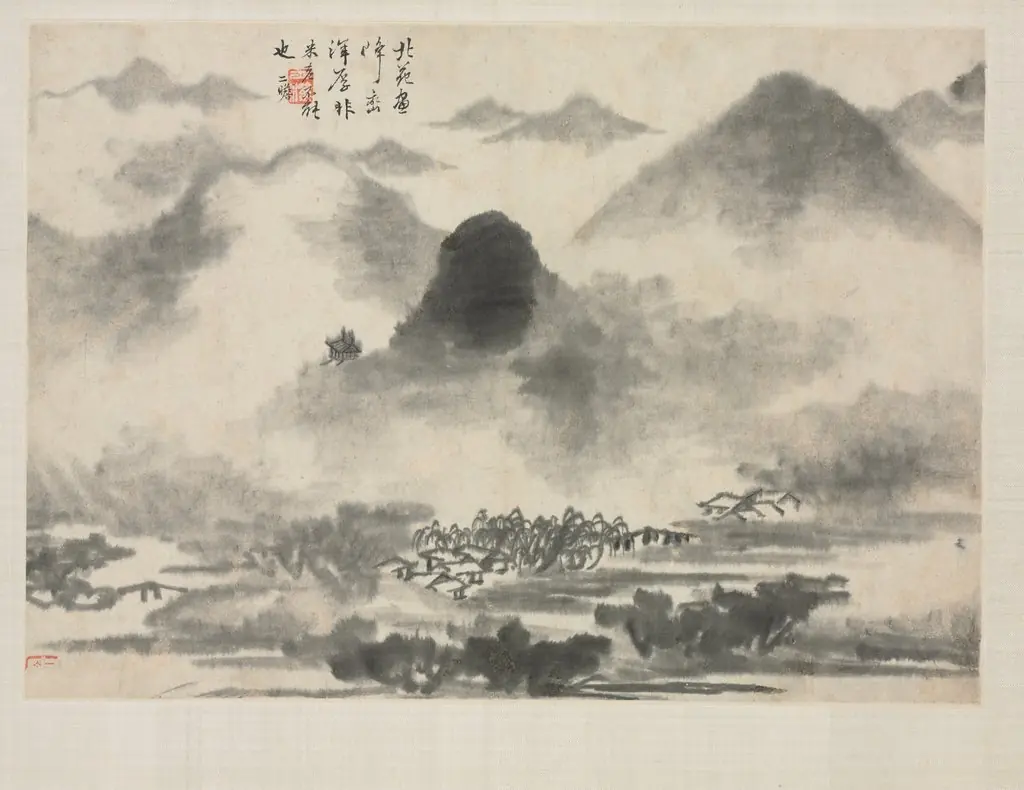 Landscape Album in Various Styles: Landscape after Mi Fei
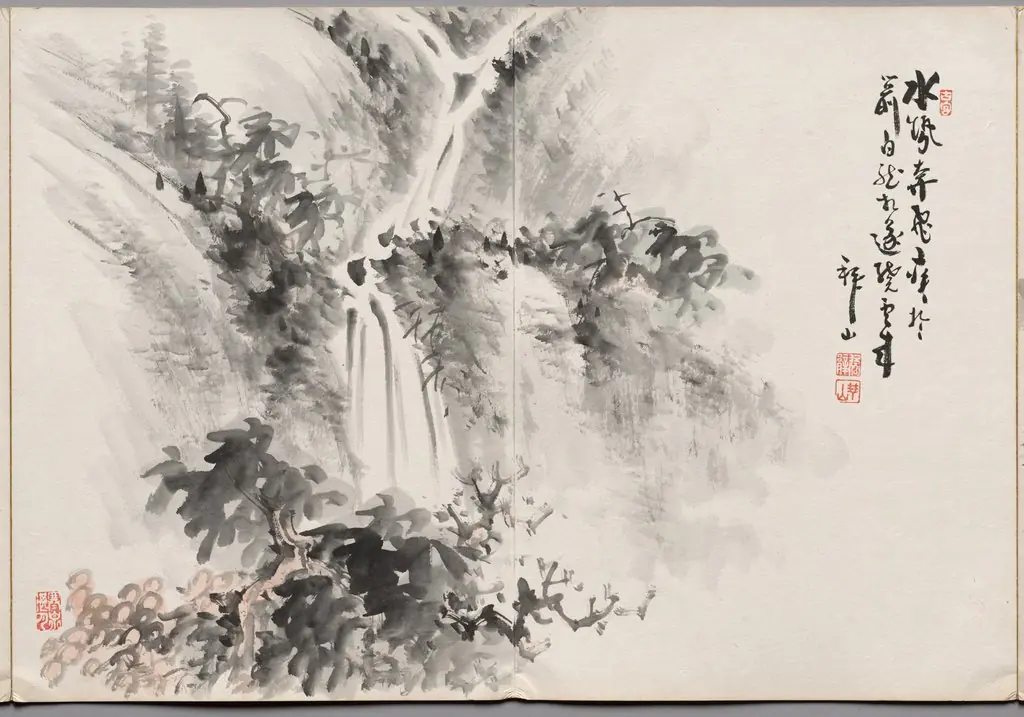 Painting Ten from Album of Paintings by Haizan
 Landscape Album in Various Styles: Snowy Landscape
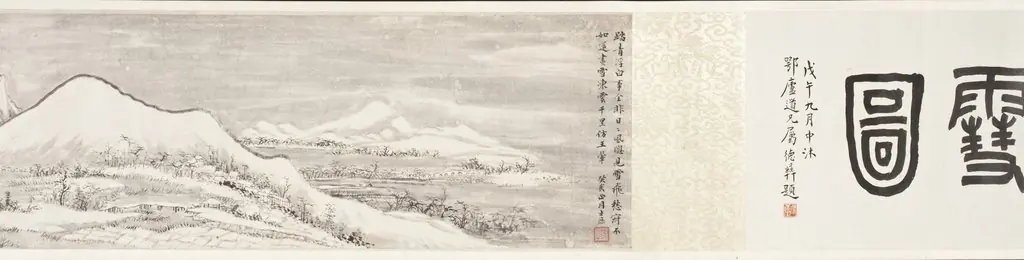 Snow Piled Up in the Wintry Mountains