Artwork
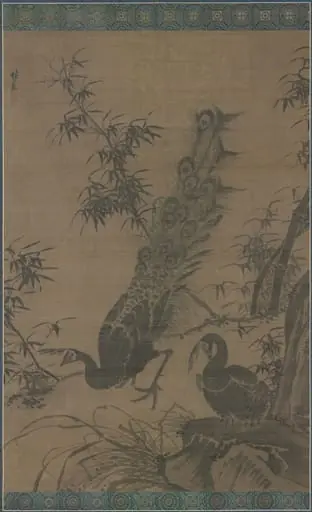
A Pair of Peafowl
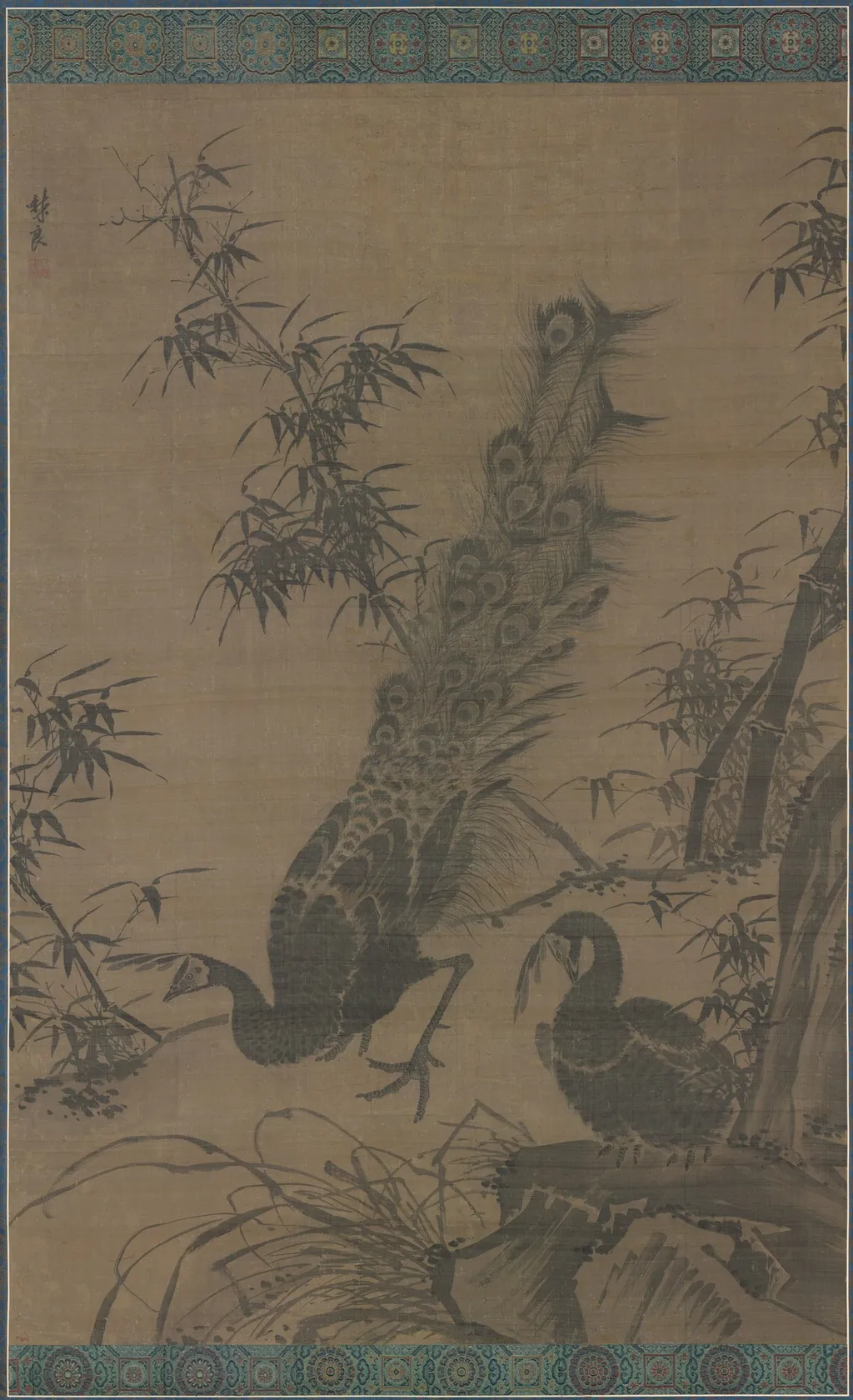
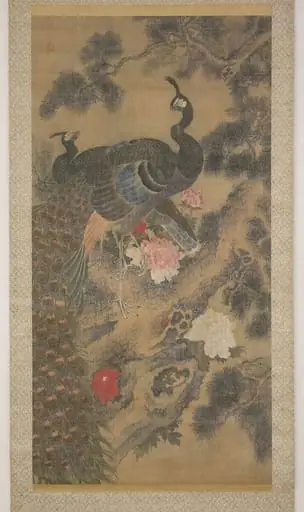
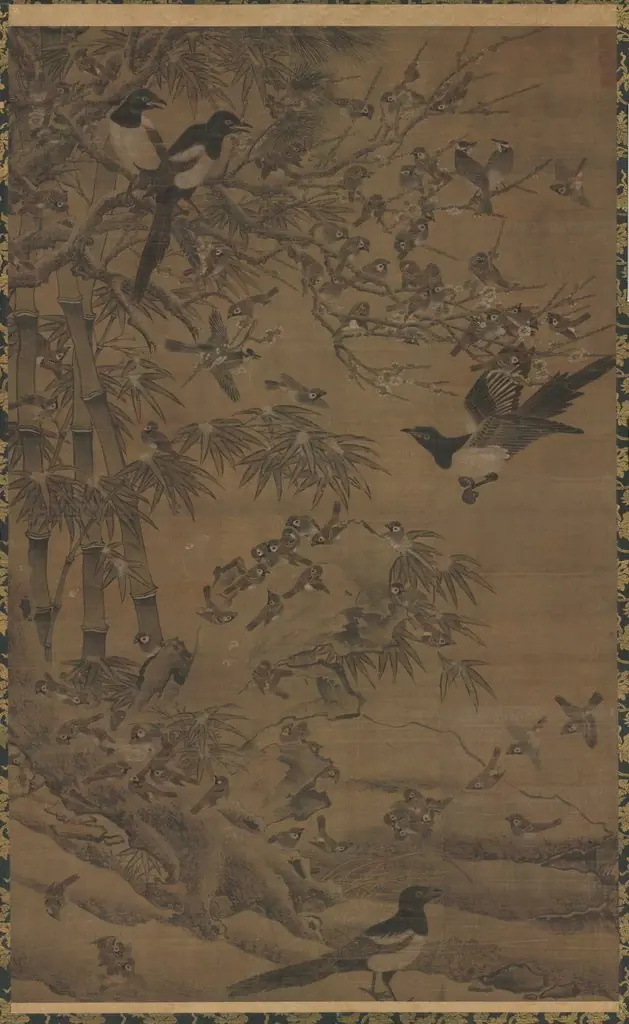
A Pair of Peafowl is an unspecified painting by the Ming dynasty painting artist Lin Liang. It dates from 1498 and is held in the collection of the Cleveland Museum of Art.
About this work
Subject & Meaning
The work depicts a pair of peafowl, a subject chosen by the artist Lin Liang for his 1495 painting.
The work depicts a pair of peafowl, a subject chosen by the artist Lin Liang for his 1495 painting. In Chinese artistic tradition, the peacock often serves as a symbol of dignity, beauty, and high rank, though the specific iconographic intent or deeper allegorical meaning intended by Lin Liang for this particular composition is not detailed in the provided records. The painting presents these birds within the context of a Chinese landscape or setting, reflecting the artist's engagement with natural subjects typical of the period.
History & Provenance
A Pair of Peafowl is a painting by Lin Liang created in 1495 in China. It entered the collection of the Cleveland Museum of Art, where it remains on view.
The work was commissioned under the patronage of the Hongwu Emperor, reflecting the court's interest in naturalistic bird imagery during the late Ming period. Its dating is documented in archival records from the early 20th century and confirmed through stylistic analysis of Ming dynasty court painting traditions.
A Pair of Peafowl is held by the Cleveland Museum of Art where it is cataloged under accession number 1964.242. The work was painted in 1495 in China by Lin Liang.
It has been exhibited as part of the museum's permanent collection.
Exhibition history is limited to its ongoing display at the Cleveland Museum of Art.
Overview
A Pair of Peafowl, executed in 1498 by the Chinese painter Lin Liang, is an ink painting now in the collection of the Cleveland Museum of Art. The work presents a quiet natural scene rendered in monochrome, employing a restrained palette that emphasizes line and form over colour.
Technique & Style
Lin Liang worked exclusively with black ink on a light paper ground, allowing the figures to emerge with crisp contrast. Brushstrokes are fluid yet controlled, giving the feathers and bamboo stalks a sense of movement while retaining a precise delineation. The decorative border that encloses the scene frames the interior without detracting from the central subjects.
Own this work as a print
Artist & collection