Artwork
Untitled
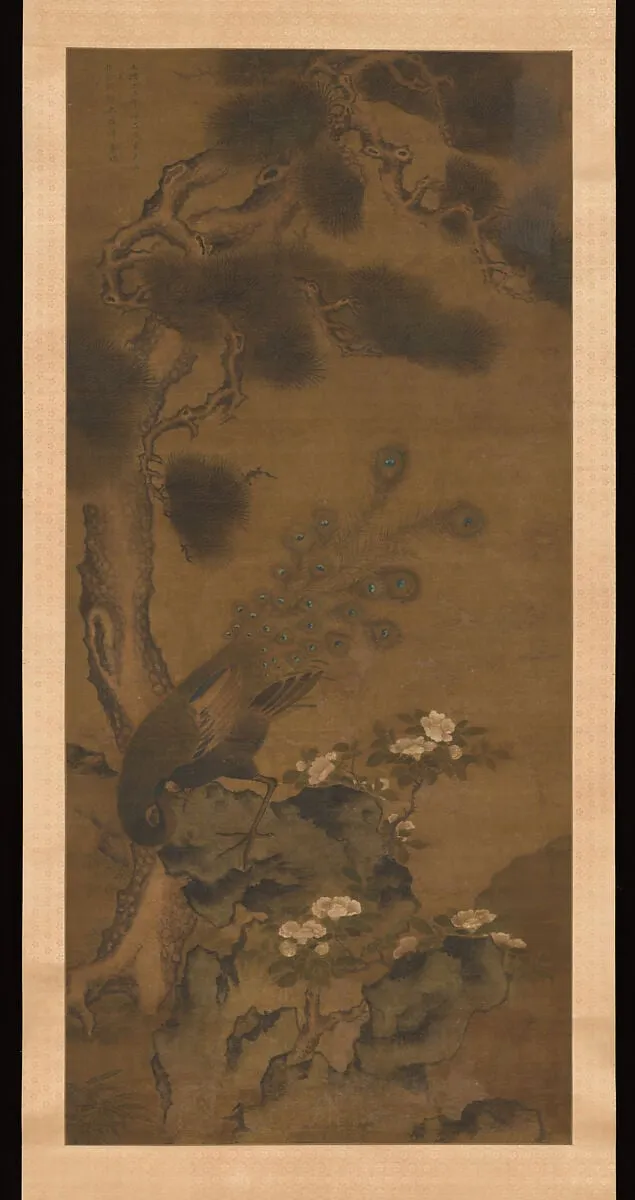
Untitled is an ink painting by the Ming dynasty painting artist Zhu Duan. It dates from 1518 and is held in the collection of the Metropolitan Museum of Art.
About this work
Two peacocks perch on rocks among blooming peonies and a twisted pine, facing each other with tails folded as the flowers spill across the silk in soft pinks and reds. Zhu Duan painted it in 1518, when peacocks stood for beauty and dignity. The ink lines fade at the edges, as if dissolving into mist.
Subject & Meaning
Executed in ink and color on silk, the work belongs to the landscape genre, presenting these specific elements within a traditional composition.
Created in 1518 by the Chinese artist Zhu Duan, this hanging scroll depicts a naturalistic scene featuring a peafowl, flowers, and trees. Executed in ink and color on silk, the work belongs to the landscape genre, presenting these specific elements within a traditional composition. The imagery combines the majestic peafowl with floral and arboreal motifs, characteristic of the period's approach to depicting nature.
While the painting presents these recognizable subjects, the specific symbolic interpretation or deeper iconographic meaning intended by the artist is not detailed in the available records. The work remains a visual representation of these natural forms rather than a narrative scene.
Technique & Style
The work is executed as a hanging scroll using ink and polychrome pigments applied to silk, a support typical of Chinese hanging formats. Its subject matter, flower, peafowl, and tree, places it within the landscape genre, and the composition reflects a traditional Chinese approach to natural motifs. The painting was created in China in 1518 and now resides in the Metropolitan Museum of Art, where it is catalogued as a work by Zhu Duan.
The scroll's material execution involves brushwork in ink combined with subtle color washes, characteristic of early-Ming court painting techniques.
History & Provenance
Untitled is a hanging scroll painted in ink and color on silk by Zhu Duan in 1518 in China. The work belongs to the landscape genre and depicts a flower, a peafowl and a tree. It was created during the early Ming period.
The painting entered the collection of the Metropolitan Museum of Art, where it is catalogued as part of the museum's holdings. No earlier owners or commissioning details are recorded in the available sources, and the work's provenance is limited to its acquisition by the museum.
Legacy
The hanging scroll by Zhu Duan, dated 1518 and depicting a flower, peafowl, and tree, entered the collection of the Metropolitan Museum of Art, placing it within a prominent institutional context that has shaped contemporary understanding of early Chinese landscape painting; its status as a representative work of the Ming dynasty has informed scholarly studies of Zhu Duan’s artistic development and reinforced his reputation as a master of ink and color on silk; the work’s inclusion in major exhibitions and catalogues has contributed to sustained interest in his oeuvre, influencing subsequent research on floral and avian motifs in Chinese art.
Overview
Painted in 1518 by the Ming dynasty artist Zhu Duan, this hanging scroll depicts two peacocks perched on rocky outcrops amidst blooming peonies and a gnarled pine tree. Executed in ink and color on silk, the composition features the birds facing one another with their tails folded, creating a balanced, symmetrical arrangement. The flora spills across the surface in soft pinks and reds, contrasting with the textured rocks and the dark, twisting form of the pine.
This work exemplifies the courtly style of the mid-Ming period, where Zhu Duan, a prominent painter in the imperial academy, specialized in detailed bird-and-flower subjects. In Chinese iconography, the peacock traditionally symbolizes dignity and beauty, while the pine represents longevity and the peony signifies wealth and honor. Created during a time when such auspicious imagery was highly valued by the imperial court and elite patrons, the painting demonstrates Zhu Duan's mastery of precise brushwork and his ability to render natural forms with both decorative elegance and symbolic depth.
The work stands as a representative example of his mature output, reflecting the aesthetic priorities of the Zhengde era.
Context
Created by Zhu Duan in 1518, this painting reflects artistic conventions prevalent during China's Ming dynasty. The inclusion of peacocks was a common motif, frequently employed by artists of the period to embody qualities such as beauty and dignity. This work thus aligns with a broader cultural practice of imbuing natural subjects with symbolic significance within the visual arts.
Artist & collection

 Untitled
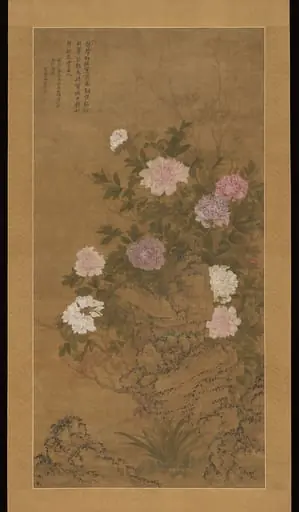 Untitled
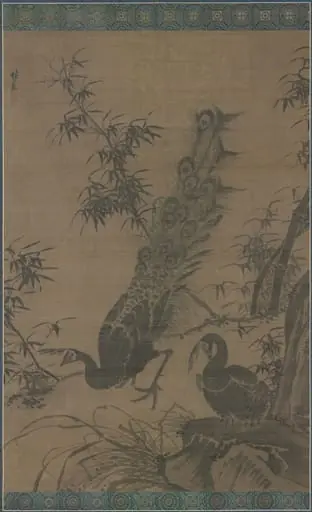 A Pair of Peafowl
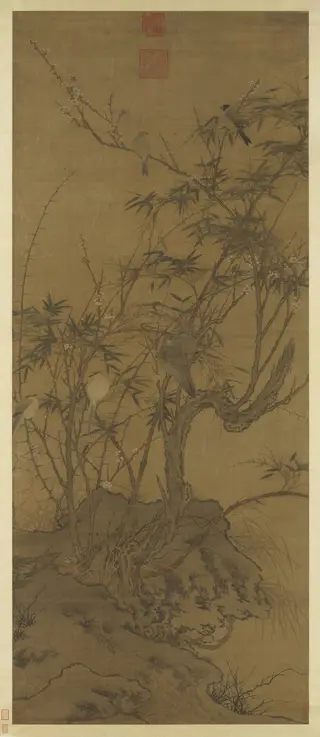 宋人梅竹聚禽圖 軸
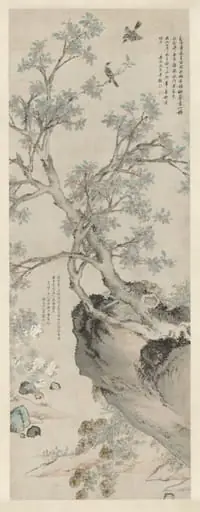 Yellow Chrysanthemums and Red Osmanthus in the Style of Wang Yuan
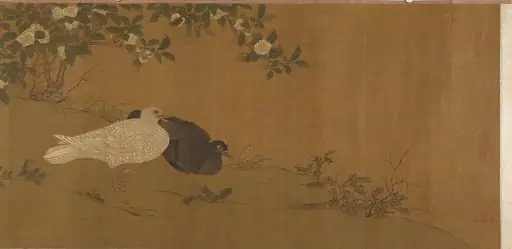 明/清 佚名 舊傳艾宣 鵪鶉 卷|Quail
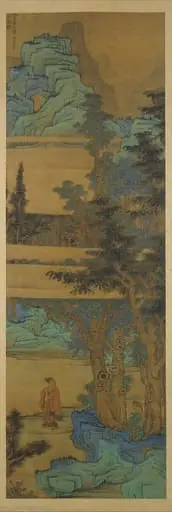 明 陳洪綬 樹下高士圖 軸|Scholar-recluse in blue-green landscape
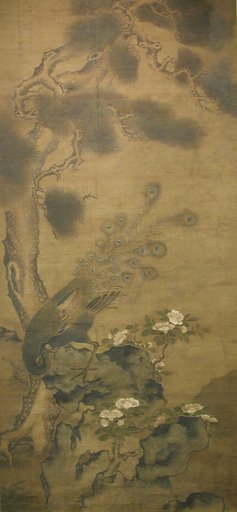
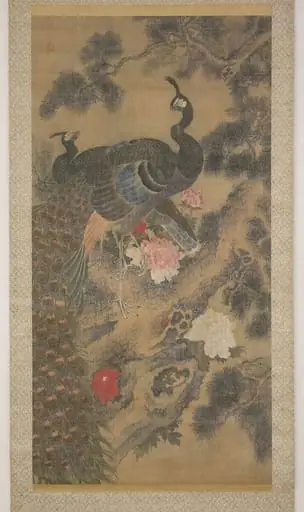 松牡丹孔雀図|Peacocks, Pine Tree, and Peonies
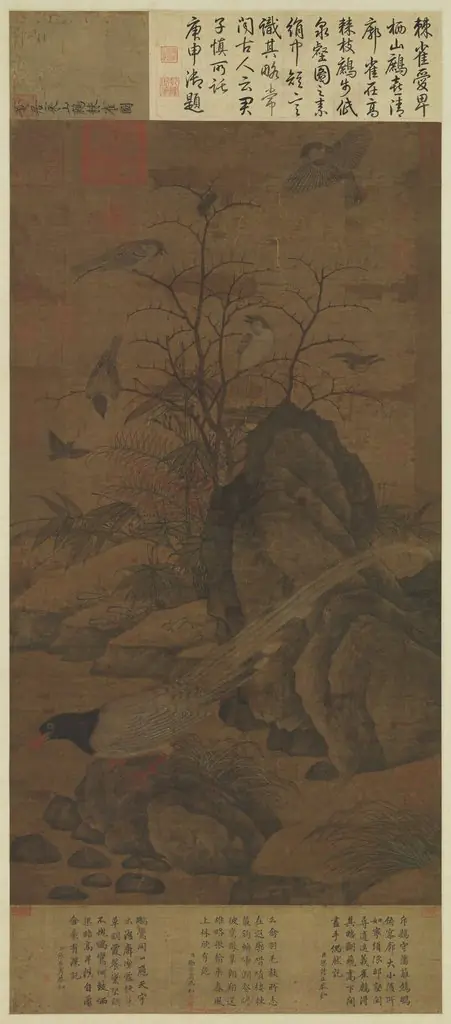 宋黃居寀山鷓棘雀圖 軸
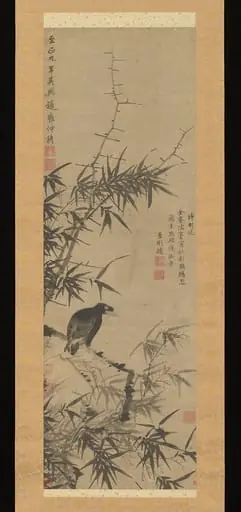 元 趙雍(款) 鸜鵒竹影圖 軸|Mynah Bird and Bamboo
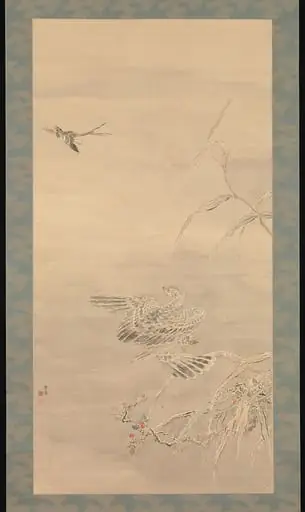
 Untitled
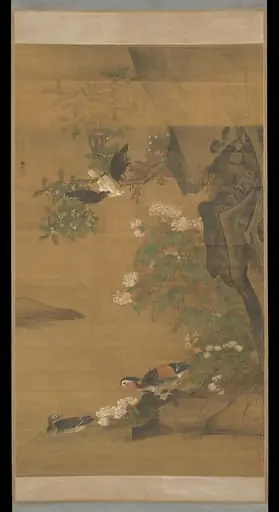
- 明 呂紀 鴛鴦芙蓉圖 軸|Mandarin ducks and cotton rose hibiscus