Subject
Bamboo
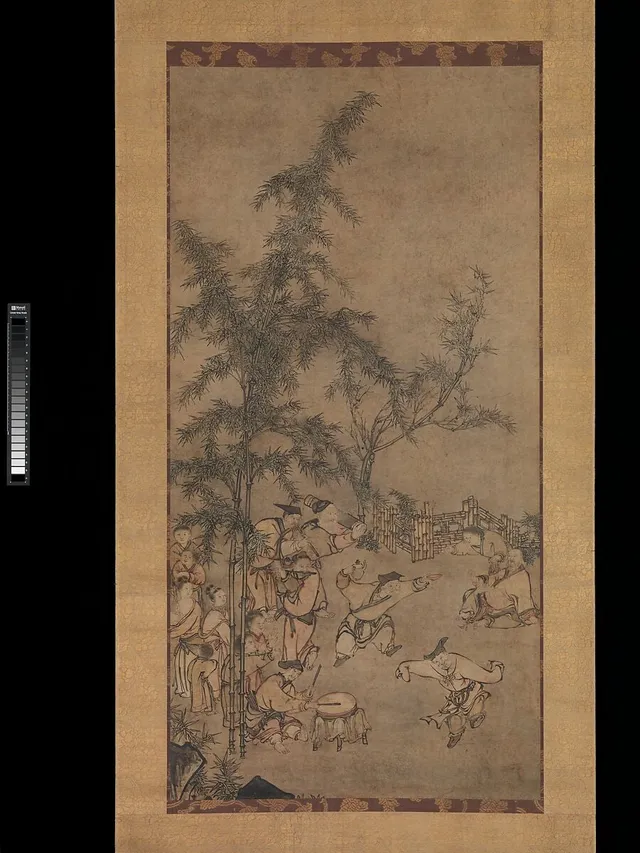
Bamboo is a subject in art. The gallery holds 154 works in this subject in art, including works by Sesson Shūkei, Qian Xuan and Tesshū Tokusai.
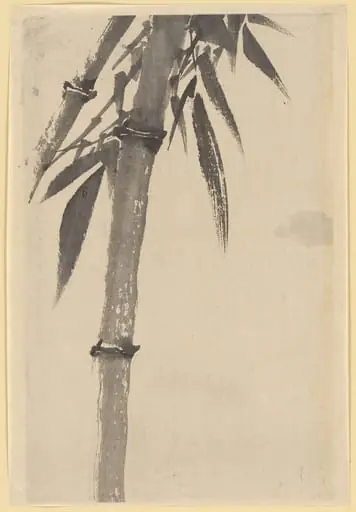
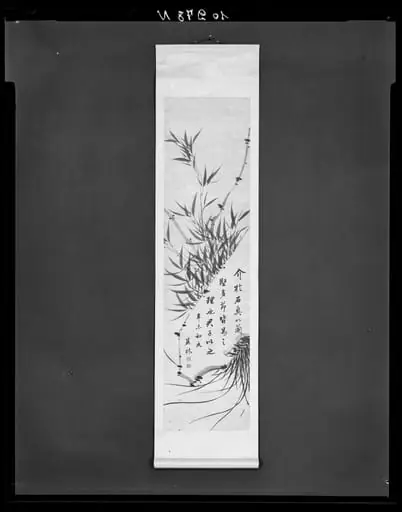
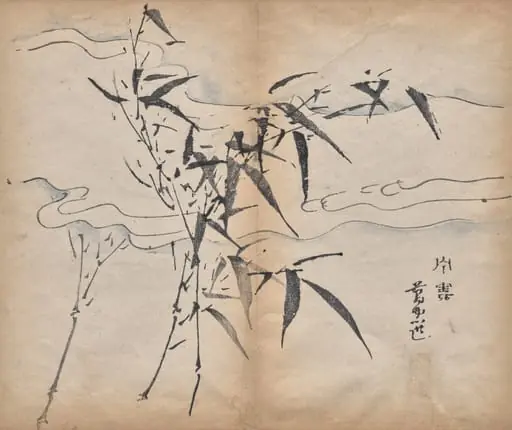
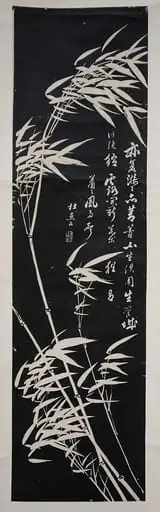
Bamboo (竹) is among the most enduring subjects in East Asian art, where it transcends botanical depiction to embody Confucian moral character. In China it is celebrated as one of the "Four Gentlemen" (alongside the plum blossom, orchid, and chrysanthemum), a set of plant motifs standard since the Song dynasty (960–1279). The evergreen culm—upright, hollow at its core, and able to bend in storms without breaking—became a portrait of the ideal scholar: principled yet humble, resilient yet flexible. Though painters had rendered bamboo since the Tang dynasty, the literati tradition of monochrome "ink bamboo" (mòzhú) crystallized in the eleventh century around Wen Tong (1018–1079), founder of the Huzhou school, and his cousin the poet-statesman Su Shi (1037–1101), whose praise secured Wen's lasting fame.
The genre's defining technique fused painting with calligraphy. Working in black ink alone, the artist "wrote" each stalk and leaf with disciplined, gestural brushstrokes, the leaf clusters resembling characters and the joints articulated like script. Su Shi famously held that the painter must possess the "complete bamboo in the breast" before lifting the brush, executing the image in a single concentrated burst. This expressive mode stood apart from the meticulous court manner—seen in Emperor Huizong's (1082–1135) silk handscroll Finches and Bamboo, a jewel of the realist flower-and-bird painting cultivated at his academy.
The ink-bamboo lineage ran for centuries. Yuan masters such as Li Kan (c. 1245–1320), who studied the plant intensively and compiled a treatise on it, Ke Jiusi (c. 1290–1343), and the reclusive Wu Zhen (1280–1354) refined Wen Tong's idiom; in the Qing dynasty the Yangzhou eccentric Zheng Xie (Zheng Banqiao, 1693–1765) paired it with orchids and rock, as in his handscroll Orchids and Bamboo.
The theme also carried philosophical weight through the legend of the Seven Sages of the Bamboo Grove, third-century scholars who withdrew to drink and converse amid bamboo—an emblem of principled retreat that spread across Korea and Japan. Japanese literati (nanga) painters, including Sesson Shūkei and Tokuyama Gyokuran, absorbed the motif, ensuring bamboo's place as a shared visual language of the East Asian scholar's world.
Key artists


Overview
Bamboo refers to a diverse group of mostly evergreen perennial flowering plants constituting the subfamily Bambusoideae within the grass family Poaceae. The group exhibits extraordinary morphological range, from the tiny Raddiella vanessiae of the French Guiana savannas, measuring only 10 to 20 millimeters in length, to giant timber species whose stalks can reach 46 meters long and 36 centimeters in diameter. Characterized by typically hollow, columnar stems and a unique rhizome-dependent system, bamboos include some of the fastest-growing plants on earth, with certain species capable of growing up to 120 centimeters in a single day. Beyond their biological significance, bamboos hold deep economic and cultural importance across South, Southeast, and East Asia, serving as structural materials, food sources, and recurring subjects in visual art.
Legacy
The artistic conventions established by historical East Asian painters established a visual and symbolic vocabulary for bamboo that continues to influence global art and material culture. The motif's association with resilience and moral fortitude allowed it to migrate beyond painting into decorative arts, ceramics, and textile design. Furthermore, the physical properties of the plant, notably its high strength-to-weight ratio and rapid renewability, have cemented its role in contemporary architecture and sustainable design, echoing the historical reverence for its structural integrity. The enduring presence of bamboo in both visual culture and functional design reflects a continuity of the values historically encoded in its painted forms.
Works
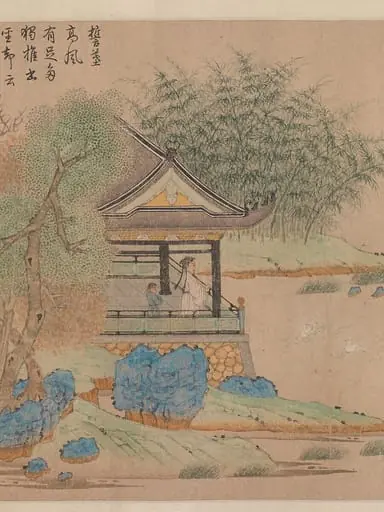 元 錢選 王羲之觀鵝圖 卷|Wang Xizhi watching geese
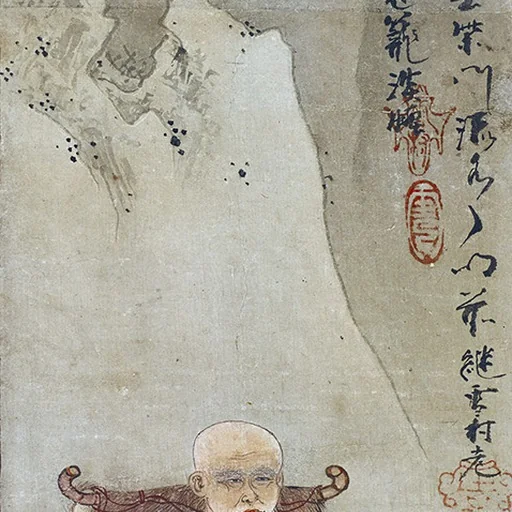
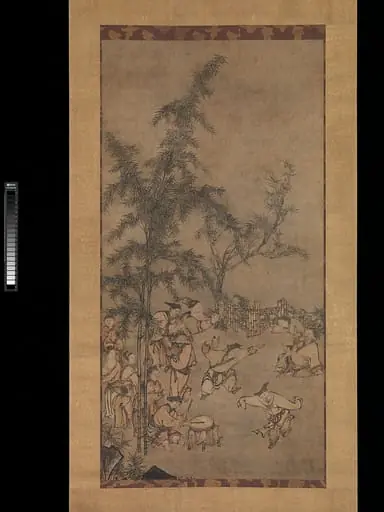 雪村周継筆 竹林七聖図|Seven Sages of the Bamboo Grove
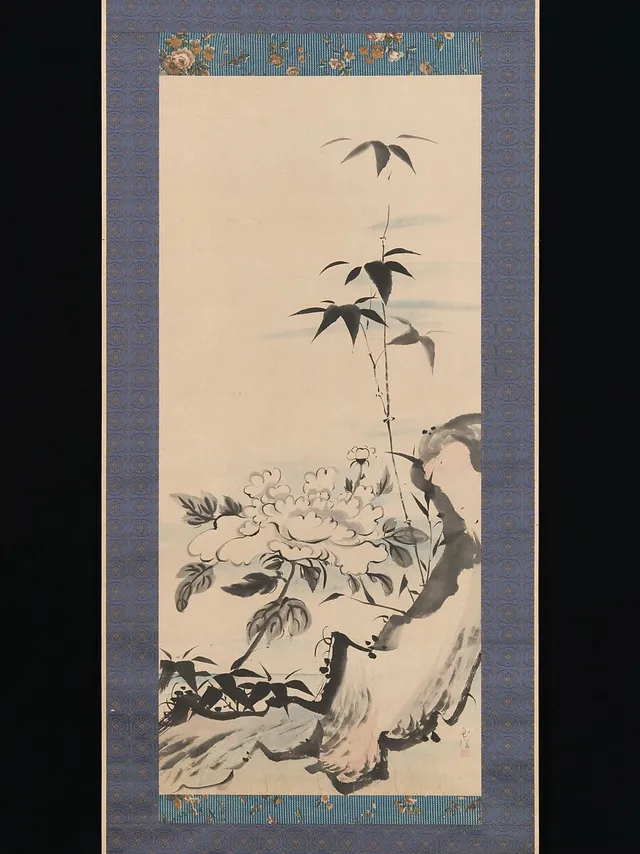
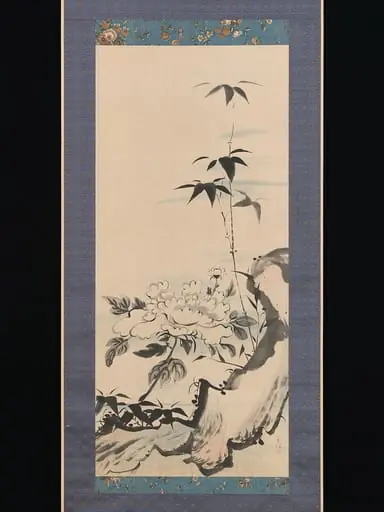 徳山玉瀾筆 牡丹に竹図|Peony and Bamboo
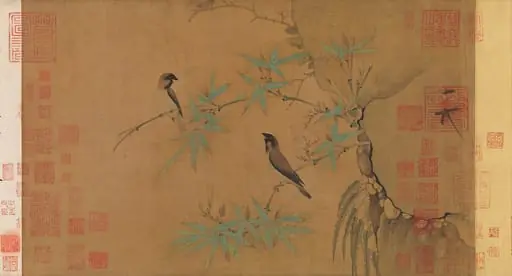 北宋 徽宗 竹禽圖 卷|Finches and bamboo
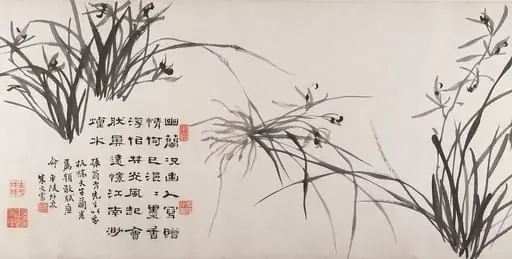 清 鄭燮 蘭竹圖 卷|Orchids and bamboo
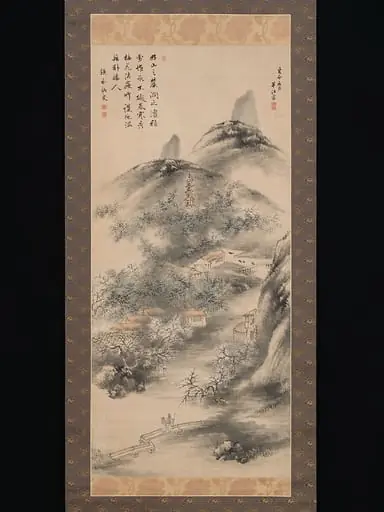 Untitled
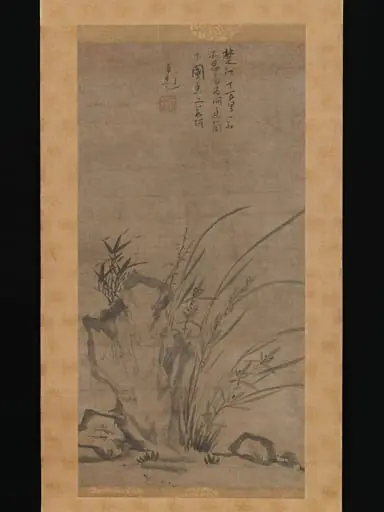 鉄舟徳済筆 蘭竹石図|Orchids, Bamboo, Briars, and Rocks
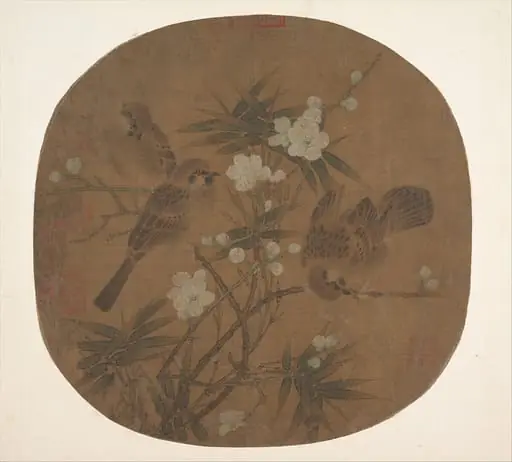 南宋 佚名 竹梅小禽圖 團扇|Sparrows, plum blossoms, and bamboo
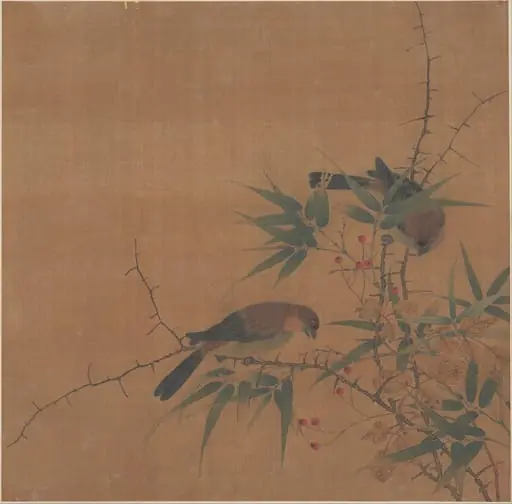 清 佚名 竹禽圖 冊頁|Bamboo Branch with Berries and Birds
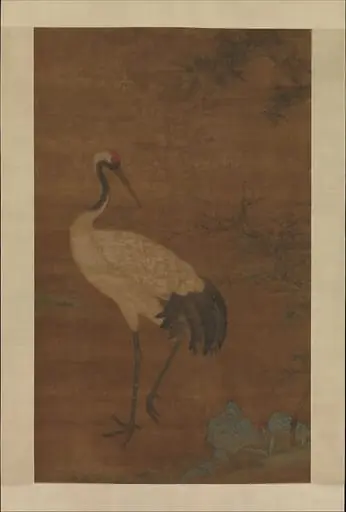 明 佚名 竹鶴雙清圖 軸|Crane in a bamboo grove
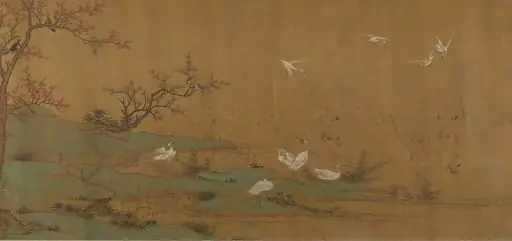 明 佚名 舊傳刁光 叢簧集羽 卷|River Scene with Birds and Bamboo
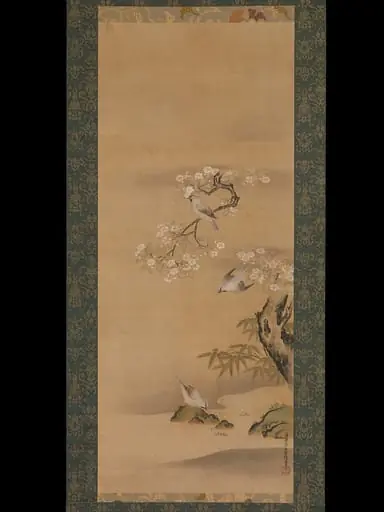 清原雪信筆 緋連雀桜竹図|Waxwings, Cherry Blossoms, and Bamboo
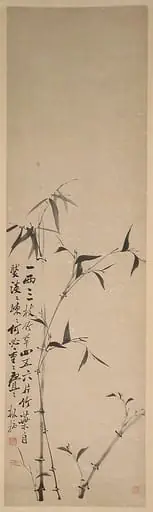 Untitled
 Untitled
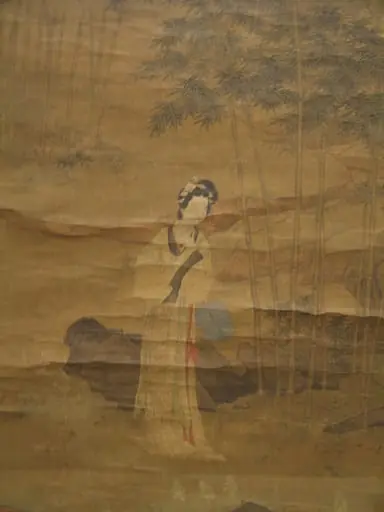 明 沈碩 仿仇英文玉圖 軸|Lady in a Bamboo Grove after Qiu Ying
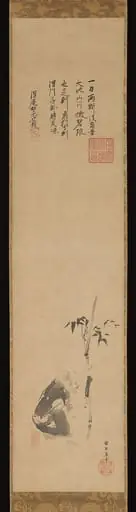 Untitled
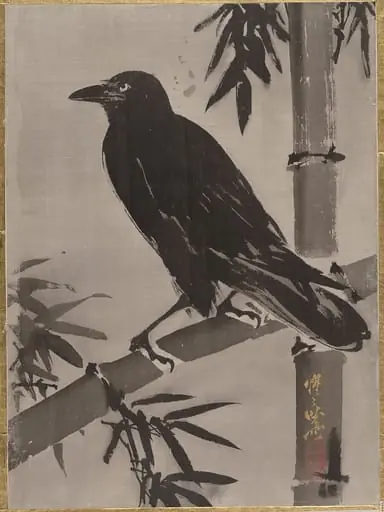 竹に鴉図|Crow on a Bamboo Branch
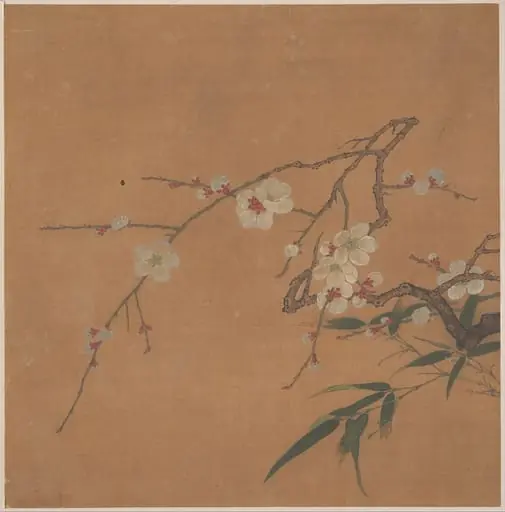 明/清 佚名 梅竹圖 冊頁|Flowering Plum and Bamboo
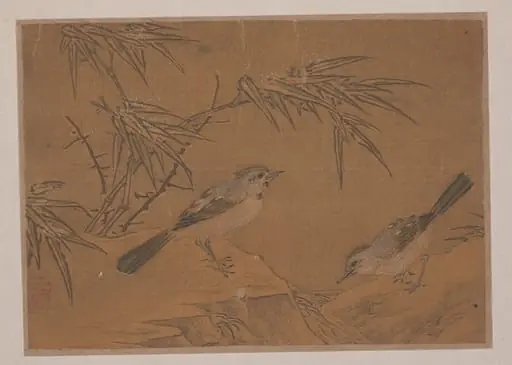 Untitled
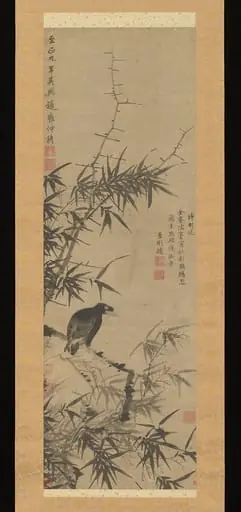 元 趙雍(款) 鸜鵒竹影圖 軸|Mynah Bird and Bamboo
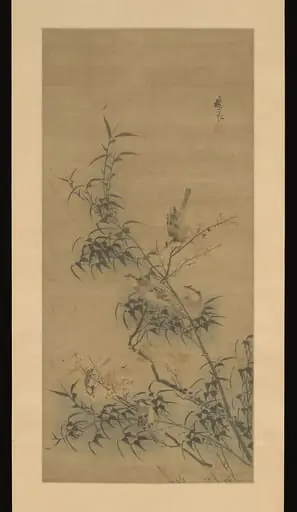 明 佚名 仿林良 喜上梅梢圖 軸|Birds Amidst Blossoming Plum and Bamboo
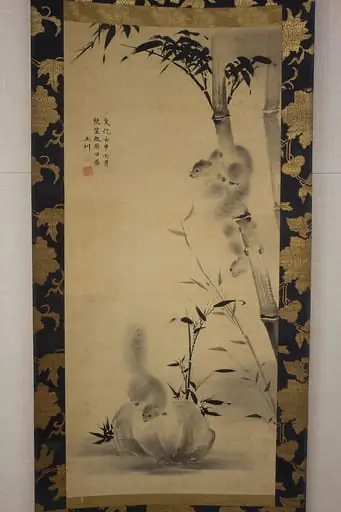 竹に栗鼠図|Squirrels on Bamboo and Rock
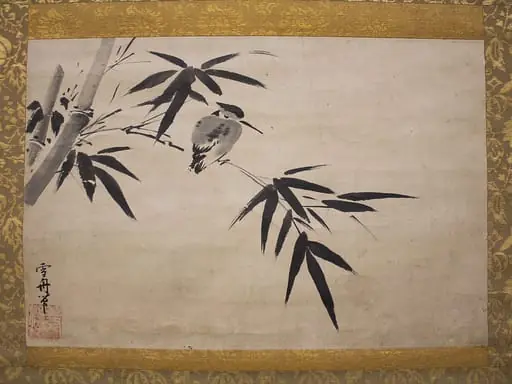 竹に翡翠図|Kingfisher and Bamboo
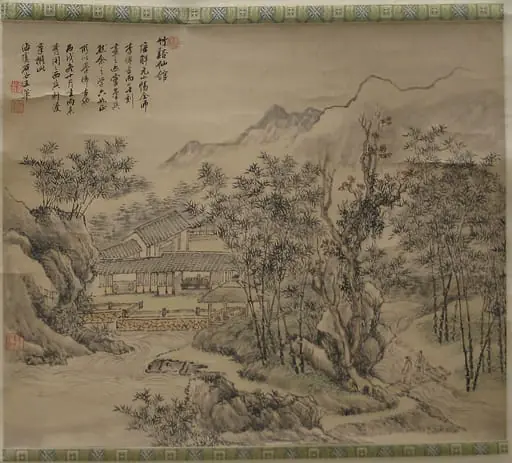 Untitled
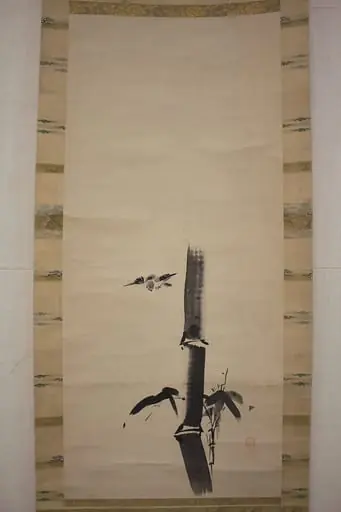 竹雀図 (Chikujaku zu)|Sparrow and Bamboo
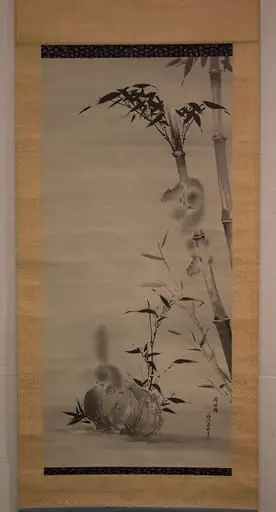 竹に栗鼠図|Squirrels on Bamboo and Rock
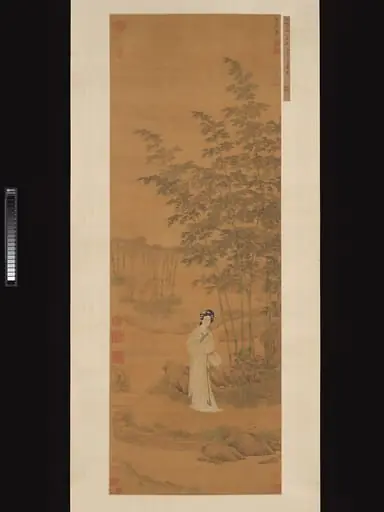 明 傳仇英 文玉圖 軸圖 軸|Lady in a Bamboo Grove
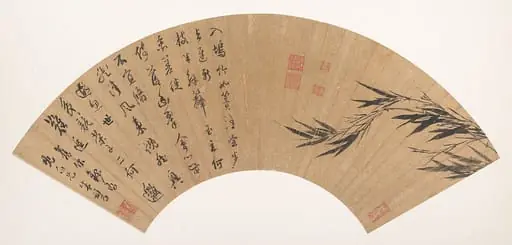 明 朱鷺 墨竹詩畫 摺扇|Bamboo and poem
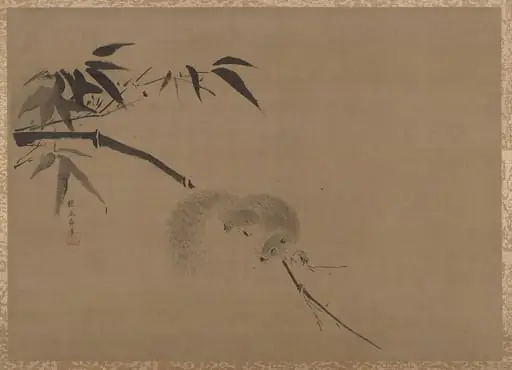 Untitled
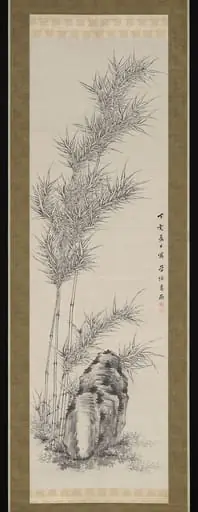 高橋草坪筆 墨竹図|Bamboo in Summer
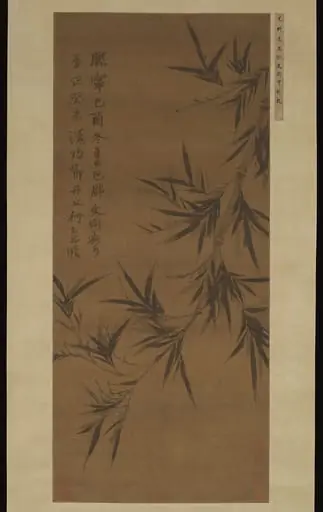 元 柯九思 臨文同墨竹圖 軸|Bamboo copied after Wen Tong
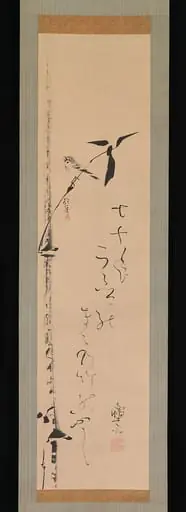 酒井抱一筆亀田鵬斎賛 竹雀図|Sparrow and Bamboo
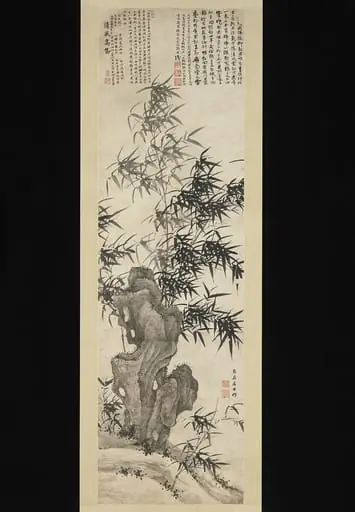 明 夏昶 清風高節圖 軸|Windblown bamboo
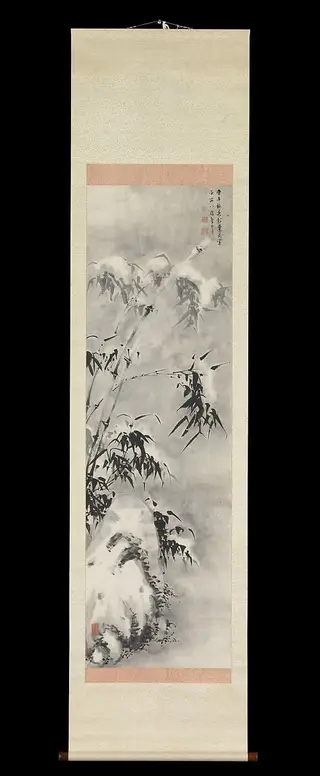 雪竹図|Bamboo and Rock in Snow
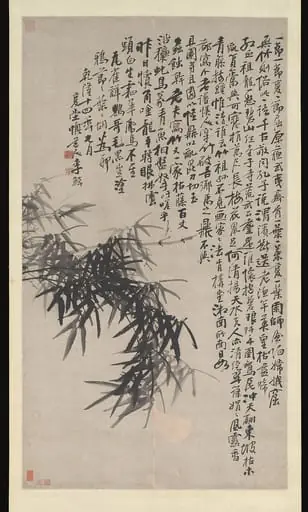 清 李鱓 墨竹圖 軸|Ink bamboo
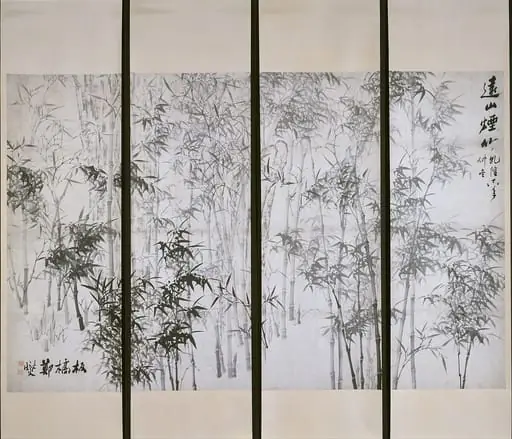 清 鄭燮 遠山煙竹圖 軸|Misty Bamboo on a Distant Mountain
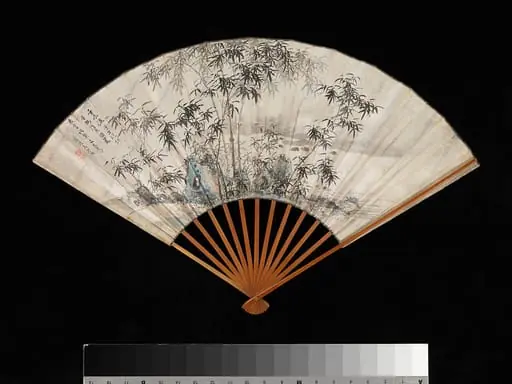 墨竹扇面図|Bamboo and Rocks by a Stream
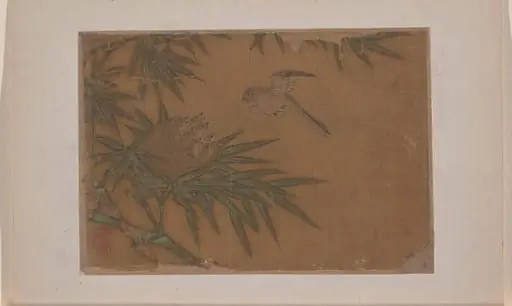 Untitled
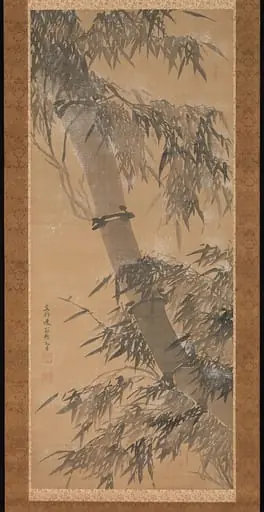 大鵬正鯤筆 伯珣照浩賛 雪竹図|Bamboo in Snow
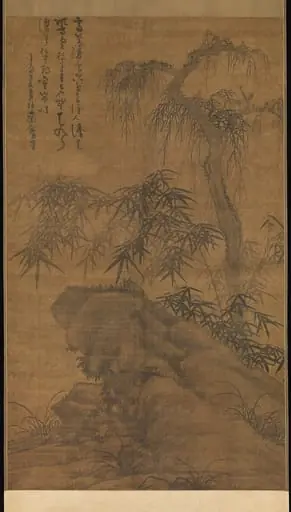 元 吳鎮 高節凌雲圖 軸|Bamboo, old tree, and rock
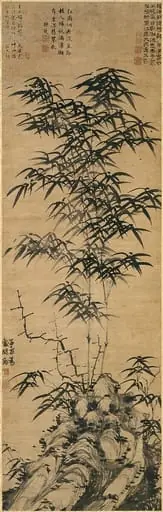 元 鄧宇 竹石圖 軸|Bamboo and rock
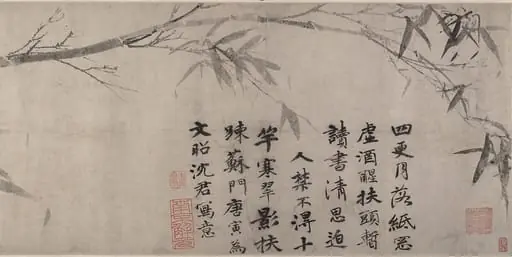 明 唐寅 墨竹圖 卷|Ink bamboo
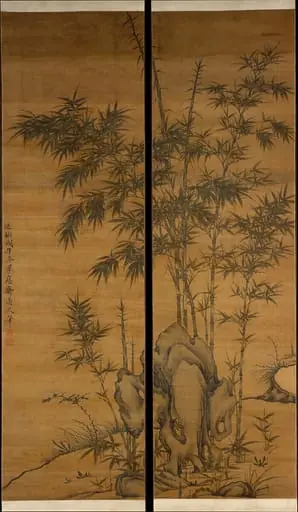 元 李衎 竹石圖 對軸|Bamboo and rocks
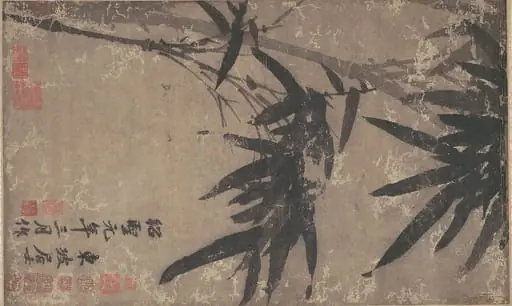 傳南宋 蘇軾 墨竹圖 卷|Bamboo
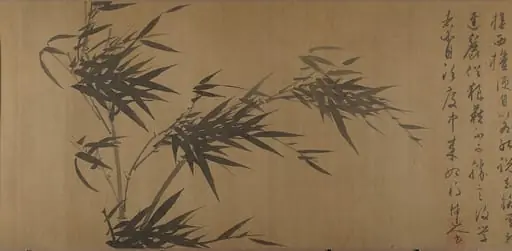 Untitled
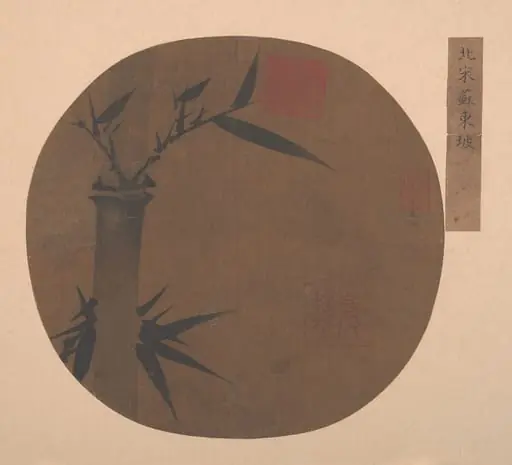 清 佚名 舊傳蘇軾 墨竹圖 扇|Bamboo
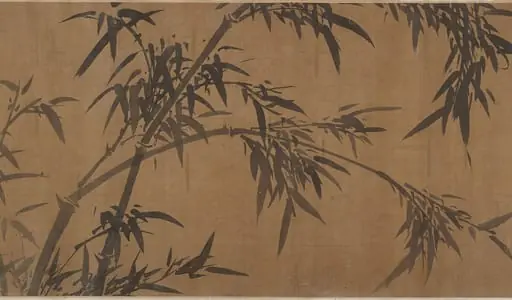 明 佚名 吳鎮(僞款) 枯木竹石圖 卷|Bamboos
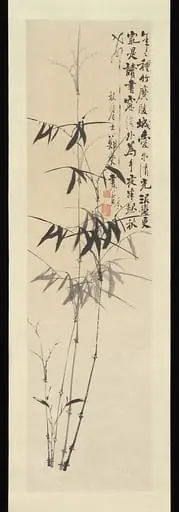 Untitled
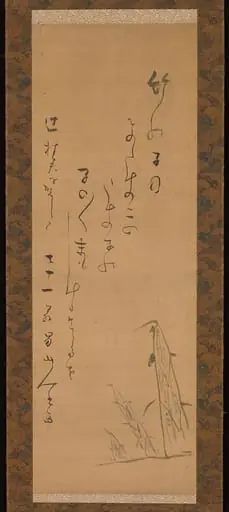 蜀山人(大田南畝)筆 筍図|Bamboo Shoots
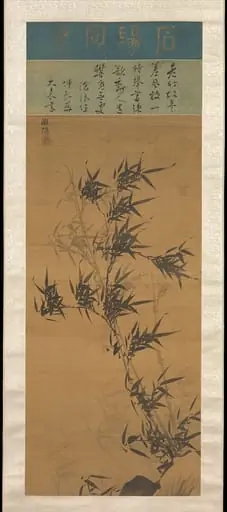 탄은 이정 대나무 조선|灘隱 李霆 墨竹圖 朝鮮|Bamboo in the Wind
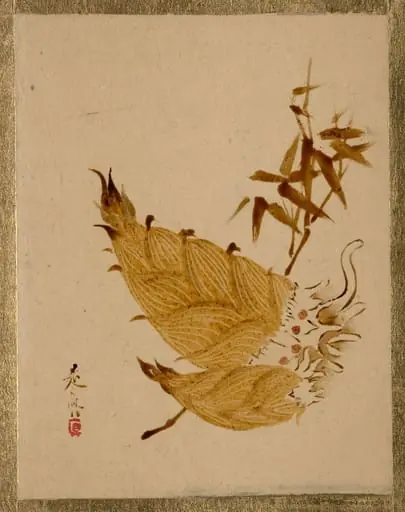 柴田是真筆筍図|Bamboo Shoots
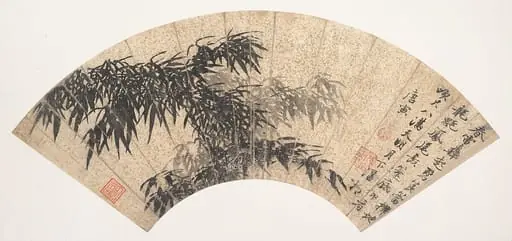 明 唐寅 春雷墨竹圖 摺扇|Bamboo in a spring thunderstorm
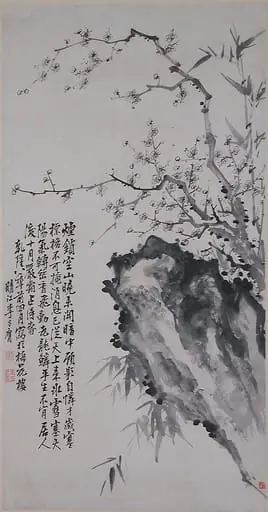 清 李方膺 梅竹石圖 軸|Bamboo, plum, and rock
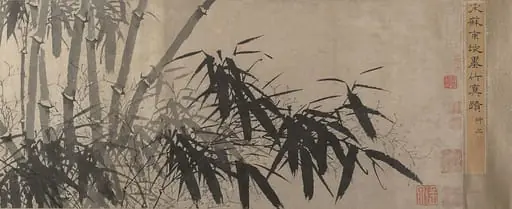 清 佚名 蘇軾(僞款) 墨竹圖 卷|Bamboo
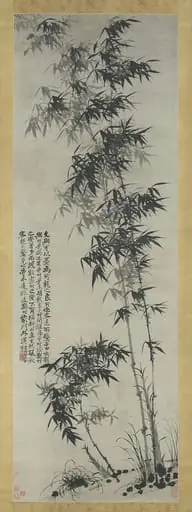 清 石濤 (朱若極) 風雨竹圖 軸|Bamboo in wind and rain
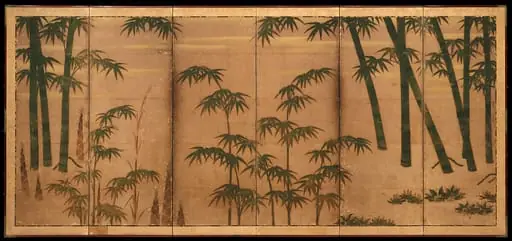 伝土佐光信筆 四季竹図屏風|Bamboo in the Four Seasons
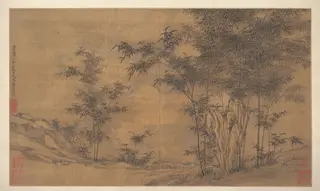 清 佚名 舊傳管道昇 竹石圖 冊頁|Bamboo
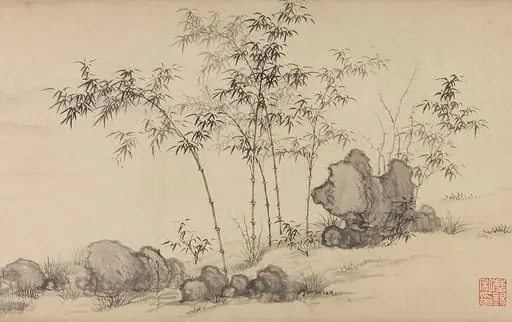 元/明 趙原 倣燕文貴范寬山水圖 元/明 沈巽竹石 合卷|Bamboo grove
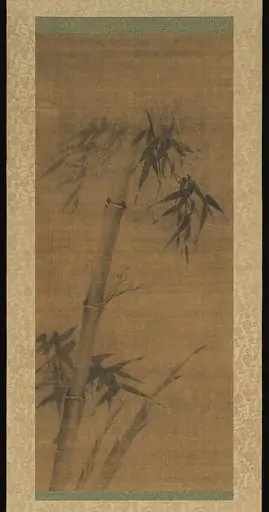 伝可翁筆 竹図|Bamboo
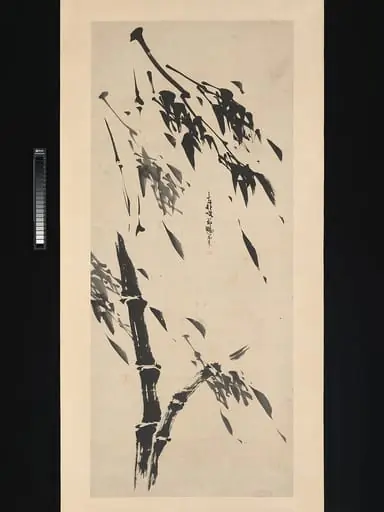 Untitled
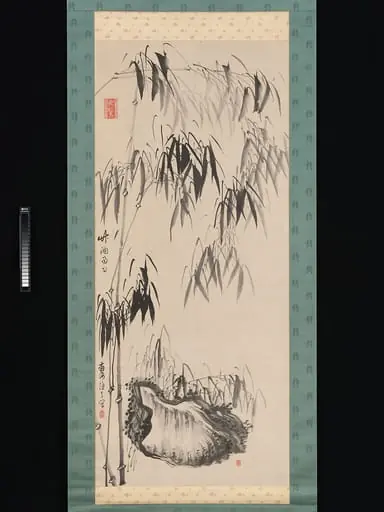 祇園南海筆 「竹窗雨日」図|Window onto Bamboo on a Rainy Day
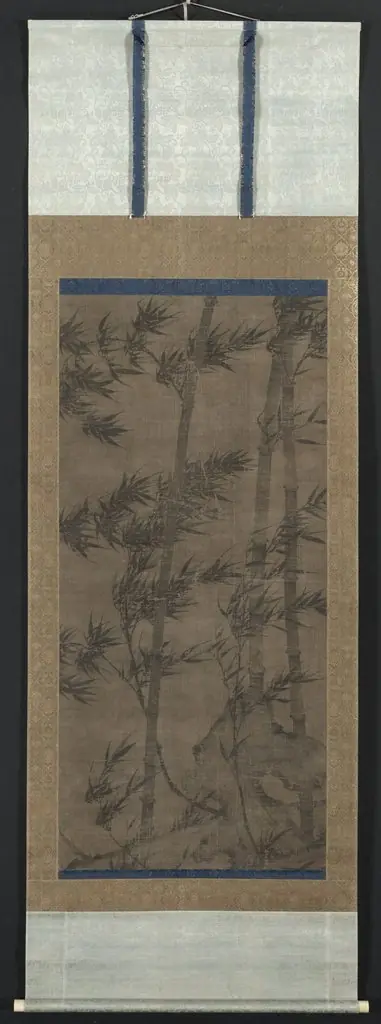 Bamboo in Four Seasons: Summer
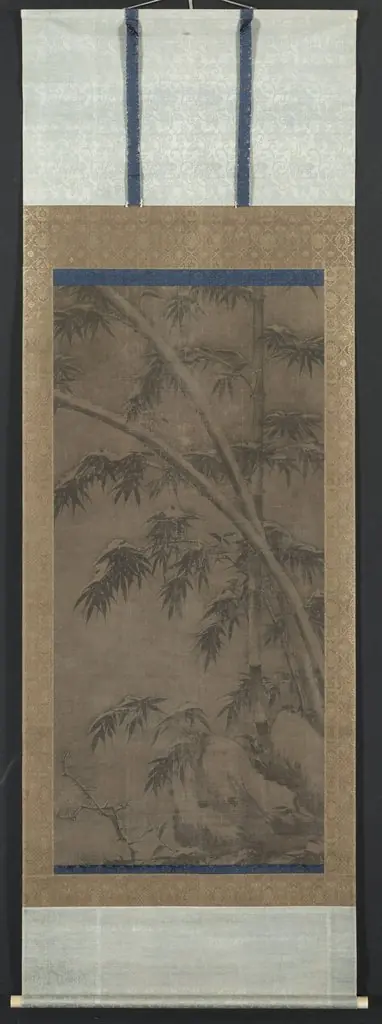 Bamboo in Four Seasons: Winter
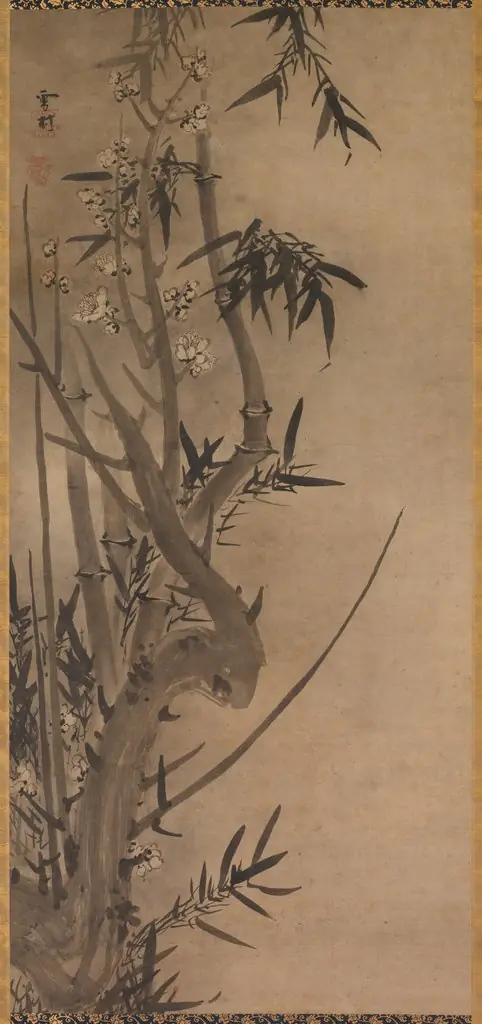 Bamboo and Plum
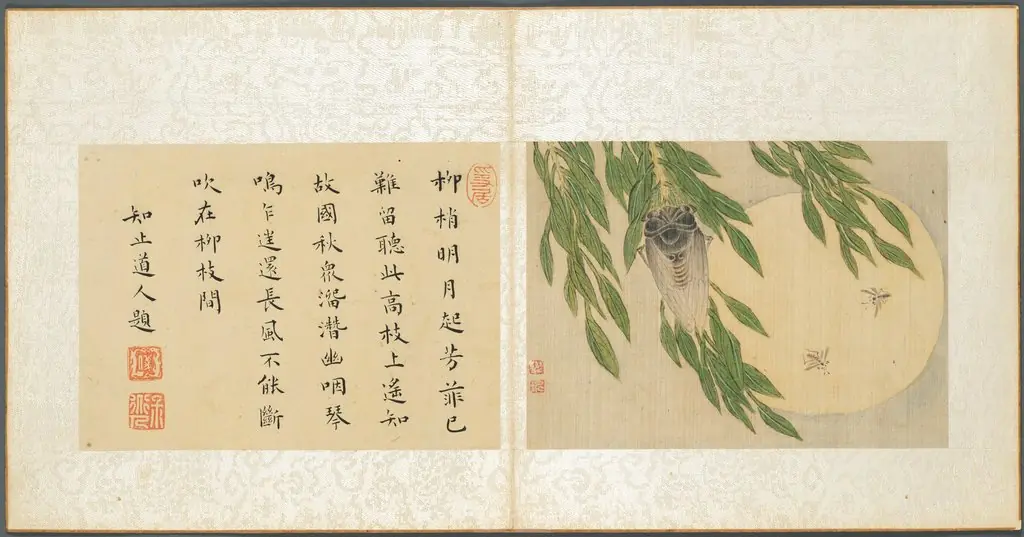 Album of Miscellaneous Subjects, Leaf 6
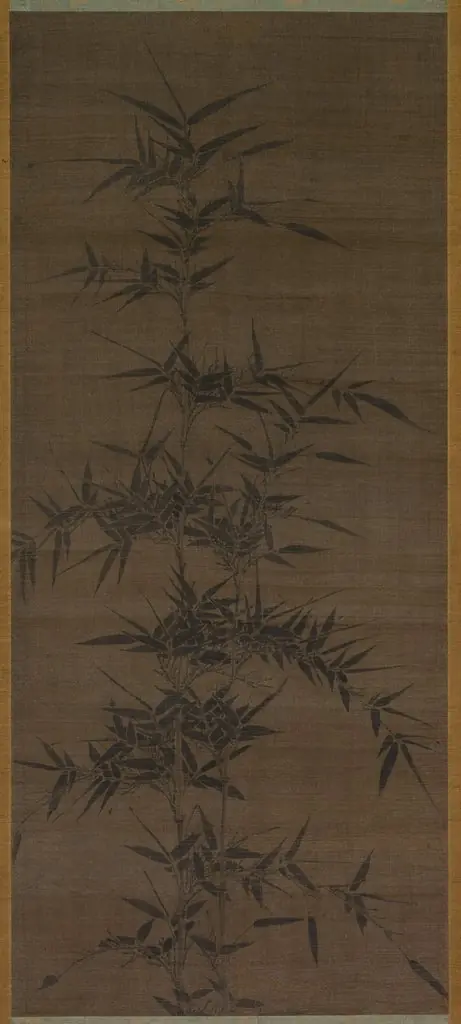 Ink Bamboo
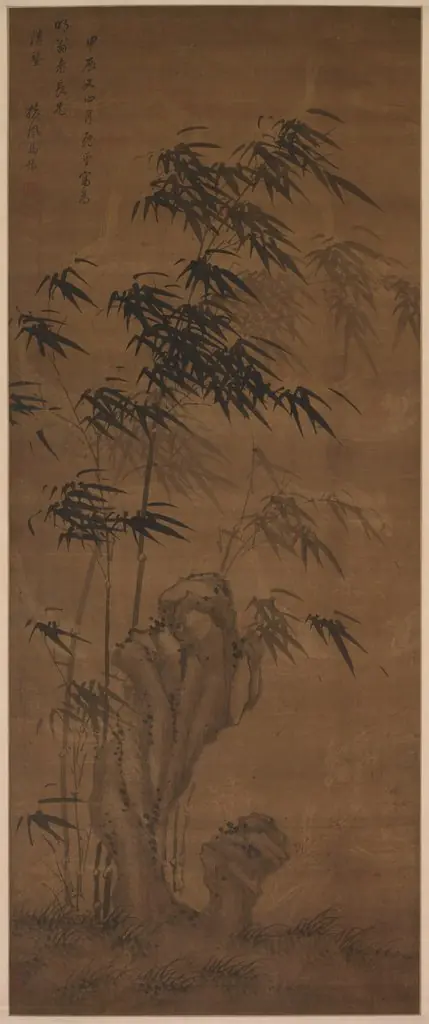 Bamboo in the Wind
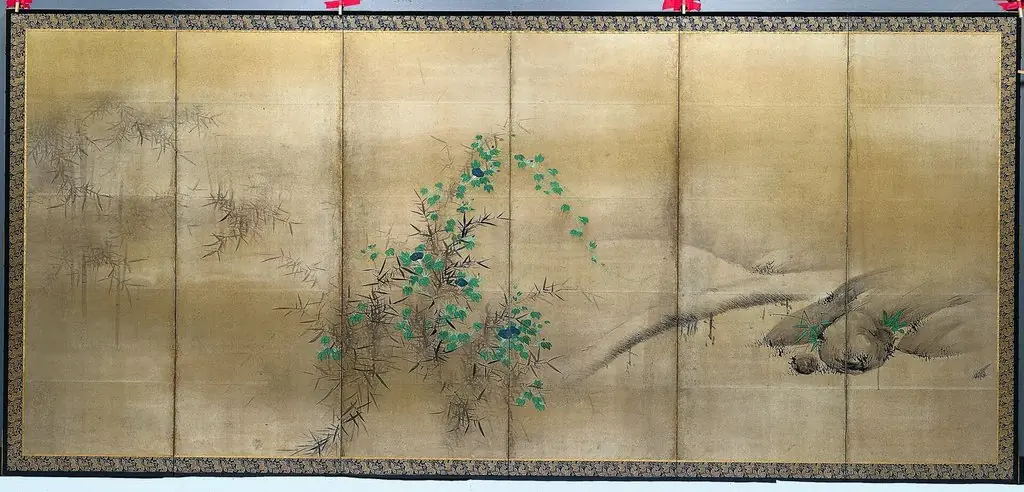 Winter and Summer Flowers
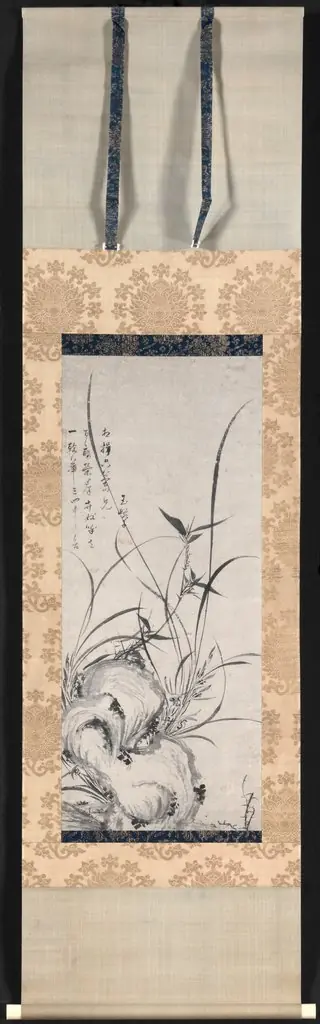 Rock, Bamboo, and Orchids
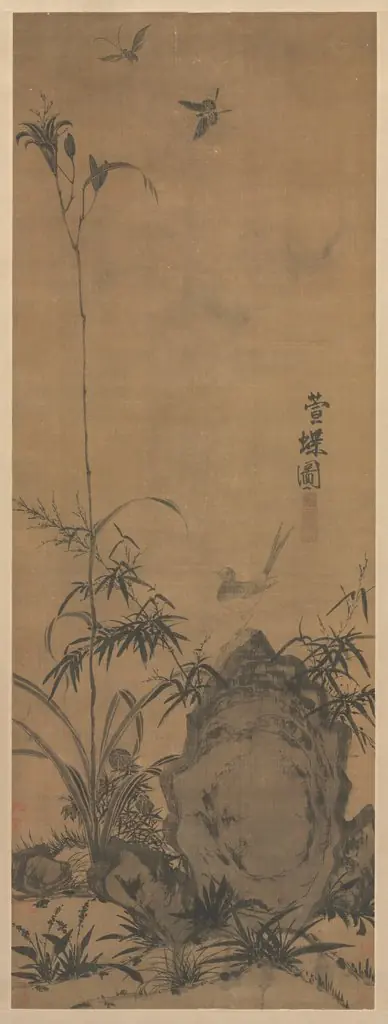 Lily and Butterflies
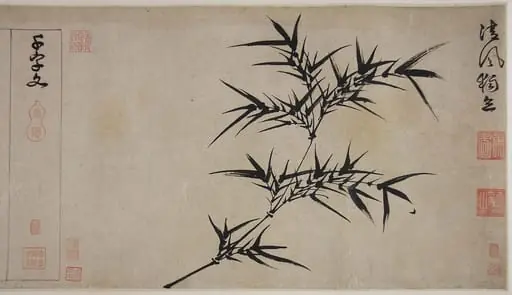 明 詹景鳳 草書千字文 卷|Thousand Character Classic
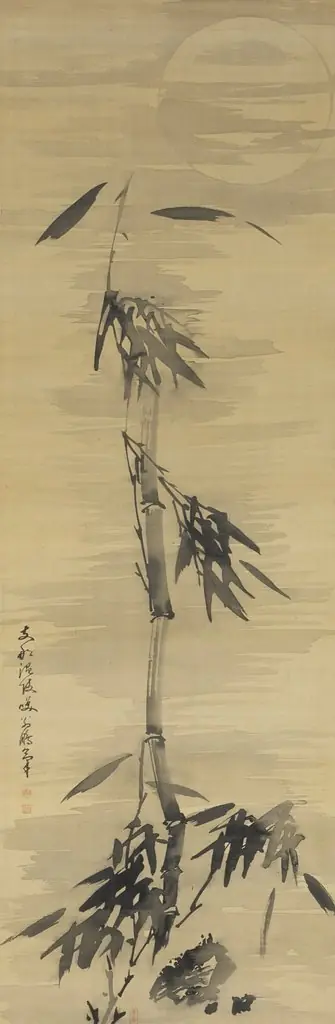 Bamboo in Moonlight
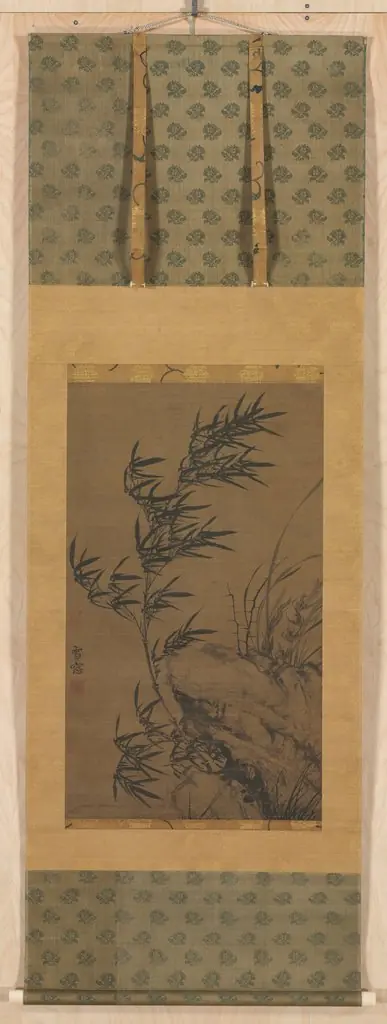 Bamboo in the Wind
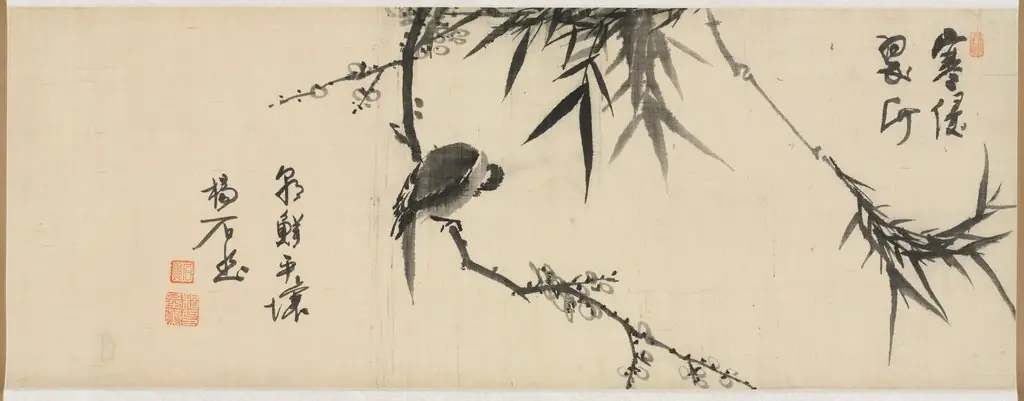 Bird Sleeping on a Plum Tree
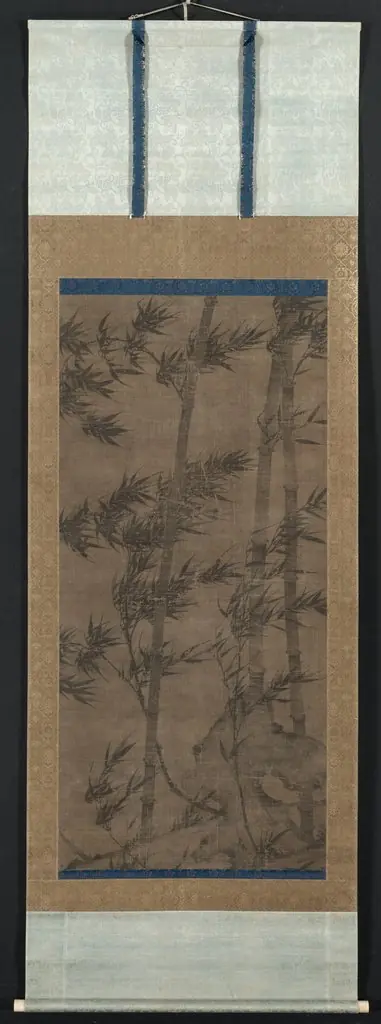 Bamboo in Four Seasons: Summer and Winter
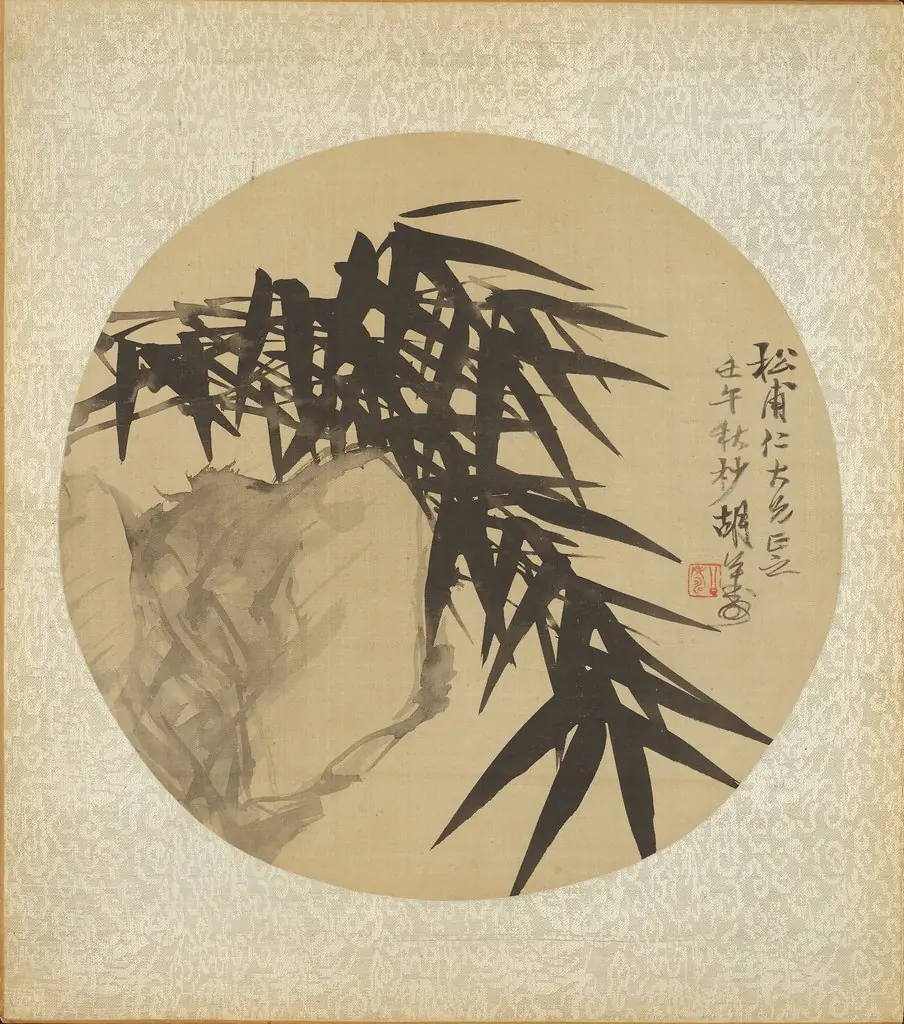 One of Sixteen Album Leaves
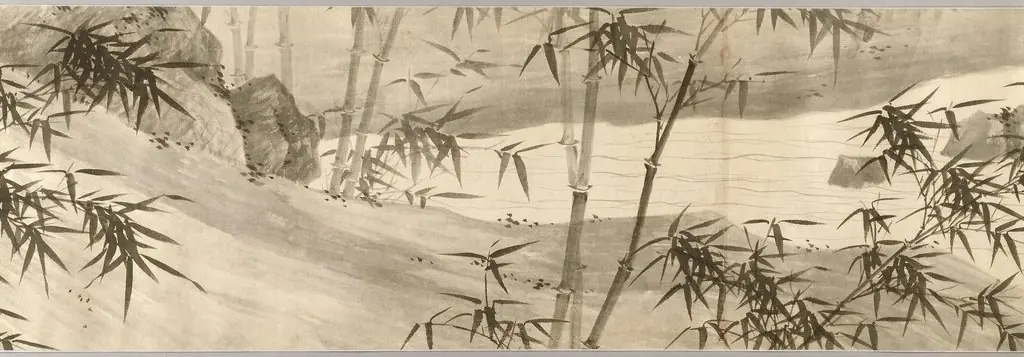 Bamboo-Covered Stream in Spring Rain
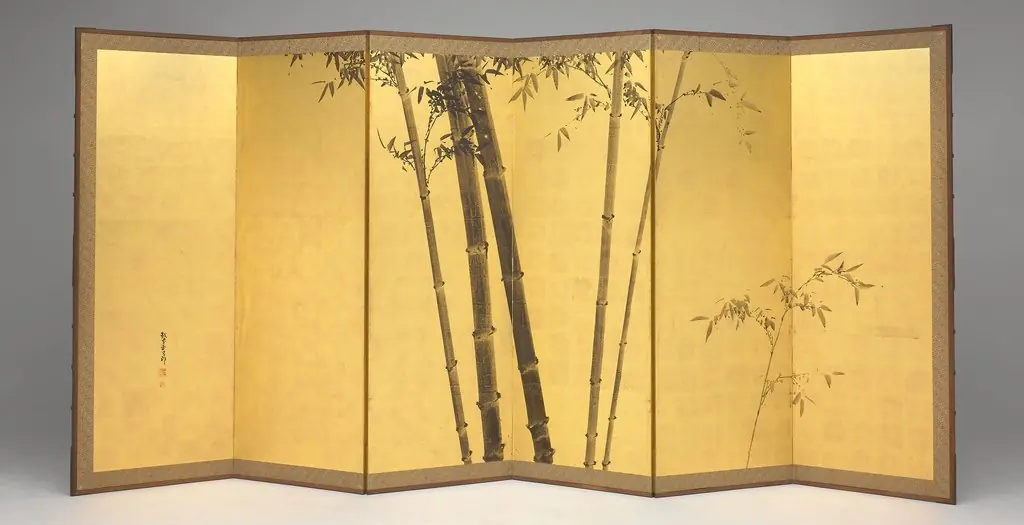 Bamboo
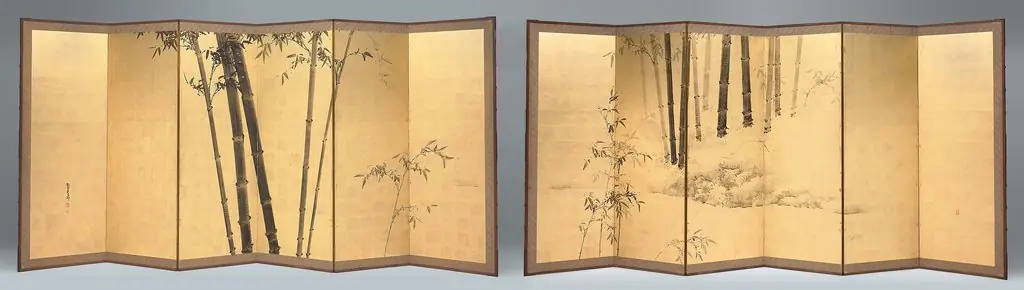 Bamboo
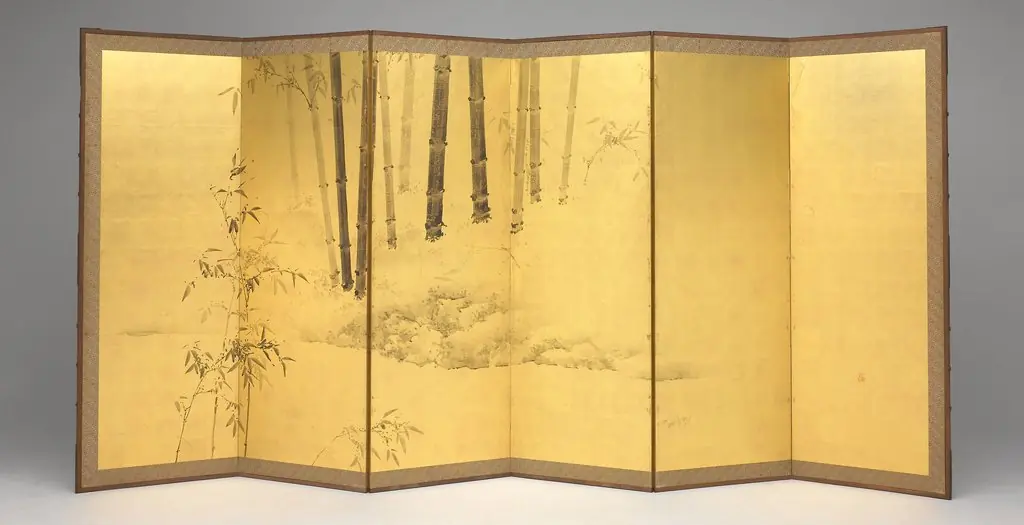 Bamboo
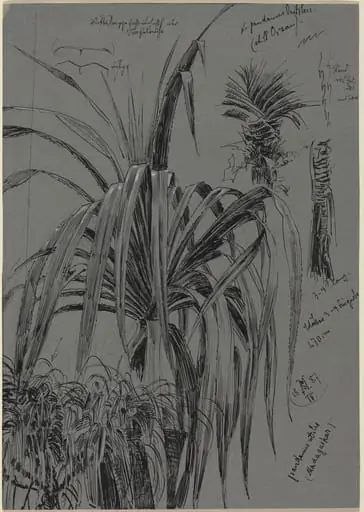 Studies of Screwpines from Madagascar
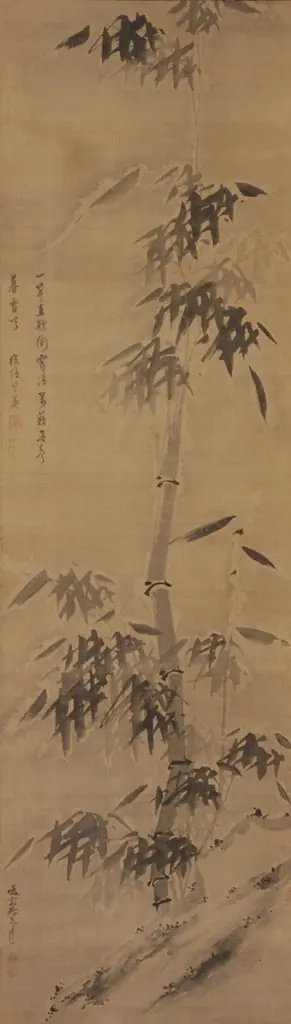 Bamboo in Snow
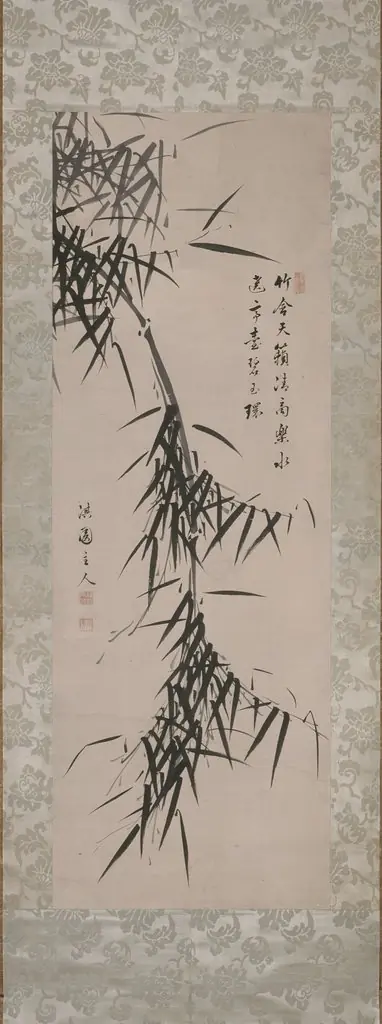 Bamboo
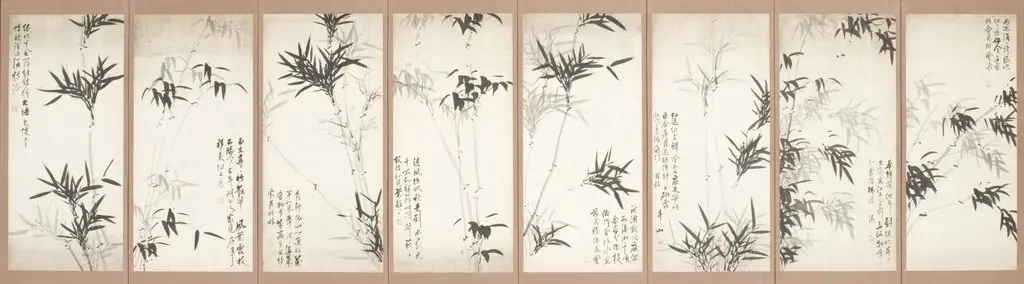 Bamboo
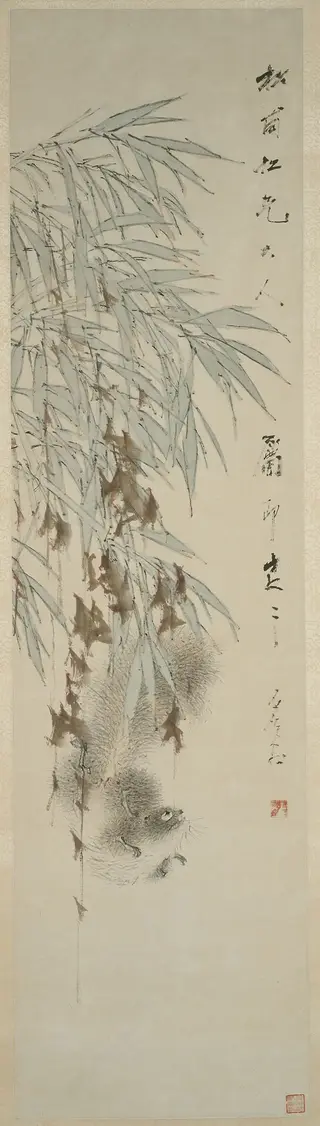 Joy of Life
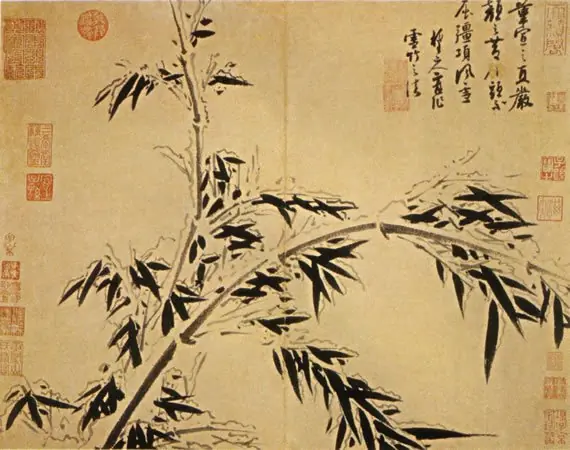 Playfully Rendered in Snow
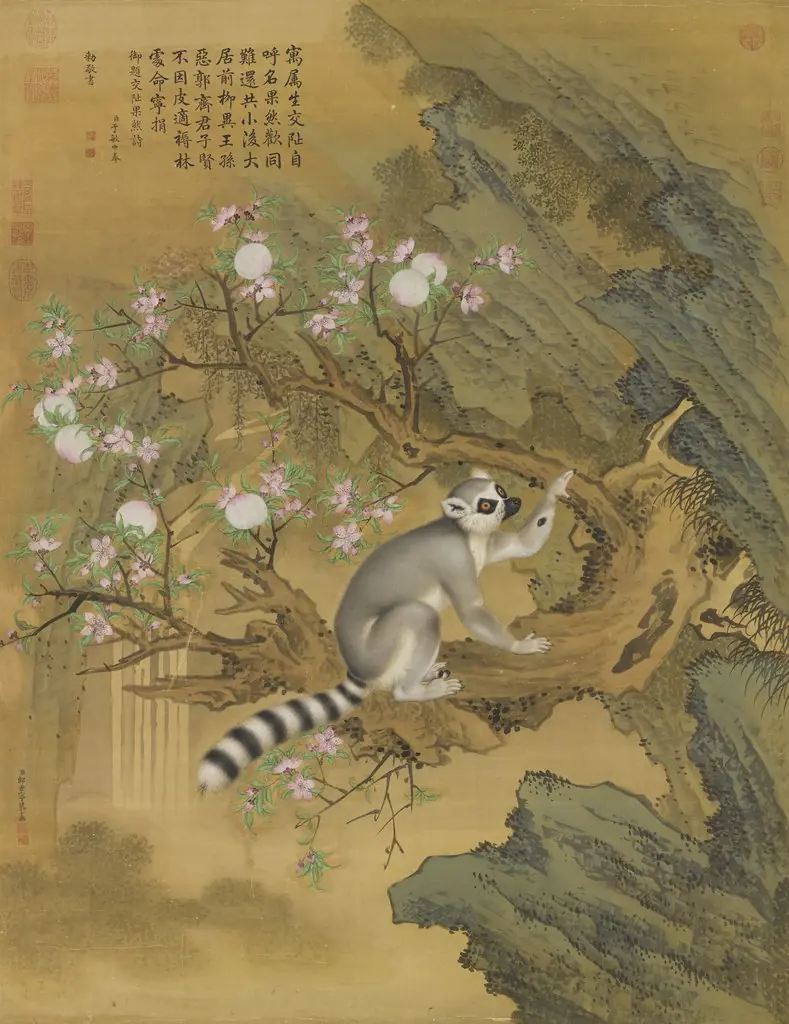 Lemur from Cochin
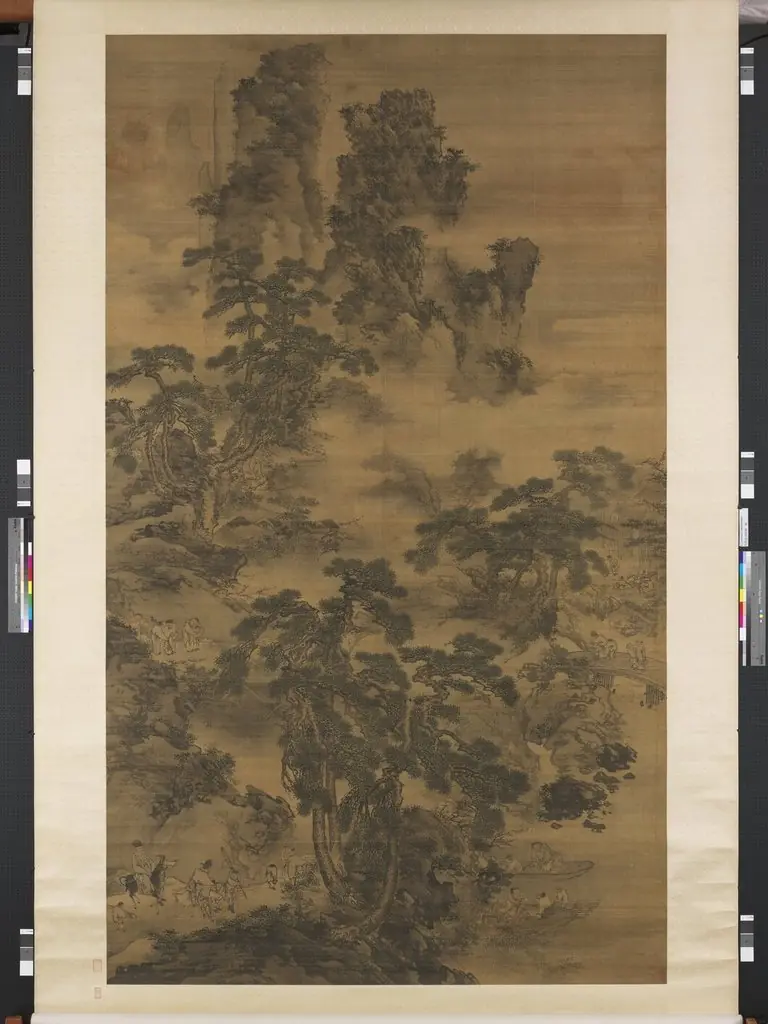 明戴進春酣圖 軸
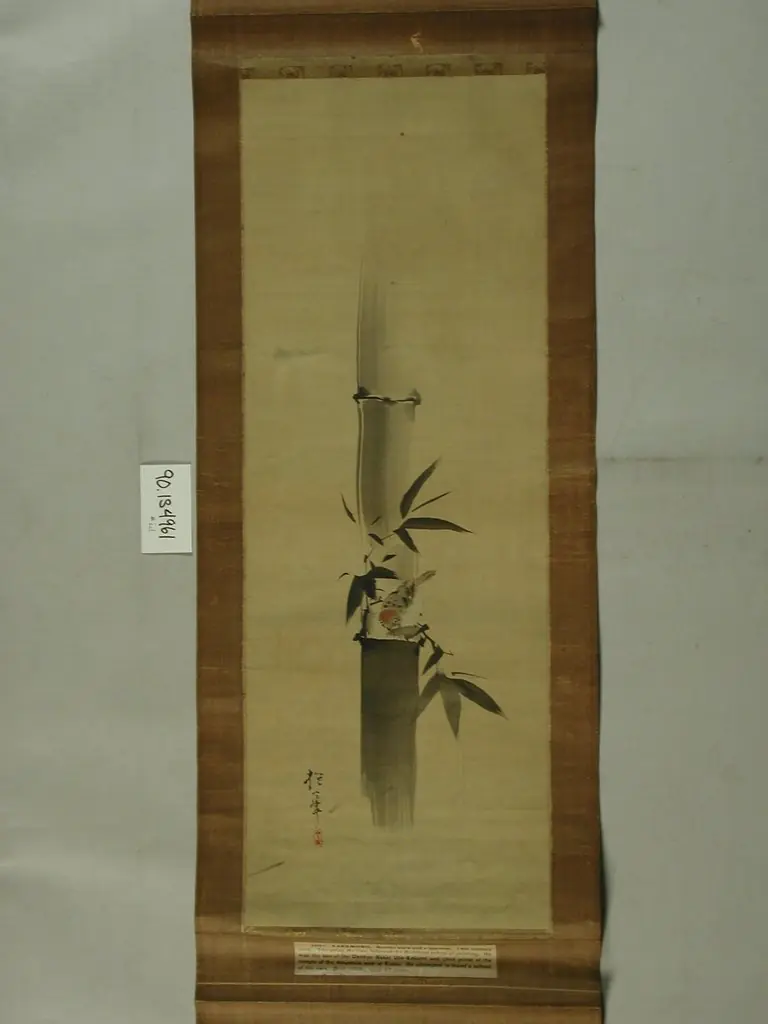 Taki-ni-suzume
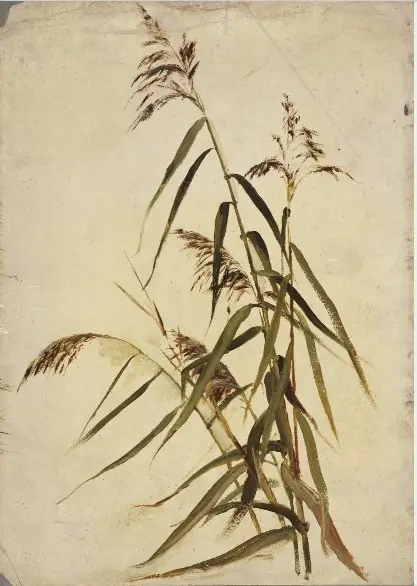 A Grass Plant
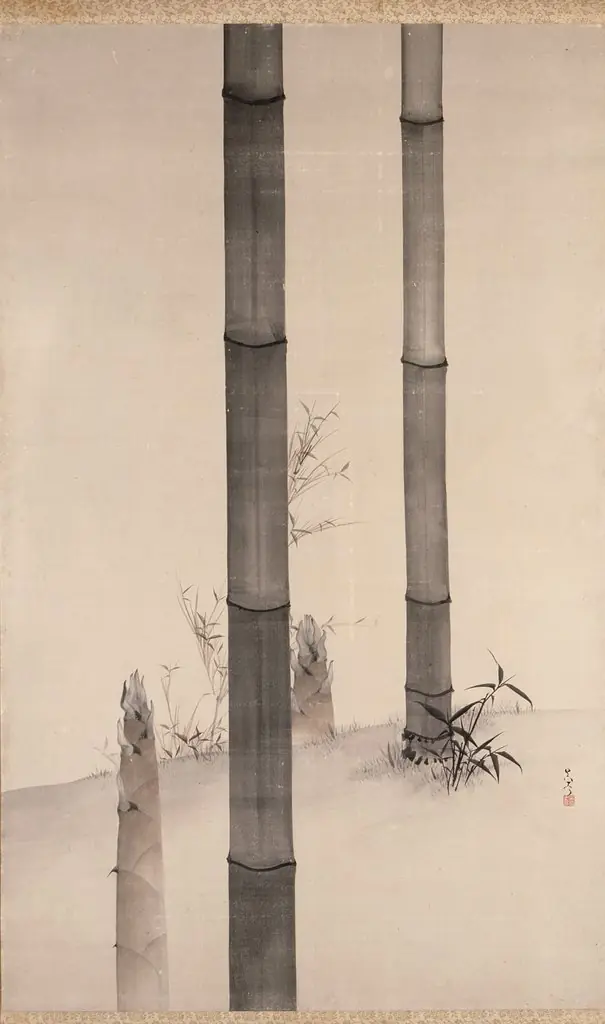 Bamboo
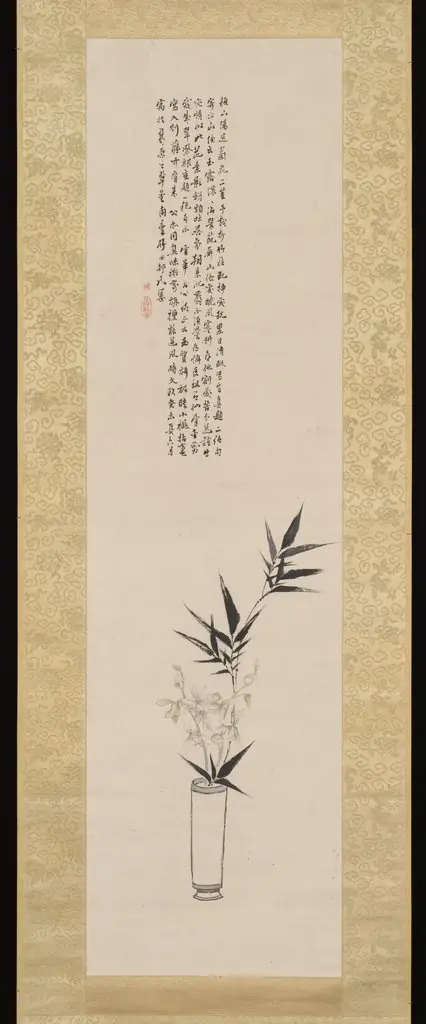 Orchid and Bamboo in a Vase 蘭竹同瓶図 (Ranchiku dōbin zu)
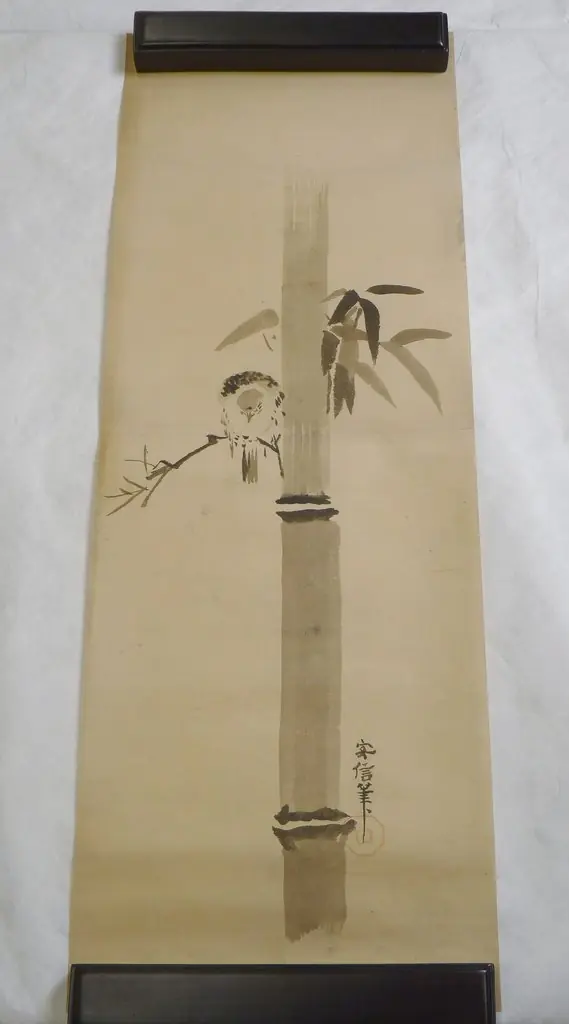 Japanese Drawing
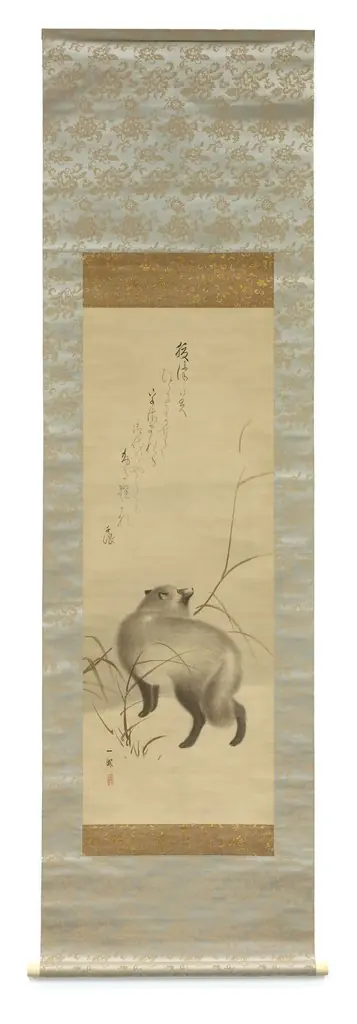 Tanuki in the Snow with First Bamboo Shoots of Spring
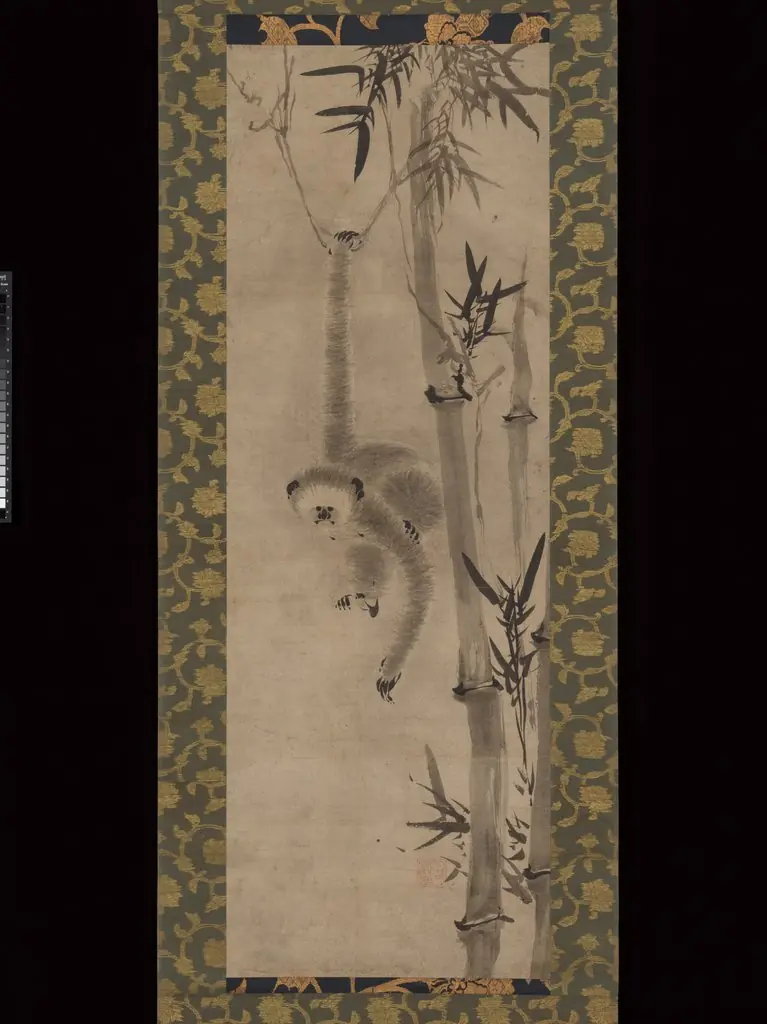 Gibbon and Bamboo
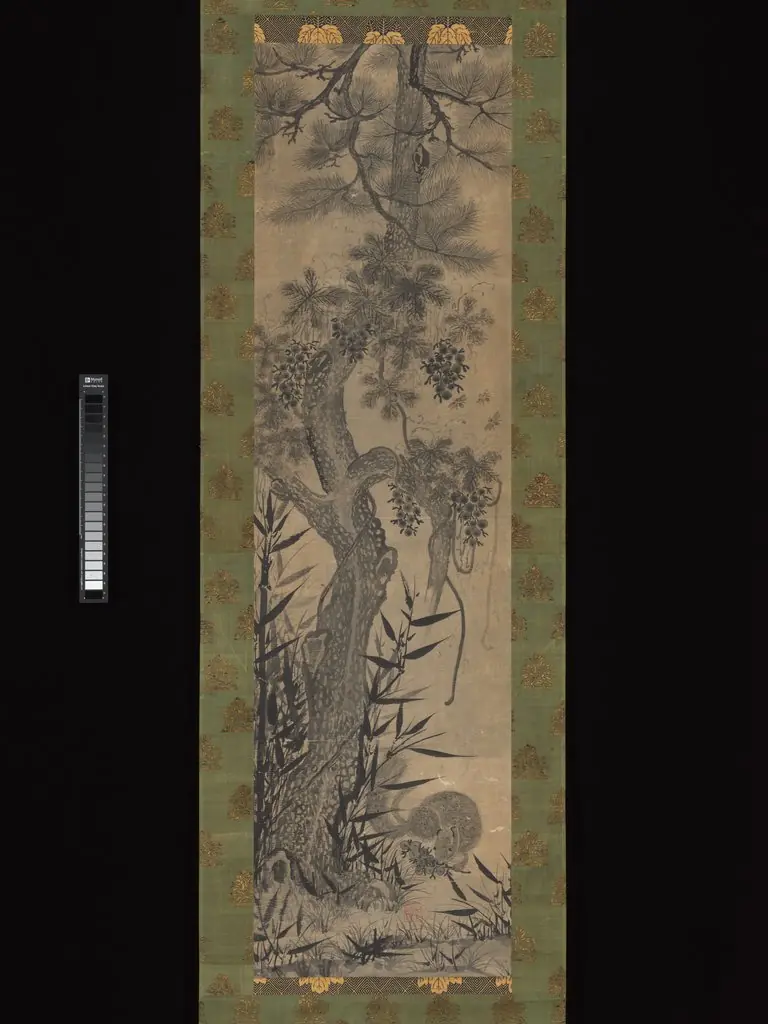 Pine, Bamboo, Grape, and Squirrel
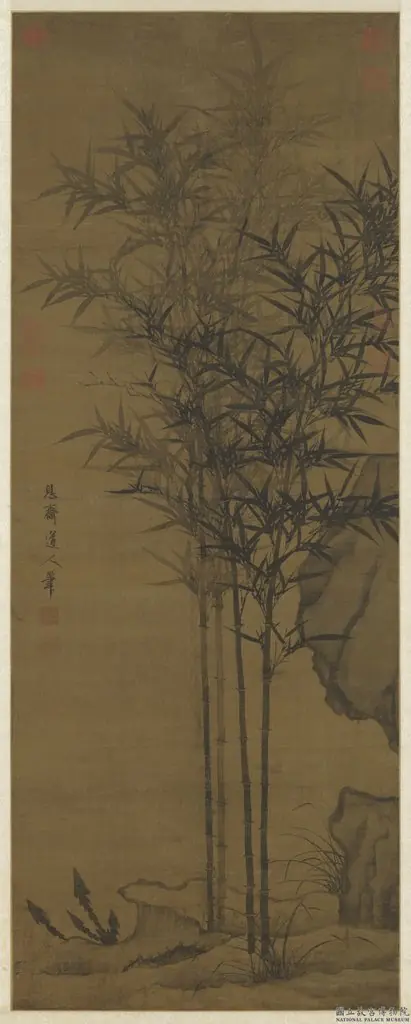 元李衎四季平安圖 軸
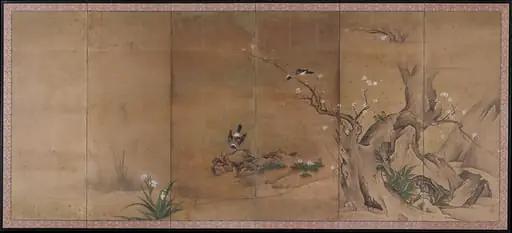 狩野山卜筆四季花鳥図屏風|Birds and Flowers of the Four Seasons
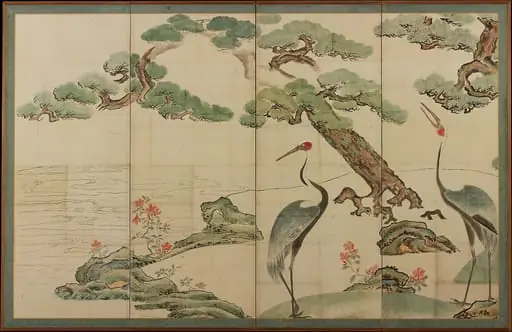 尾形光琳筆 松竹に鶴図屏風|Cranes, Pines, and Bamboo
 Eventail plié
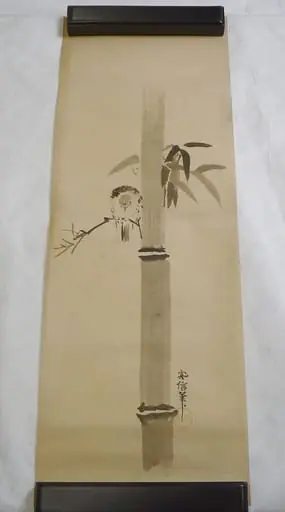 Untitled
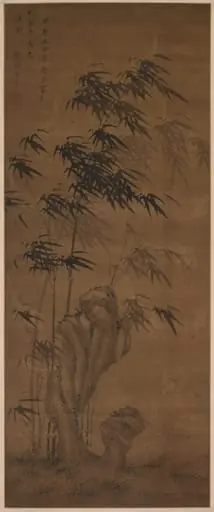 Bamboo in the Wind
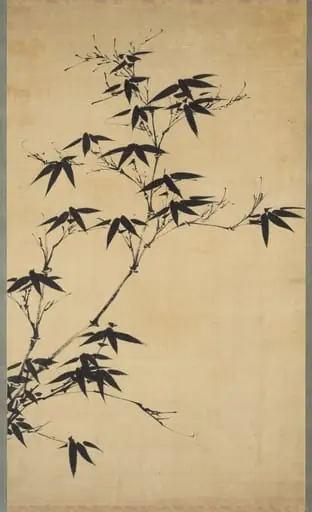 Bamboo
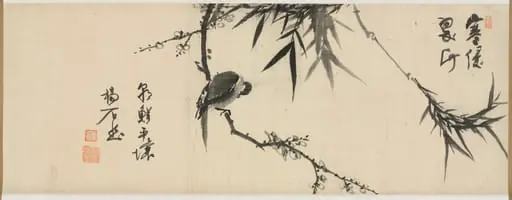 Bird Sleeping on a Plum Tree
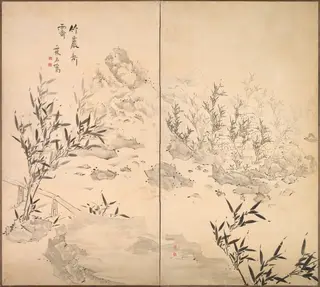 Bamboo and Rocks in Clearing Skies
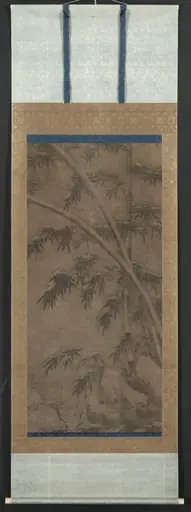 Bamboo in Four Seasons: Winter
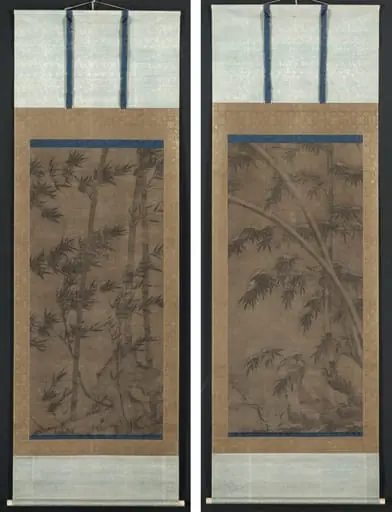 Bamboo in Four Seasons: Summer and Winter
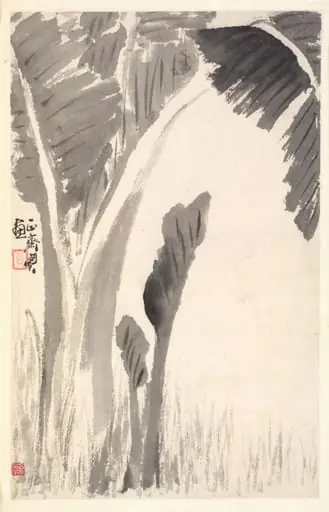 Banana Plants
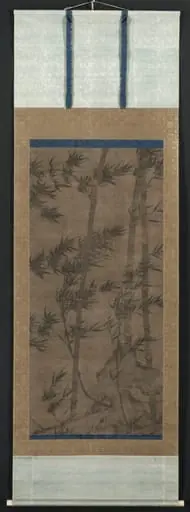 Bamboo in Four Seasons: Summer
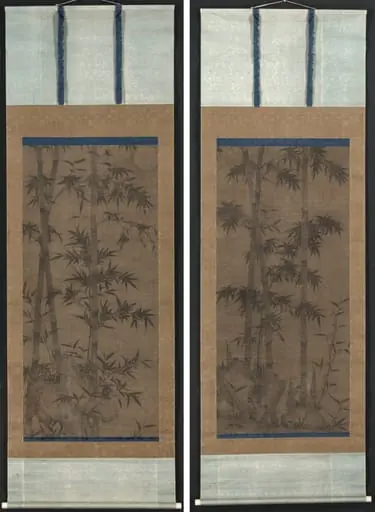 Bamboo in Four Seasons: Spring and Autumn
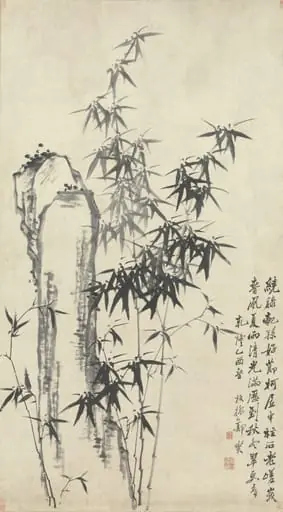 Bamboo and Rock
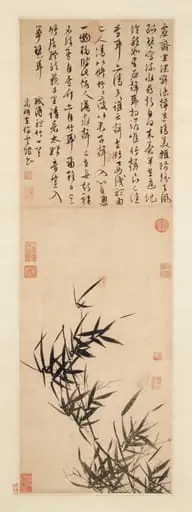 Listening to the Bamboo
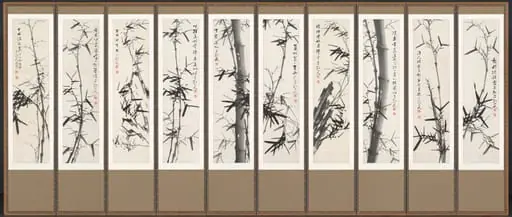 Bamboos in Wind
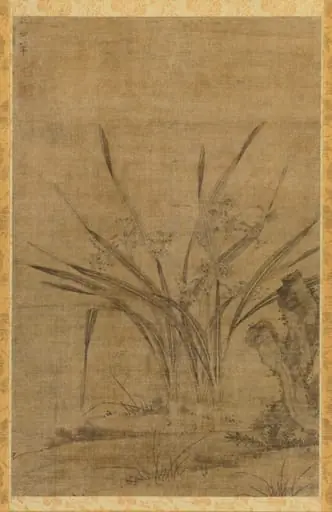 Narcissus and Rocks
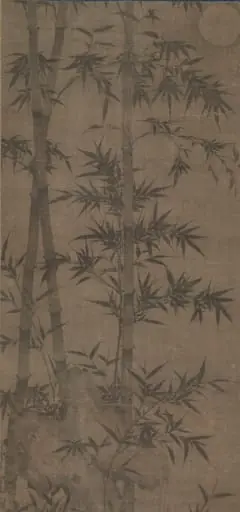 Bamboo in Four Seasons: Spring
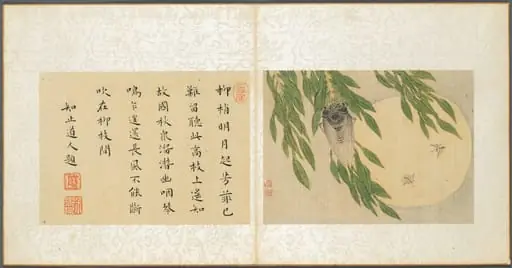 Album of Miscellaneous Subjects, Leaf 6
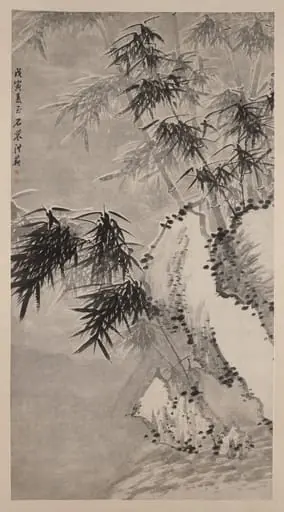 Bamboo in Snow
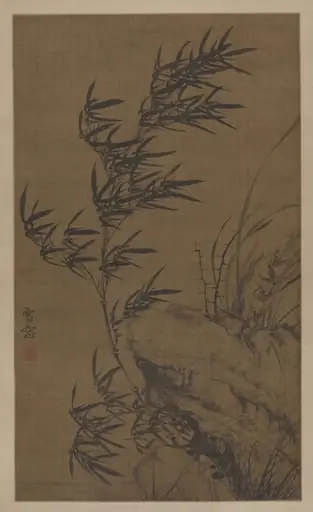 Bamboo in the Wind
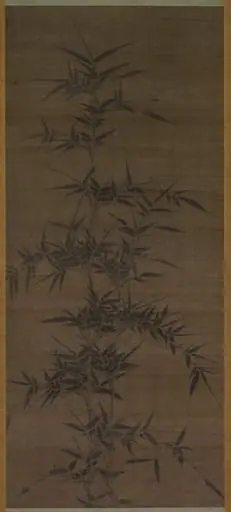 Ink Bamboo
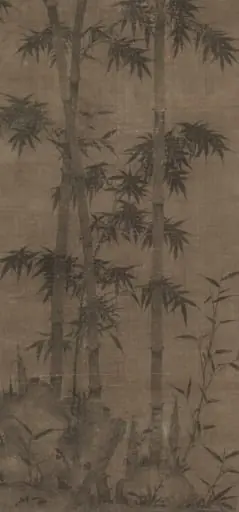 Bamboo in Four Seasons: Autumn
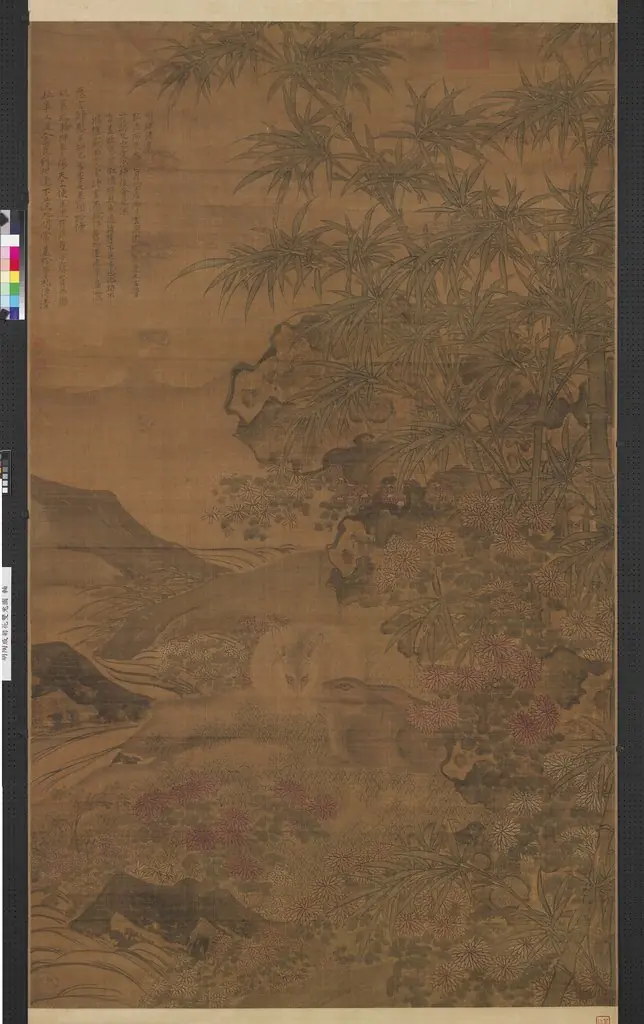 Two Rabbits under Chrysanthemums
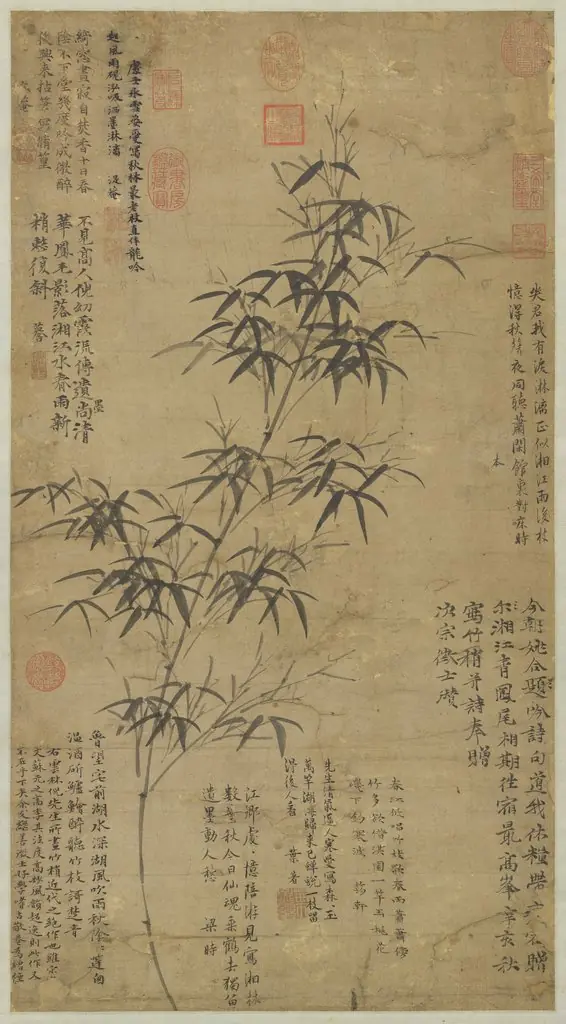 New Bamboo in the Spring Rain
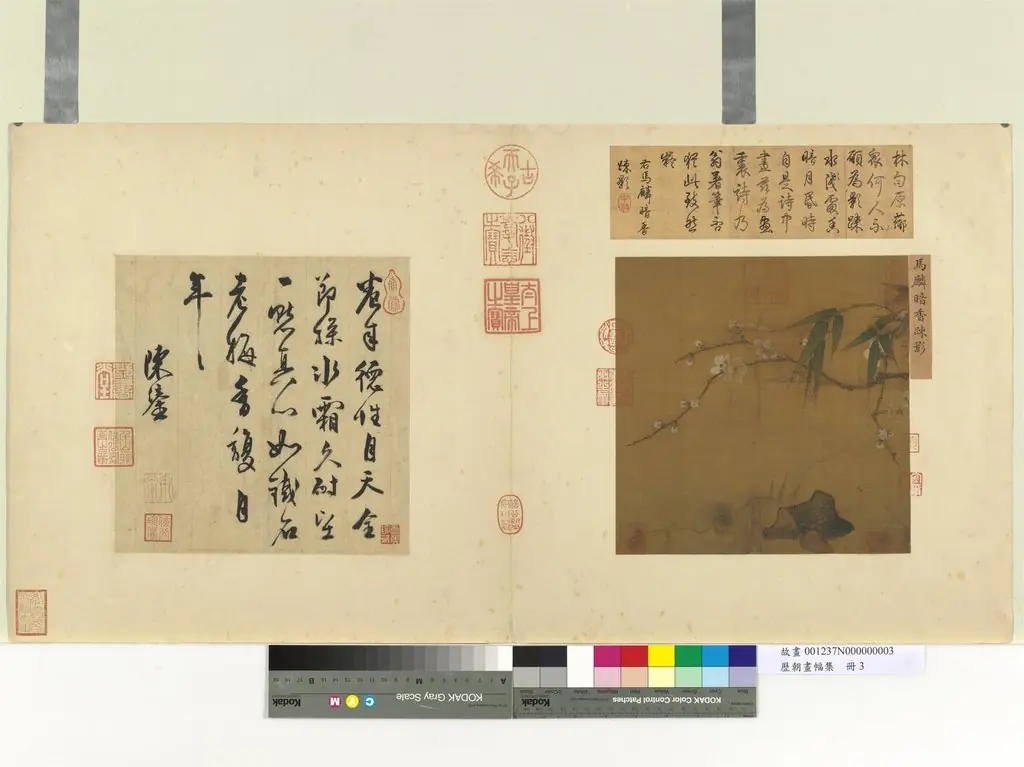 宋馬麟暗香疏影
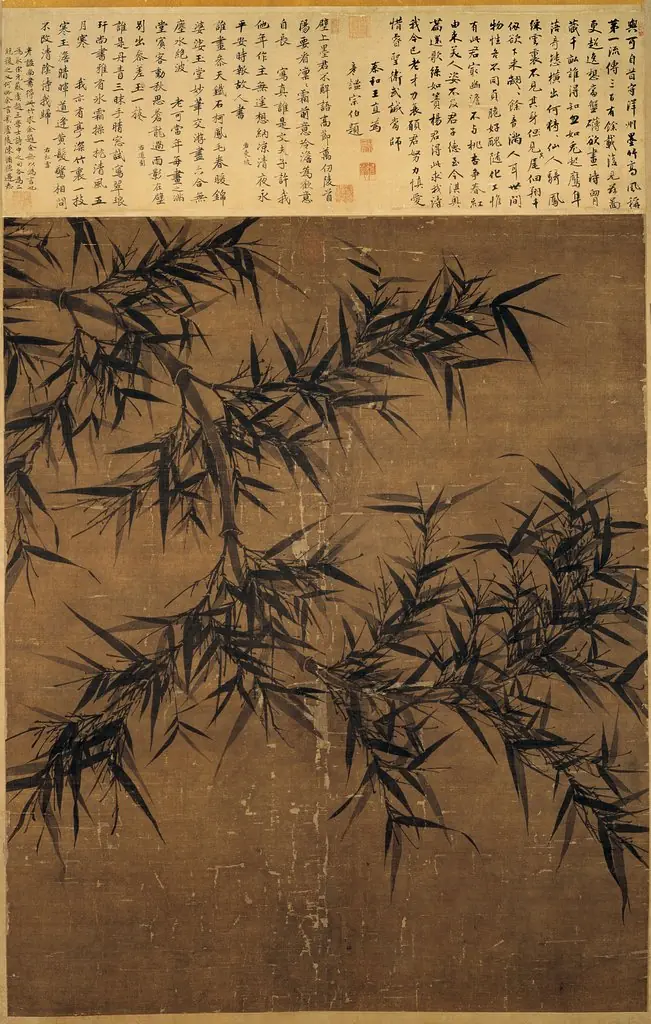 Bamboo in Monochrome Ink
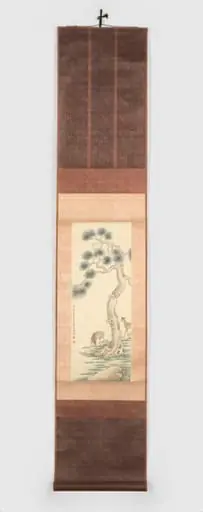 Deer Under the Cypress
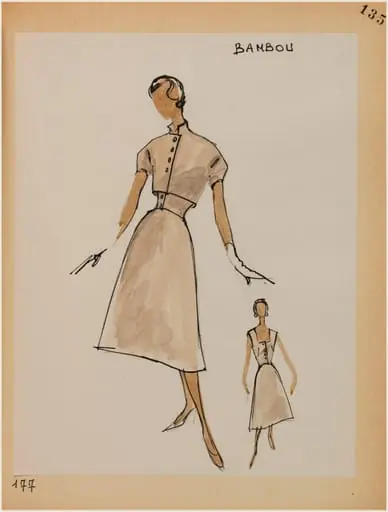 Bambou
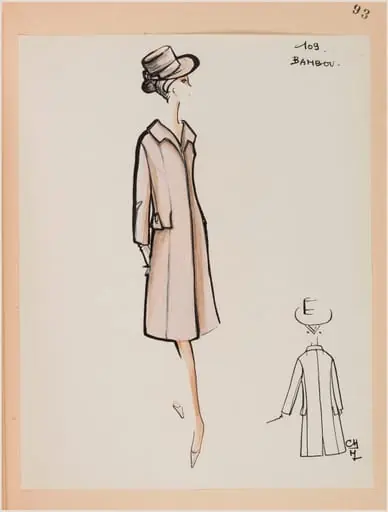 Bambou
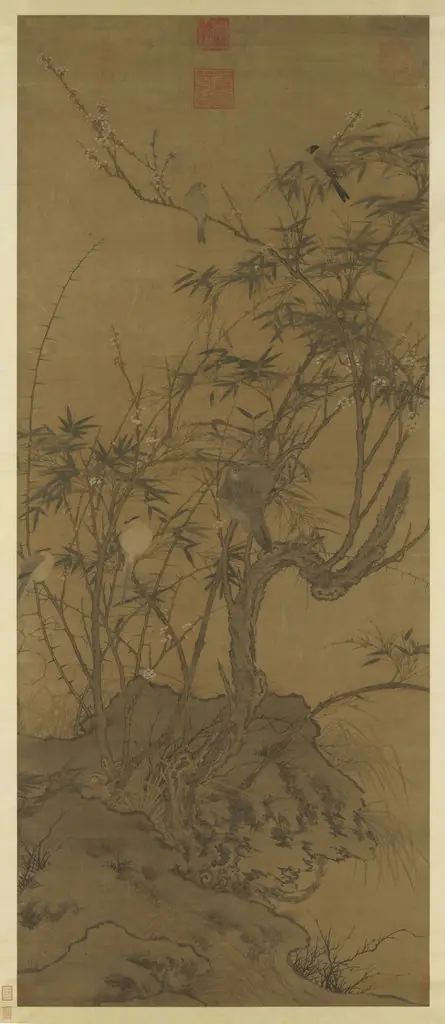 Plum Tree, Bamboo, and a Gathering of Birds
 Eaux Fortes de Ruysdael
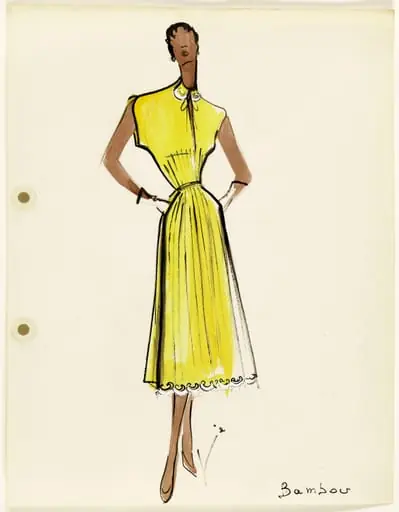 'Bambou'
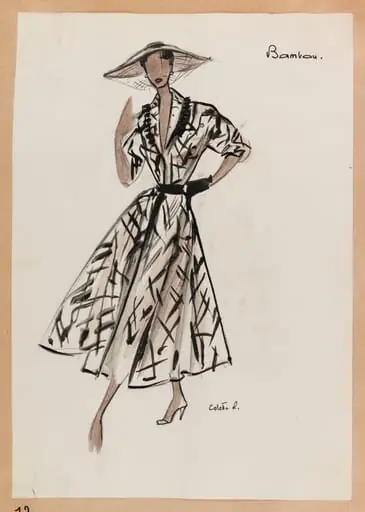 Bambou
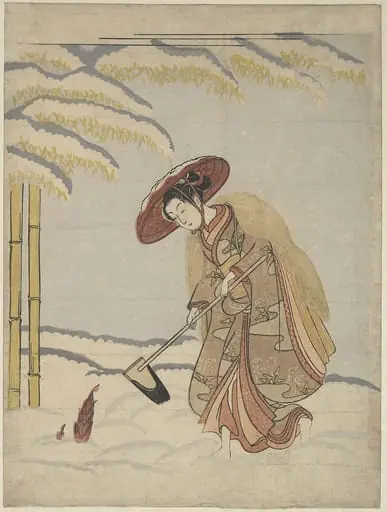 鈴木春信画 雪中に筍を掘る女 見立孟宗|Woman Digging Bamboo Shoots in the Snow, or Parody of Meng Zong (Mōsō), from Twenty-Four Paragons of Filial Piety
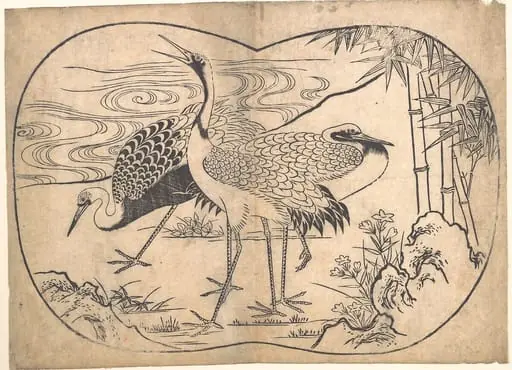 Untitled
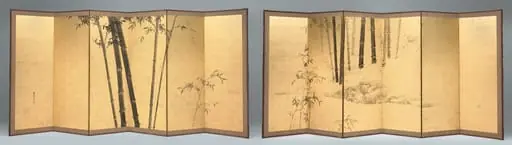 Bamboo
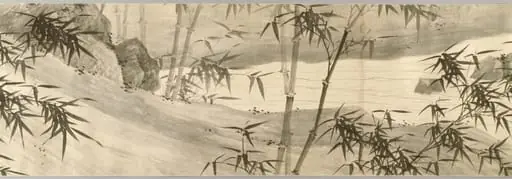 Bamboo-Covered Stream in Spring Rain
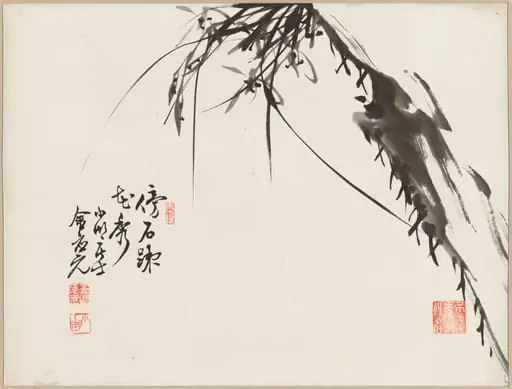 Orchids
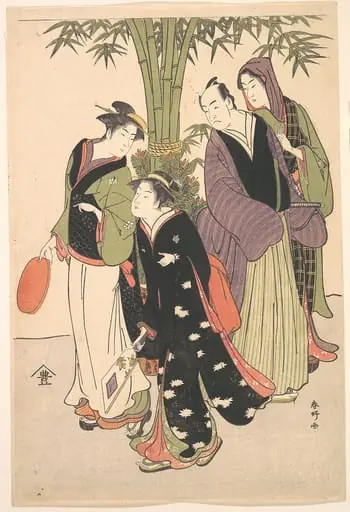 勝川春好画 三代目瀬川菊之丞・二代目市川門之助|Kabuki Actors Segawa Kikunojō III and Ichikawa Monnosuke II and Two Courtesans Celebrating the New Year
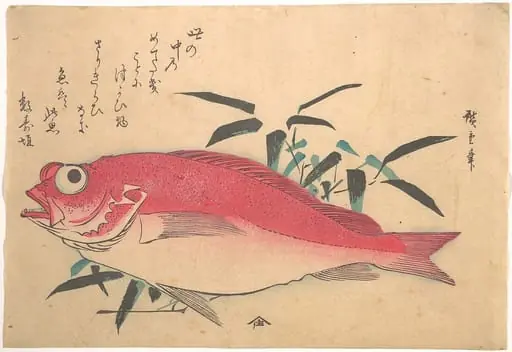 魚づくし|Medetai Fush and Sasaki Bamboo, from the series Uozukushi (Every Variety of Fish)
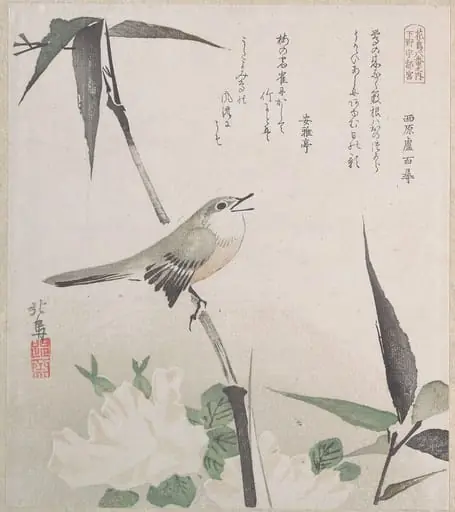 Untitled
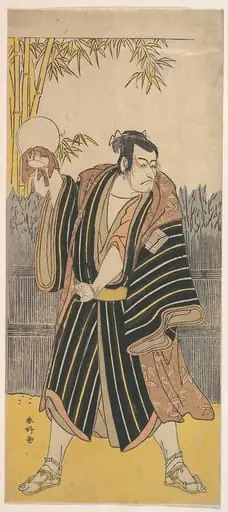 勝川春好画 七代目片岡仁左衛門 五代目市川團十郎|Kabuki Actor Ichikawa Danjūrō V
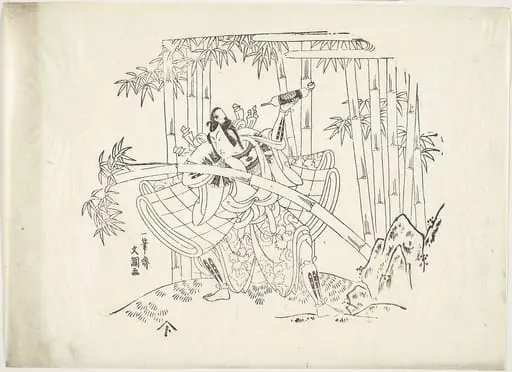 Untitled
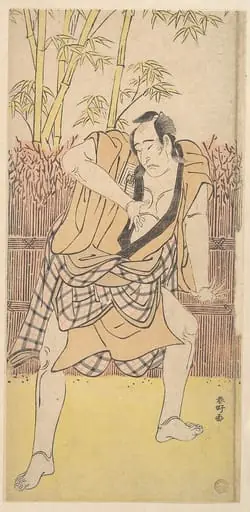 Untitled
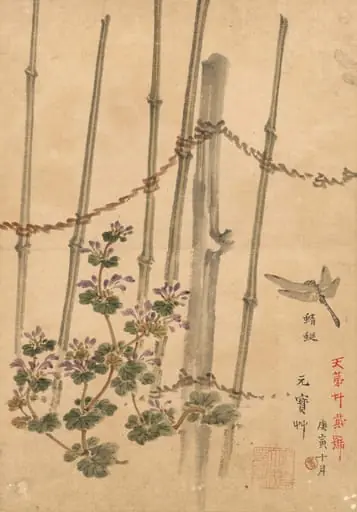 Bamboo Fence and Chrysanthemums
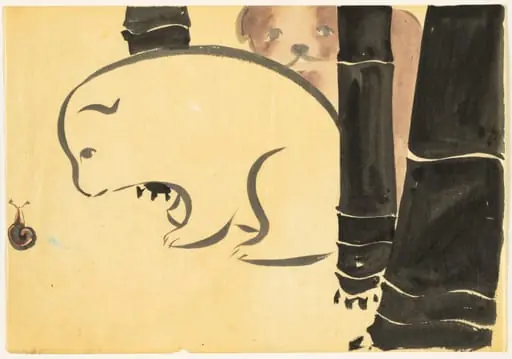 Flowers of a Hundred Worlds (Momoyogusa): Puppies (Enokoro)
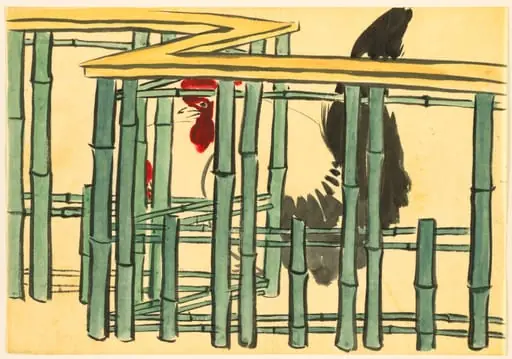 Flowers of a Hundred Worlds (Momoyogusa): Rooster (Chabo)
 Grafu
Grafu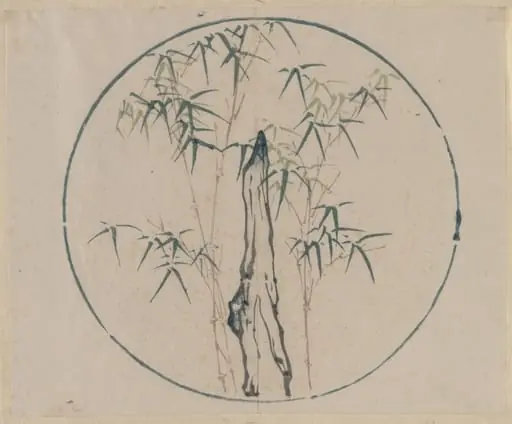 Bamboo and Rock
 Bamboo
 Untitled
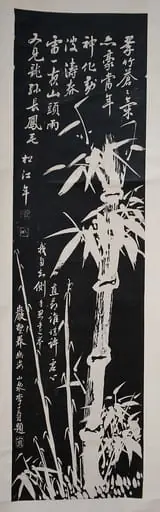 Untitled
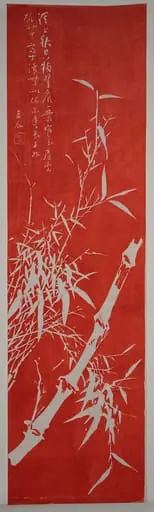 Untitled
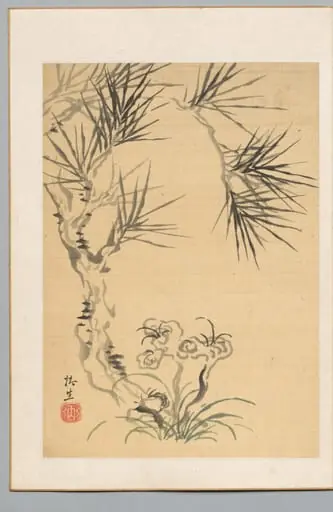 Pine Tree and Fungus
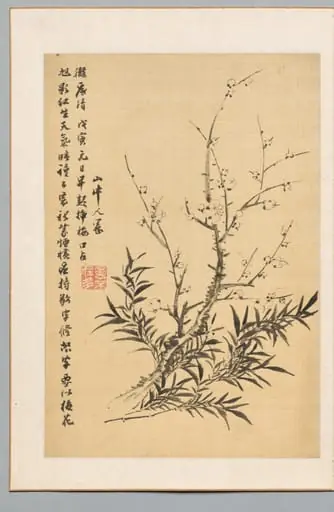 Plum Blossoms and Bamboo
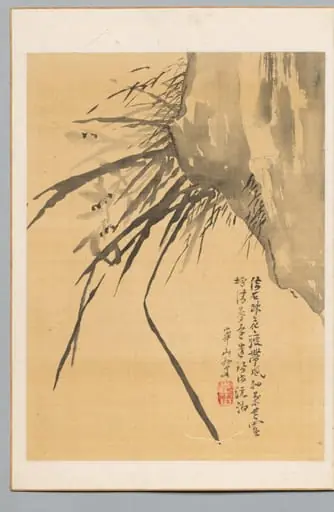 Orchid
Frequently asked questions
What is Bamboo?
Bamboos are a diverse group of mostly evergreen perennial flowering plants making up the subfamily Bambusoideae of the grass family Poaceae.
How many Bamboo works does Artifact World Gallery have?
Artifact World Gallery holds 154 public-domain Bamboo works, all free to view and download.
Who are the key Bamboo artists?
Key Bamboo artists in the collection include Sesson Shūkei, Qian Xuan and Tesshū Tokusai.
Where can I see Bamboo works?
Bamboo works in the collection are held by Metropolitan Museum of Art, Cleveland Museum of Art and National Palace Museum.