Artwork
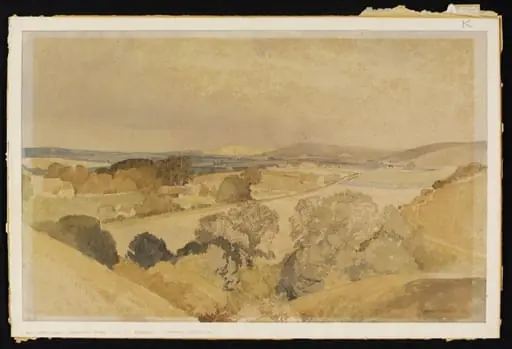
View from the Wansdyke in Stanton St. Bernard
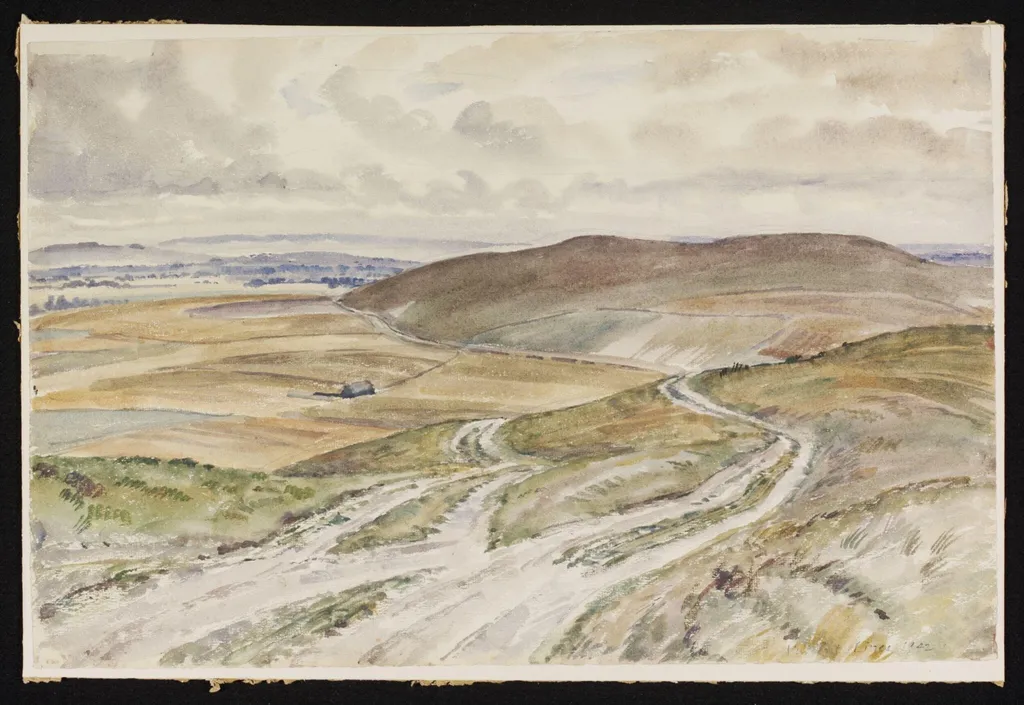
View from the Wansdyke in Stanton St. Bernard is a watercolor work on paper by the Plein Air artist Lines. It dates from 1942 and is held in the collection of the Victoria and Albert Museum.
About this work
Overview
The work belongs to a larger collection of over 1,500 pieces produced between 1940 and 1943 under the patronage of the Pilgrim Trust.
Created in 1942, this watercolour by artist John Lines captures a rural stretch of land near Stanton St. Bernard, viewed from the ancient earthwork known as the Wansdyke. It was made as part of the Recording Britain initiative, a wartime effort to visually archive landscapes and vernacular sites deemed vulnerable to conflict or modernization. The work belongs to a larger collection of over 1,500 pieces produced between 1940 and 1943 under the patronage of the Pilgrim Trust.
Subject & Meaning
The scene presents a quiet, undulating countryside marked by patchwork fields, a winding path, and a distant rise in the land. There are no human figures or structures, emphasizing the land’s quiet endurance. The choice of vantage point, a historic earthwork, invites reflection on continuity and memory.
The absence of disruption suggests a deliberate focus on resilience, aligning with the project’s aim to preserve a sense of place amid national uncertainty.
Technique & Style
Lines employed loose, fluid watercolour techniques typical of on-site sketching, allowing for rapid execution under variable outdoor conditions. Soft washes blend the pale sky with the muted greens and browns of the terrain, creating a sense of atmospheric depth. The brushwork is unrefined yet deliberate, capturing texture through layered transparency rather than detail. The composition’s openness and lack of sharp definition reflect an emphasis on mood over precision.
History & Provenance
The painting was produced under the auspices of the Recording Britain project, directed by Sir Kenneth Clark and funded by the Pilgrim Trust. It entered the collection of the Victoria and Albert Museum alongside hundreds of other works from the initiative, which sought to safeguard visual records of Britain’s rural heritage. The piece has remained in institutional care since its completion, with no known private ownership prior to its acquisition.
Context
During the Second World War, the Recording Britain project emerged as a cultural response to fears of landscape loss due to bombing, military use, or postwar development. Artists were commissioned to document places perceived as emblematic of English identity, often in rural or historically significant areas. While the initiative focused primarily on England, it also included select sites in Wales and Scotland, reflecting a broader national concern for heritage preservation.
Legacy
The Recording Britain collection remains a vital archive of mid-20th-century British topography, offering insight into how artists interpreted place during a time of national upheaval. Lines’s work, like others in the series, contributes to an enduring visual record of landscapes that have since changed or vanished. The project’s emphasis on quiet observation continues to inform contemporary approaches to landscape documentation and heritage conservation.
Artist & collection

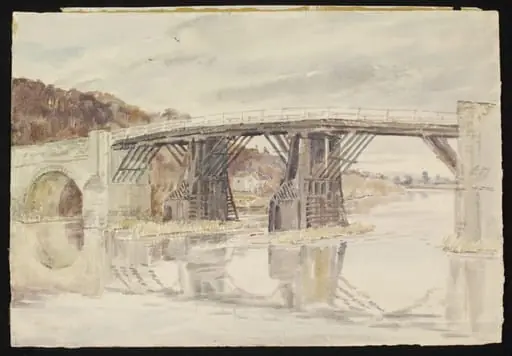
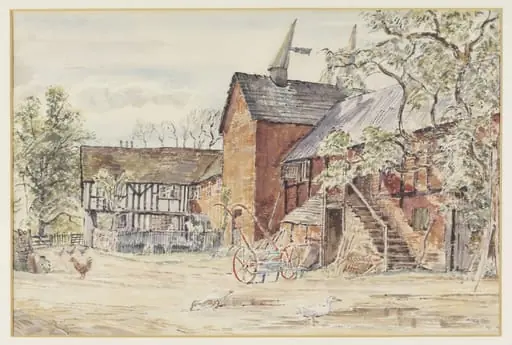
- Sketches made during the Campaign of 1854-55 in the Crimea, Circassia and Constantinople
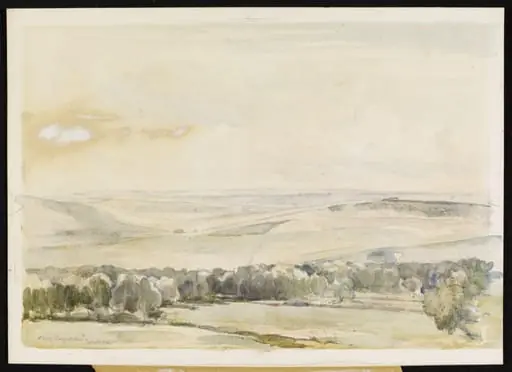 The Downs from Friston
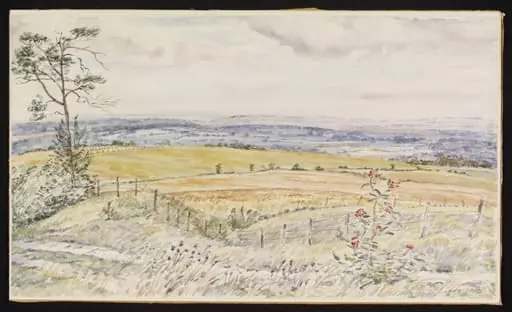 View from Calne Golf Course near Heddington
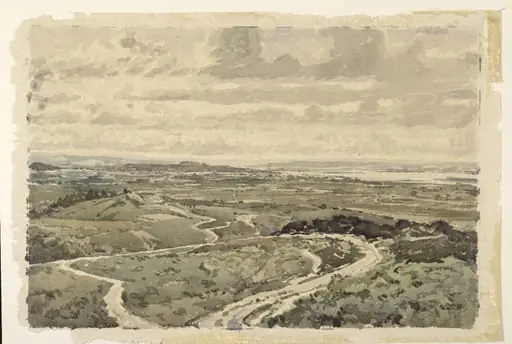 Poole Harbour from the Dorset Hills
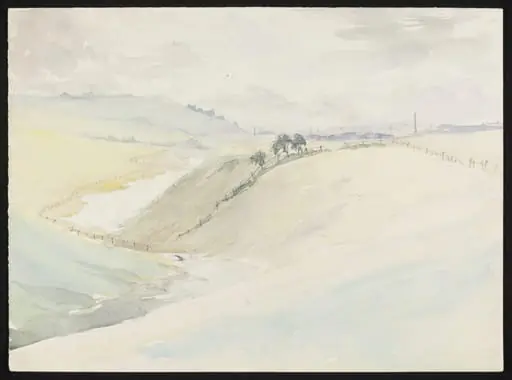 Looking towards Bury from the North of the city
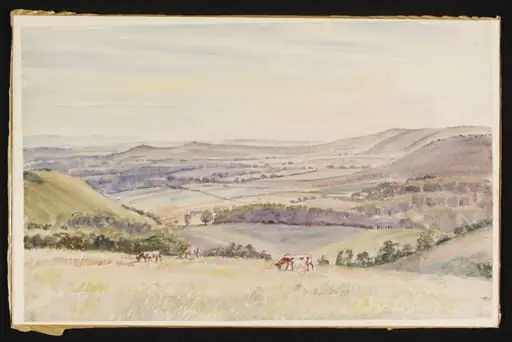 View over Pewsey Vale from Martinsell
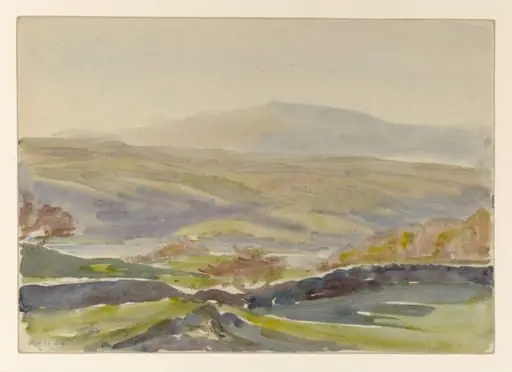 Monk Coniston moor
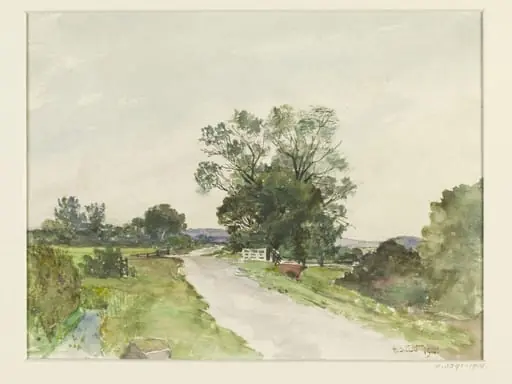 Landscape with road in flat country
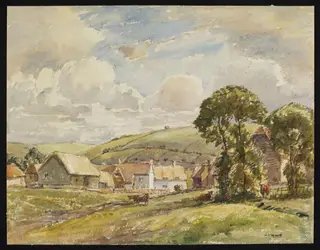 Wishford, Wylye Valley
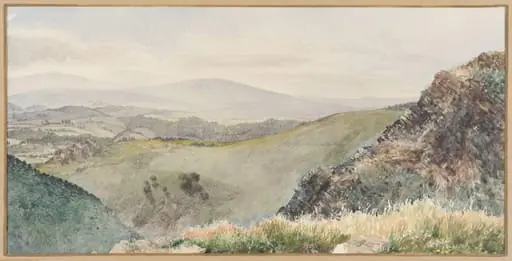 Untitled
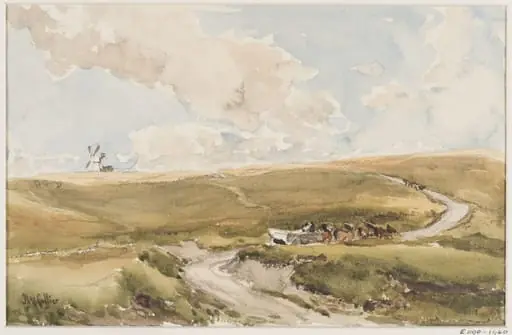 Sussex Downs
 The Southdown, Underhill Road; Edburton, and the Road Eastwards