Artwork
Countess of Chinchon
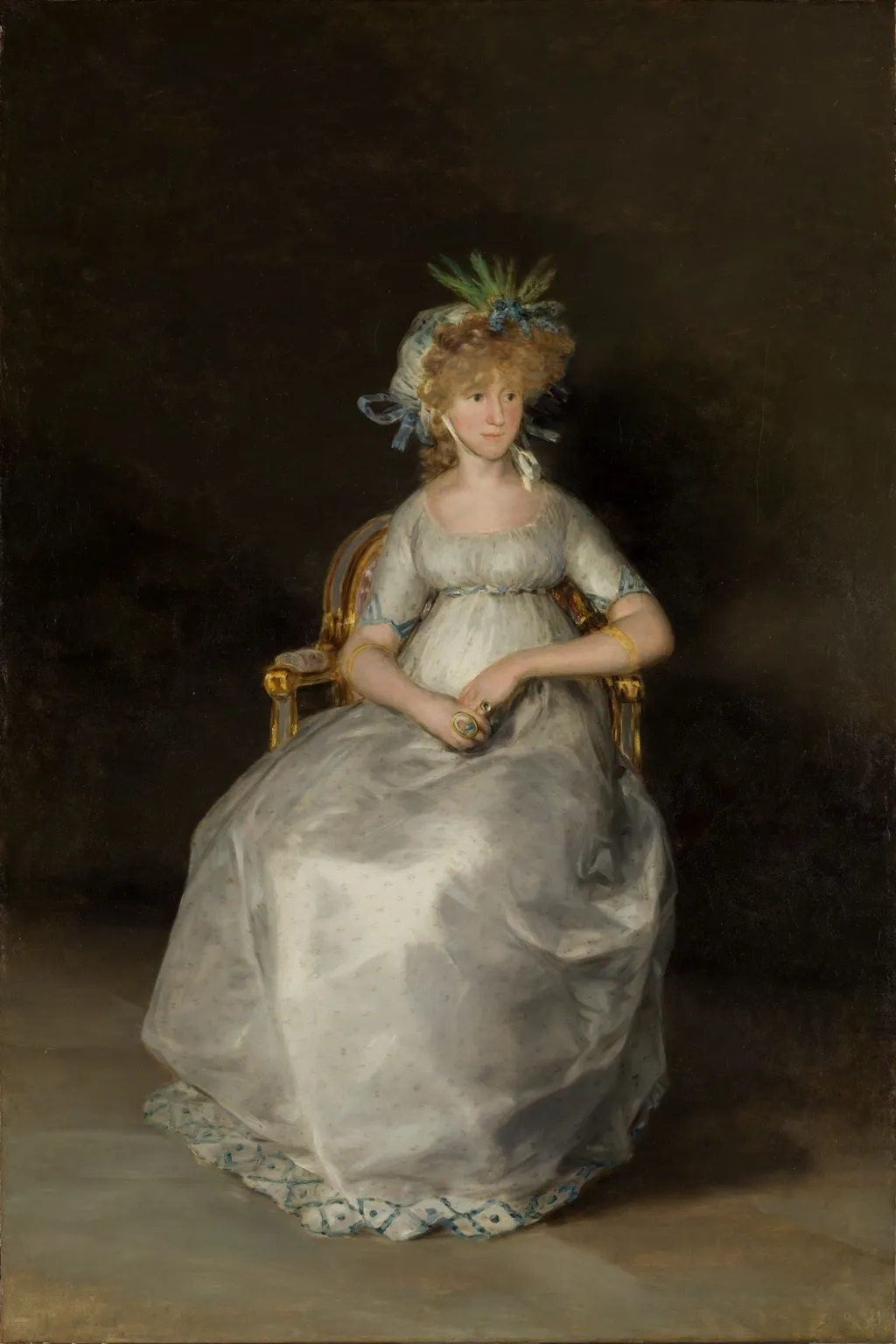
Countess of Chinchon is an oil painting by Francisco de Goya. It dates from 1800 and is held in the collection of the Museo del Prado. Francisco Goya’s oil portrait, executed around 1800, presents María Teresa de Borbón, the 15th Countess of Chinchón.
About this work
Subject & Meaning
The wheat spikes reference her pregnancy with Carlota de Godoy, and the subtle lighting highlights her condition, a hallmark of Goya's mature portrait style.
The painting shows María Teresa de Borbón y Vallabriga, the 15th Countess of Chinchón, depicted in a white dress with green wheat spikes in her headdress that symbolize fertility. Goya captures her modest smile and avoids direct eye contact, conveying a quiet pride despite her tender, almost childlike gestures and the gentle care given to her pregnant belly. The wheat spikes reference her pregnancy with Carlota de Godoy, and the subtle lighting highlights her condition, a hallmark of Goya's mature portrait style. The work was acquired by the Spanish government in 2000 from the Dukes of Sueca and is now part of the Museo del Prado collection.
Technique & Style
The painting is executed in oil on canvas, a medium confirmed by multiple sources. Goya employs a restrained yet luminous palette, using warm tones to render the sitter’s white dress and the green wheat spikes in her coiffure, which symbolize fertility. The brushwork is described as loose and vaporous, with delicate handling of light that highlights the pregnant belly, a technique typical of Goya’s mature period. The composition reflects psychological insight, capturing the countess’s modest smile, downcast gaze, and the tender care given to her womb, while the neutral background echoes the influence of Velázquez. The work remains in its original condition without prior relining, allowing original impasto and color layers to persist, and was conservatively restored in 2020 to address darkened varnish and minor cracks.
History & Provenance
Francisco Goya painted this portrait in 1800, depicting María Teresa de Borbón y Vallabriga, 15th Countess of Chinchón, who was pregnant with her only child, Carlota de Godoy. Goya had a long-standing relationship with the countess's family, serving as their patron early in his career; he first painted her as a child in 1783 and during stays at Arenas de San Pedro. The 1797 marriage between María Teresa and Prime Minister Manuel de Godoy was arranged by Queen Maria Luisa of Parma.
The painting remained with the countess's direct descendants, the Dukes of Sueca, until 2000. The Spanish state preempted a 1999 sale to collector Juan Abelló for 4 billion pesetas (24 million euros), exercising its right of first refusal on the inexportable work, and placed it in the Museo del Prado. This concluded nearly a century of acquisition attempts, which included offers from the J. Paul Getty Museum and the Academia de San Fernando. The purchase was partly funded by the Villaescusa Legacy, as dictated by the testator's wishes. A subsequent decade-long legal dispute over payment conditions ended in 2011 when the European Court of Human Rights ruled in favor of the state.
The painting is held in the Museo del Prado in Madrid, where it has been part of the collection since 2000. Prior to this acquisition, the work remained in the possession of the Dukes of Sueca, direct descendants of the sitter, for nearly a century. The Spanish government purchased the artwork for 4,000 million pesetas (approximately 24 million euros) after exercising its right of pre-emption over a private sale agreement. During the Spanish Civil War, the portrait was temporarily relocated to Geneva, Switzerland, alongside other masterpieces. In 2020, the canvas underwent a conservative restoration to remove darkened varnish and repair minor structural issues without re-lining the original fabric.
Context
Executed in 1800 during Goya's artistic maturity, this portrait is regarded as a masterpiece characterized by magisterial simplicity and psychological insight. Critics describe the work as an "oasis of sweetness" and a "haven of peace," noting the tender, almost melancholic atmosphere achieved through Goya's loose, vaporous brushwork and strategic lighting that highlights the subject's pregnancy. The painting represents a pinnacle of Goya's career as a fashionable court portraitist, standing alongside contemporaneous works such as the portrait of Godoy and The Family of Charles IV.
The work's acquisition by the Museo del Prado in 2000 concluded nearly a century of attempts to secure the canvas, which had previously attracted interest from international collectors and institutions. Its preservation is notable for the absence of historical relining, allowing the original impasto and color to remain virtually intact as Goya created them.
Legacy
The *Countess of Chinchón* has been celebrated as a masterpiece of Francisco Goya’s mature portraiture, embodying both technical brilliance and emotional depth. Acquired by the Museo del Prado in 2000 for €24 million after nearly a century of negotiation, the work became a centerpiece of the museum’s collection, underscoring its national and artistic significance. Critics and scholars have praised its delicate portrayal of vulnerability and tenderness, with the Fundación Goya en Aragón hailing it as "a masterpiece in Goya’s production" (source 4). Its evocation of melancholy and poetic intimacy, alongside Goya’s signature loose brushwork, has cemented its reputation as a defining example of early 19th-century portraiture. The painting’s legacy is further elevated by its exceptional conservation, remaining un-reentelado and preserving Goya’s original technique intact, a rarity for works of its age (source 6). Its acquisition, financed partly by a private legacy, reflects its enduring cultural value, while failed bids from international institutions, including the J. Paul Getty Museum, highlight its status as a coveted emblem of Spanish heritage (sources 4, 6).
Own this work as a print
Artist & collection
Artist
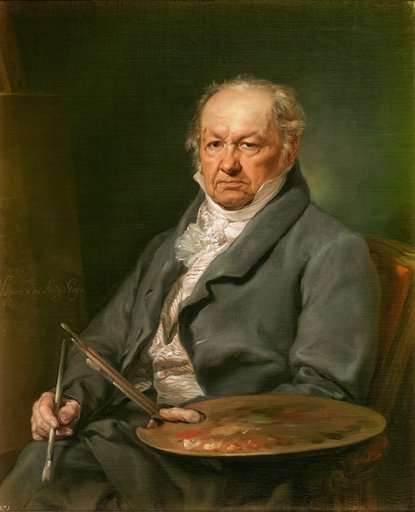
Francisco José de Goya y Lucientes was a Spanish romantic painter and printmaker.

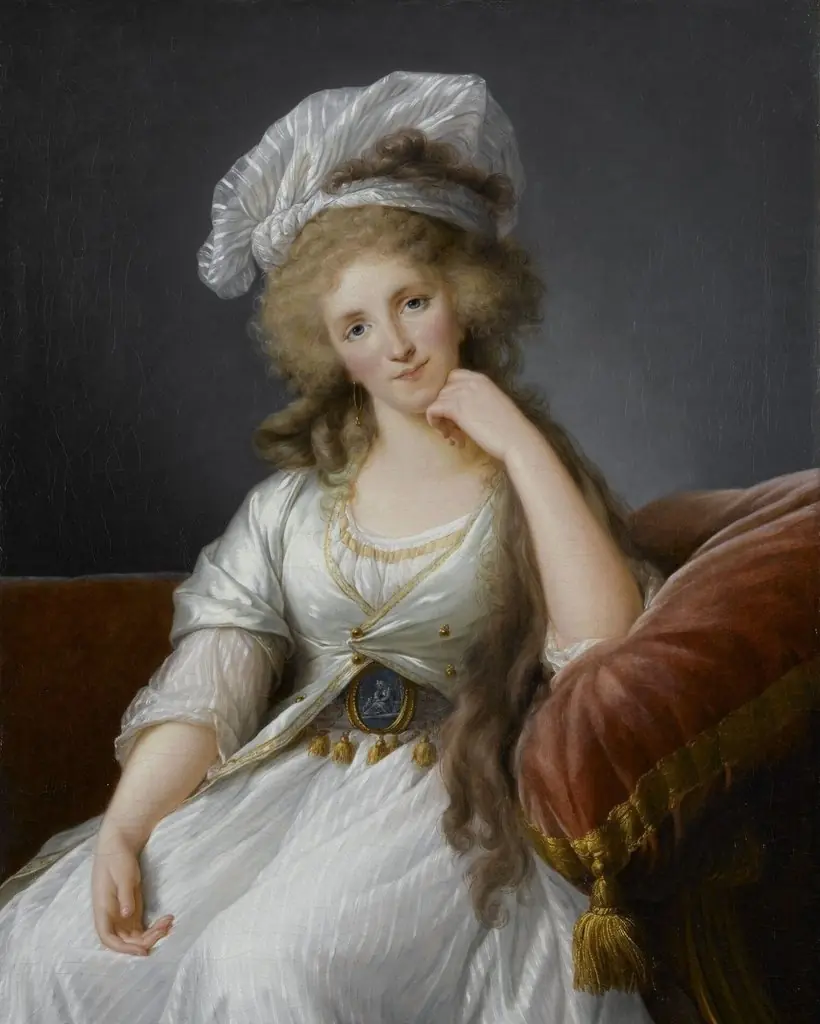
- Louise-Marie-Adélaïde de Bourbon-Penthièvre, Duchess of Orléans
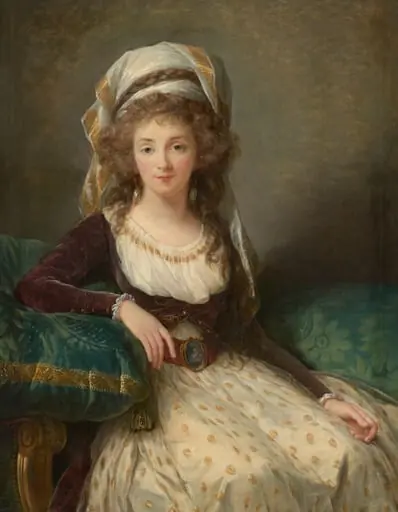 Madame d'Aguesseau de Fresnes
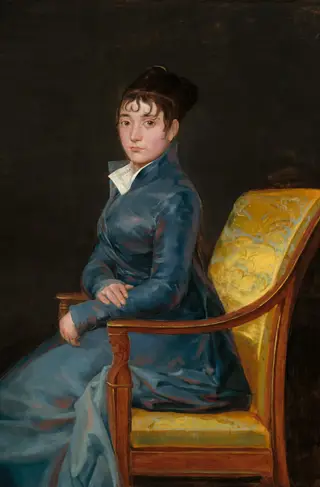
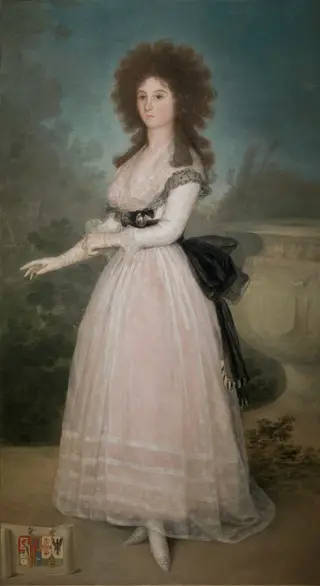 Tadea Arias de Enríquez
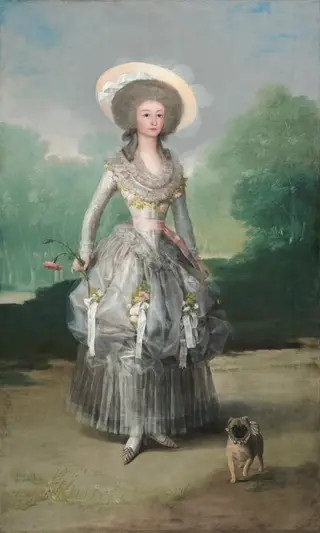 The Marquesa de Pontejos
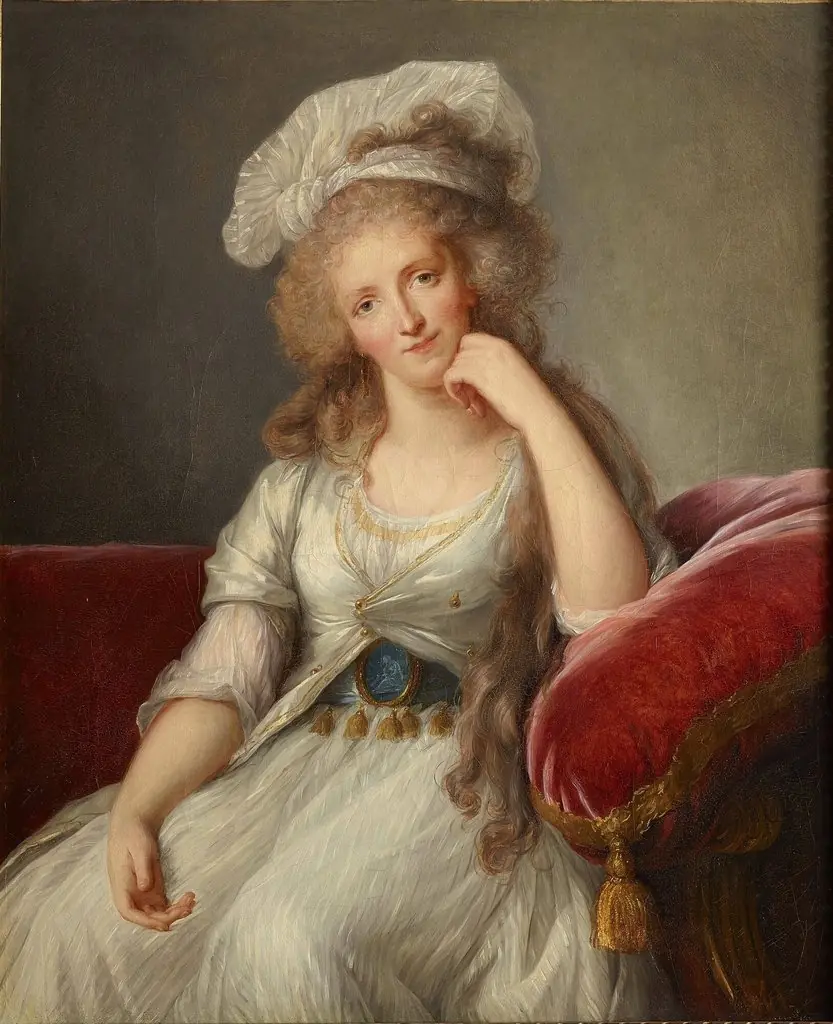 Louise-Marie-Adélaïde de Bourbon-Penthièvre, Duchess of Orléans
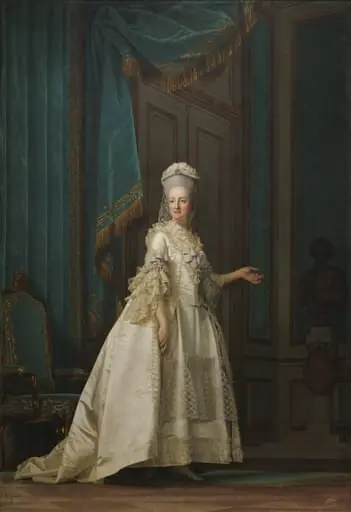 The Queen Dowager Juliane Marie
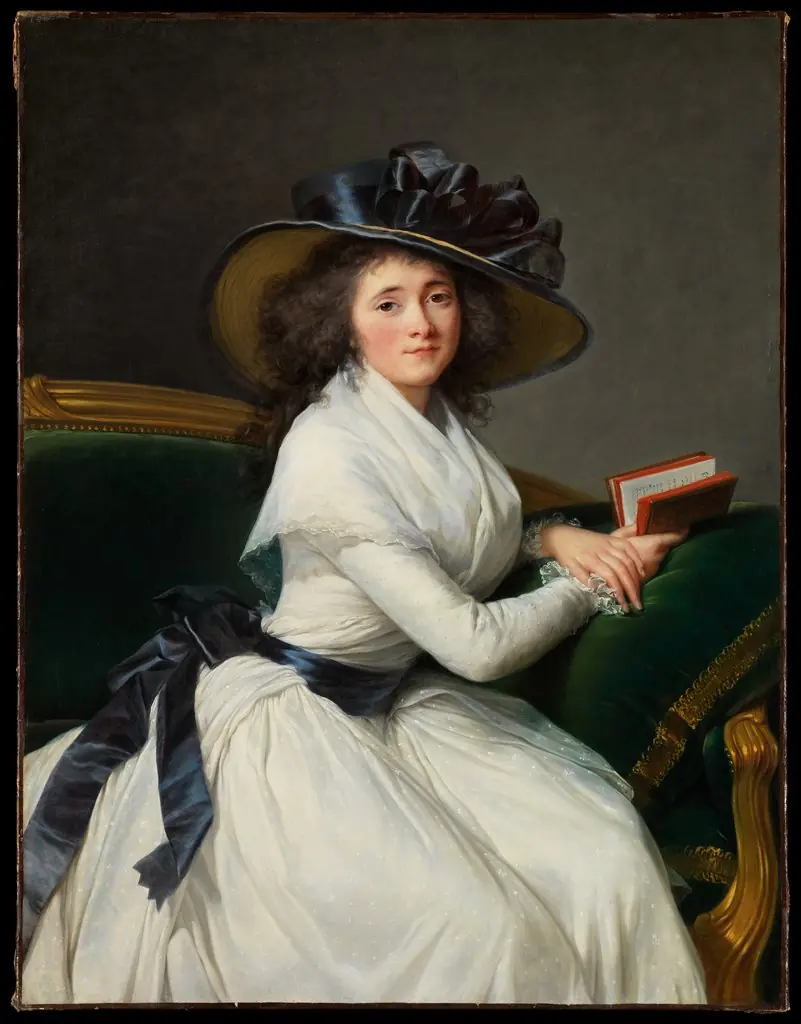 Comtesse de la Châtre (Marie Charlotte Louise Perrette Aglaé Bontemps, 1762–1848)
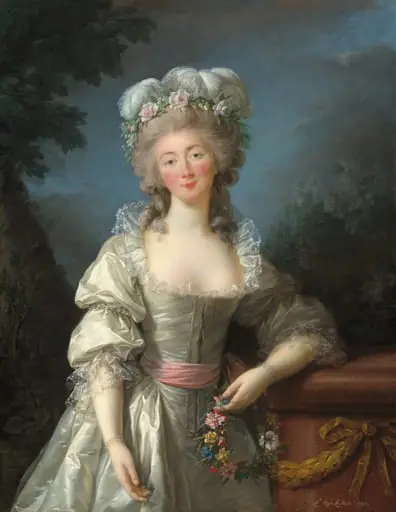 Madame du Barry
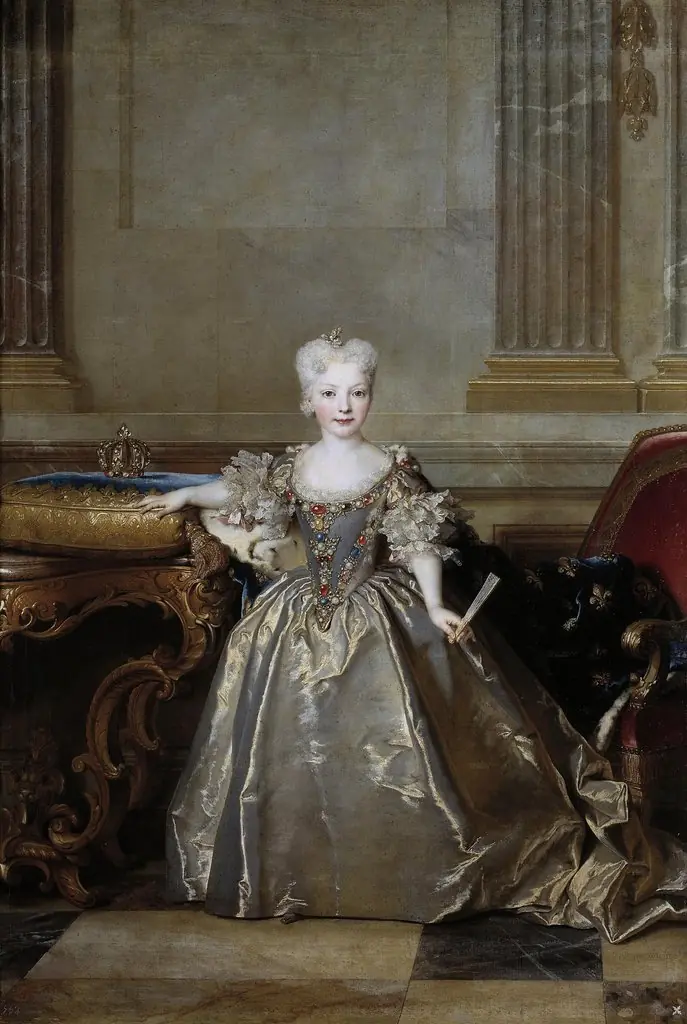 María Ana Victoria de Borbón y Farnesio
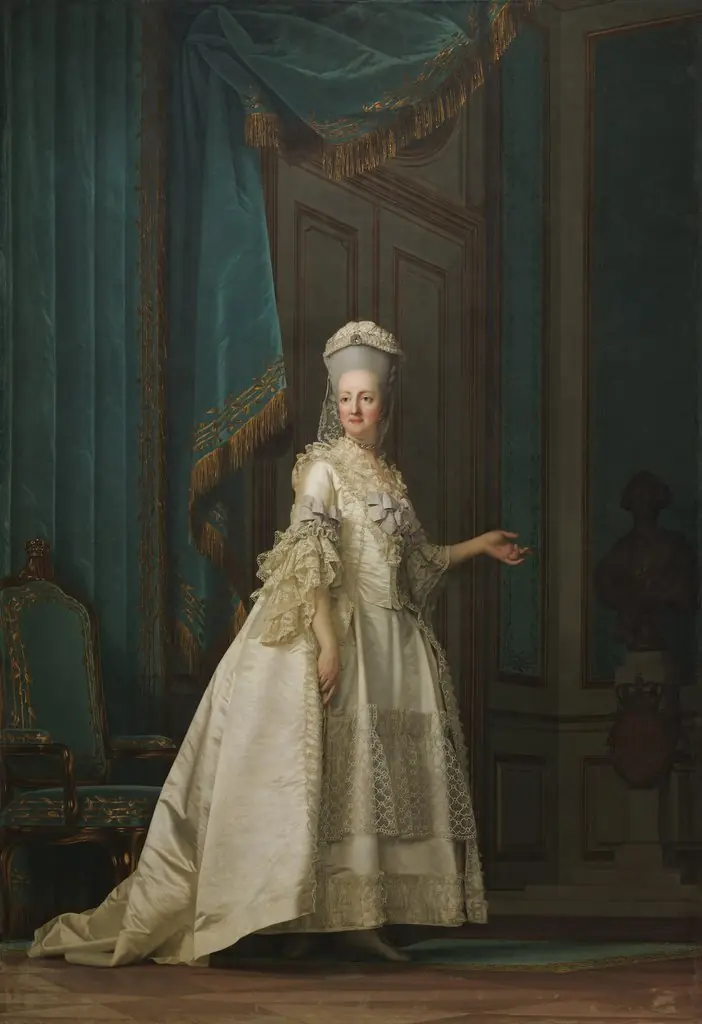 The Queen Dowager Juliane Marie
 Marie-Antoinette seated, in blue coat and white dress, holding a book in her hand
 Portrait of Catherine Grey, Lady Manners