Artwork
Chrysanthemen
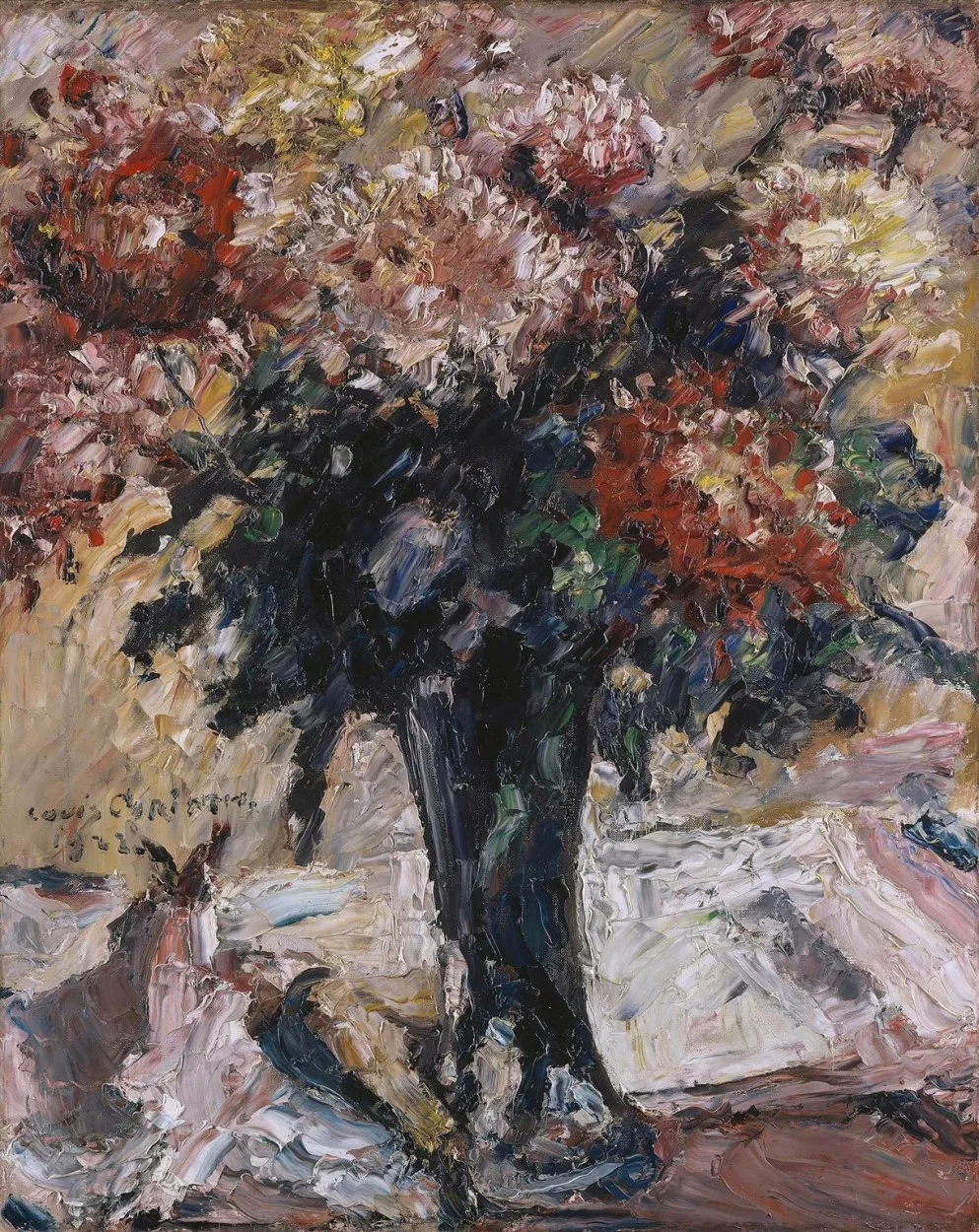
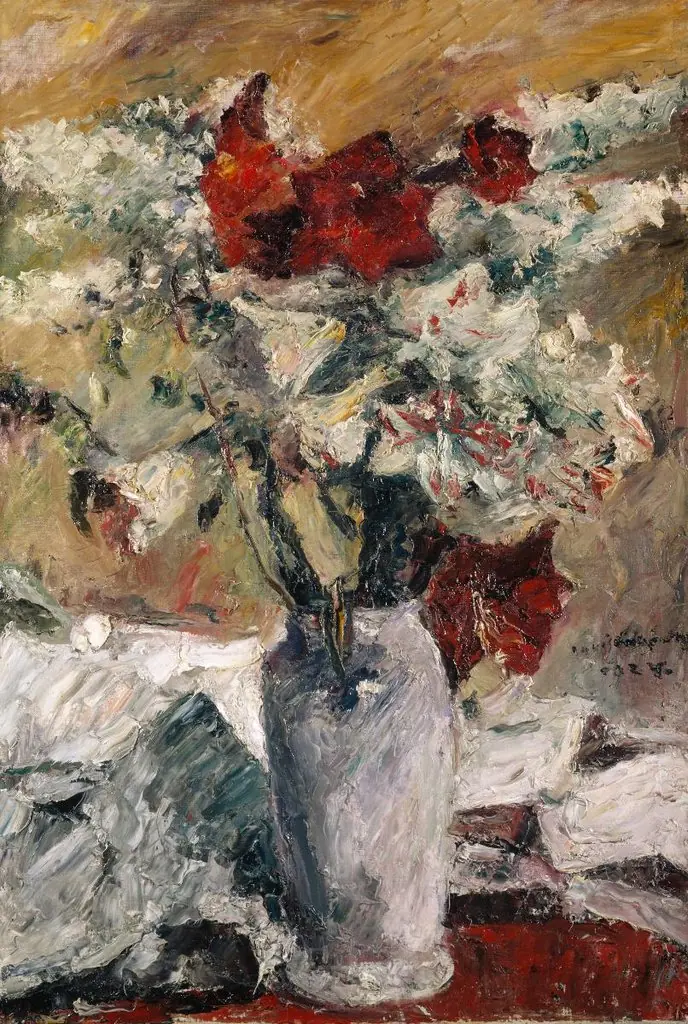
Chrysanthemen is an oil painting by the German Expressionist artist Lovis Corinth. It dates from 1922 and is held in the collection of the Hamburger Kunsthalle.
About this work
Overview
The work resides in the collection of the Hamburger Kunsthalle, where it stands as an example of Corinth’s late-period approach to natural forms.
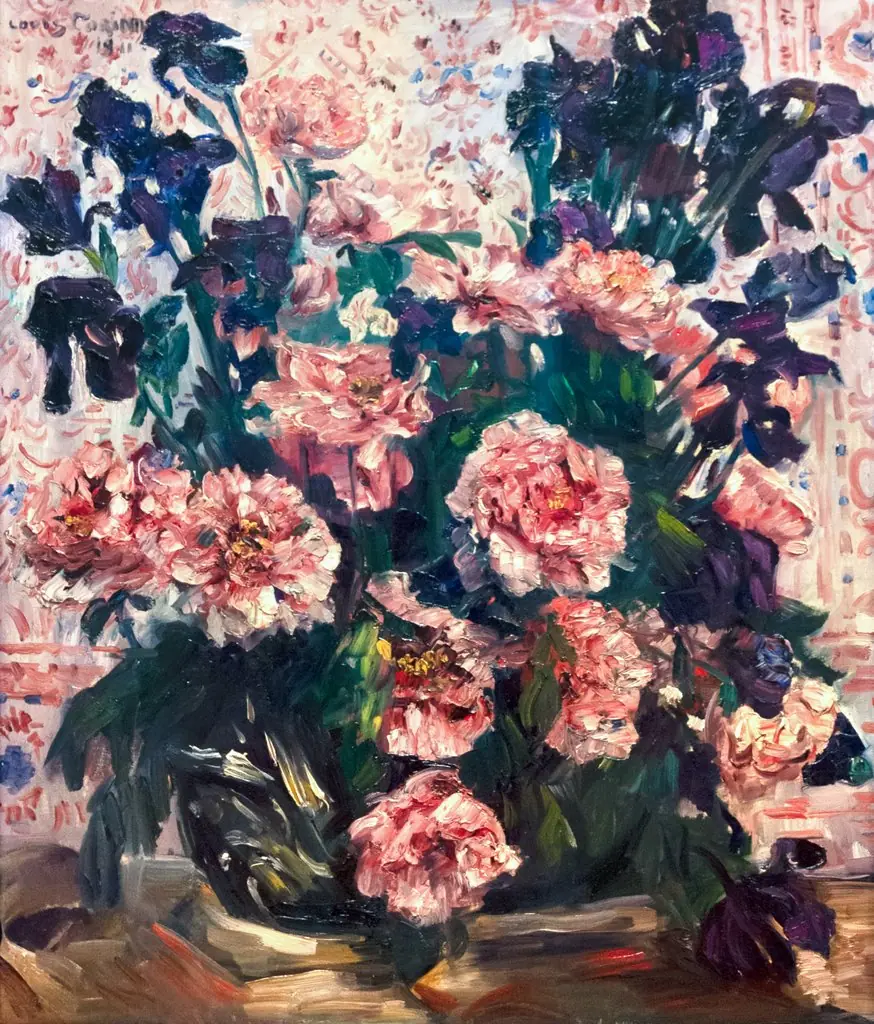
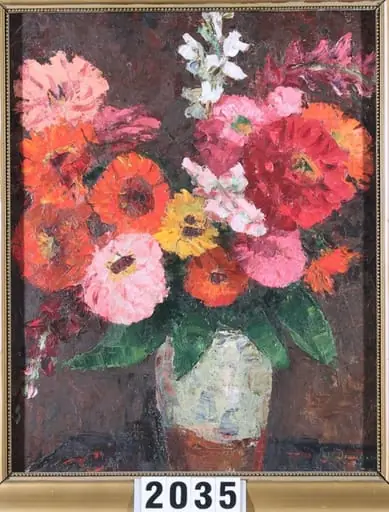
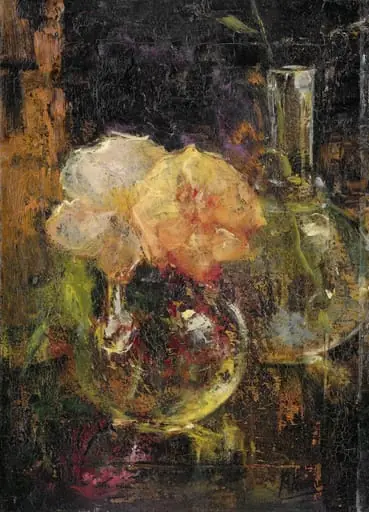
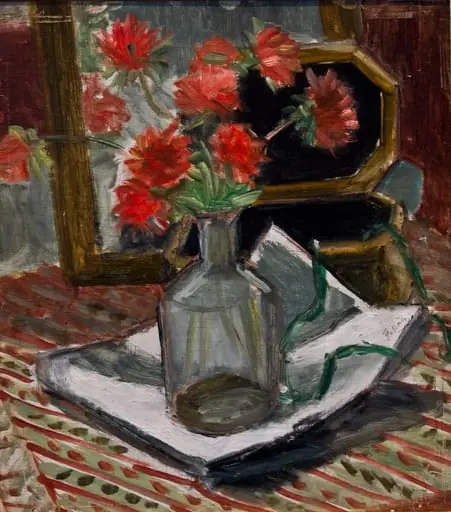
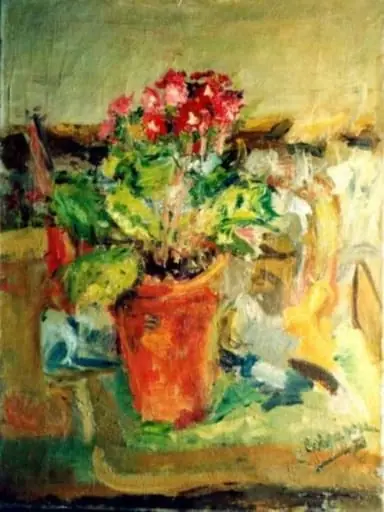
Painted in 1922, Chrysanthemen is an oil-on-canvas still life by Lovis Corinth. It depicts a vase of chrysanthemums arranged loosely, with petals and leaves rendered in dense, tactile strokes. The work resides in the collection of the Hamburger Kunsthalle, where it stands as an example of Corinth’s late-period approach to natural forms. The composition avoids idealized harmony, favoring instead a visceral, almost physical engagement with the subject.
Subject & Meaning
The painting centers on a modest bouquet of chrysanthemums, flowers often associated with transience and autumnal decay. Corinth does not idealize the blooms; their wilting edges and uneven forms suggest impermanence. The absence of ornate vessels or decorative settings shifts focus to the flowers’ raw presence, hinting at a meditation on mortality and the quiet dignity of everyday things.
Technique & Style
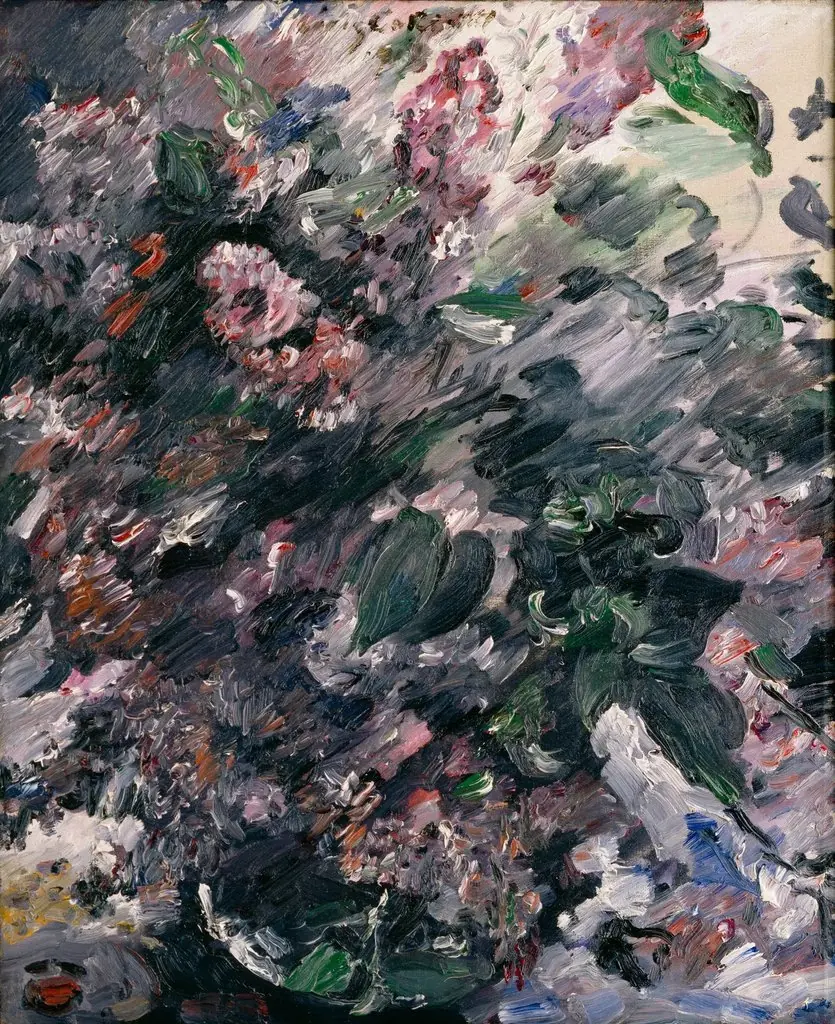
Corinth applied oil paint with vigorous, layered brushwork, building surfaces that feel sculpted rather than painted. The petals and leaves are thickly impastoed, creating a tactile relief on the canvas. Background hues blur and bleed into one another, dissolving spatial boundaries. This technique emphasizes materiality over precision, aligning with Expressionist tendencies that valued emotional resonance over realistic depiction.
History & Provenance
Chrysanthemen was completed in 1922, during the final phase of Corinth’s career, after he suffered a stroke in 1911 that altered his physical control and artistic approach. The painting entered the Hamburger Kunsthalle’s collection shortly after its creation, likely acquired directly from the artist or his estate. Its preservation in a major German institution reflects its recognized significance in his late oeuvre.
Context
Created in the aftermath of World War I and amid personal health struggles, the work reflects a broader shift in German art toward introspective, emotionally charged realism. Corinth’s style here diverges from his earlier academic training, embracing a looser, more visceral mode influenced by Post-Impressionism and early Expressionism. The painting resonates with contemporaneous works that sought to convey inner states through physical texture and color.
Legacy
Chrysanthemen exemplifies Corinth’s mature voice, where technical experimentation and emotional depth converge. It influenced later generations of German painters interested in the expressive potential of paint itself. Though not widely reproduced, the painting remains a touchstone in studies of early 20th-century German still life, valued for its unflinching honesty and material presence.
Artist & collection
Artist
Lovis Corinth (21 July 1858 – 17 July 1925) was a German artist and writer whose mature work as a painter and printmaker realized a synthesis of impressionism and expressionism.