Artwork
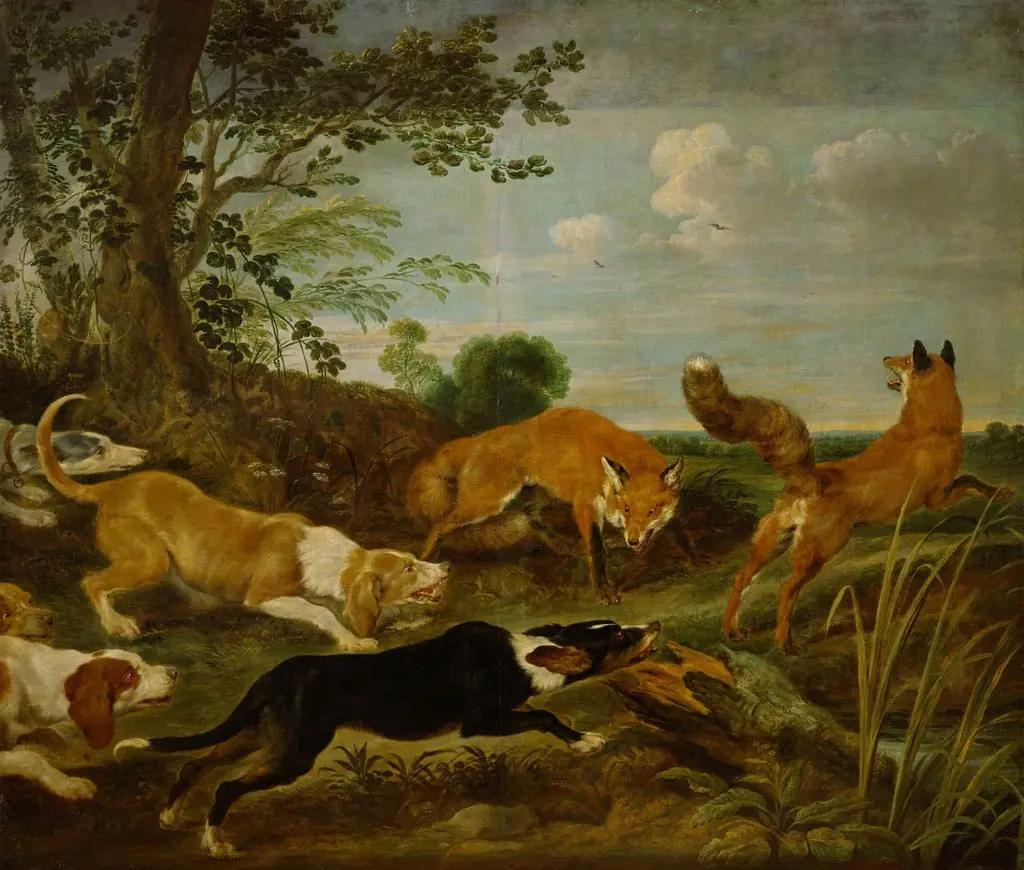
The fox hunt
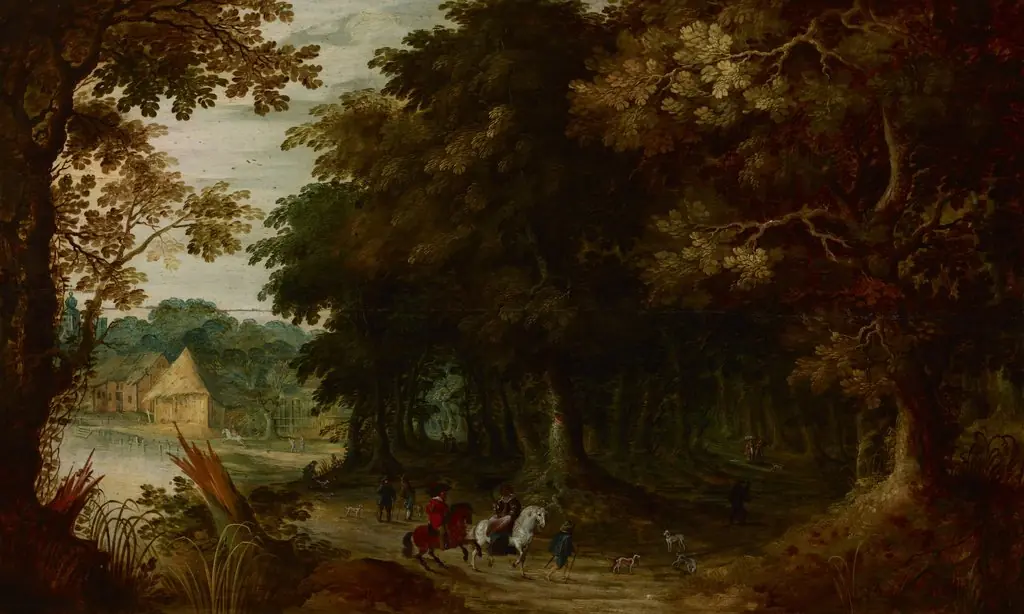
The fox hunt is an oil painting by the Dutch Golden Age artist Ludolf de Jongh. It dates from 1650 and is held in the collection of the Rijksmuseum.
About this work
Subject & Meaning
The work is part of the Rijksmuseum collection in Amsterdam, where it is displayed as a notable example of Ludolf de Jongh’s genre scenes.
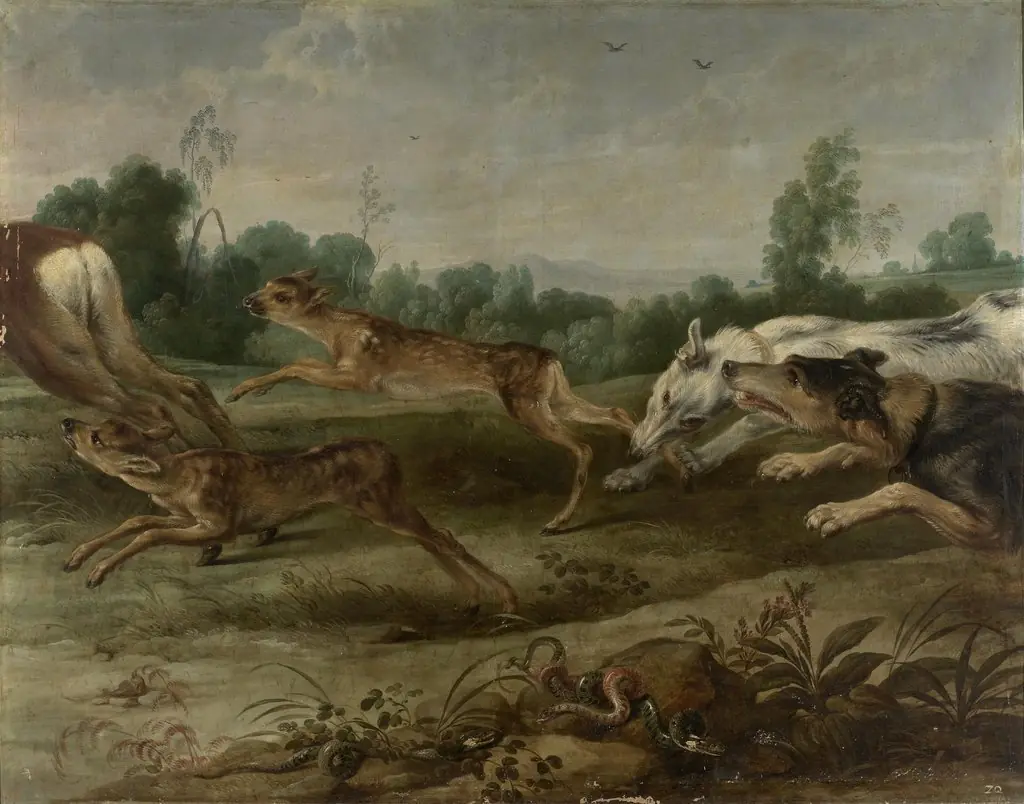
The fox hunt depicts a dynamic outdoor chase with a pack of hounds pursuing a fox across a landscape, reflecting 17th-century Dutch interest in rural leisure and the symbolic representation of cunning versus disciplined pursuit. The composition emphasizes movement and spatial depth, aligning with landscape painting conventions of the Dutch Golden Age.
The work is part of the Rijksmuseum collection in Amsterdam, where it is displayed as a notable example of Ludolf de Jongh’s genre scenes.
Symbolically, the hunt may allude to moral lessons about vigilance and the triumph of order over chaos, themes often explored in Dutch landscape and hunting scenes of the period.
Technique & Style
The fox hunt is executed in oil paint on canvas, a combination consistent with Ludolf de Jongh's mid-seventeenth-century practice. The work is classified as a landscape painting, a genre in which the artist was active. The canvas measures 51 cm in height by 71 cm in width, yielding a horizontal format suited to an expansive outdoor scene. The painting is held in the collection of the Rijksmuseum.
Stylistically, the work belongs to the landscape tradition, with the horizontal orientation and modest scale suggesting an emphasis on open scenery rather than monumental figural composition. The medium of oil on canvas would have allowed de Jongh to render the landscape with the layered tonal modeling typical of Dutch landscape painting of the period.
History & Provenance
Ludolf de Jongh created the oil painting The Fox Hunt in 1650. The work is executed on canvas and measures 51 cm in height by 71 cm in width. It is currently held in the collection of the Rijksmuseum.
No specific details regarding the original commission, the identity of the initial patron, or the specific chain of ownership prior to its arrival at the museum are provided in the available records.
Overview
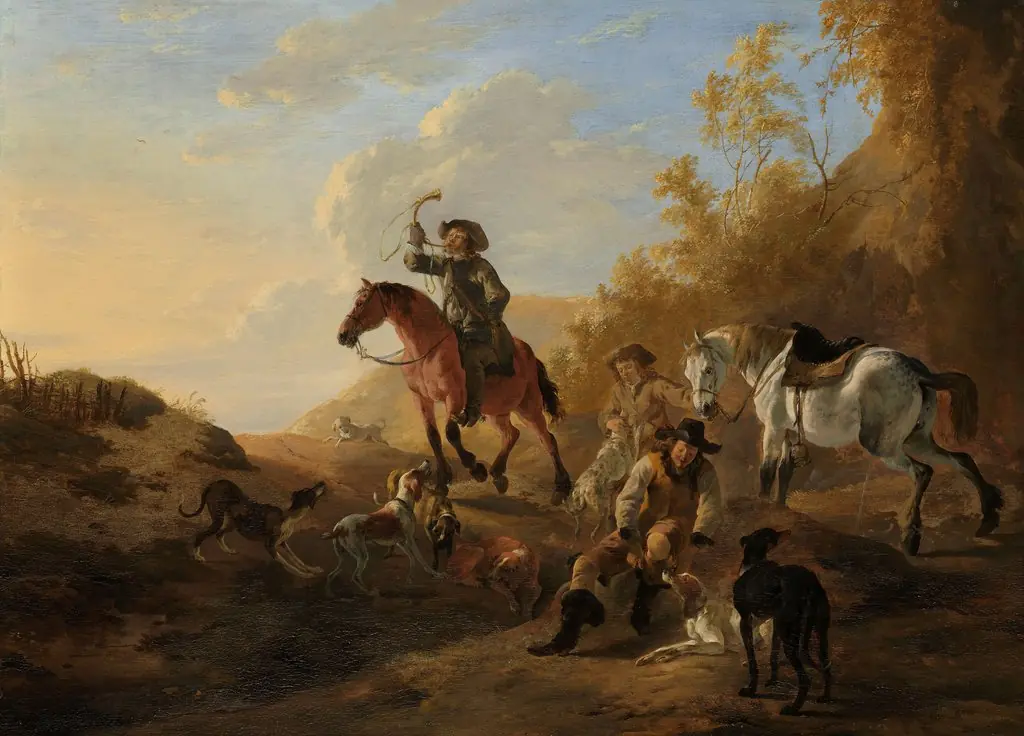
The Fox Hunt, an oil painting created by Ludolf de Jongh around 1650, is a landscape depicting a hunting scene set amidst trees and hills, with figures on horseback and dogs, characteristic of the Dutch Golden Age.
Context
The work is situated within the Dutch Golden Age, a time of flourishing artistic diversity, where de Jongh's varied subjects, from landscapes to hunting scenes, were well-received.
Legacy
While specific lasting impacts of The Fox Hunt are not detailed, it contributes to the broader legacy of Dutch Golden Age painting, exemplifying the period's artistic values and themes.
Own this work as a print
Artist & collection

Artist
Ludolf de Jongh or Ludolf Leendertsz. de Jongh (Overschie, 1616 – Hillegersberg, 1679) was a Dutch painter, known for his genre scenes, hunting scenes, history paintings, landscapes, cityscapes, and portraits. He was…

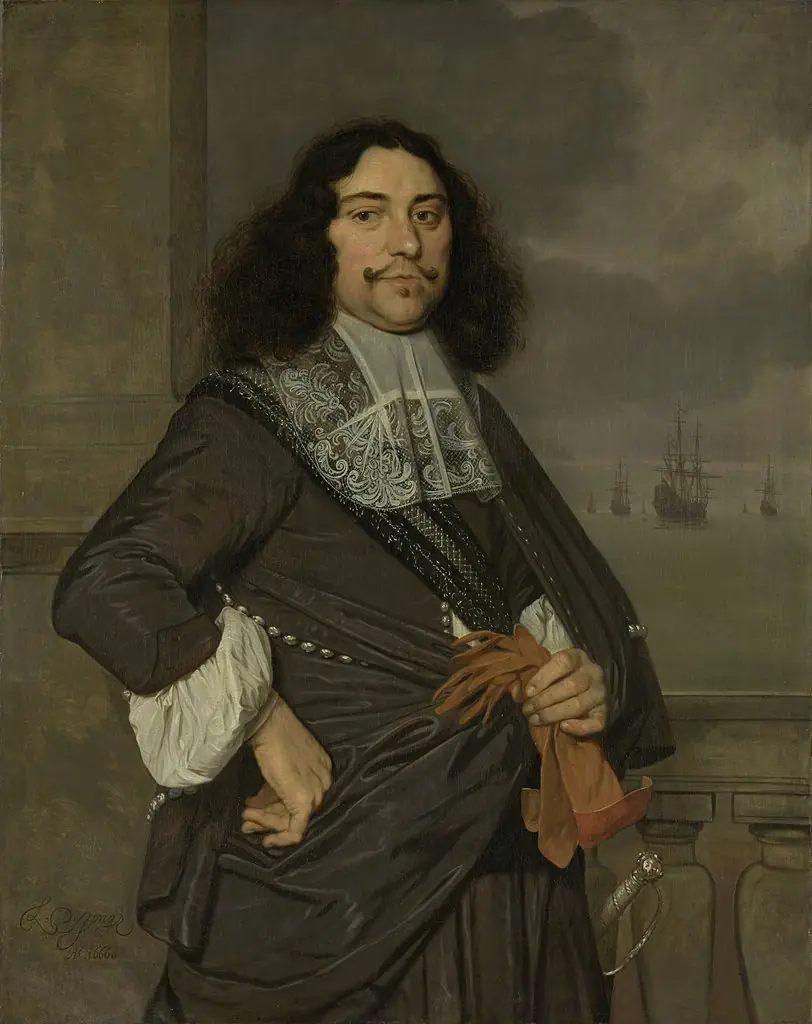 Portrait of Jan van Nes (1631-80). Vice admiral of Holland and West-Friesland
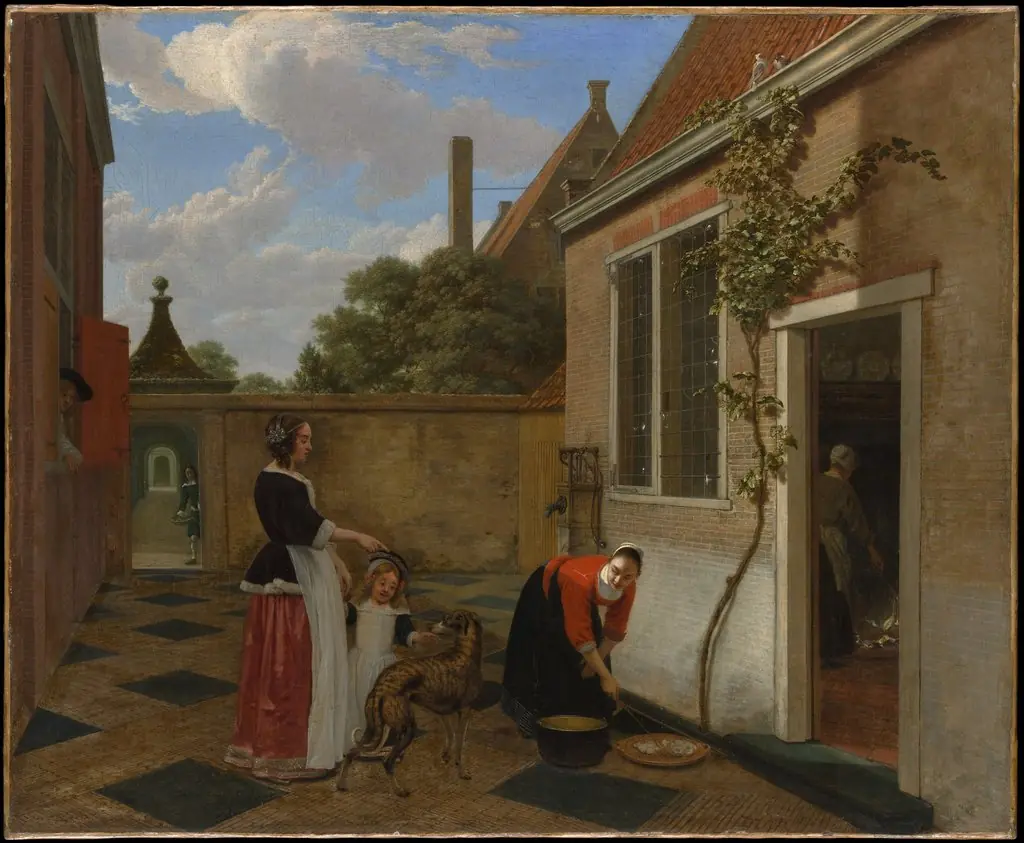 Scene in a Courtyard
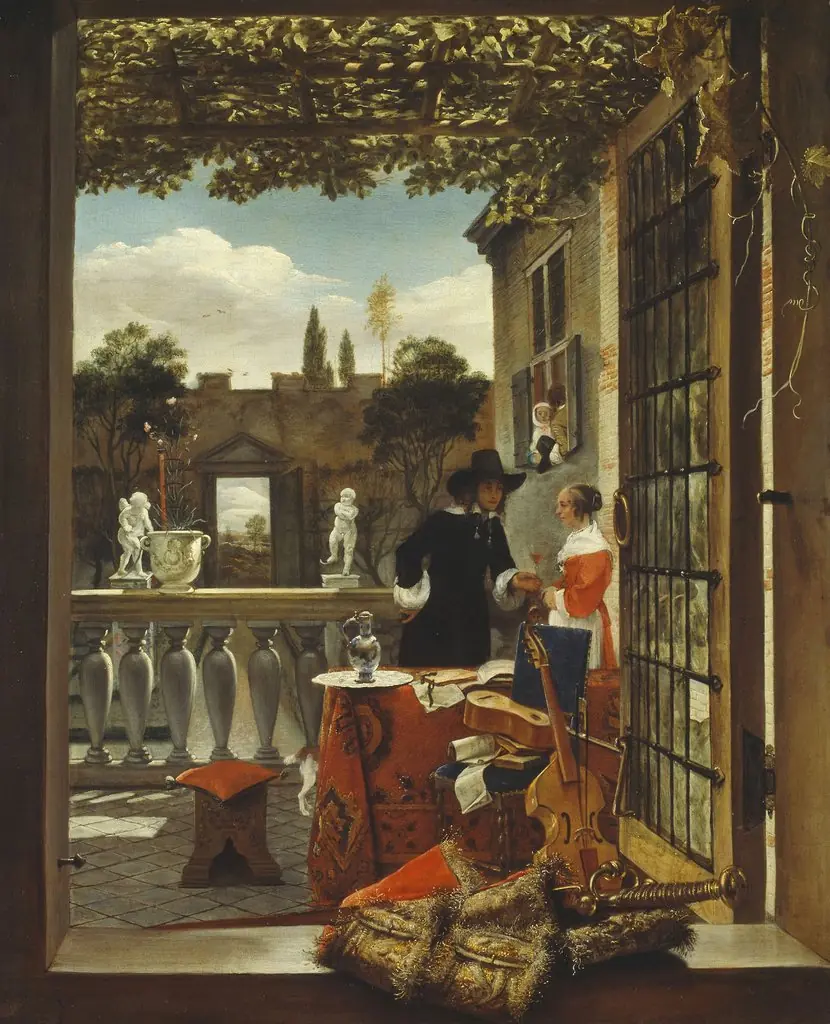 The Terrace
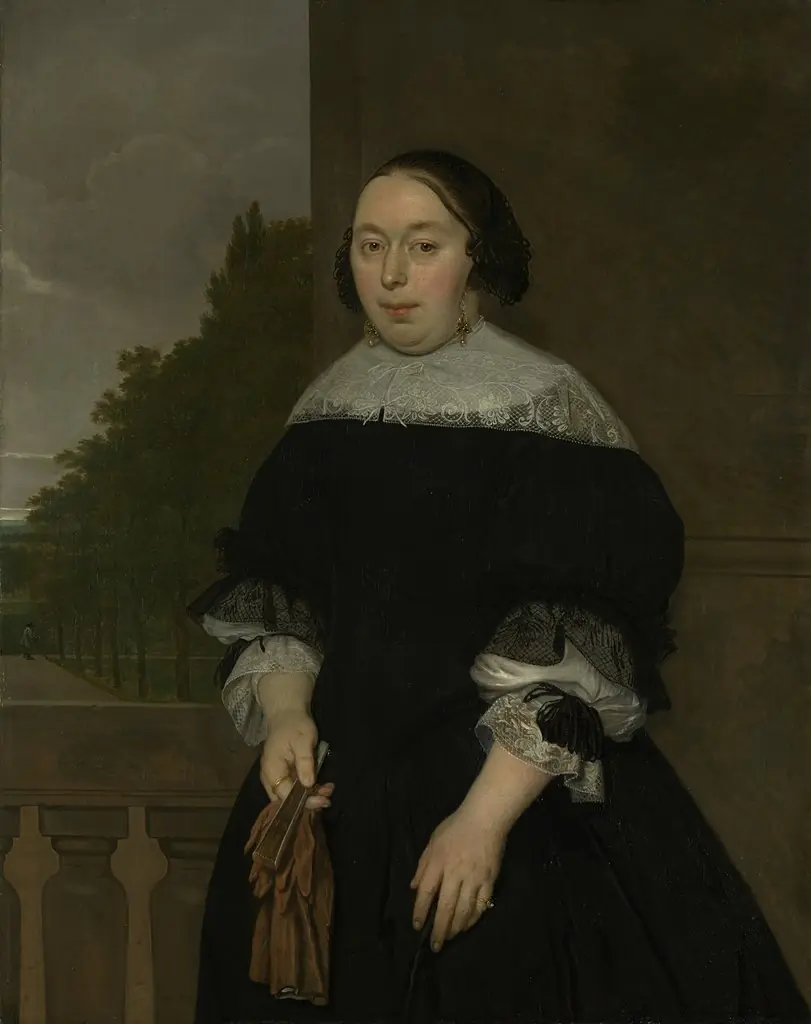 Portrait of Aletta van Ravensberg (1635-77). Wife of Jan van Nes
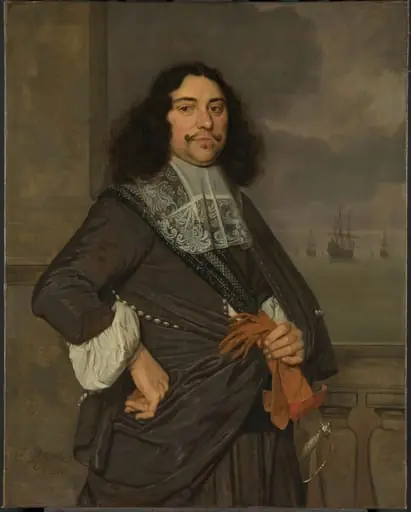 Jan van Nes (1631-80), Vice admiral of Holland and West-Friesland
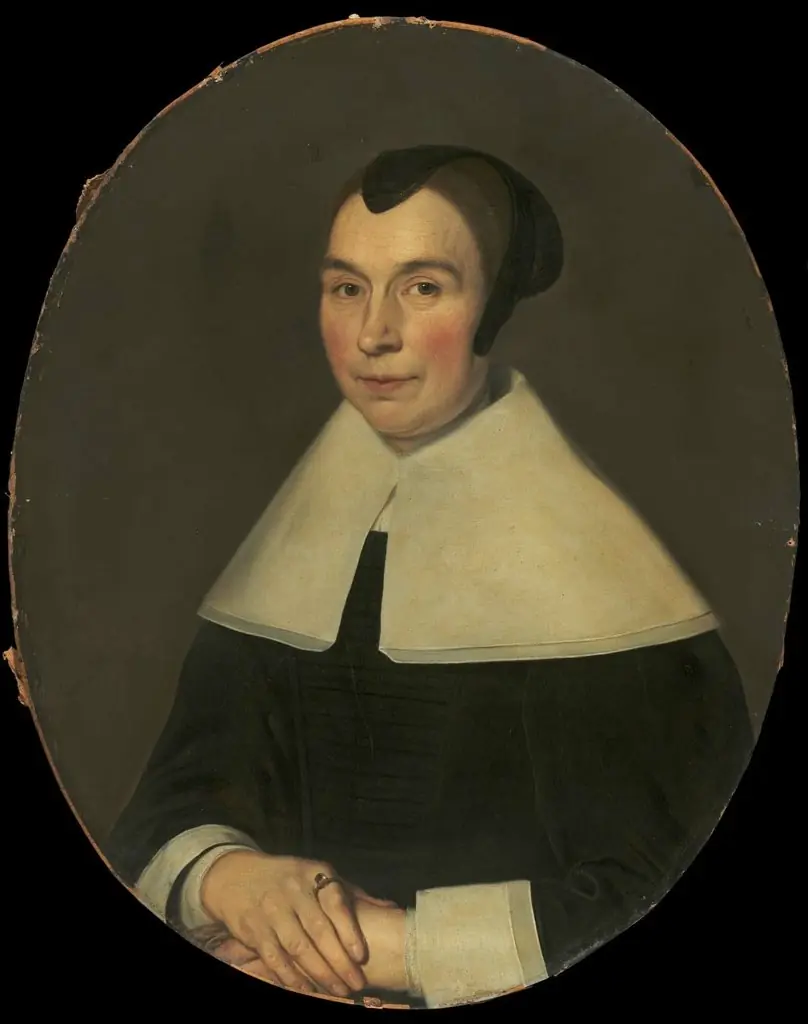 Portrait of a Woman
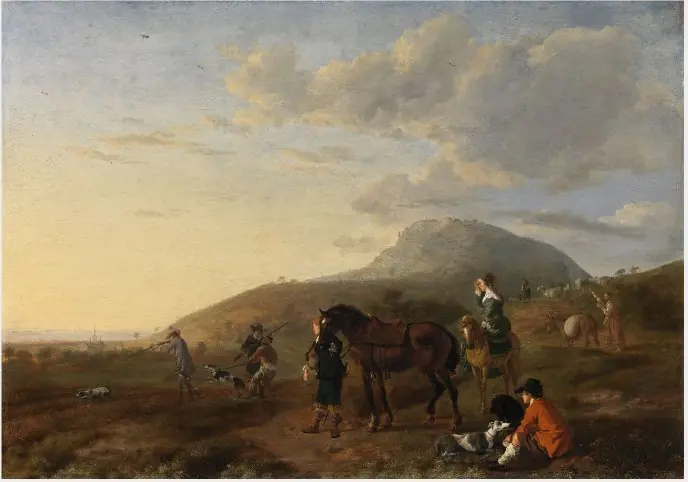 Landscape with a Shooting Party
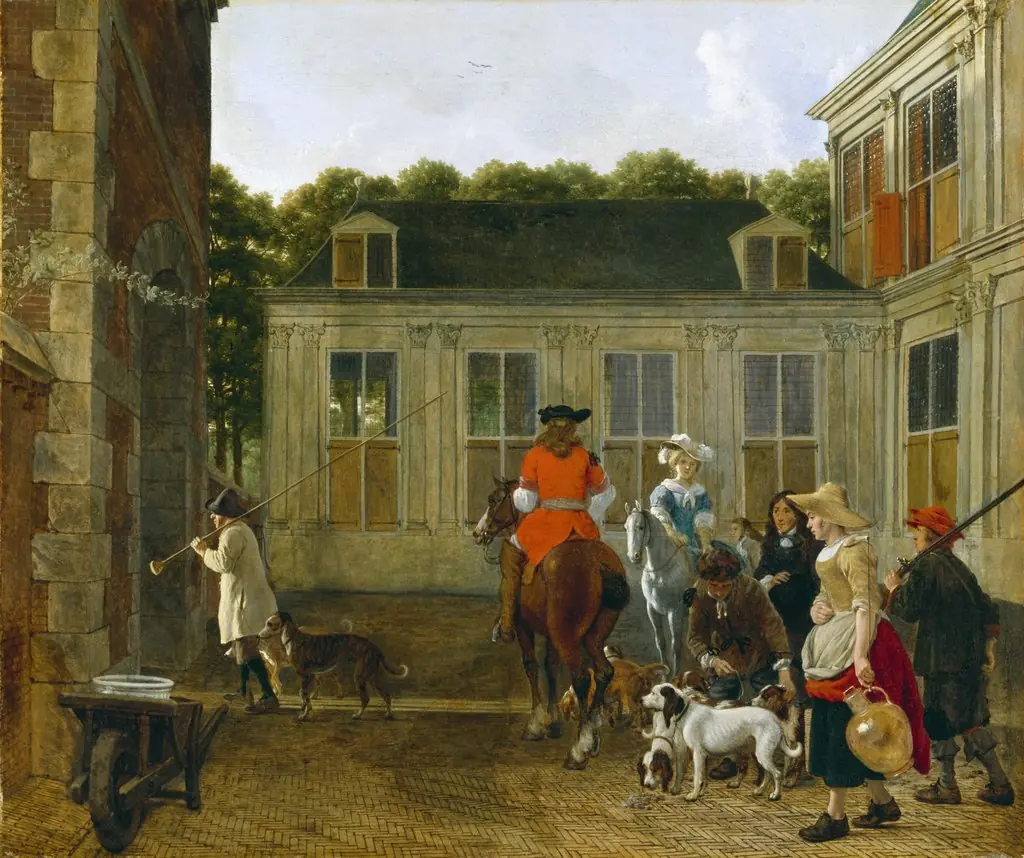 Hunting Party in the Courtyard of a Country House