Artwork
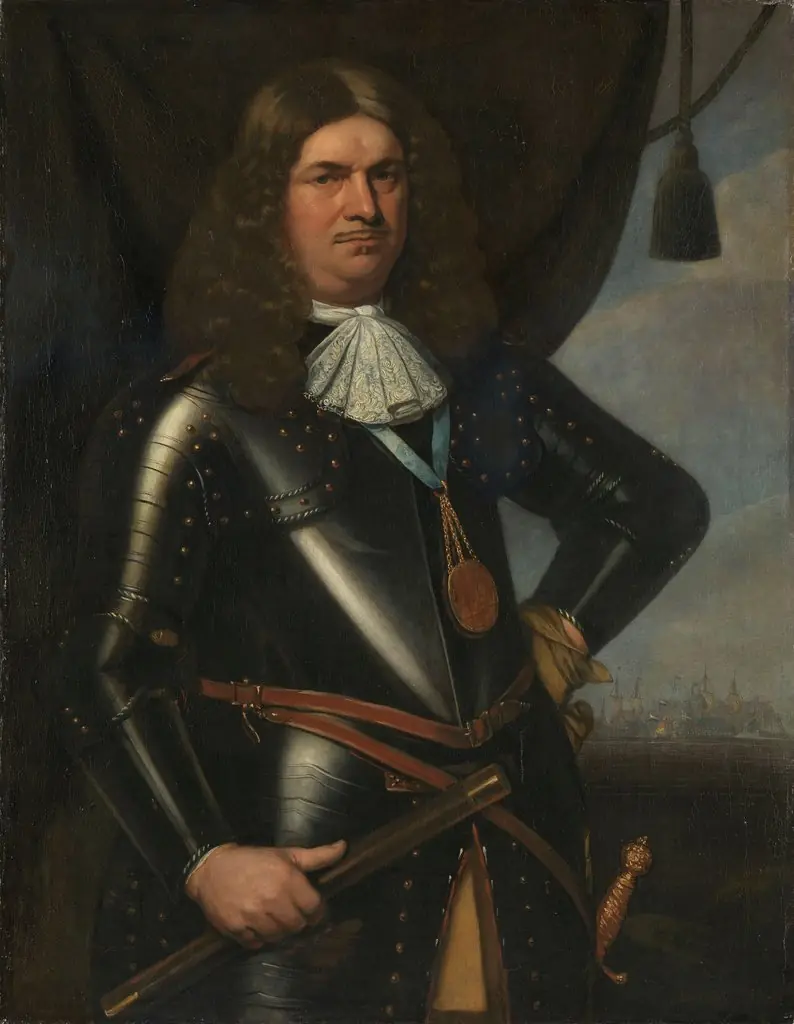
Jan van Nes (1631-80), Vice admiral of Holland and West-Friesland
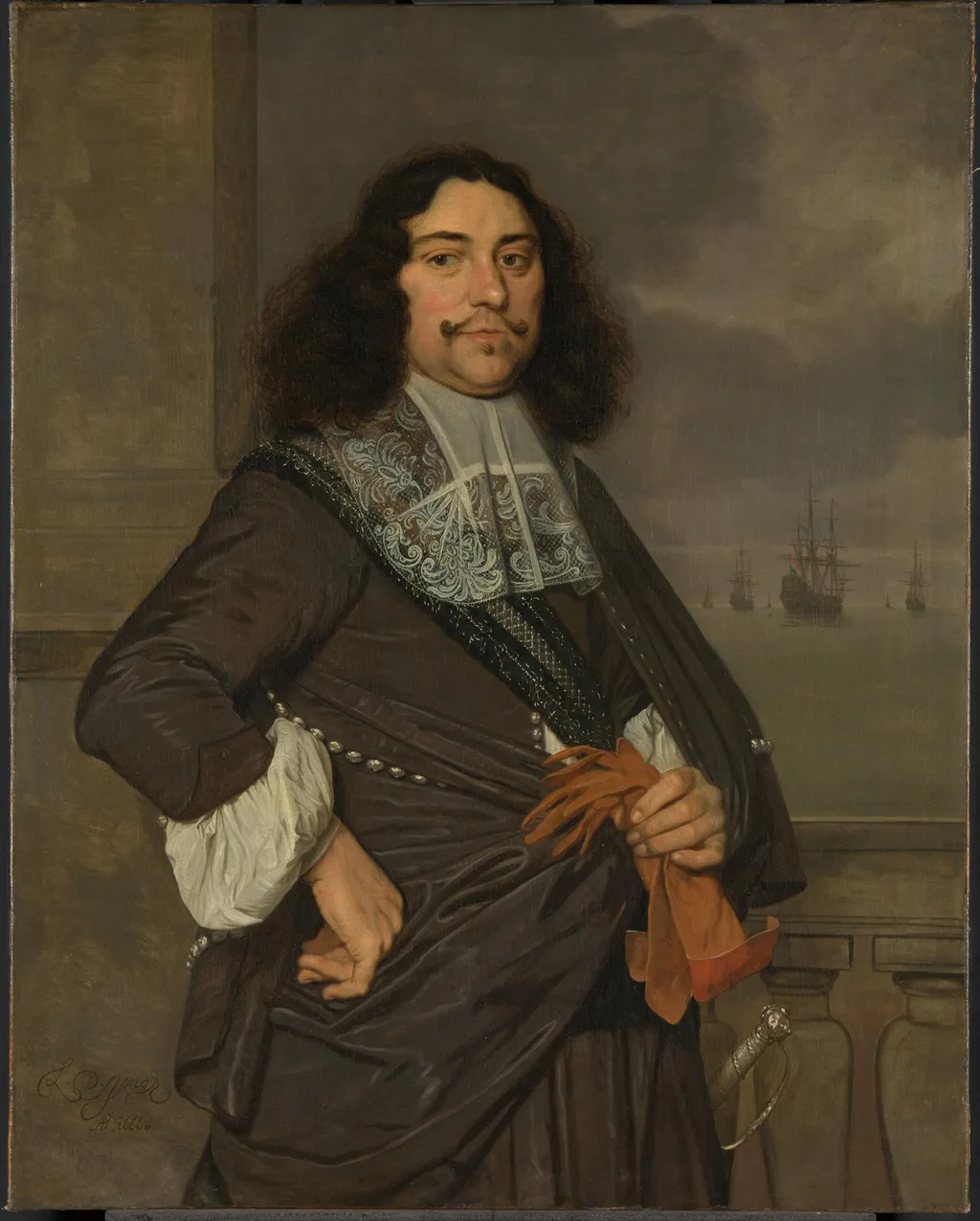
Jan van Nes (1631-80), Vice admiral of Holland and West-Friesland is an unspecified painting by the Dutch Golden Age artist Ludolf de Jongh. It dates from 1666 and is held in the collection of the Rijksmuseum. This portrait depicts Jan van Nes, a 17th-century Dutch naval officer, standing by a balustrade with a serene seascape behind him.
About this work
Subject & Meaning
The portrait, housed in the Rijksmuseum, Amsterdam, exemplifies de Jongh's skill in rendering aristocratic subjects with psychological depth and refined detail.
The painting portrays Jan van Nes, a 17th-century Dutch naval officer serving as Vice Admiral of Holland and West-Friesland, depicted in a manner that underscores his official status and authority within the maritime hierarchy. As a portrait by Ludolf de Jongh, completed in 1666, the work functions as both a record of the sitter's public role and a reflection of the prestige associated with naval leadership in the Dutch Republic. Van Nes's position symbolized military and political influence, particularly during a period when the Netherlands was expanding its maritime dominance. The portrait, housed in the Rijksmuseum, Amsterdam, exemplifies de Jongh's skill in rendering aristocratic subjects with psychological depth and refined detail.
De Jongh's approach to portraiture evolved from traditional formal compositions to more expressive treatments that emphasized individuality and situational context. In this work, the sitter is likely shown in ceremonial or official dress, though specific regalia or attributes of rank are not detailed in the sources. The painting contributes to the broader tradition of Dutch portraiture that sought to capture not just likeness but the social and institutional significance of the subject.
Technique & Style
Ludolf de Jongh executed the 1666 portrait of Jan van Nes using oil paint applied to a panel support. The work measures 111.5 by 88.5 cm. Stylistically, the painting reflects the artist's mature portraiture from the 1650s and 1660s, a period characterized by innovations in the use of light, spatial clarity, and facial expressiveness. De Jongh moved away from the traditional, formal Dutch style of his early career toward a more dynamic approach that utilized chiaroscuro to enhance the sitter's presence. This specific work aligns with his shift during the 1660s toward elegant, aristocratic subjects, distinguishing it from his earlier genre scenes of peasants or soldiers.
History & Provenance
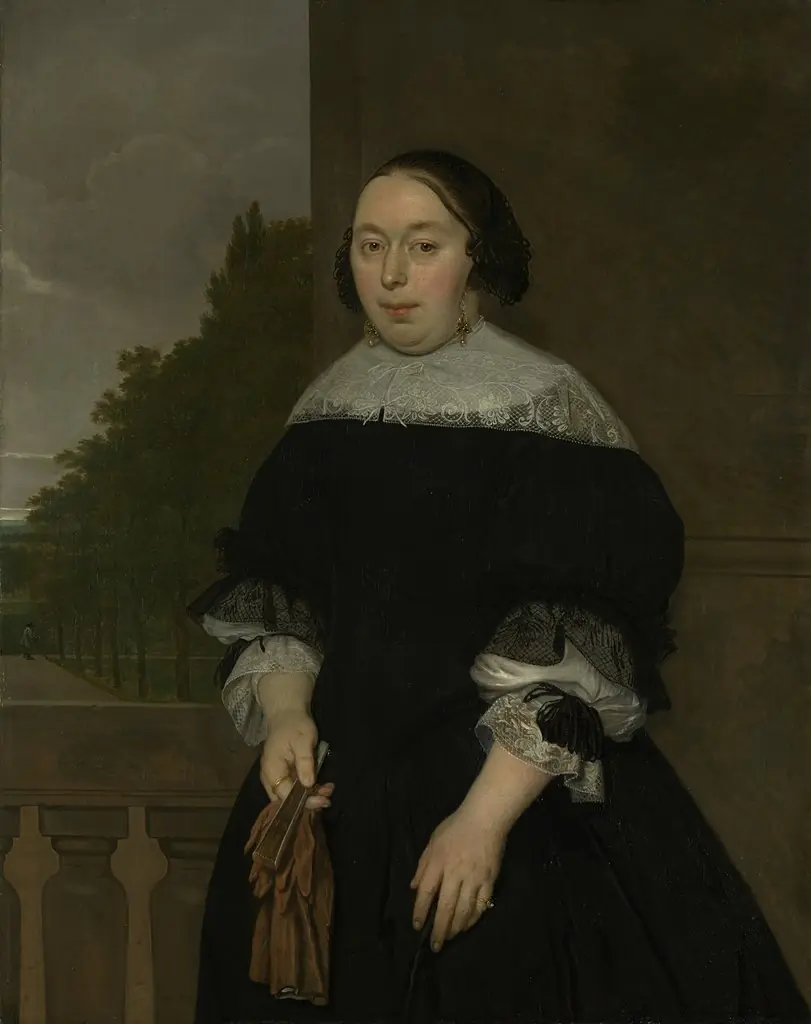
The portrait of Vice Admiral Jan van Nes was created by the Dutch painter Ludolf de Jongh in 1666. Executed as an oil painting on panel, the work measures 111.5 by 88.5 cm. It depicts the subject in his capacity as Vice Admiral of Holland and West-Friesland. The painting is currently held in the collection of the Rijksmuseum in Amsterdam. A companion portrait of the admiral's wife, Aletta van Ravensberg, was painted by the same artist two years later in 1668 and is also located in the same museum.
Ludolf de Jongh's 1666 portrait of Jan van Nes is held in the Rijksmuseum in Amsterdam. The work is executed in oil on panel, measuring 111.5 × 88.5 cm. It is part of the museum's permanent collection, which also houses the companion portrait of Van Nes's wife, Aletta van Ravensberg, painted in 1668. The sources identify the location and physical format of the painting but do not provide a specific inventory or accession number. Furthermore, no information regarding the work's exhibition history, including past or future displays, is available in the provided texts.
Context
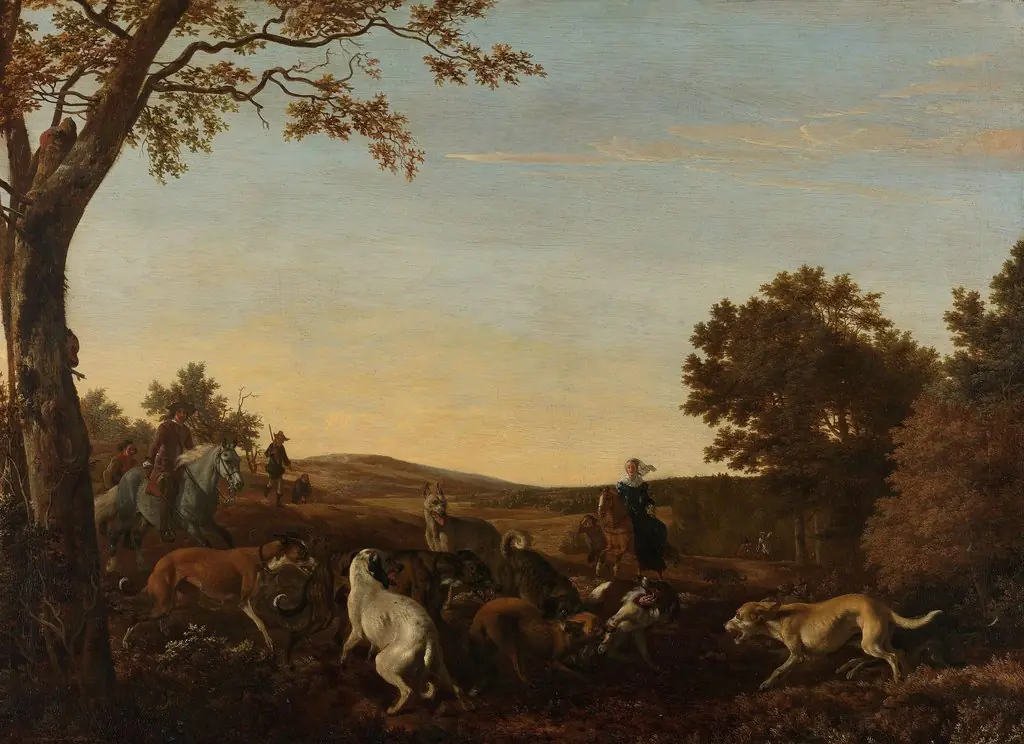
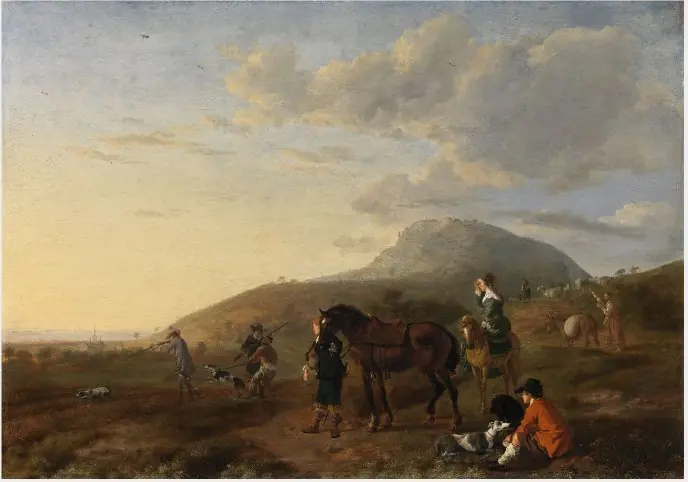
Ludolf de Jongh's portrait of Vice Admiral Jan van Nes (1666) exemplifies the artist's status as Rotterdam's leading painter during the 1650s and 1660s. De Jongh is recognized for introducing innovations to Dutch portraiture, specifically through enhanced facial expressivity, measurable spatial depth, and sophisticated light handling. His versatile oeuvre, which spanned genre scenes, hunting pieces, and history paintings, distinguished him from contemporaries who typically specialized in single genres. This eclecticism, combined with his habit of rarely signing works, has historically complicated scholarly attribution. Art historically, de Jongh's work from the late 1640s reflects the influence of Utrecht Caravaggists like Jacob Duck, while his later style significantly impacted younger artists such as Pieter de Hooch.
Own this work as a print
Artist & collection

Artist
Ludolf de Jongh or Ludolf Leendertsz. de Jongh (Overschie, 1616 – Hillegersberg, 1679) was a Dutch painter, known for his genre scenes, hunting scenes, history paintings, landscapes, cityscapes, and portraits. He was…

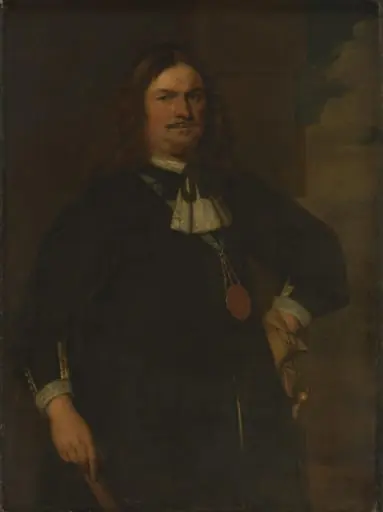 Portrait of Adriaen Banckert (c. 1620-1684), Vice Admiral of Zeeland
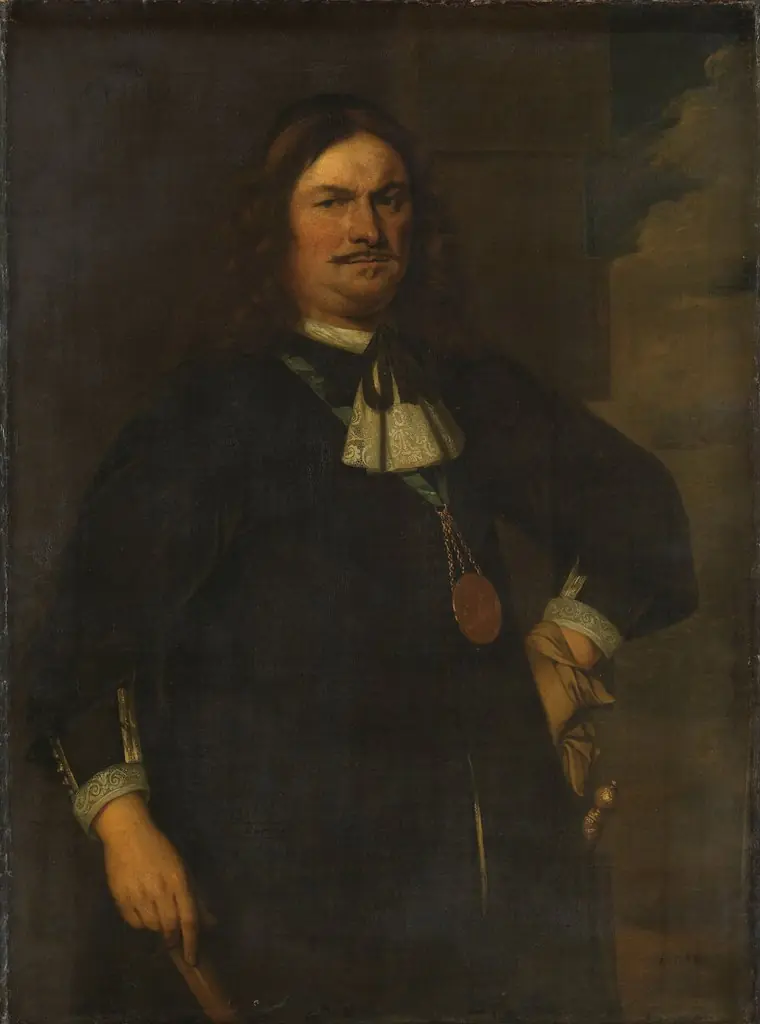 Adriaen Banckert, Vice Admiral of Zeeland
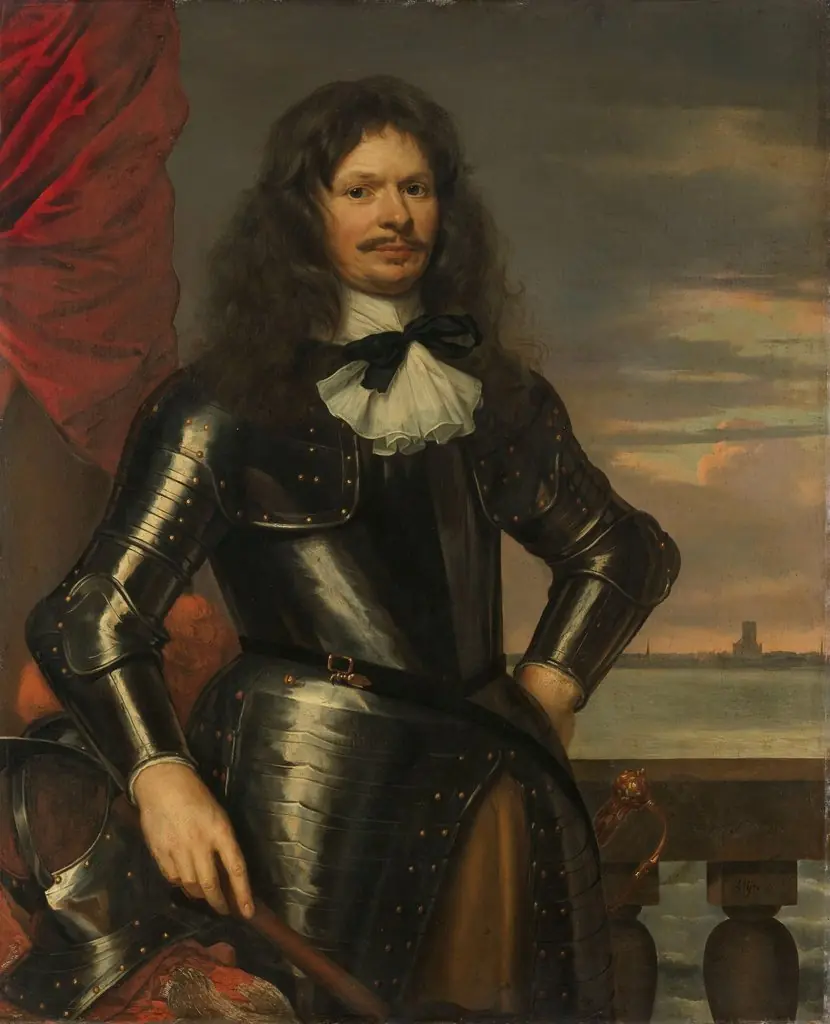 Portrait of Johan van Beaumont. Colonel in the Holland guards and commander of Den Briel
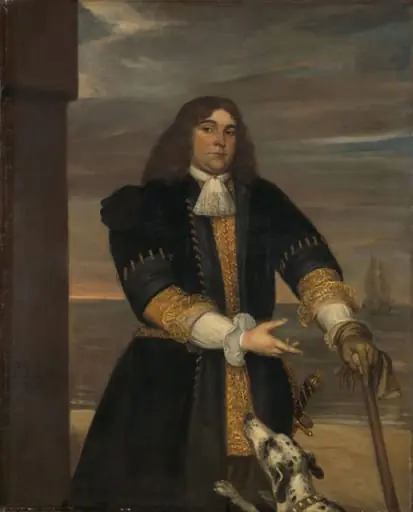 Jan van Gelder (1647-73), Naval Captain, Stepson of Michiel Adriaensz de Ruyter
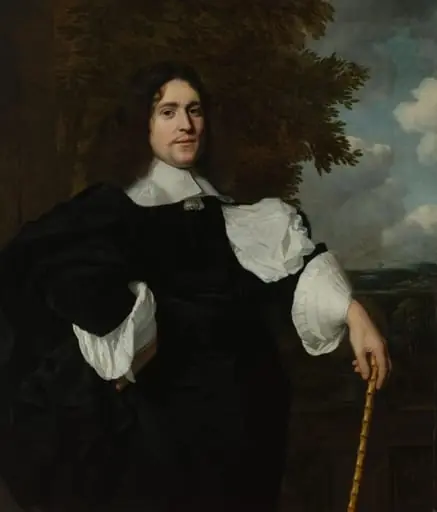 Jacobus Trip (1627-70), Armaments Dealer of Amsterdam and Dordrecht
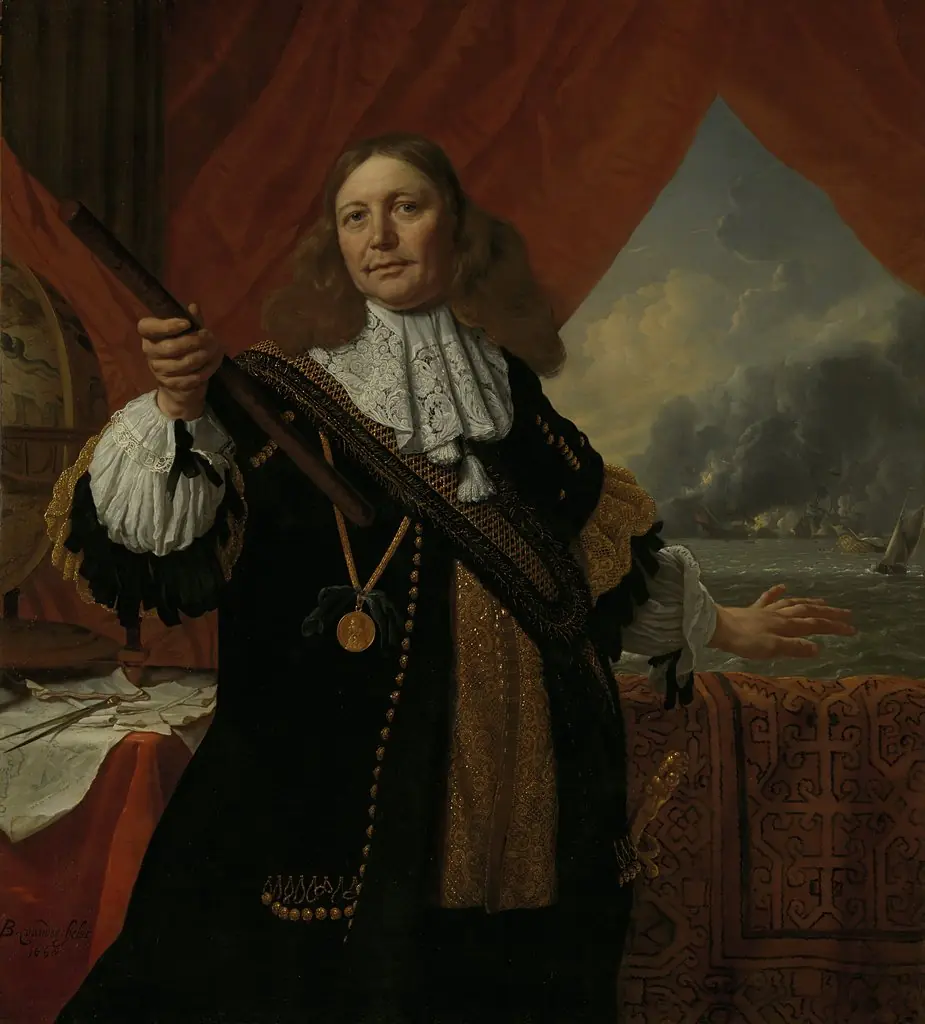 Johan de Liefde (c 1619-73), Vice admiral
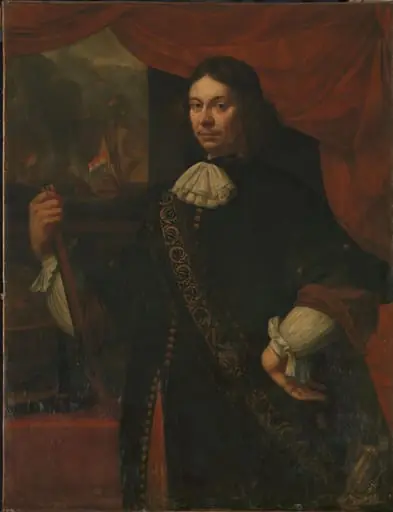 Portrait of Cornelis Jacobsz de Boer, Captain in the Navy
 Adriaen Banckert (c 1620-1684), Vice Admiral of Zeeland