Artwork
Faust und Gretchen im Kerker
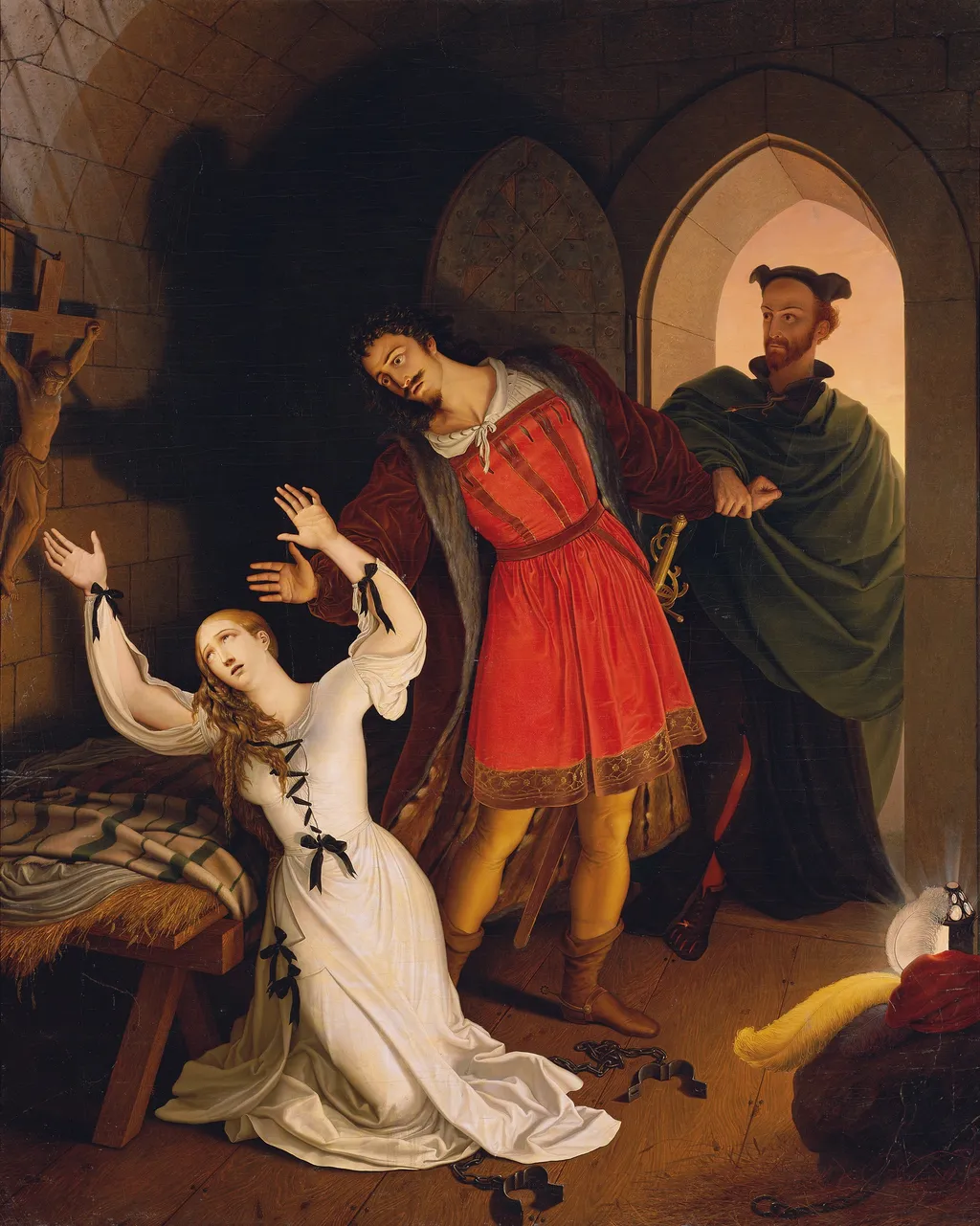
Faust und Gretchen im Kerker is an oil painting by the German Romanticist artist Ludwig Ferdinand Schnorr von Carolsfeld. It dates from 1833 and is held in the collection of the Kunsthistorisches Museum.
About this work
Subject & Meaning
Schnorr von Carolsfeld’s composition visualizes the psychological tension between guilt and redemption central to Goethe’s drama.
The painting depicts the climactic encounter between Faust and Gretchen in the dungeon from Goethe’s tragedy Faust, Part One. Schnorr von Carolsfeld shows the distraught Gretchen, kneeling in despair, while the tormented Faust kneels beside her. The dim, shadowed setting of the prison cell underscores the moral and emotional gravity of their meeting, emphasizing Gretchen’s abandonment and Faust’s complicity in her fate.
Schnorr von Carolsfeld’s composition visualizes the psychological tension between guilt and redemption central to Goethe’s drama. Gretchen’s downcast gaze and clasped hands signal her spiritual crisis, while Faust’s outstretched hand and anguished expression convey his conflicted responsibility.
Technique & Style
Created in 1833 by Ludwig Ferdinand Schnorr von Carolsfeld, this work is an oil painting executed on canvas. The piece depicts the characters Faust within a dungeon setting, rendered through the artist's application of oil paint. The composition is substantial in scale, measuring 302 cm in height and 245 cm in width.
As a classified painting held in the Belvedere collection, the work utilizes traditional materials of the period to portray its dramatic subject matter.
History & Provenance
The work titled Faust und Gretchen im Kerker was created in 1833 by Ludwig Ferdinand Schnorr von Carolsfeld. It is executed in oil paint on canvas and measures 302 cm in height by 245 cm in width. The painting entered the collection of the Belvedere, Kunsthistorisches Museum, where it remains on display.
Overview
Ludwig Ferdinand Schnorr von Carolsfeld’s oil painting Faust und Gretchen im Kerker was completed in 1833. The work belongs to the German Romantic tradition and is presently part of the Kunsthistorisches Museum’s collection. It portrays a dramatic moment from the Faust legend, set within a stark, stone‑walled cell.
Context
The painting reflects the 19th‑century fascination with Goethe’s Faust and the broader Romantic interest in intense emotion, the supernatural, and moral conflict. By focusing on the dungeon scene, Schnorr von Carolsfeld emphasizes the tragic consequences of Faust’s pact, aligning the work with contemporary literary and visual interpretations of the legend.
Own this work as a print
Artist & collection
Artist
Ludwig Ferdinand Schnorr von Carolsfeld
Ludwig Ferdinand Schnorr von Carolsfeld (11 October 1788 – 13 April 1853) was a German Romantic painter, engraver and lithographer.

- The Young François I of France Goes out Hunting
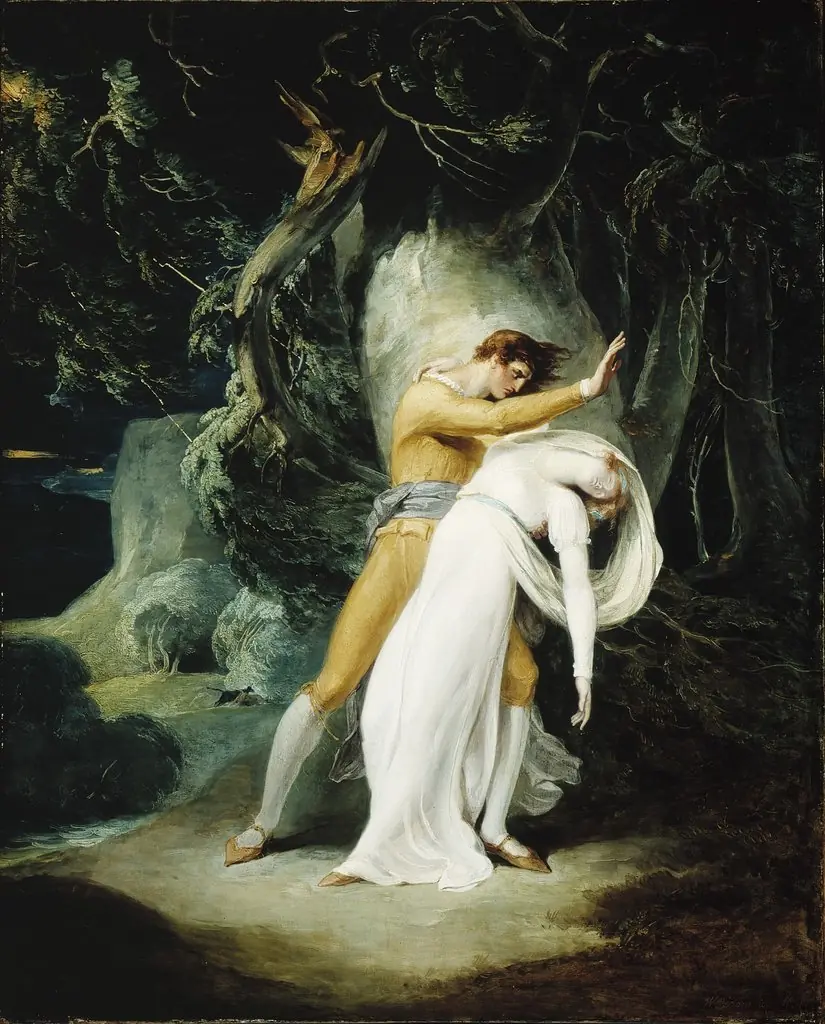 Celadon and Amelia
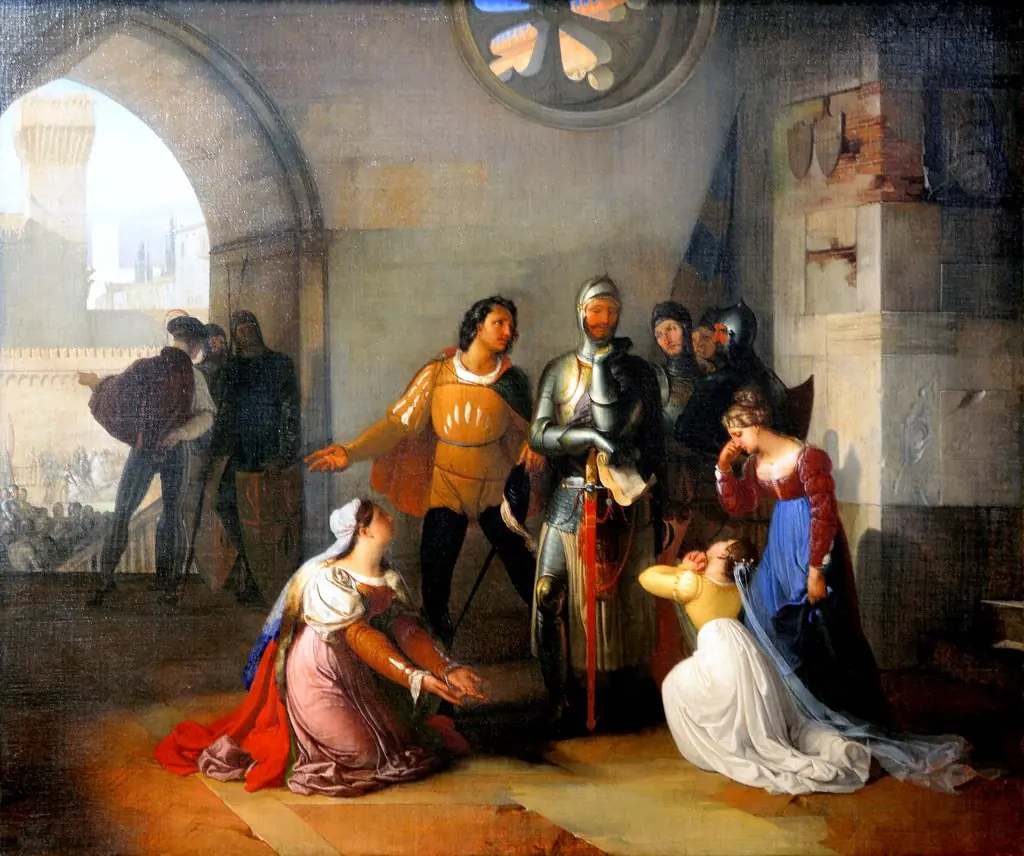 Pietro Rossi called to command the Venetian army
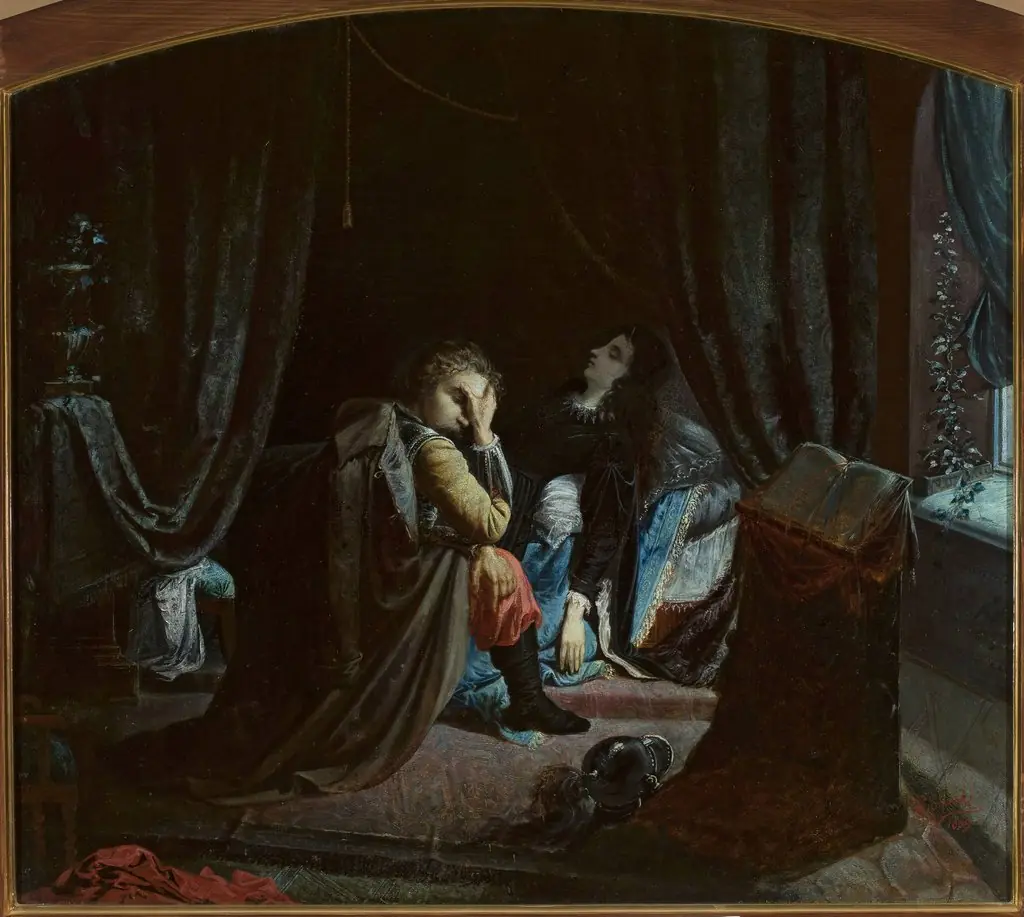 Death of Maria, illustriation to the poem by A. Malczewski
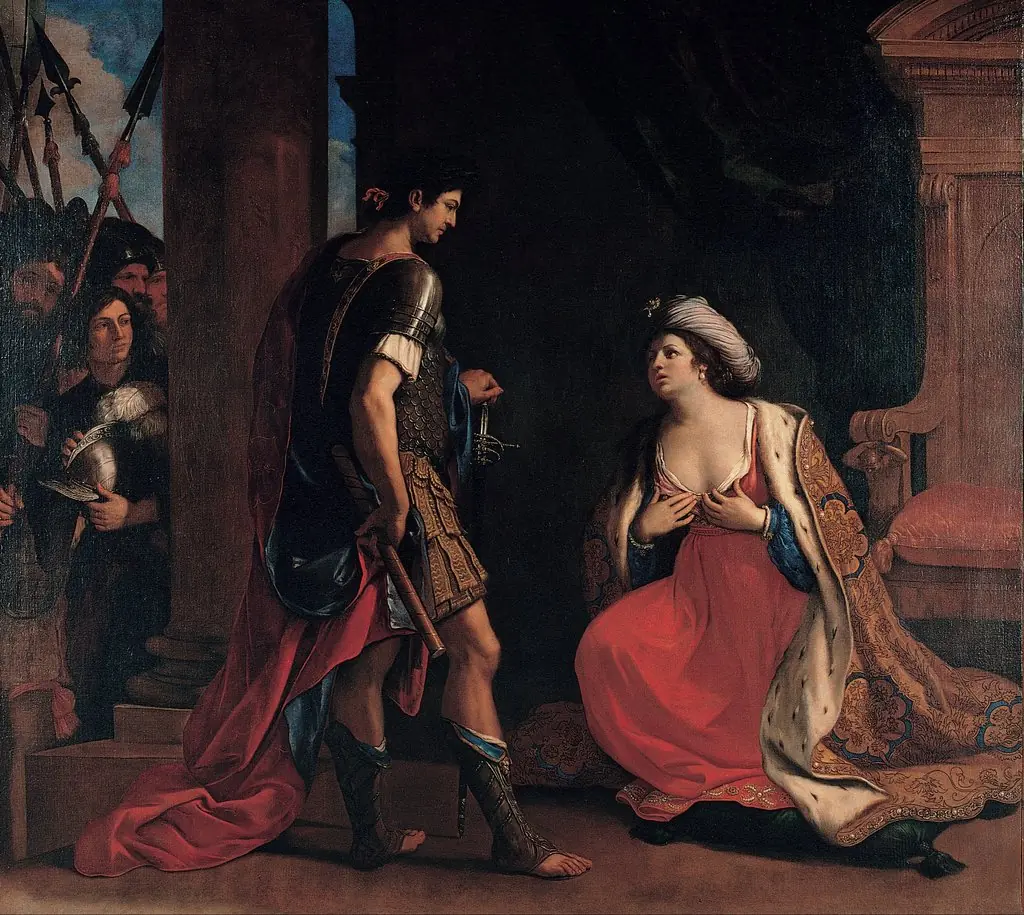 Cleopatra and Octavian
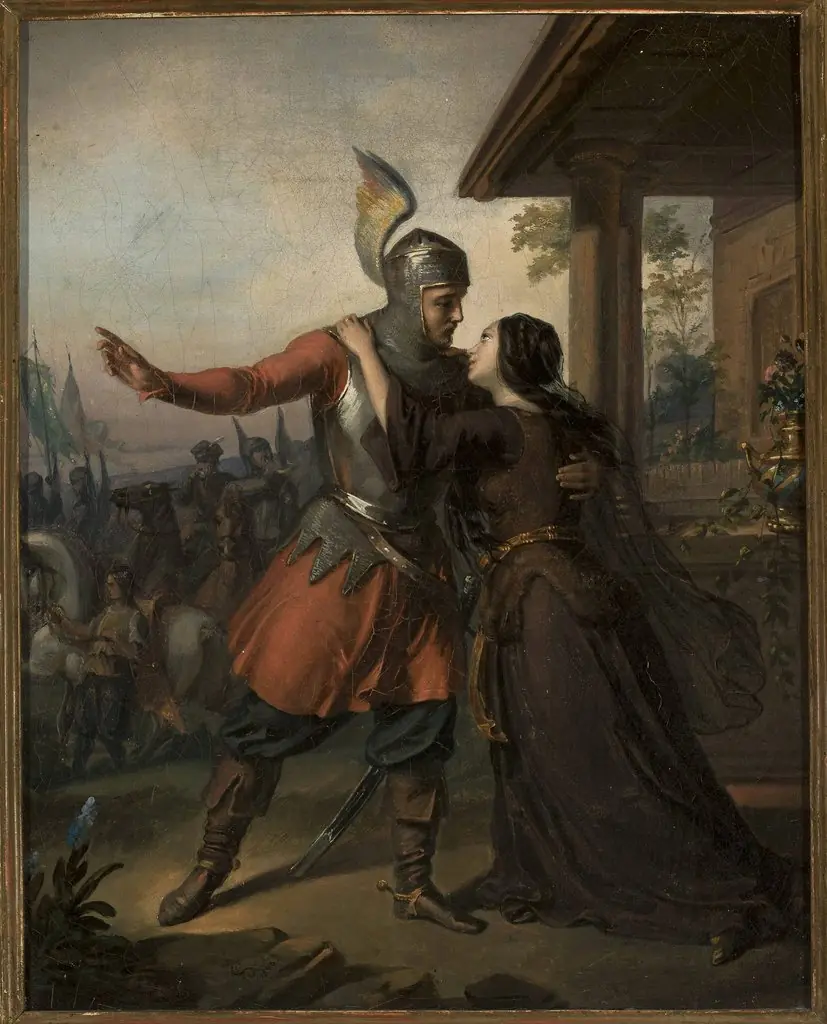 Wacław's farewell to Maria
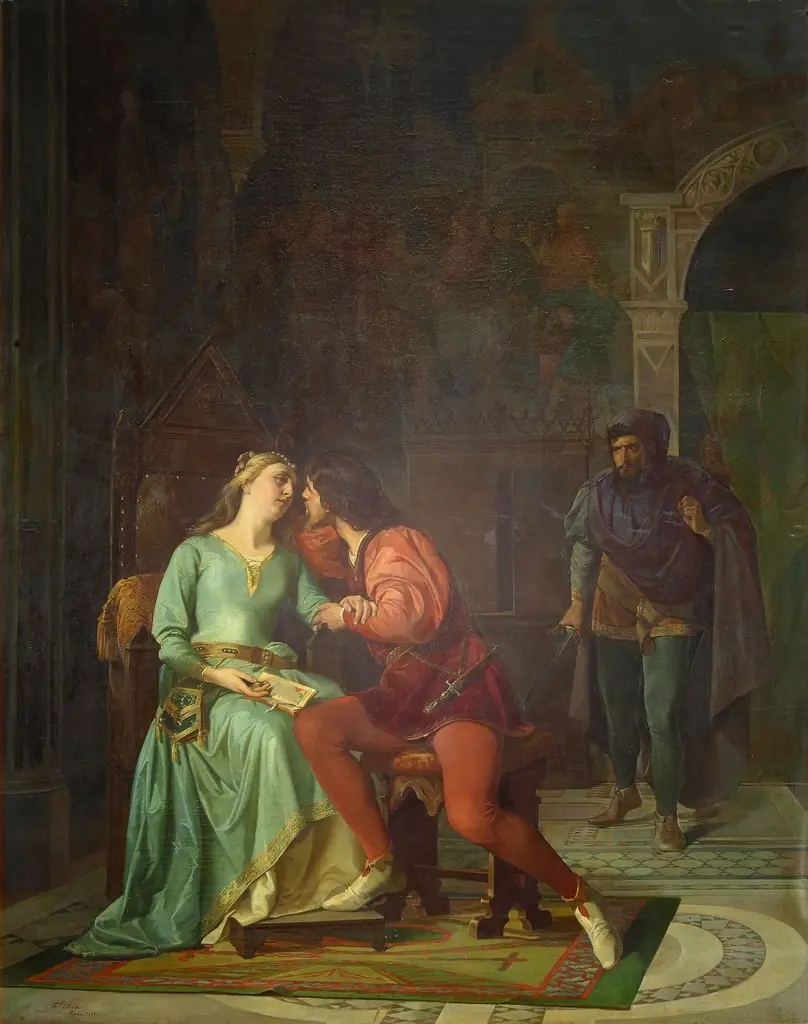 Francisca de Rímini
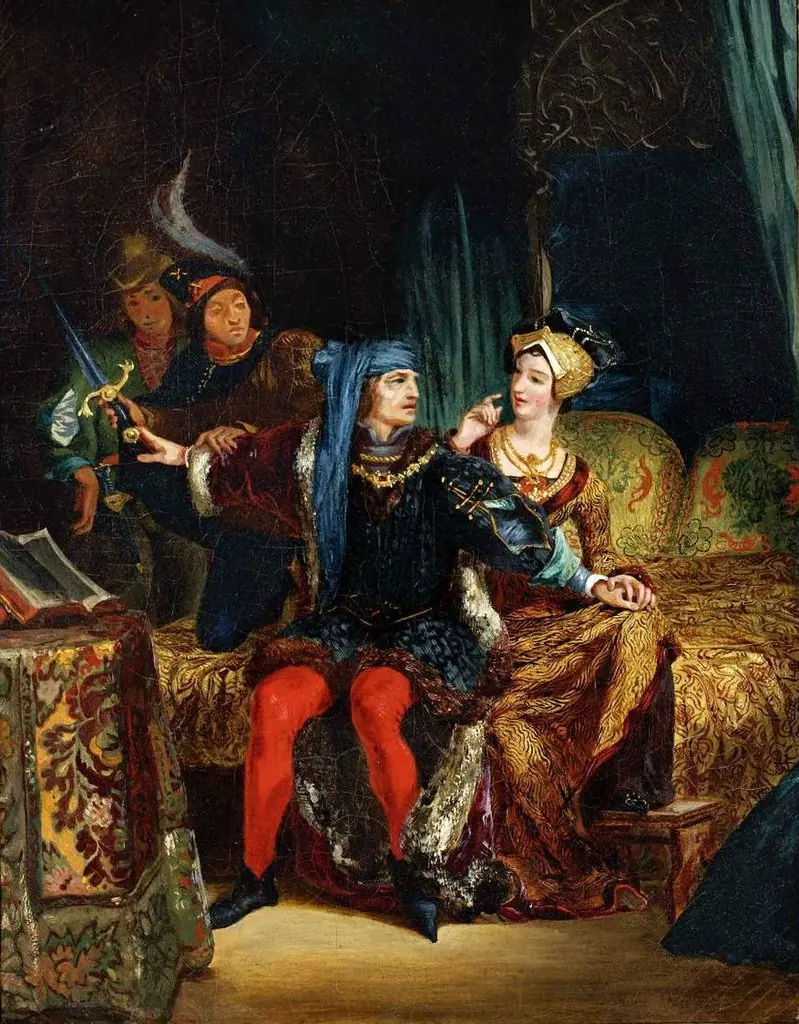 Charles VI et Odette de Champdivers
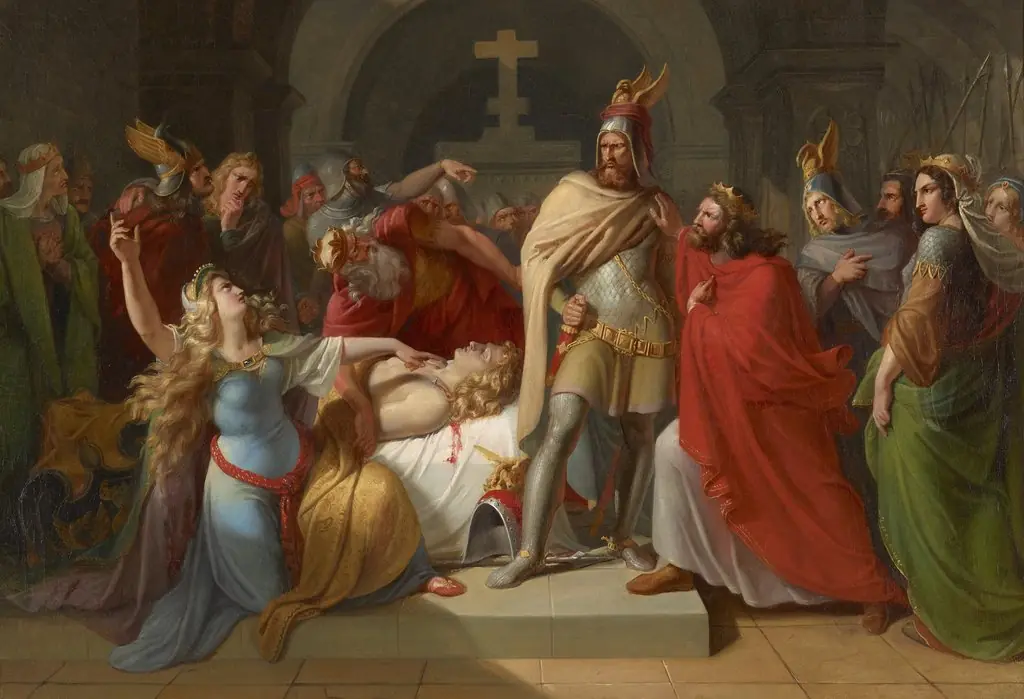 Kriemhild an der Leiche Siegfrieds erklärt Hagen als dessen Mörder und schwört Rache
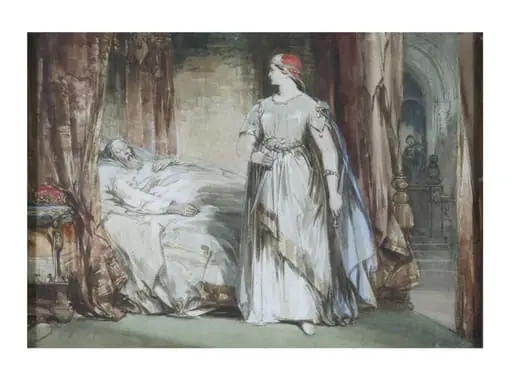 Lady Macbeth
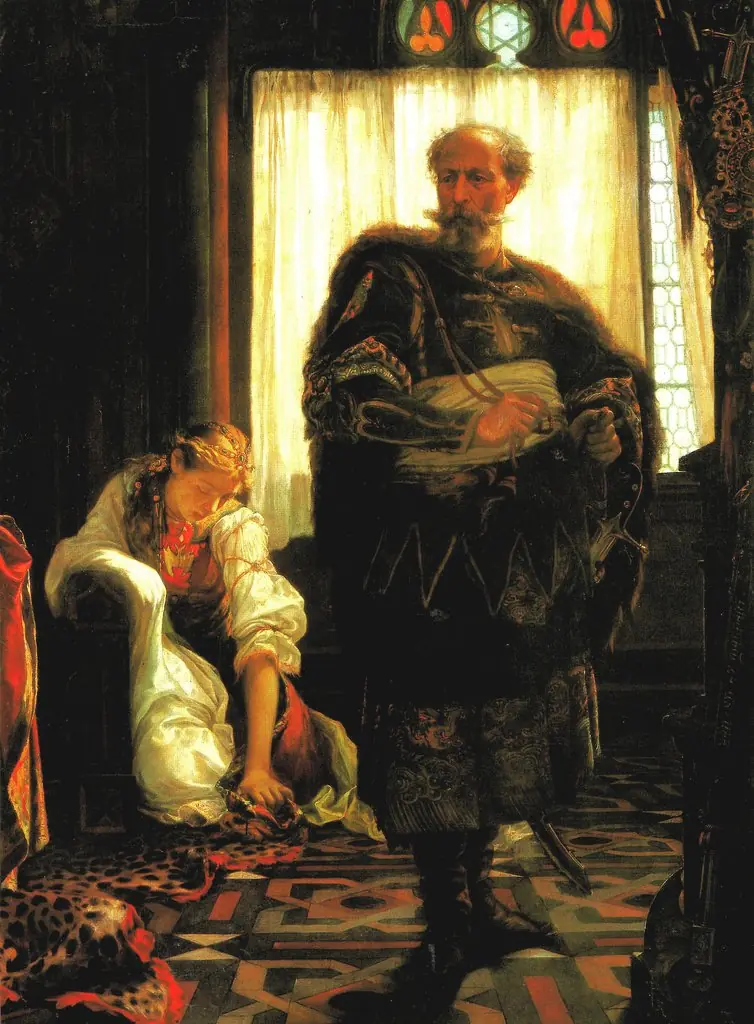 Felicián Zách