Artwork
The Adoration of the Magi
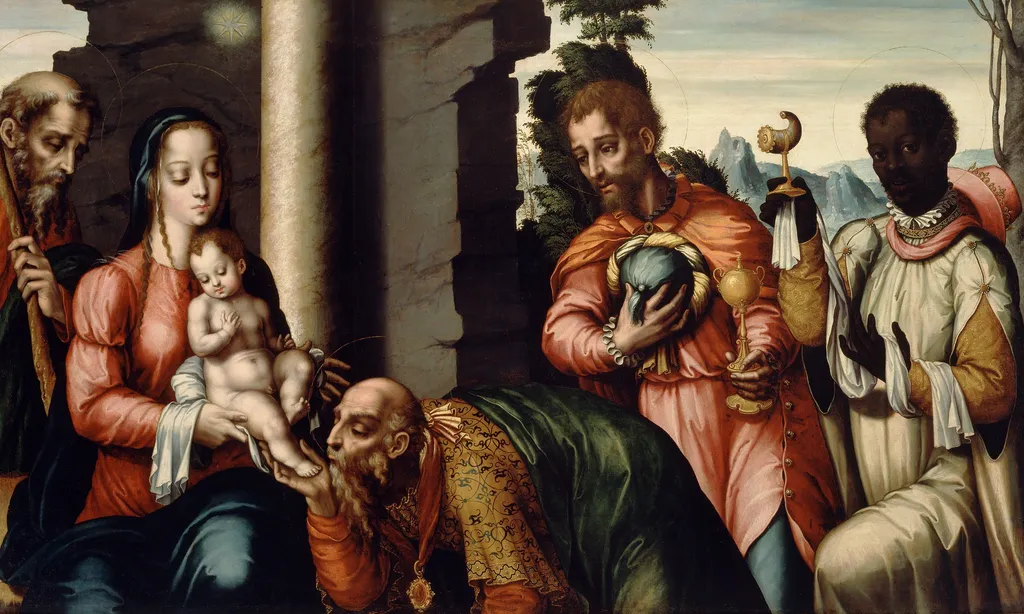
The Adoration of the Magi is an oil painting by the Mannerist artist Luis de Morales. It dates from 1565 and is held in the collection of the Museo del Prado.
About this work
Subject & Meaning
Morales's treatment places the holy family at the focal point of devotion, framing the moment as both a narrative event and an object of contemplative worship.
The painting depicts the Adoration of the Magi, a religious scene in which the three Biblical Magi present offerings to the Christ Child, who is shown with his mother Mary and Joseph. The composition centers on this act of veneration, a moment drawn from the Gospel account of the Magi's visit to the newborn Christ. Among the depicted elements is a gemstone, likely one of the precious gifts traditionally associated with the Magi's offering.
The work belongs to the genre of religious art, presenting the encounter as an act of homage to the Christ Child.
The scene carries layered symbolic meaning: the Magi's presentation of gifts signifies the recognition of Christ's kingship and divinity, while the gemstone underscores the preciousness of the offering. Morales's treatment places the holy family at the focal point of devotion, framing the moment as both a narrative event and an object of contemplative worship.
Technique & Style
Luis de Morales executed The Adoration of the Magi using oil paint applied to a wooden panel support. The work measures 98.9 cm in height and 166.6 cm in width. Stylistically, the composition focuses on the biblical narrative of the Magi presenting gifts to the Christ Child, accompanied by Mary and Joseph.
The artist incorporated detailed depictions of gemstones within the scene, emphasizing the richness of the offerings. Created in the mid-16th century, this religious painting exemplifies Morales's approach to devotional subjects through the medium of oil on panel.
History & Provenance
Created by Luis de Morales, The Adoration of the Magi is an oil painting on panel depicting the biblical scene of the Magi adoring the Christ Child alongside Mary and Joseph. The work's creation date is recorded as 1565, with some records also noting 1567, reflecting the artist's active period in the mid-16th century. Measuring 98.9 cm in height and 166.6 cm in width, the piece is currently held in the collection of the Museo del Prado in Madrid.
While the specific commission details or original patron are not detailed in the available records, the painting remains a significant example of Morales' religious art from this era.
The Adoration of the Magi by Luis de Morales is held in the collection of the Museo del Prado in Madrid. The painting is executed in oil on panel and measures 98.9 cm in height by 166.6 cm in width. While the work is generally dated to 1565, some records indicate an inception date of 1567.
The provided sources do not list a specific inventory or accession number for the piece, nor do they document any exhibition history.
Overview
Luis de Morales, a Spanish artist known as "El Divino," completed The Adoration of the Magi in 1565. This oil painting exemplifies his characteristic focus on religious themes, rendered with a distinctive blend of realism and Mannerist elegance. The work depicts the traditional biblical scene of the Three Kings presenting gifts to the infant Christ, surrounded by Mary and Joseph, and is a significant example of 16th-century Spanish art.
Context
Active during the Spanish Renaissance, Luis de Morales earned the epithet "El Divino" for his profound religious works. He specialized in devotional subjects, frequently portraying the Madonna and Child or scenes from the Passion of Christ. The Adoration of the Magi aligns with his established artistic practice, showcasing his ability to imbue traditional biblical narratives with intense emotional and spiritual resonance.
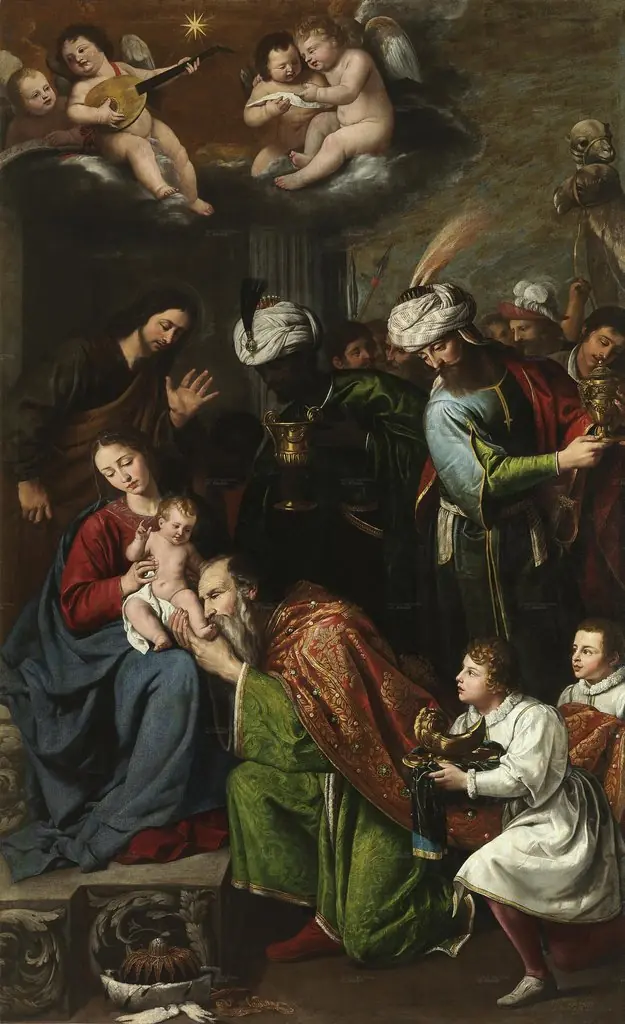
Artist & collection
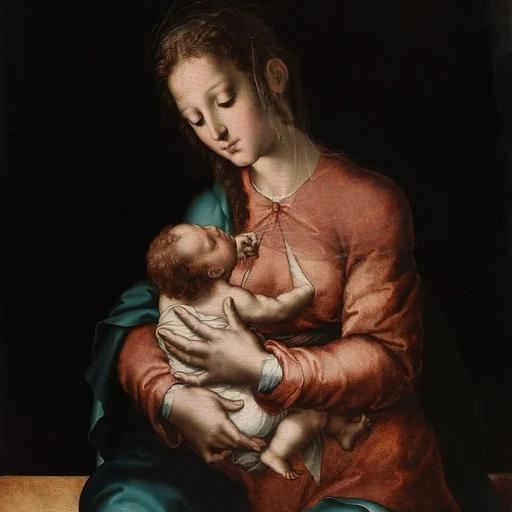
Artist
Luis de Morales (1509 – 9 May 1586) was a Spanish painter active during the Spanish Renaissance in the 16th century.

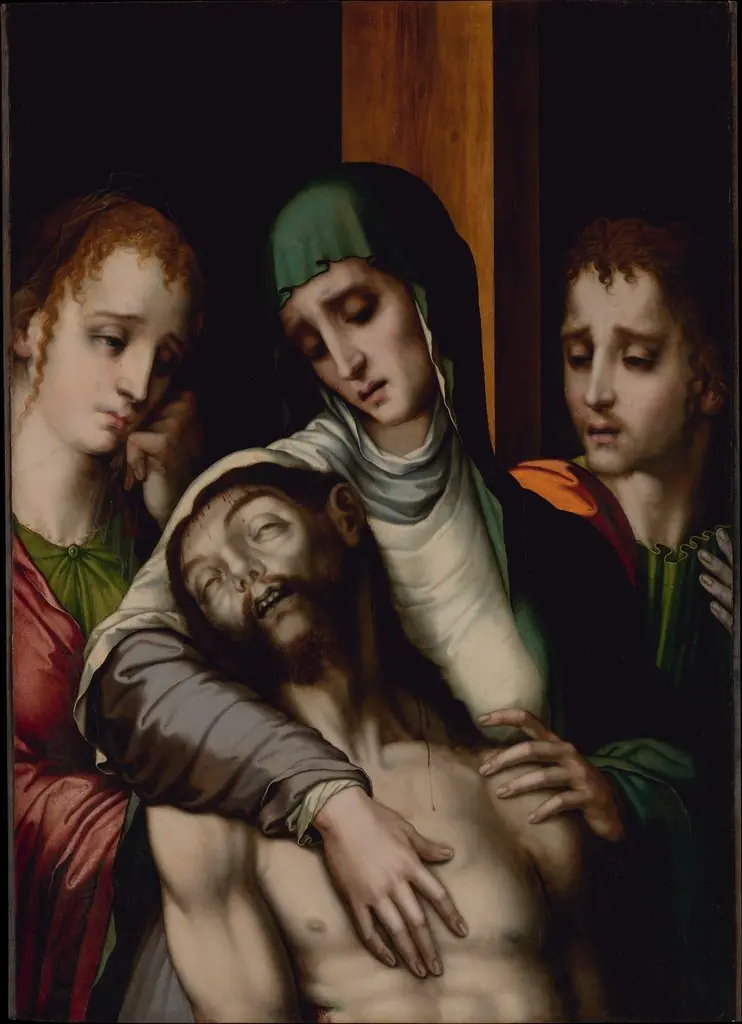
- The Adoration of the Magi
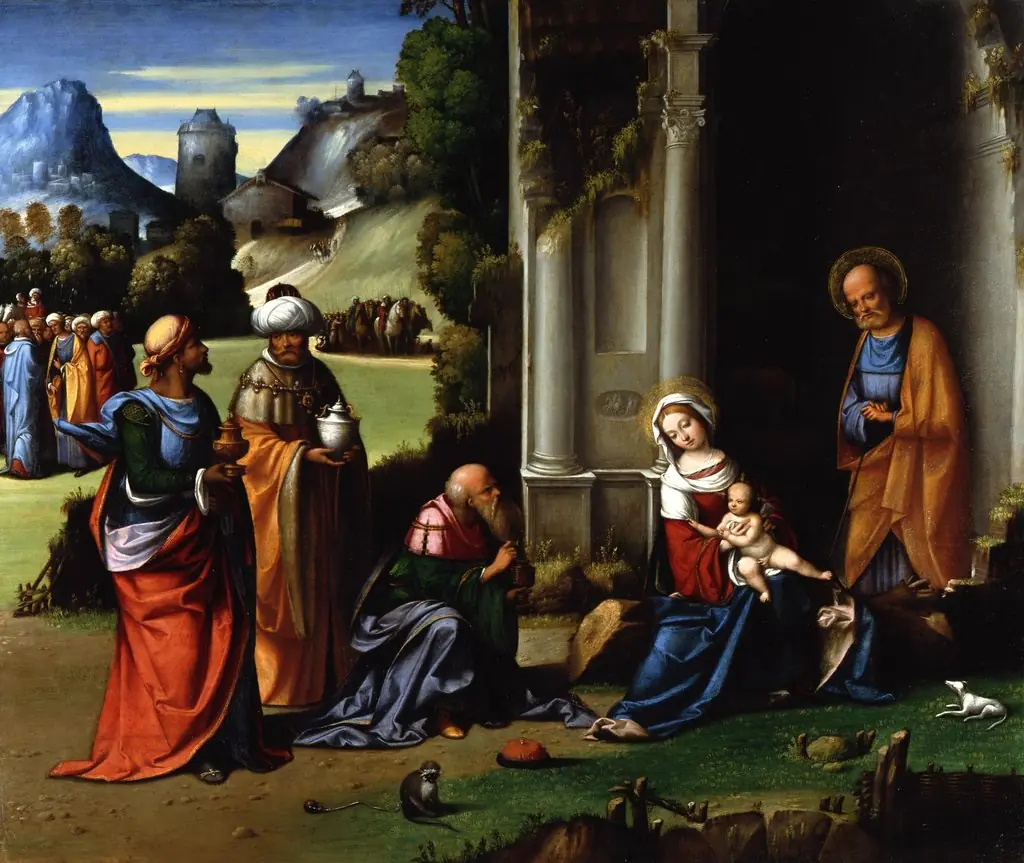 The Adoration of the Magi
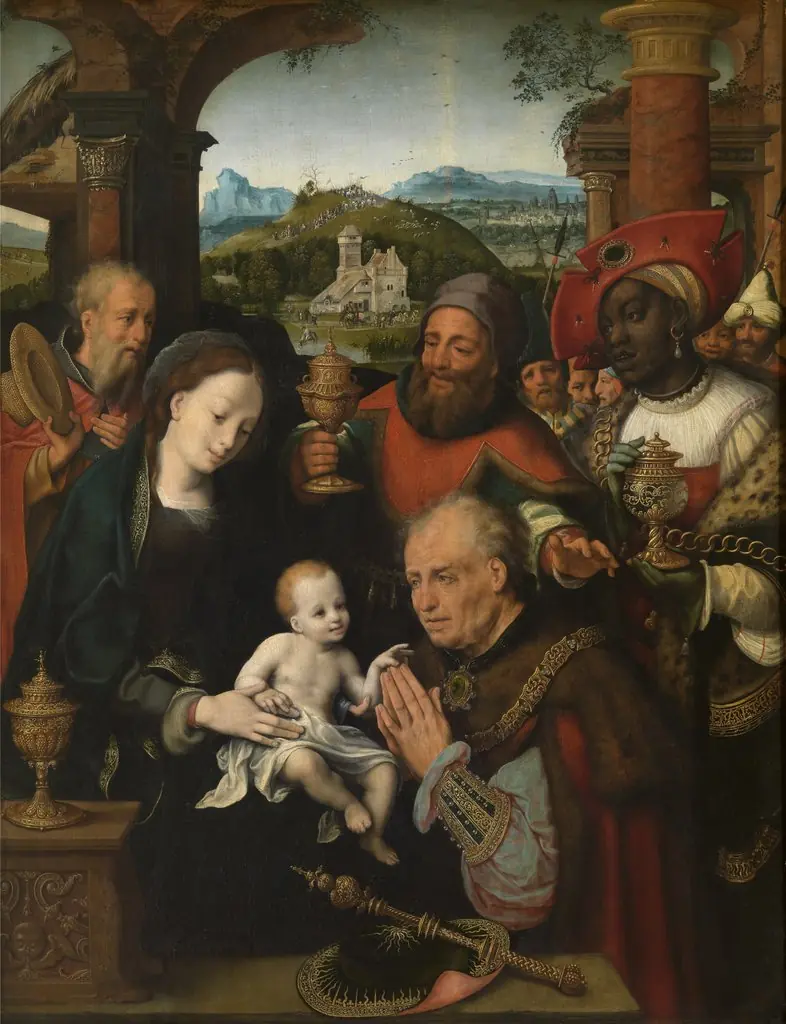 The Adoration of the Magi
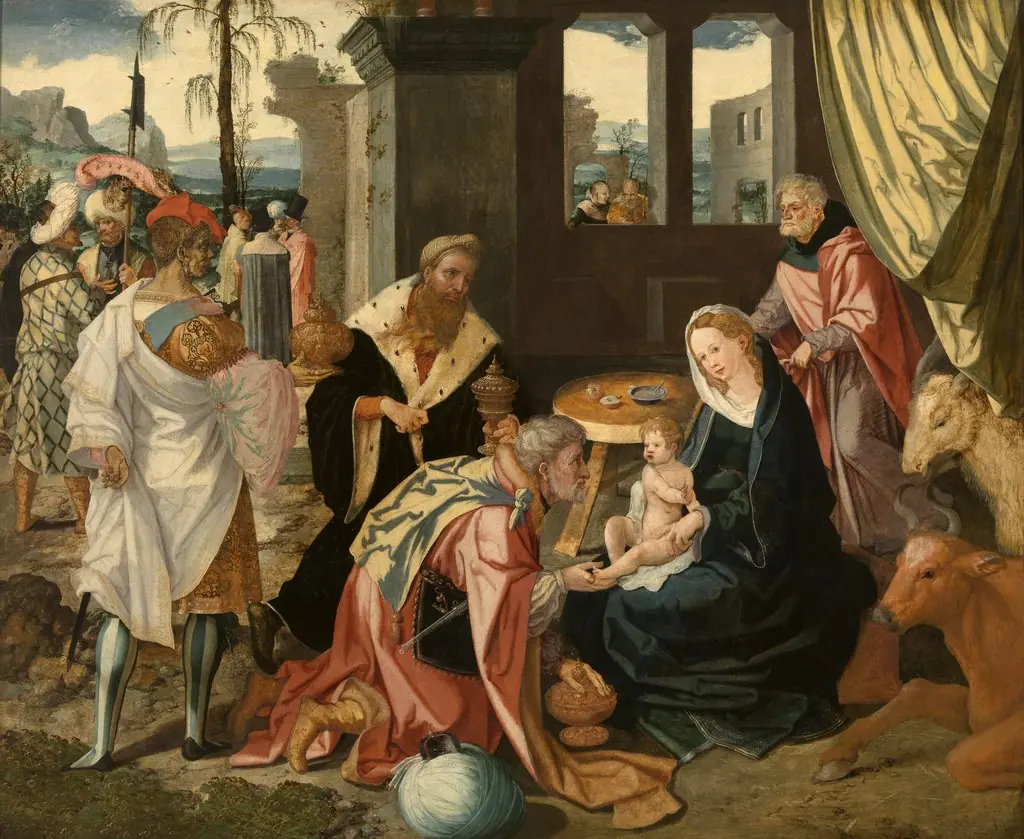 The Adoration of the Magi
 The Holy Family with a Donatrix as Saint Catherine of Alexandria
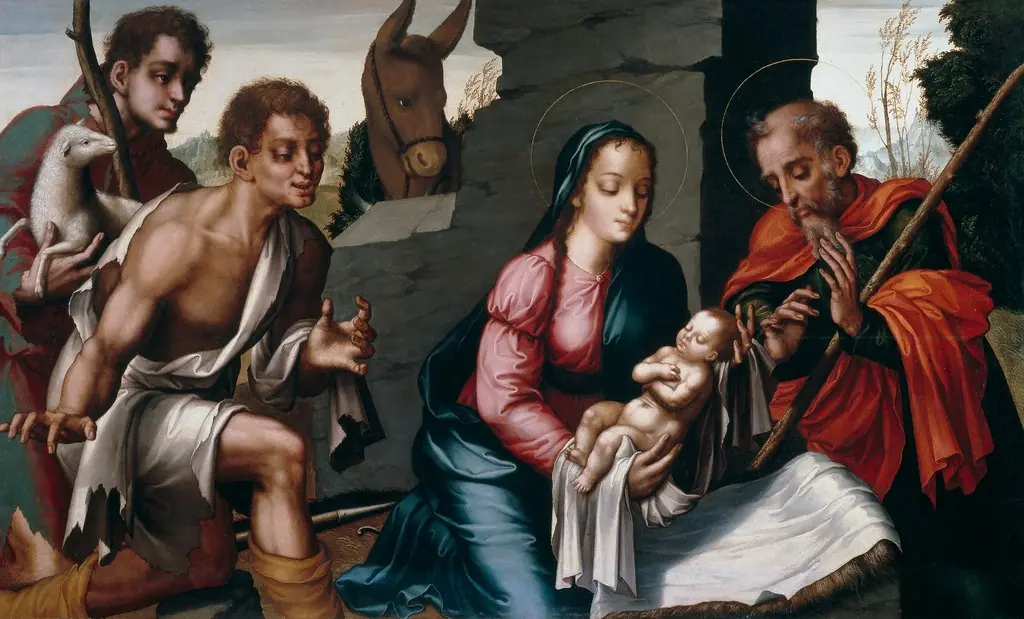 The Adoration of the Shepherds
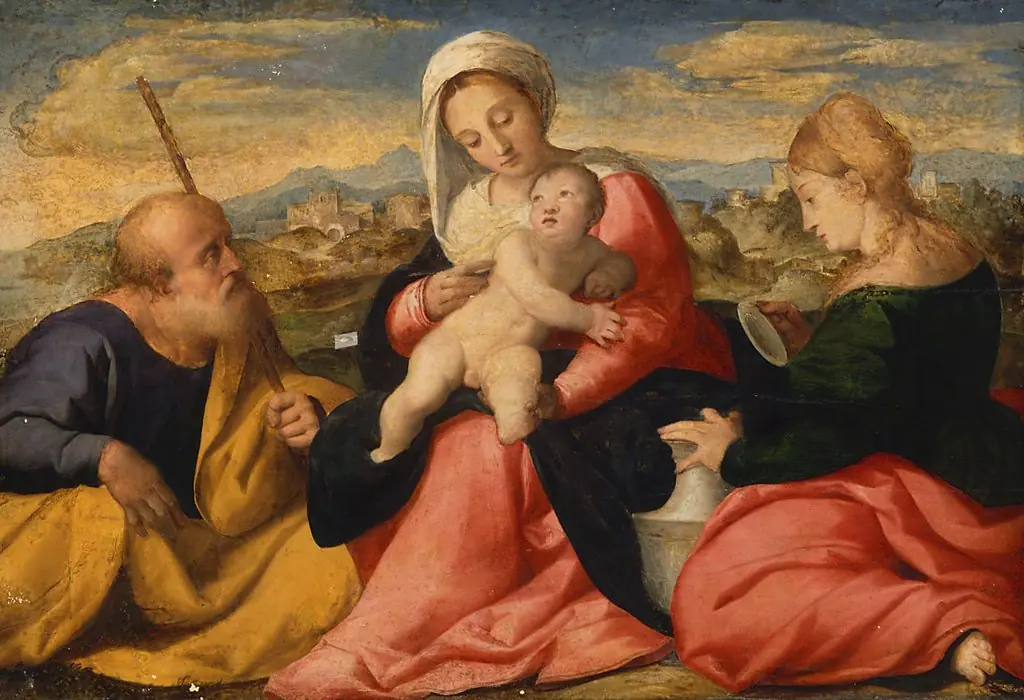 Madonna and Child with Sts Joseph and Magdalene
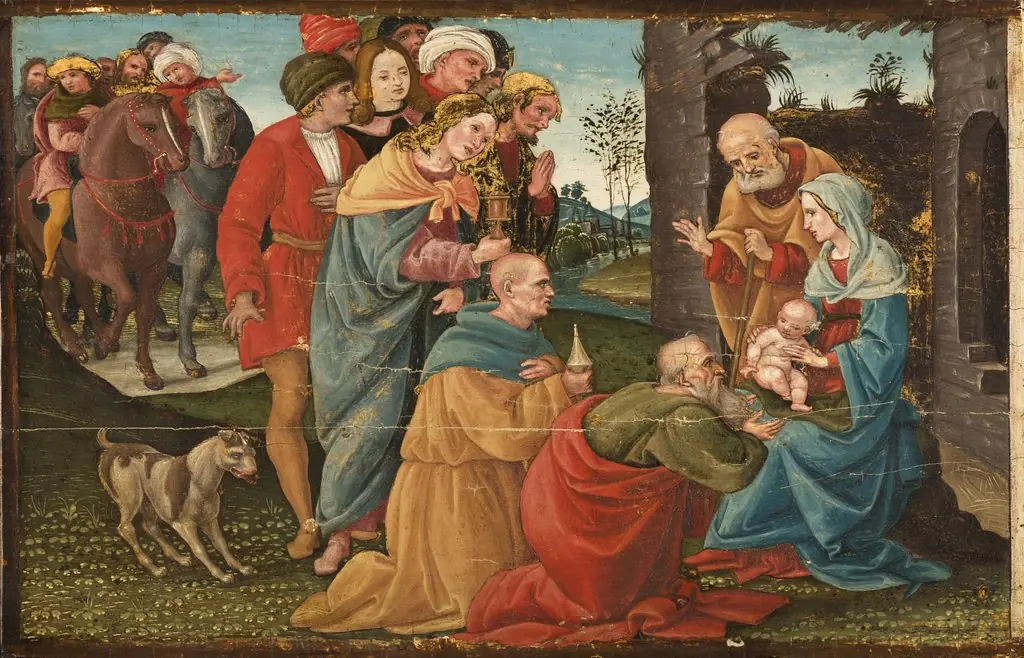 The Adoration of the Magi
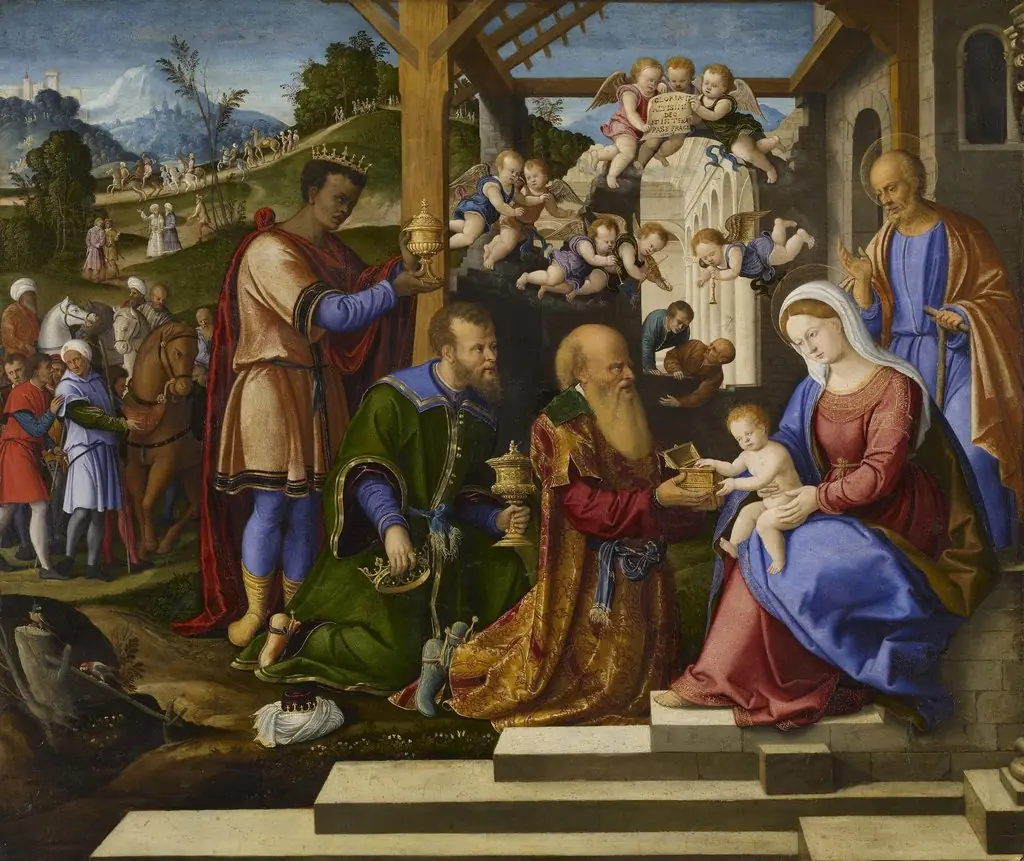 The Adoration of the Three Kings
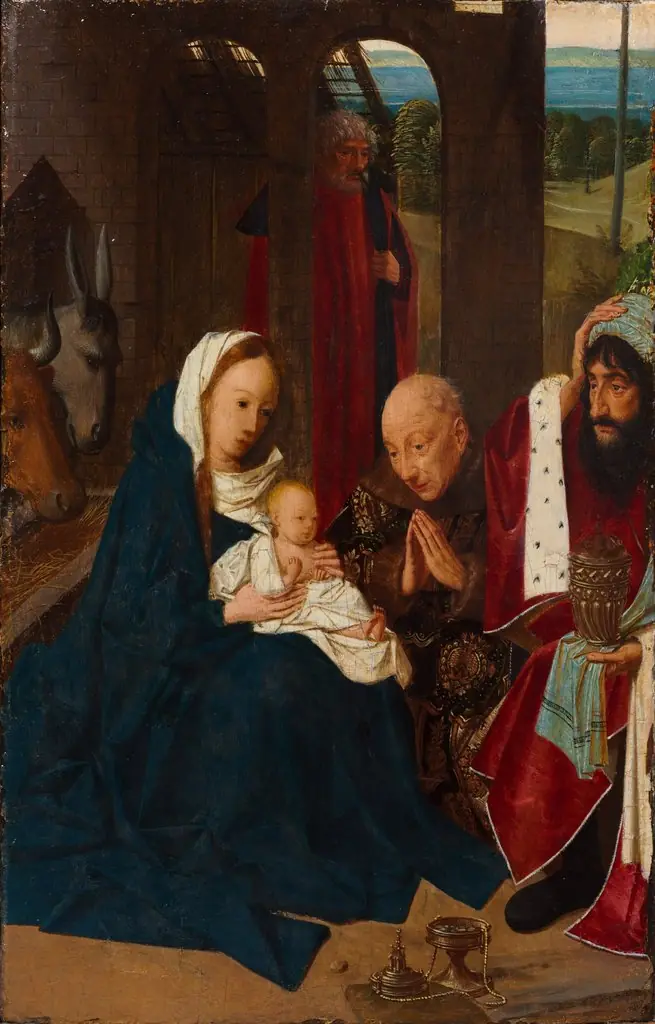 The Adoration of the Magi
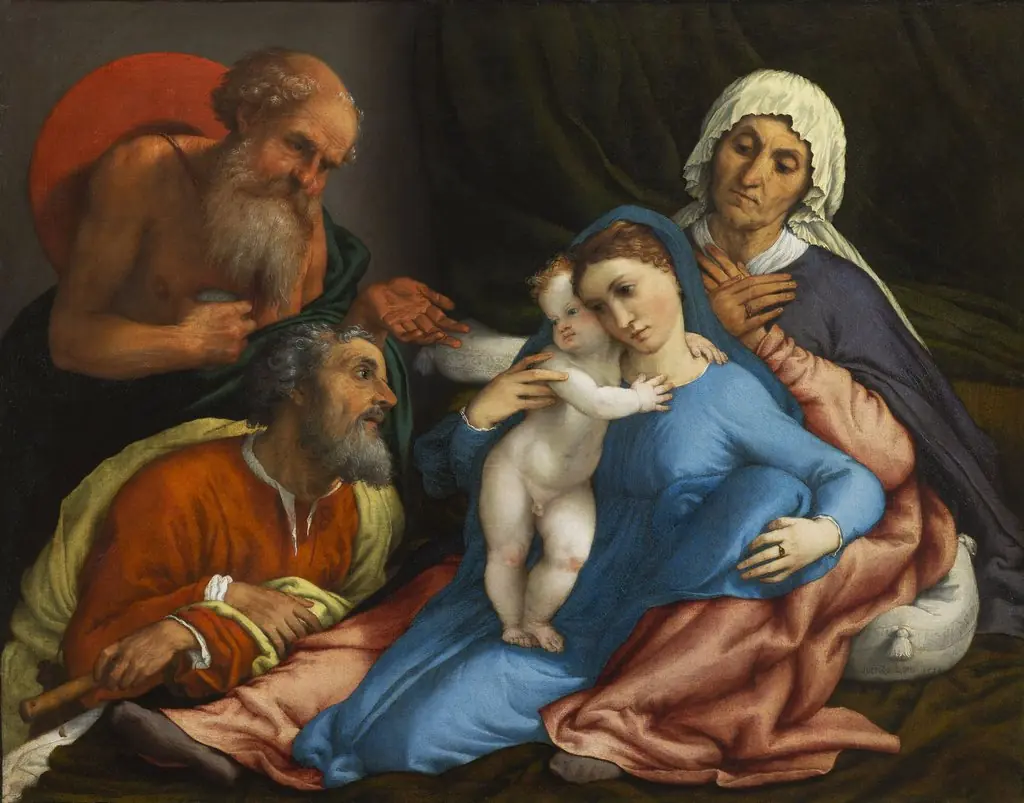 Madonna and Child with Saints
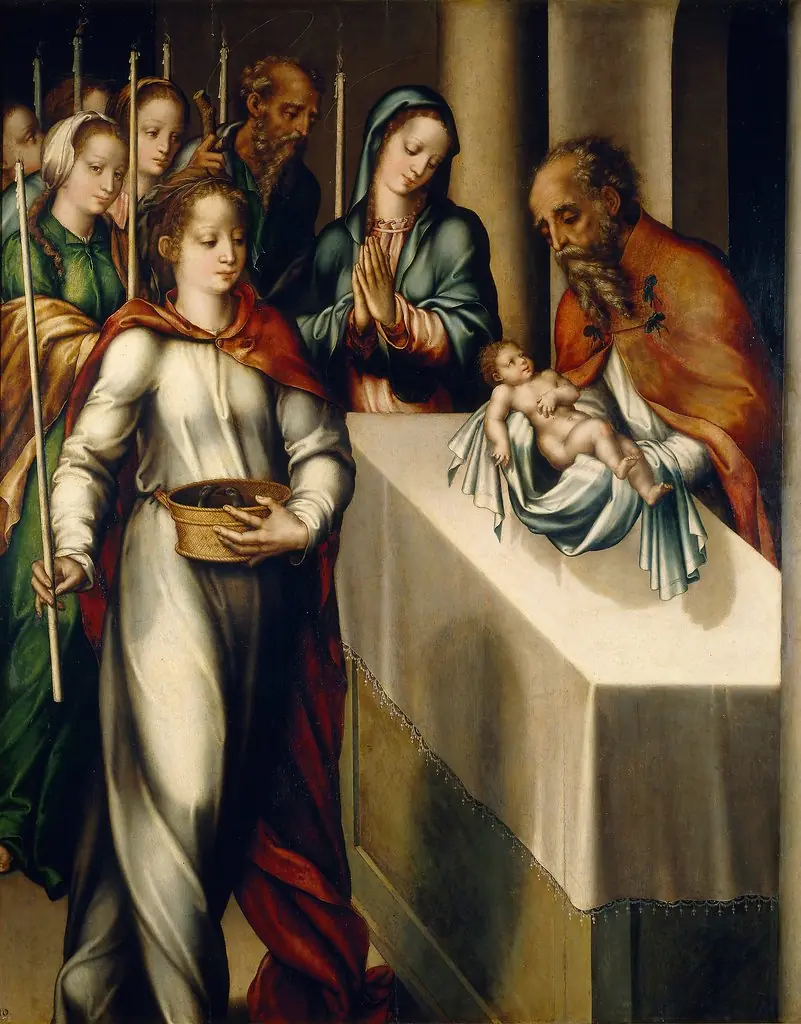 The Purification of the Virgin or The Presentation in the Temple