Artwork
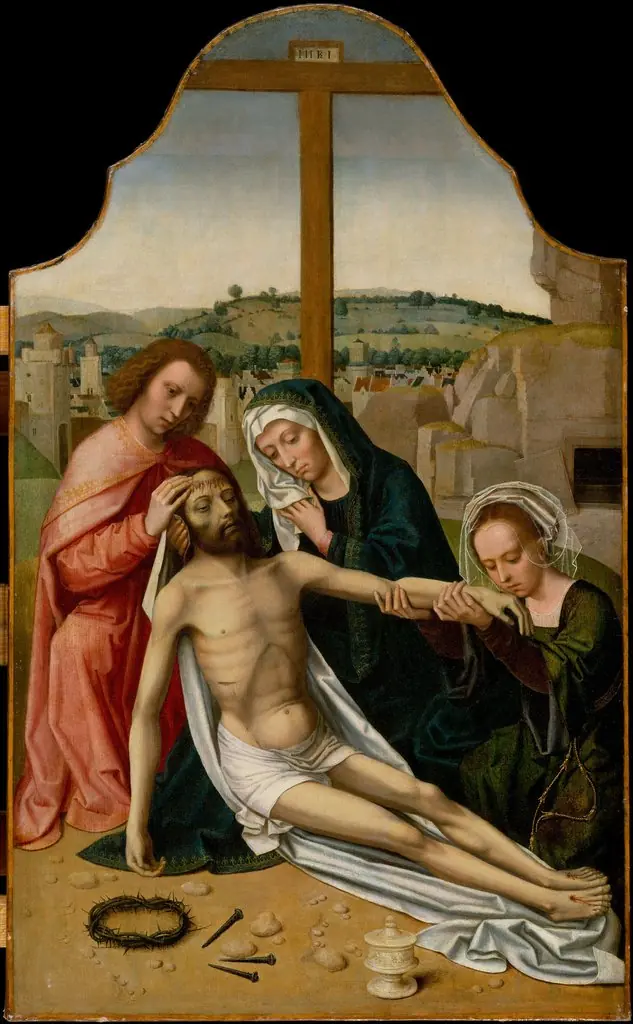
The Lamentation
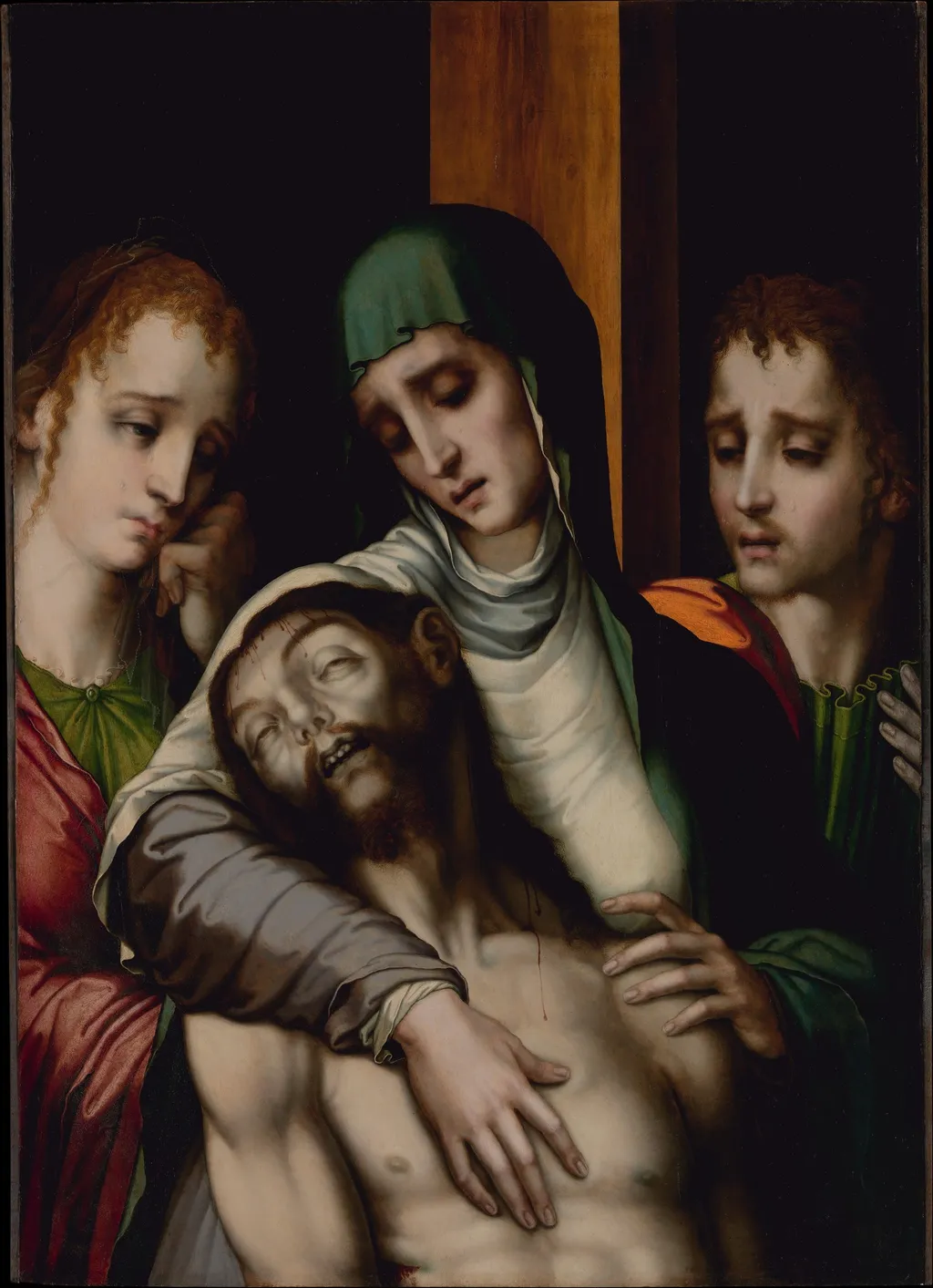
The Lamentation is an unspecified painting by the Mannerist artist Luis de Morales. It dates from 1560 and is held in the collection of the Metropolitan Museum of Art.
About this work
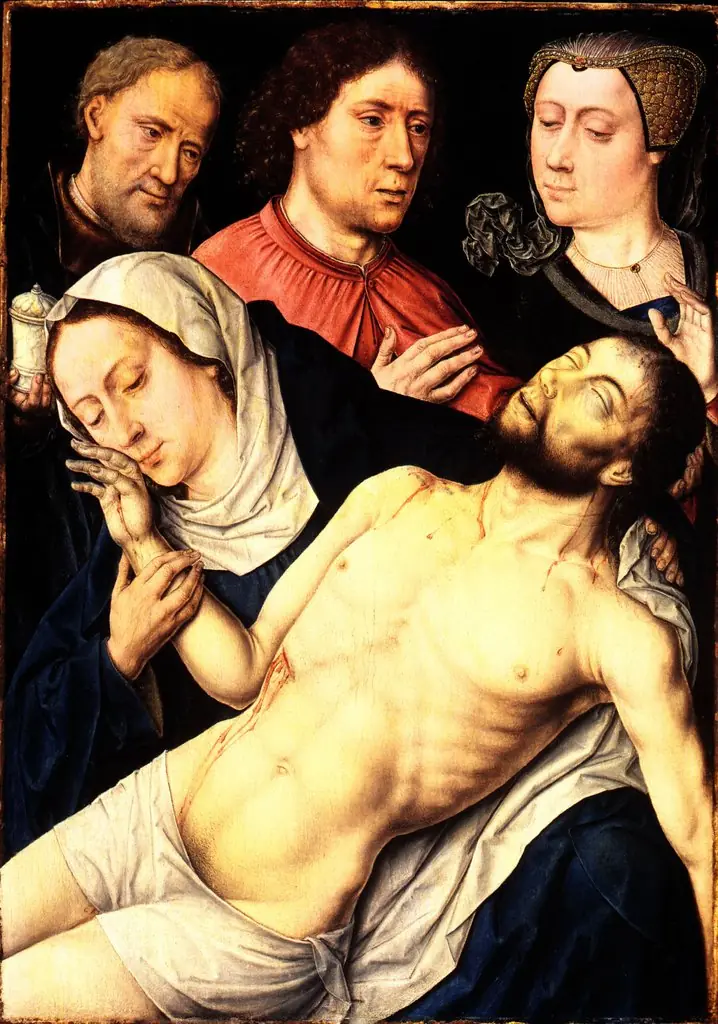
As life drains from Christ's body, he slips from his mother's embrace in this intimate image of death, painted on walnut around 1560. Luis de Morales, called "El Divino" by his contemporaries, rendered every eyelash and teardrop with a smooth, Netherlandish-inspired precision that sharpens the raw grief of the scene.
Subject & Meaning
The Metropolitan Museum of Art records the painting as a religious work belonging to the Lamentation of Christ iconographic tradition.
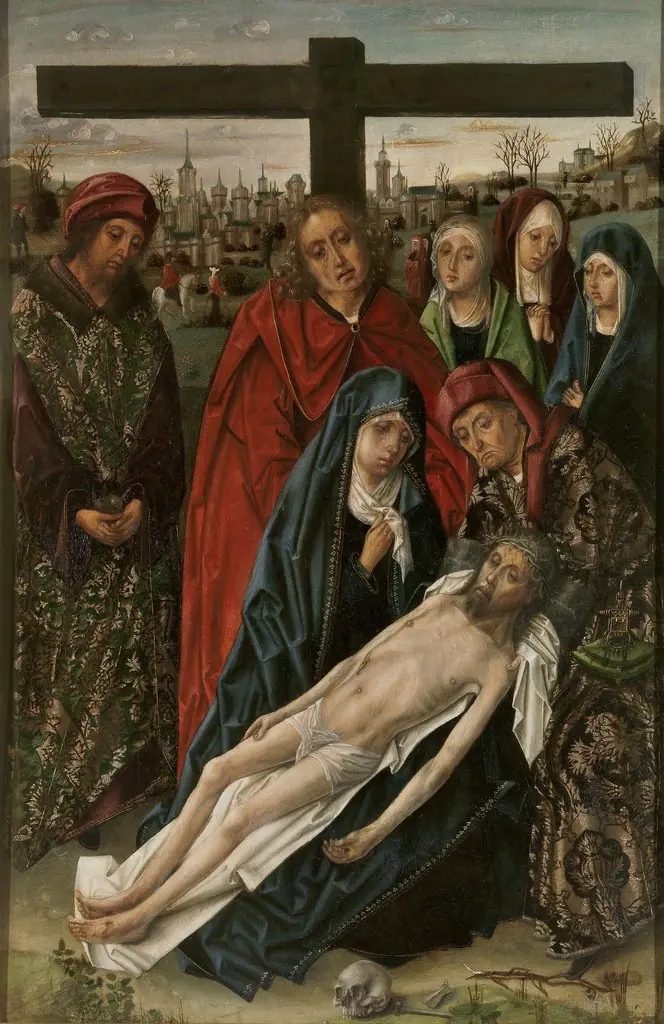
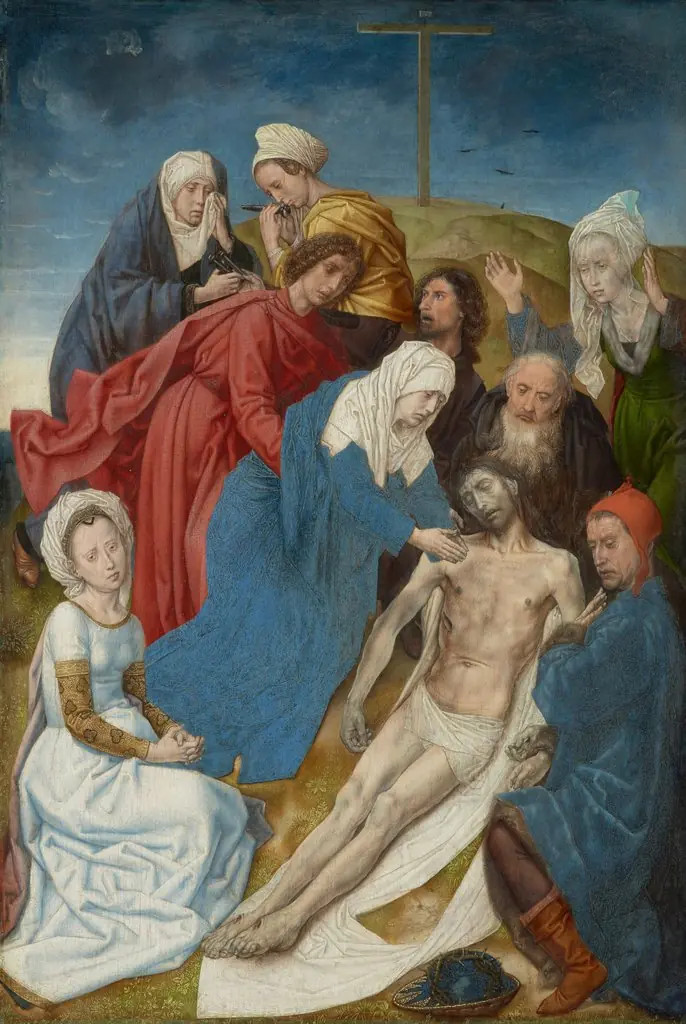
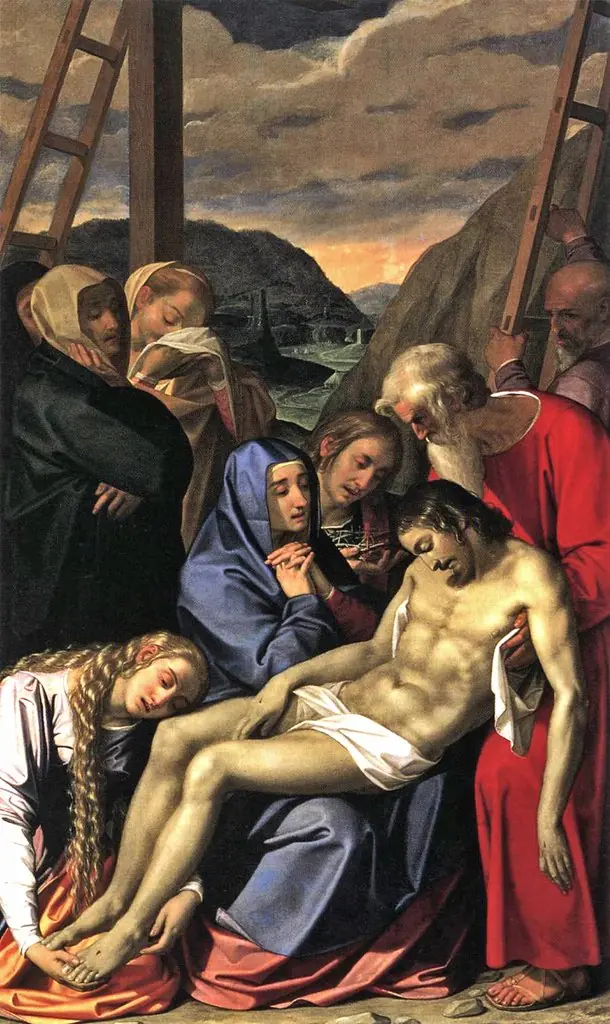
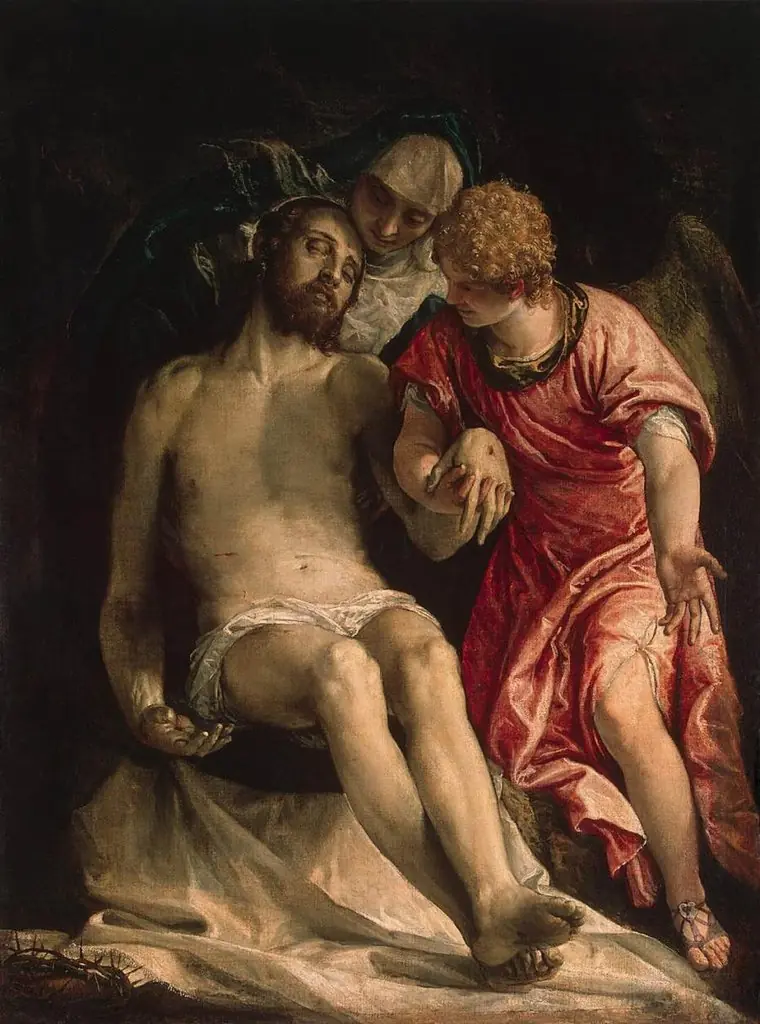
The Lamentation (1560) by Luis de Morales portrays the mournful aftermath of the Crucifixion, showing the dead Christ cradled by the Virgin Mary, Mary Magdalene, and the Apostle John. The composition emphasizes the human grief surrounding Christ's sacrifice, with the figures arranged in a tight, emotionally charged grouping that highlights their sorrowful expressions and the limpness of the body. Symbolically, the work underscores themes of suffering, redemption, and the intimate humanity of the divine, reflecting Counter-Reformation devotion to the Passion.
The Metropolitan Museum of Art records the painting as a religious work belonging to the Lamentation of Christ iconographic tradition.
History & Provenance
The Lamentation by Luis de Morales is dated to circa 1560, aligning with the artist's mature period of religious production. The work entered the collection of the Metropolitan Museum of Art, where it remains housed with the accession number 1975.1.122, having entered the museum's holdings in 1975. Its dimensions are recorded as 89 cm in height and 62.5 cm in width.
Technical and stylistic analysis situates the work within Morales's oeuvre of the late Renaissance, consistent with documented commissions of devotional imagery from this decade.
Overview
Luis de Morales, known as "El Divino," created The Lamentation around 1560, an oil on walnut panel depicting the Virgin Mary supporting the deceased Christ after his crucifixion. Flanked by Mary Magdalene and Saint John, the scene captures profound grief. Morales's meticulous technique renders a smooth surface, which contrasts with the raw emotional intensity of the subject, characteristic of his approach to devotional art.
Technique & Style
Morales employed a distinctive style characterized by a smooth, highly finished surface, achieved through oil on walnut. His meticulous rendering includes precise details such as individual eyelashes, glistening tears, and rivulets of blood, a technique influenced by Netherlandish painting traditions. This detailed realism amplifies the scene's emotional impact, solidifying Morales's reputation as a leading Spanish Mannerist.
Context
Created during the Counter-Reformation, The Lamentation aligns with the era's emphasis on intense personal devotion. Morales, nicknamed "El Divino" for his spiritual art, was highly regarded by figures like Saint Juan de Ribera. His works were celebrated for their ability to convey the fervent, introspective faith championed by Spanish mystical writers, encouraging viewers to engage deeply with the suffering depicted.
Own this work as a print
Artist & collection
Artist
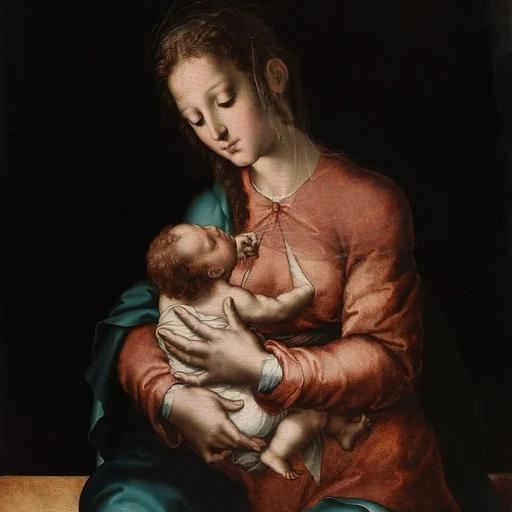
Luis de Morales (1509 – 9 May 1586) was a Spanish painter active during the Spanish Renaissance in the 16th century.