Artwork
Saint Anthony Abbot
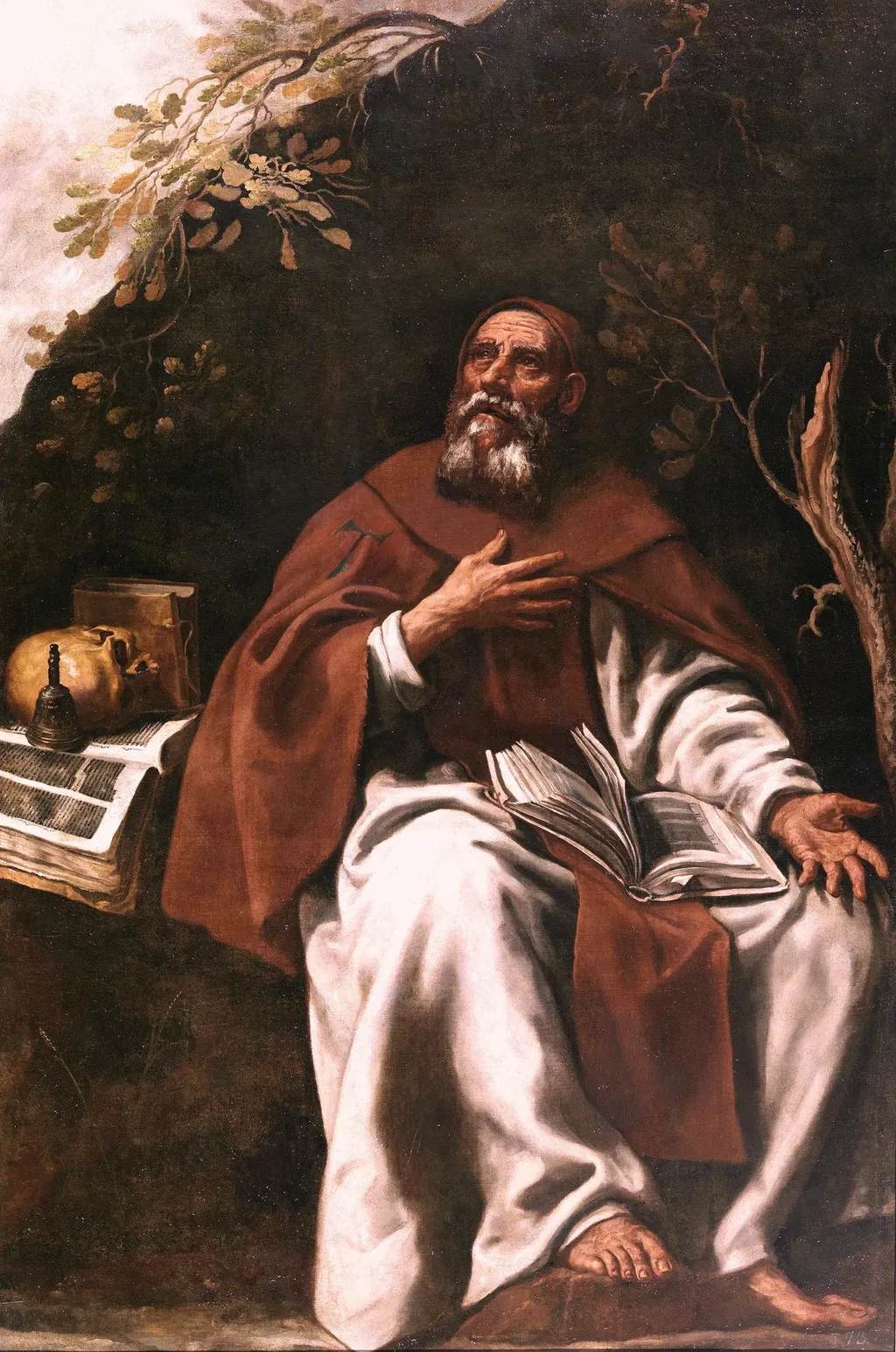
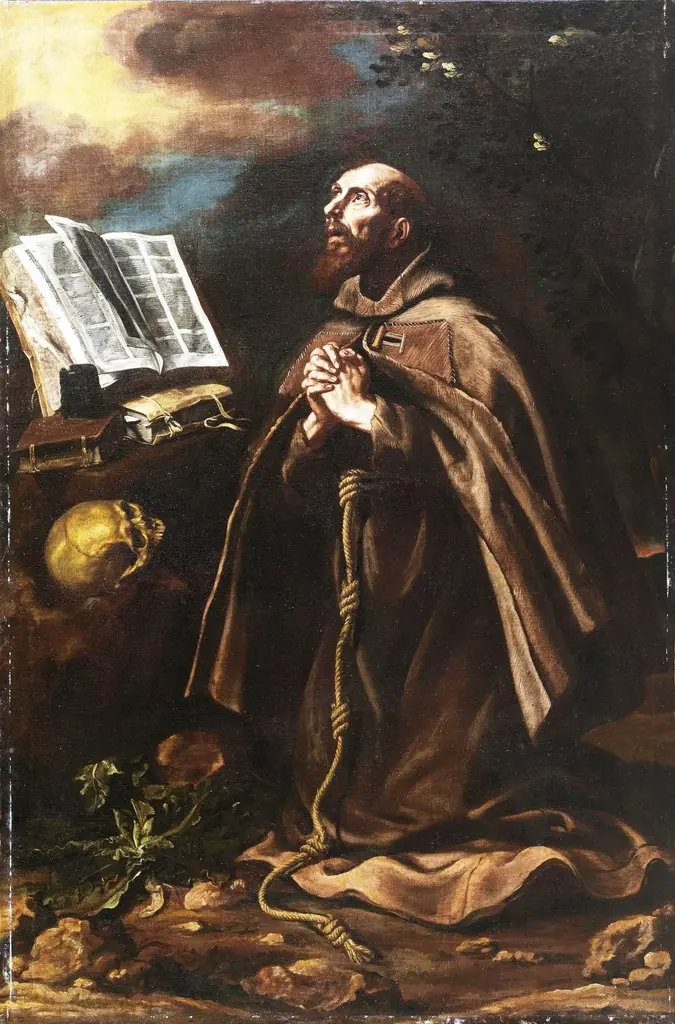
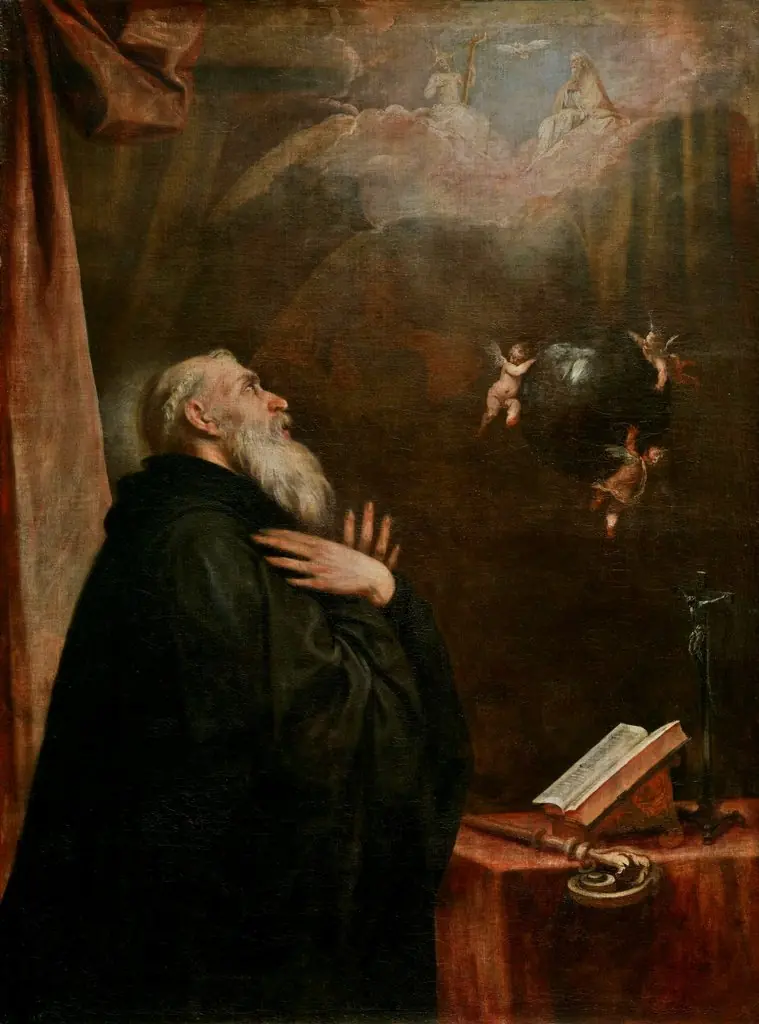
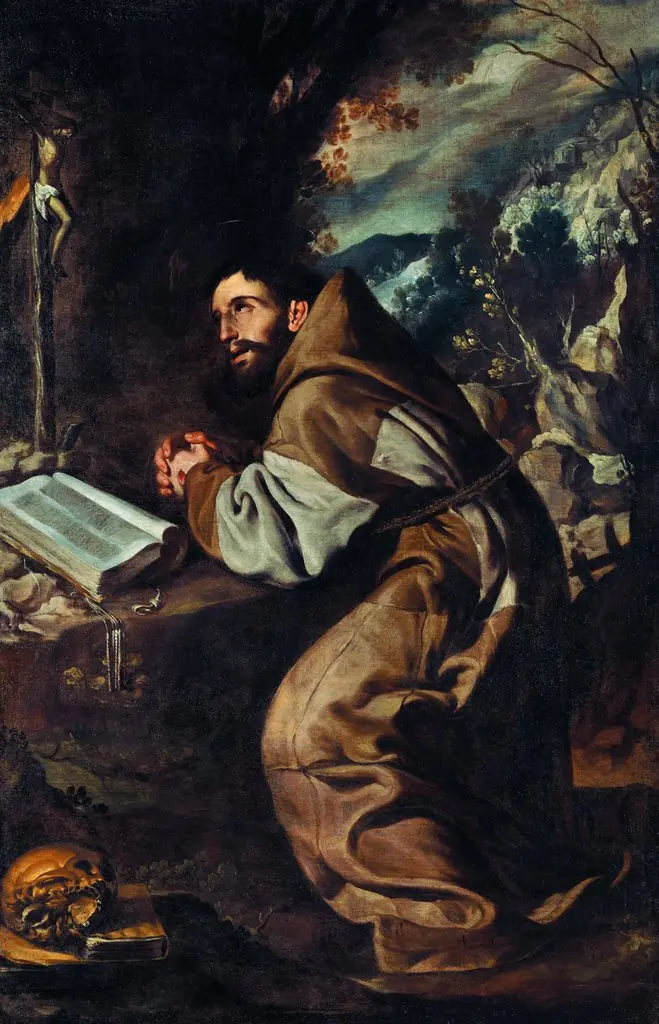
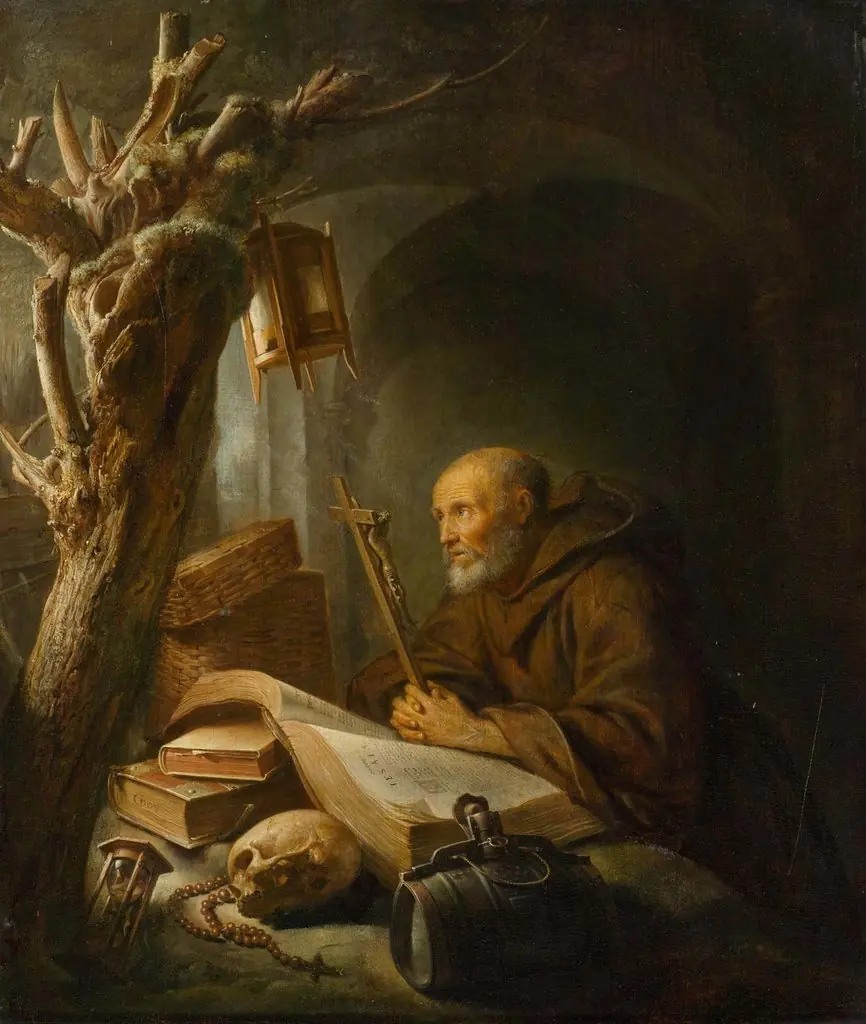
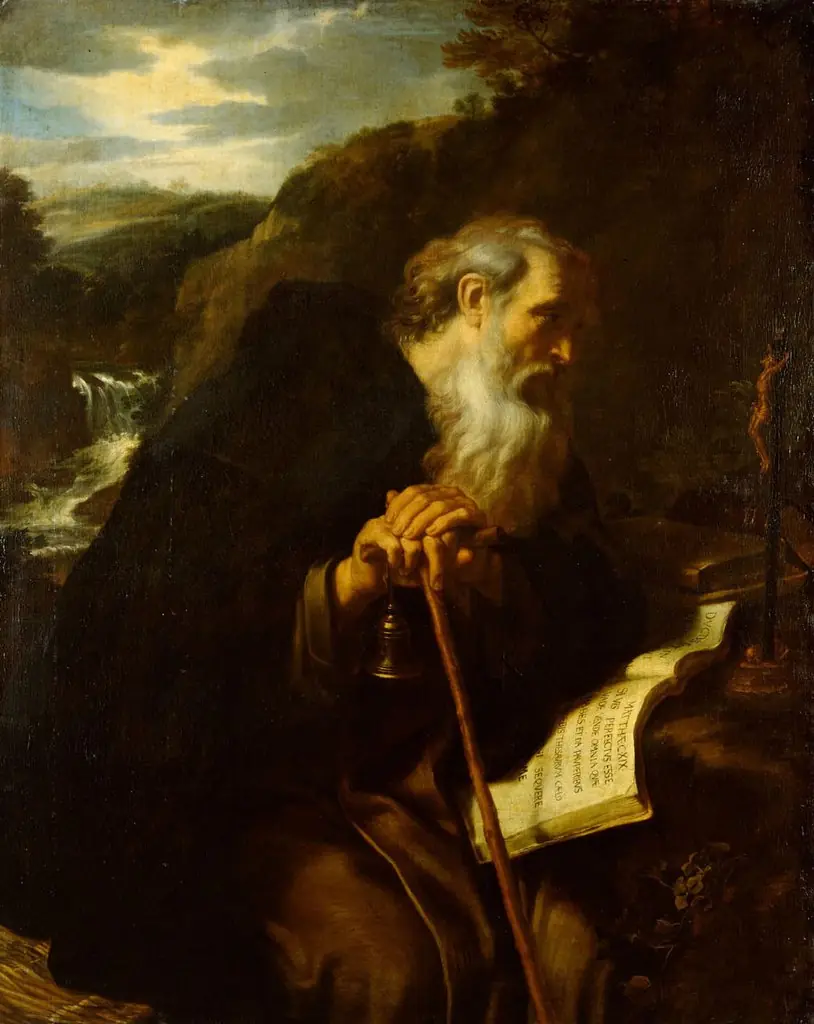
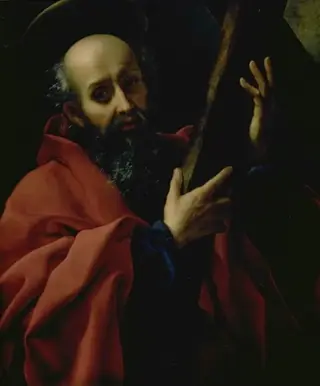
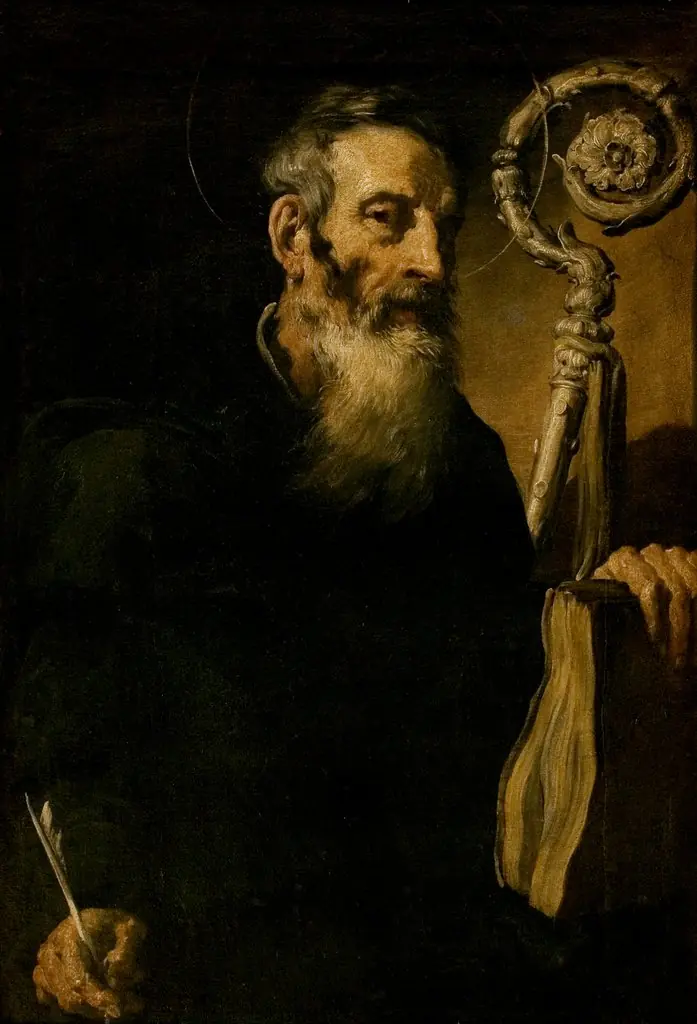
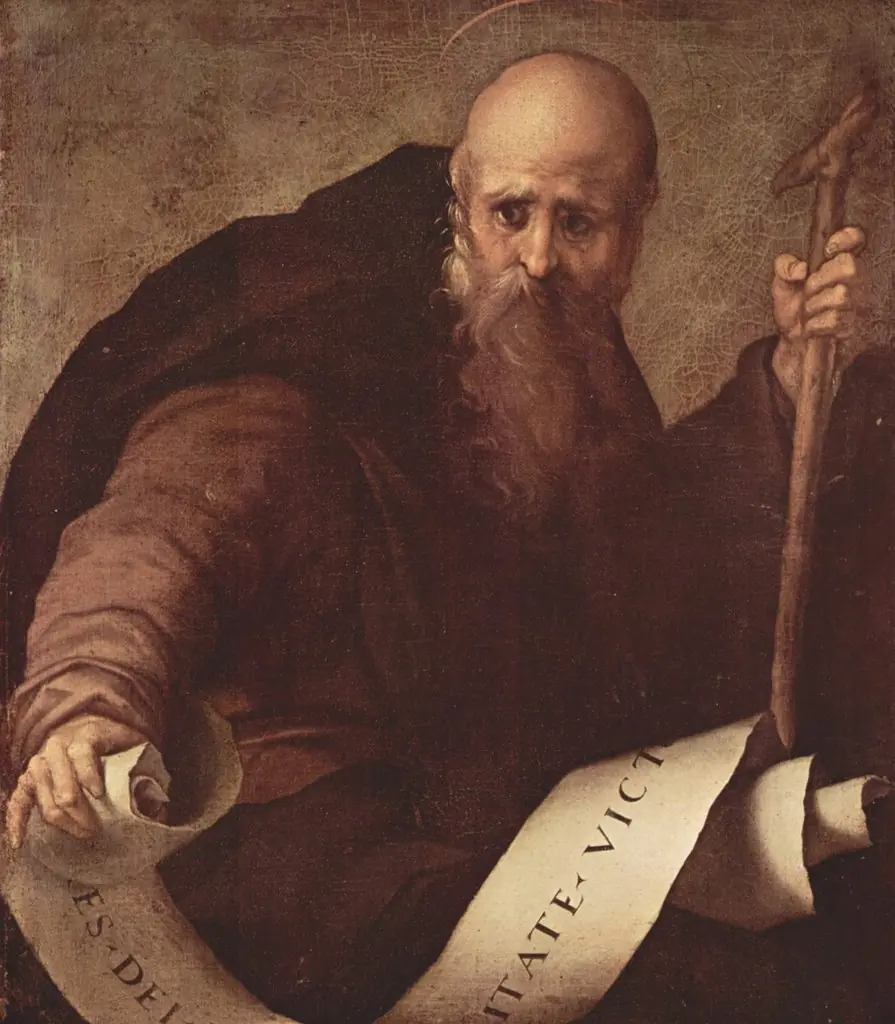
Saint Anthony Abbot is an oil painting by the Early Baroque Italian artist Luis Tristán. It dates from 1601 and is held in the collection of the Museo del Prado.
About this work
Subject & Meaning
In this work he holds a book, a traditional attribute that signifies his role as a teacher of the monastic way and his authority as a scriptural scholar.
The painting portrays Saint Anthony Abbot, a Christian monk celebrated for his ascetic life and legendary confrontations with supernatural temptations. In this work he holds a book, a traditional attribute that signifies his role as a teacher of the monastic way and his authority as a scriptural scholar. The iconography aligns with the saint’s reputation as a protector against evil, emphasizing his spiritual fortitude and the triumph of faith over worldly distraction.
Technique & Style
Luis Tristán executed Saint Anthony Abbot in 1601 using oil paint applied to a canvas support. The work measures 167 cm in height and 110 cm in width, presenting a religious composition centered on Anthony the Great. The painting depicts the saint holding a book, adhering to the conventions of religious art. It is currently associated with the El Greco Museum.
History & Provenance
Luis Tristán created the oil-on-canvas painting Saint Anthony Abbot in 1601. The work depicts Anthony the Great holding a book and measures 167 cm in height by 110 cm in width. Historical records indicate an inception date of 1601, with the piece later entering the collection of the Museo de la Trinidad before being transferred to the El Greco Museum. The painting remains part of the holdings associated with the Museo del Prado.
Saint Anthony Abbot by Luis Tristán is associated with two Spanish institutions. The painting is recorded as belonging to the collection of the Museo del Prado and the Museo de la Trinidad. Its listed location is the El Greco Museum. No specific inventory or accession number is provided in the available sources.
No exhibition history is documented in the available sources.
Overview
Luis Tristán’s Saint Anthony Abbot (1601) is an oil painting that exemplifies the early Baroque style emerging in Italy. Executed in Toledo, the work portrays the Egyptian hermit Anthony the Great, a figure venerated for his ascetic life, and is part of the Prado Museum’s collection.
Context
Tristán worked primarily in Toledo during a period of stylistic transition, when Spanish painters began to absorb Italian Baroque influences. Saint Anthony Abbot reflects this shift, blending Mannerist elegance with emerging Baroque realism, and illustrates the broader religious iconography prevalent in early 17th‑century Spain.
Own this work as a print
Artist & collection
Artist
Luis Tristán de Escamilla, also known as Luis de Escamilla or Luis Rodríguez Tristán (c.1585, Toledo - 1624, Toledo), was a Spanish painter in the mannerist style.