Artwork
Saint Peter of Alcántara
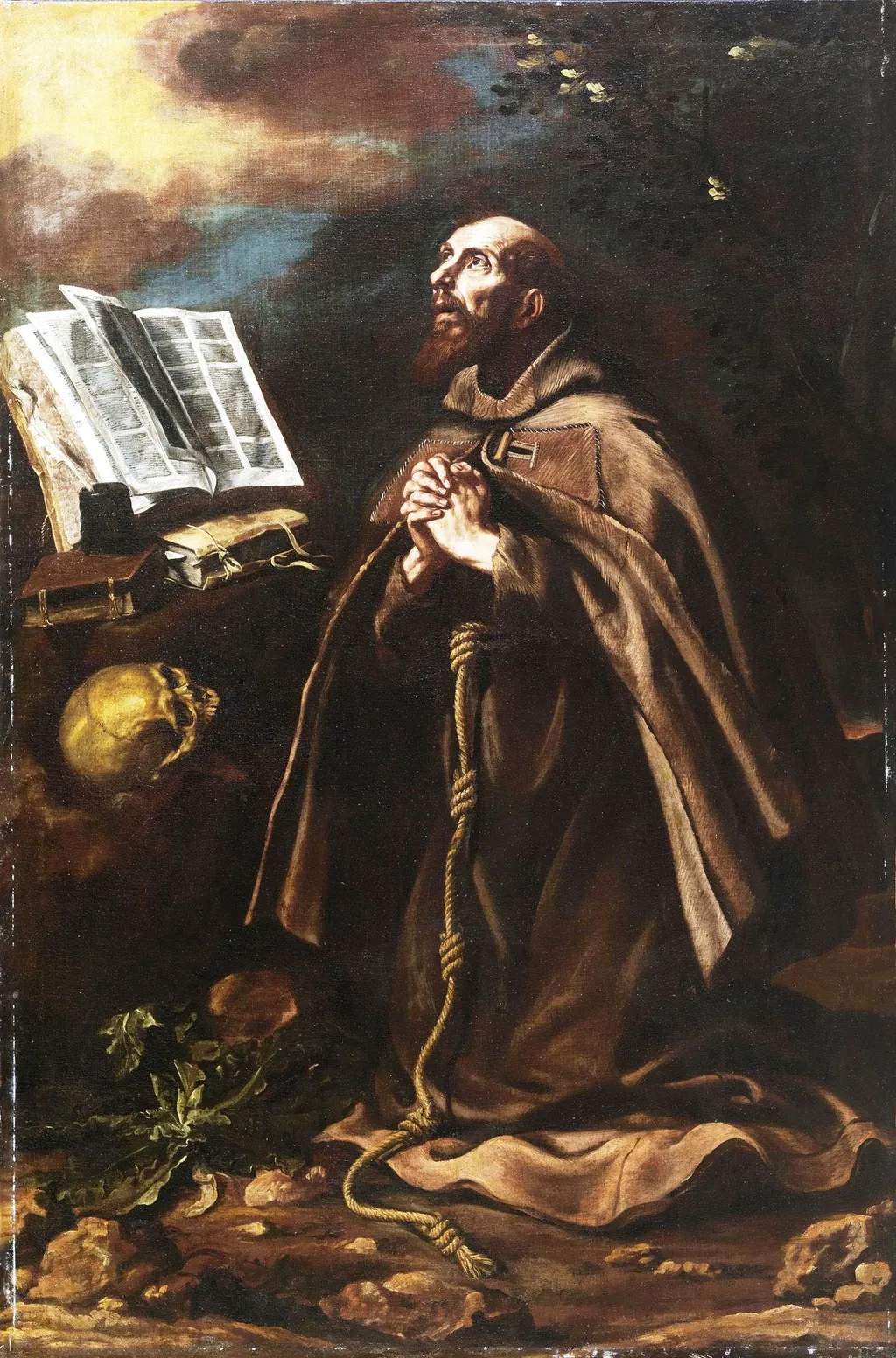
Saint Peter of Alcántara is an oil painting by the Early Baroque Italian artist Luis Tristán. It dates from 1601 and is held in the collection of the Museo del Prado.
About this work
Subject & Meaning
The painting depicts Saint Peter of Alcántara, a 16th-century Spanish Franciscan friar known for his asceticism and reforms within the Order of Friars Minor.
The painting depicts Saint Peter of Alcántara, a 16th-century Spanish Franciscan friar known for his asceticism and reforms within the Order of Friars Minor.
Peter is shown holding a skull, a common memento mori symbolizing the transience of earthly life and the inevitability of death. He also holds a book, likely referencing his theological writings and spiritual guidance, including the influential Tratado de la Oración y Consideración (Treatise on Prayer and Reflection).
The combination of these attributes underscores the saint’s dual role as a reformer and contemplative figure, emphasizing both his intellectual contributions to Franciscan spirituality and his personal devotion to a life of penance and mortification.
Technique & Style
Luis Tristán executed Saint Peter of Alcántara in 1601 using oil paint applied to a canvas support. The work measures 169 cm in height and 111 cm in width, presenting a religious genre scene. Stylistically, the painting depicts the saint accompanied by a skull and a book, characteristic of the era's iconography for this figure.
The handling of the medium creates a formal composition that has been associated with the El Greco Museum collection context.
History & Provenance
The painting Saint Peter of Alcántara was created by Luis Tristán in 1601 as an oil on canvas work measuring 169 cm by 111 cm. It depicts the saint with a skull and book, reflecting its religious genre. The artwork entered the collection of the Museo del Prado and was later associated with the Museo de la Trinidad, eventually being housed at the El Greco Museum. Its creation history is anchored to the early 17th century, with no records indicating prior commissions or ownership before its inclusion in these institutional collections.
The painting Saint Peter of Alcántara by Luis Tristán is housed in the Museo del Prado, where it is recorded under inventory number P00968. It has been part of exhibitions at the El Greco Museum and has appeared in displays at the Museo de la Trinidad, reflecting its religious genre and significance within Spanish collections.
The work measures 169 cm in height and 111 cm in width, executed in oil paint on canvas around 1601, and is classified as a Baroque religious painting.
Context
Luis Tristán's 1601 oil painting Saint Peter of Alcántara entered the Museo del Prado collection and was later housed at the Museo de la Trinidad before being relocated to the El Greco Museum, where it remains displayed. The work portrays the saint with a skull and book, adhering to conventions of religious art from the early Baroque period. Its attribution to Tristán has been consistently documented in scholarly catalogues, reinforcing the painting's significance within the artist's oeuvre and the broader trajectory of Spanish Counter-Reformation devotional imagery.
Overview
Luis Tristán’s oil painting Saint Peter of Alcántara, executed in 1601, presents a solitary figure kneeling on a barren rock. The saint is shown in a simple brown habit, his hands clasped in prayer, while a book lies open on a nearby ledge and a skull rests at his feet. The composition is held by the Museo del Prado in Madrid.
Own this work as a print
Artist & collection
Artist
Luis Tristán de Escamilla, also known as Luis de Escamilla or Luis Rodríguez Tristán (c.1585, Toledo - 1624, Toledo), was a Spanish painter in the mannerist style.

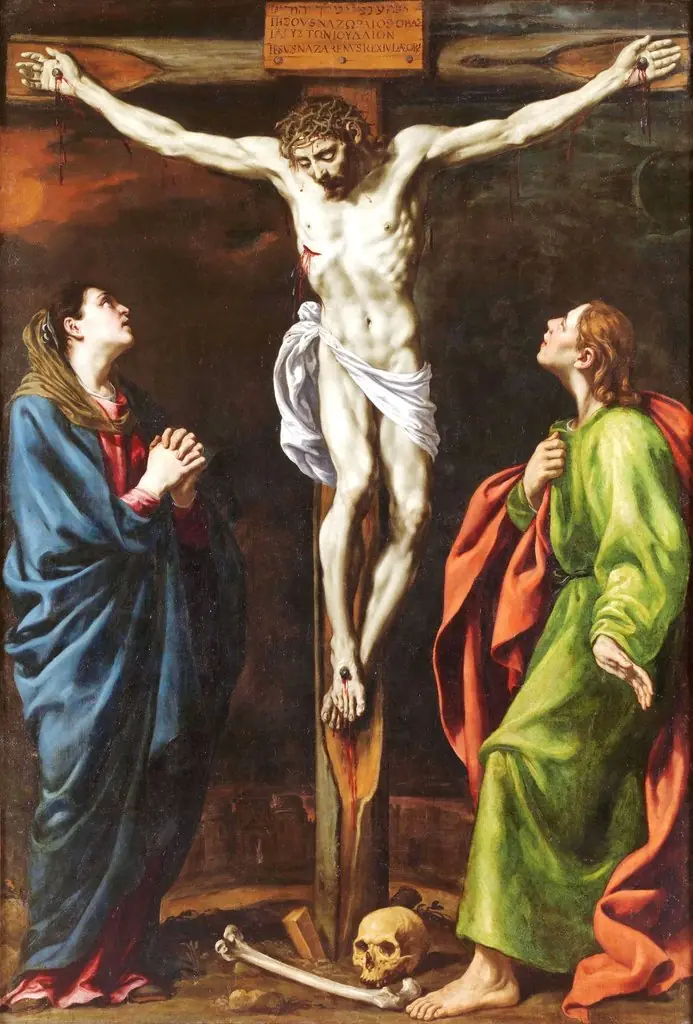
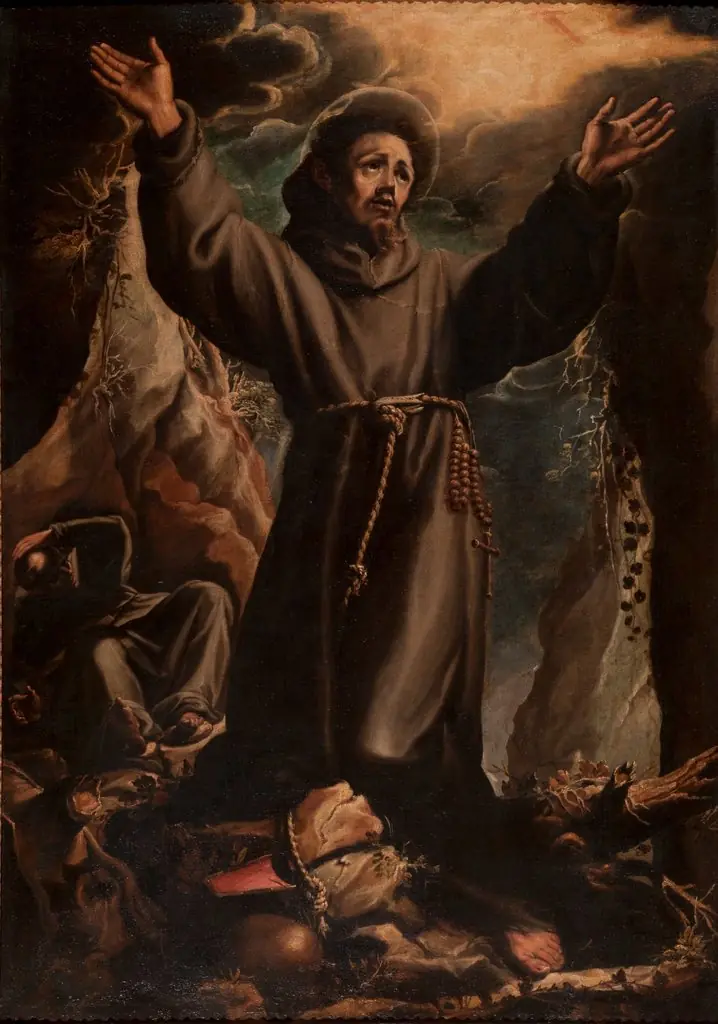
- San Francisco recibiendo los estigmas
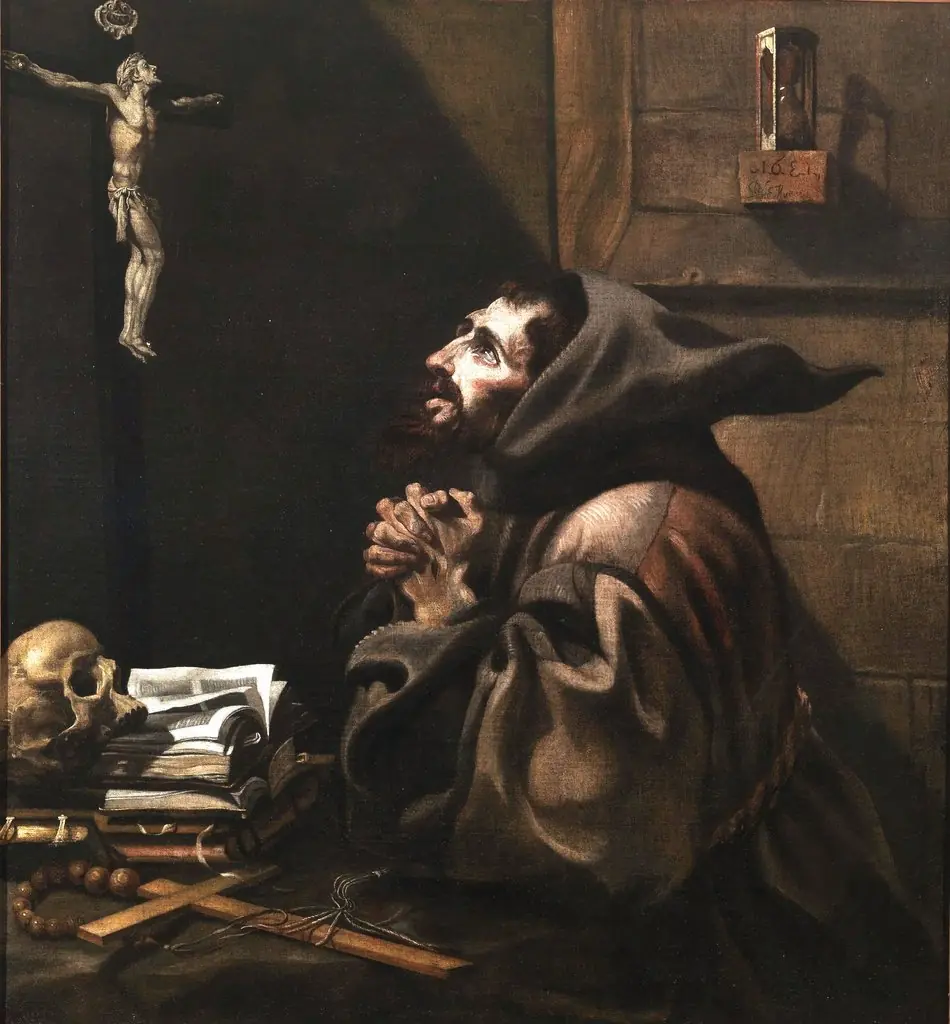 St. Francis in Prayer
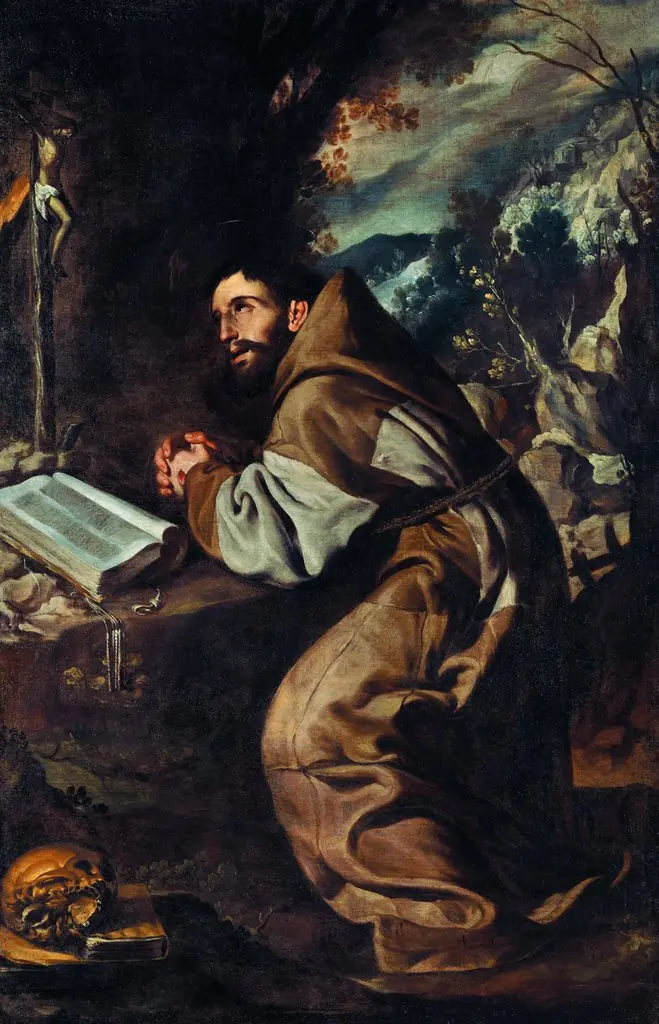 St. Francis Praying
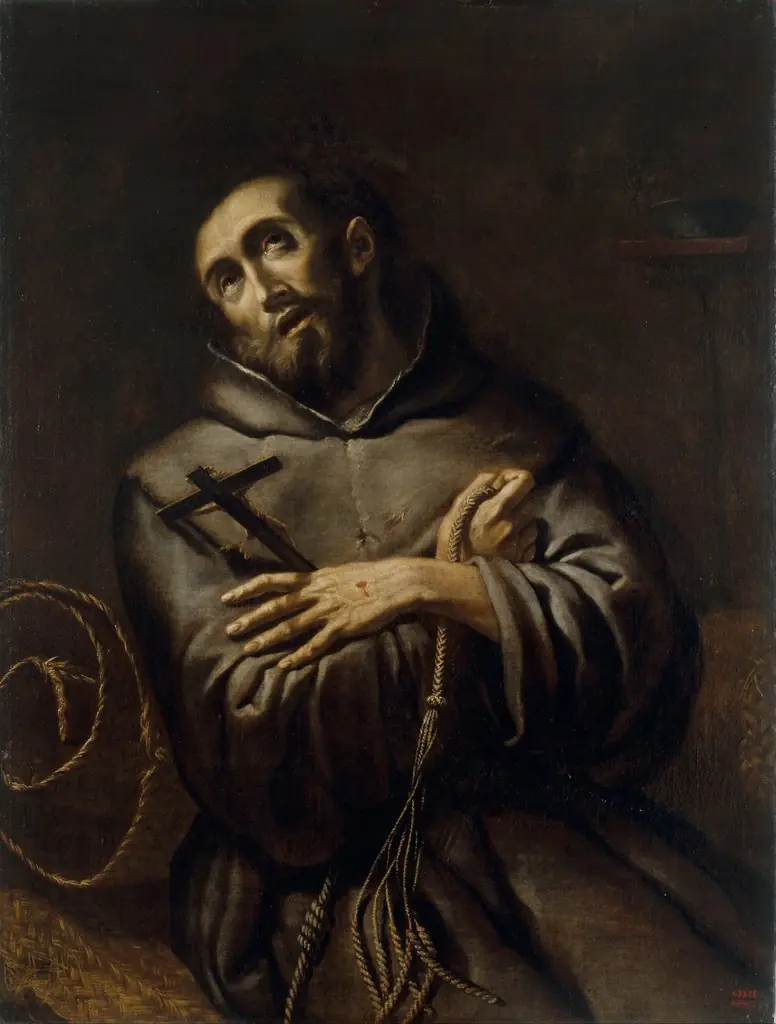 Saint Francis of Assisi
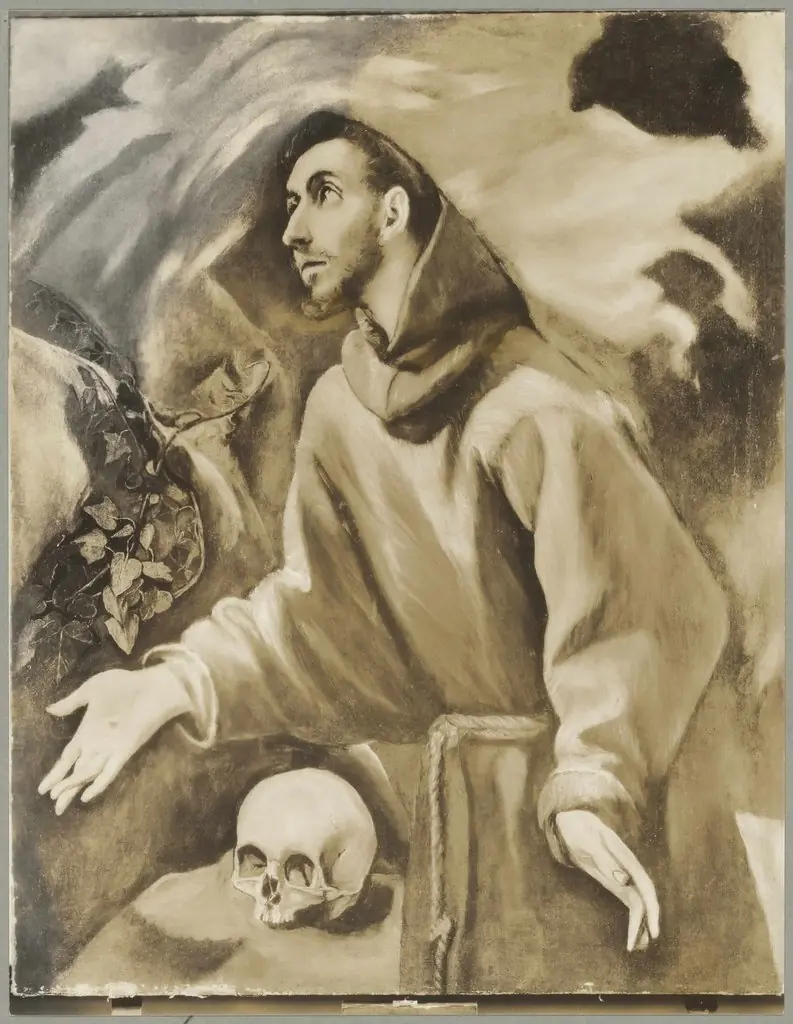 St. Francis receiving the Stigmata
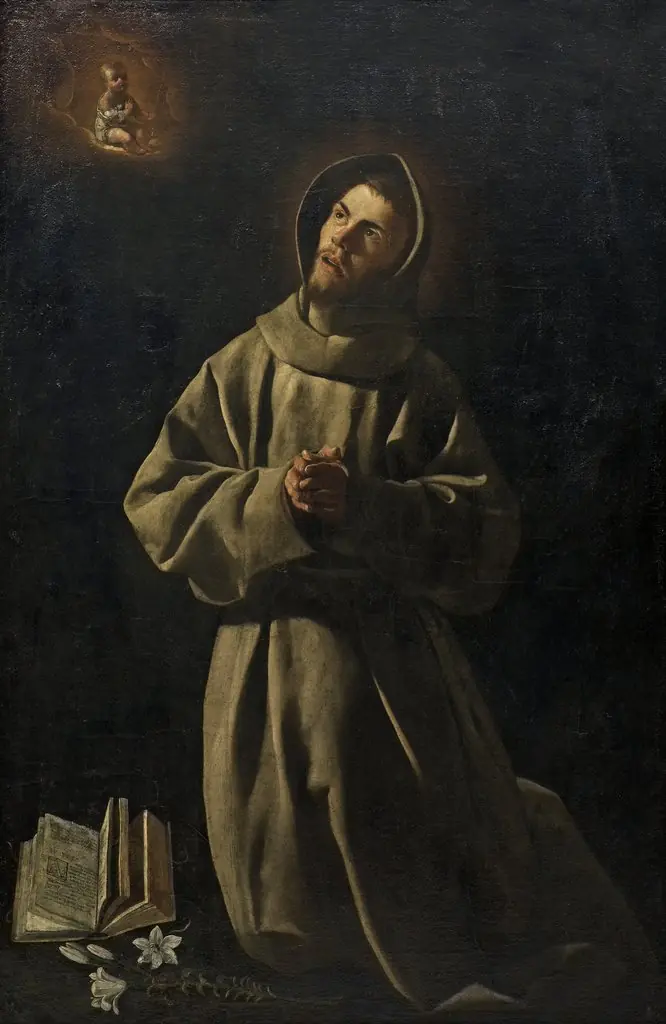 Apparition of the Child Jesus to Saint Anthony of Padua
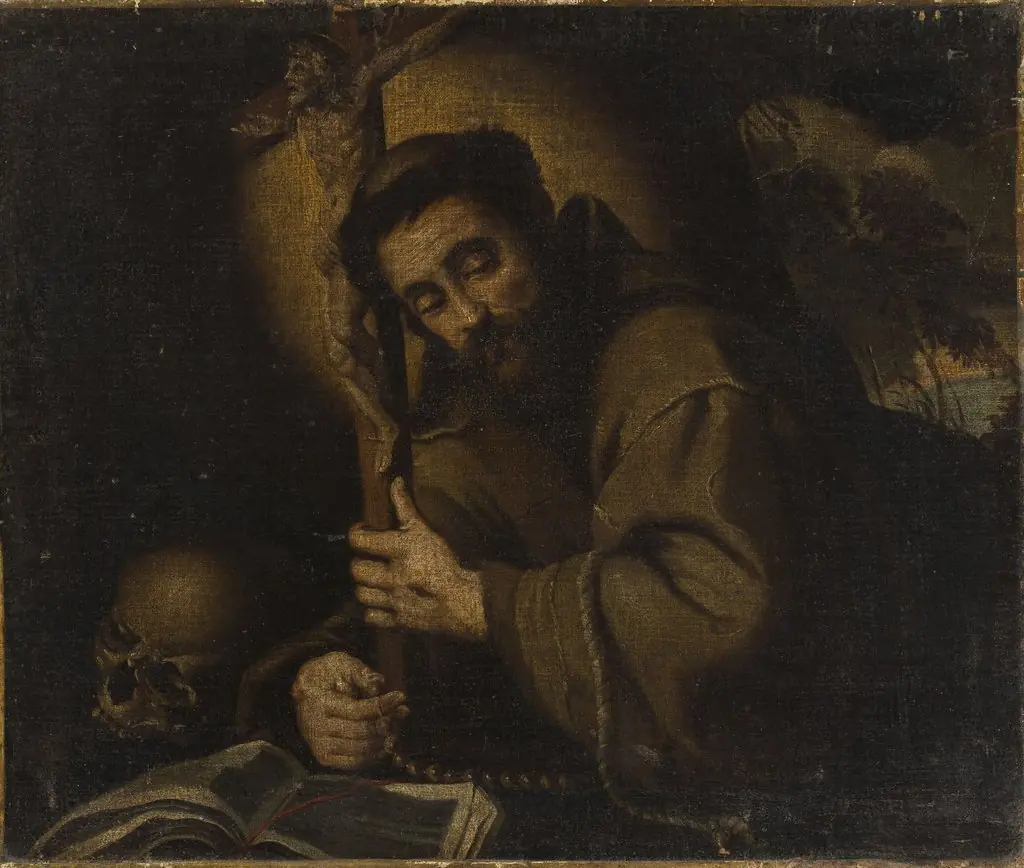 Saint Francis
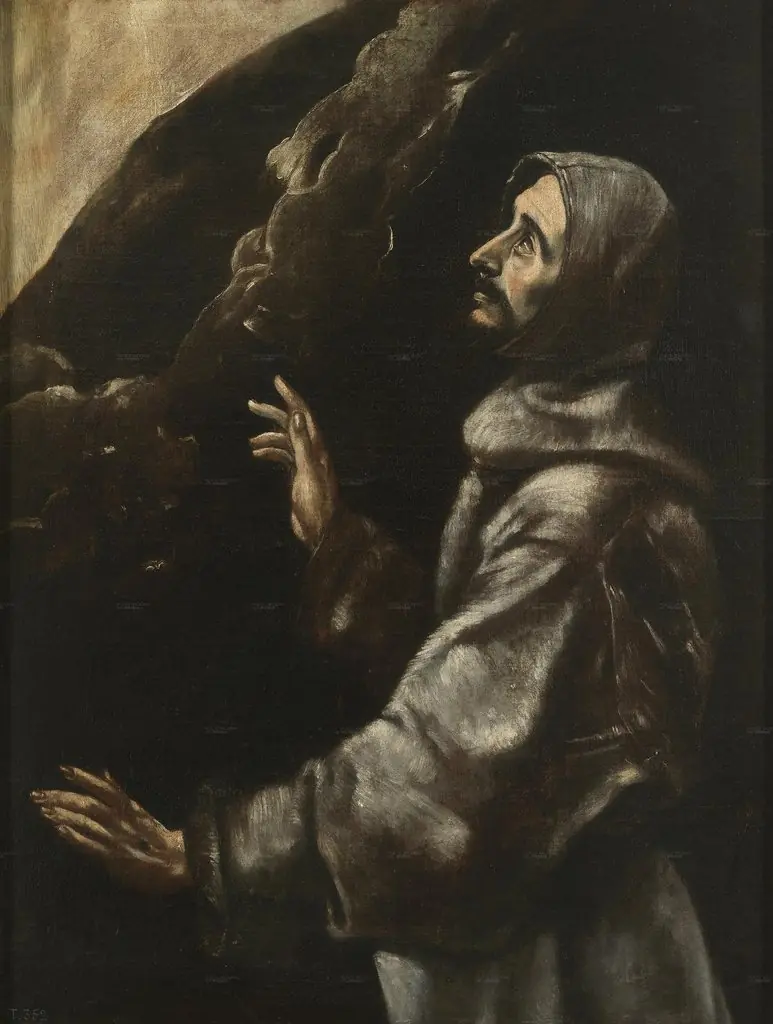 Saint Francis of Assisi in ecstasy
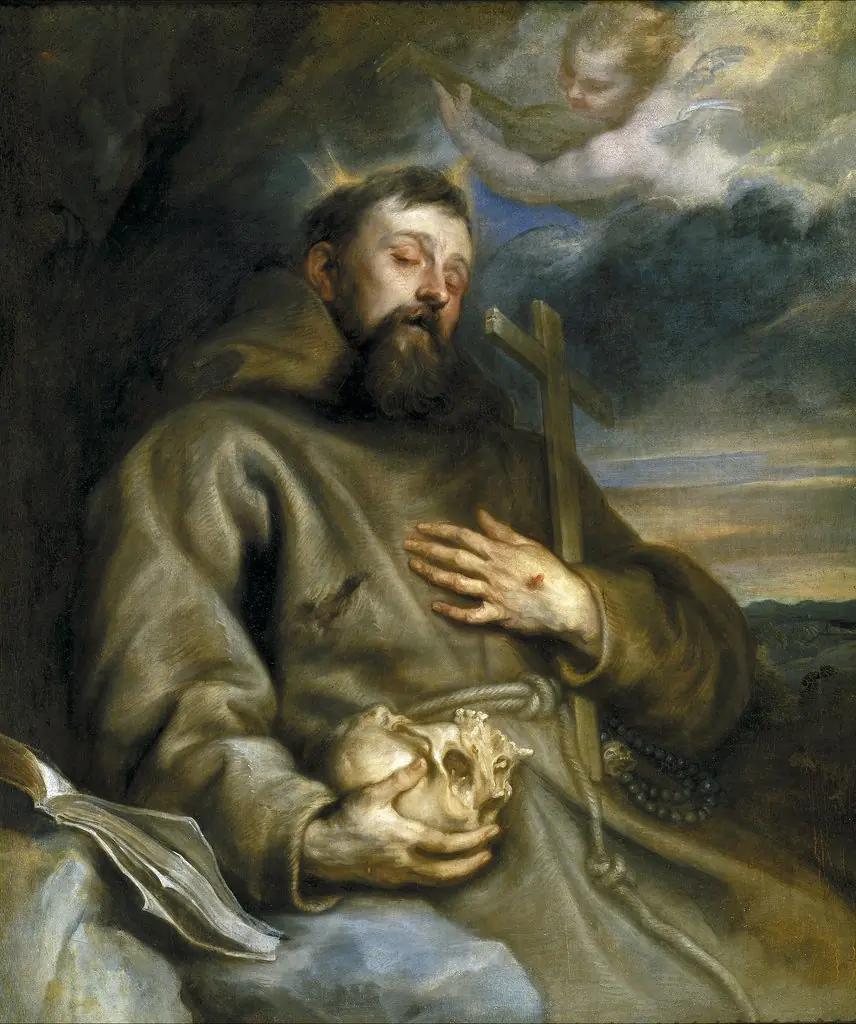 Saint Francis of Assisi in Ecstasy
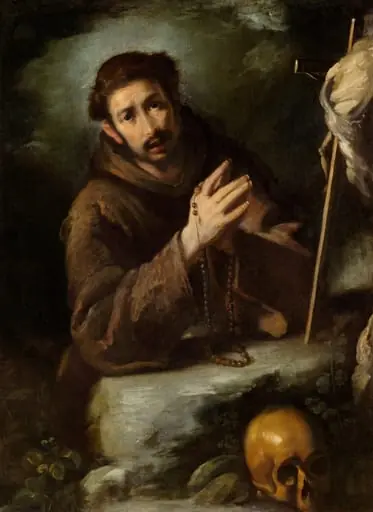 Saint Francis in Prayer
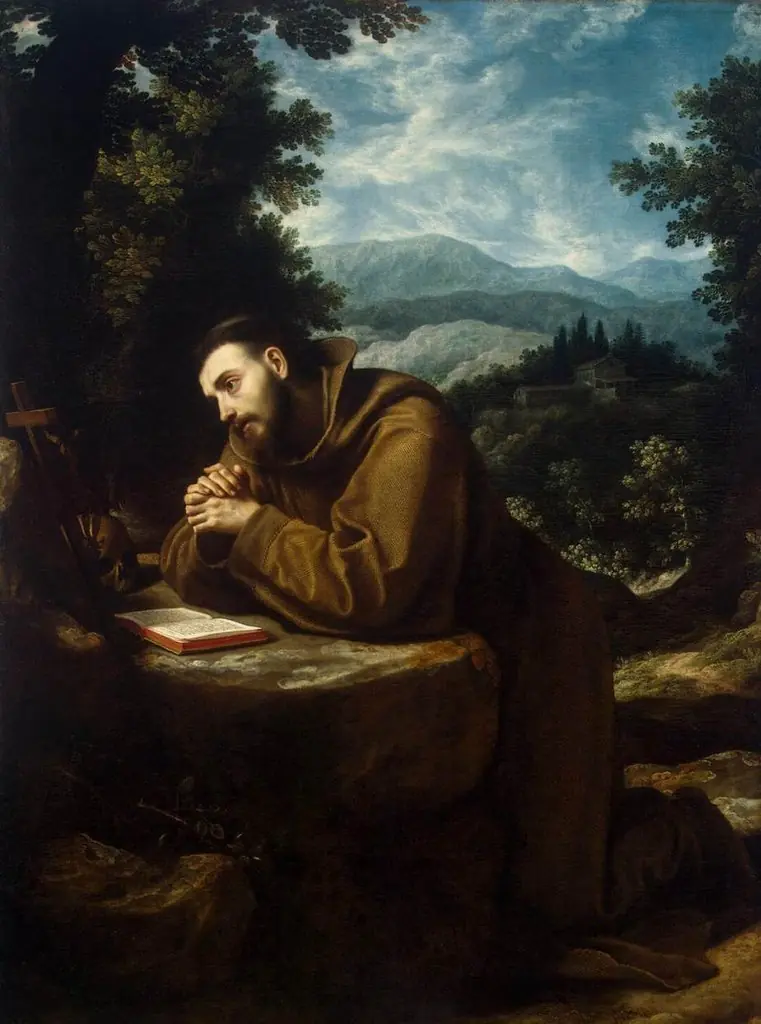 St Francis
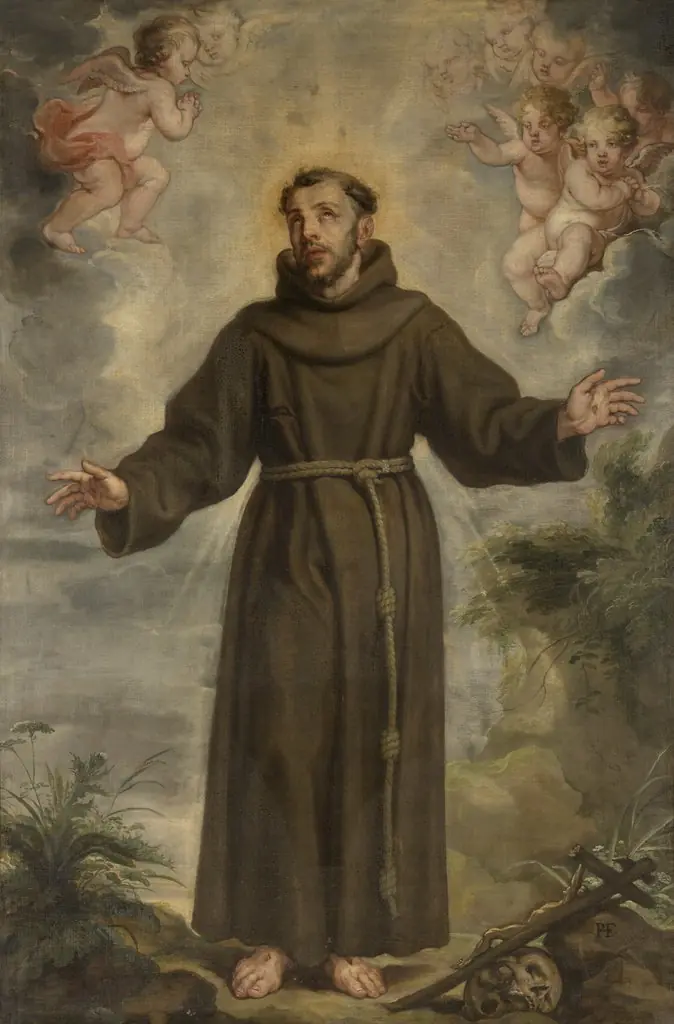 Saint Francis of Assisi