Artwork
Azalea greenhouse
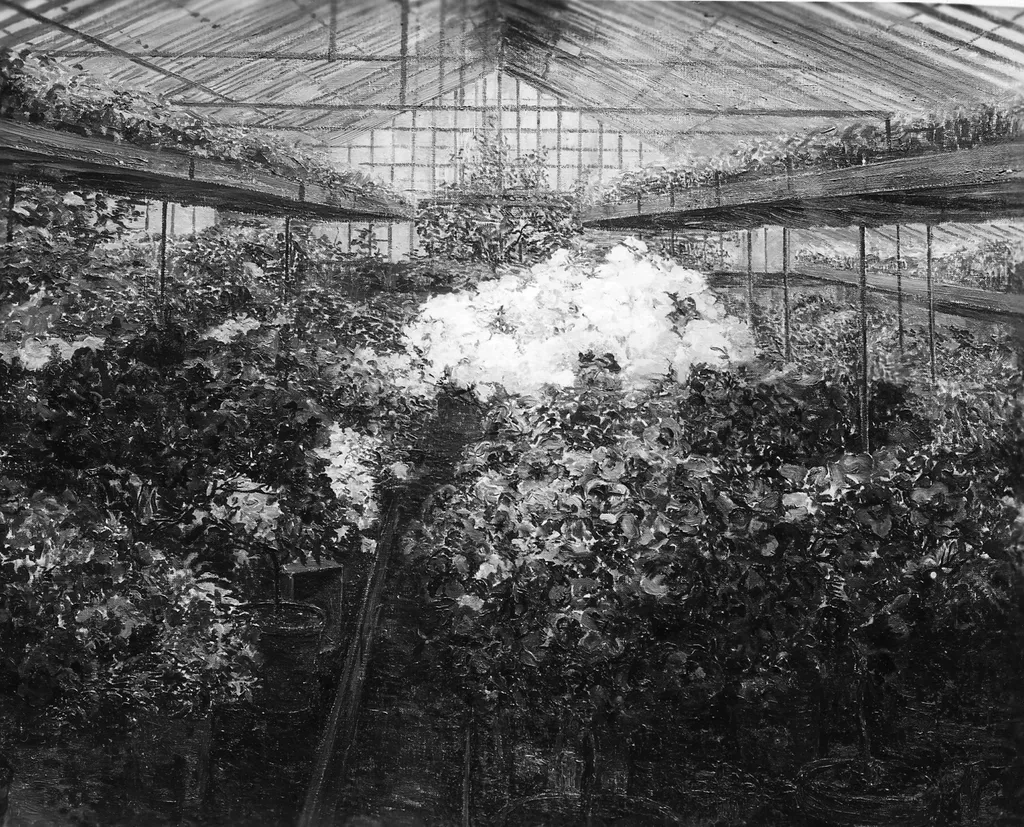
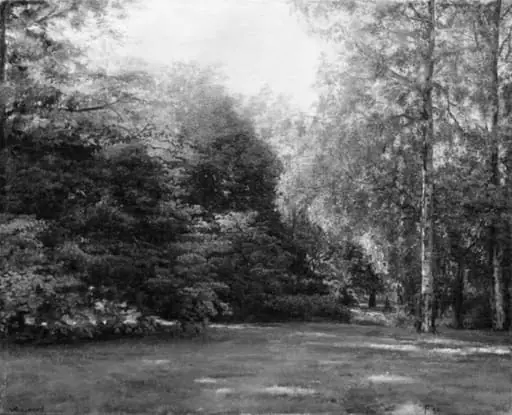
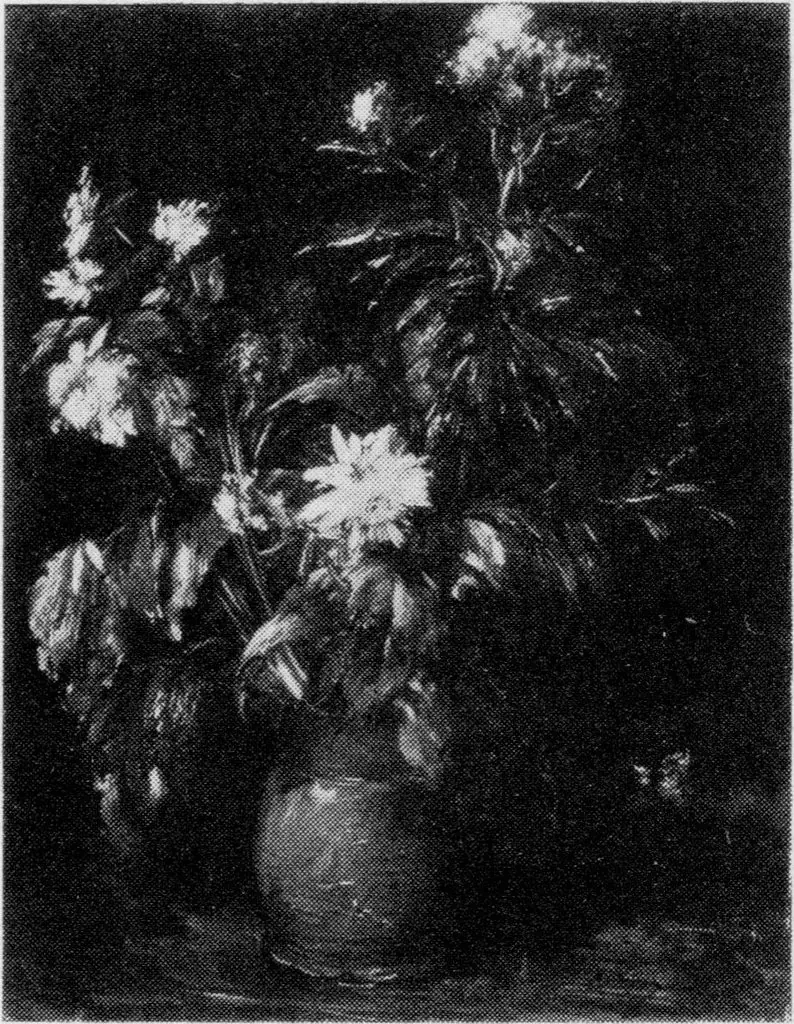
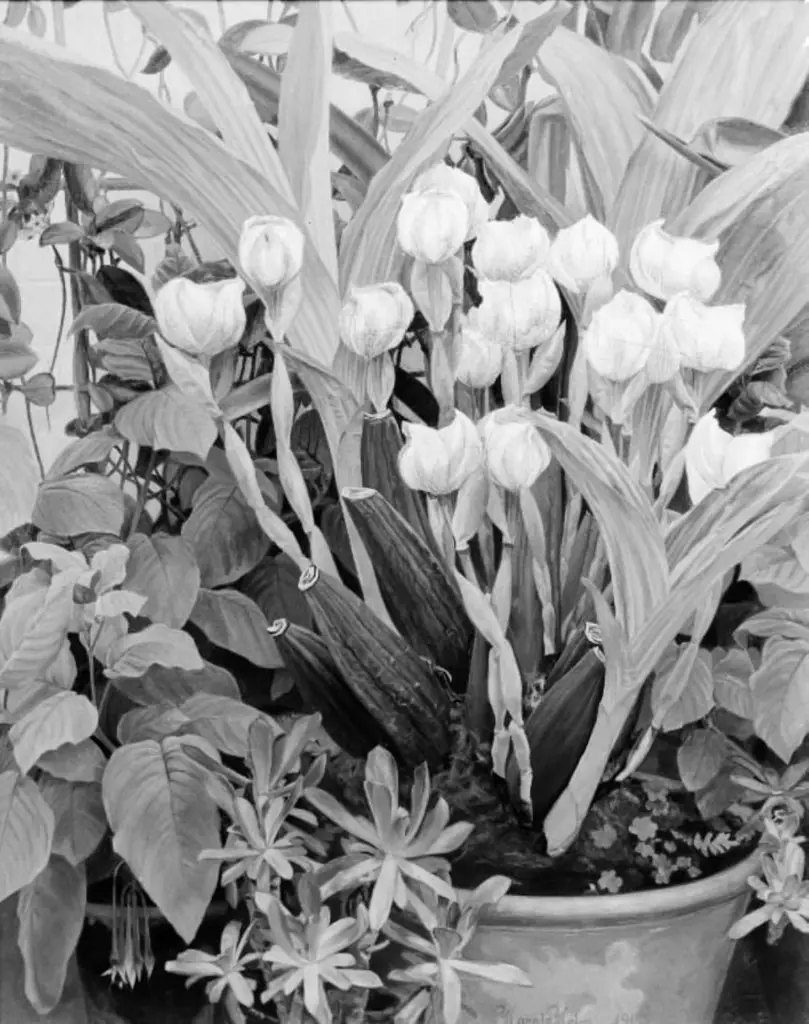
Azalea greenhouse is an unspecified painting by the Post-Impressionist artist Marie Antoinette Marcotte. It dates from 1910 and is held in the collection of the Royal Museums of Fine Arts of Belgium.
About this work
Overview
Painted in 1910 by Marie Antoinette Marcotte, Azalea Greenhouse is a quiet interior scene centered on a cultivated botanical space.
Painted in 1910 by Marie Antoinette Marcotte, Azalea Greenhouse is a quiet interior scene centered on a cultivated botanical space. Marcotte, a French artist active in Belgium, focused much of her work on domestic and natural environments. This painting belongs to the Post-Impressionist tradition, emphasizing sensory detail over narrative or dramatic tension. It is held in the collection of the Royal Museums of Fine Arts of Belgium.
Subject & Meaning
The painting presents a greenhouse densely populated with azaleas in full bloom, their vivid petals and glossy leaves arranged with careful attention to natural growth patterns. The space suggests a private, cultivated refuge, possibly reflecting early 20th-century European interest in horticulture as both aesthetic pursuit and psychological sanctuary. There is no human presence, reinforcing the quiet autonomy of the plant world.
Technique & Style
Marcotte employs layered brushwork to render the textures of petals, leaves, and glass panes with subtle variation in tone and density. Light filters through large windows, casting soft gradients across surfaces and enhancing the three-dimensionality of the flora. Color is rendered with heightened saturation yet avoids artificiality, aligning with Post-Impressionist tendencies to express perception rather than mere observation.
History & Provenance
Created during Marcotte’s time in Belgium, the painting entered the Royal Museums of Fine Arts of Belgium’s collection in the early 20th century. While little documentation exists about its early ownership, its inclusion in a national institution suggests recognition of its technical refinement within Belgian art circles of the period. It has remained in public custody since acquisition.
Context
In the early 1900s, greenhouse imagery gained traction among artists as symbols of controlled nature and modern domesticity. Marcotte’s work aligns with broader European trends that elevated botanical subjects beyond mere decoration, linking them to themes of order, tranquility, and the intersection of nature with urban life. Her focus on flowers contrasts with contemporaries who emphasized social realism.
Legacy
Though not widely exhibited beyond Belgian institutions, Azalea Greenhouse exemplifies Marcotte’s consistent engagement with intimate natural spaces. It contributes to a lesser-known but significant strand of Post-Impressionist painting that prioritized quiet observation over grand narrative. The work remains a quiet testament to the artistic value placed on cultivated flora in early modern European art.
Own this work as a print
Artist & collection

Artist
Marie Antoinette Marcotte (31 May 1867 – 1929) was a French painter who lived and worked mainly in Belgium.

Museum
Royal Museums of Fine Arts of Belgium
Continue through works from the same source collection.