Artwork
Elizabeth Stanley, Countess of Huntingdon
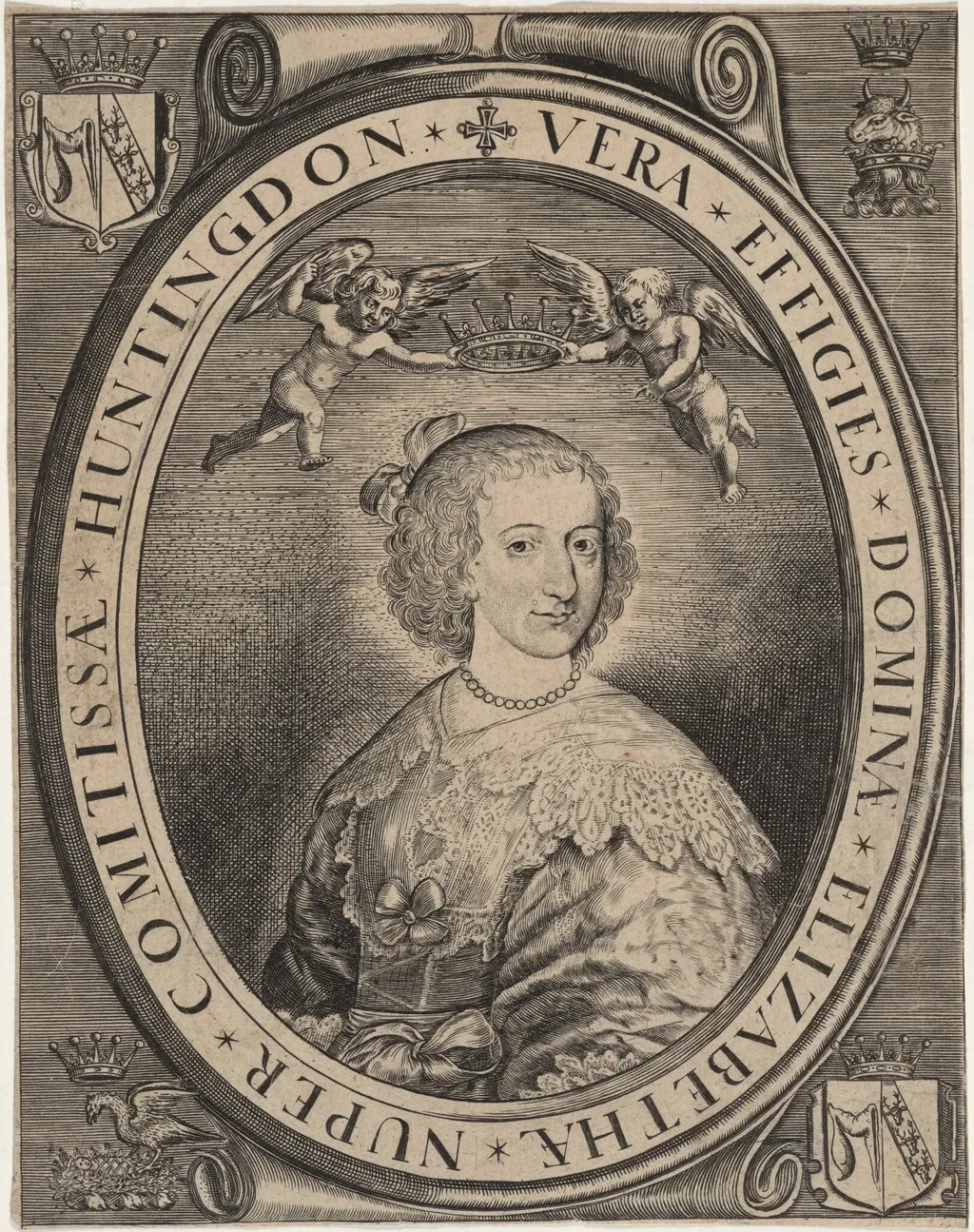
Elizabeth Stanley, Countess of Huntingdon is an ink print by the Renaissance artist William Marshall. It dates from 1623 and is held in the collection of the National Gallery of Art.
About this work
Overview
An engraving from 1623 by William Marshall, this print depicts Elizabeth Stanley, Countess of Huntingdon, in formal attire.
An engraving from 1623 by William Marshall, this print depicts Elizabeth Stanley, Countess of Huntingdon, in formal attire. Rendered in monochrome, the image emphasizes fine line work to convey texture and depth. The composition centers the sitter within an ornate border filled with heraldic symbols and her full titles, reflecting the conventions of aristocratic portraiture in early 17th-century England.
Subject & Meaning
Elizabeth Stanley is portrayed with dignity, her posture composed and gaze direct. The flower she holds may symbolize virtue or transience, while the floating cherubs above bear a crown and a shield bearing a cross, emblems of noble status and Christian devotion. The surrounding inscriptions and emblems reinforce her lineage and social rank, presenting her not merely as an individual but as a representative of her family’s legacy.
Technique & Style
Marshall employed fine, controlled lines to model form and fabric, using cross-hatching to suggest volume and shadow. The ruffled collar, pearls, and hair are rendered with meticulous precision, demonstrating the engraver’s command of tonal gradation without color. The dense border of text and heraldic devices reflects the period’s preference for symbolic overload in elite portraiture, where visual information served as a record of identity.
History & Provenance
Created in 1623, the engraving likely served as a commemorative portrait for the Stanley family, circulated among courtly circles. It was produced during a time when engraved portraits were prized as affordable yet prestigious reproductions of noble likenesses. No definitive record of its early ownership exists, but its survival suggests it was preserved within aristocratic collections or institutional archives.
Context
In early 17th-century England, engraved portraits were common tools for asserting status among the nobility, especially when painted likenesses were inaccessible. Marshall, a skilled printmaker, worked within a tradition that blended portraiture with heraldic symbolism. This piece aligns with broader trends in print culture, where textual and visual elements combined to communicate lineage, piety, and social authority.
Legacy
The engraving remains a representative example of Jacobean printmaking, illustrating how line and symbolism could convey complex identities in the absence of color. It contributes to the study of aristocratic self-representation and the role of prints in disseminating noble imagery. While not widely known today, it holds value as a historical artifact of early modern English visual culture.
Own this work as a print
Artist & collection

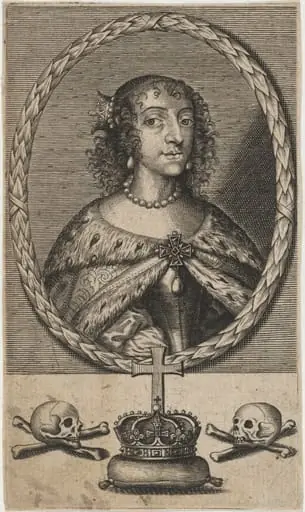 Henrietta Maria
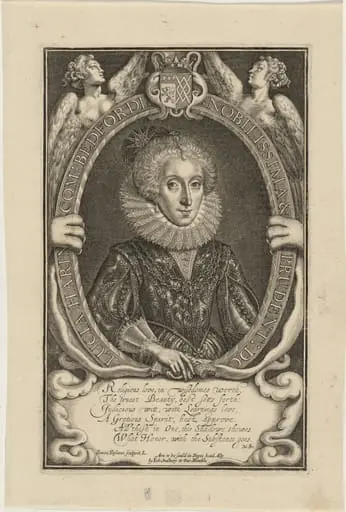 Lucia Harrington, Countess of Bedford
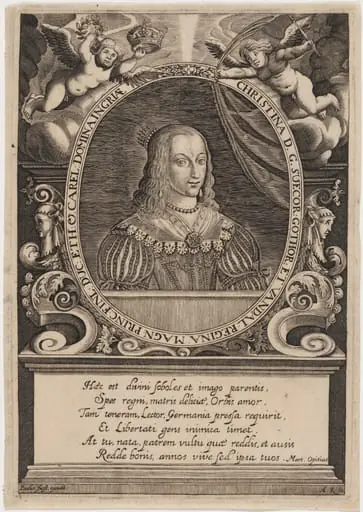 Christina, Queen of Sweden
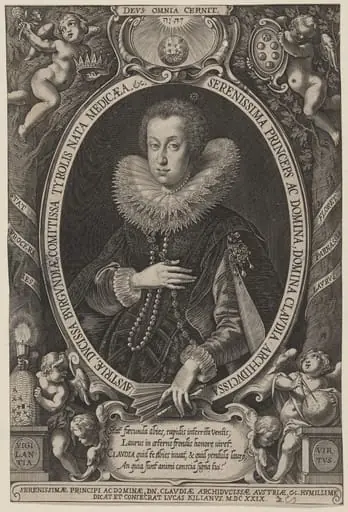 Claudia de Medici, Wife of Leopold of Austrian Tyrol
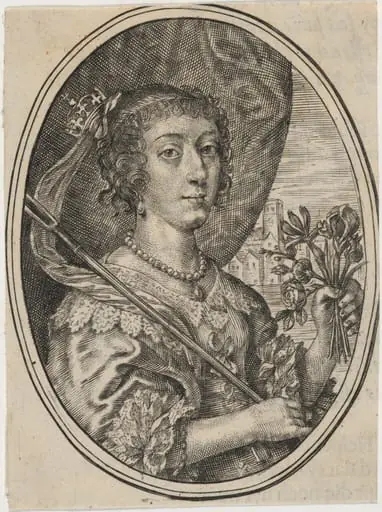 Henrietta Maria (?)
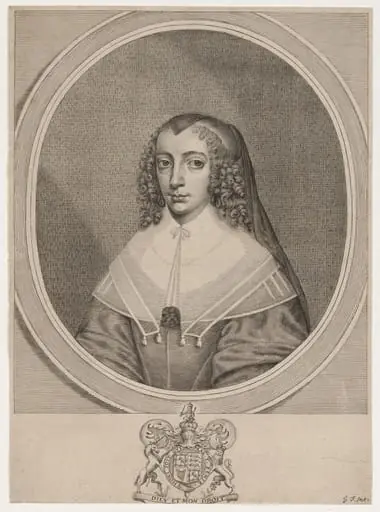 Henrietta Maria
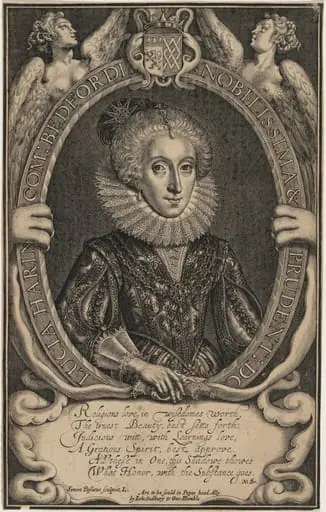 Lucia Harrington, Countess of Bedford
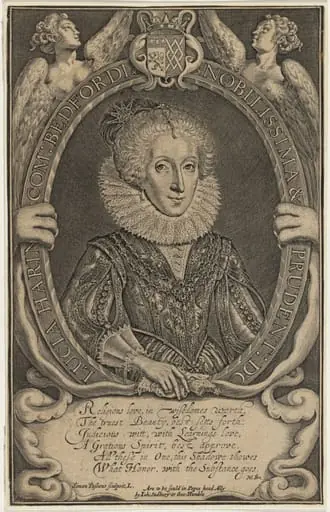 Lucia Harrington, Countess of Bedford
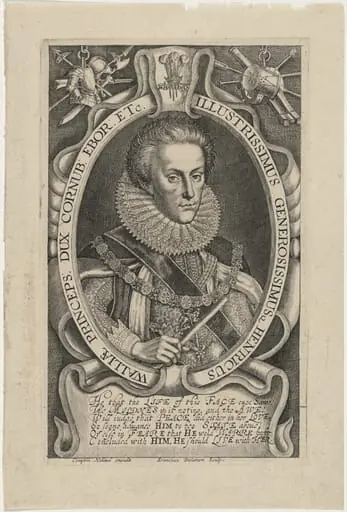 Henrici VIII Angliae, Franciae et Hiberniam Rex (King Henry VIII)
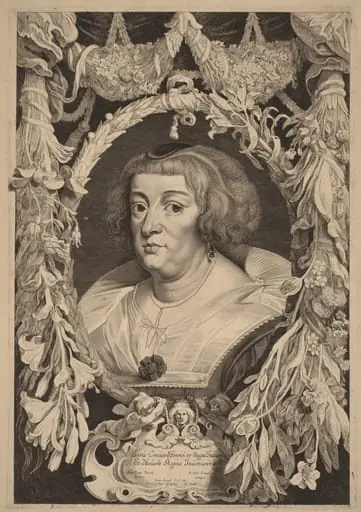 Marie de Medici