Artwork
Richard Sibbes, D.D.
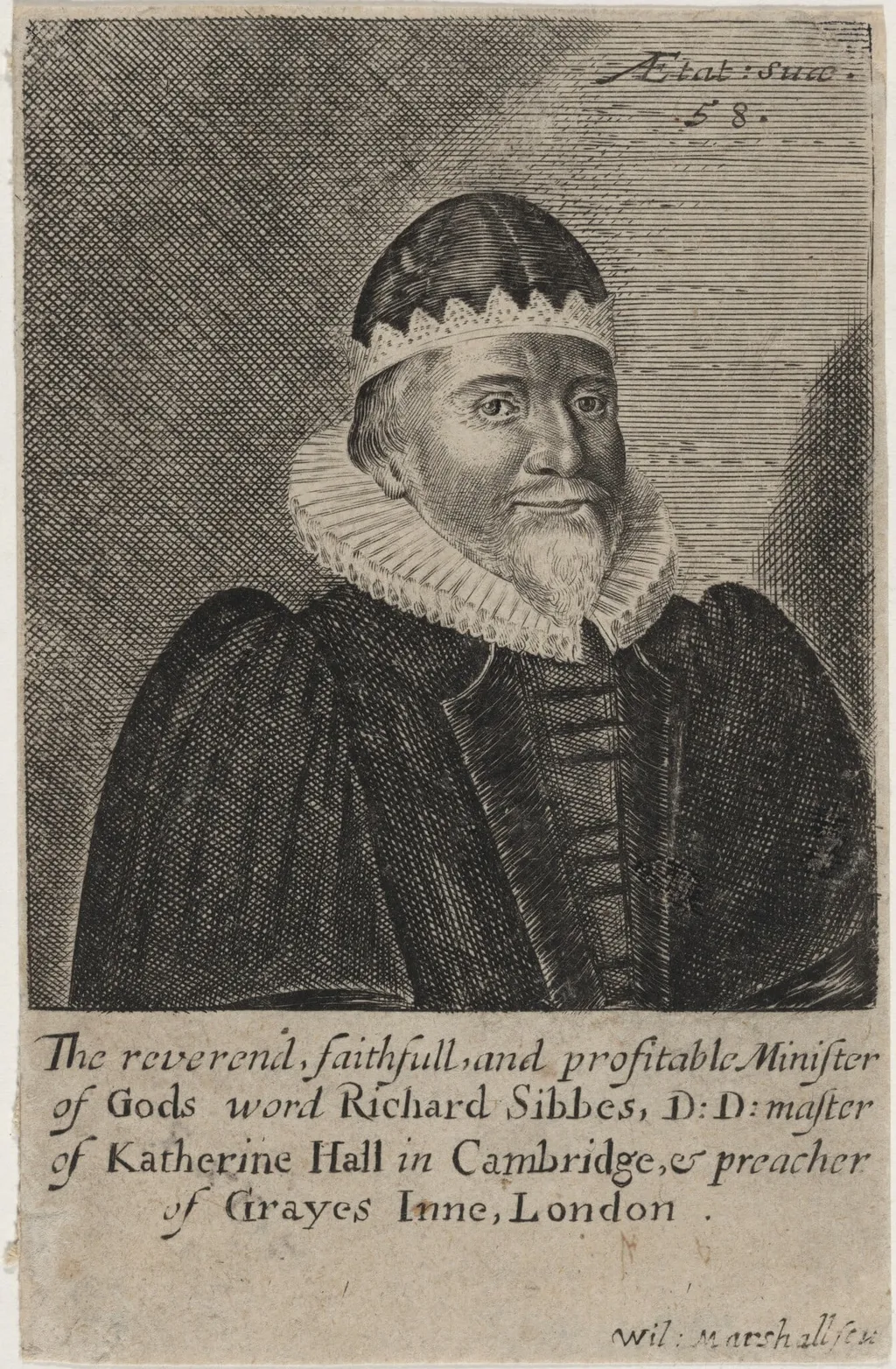
Richard Sibbes, D.D. is an ink print by the Baroque artist William Marshall. It dates from 1638 and is held in the collection of the National Gallery of Art.
About this work
Overview
Rendered in monochrome, the portrait captures Sibbes in formal ecclesiastical attire, emphasizing his scholarly and religious role.
This 1638 engraving by William Marshall depicts Richard Sibbes, a prominent Puritan theologian and preacher. Rendered in monochrome, the portrait captures Sibbes in formal ecclesiastical attire, emphasizing his scholarly and religious role. The image was produced using etching techniques to achieve fine lines and subtle tonal variations, typical of portrait prints of the period intended for scholarly circulation.
Subject & Meaning
Richard Sibbes is portrayed as a learned divine, his expression calm yet penetrating, reflecting his reputation as a thoughtful and compassionate teacher. The tall hat and starched ruff signify his clerical status and adherence to early 17th-century ecclesiastical dress. The inclusion of his title, D.D., underscores his academic authority, aligning the visual with his role as a respected figure in Puritan theological circles.
Technique & Style
Marshall employed etching to render fine, controlled lines that define Sibbes’s features and clothing with precision. The texture of the ruff, the grain of the hat, and the softness of the beard are achieved through delicate hatching and cross-hatching. The composition is tightly framed, focusing attention on the face and upper torso, a convention that prioritized intellectual presence over environmental context.
History & Provenance
Created in 1638, the engraving was likely produced to accompany Sibbes’s published sermons or theological works, serving as a visual identifier for his writings. It circulated among Protestant readers in England and the Netherlands, where his works were widely read. No record of an original print’s ownership survives, but multiple impressions were made, indicating its intended distribution rather than private commission.
Context
In the 1630s, England saw growing demand for printed religious materials as Puritanism gained influence. Portraits of clergy like Sibbes were reproduced to lend authority to their texts and to foster personal connection with readers. This engraving reflects a broader trend of using print to disseminate theological ideas, bridging the gap between manuscript culture and the emerging print public.
Legacy
Marshall’s engraving became the standard visual representation of Sibbes, reproduced in later editions of his sermons well into the 18th century. It helped solidify his public image as a sober, devout teacher, shaping how subsequent generations perceived Puritan leadership. Though no longer widely displayed, the print remains a key artifact in the history of religious print culture.
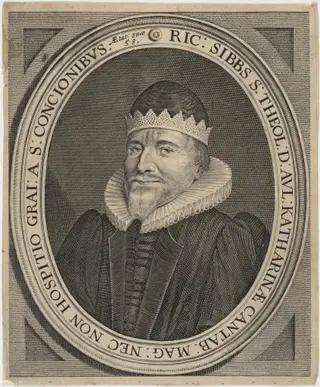
Own this work as a print
Artist & collection

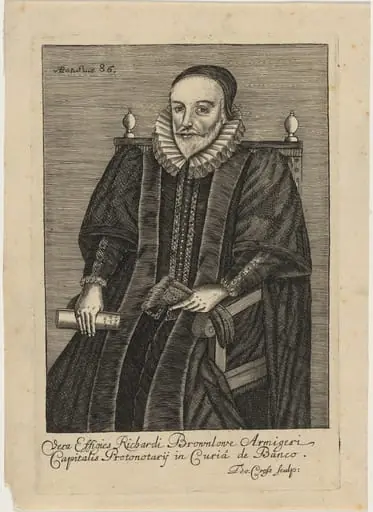 Richardi Brownlowe Armigeri
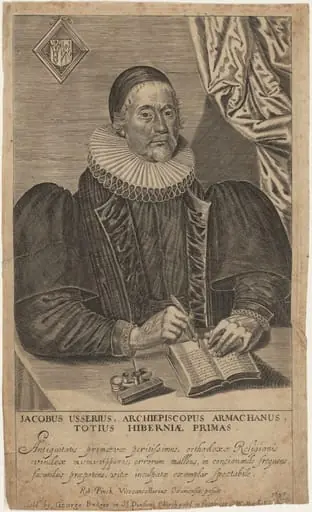
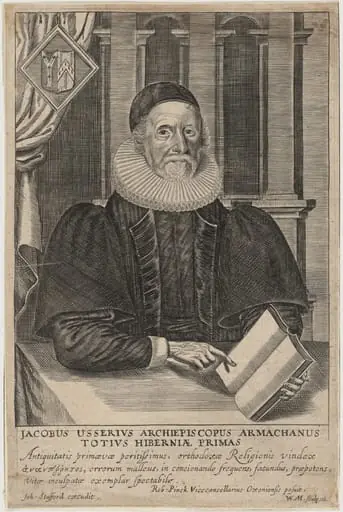 James Ussher, Archbishop of Armagh
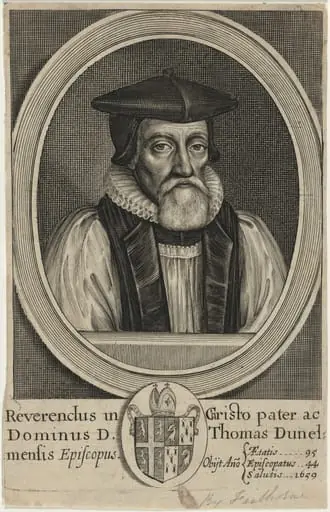 Thomas Morton
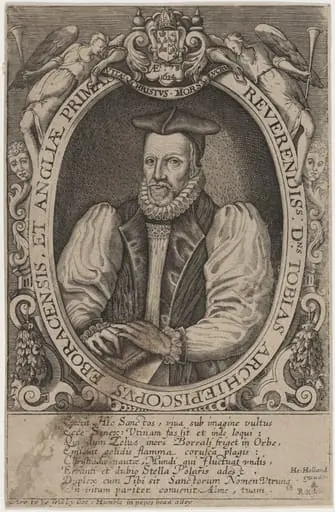 Tobias Matthew, Archbishop of York
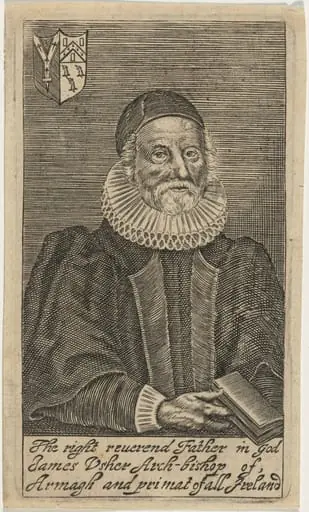 James Ussher, Archbishop of Armagh
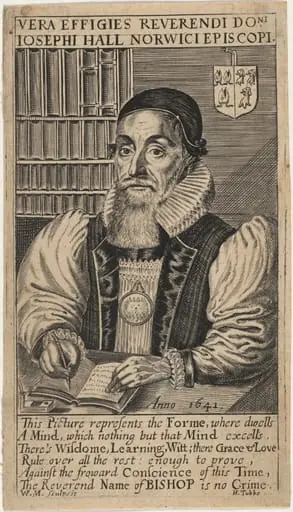 Joseph Hall, Bishop of Norwich
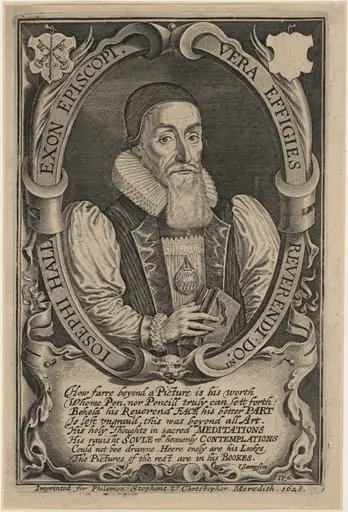 Joseph Hall, Bishop of Exeter and Norwich
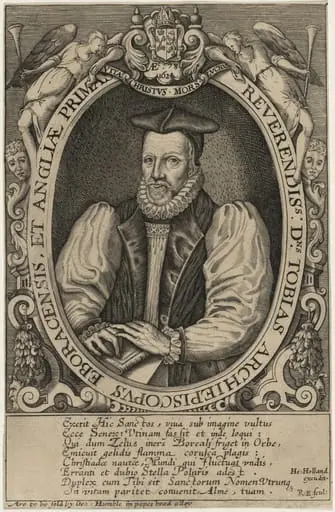 Tobias Matthew, D.D., Archbishop of York
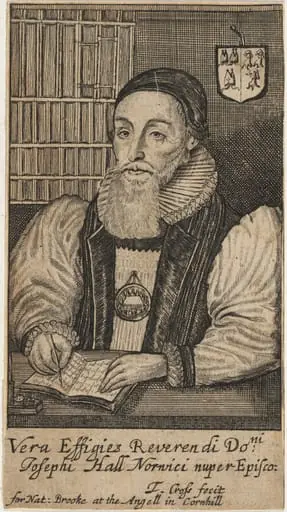 Reverendi Doni: Josephi Hall Norwici Nuper Episco. (Joseph Hall, Bishop of Norwich)