Artwork
Summer Night
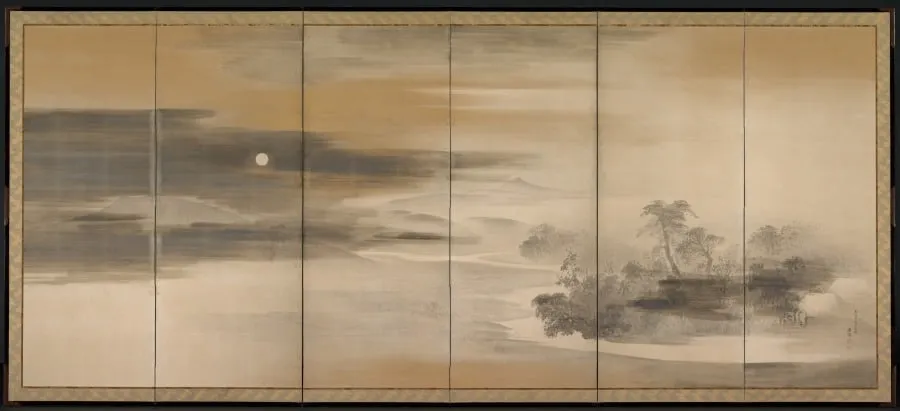
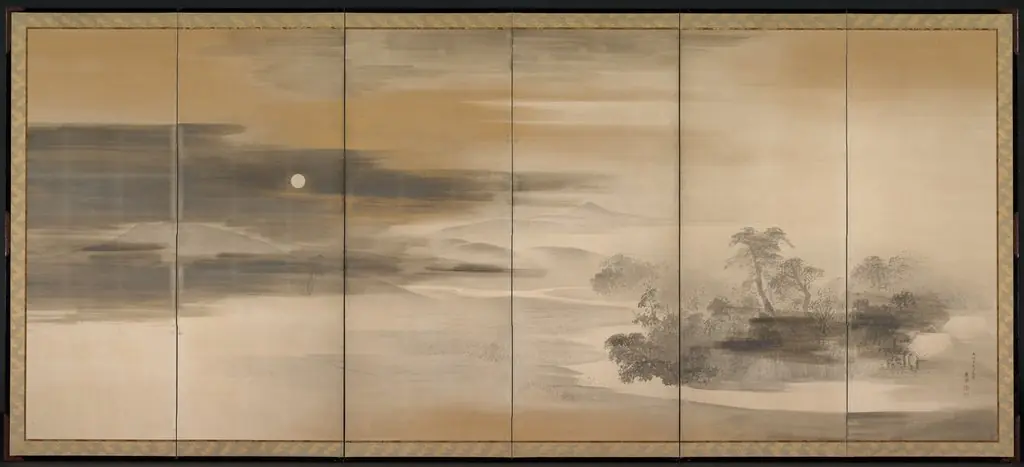
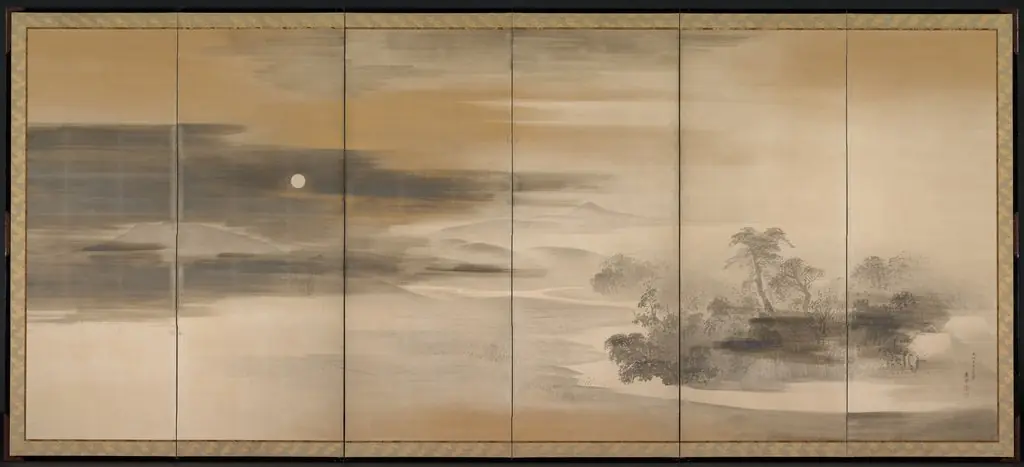
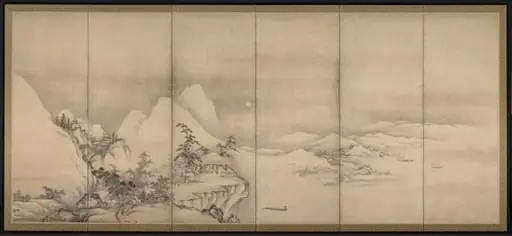
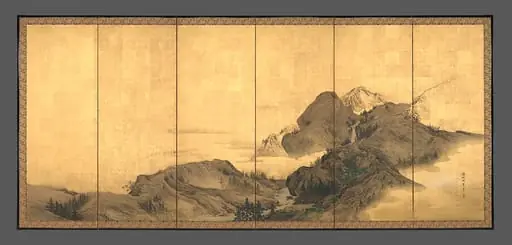
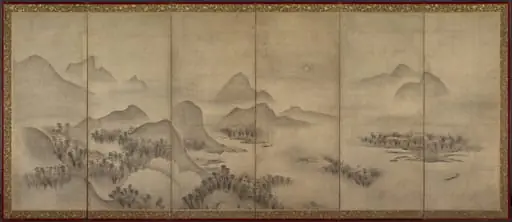
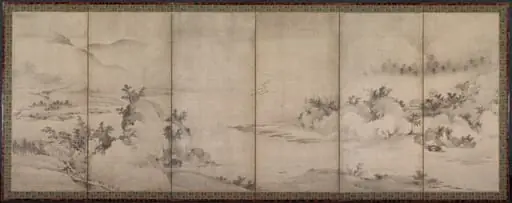
Summer Night is an unspecified painting by the Rinpa school artist Maruyama Ōkyo. It dates from 1784 and is held in the collection of the Cleveland Museum of Art. Created in the summer of 1784, this nocturnal landscape presents a dense forest under a muted night sky.
- Accession no.
- 1973.156.1
- Credit line
- Leonard C. Hanna Jr. Fund
About this work
Overview
Created in the summer of 1784, this nocturnal landscape presents a dense forest under a muted night sky. Flickering fireflies punctuate the darkness, while a faint moon casts subtle illumination that shapes the interplay of shadow and light across the trees.
Subject & Meaning
The composition captures a quiet moment in nature, emphasizing the transience of light through the delicate glow of fireflies. The restrained depiction suggests a contemplative distance, inviting viewers to observe the scene without imposing a narrative about humanity’s role within it.
Technique & Style
Ōkyo combined Western chiaroscuro and realistic observation with traditional yamato‑e conventions. Precise rendering of foliage and the luminous insects coexist with stylized brushwork, producing a naturalistic yet formally balanced image that merges detailed study of nature with established Japanese painting methods.
History & Provenance
The work belongs to Ōkyo’s series of summer panoramas, produced during his most prolific period as Kyoto’s leading painting instructor. It has remained in Japanese collections since its creation, reflecting the artist’s reputation for integrating foreign techniques into domestic practice.
Context
At a time when Japanese artists were increasingly exposed to Western artistic ideas, Ōkyo’s experiments with perspective and light marked a significant shift. This painting illustrates how such cross‑cultural influences were assimilated into the visual language of Edo‑period art.
Artist & collection

Artist
Maruyama Ōkyo (円山 応挙; Japanese pronunciation: , June 12, 1733 – August 31, 1795), born Maruyama Masataka, was a Japanese artist active in the late 18th century.