Artwork
Extrados of an arch from Boí
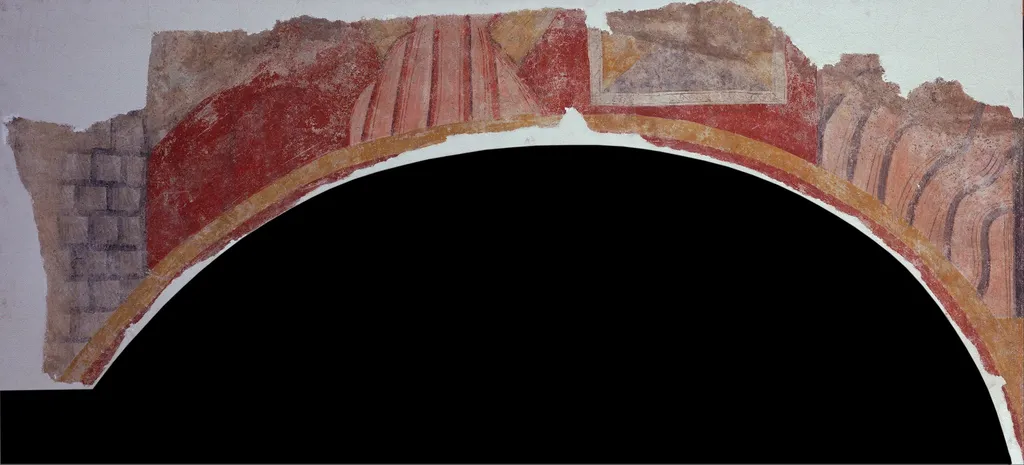
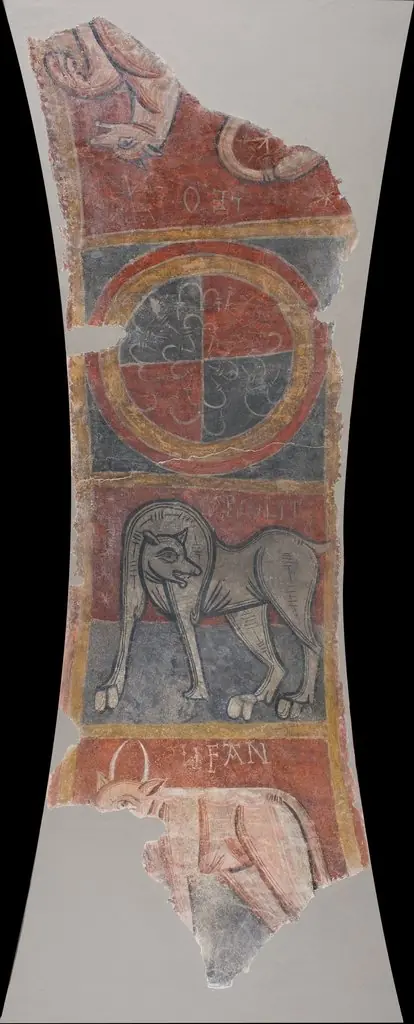
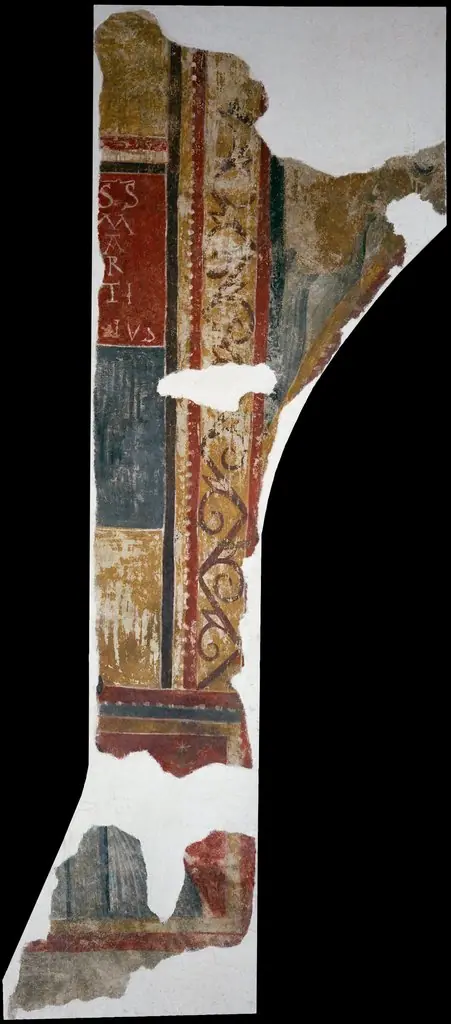
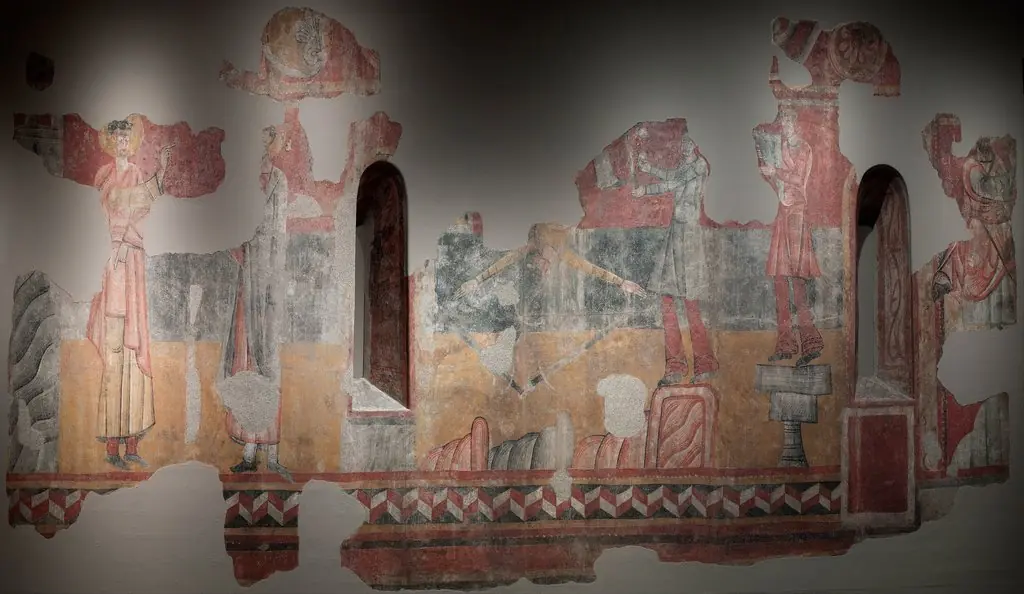
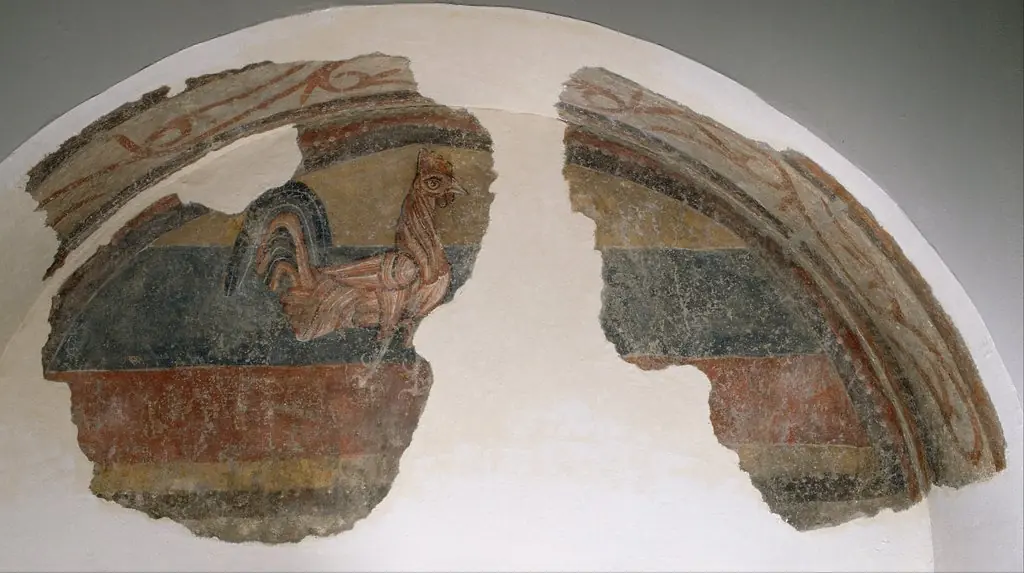
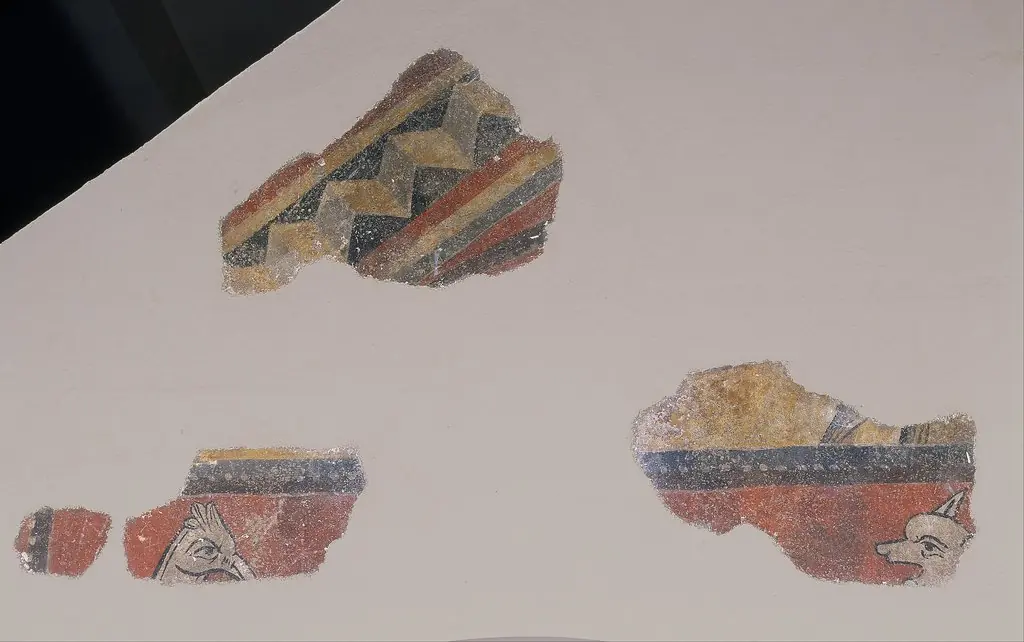
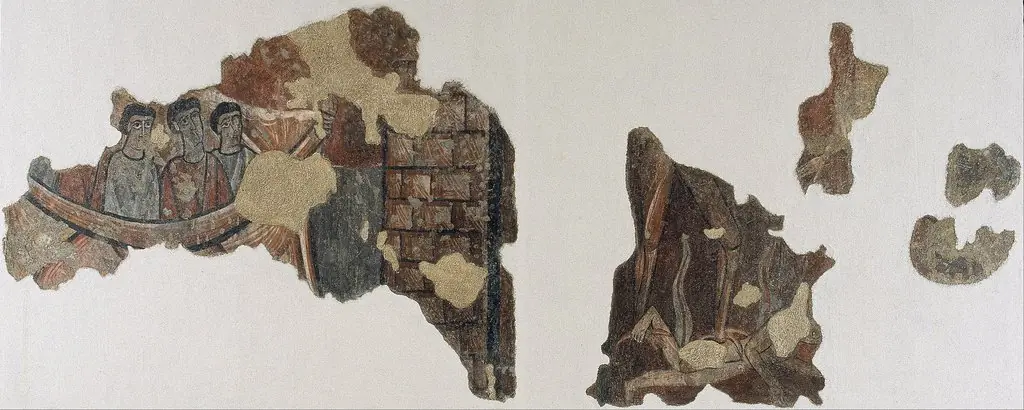
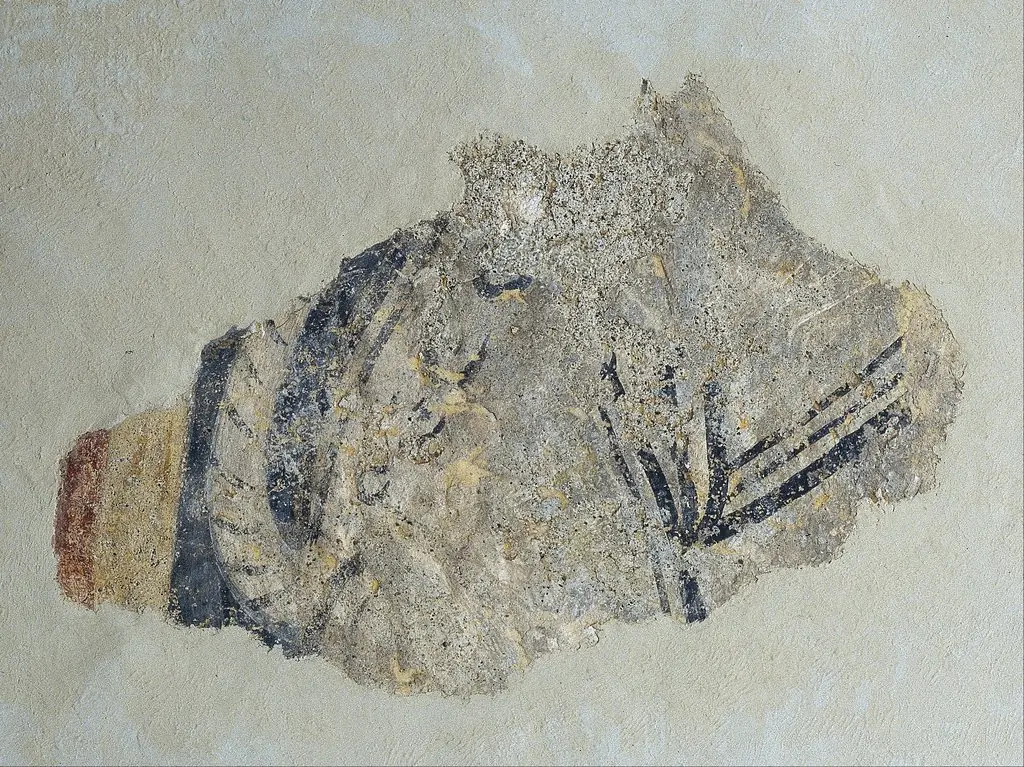
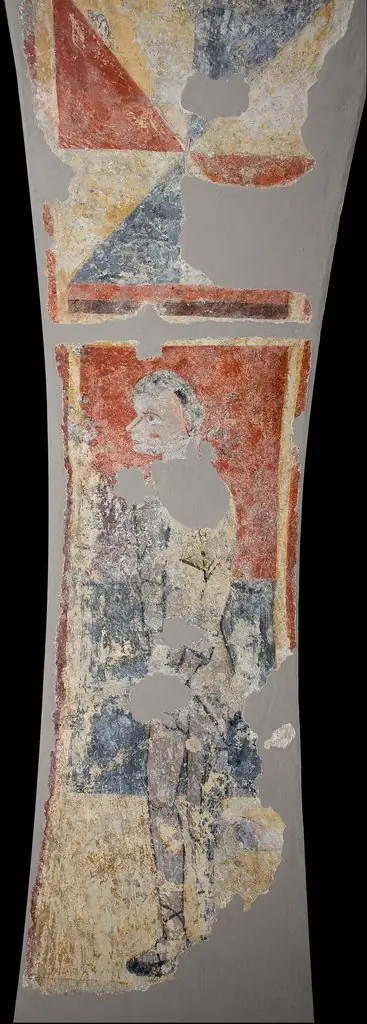
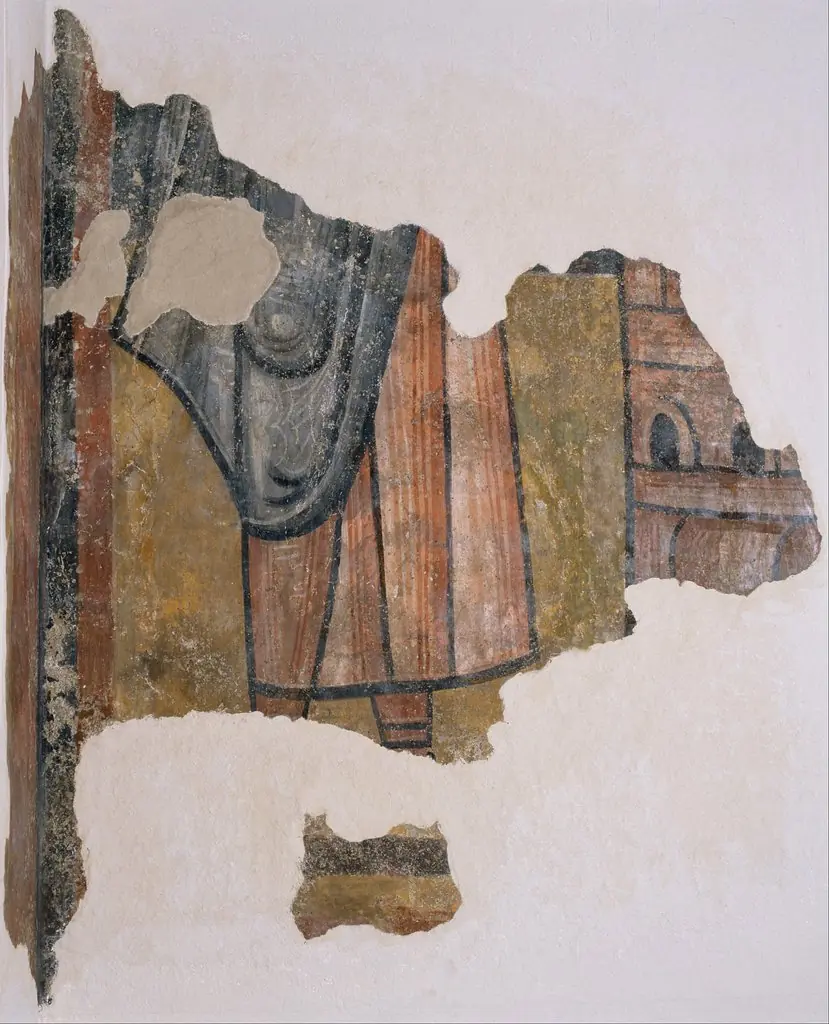
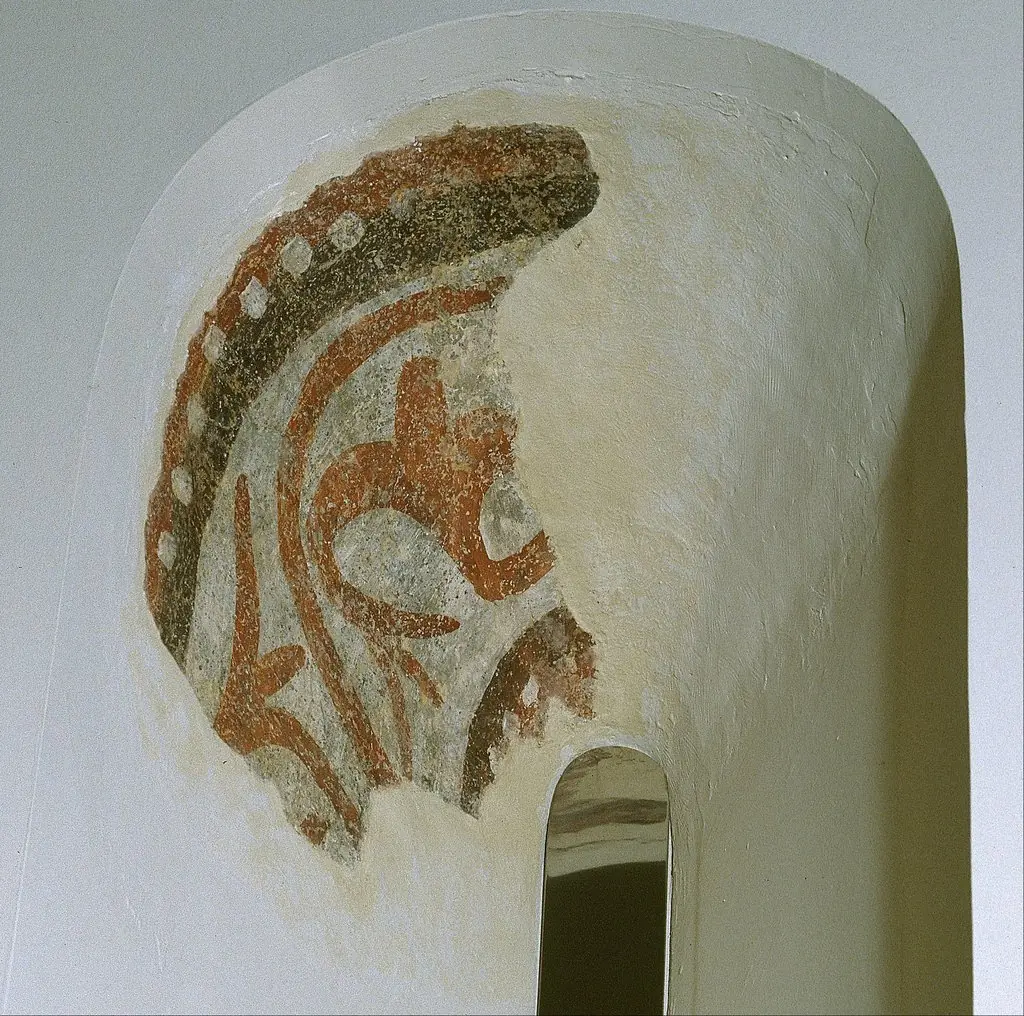
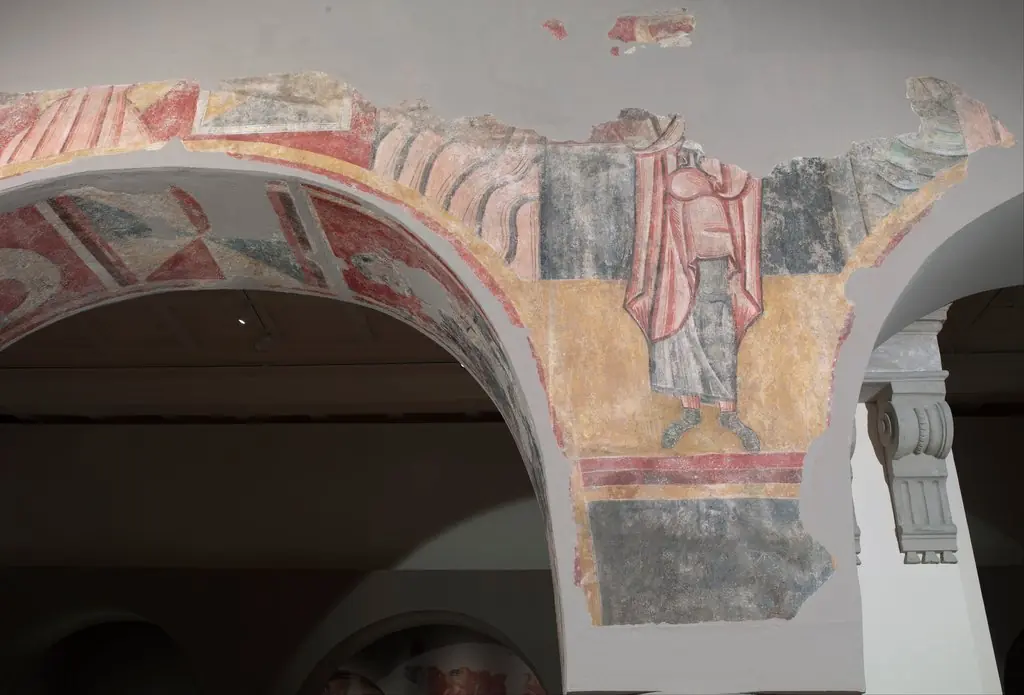
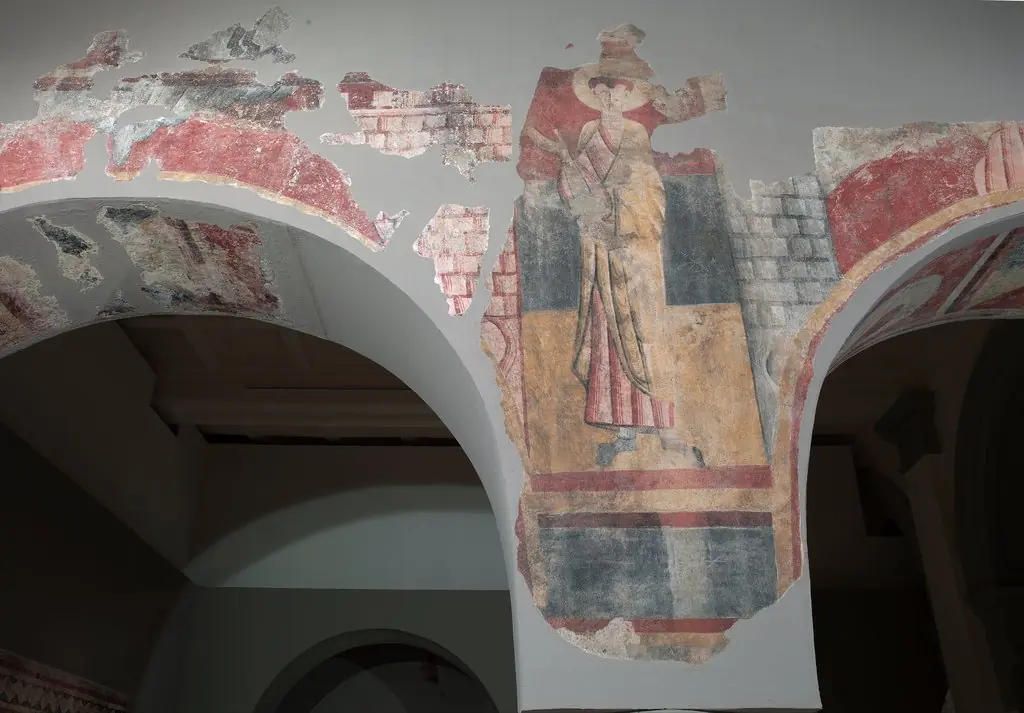
Extrados of an arch from Boí is an unspecified painting by the Romanesque artist Master of Boí. It dates from 1100 and is held in the collection of the Museu Nacional d'Art de Catalunya. This fragment originates from the extrados of a stone arch in a church in the Vall de Boí, Catalonia.
About this work
Overview
Painted around 1100, it was likely part of a larger decorative scheme within a Romanesque religious structure.
This fragment originates from the extrados of a stone arch in a church in the Vall de Boí, Catalonia. Painted around 1100, it was likely part of a larger decorative scheme within a Romanesque religious structure. Now housed in the Museu Nacional d'Art de Catalunya, the work survives as a rare, standalone example of mural painting from this region and period, detached from its original architectural context.
Subject & Meaning
The painting does not depict figures or narrative scenes but instead simulates architectural space. The red surface with a yellow border mimics the underside of an arch, while the brick wall and curved lines imply the surrounding masonry and vaulting. Its purpose was likely to enhance the sacred interior’s illusion of continuity and order, reinforcing the spiritual atmosphere through visual harmony rather than iconography.
Technique & Style
Executed in tempera on plaster, the work employs a restrained palette of red, ochre, and brown. Brushwork is deliberate and visible, creating a tactile surface that emphasizes materiality over illusionism. The forms are simplified, with clean lines and flat planes, reflecting the regional Romanesque aesthetic. The absence of shading or perspective underscores its functional role as architectural embellishment.
History & Provenance
The fragment was originally part of a church in the Vall de Boí, a valley known for its well-preserved Romanesque architecture. It was detached during 20th-century conservation efforts to preserve deteriorating wall paintings. Its attribution to the so-called Master of Boí is based on stylistic parallels with other fragments from the region, though the artist’s identity remains unknown.
Context
This painting belongs to a broader tradition of Romanesque mural decoration in the Pyrenean region, where churches were adorned with painted architectural elements to elevate the sacred space. Unlike narrative frescoes, such decorative fragments served to unify structural forms and guide the viewer’s perception, blending art and architecture in a way that reflected monastic ideals of order and devotion.
Legacy
As one of the few surviving examples of its kind, the fragment offers insight into the understated visual language of early 12th-century Catalan religious art. It contributes to scholarly understanding of how architecture and painting interacted in rural monastic settings. The anonymity of its creator underscores the collective, functional nature of medieval artistic production in this context.
Artist & collection
Artist
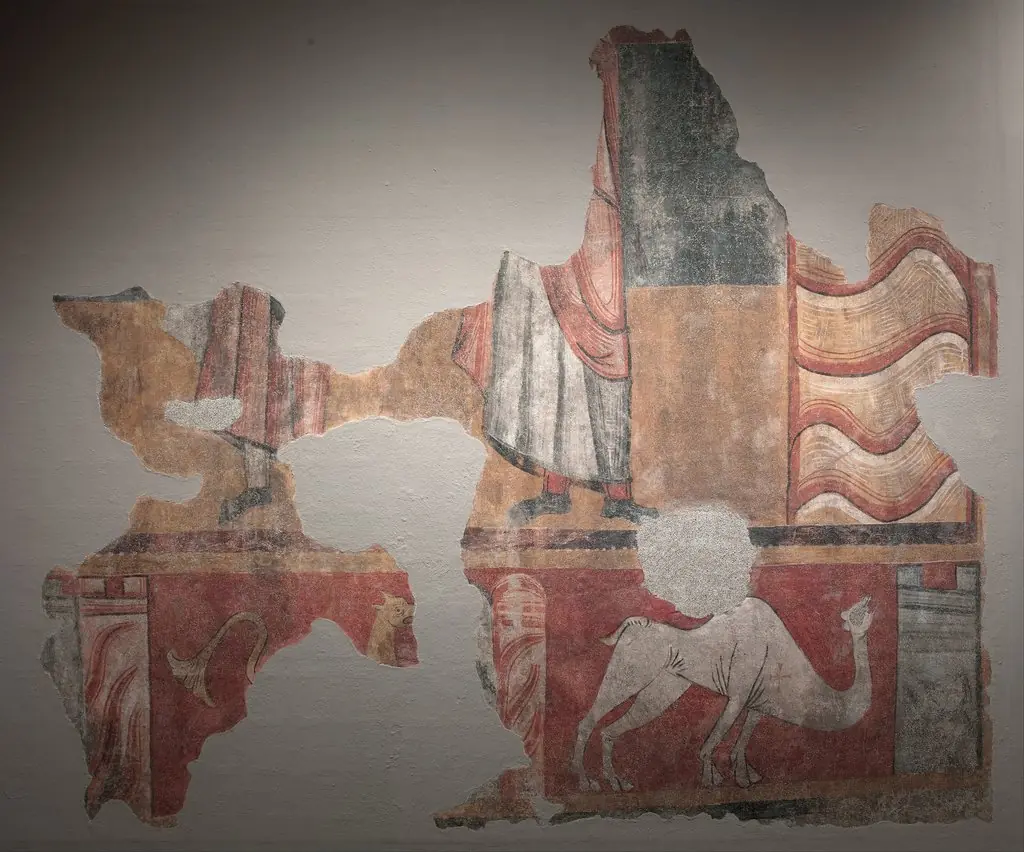
This unknown artist decorated a 12th-century church in Boí, Spain, with carved stone scenes and animals.