Artwork
Window from Boí
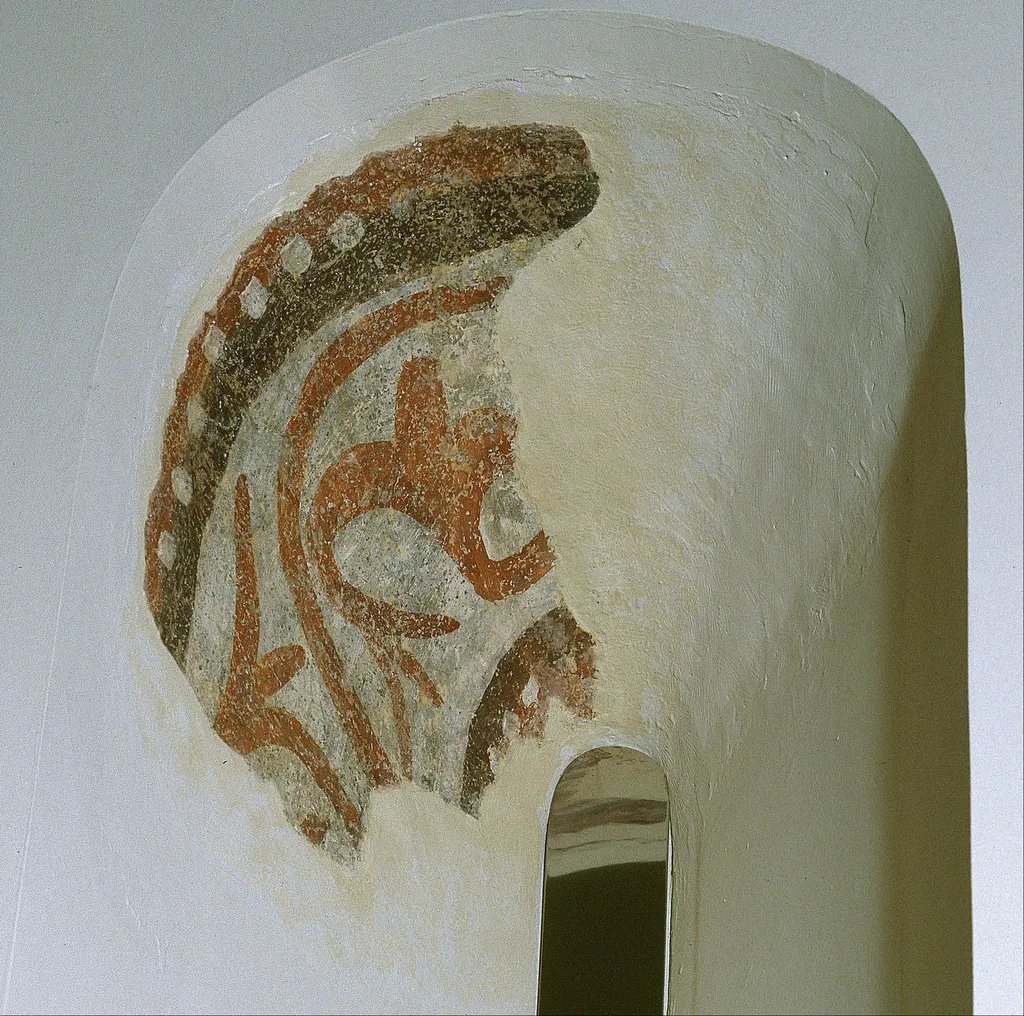
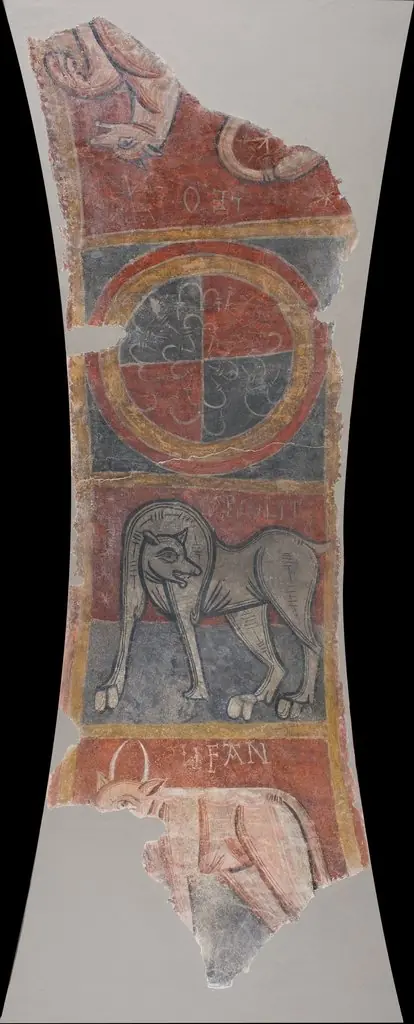
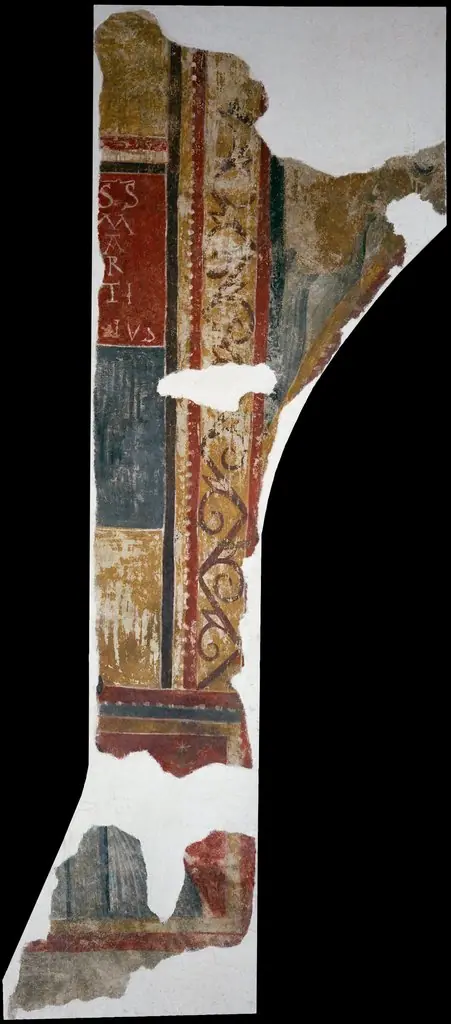
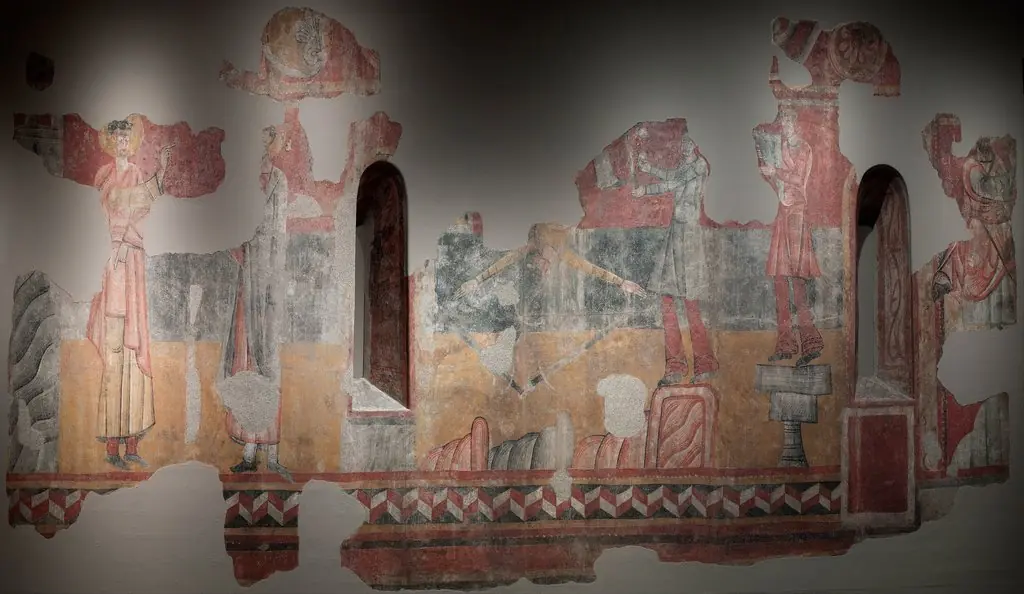
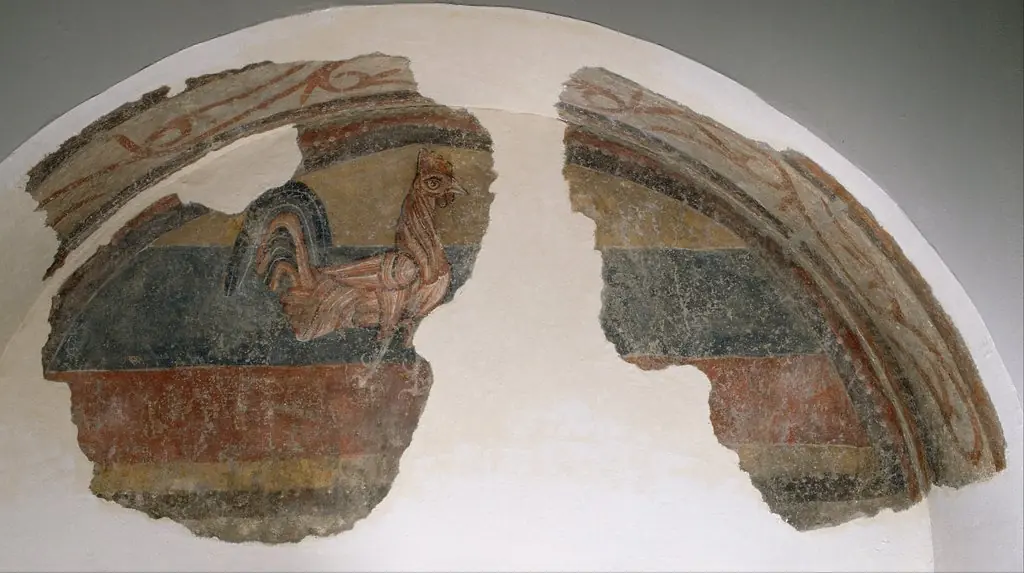
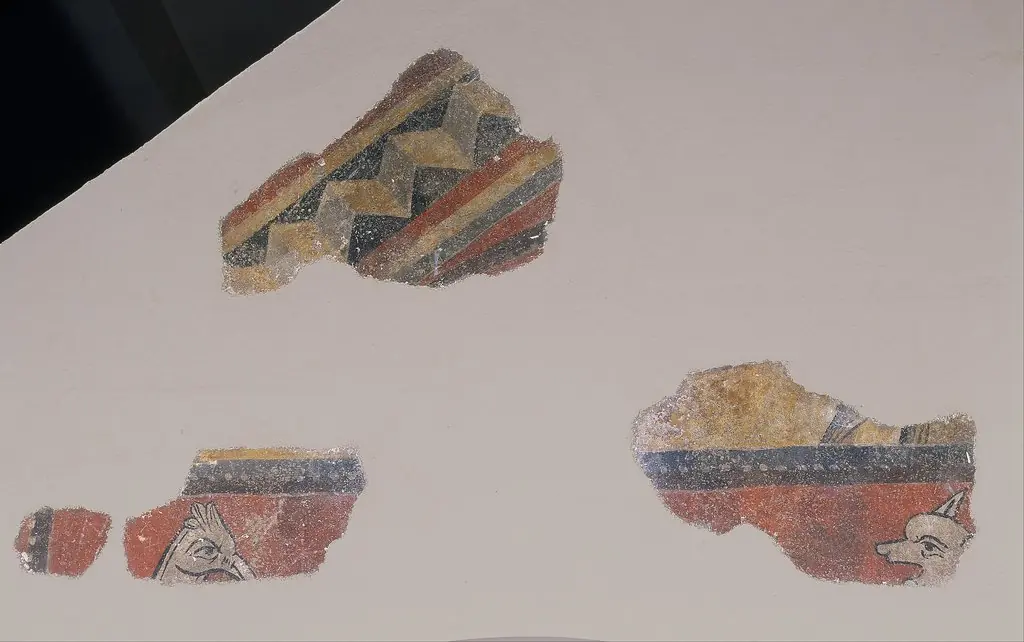
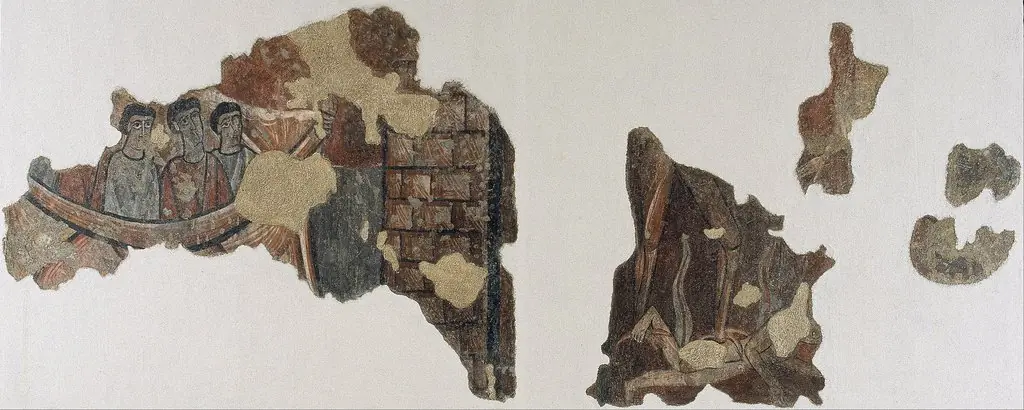
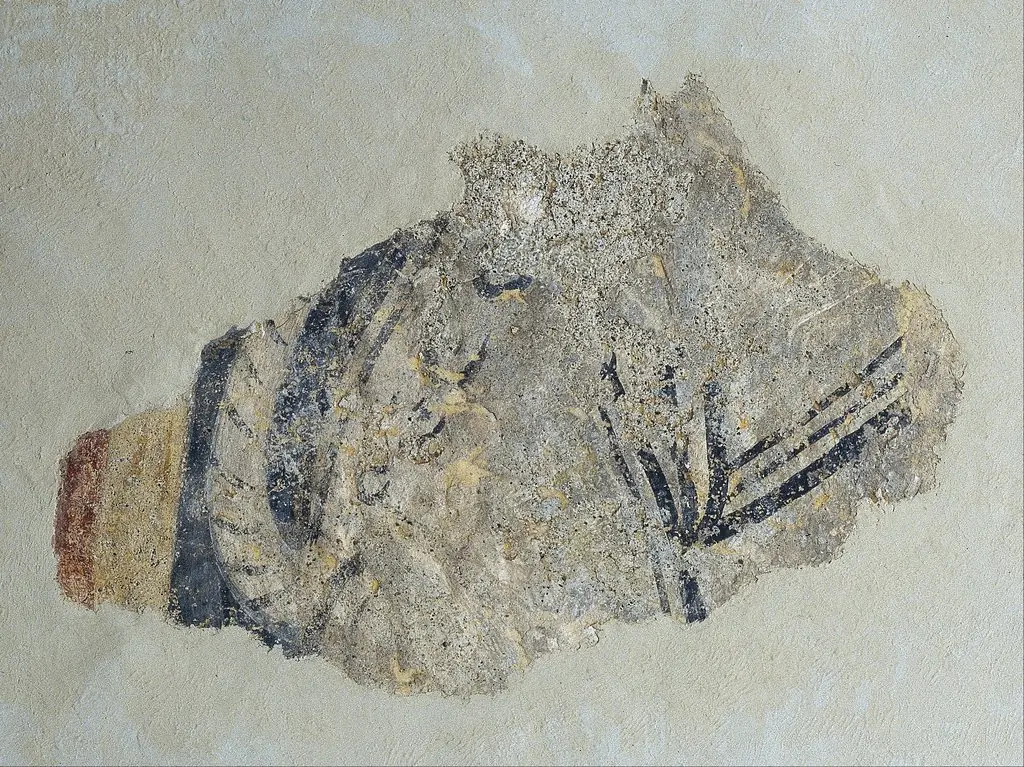
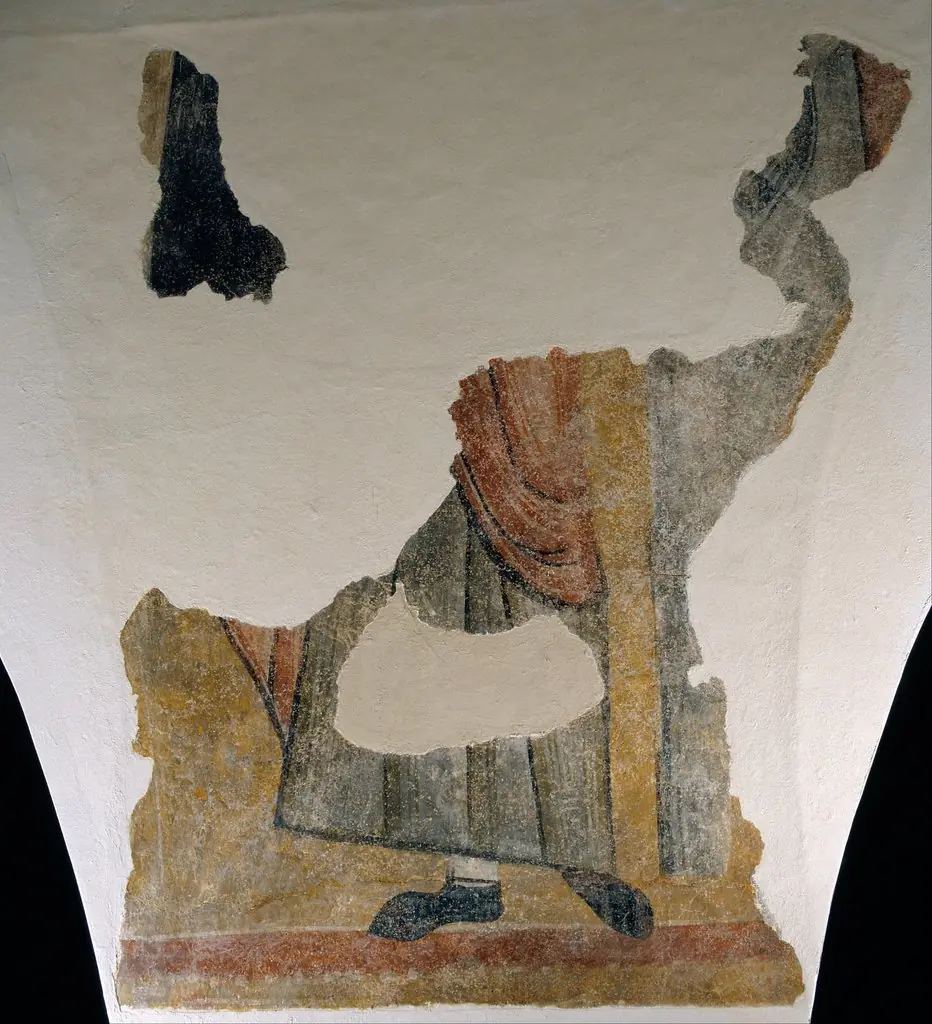
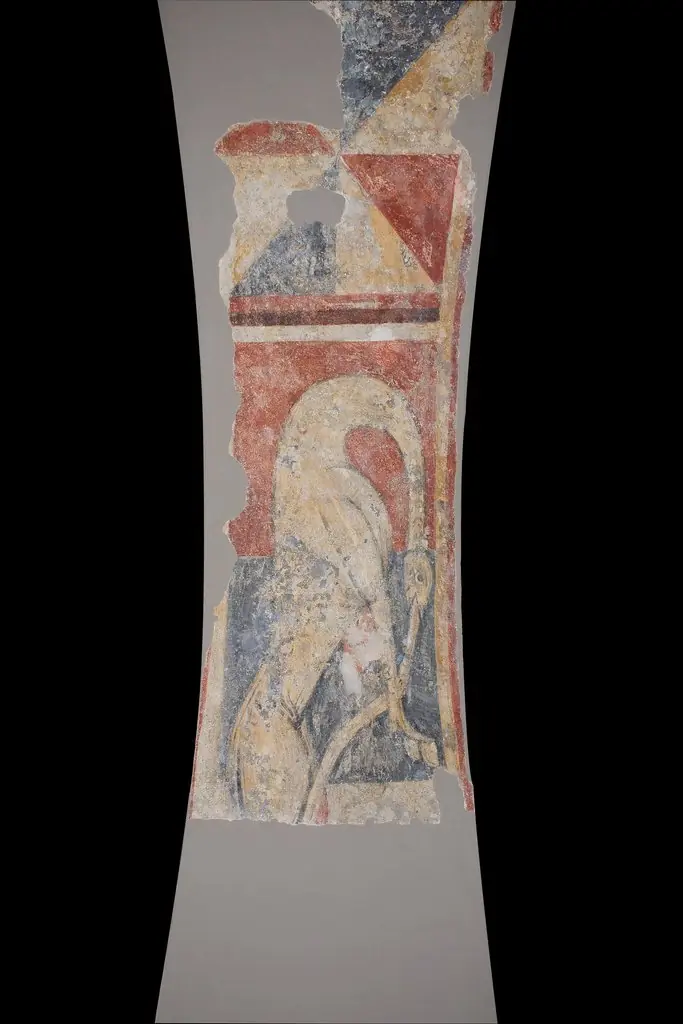
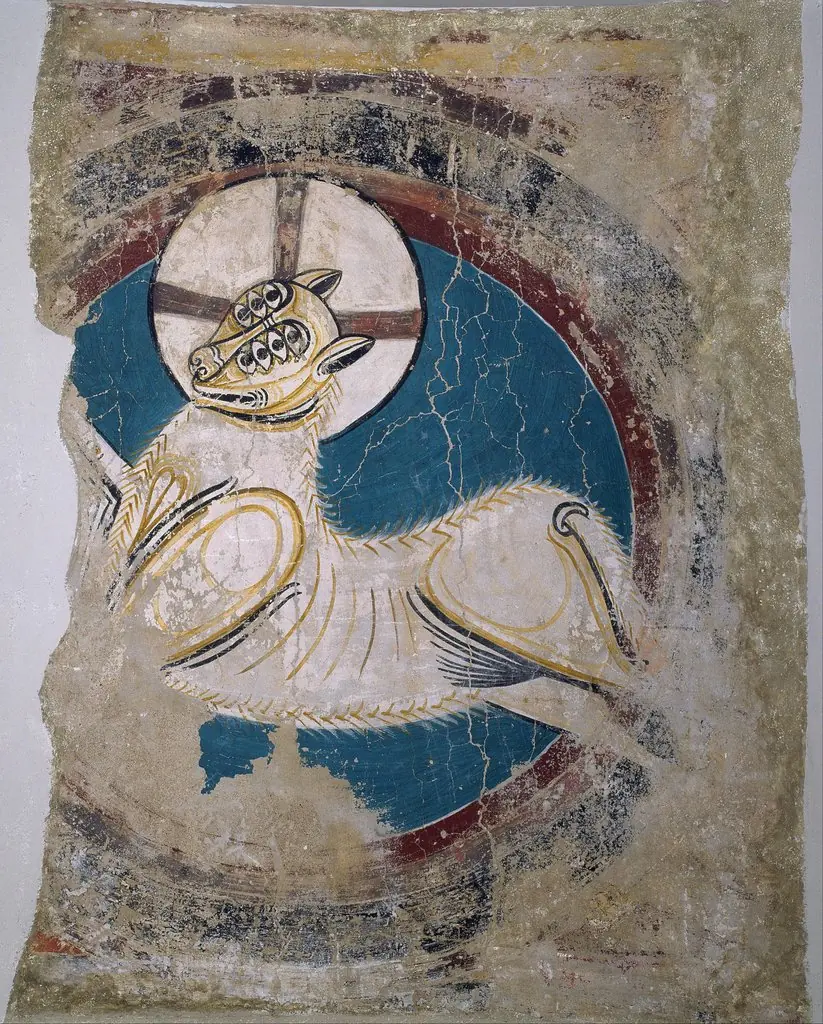
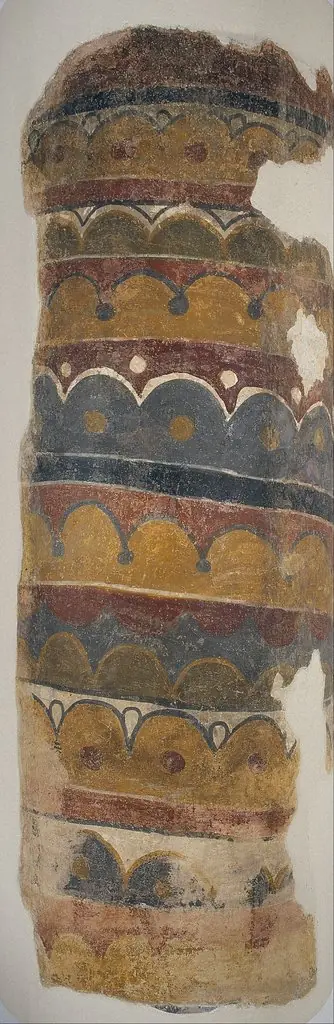
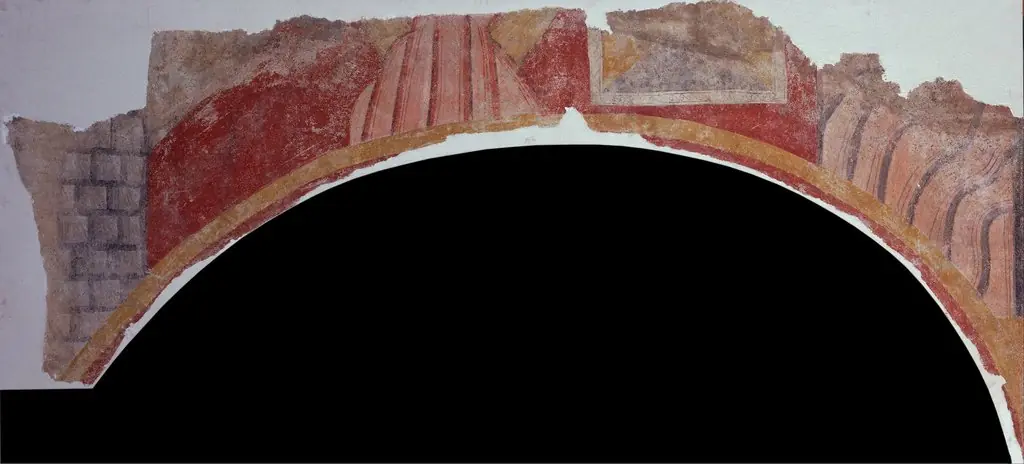
Window from Boí is an unspecified painting by the Romanesque artist Master of Boí. It dates from 1100 and is held in the collection of the Museu Nacional d'Art de Catalunya. This painted fragment originates from a larger devotional panel produced around 1100 in the Vall de Boí region of Catalonia.
About this work
Overview
This painted fragment originates from a larger devotional panel produced around 1100 in the Vall de Boí region of Catalonia. It was likely part of a church altar or screen, now surviving only as a single section. The work is housed in the Museu Nacional d'Art de Catalunya, where it is recognized as a representative example of early Romanesque panel painting from the Pyrenean area.
Subject & Meaning
The image depicts a stylized architectural window, not a literal view, but a symbolic frame meant to suggest divine revelation. In Romanesque religious art, such motifs often represented the threshold between the earthly and the sacred. The window’s form invites contemplation, functioning as a visual metaphor for spiritual insight rather than depicting a specific biblical scene.
Technique & Style
Surface degradation, including cracking and pigment loss, reflects both age and the material limitations of medieval panel painting techniques.
Executed in tempera on wood, the painting uses muted earth tones, browns and beiges, to define the arched frame and its border. The brushwork is deliberate but restrained, with minimal modeling and flat planes characteristic of early Romanesque aesthetics. Surface degradation, including cracking and pigment loss, reflects both age and the material limitations of medieval panel painting techniques.
History & Provenance
The fragment was originally part of a multi-panel altarpiece from the church of Sant Joan in Boí, a village in the Vall de Boí. It was removed during the 19th or early 20th century, likely due to restoration efforts or ecclesiastical reorganization. The piece entered the Museu Nacional d'Art de Catalunya’s collection in the early 1900s, where it was cataloged as a key artifact of regional Romanesque art.
Context
Created during a period of intense church building in the Pyrenees, this work reflects the liturgical and artistic priorities of rural Catalan monastic communities. The emphasis on architectural symbolism aligns with broader Romanesque trends that favored structured, symbolic forms over naturalism. Such panels were often integrated into stone altars or choir screens to guide worshipers’ focus during services.
Legacy
Though attributed to an anonymous artist known as the Master of Boí, this fragment contributes to the understanding of regional workshop practices in medieval Catalonia. It exemplifies how local artists adapted broader Romanesque conventions to suit small-scale devotional needs. Its preservation allows scholars to study the material culture and visual language of a time when written records were scarce.
Own this work as a print
Artist & collection
Artist
This unknown artist decorated a 12th-century church in Boí, Spain, with carved stone scenes and animals.