Artwork
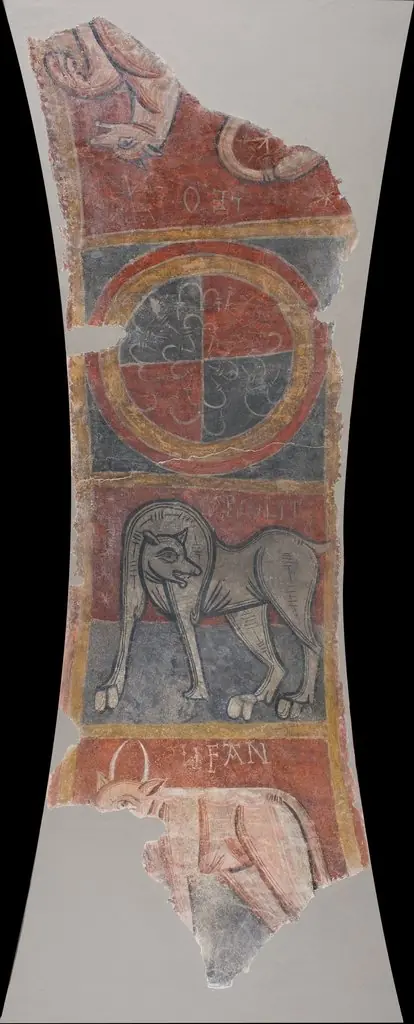
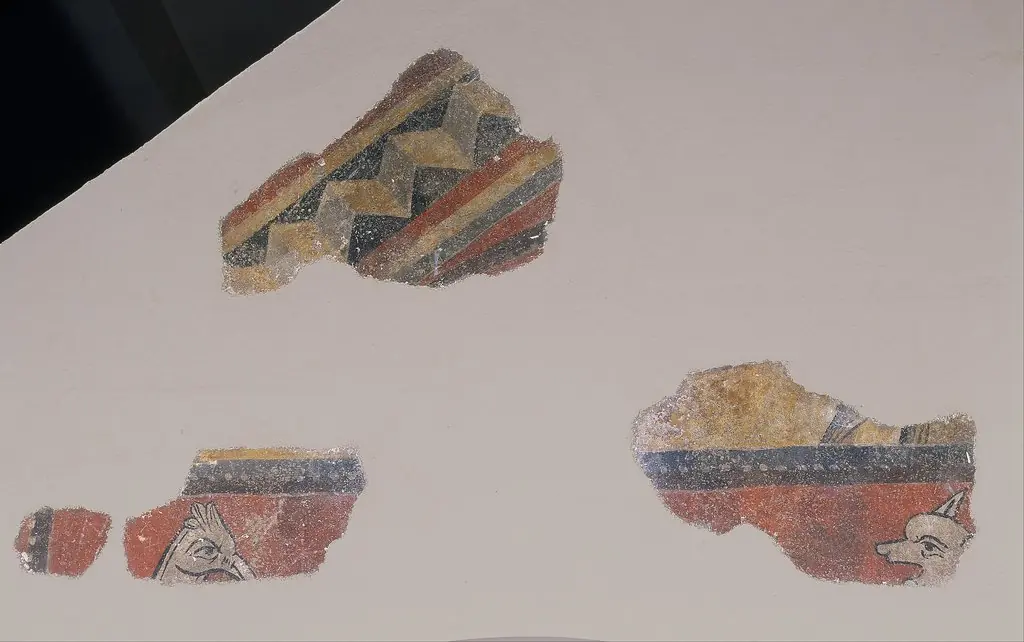
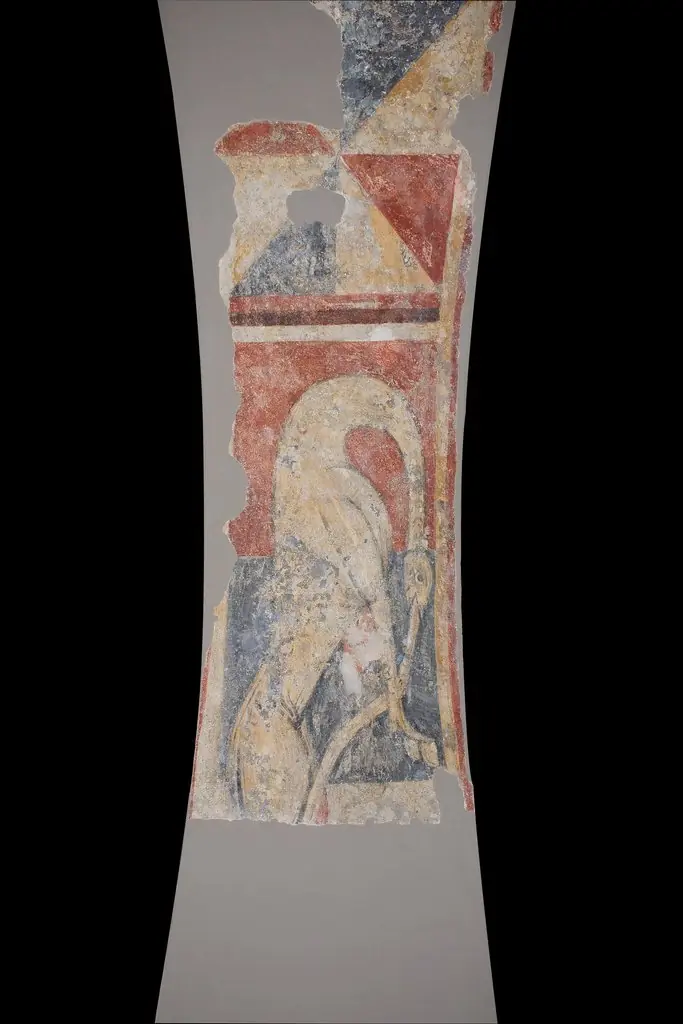
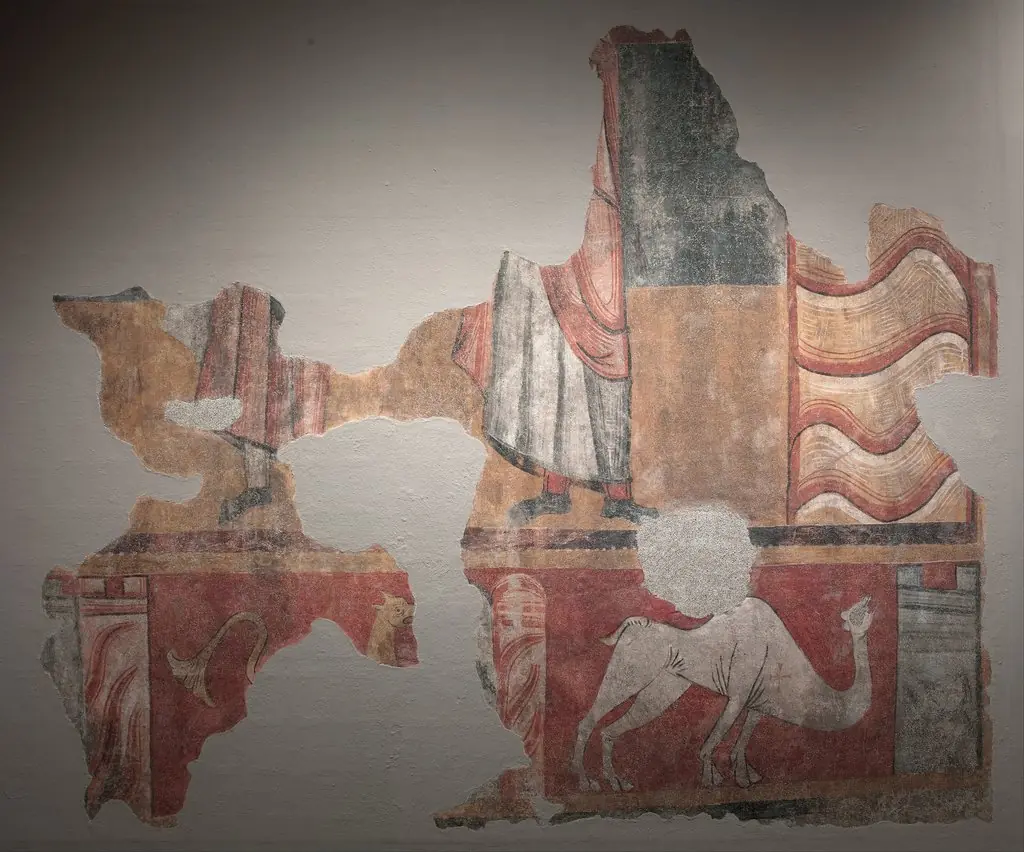
Remains of a quadruped from Boí
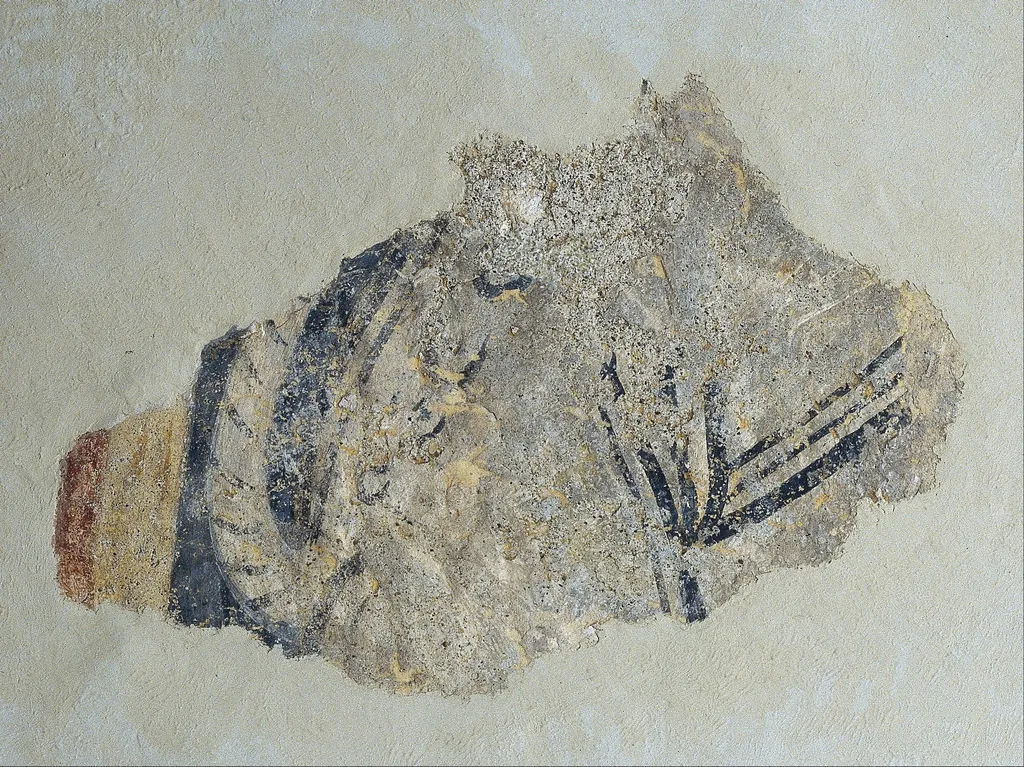
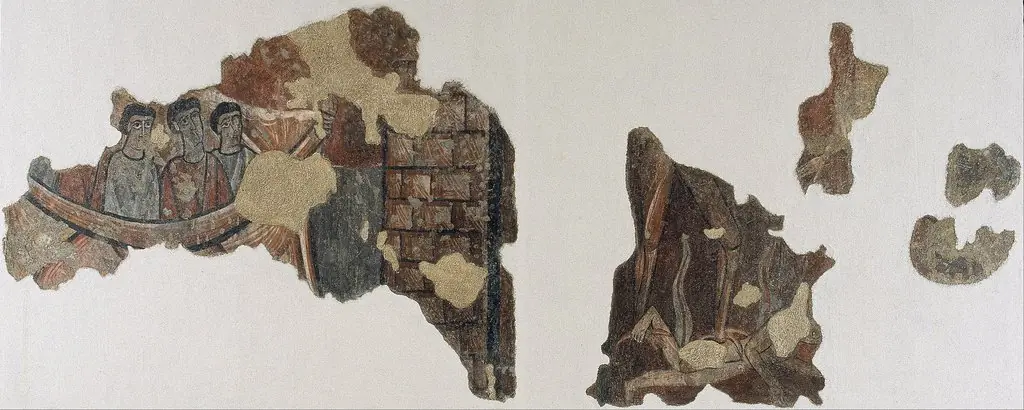
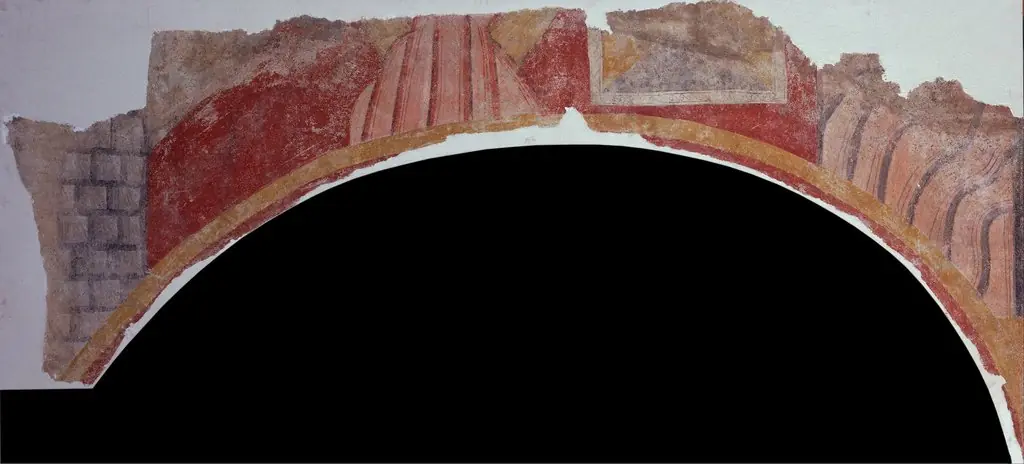
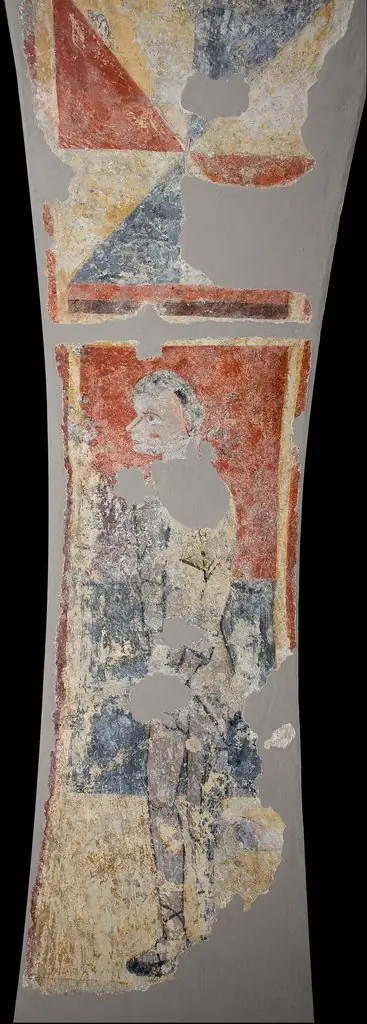
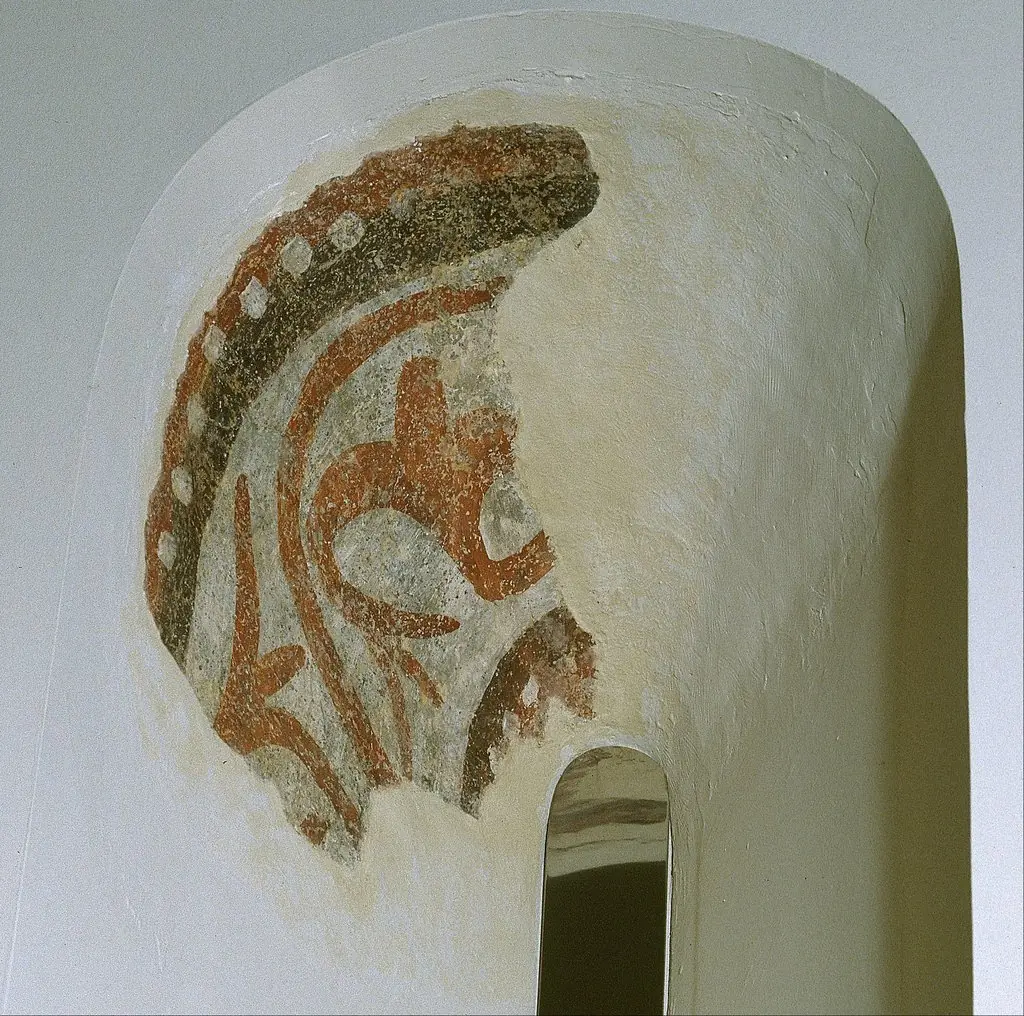
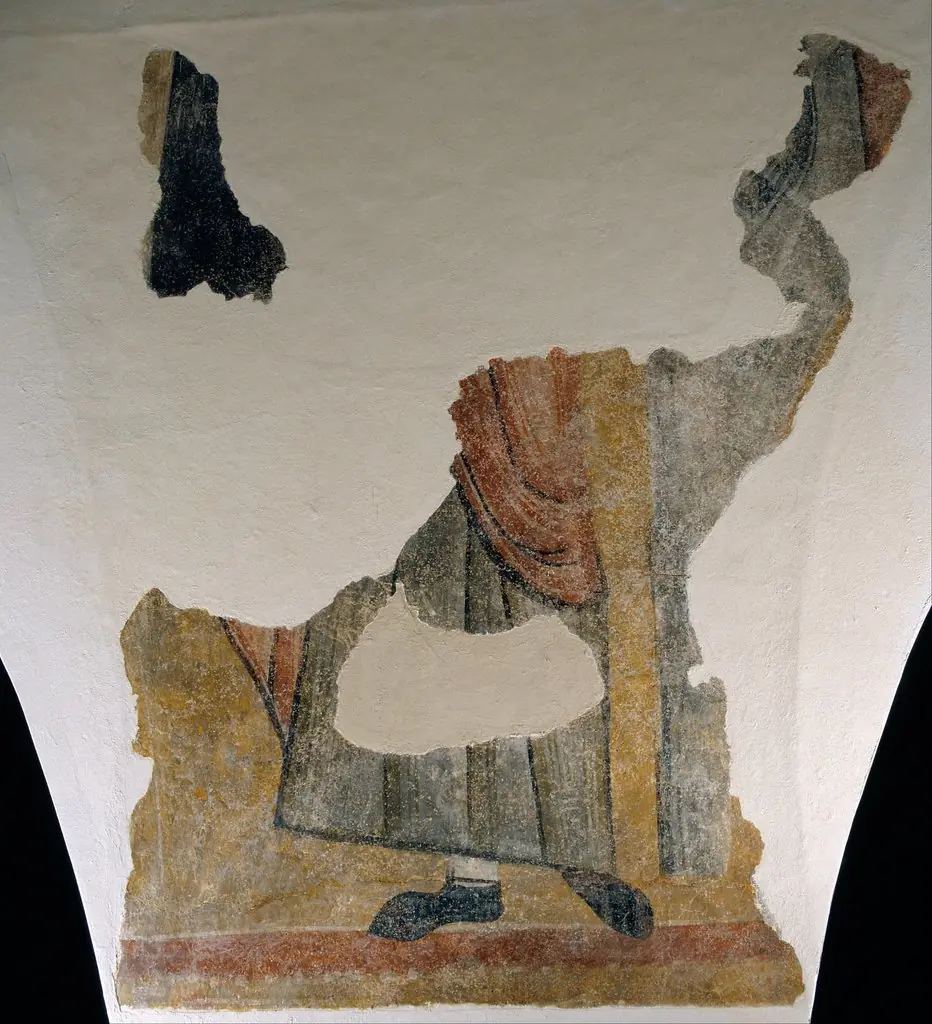
Remains of a quadruped from Boí is an unspecified painting by the Romanesque artist Master of Boí. It dates from 1100 and is held in the collection of the Museu Nacional d'Art de Catalunya.
About this work
Overview
Created around the year 1100, this panel attributed to the Master of Boí depicts the faint outline of a four‑legged creature. The figure is rendered in subdued tones, its dark silhouette set against a pale background, with the head largely obscured. The work’s surface shows the patina of age, with muted coloration and signs of wear that speak to its medieval origin.
Subject & Meaning
The image likely represents a quadruped, though its precise identity remains ambiguous due to the loss of detail. In the context of early Romanesque art, such animal motifs often carried symbolic weight, possibly alluding to biblical narratives or serving as decorative elements within a larger liturgical program.
Technique & Style
Executed with a restrained palette, the painting employs a simple modeling of form that hints at early chiaroscuro, using light and shadow to suggest volume. The brushwork is economical, focusing on silhouette rather than intricate detail, characteristic of the regional Romanesque aesthetic associated with the Boí workshop.
History & Provenance
The panel is part of the collection of the Museu Nacional d'Art de Catalunya, where it has been conserved as a representative example of early 12th‑century Catalan religious art. Its attribution to the Master of Boí stems from stylistic parallels with other works from the same ecclesiastical workshop in the Pyrenees.
Own this work as a print
Artist & collection
Artist
This unknown artist decorated a 12th-century church in Boí, Spain, with carved stone scenes and animals.