Artwork
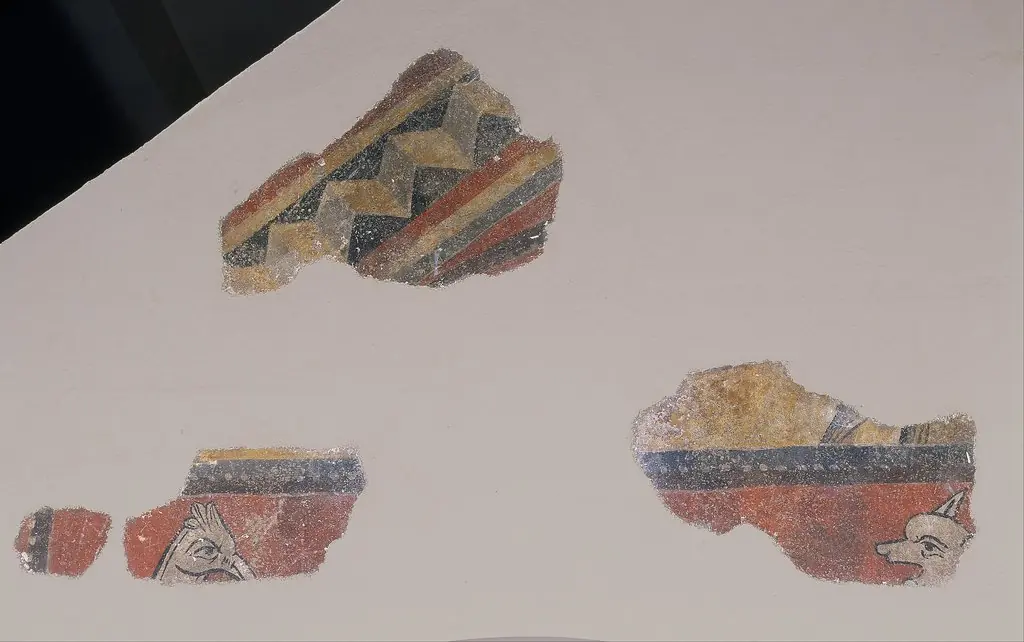
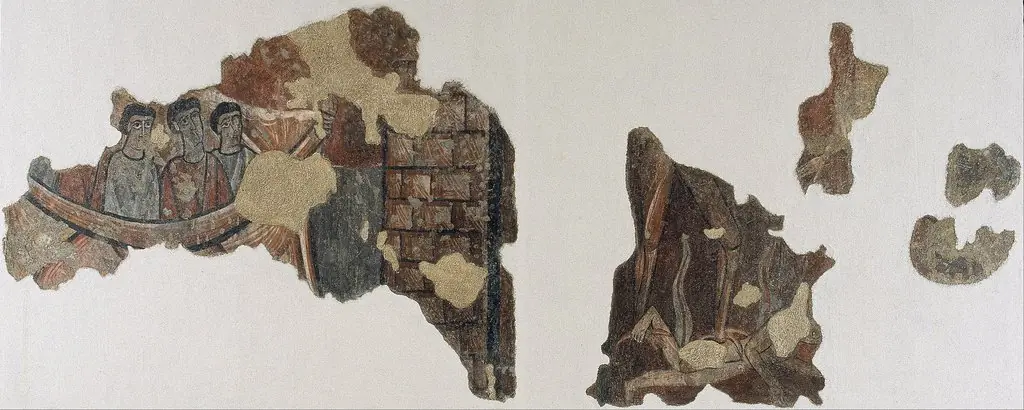
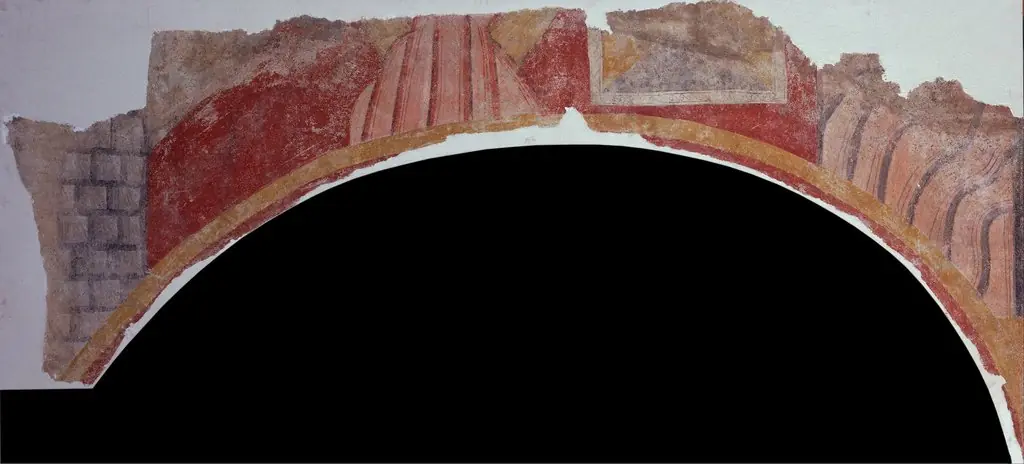
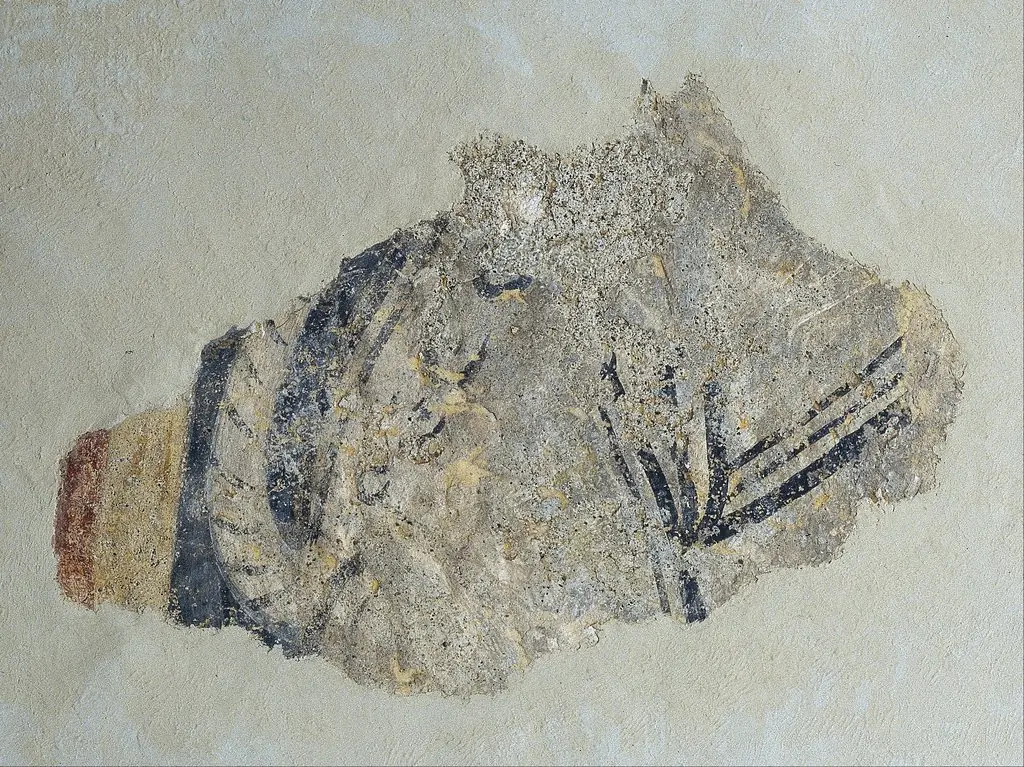
Remains of a saint figure from Boí
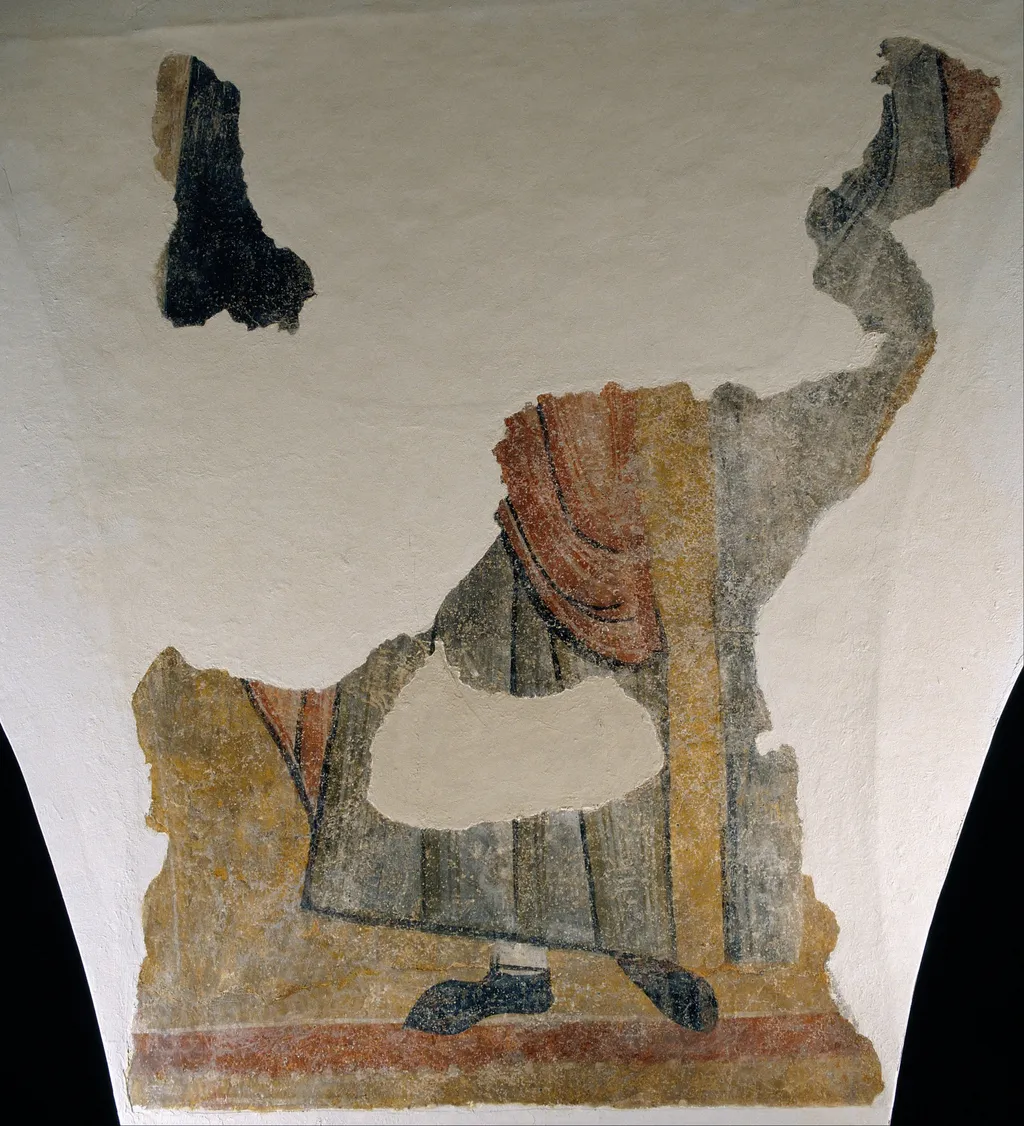
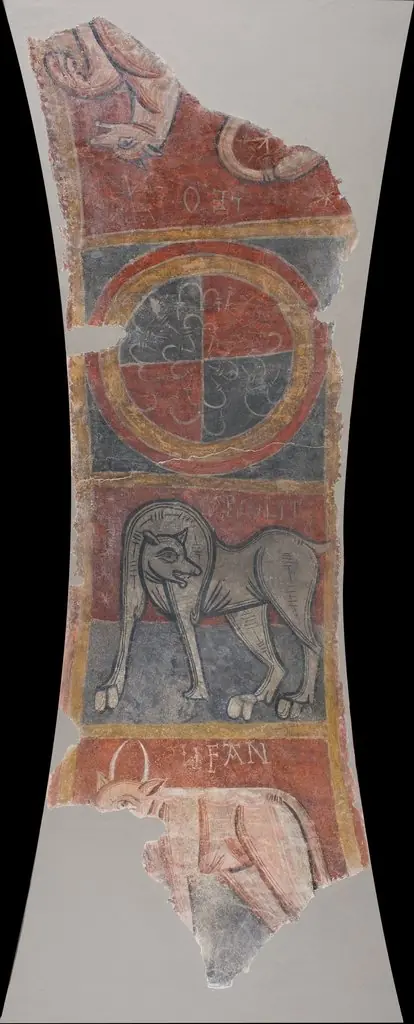
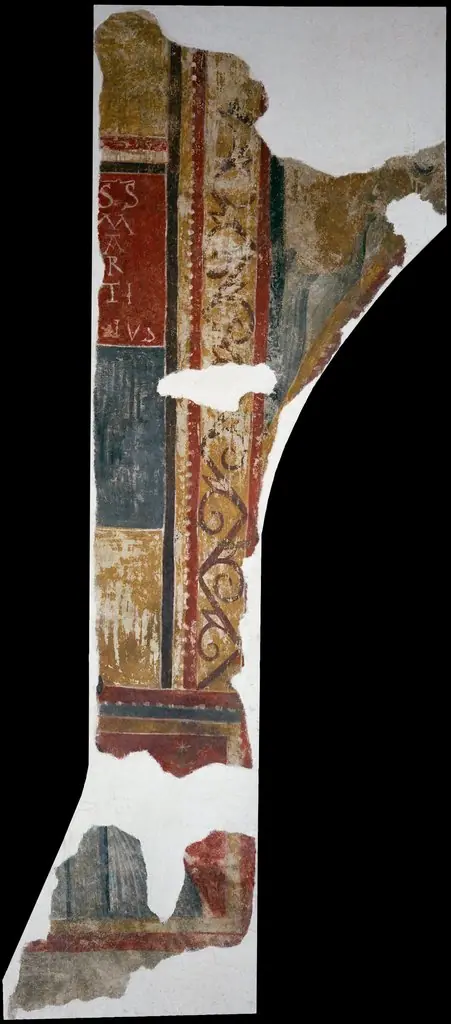
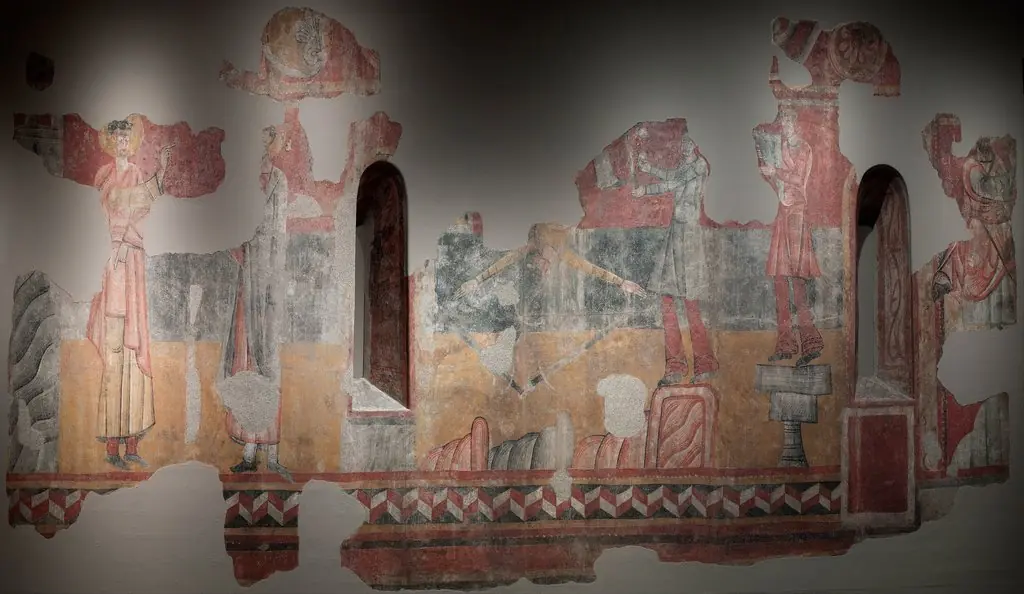
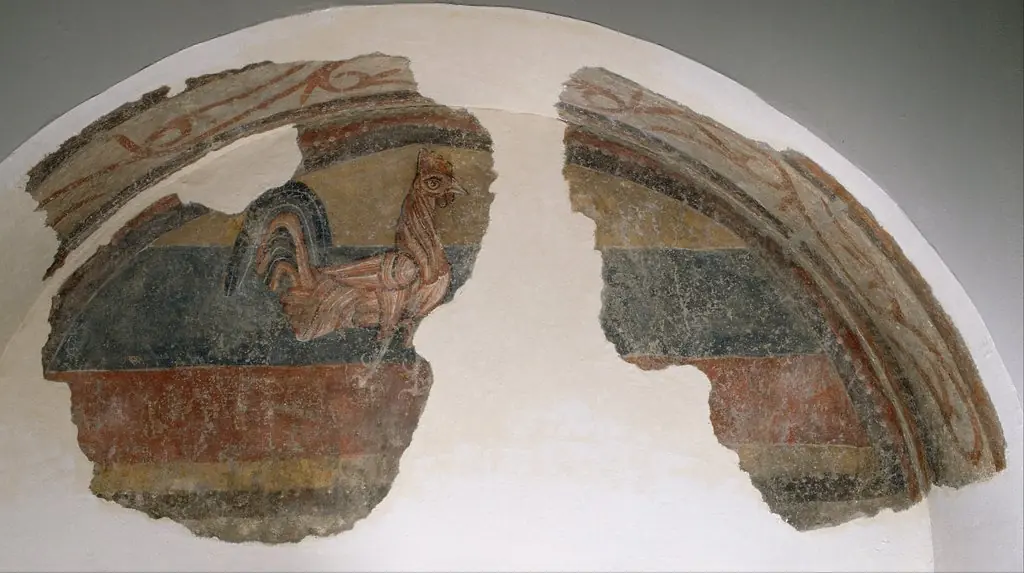
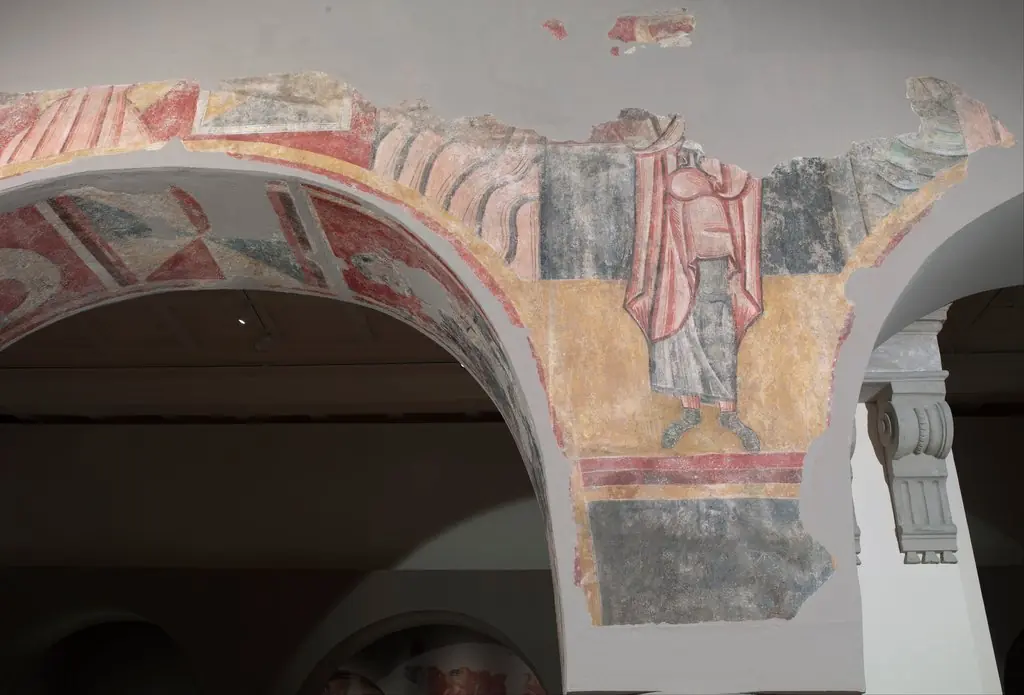
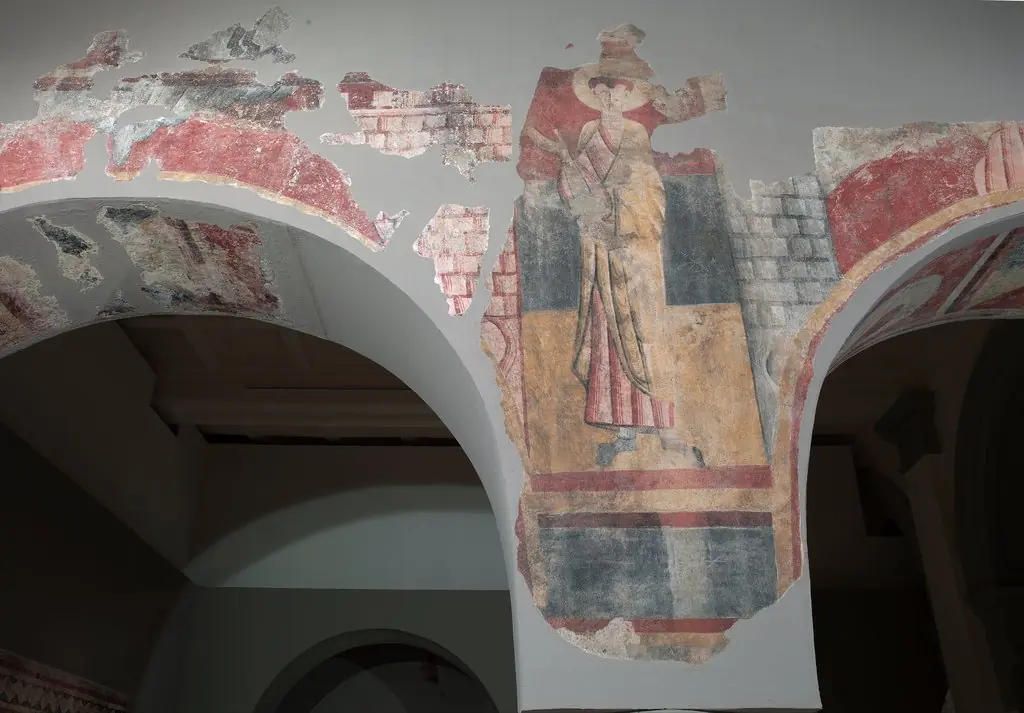
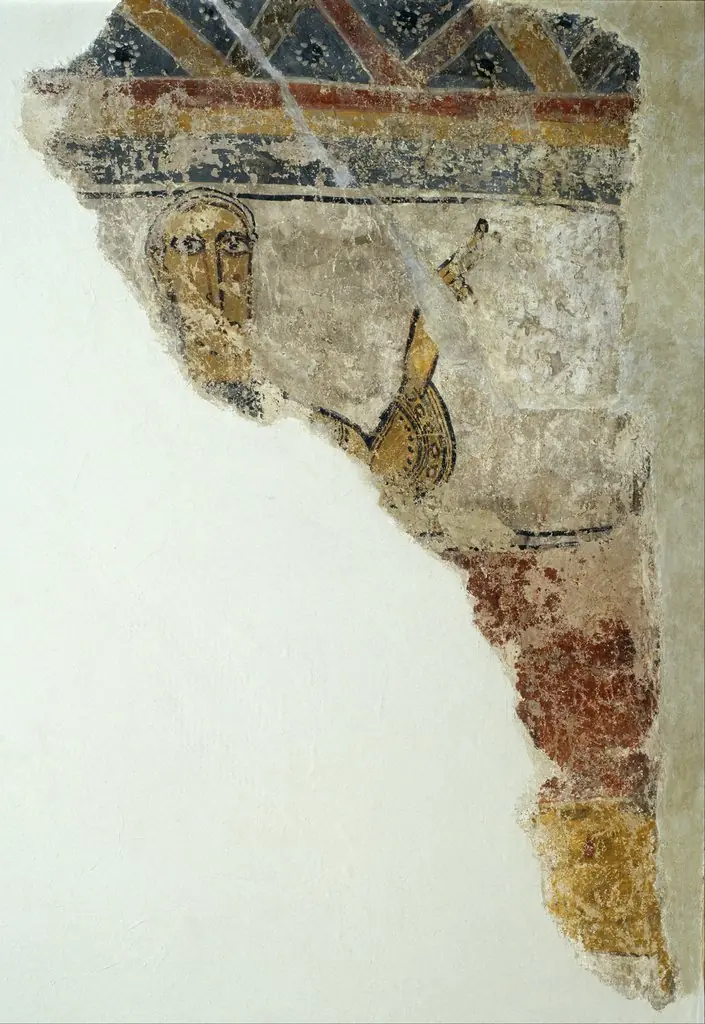
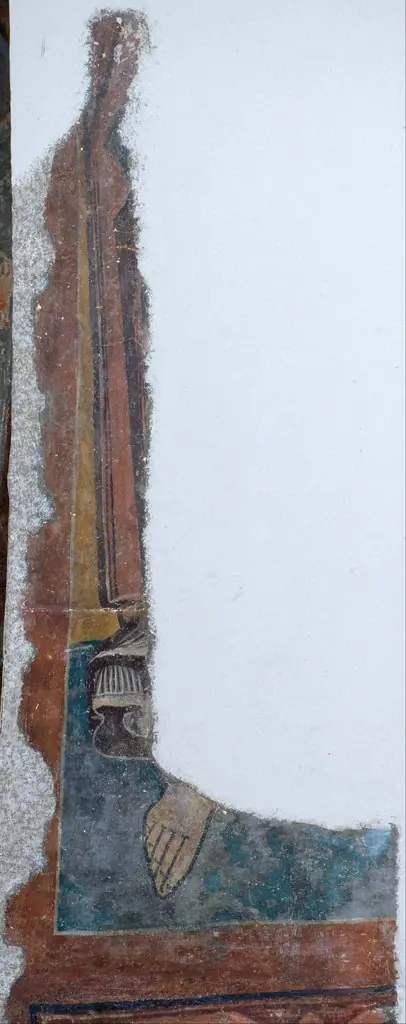
Remains of a saint figure from Boí is an unspecified painting by the Romanesque artist Master of Boí. It dates from 1100 and is held in the collection of the Museu Nacional d'Art de Catalunya.
About this work
Overview
It survives as a solitary figure, detached from its original architectural context.
This fragmentary panel painting originates from the Romanesque period, circa 1100, and was once part of a larger devotional composition from the Vall de Boí region in Catalonia. It survives as a solitary figure, detached from its original architectural context. The work is now preserved at the Museu Nacional d'Art de Catalunya, where it stands as a rare example of early medieval religious imagery from the Pyrenean foothills.
Subject & Meaning
The figure represents a saint, identifiable by the gesture of the raised right hand, traditionally associated with blessing or doctrinal instruction. Though the face is obscured, the posture and drapery convey solemnity and spiritual presence. The absence of facial features aligns with a broader Romanesque tendency to emphasize symbolic authority over individualized portraiture, reinforcing the figure’s role as a conduit of divine message rather than a personal likeness.
Technique & Style
Executed in tempera on wood, the painting employs flat planes of color, strong outlines, and minimal modeling. The dark robe and crimson cloak contrast sharply against the unadorned white background, focusing attention on the figure’s form. The stylized folds of the fabric and rigid posture reflect conventions of early medieval painting, prioritizing spiritual clarity over naturalistic depth or anatomical accuracy.
History & Provenance
The panel was likely part of a wall painting or altarpiece in one of the churches of the Vall de Boí, a region known for its well-preserved Romanesque frescoes. It was detached during 20th-century conservation efforts to preserve deteriorating mural fragments. Its transfer to the Museu Nacional d'Art de Catalunya ensured its survival and allowed scholarly study, though its original placement within a liturgical setting remains uncertain.
Context
Created during a period of intense church building and monastic expansion in northern Catalonia, the work reflects the influence of broader Mediterranean and Byzantine traditions filtered through local craftsmanship. Its simplicity and symbolic form align with the liturgical needs of rural parishes, where visual imagery served to instruct congregations in the absence of widespread literacy.
Legacy
As one of the few surviving panel fragments from the Boí region, it contributes to understanding the transition from mural to portable religious art in medieval Catalonia. Though anonymous, the artist’s hand is recognized within a small corpus of works attributed to the so-called Master of Boí, helping scholars trace regional stylistic developments before the Gothic era.
Own this work as a print
Artist & collection
Artist
This unknown artist decorated a 12th-century church in Boí, Spain, with carved stone scenes and animals.