Artwork
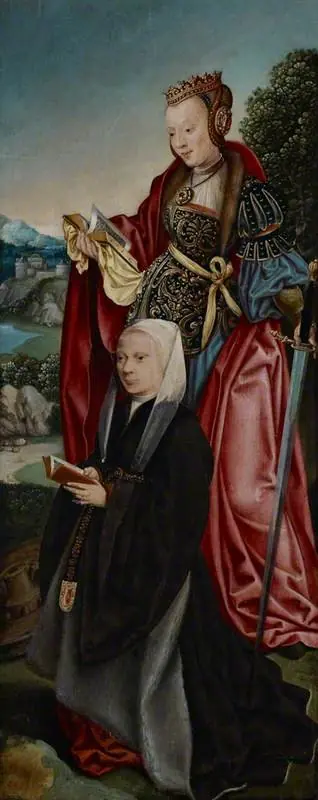
Beweinungsaltar: Hl. Katharina mit Stifterin
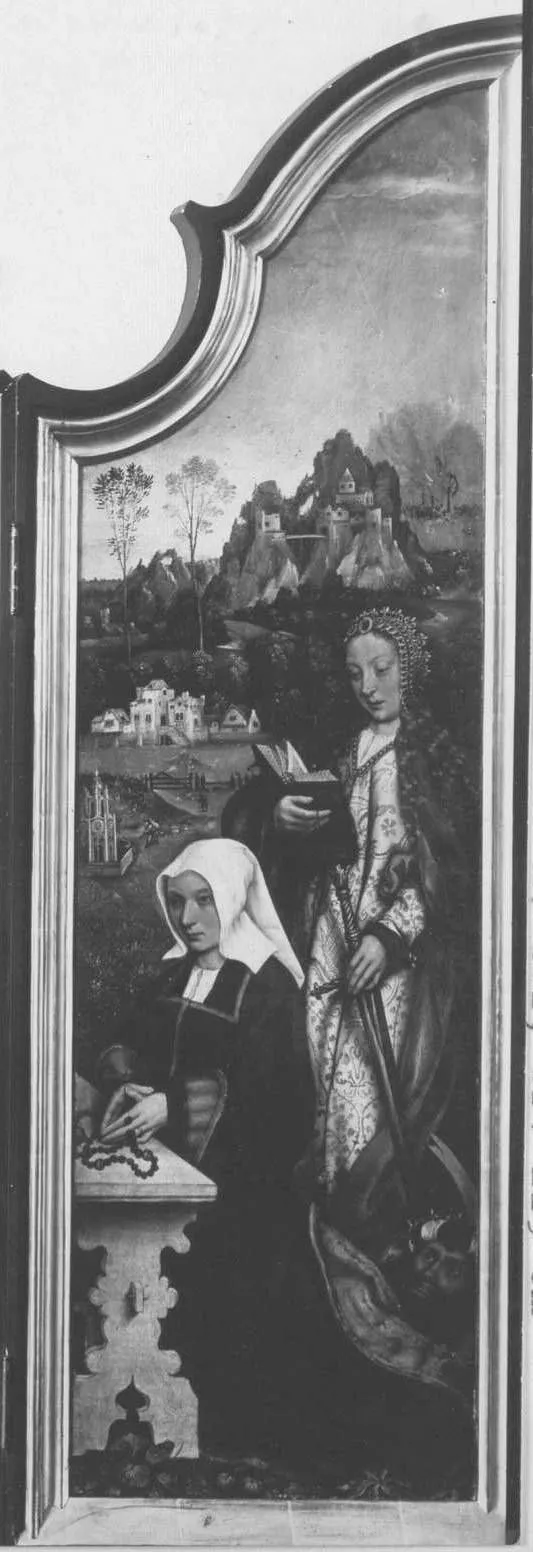
Beweinungsaltar: Hl. Katharina mit Stifterin is an unspecified painting by the Northern Renaissance artist Master of Frankfurt. It dates from 1515 and is held in the collection of the Bavarian State Painting Collections.
About this work
Subject & Meaning
The central figure is Saint Catherine of Alexandria, depicted in royal attire with a martyr's palm and a broken wheel, symbolizing her noble lineage and suffering for Christian faith. The presence of a donor portrait of a kneeling female patron, identified as the work's sponsor, links the sacred narrative to personal devotion, emphasizing intercessory prayer and earthly patronage within the devotional context of the period.
History & Provenance
No specific inventory or accession number is provided in the available records, nor is there any documented exhibition history listed for this piece.
The painting Beweinungsaltar: Hl. Katharina mit Stifterin by the Master of Frankfurt is held within the Bavarian State Painting Collections. Specifically, it resides in the Alte Pinakothek in Munich.
The work was created in 1515 and depicts Catherine of Alexandria. No specific inventory or accession number is provided in the available records, nor is there any documented exhibition history listed for this piece.
Overview
Created in 1515, this panel painting by the anonymous Master of Frankfurt presents a devotional scene intended for a church setting. The work, now part of the collection of Munich’s Alte Pinakothek, illustrates a saint alongside a kneeling figure, likely the patron who commissioned the piece.
Technique & Style
The artist employs a restrained palette of deep shadows contrasted with illuminated drapery, giving the figures a three‑dimensional presence. Fine modeling of folds and careful handling of light create a sense of volume, while the background landscape, featuring a distant castle, trees, and small structures, provides spatial depth without detracting from the central figures.
Context
The early sixteenth century saw a flourishing of devotional images that combined saintly iconography with donor portraiture, reflecting the growing emphasis on personal piety. Saint Catherine, a popular intercessor for scholars and women, was frequently depicted in such altarpieces, linking the saint’s virtues with the patron’s aspirations.
Legacy
Although the artist remains anonymous, the work exemplifies the transitional style between late Gothic detail and emerging Renaissance naturalism in northern Germany. Its preservation in a major museum allows continued study of the period’s religious art and the interplay between saintly representation and patronage.
Artist & collection


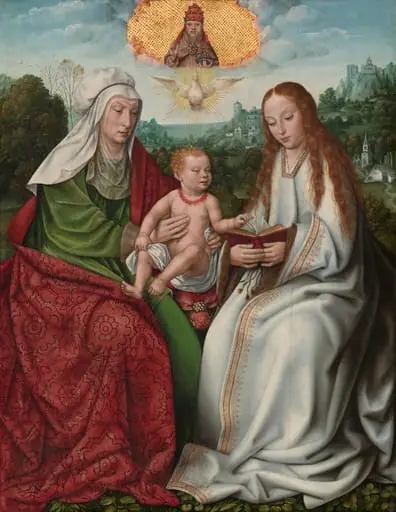 Saint Anne with the Virgin and the Christ Child
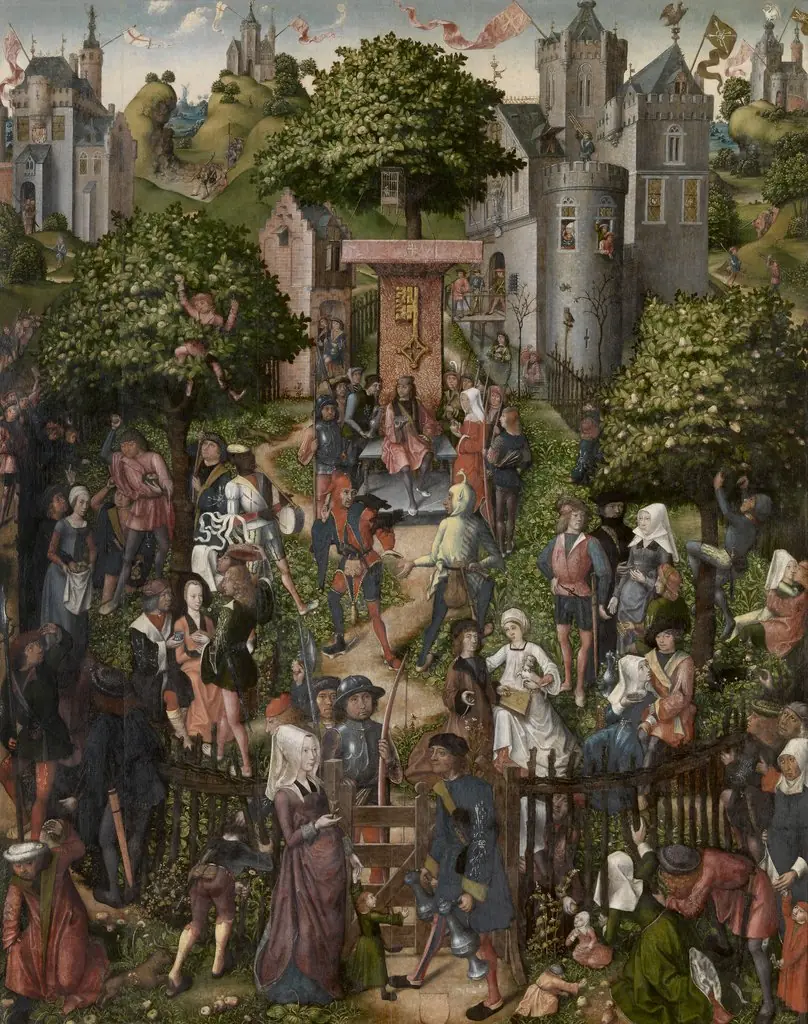 Festival of the Archers
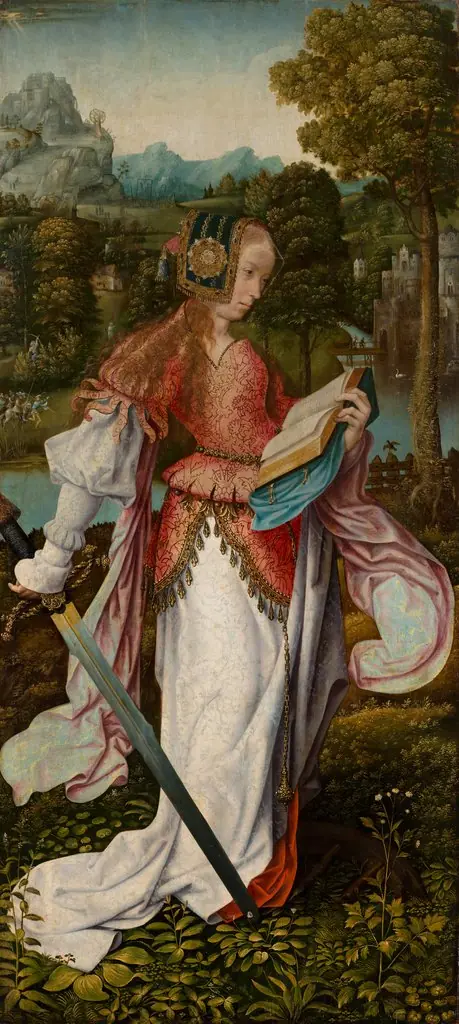 Saint Catherine
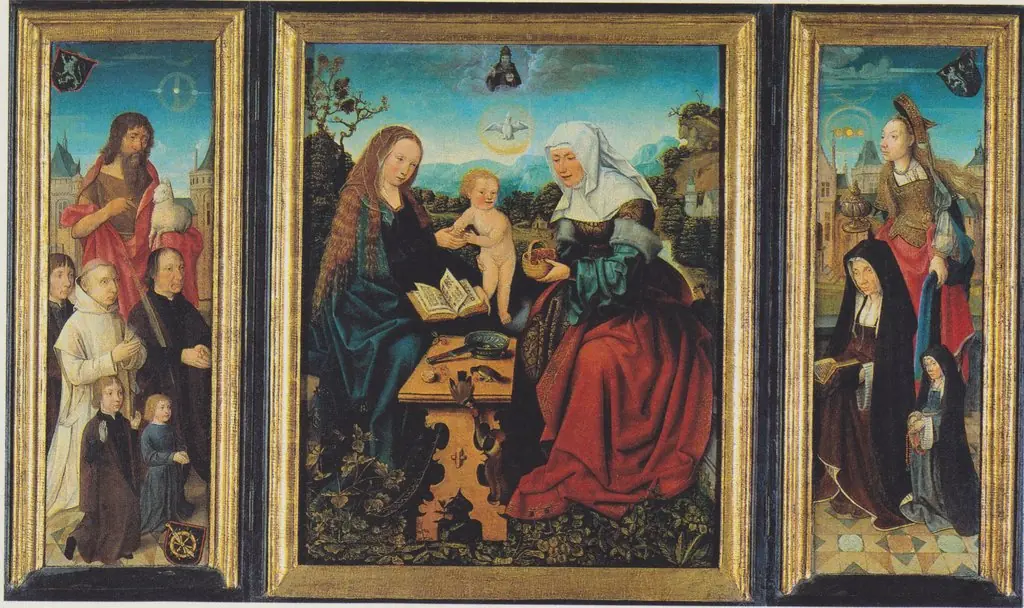 Portrait of Dirck van Heemskerck van Beest & sons with John the Baptist, Madonna and Child with St Anne, and Gertruid van Diemen & daughter with Mary Magdalene
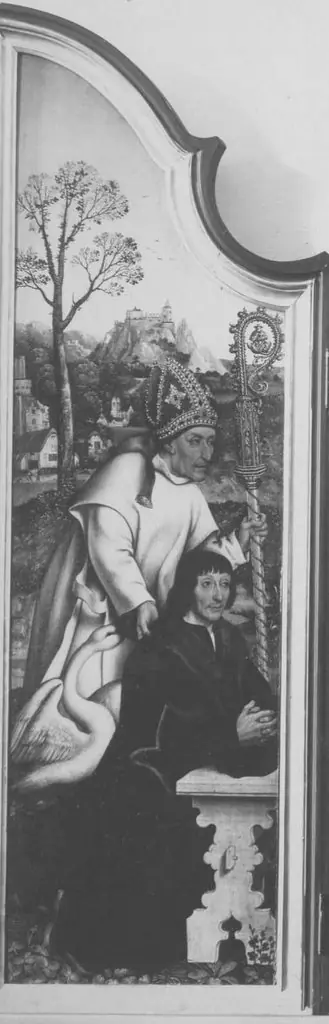 Beweinungsaltar: Hl. Hugo von Lincoln mit Stifter
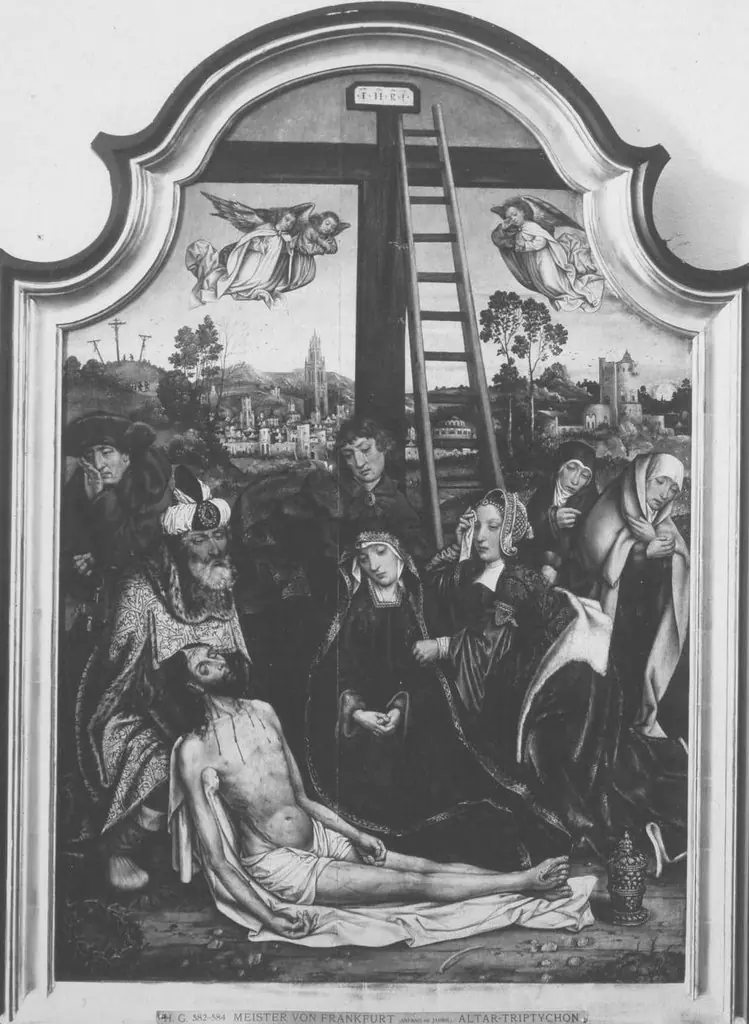 Beweinungsaltar: Beweinung Christi
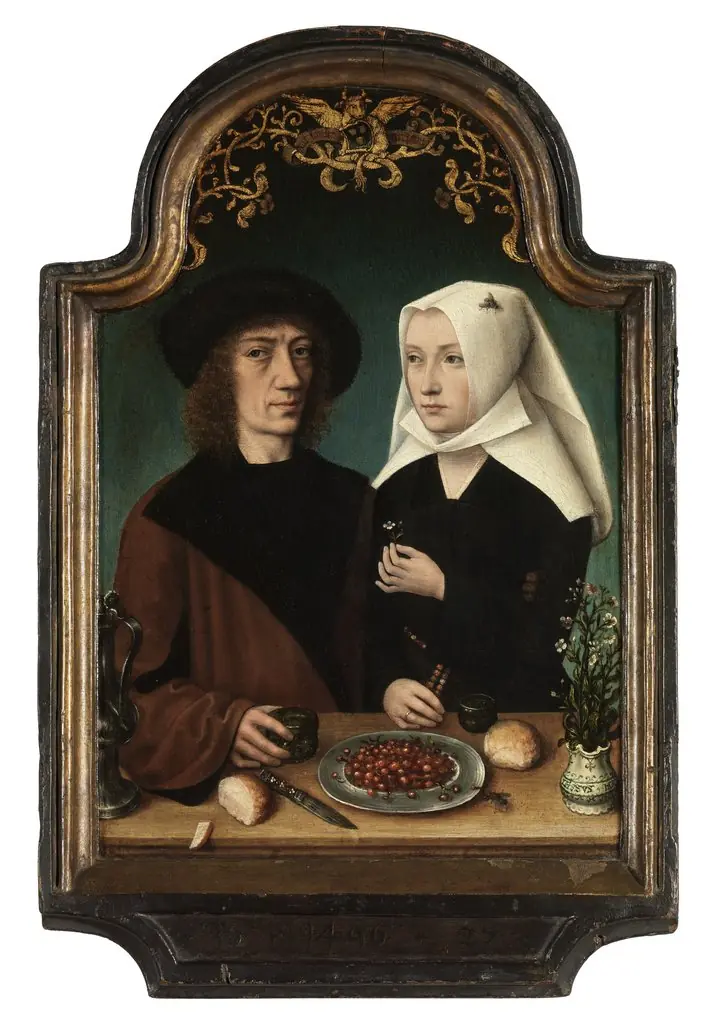 The Painter and his Wife
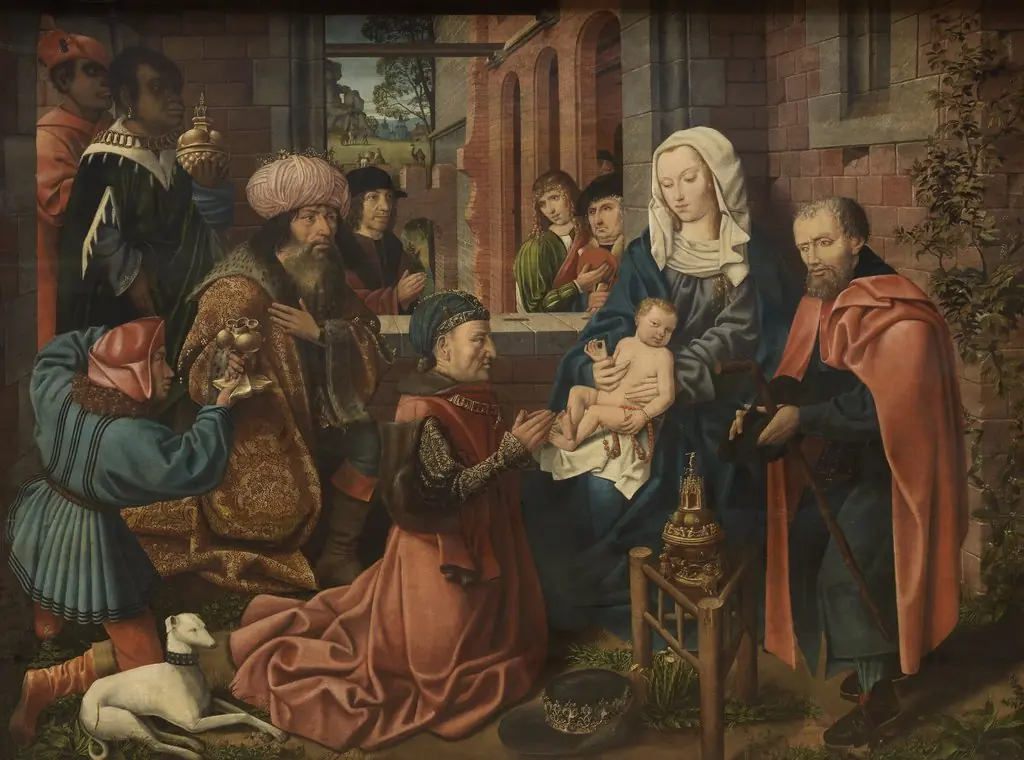 The Adoration of the Magi
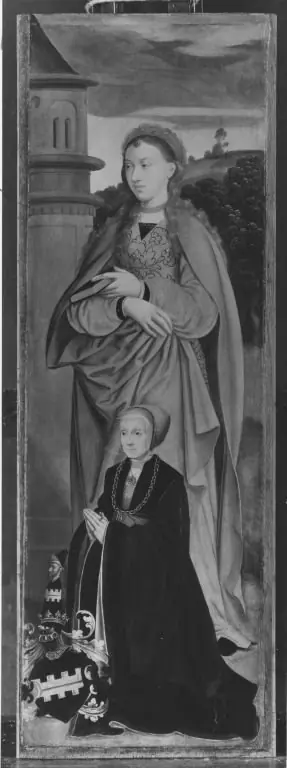 Saint Barbera and the donor Sibylla Rinck-Kannegießer
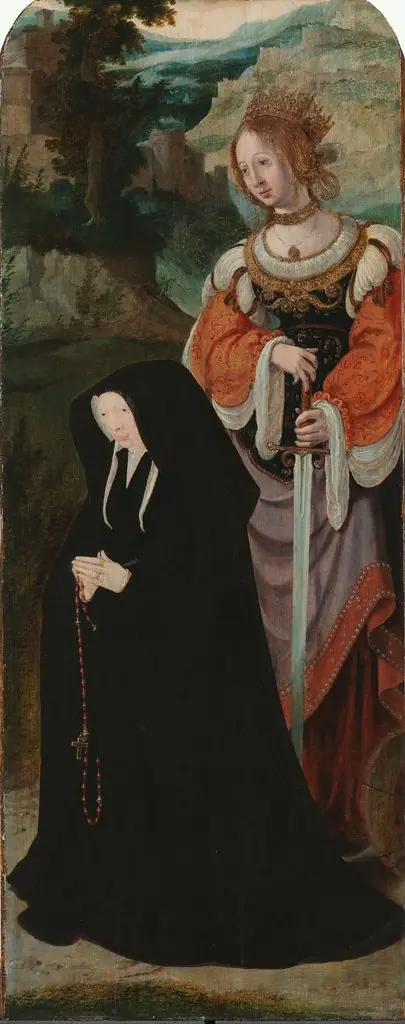 Wing of Lazarus tritptych with donor and Saint Catharine
 Triptychon, rechter Flügel: Flucht nach Ägypten
 Saint Catherine and the Donor's Wife
 Teile eines Altares: Hl. Anna Selbdritt
 Donatrix with Saint Barbara
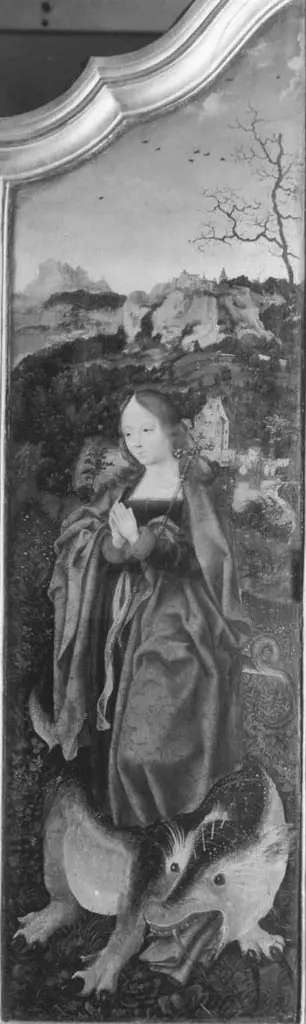 Lamentation triptych: St. Margaret On reverse: Angel of the Annunciation
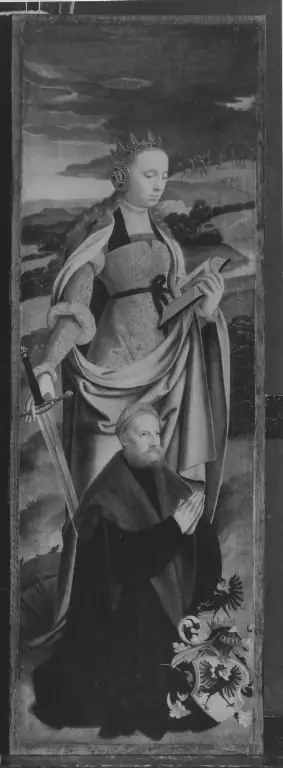 Rinck-Altar II:Saint Catherine with donor Hermann Rinck
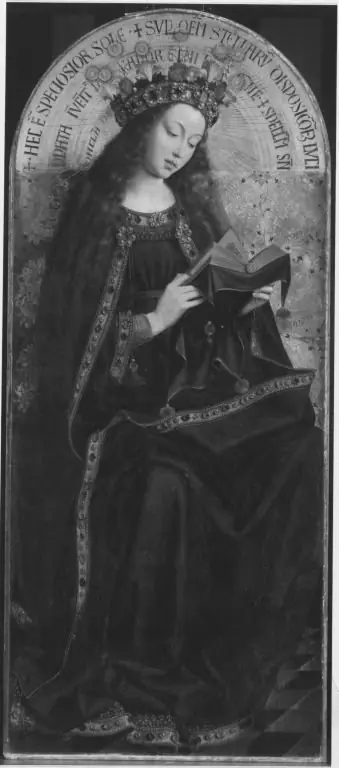 Mary (after The Ghent Altarpiece)
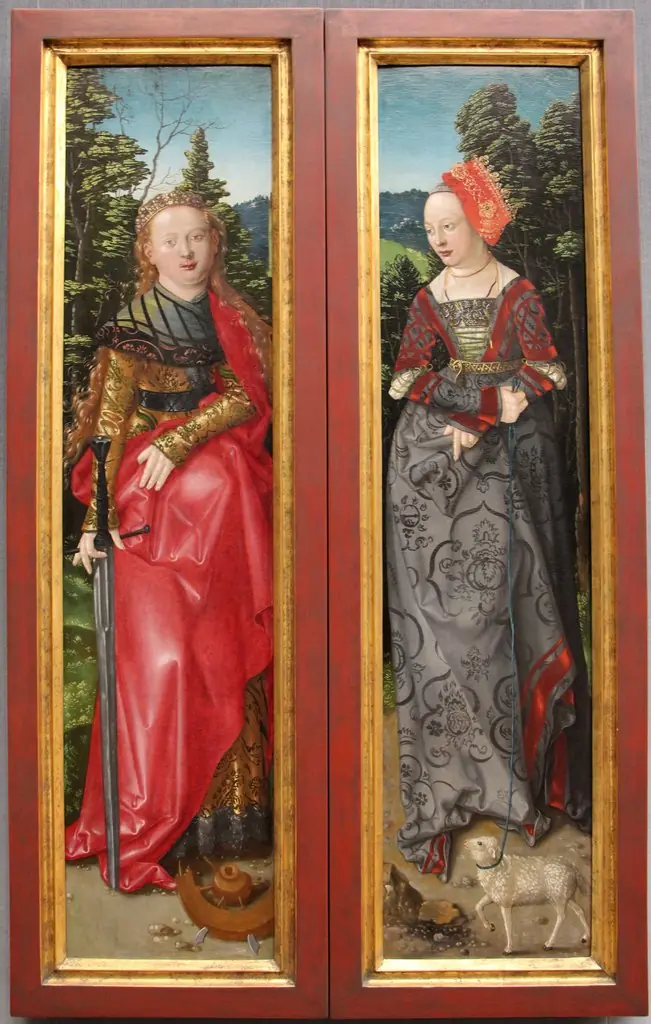 Der Dreikönigsaltar Außentafeln: Die Heiligen Katharina und Agnes