Artwork
Madonna and Child
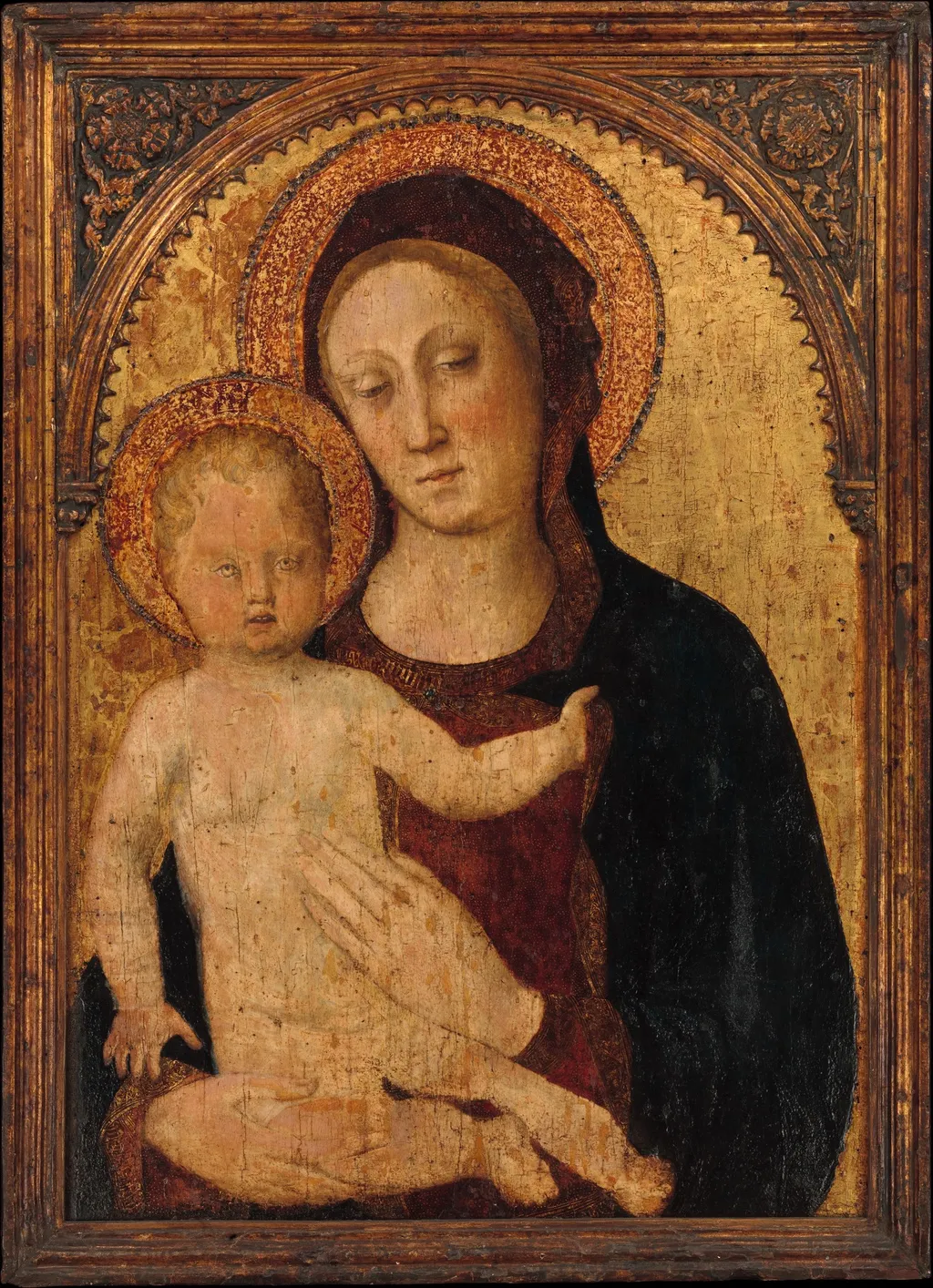
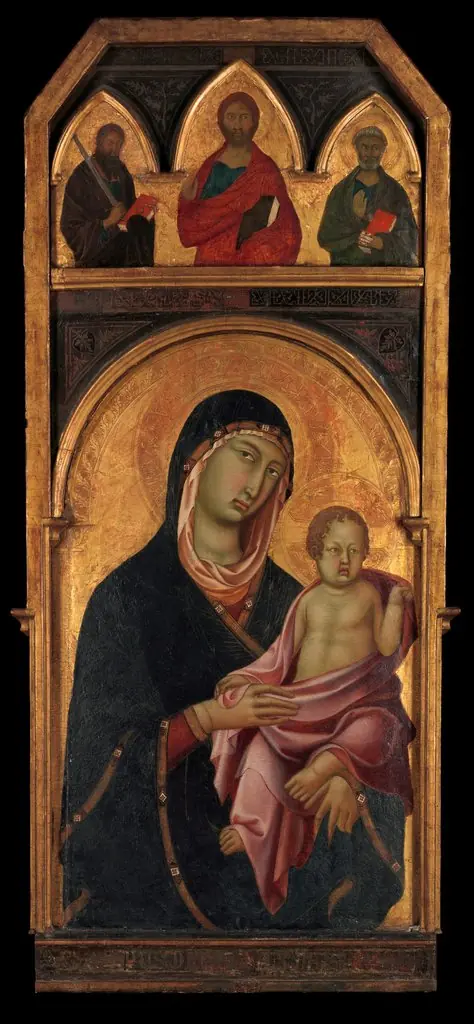
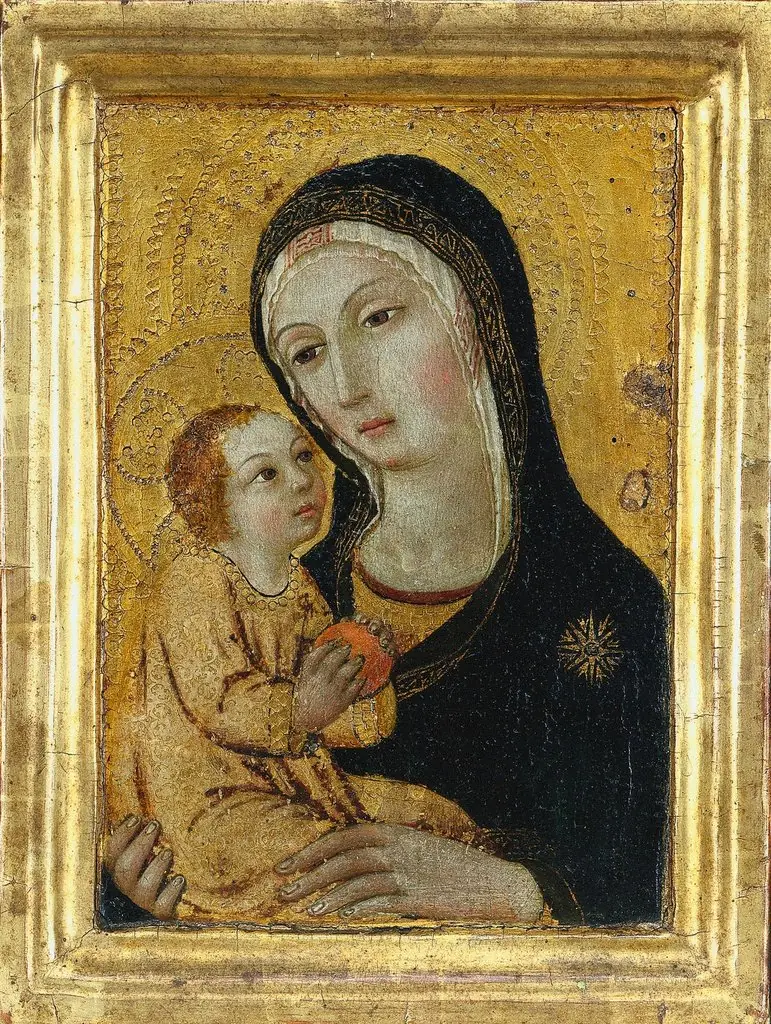
Madonna and Child is a tempera painting by the Early Renaissance artist Jacopo Bellini. It dates from 1440 and is held in the collection of the Metropolitan Museum of Art.
About this work
Subject & Meaning
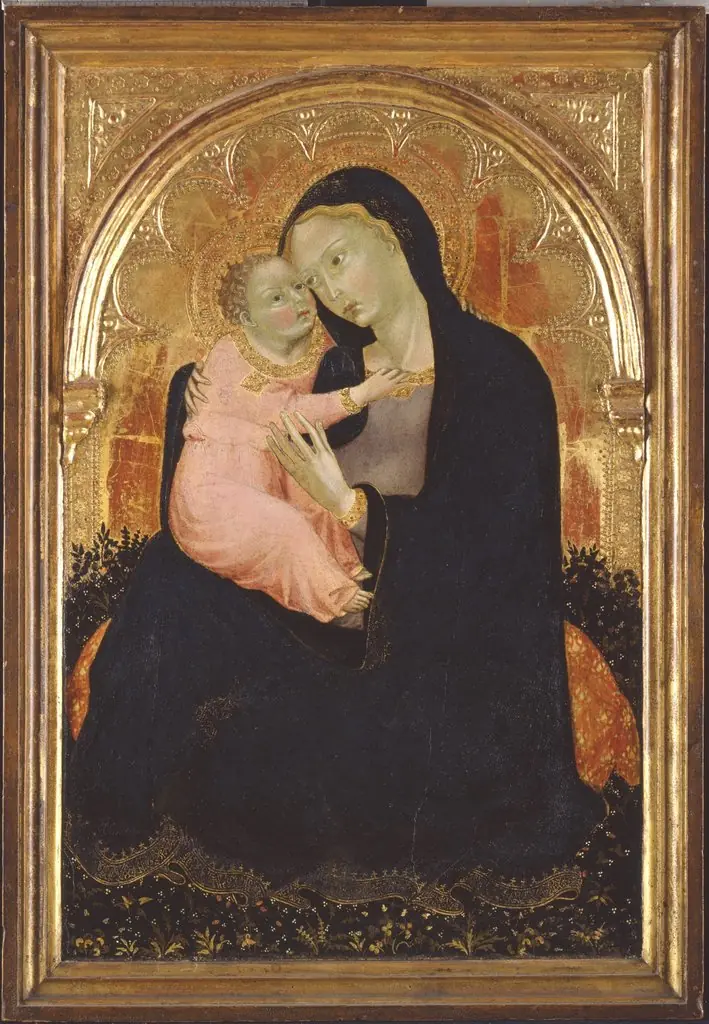
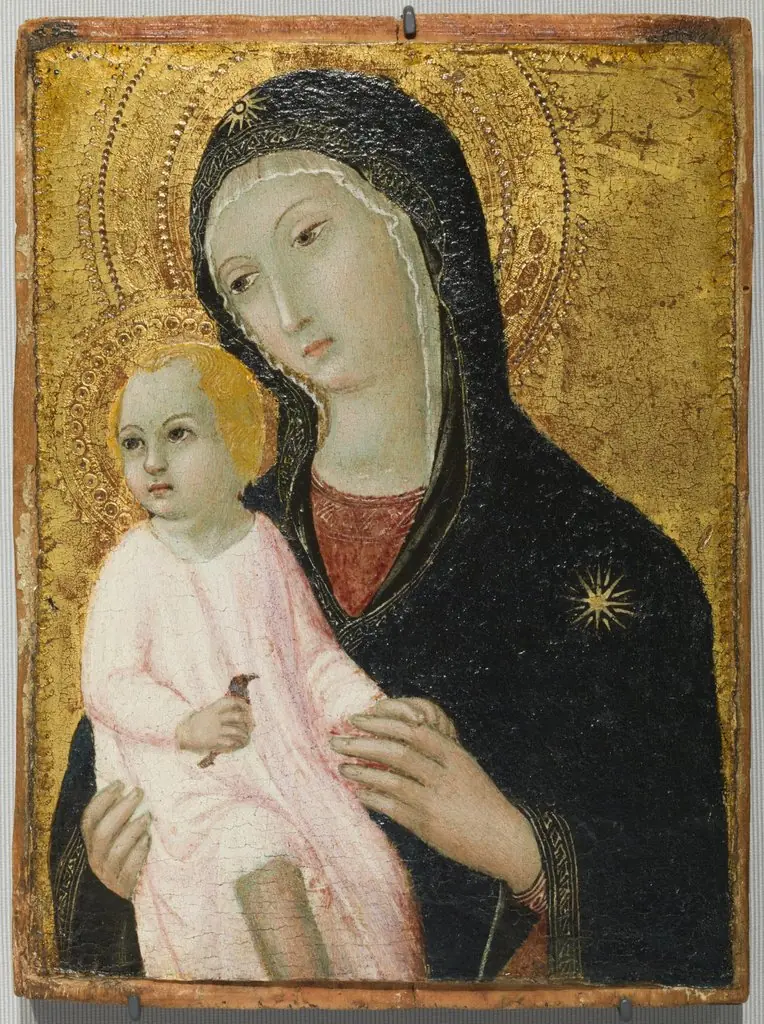
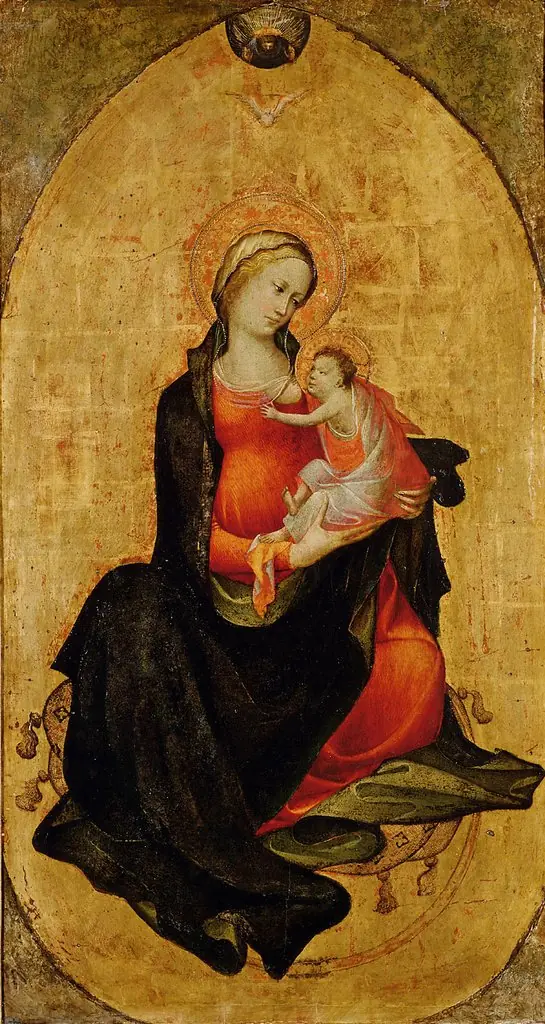
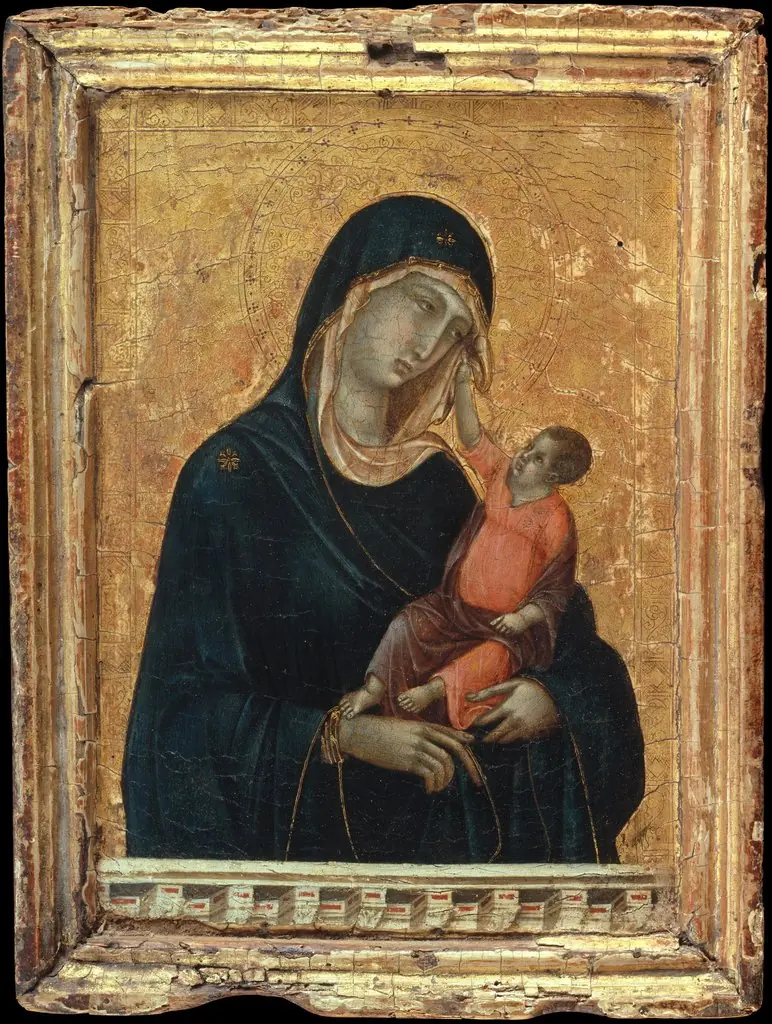
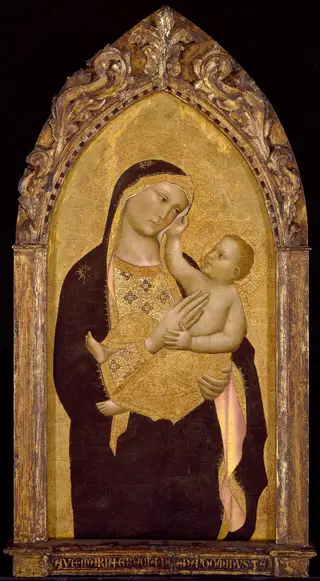
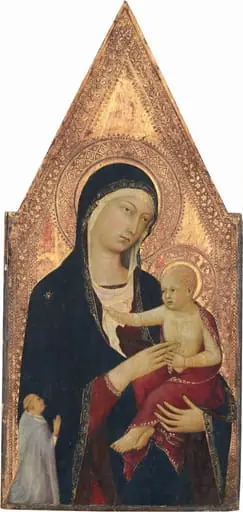
The painting presents the Virgin Mary cradling the infant Jesus, the traditional Madonna and Child motif that dominates Western sacred imagery.
The painting presents the Virgin Mary cradling the infant Jesus, the traditional Madonna and Child motif that dominates Western sacred imagery. In this work the central figures are identified as Mary and Christ Child, a composition that emphasizes the humanity and divinity of Christ through the intimate maternal bond. As a religious painting from 1440, executed in tempera on panel, it reflects the devotional practices of the period, using the familiar iconography of a halo‑less Madonna to convey purity and humility.
The piece, housed in the Metropolitan Museum of Art, exemplifies early Renaissance approaches to sacred narrative, where the subject serves as a visual meditation on the Incarnation.
Technique & Style
The work is executed in tempera on a poplar panel, typical of mid-fifteenth-century Venetian practice. The paint handling combines smooth, blended modeling in the faces with delicate linear hatching in the drapery, producing soft transitions and volumetric definition. Mary’s mantle is laid in thin, translucent glazes over a reddish bole, while the Christ Child’s flesh is built up with fine, cross-hatched strokes to convey infant anatomy.
The composition’s formal qualities emphasize symmetrical balance around the central figures, with Mary’s throne set against a gold-ground niche that flattens space and highlights the sacred presence. Linear precision in the throne’s tracery and the Child’s blessing gesture underscores Bellini’s engagement with International Gothic refinement tempered by early Renaissance naturalism.
History & Provenance
Jacopo Bellini's Madonna and Child, a tempera painting dated 1440, is held in the collection of the Metropolitan Museum of Art. The work, which measures 77.5 by 55.2 centimeters, is catalogued within the museum's holdings of religious art depicting the Virgin Mary and Christ Child. No specific accession number or exhibition history is documented in the available sources.
Overview
Jacopo Bellini's Madonna and Child, painted around 1440, is an early Renaissance tempera work. Bellini, a pivotal figure in establishing Renaissance painting in Venice and northern Italy, depicted the Virgin Mary tenderly holding the Christ Child. This painting offers insight into his foundational contributions to the Venetian school, despite the limited number of his surviving panel works.
Context
As a foundational artist of the Venetian Renaissance, Jacopo Bellini played a crucial role in introducing new artistic principles to the region. While few of his finished paintings have endured to the present day, his extensive sketchbooks, preserved in institutions like the British Museum and the Louvre, offer invaluable documentation of his artistic process, particularly his interest in landscape and architectural studies.
Own this work as a print
Artist & collection

Artist
Jacopo Bellini (c. 1400 – c. 1470) was one of the founders of the Renaissance style of painting in Venice and northern Italy. His sons Gentile and Giovanni Bellini, and his son-in-law Andrea Mantegna, were also famous…

![Madonna and Child, with the Blessing Christ [middle panel], by Pietro Lorenzetti](https://artifactworldgallery.com/img/pietro-lorenzetti--madonna-and-child-with-the-blessing-christ-middle-panel--02357aa6ff04175b-w320.webp)