Artwork
The Nativity
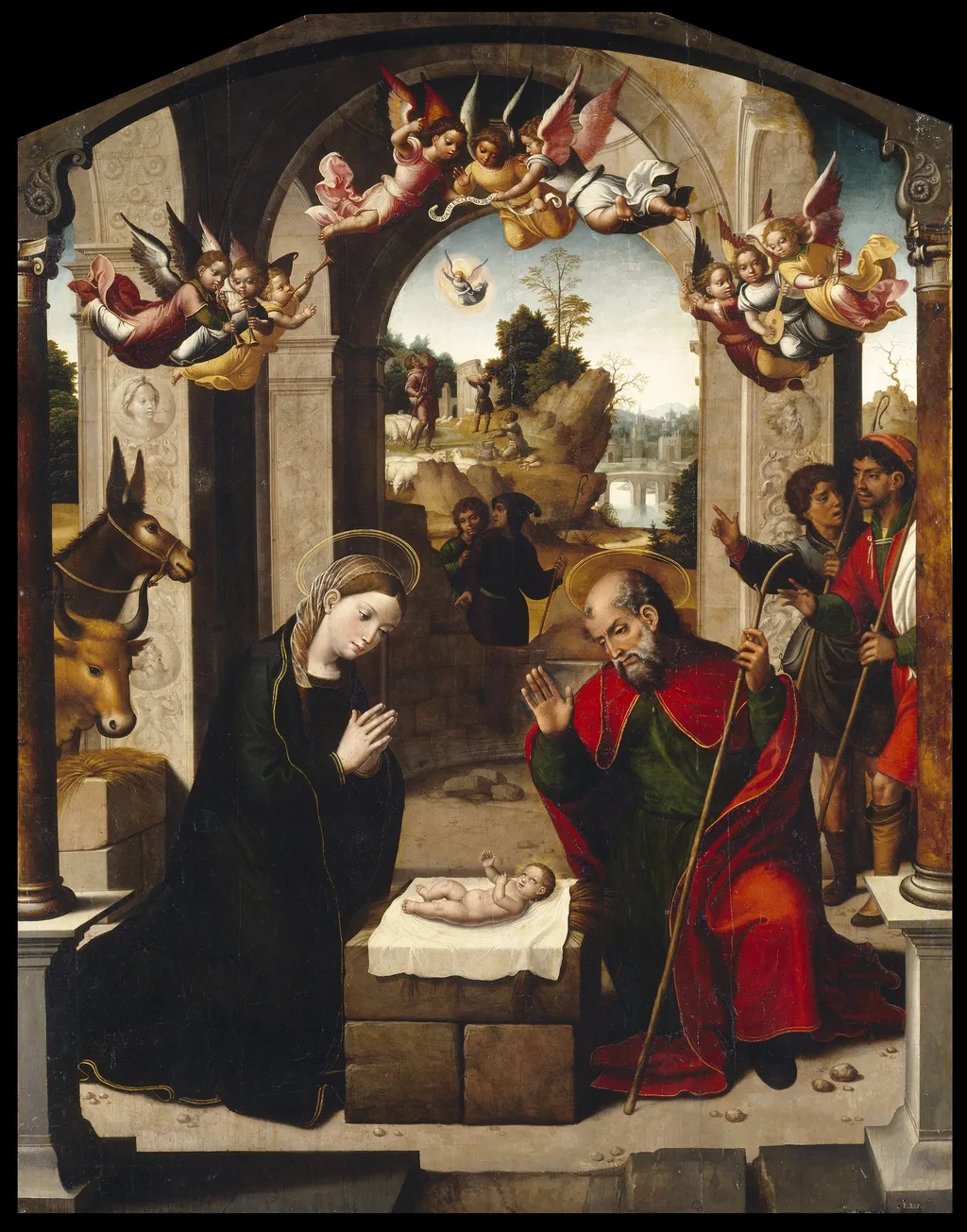
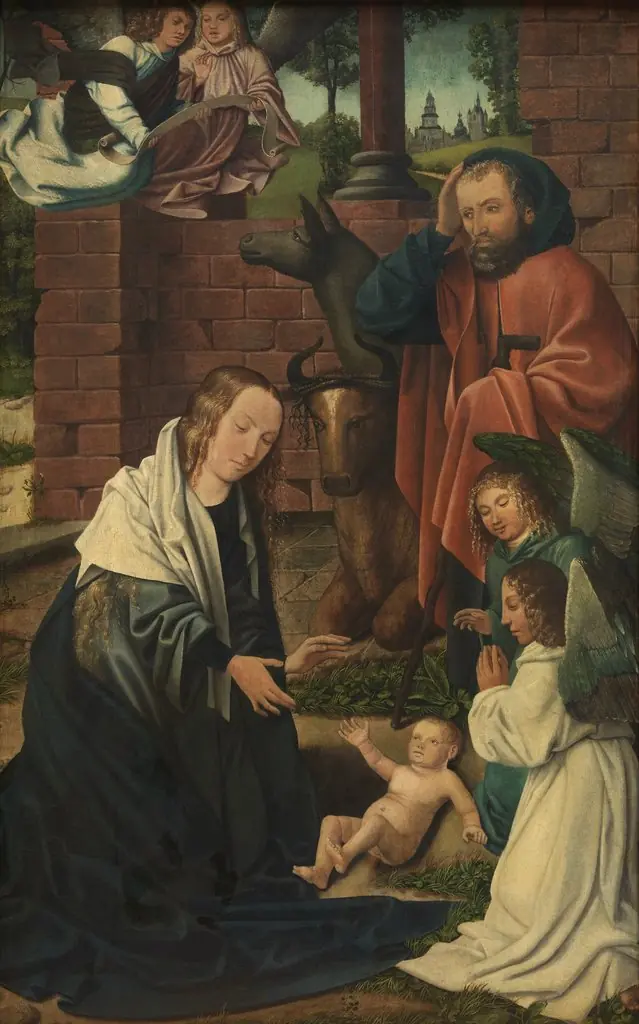
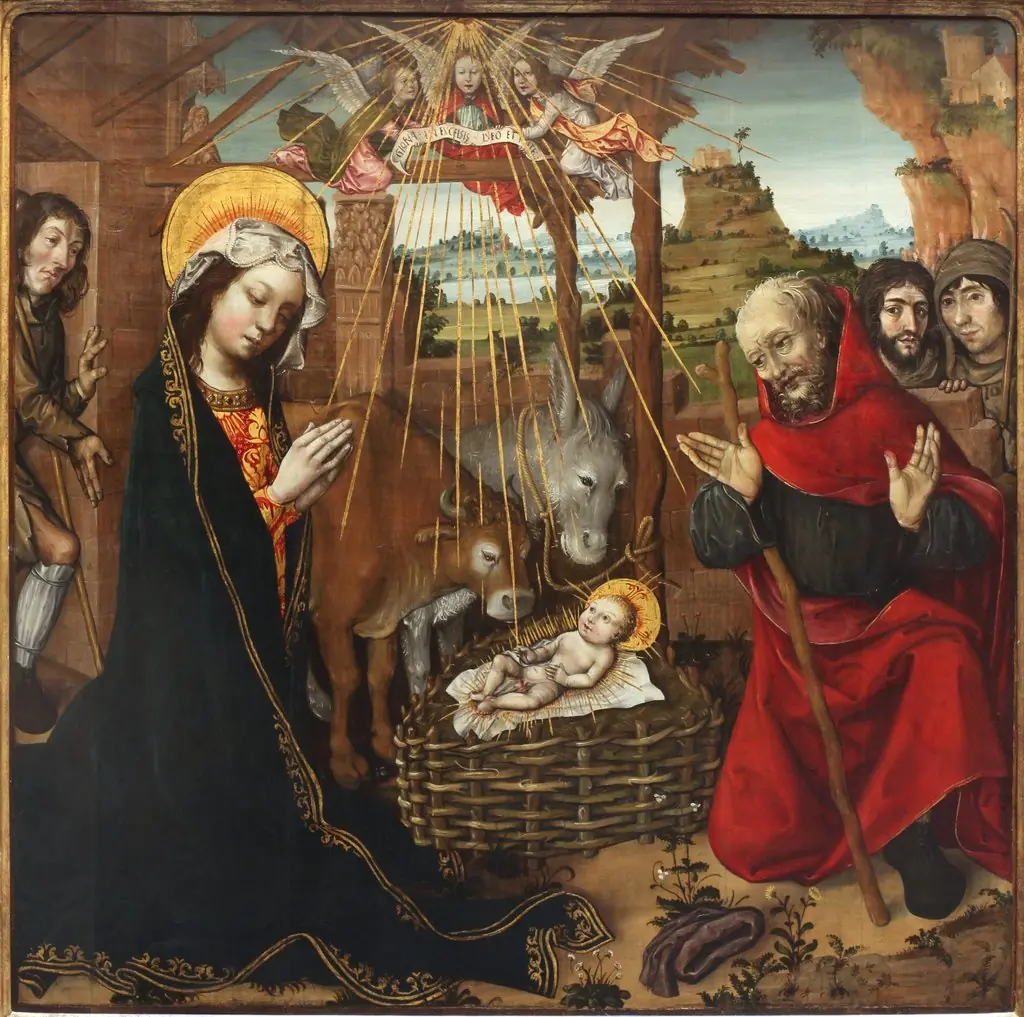
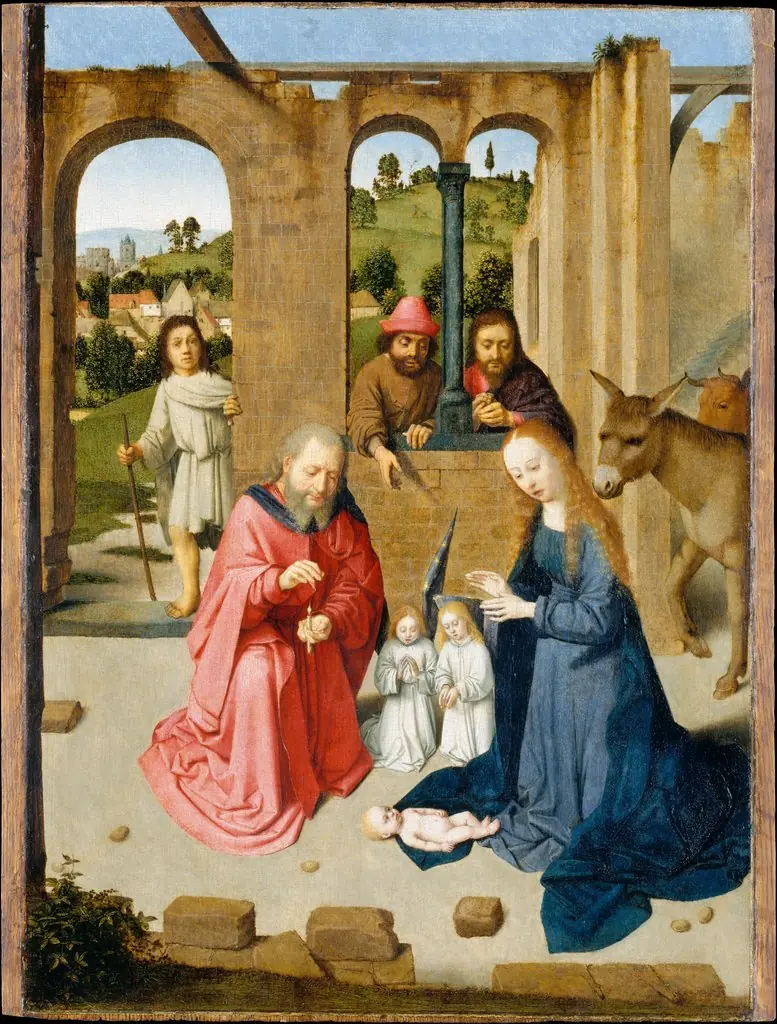
The Nativity is an oil painting by the Mannerist artist Juan Correa de Vivar. It dates from 1533 and is held in the collection of the Museo del Prado.
About this work
Subject & Meaning
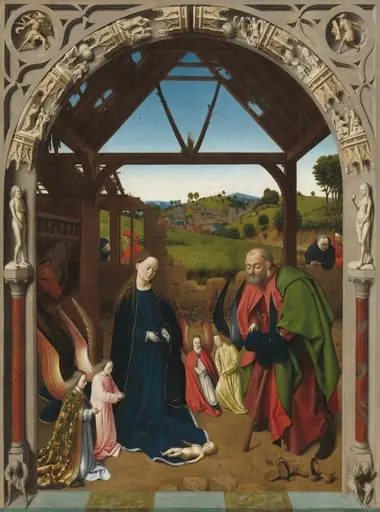
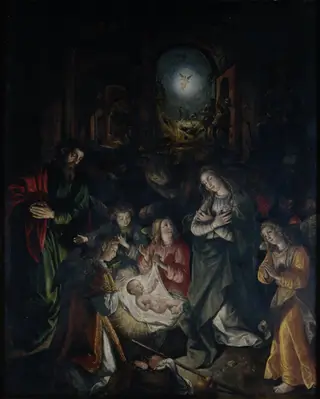
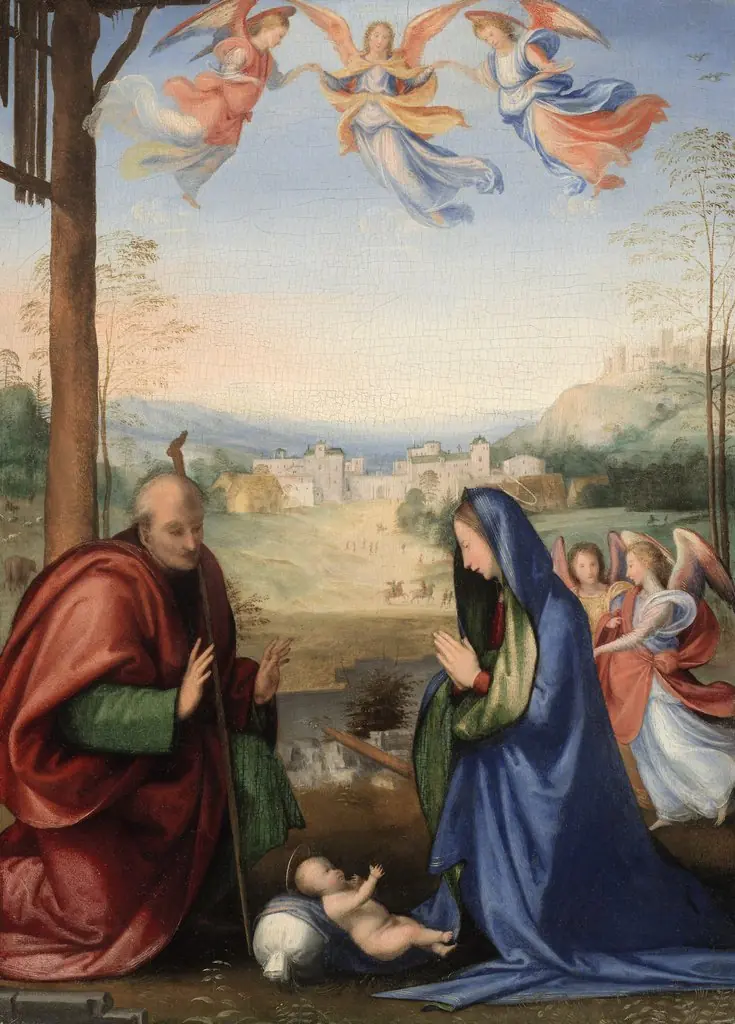
As a work of religious art, the painting illustrates the birth of the Christ Child, who is the main subject of the composition.
The artwork depicts the Nativity of Jesus, a central religious narrative in Christian tradition. As a work of religious art, the painting illustrates the birth of the Christ Child, who is the main subject of the composition. The scene includes specific iconographic details such as musical instruments, notably a vihuela, a lute, and a natural trumpet, which are present within the depiction.
These elements contribute to the visual storytelling of the sacred event. The work serves as a devotional representation of the birth of Jesus, executed in oil paint on panel.
Technique & Style
The Nativity is executed in oil paint on panel, a standard support for Spanish devotional painting of the period. The work is large in scale, measuring 228 cm in height by 183 cm in width, a format suited to its religious function. Its style is religious, and the composition includes finely rendered attributes such as a vihuela, a lute, a natural trumpet, and the Christ Child, indicating careful attention to the depiction of contemporary musical instruments alongside the sacred scene.
History & Provenance
The Nativity is an oil-on-panel painting created by Juan Correa de Vivar. While some records indicate an inception date of 1550, the work is specifically dated to 1533. The piece was originally held in the collection of the Museo de la Trinidad before entering the holdings of the Museo del Prado in Madrid.
The painting depicts the Nativity of Jesus and includes musical instruments such as a vihuela, lute, and natural trumpet within the scene.
Context
Juan Correa de Vivar's 1533 oil painting The Nativity, housed in the Museo del Prado, exemplifies Spanish Renaissance religious art with its depiction of the Christ Child alongside period instruments such as a vihuela and lute. The work's composition and iconography have been analyzed within the context of 16th-century Spanish devotional practices, reflecting the artist's engagement with contemporary theological themes. Scholarship on Correa de Vivar situates this piece within his broader oeuvre of altarpieces and religious paintings, emphasizing his role in bridging Gothic traditions with emerging Renaissance stylistic elements in Iberian art.
Legacy
The Nativity by Juan Correa de Vivar exerted influence through its devotional intensity and naturalistic detail, shaping subsequent Spanish Baroque religious painting. Its reputation rests on the lifelike rendering of figures and the inclusion of period musical instruments, a motif later echoed in Iberian nativity scenes. The work's legacy is anchored in its preservation at the Museo del Prado, where it remains a reference point for scholars studying 16th‑century Castilian art.
Legacy discussions often cite its impact on later altarpieces that adopt similar compositional balances and material realism, reinforcing its status as a pivotal piece in the evolution of Spanish sacred art.
Overview
Juan Correa de Vivar’s oil painting titled The Nativity dates from 1533 and is part of the collection at the Museo del Prado. The work presents the biblical birth of Christ, arranging the central figures in a compact, illuminated space that draws the viewer’s eye to the infant on a white cloth.
Own this work as a print
Artist & collection