Artwork
Rest on the Flight into Egypt
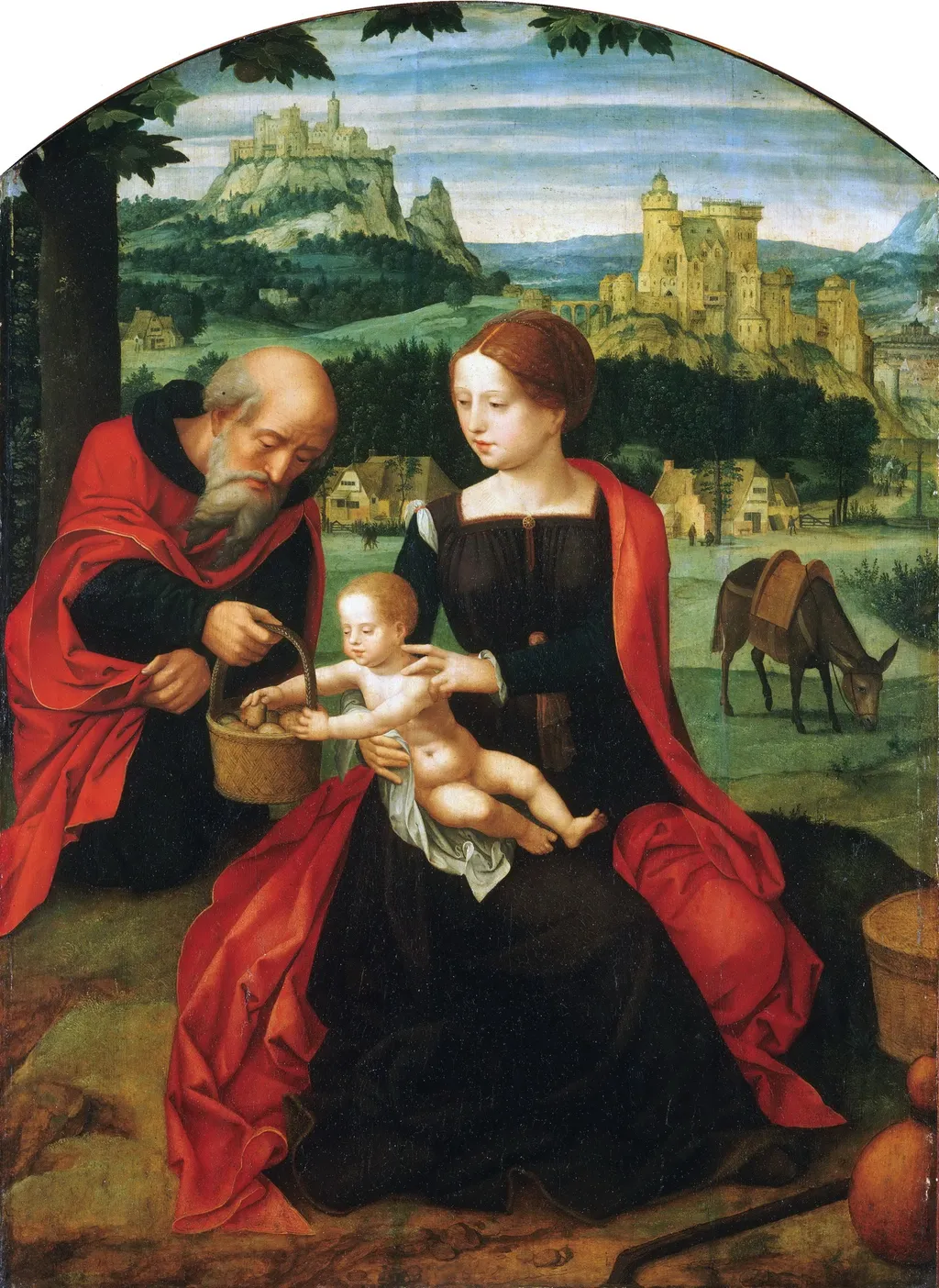
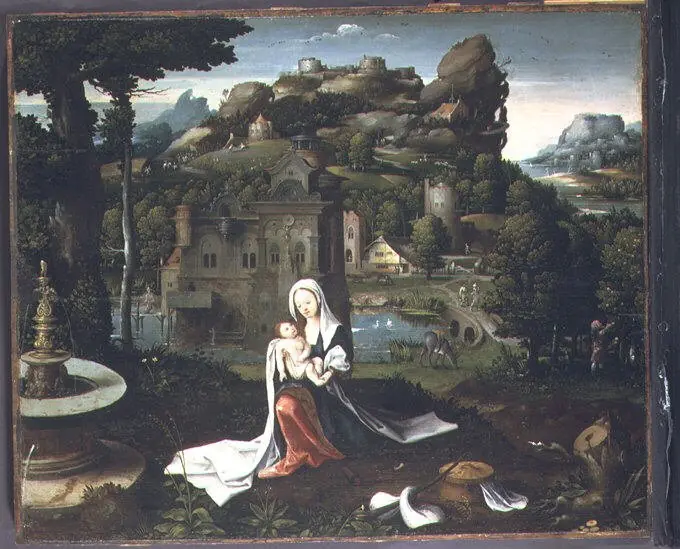
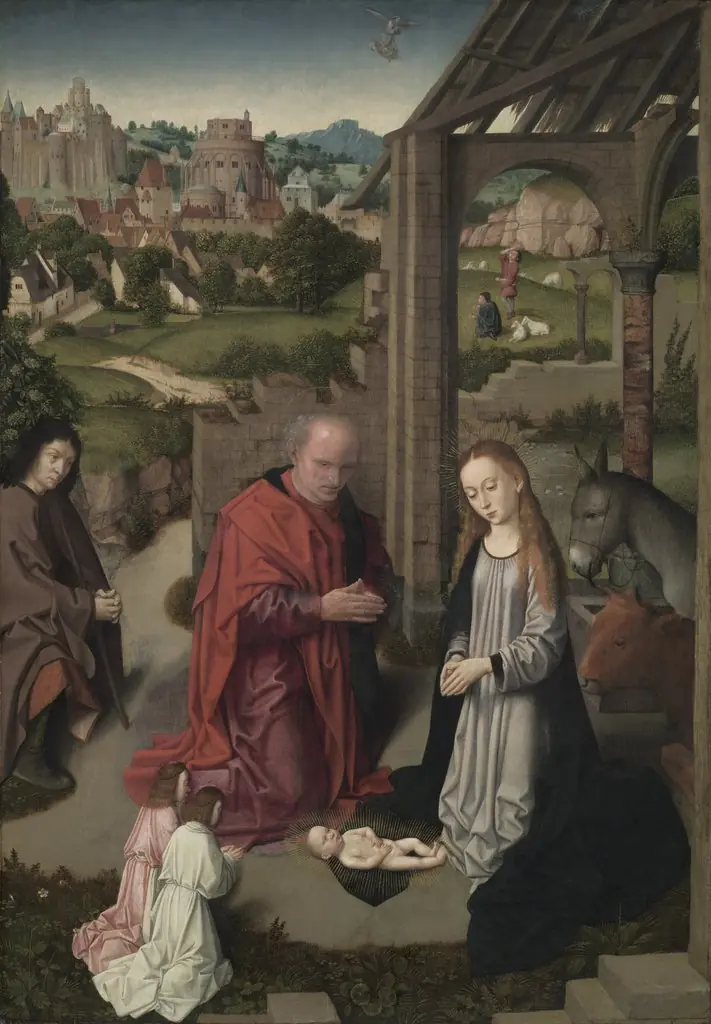
Rest on the Flight into Egypt is an oil painting by the Northern Renaissance artist Master of the Female Half-Lengths. It dates from 1530 and is held in the collection of the Philadelphia Museum of Art. Created around 1530, this oil on canvas portrays a quiet interlude during the biblical Flight into Egypt.
About this work
Overview
Created around 1530, this oil on canvas portrays a quiet interlude during the biblical Flight into Egypt. The composition centers on a family resting amid a verdant landscape, with a distant castle perched on a hill under a clear sky. The work is part of the Philadelphia Museum of Art’s collection and is attributed to the anonymous painter known as the Master of the Female Half‑Lengths.
Subject & Meaning
The scene draws on the apocryphal episode of the Holy Family’s journey to Egypt, emphasizing a moment of pause rather than peril. The mother, identified as Mary, cradles the infant Jesus, while a male figure, interpreted as Joseph or a guardian, holds a basket, suggesting provision and care. The tranquil setting underscores themes of divine protection and familial devotion.
Technique & Style
The artist employs delicate modeling to render flesh tones and a gentle chiaroscuro that gives volume to the figures.
Executed in oil, the painting displays a balanced palette of deep reds and blacks for the figures’ garments against soft greens and blues of the surrounding nature. The artist employs delicate modeling to render flesh tones and a gentle chiaroscuro that gives volume to the figures. Landscape details, such as the distant castle and scattered clouds, are rendered with a restrained yet atmospheric brushwork typical of early 16th‑century Northern European art.
History & Provenance
Attributed to the Master of the Female Half‑Lengths, an anonymous workshop active in the early 1500s, the work entered the Philadelphia Museum of Art through a 20th‑century acquisition, though earlier ownership records are sparse. Its attribution rests on stylistic parallels with other half‑length female portraits produced by the same hand.
Context
The painting reflects the period’s devotional trend of illustrating intimate, domestic moments from biblical narratives, catering to private contemplation. The inclusion of a fortified castle in the background may allude to the safety sought by the Holy Family, while the lush environment mirrors contemporary ideals of pastoral harmony prevalent in Northern Renaissance art.
Own this work as a print
Artist & collection
Artist
Master of the Female Half-Lengths
The Master of the Female Half-Lengths is a notname coined by the German art historian Max J.

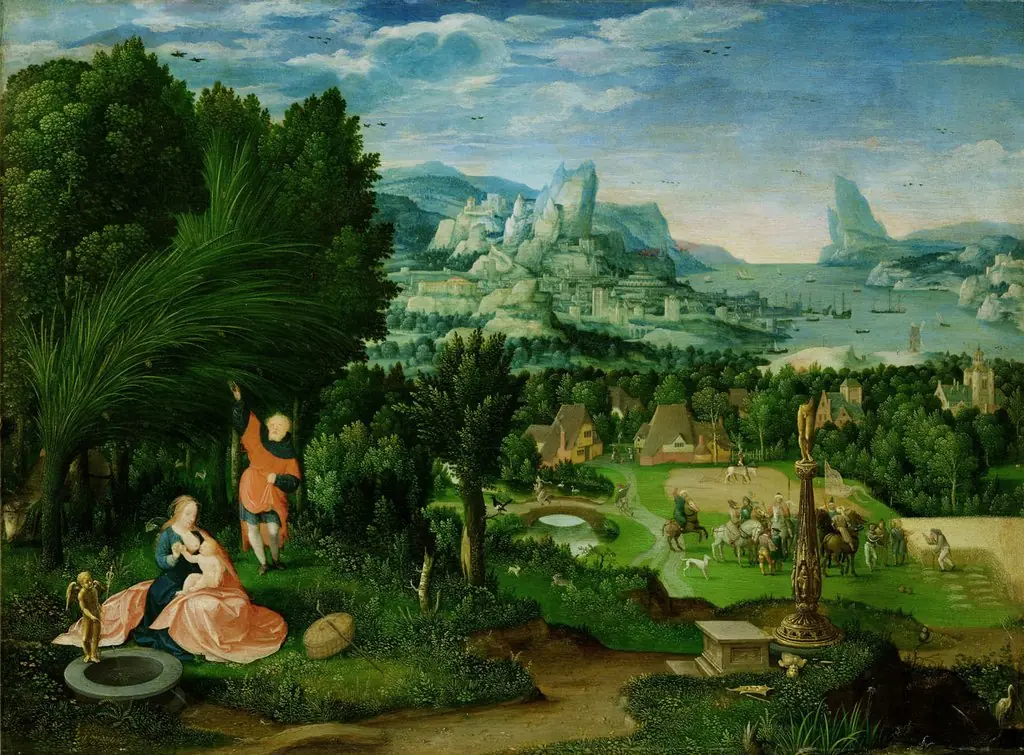
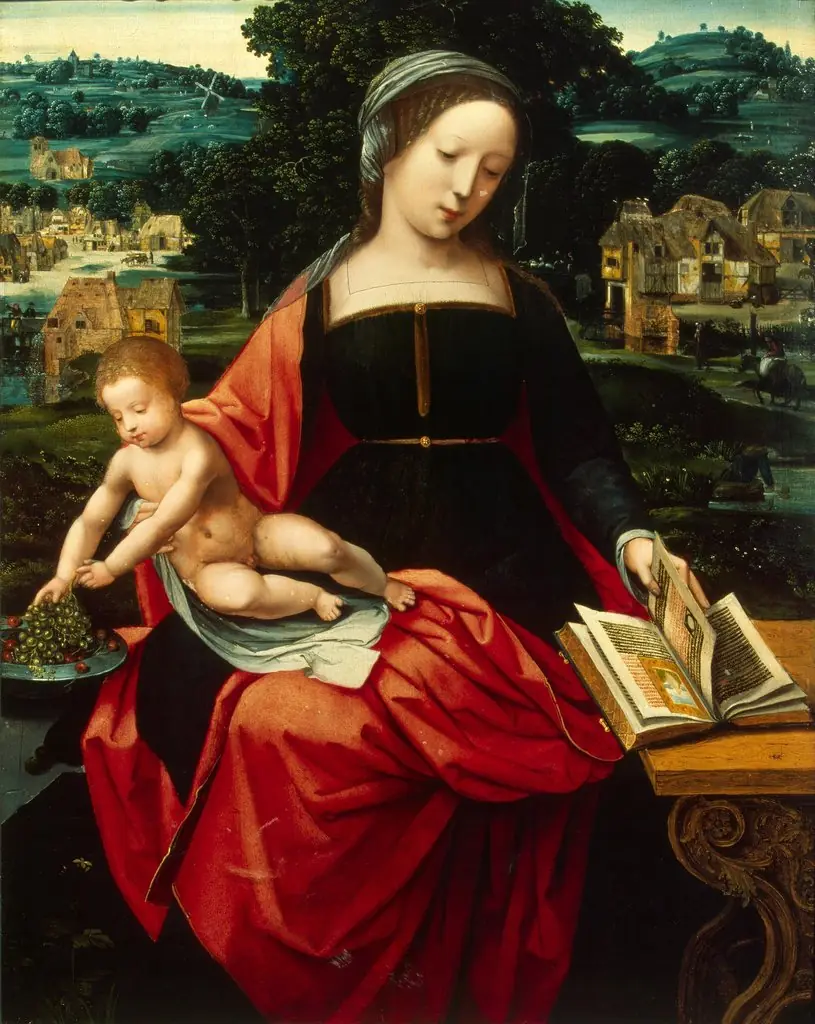
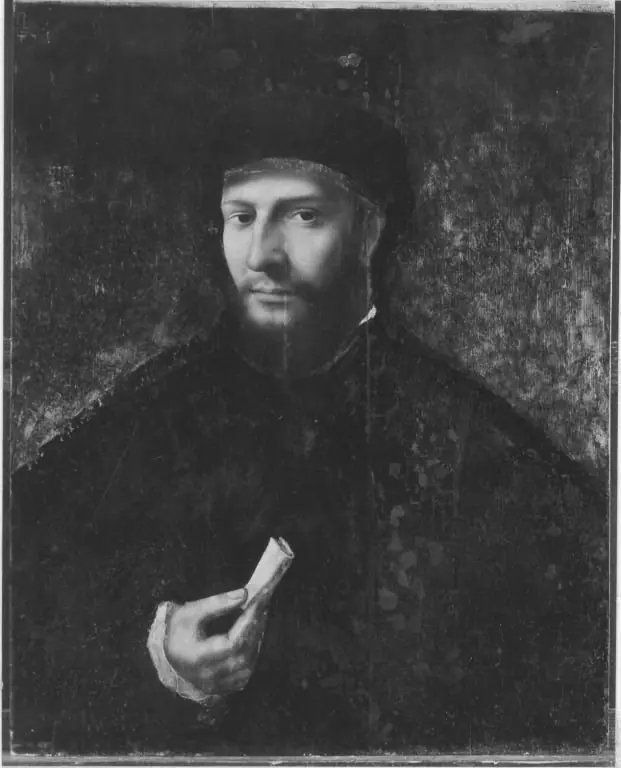
- Rest on the flight into Egypt
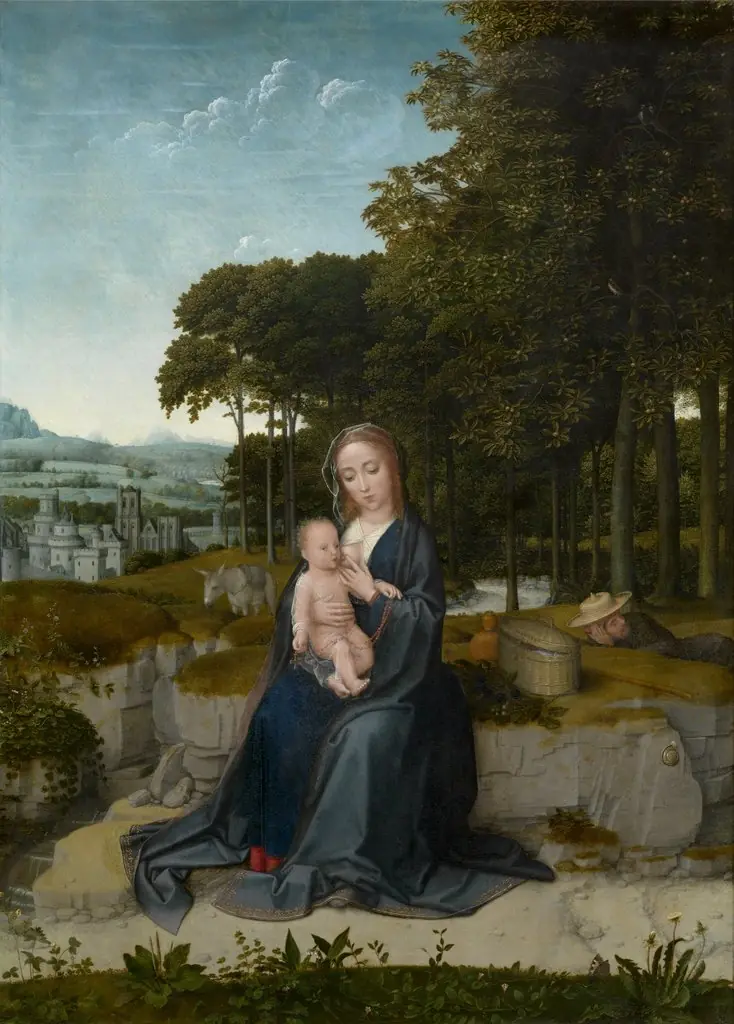 Rest on the Flight into Egypt
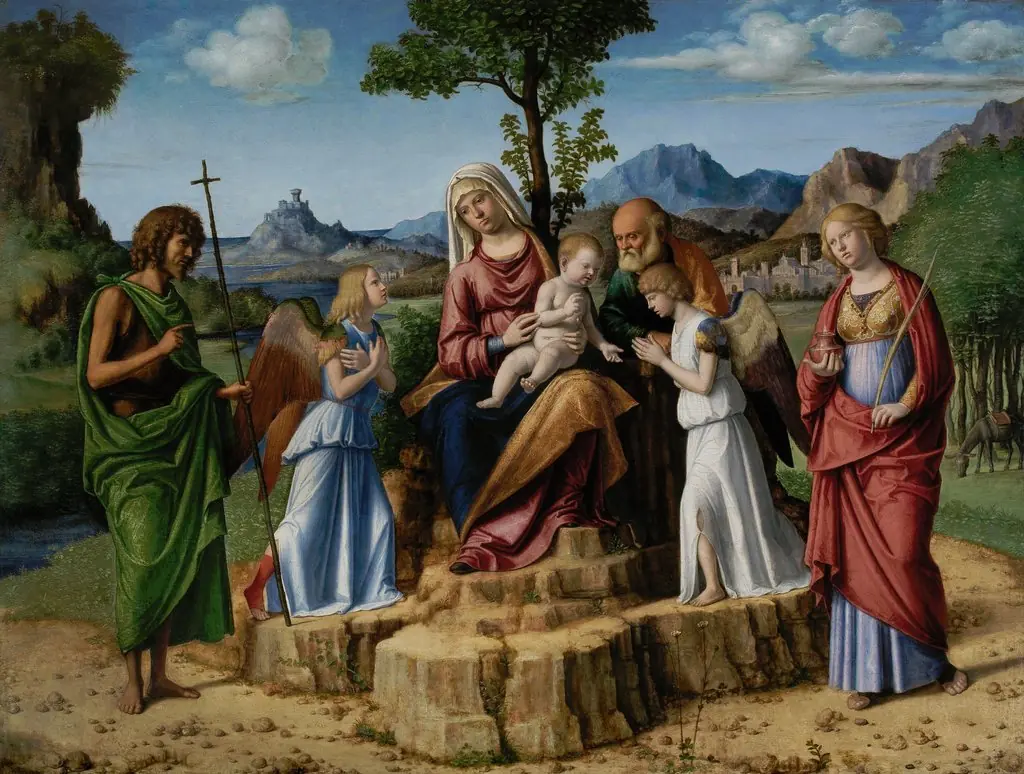 Rest on the Flight into Egypt
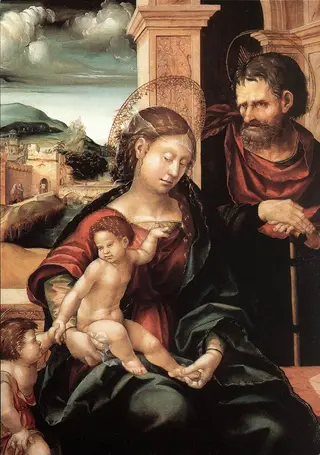 Holy Family with Child St. John
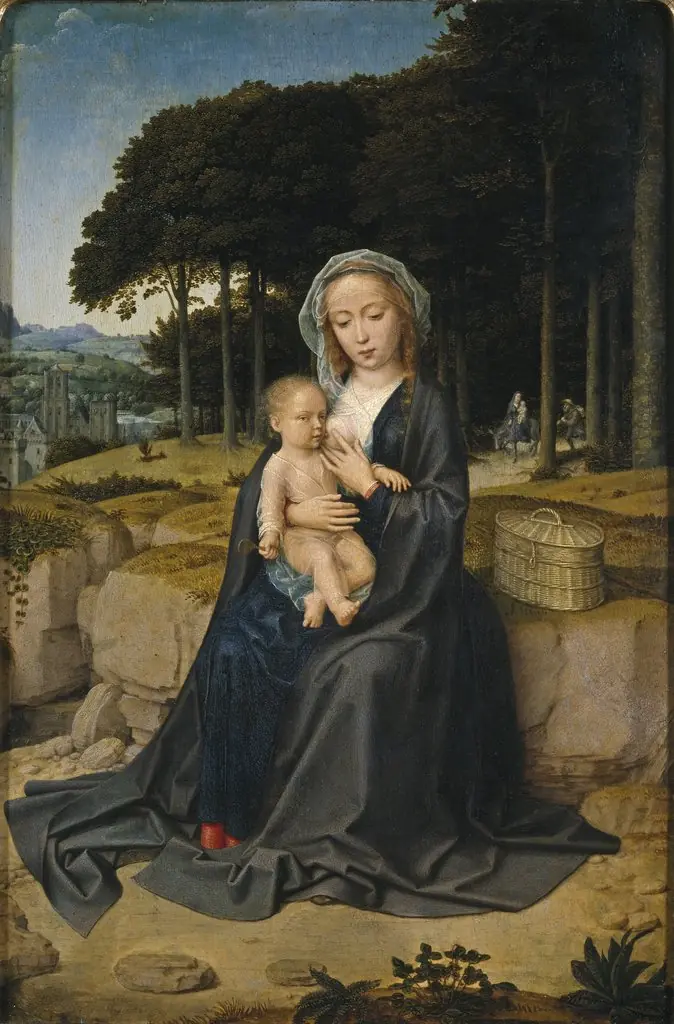 Rest on the Flight into Egypt
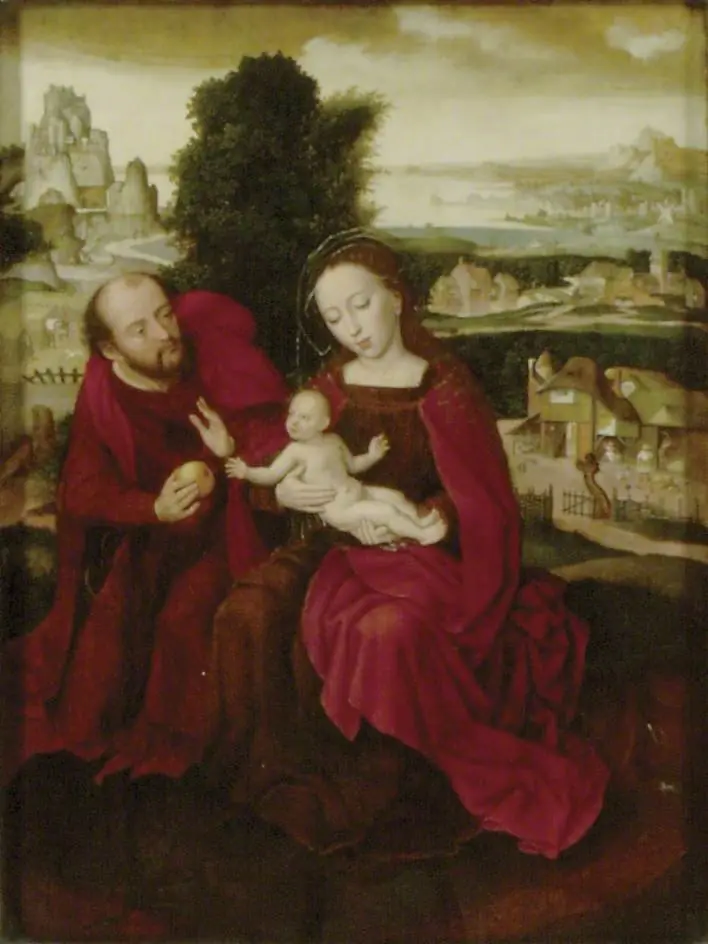 The Holy Family in a Landscape
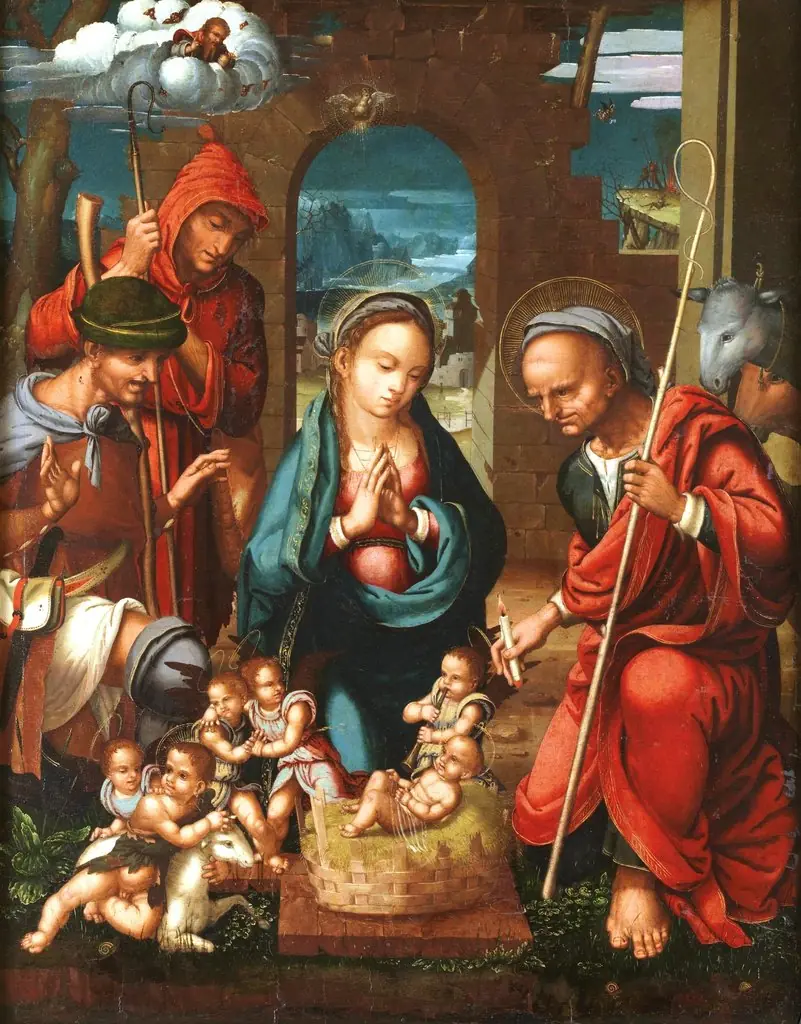 Adoration of the Shepherds
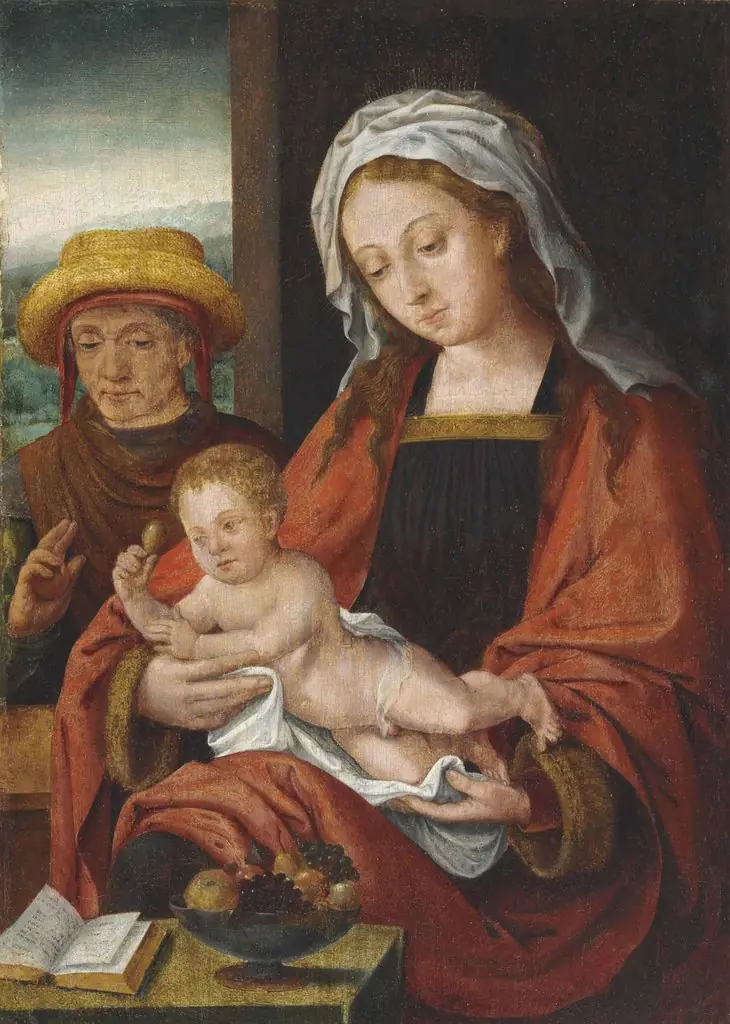 The Holy Family
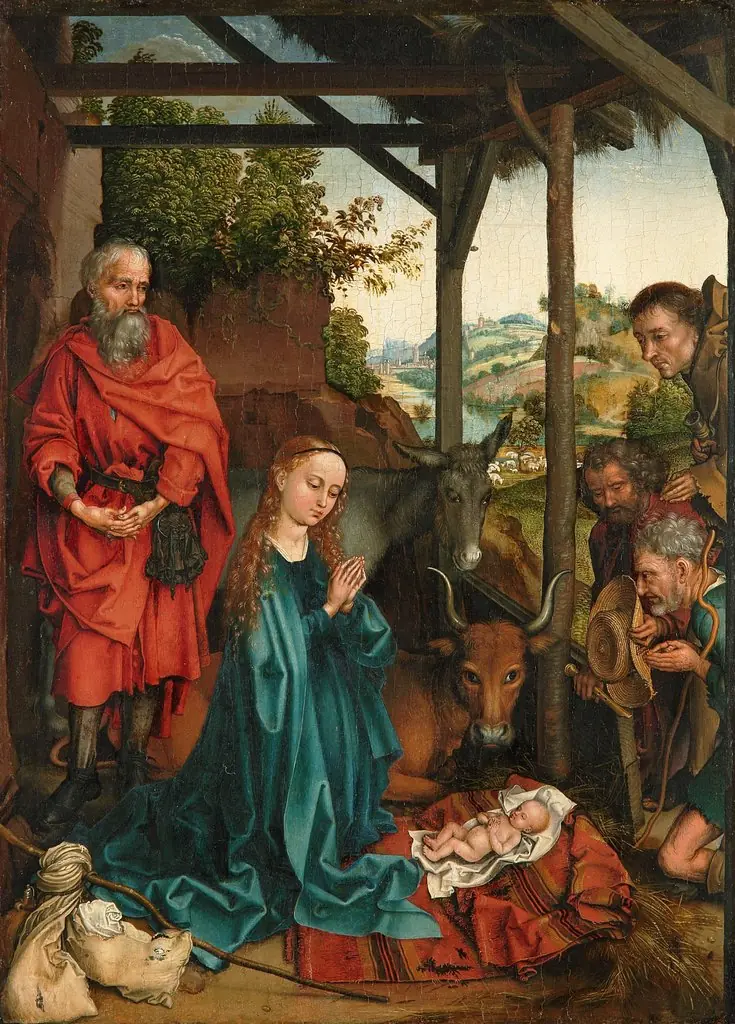 Adoration of the Shepherds
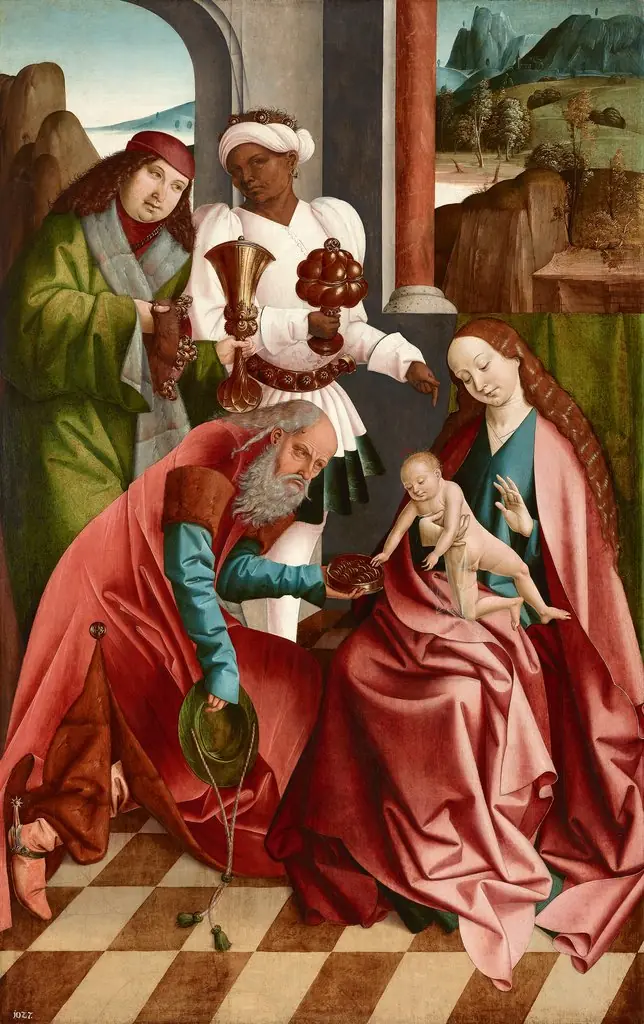 Anbetung der Heiligen Drei Könige
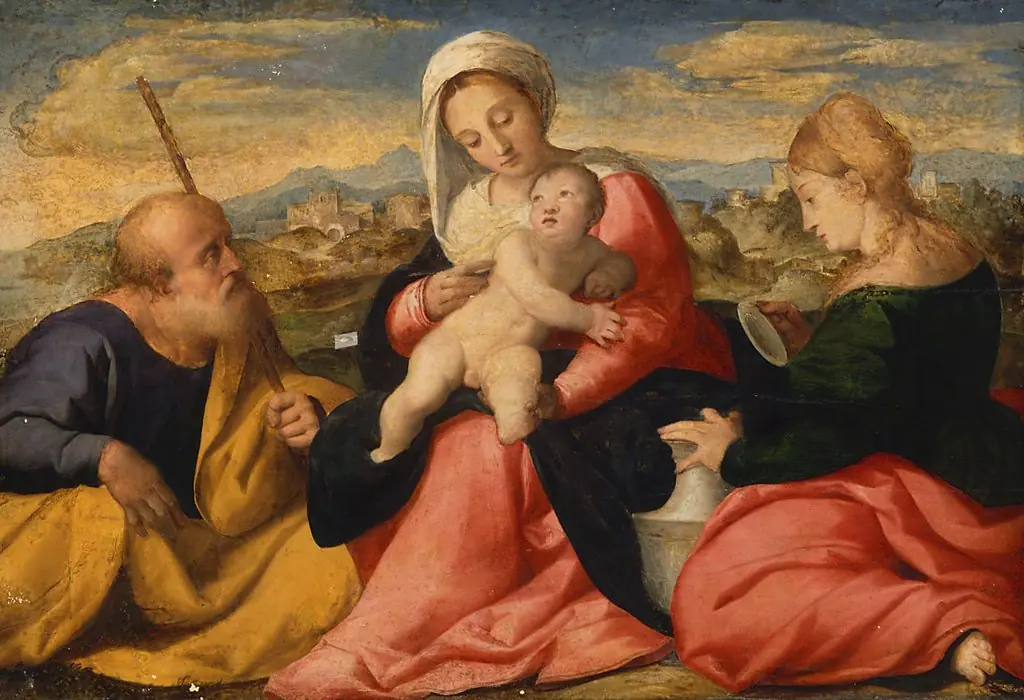 Madonna and Child with Sts Joseph and Magdalene
 The Nativity