Artwork
Adoration of the Shepherds
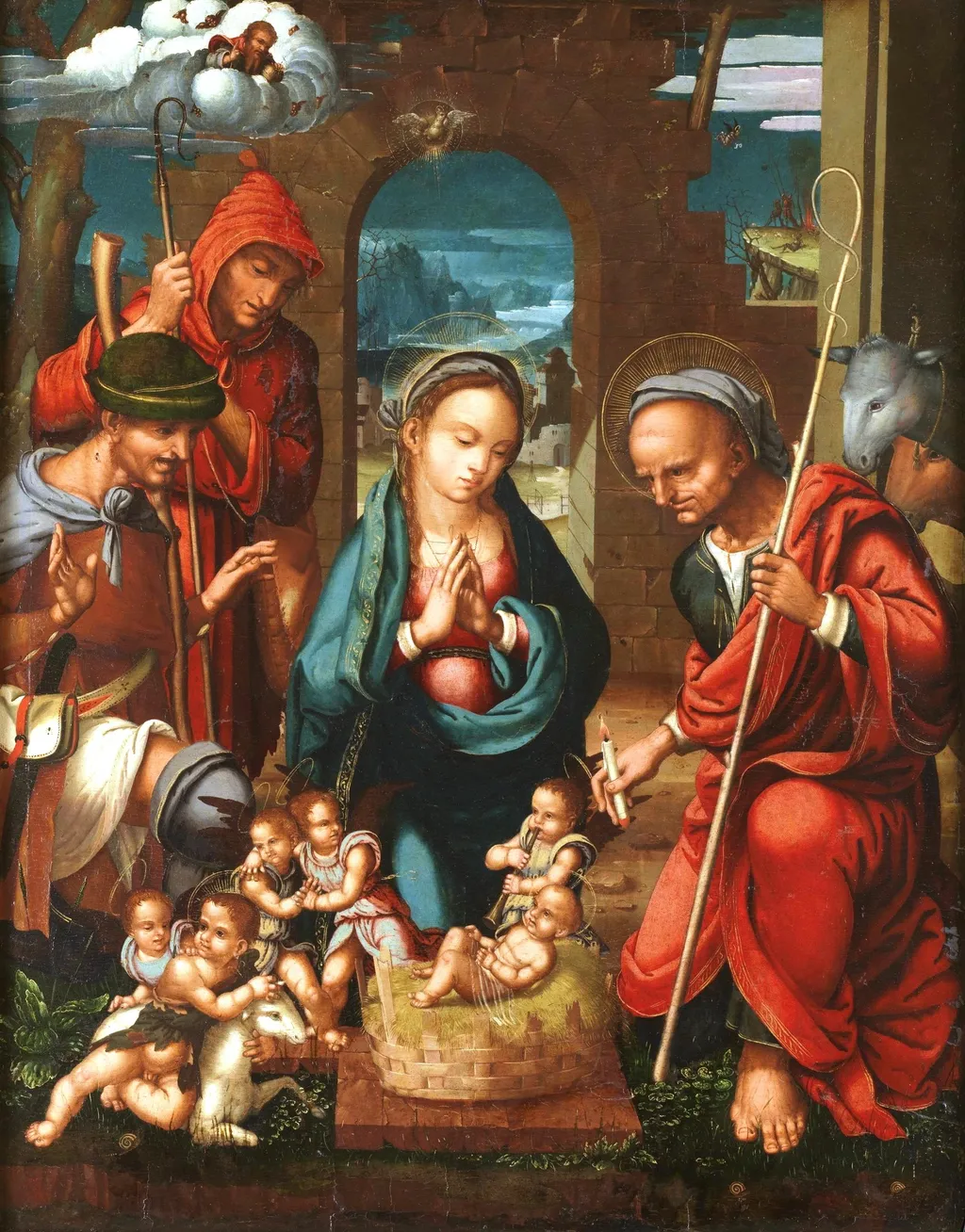
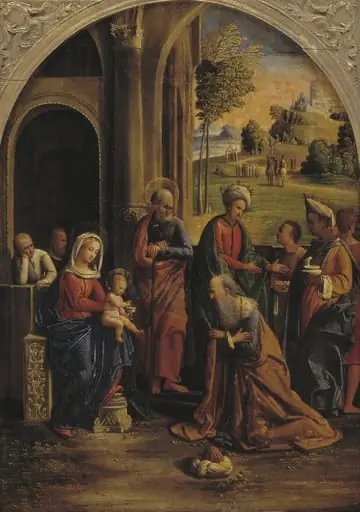
Adoration of the Shepherds is an oil painting by the Mannerist artist Felipe Pablo de San Leocadio. It dates from 1539 and is held in the collection of the Museo del Prado.
About this work
Subject & Meaning
As an oil painting on panel, the piece serves as a devotional object illustrating this specific moment of veneration within the Christian tradition.
The painting depicts the Adoration of the Shepherds, a religious narrative centered on the Christ Child. Created in 1539 by Felipe Pablo de San Leocadio, the work belongs to the genre of religious art. The composition focuses on the biblical event where shepherds visit and worship the newborn Jesus, representing the revelation of the divine to the humble and the fulfillment of prophecy.
As an oil painting on panel, the piece serves as a devotional object illustrating this specific moment of veneration within the Christian tradition.
Technique & Style
Executed in 1539, this religious painting by Felipe Pablo de San Leocadio utilizes oil paint applied to a wooden panel support. The work measures 110 cm in height and 87 cm in width. As a depiction of the Adoration of the Shepherds featuring the Christ Child, the piece exemplifies the artist's approach to devotional imagery within the medium of panel painting during the mid-sixteenth century.
History & Provenance
The painting Adoration of the Shepherds was created in 1539 by the artist Felipe Pablo de San Leocadio. Executed in oil paint on a panel measuring 110 by 87 centimeters, the work depicts a religious scene centered on the Christ Child. The piece is currently held in the collection of the Museo del Prado, where it remains located.
No further details regarding its original commission, intermediate ownership history, or specific acquisition date by the museum are provided in the available records.
The painting is housed in the Museo del Prado where it bears the inventory number P00968. It has been part of several exhibitions including the 2011 Prado retrospective on Spanish religious art and the 2019 Prado exhibition on 16th‑century Castilian painting.
Context
The Adoration of the Shepherds (1539) by Felipe Pablo de San Leocadio occupies a significant place within Spanish Renaissance religious painting, reflecting the devotional intensity of Counter-Reformation art. Its composition and treatment of the infant Christ demonstrate the artist's engagement with contemporary devotional practices while adhering to established iconographic conventions for this subject. The work is housed in the Museo del Prado collection, where it remains part of their permanent holdings of Spanish religious art from this period.
Legacy
The Adoration of the Shepherds by Felipe Pablo de San Leocadio exerted modest influence on later religious painting in Spain, particularly shaping devotional works in the Castilian school during the mid-16th century. Its compositional treatment of the shepherds’ adoration informed subsequent altarpieces that sought to convey intimate moments of divine revelation. The painting’s reputation was revived in the 19th century when scholars highlighted its role in the transition from late Gothic to early Renaissance styles in Castile, cementing its status as an exemplar of devotional art.
Today it is recognized as a pivotal work in the evolution of Spanish religious imagery, reflecting the cultural synthesis of the period.
The work remains part of the permanent collection at the Museo del Prado, where it continues to be studied for its technical mastery and historical significance.
Overview
Adoration of the Shepherds is an oil painting created by Felipe Pablo de San Leocadio in 1539. It is a religious work held at the Museo del Prado.
Own this work as a print
Artist & collection
Artist
A Spanish painter from a few centuries ago, Felipe Pablo de San Leocadio worked in oil paint.

- Adoration of the Shepherds
 Adoration of the Shepherds
 Adoration of the Shepherds
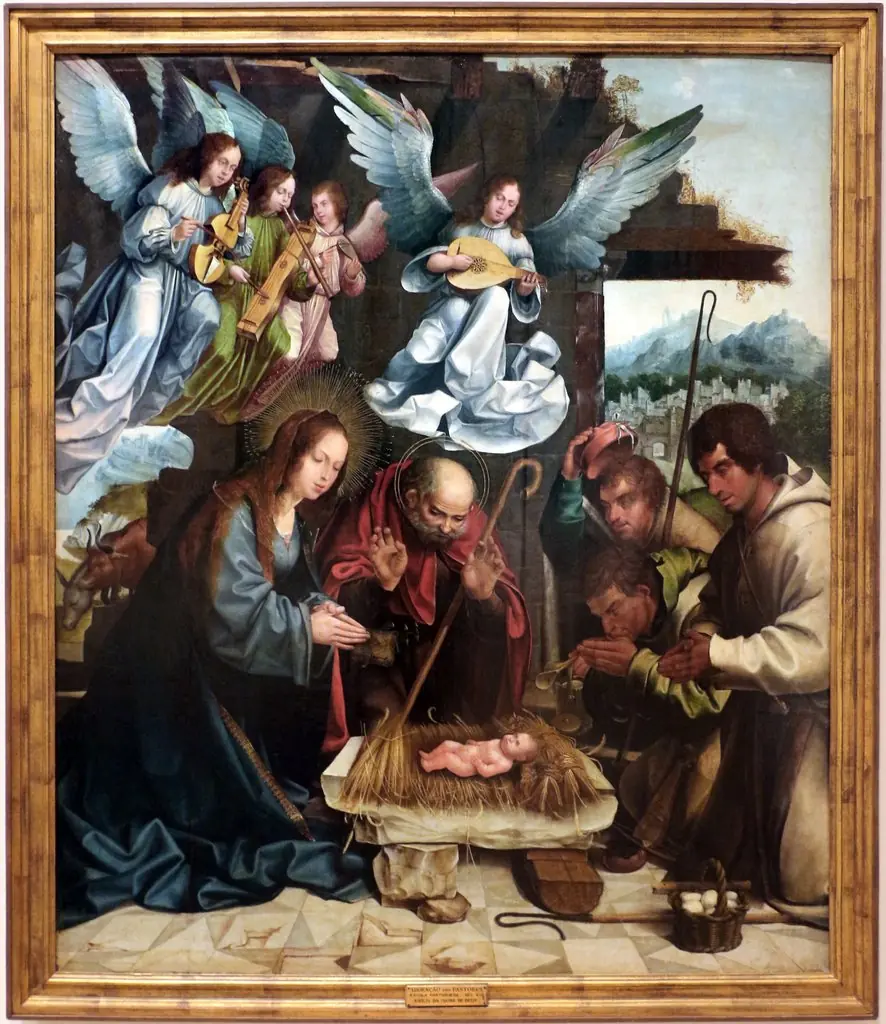 Adoration of the Shepherds
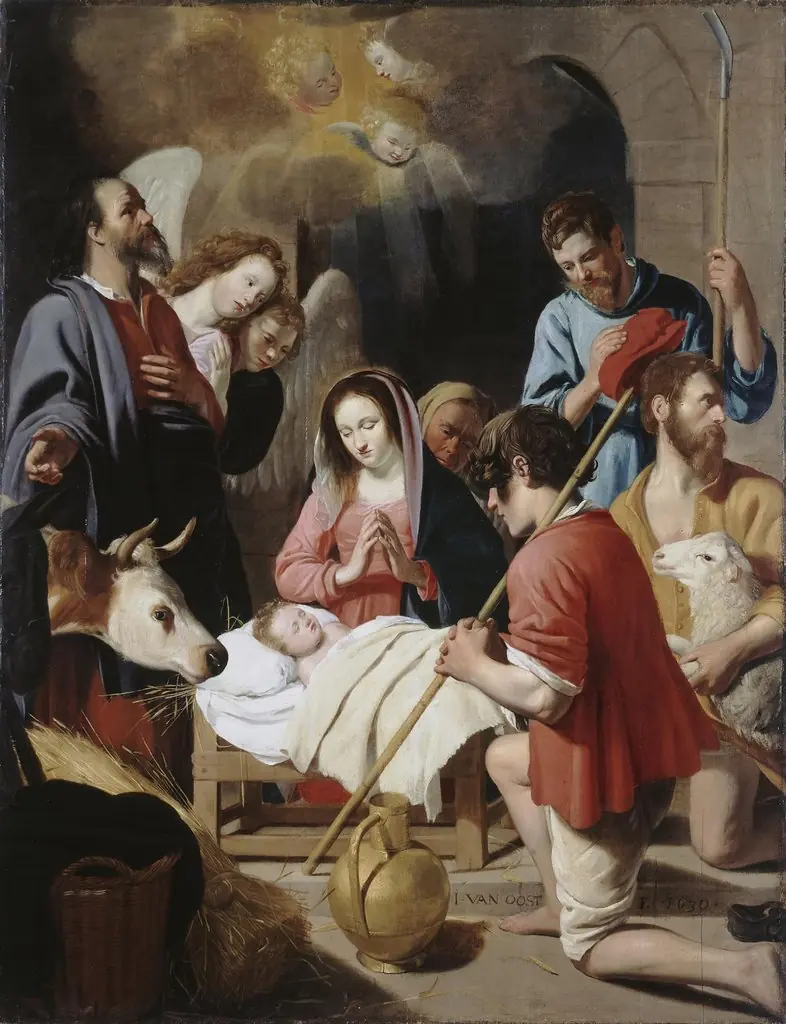 Adoration of the Shepherds
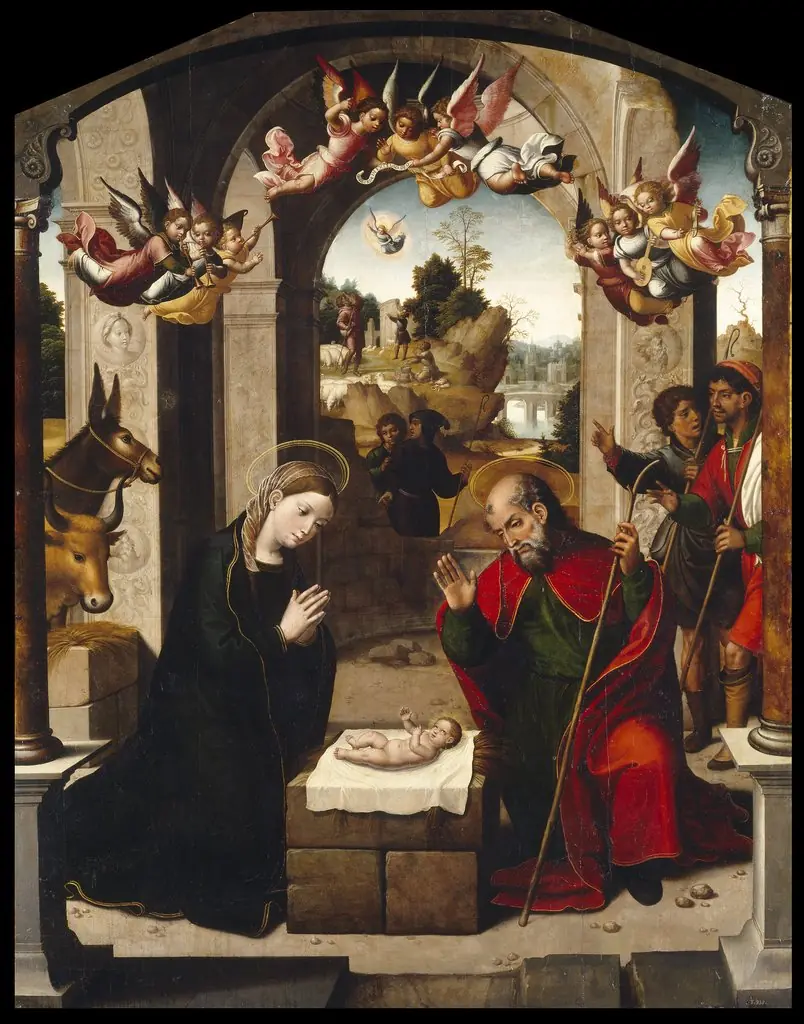 The Nativity
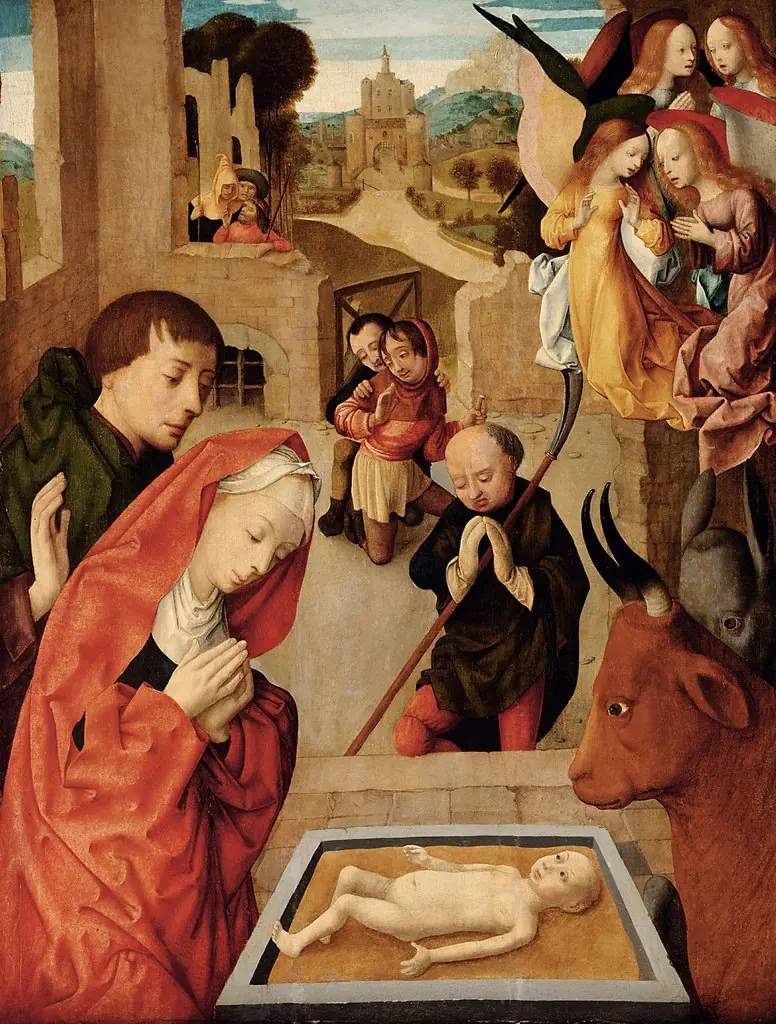 Birth of Christ
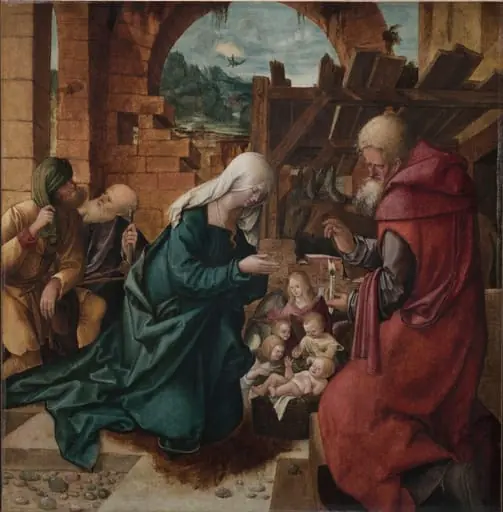 Adoration of the Shepherds
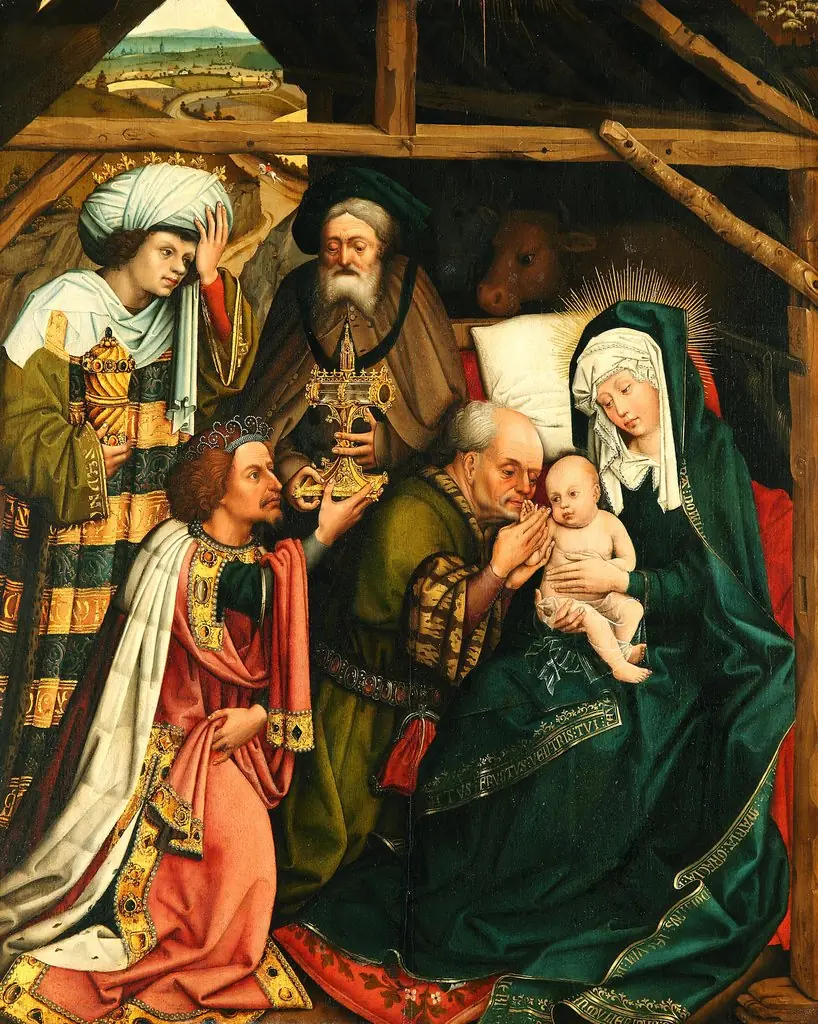 Adoration of the Magi
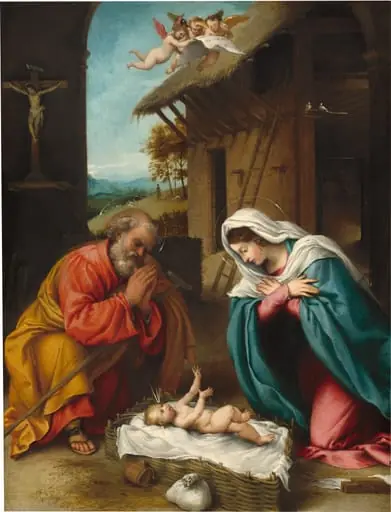 The Nativity
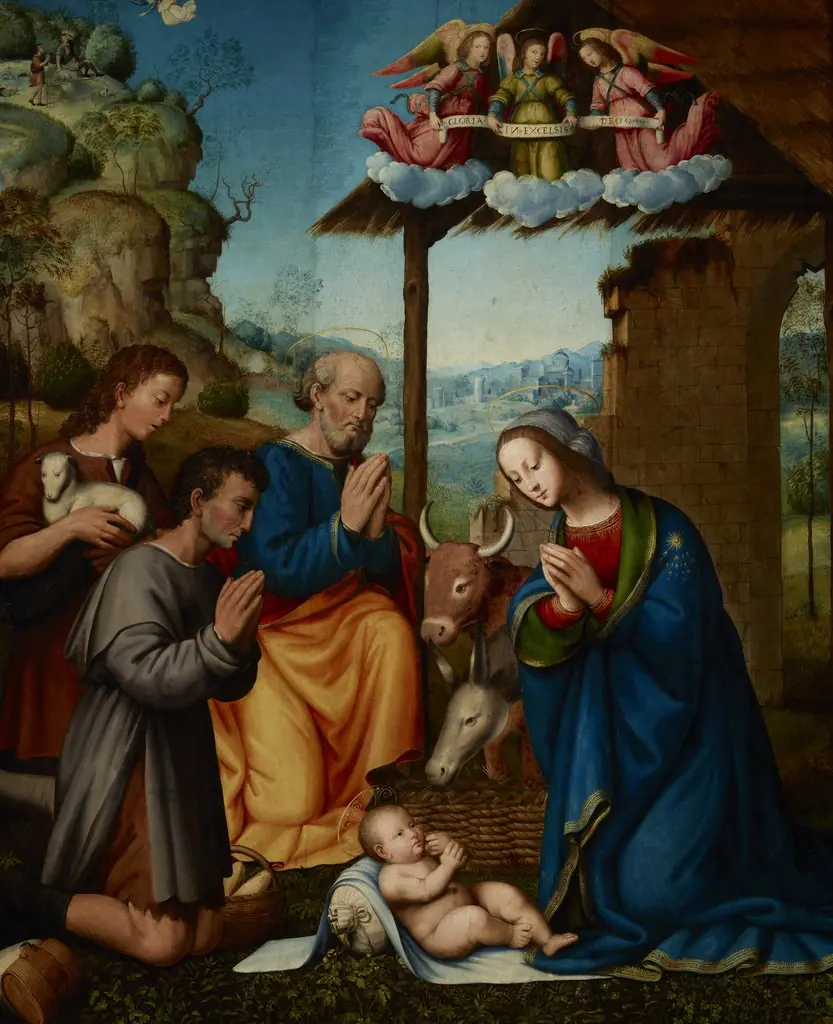 Adoration of the Shepherds (Adoration of the Child by Mary, St Joseph and Shepherds)
 The Adoration of the Kings