Artwork
The Judgement of a Soul
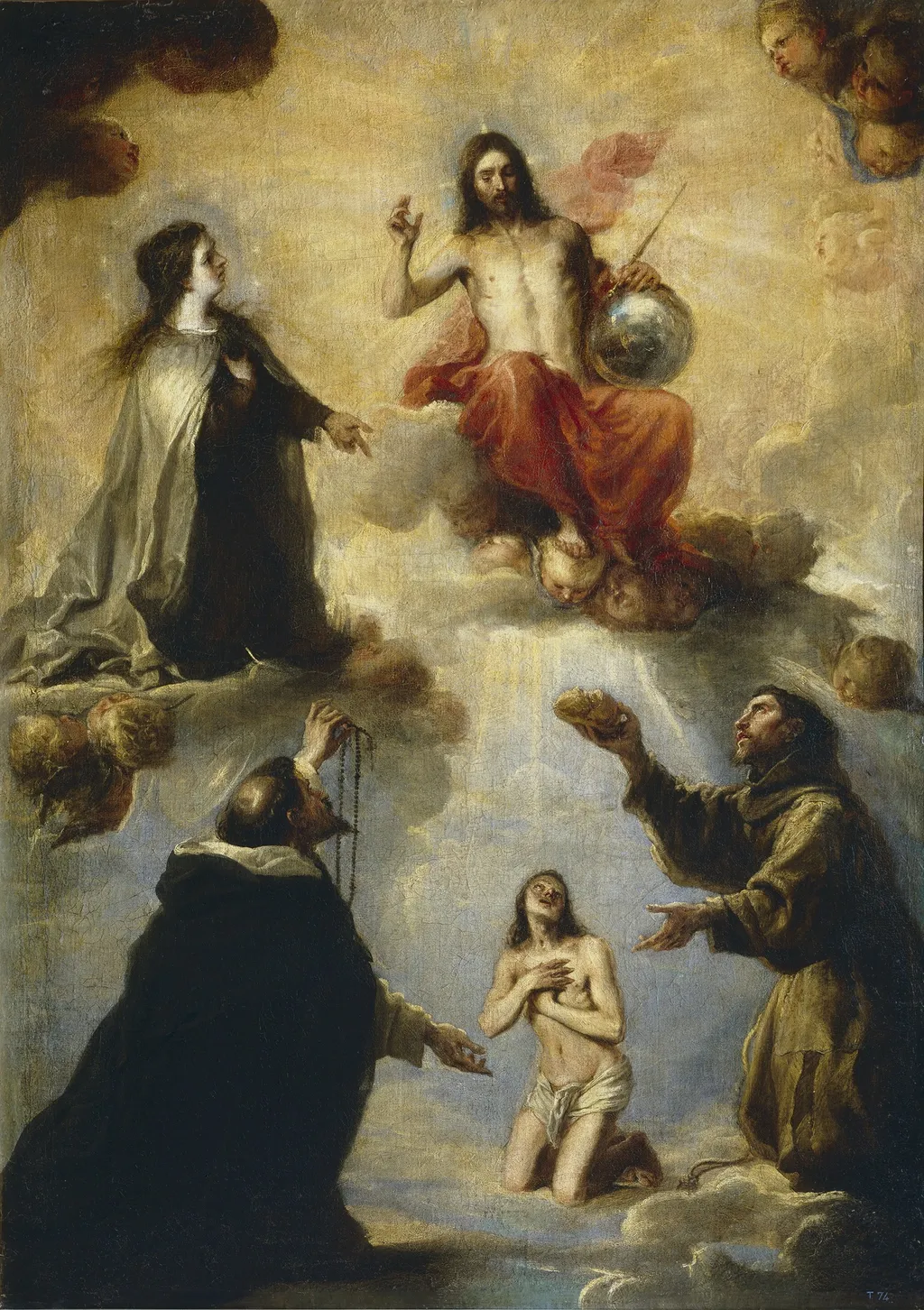
The Judgement of a Soul is an oil painting by the Early Baroque Italian artist Mateo Cerezo. It dates from 1663 and is held in the collection of the Museo del Prado.
About this work
Subject & Meaning
Symbolic elements such as a rosary and bread appear in the lower field, indicating piety and earthly sustenance, and reinforcing the moral weight of the scene.
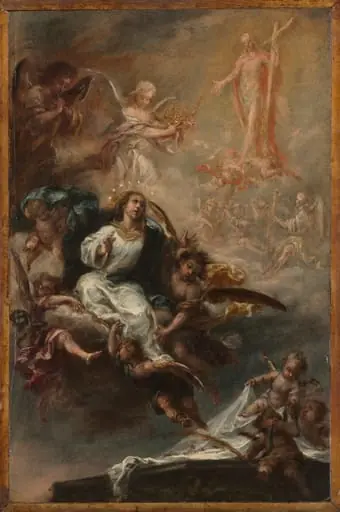
The work depicts a soul at judgment, framed by angelic and divine presence, as a moment of moral reckoning. A youthful figure kneels in supplication, while heavenly intercessors and a radiant Christ-like judge dominate the upper register, underscoring themes of redemption and divine justice.
Symbolic elements such as a rosary and bread appear in the lower field, indicating piety and earthly sustenance, and reinforcing the moral weight of the scene. The composition emphasizes the soul’s fate within a Catholic framework of sin, grace, and intercession.
Technique & Style
Created in 1663, The Judgement of a Soul is an oil painting executed on a canvas support. The work measures 145 cm in height and 104 cm in width. Stylistically, the composition depicts specific symbolic elements, including a rosary and bread, integrated into the narrative scene. The piece is classified as a painting by the Spanish artist Mateo Cerezo.
History & Provenance
The Judgement of a Soul is an oil on canvas painting created in 1663 by Mateo Cerezo. It measures 145 cm by 104 cm and depicts bread and a rosary. The work belongs to the collections of the Museo del Prado and the Museo de la Trinidad and is currently housed in the Museo del Prado.
Its creation dates to the early months of 1663, as recorded in the inception field of the source documentation.
Context
The Judgement of a Soul is an oil painting on canvas created by Mateo Cerezo in 1663. It measures 145 cm in height and 104 cm in width, and features the motifs of bread and a rosary, which align with the thematic interests of Spanish Baroque art. The work is housed in the Museo del Prado and was originally associated with the Museo de la Trinidad, reflecting its devotional context within Spanish religious art of the period.
Scholarship on the painting emphasizes its role within Cerezo's broader oeuvre as a Spanish Baroque painter active in Madrid during the mid-17th century, situating the piece within the devotional and narrative traditions of Spanish religious painting. Its composition and iconography have been analyzed in relation to contemporary Spanish artistic practices, particularly in works produced for ecclesiastical settings.
The painting's presence in major institutional collections, including the Museo del Prado, underscores its significance within the canon of Spanish Baroque art, though specific critical commentary on its reception during the artist's lifetime remains limited in extant scholarship.
Context within art history positions this work as an example of the narrative intensity and devotional realism characteristic of 17th-century Spanish religious painting, reflecting broader trends in Baroque art across Spain.
Overview
The Judgement of a Soul is a 1663 oil painting by Spanish Baroque artist Mateo Cerezo, characterized by its dramatic religious scene and symbolic elements.
Legacy
As one of Cerezo's religious works, The Judgement of a Soul contributes to the broader legacy of Spanish Baroque art, though its specific impact or influence on later artists is not widely highlighted in available information.
Own this work as a print
Artist & collection
Artist
Mateo Cerezo, sometimes referred to as Mateo Cerezo the younger, (19 April 1637, Burgos – 29 June 1666, Madrid) was a Spanish Baroque painter, known primarily for religious works and still-lifes.

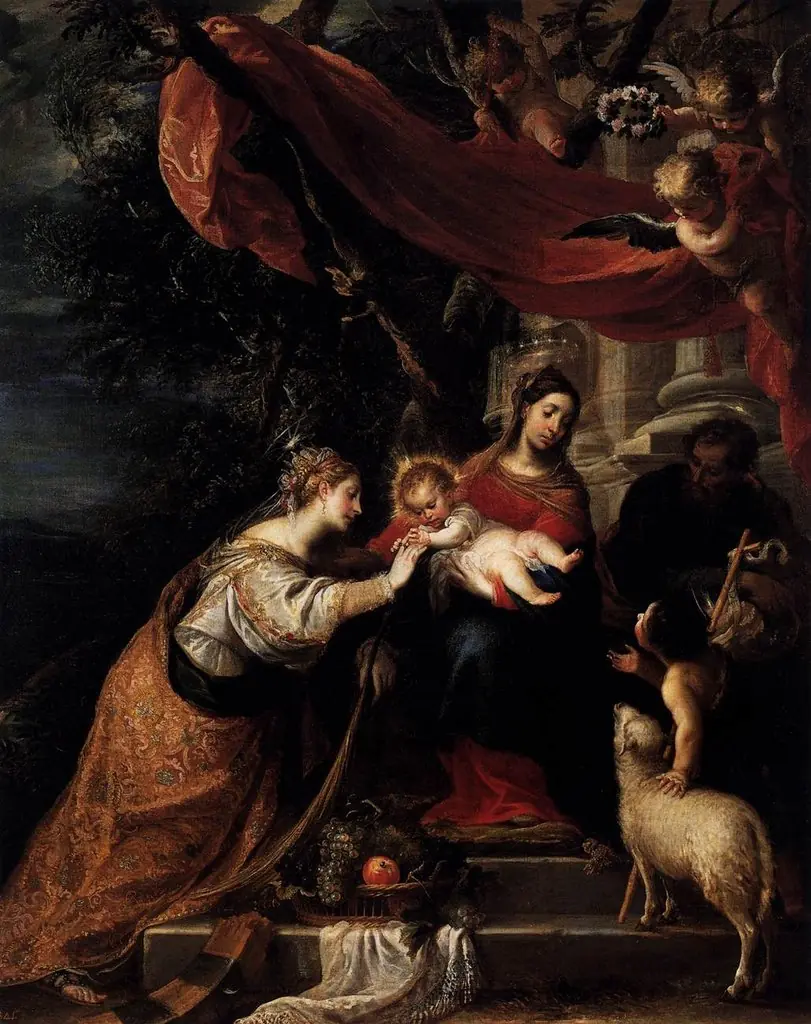
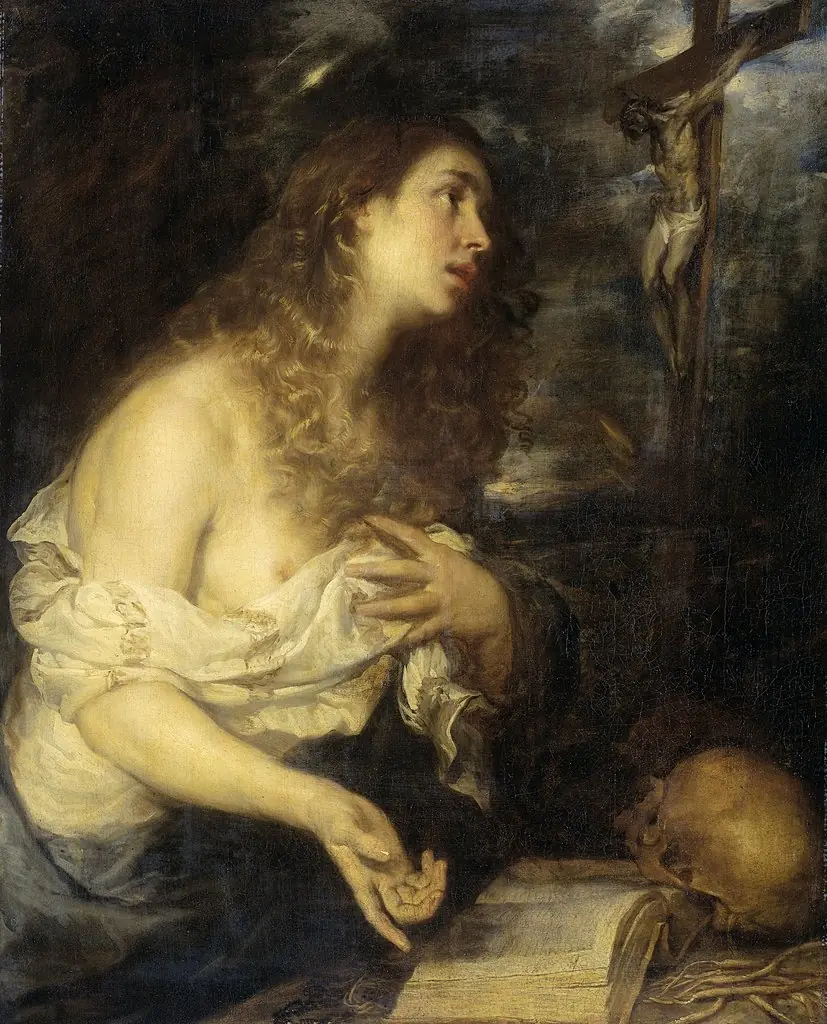
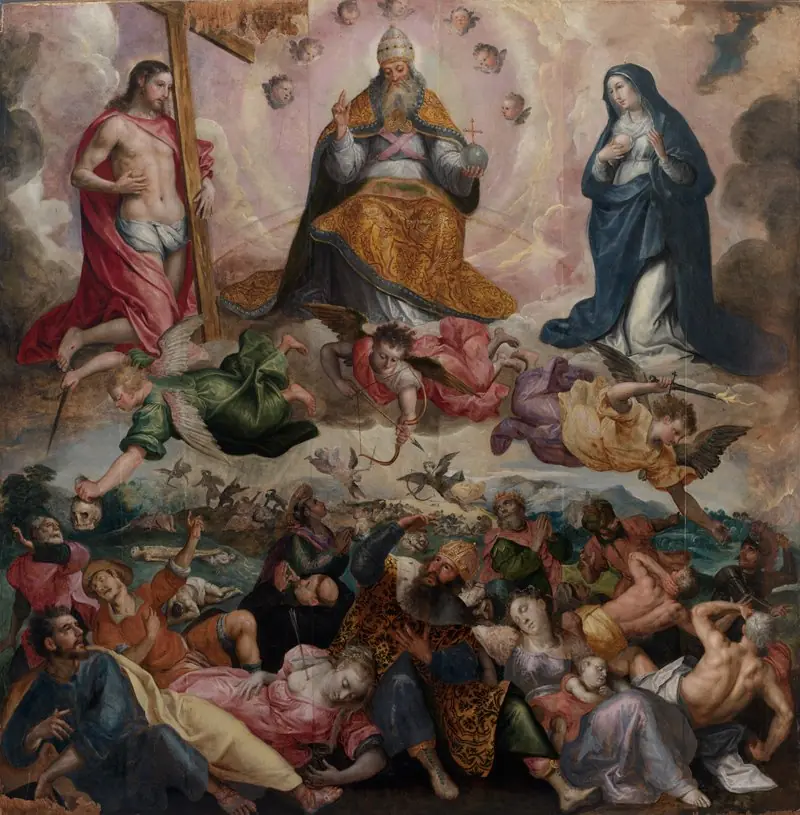
- Last Judgement
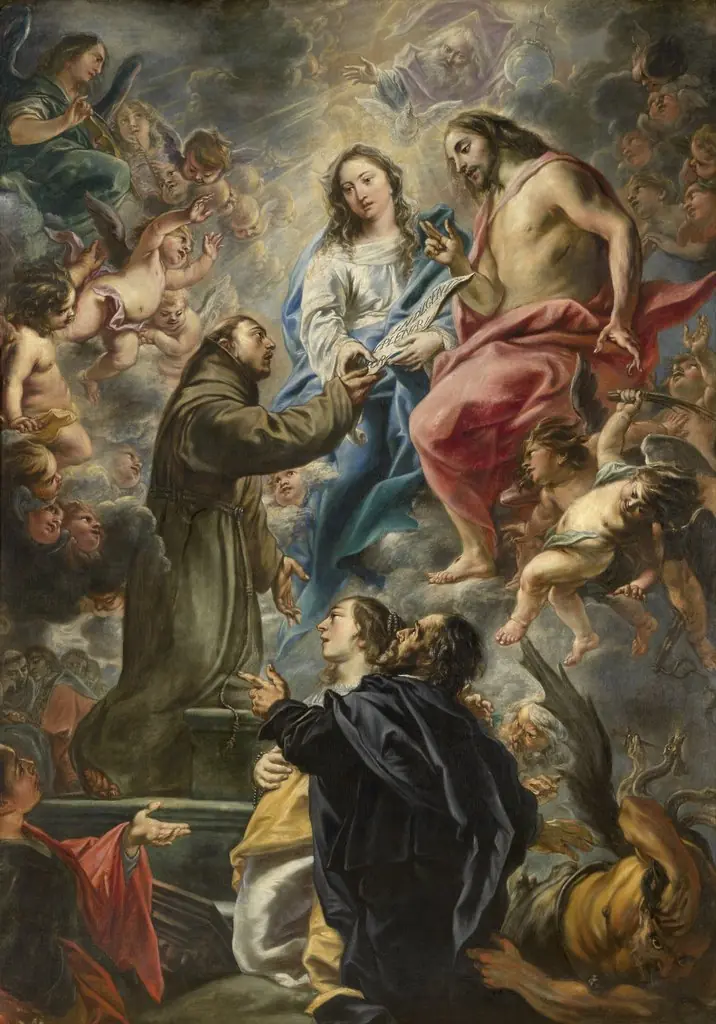 Portiuncula
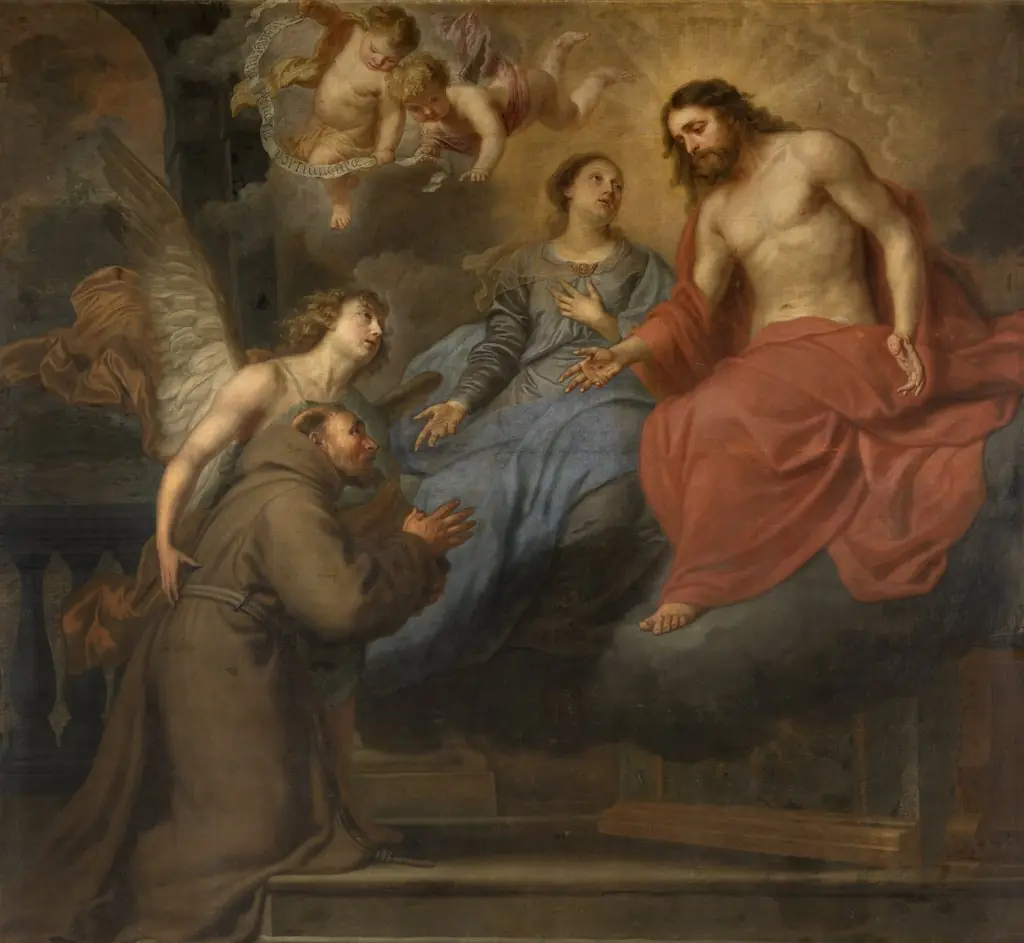 Portiuncula
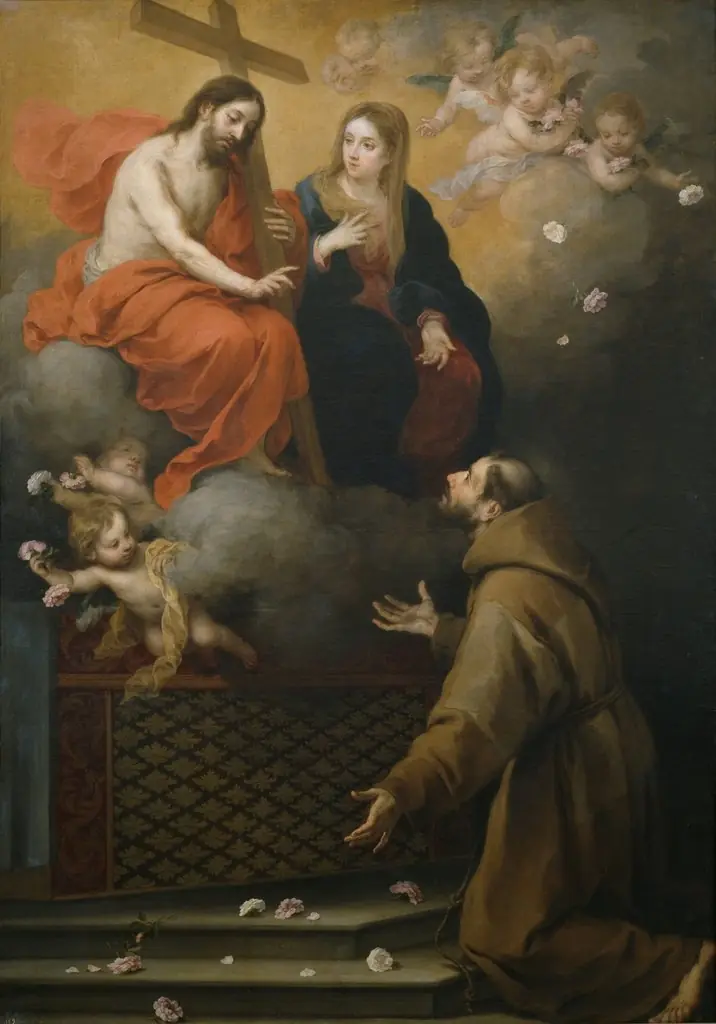 The Vision of Saint Francis in the Portiuncula
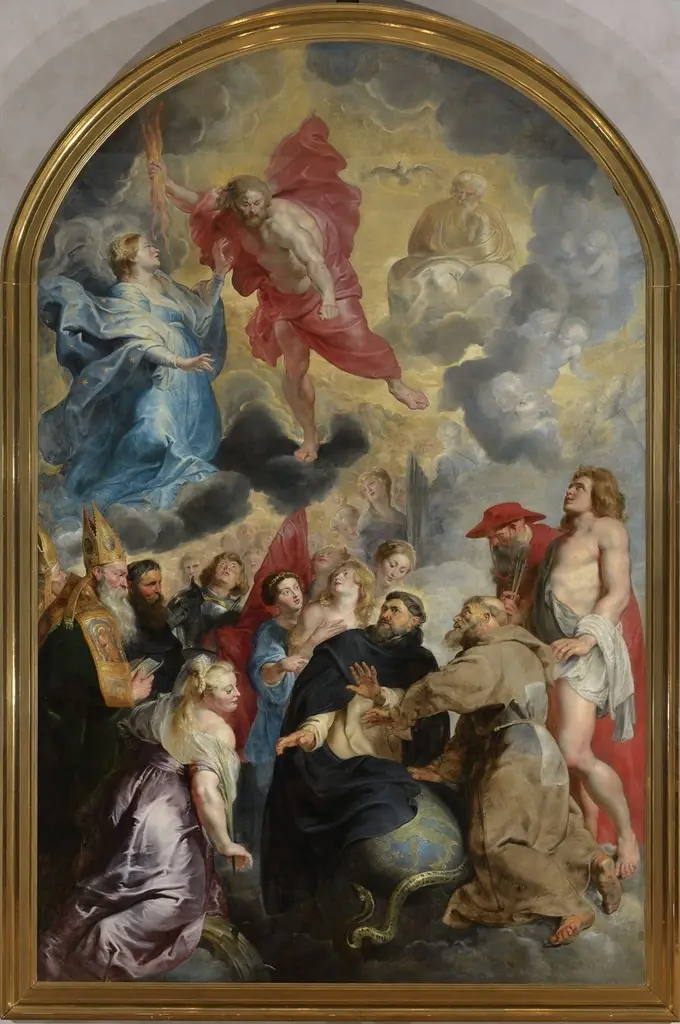 Saint Dominic and Saint Francis Protecting the World from the Wrath of Christ
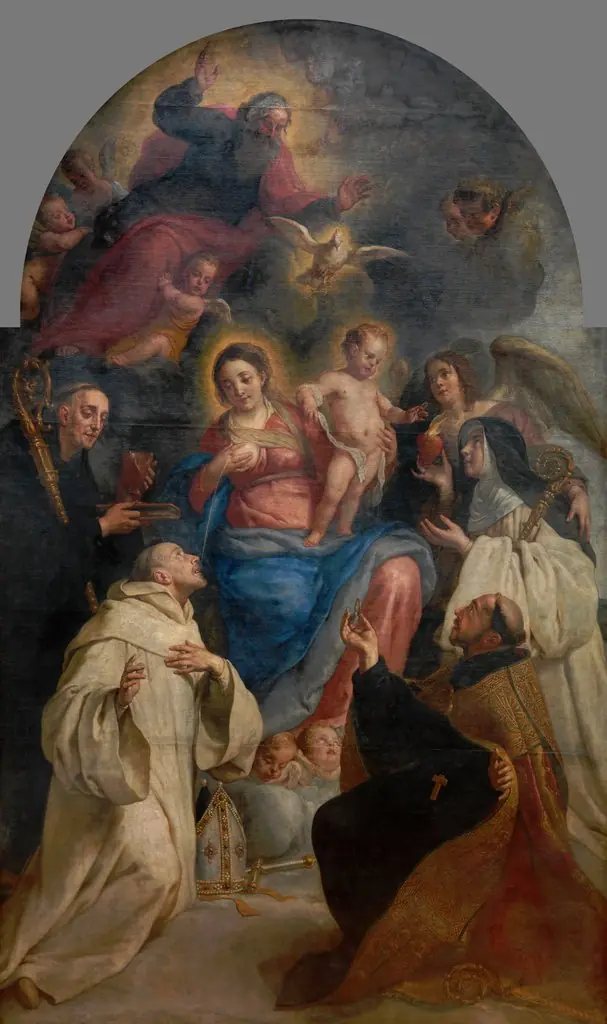 Lactatio of Saint Bernard of Clairvaux
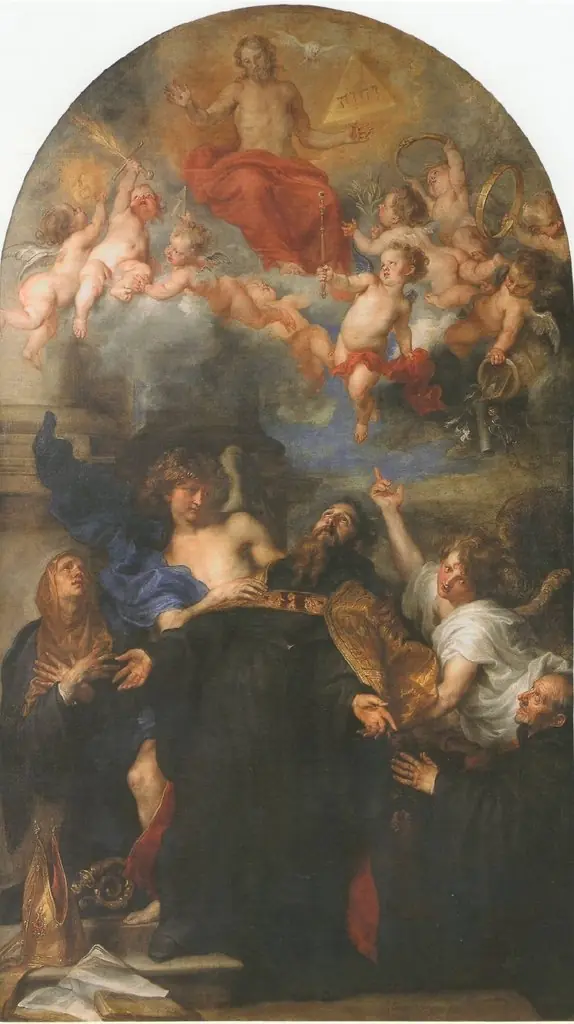 St Augustine in Ecstasy
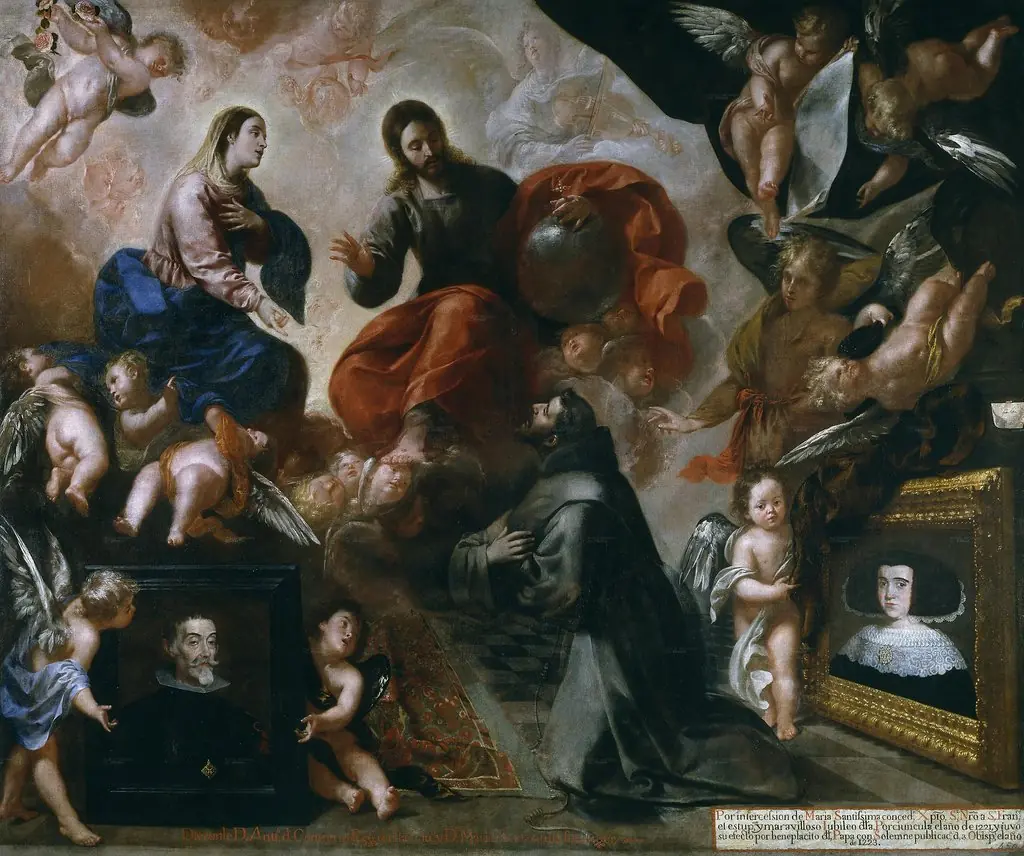 Saint Francis of Assisi in the Porziuncola with the Donors Antonio Contreras and María Amezquita
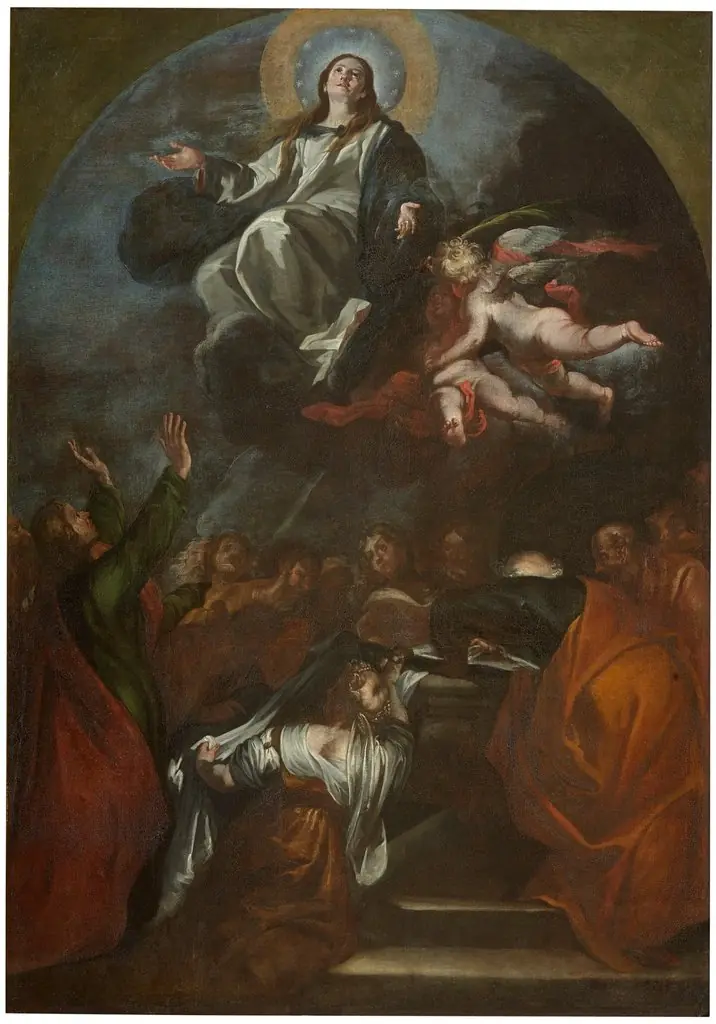 The Assumption of the Virgin
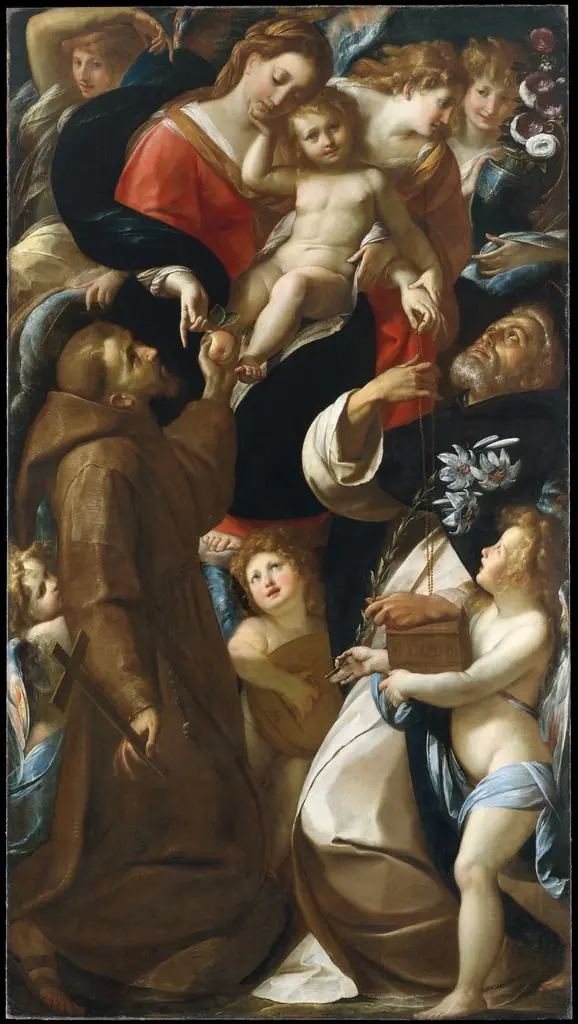 Madonna and Child with Saints Francis and Dominic and Angels
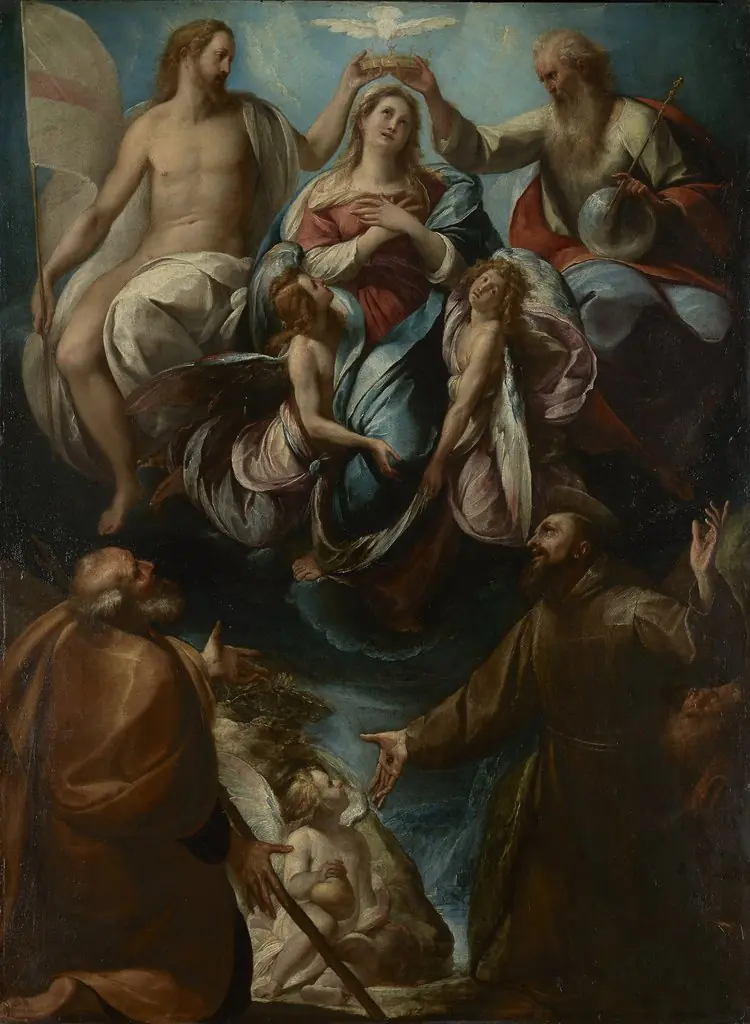 Coronation of the Virgin with Saints Joseph and Francis of Assisi
 Study for "The Assumption of the Virgin" for San Augustín, Seville