Artwork
Maria Anna de Austria, regina Spaniei
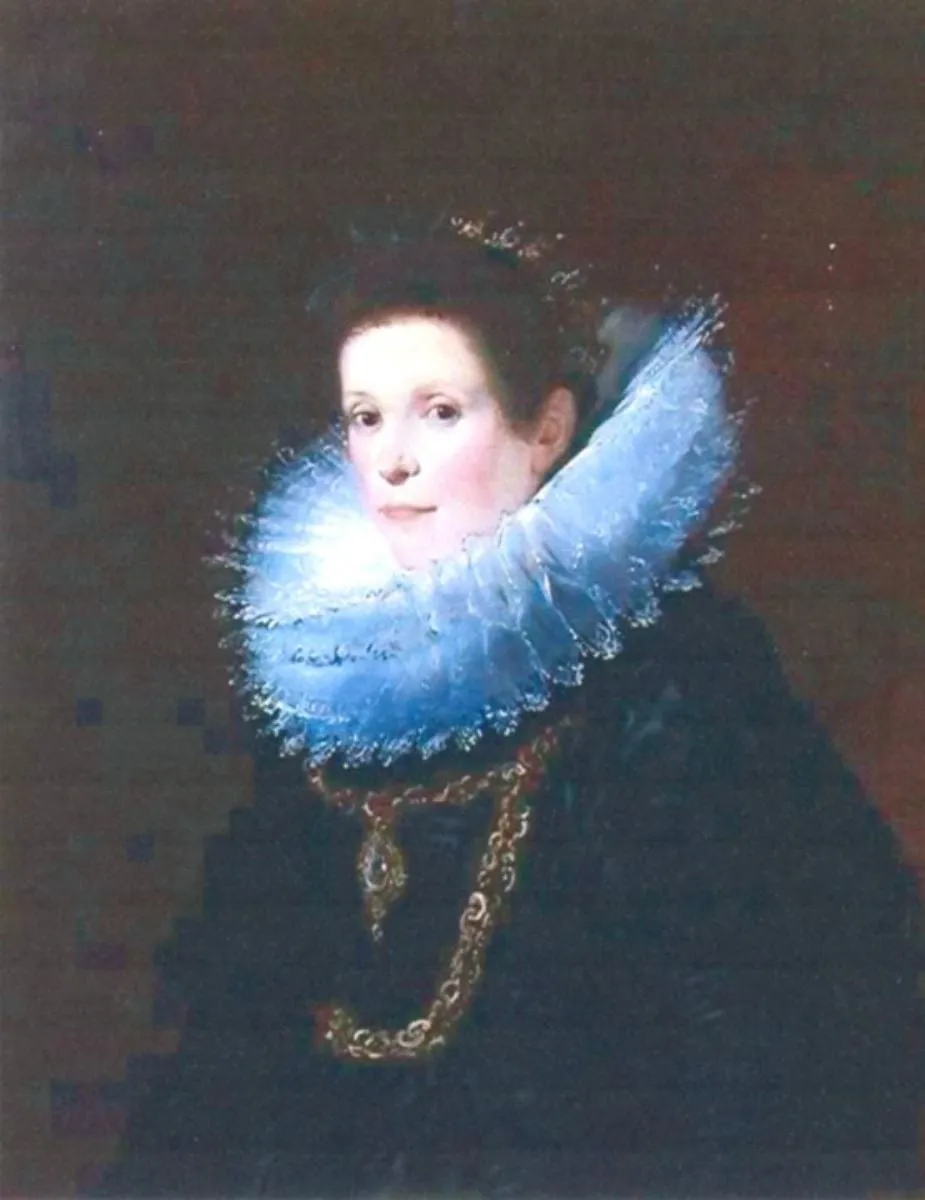
Maria Anna de Austria, regina Spaniei is an unspecified painting by the Biedermeier artist Franz von Matsch. It dates from 1885 and is held in the collection of the Peleș National Museum.
About this work
Overview
The composition adheres to academic traditions of 19th-century portraiture, emphasizing dignity and presence through controlled lighting and restrained color.
Painted in 1885 by Franz von Matsch, this portrait depicts Maria Anna of Austria, Queen of Spain. Executed in oil on canvas, the work is part of the collection at the Museum of Ethnography. It presents a formal, full-length representation of the queen, rendered with precise attention to textile detail and spatial depth.
The composition adheres to academic traditions of 19th-century portraiture, emphasizing dignity and presence through controlled lighting and restrained color.
Subject & Meaning
Maria Anna of Austria, born in 1606, was queen consort of Spain through her marriage to Philip IV. The portrait reflects her status as a Habsburg dynastic figure, conveying authority through formal attire and composed demeanor. Her direct gaze and upright posture suggest gravitas, aligning with the expectations of royal representation in early modern Europe.
The painting, though created centuries after her death, serves as a retrospective assertion of her historical role within the Spanish court.
Technique & Style
Matsch employed a realistic style with careful rendering of fabrics, jewelry, and facial features. Chiaroscuro is used to model the queen’s form, enhancing volume and texture, particularly in the folds of her dark gown and the sheen of gold chains. The blue ruffled collar contrasts subtly against the deep background, drawing focus to the face and upper torso. Brushwork is refined but unobtrusive, prioritizing clarity and structural accuracy over expressive flourish.
History & Provenance
The painting was completed in 1885 as part of a broader 19th-century interest in historical portraiture and dynastic imagery. It entered the collection of the Museum of Ethnography in Budapest, where it remains today. Though not an original contemporary portrait of the queen, it reflects late-Victorian scholarly and aesthetic efforts to reconstruct historical figures through visual means, informed by archival sources and period costume studies.
Context
Created during a period of renewed fascination with European royalty and Habsburg heritage, the portrait aligns with academic trends in Austria-Hungary that sought to visually reconnect with imperial pasts. While Maria Anna lived in the 17th century, Matsch’s depiction draws from later artistic conventions, blending historical research with 19th-century ideals of realism and monumentality. It was not commissioned for her lifetime but emerged from a cultural project of historical recovery.
Legacy
The portrait contributes to the Museum of Ethnography’s collection of historical figures, offering a visual reference for scholars studying royal iconography and 19th-century historical reconstruction. Though not widely exhibited beyond its institutional context, it remains a representative example of how modern artists interpreted early modern royalty through the lens of academic realism. Its value lies in its documentation of period-specific interpretive practices rather than its connection to the original sitter.
Artist & collection
Artist
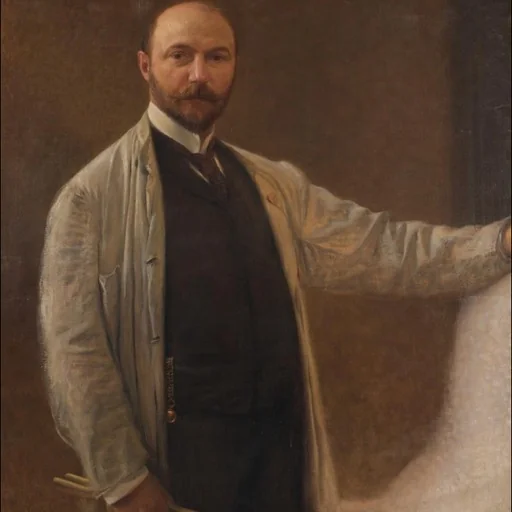
Franz Josef Karl Edler von Matsch (16 September 1861, in Vienna – 5 October 1942, in Vienna), also known as Franz Matsch, was an Austrian painter and sculptor in the Jugendstil style.
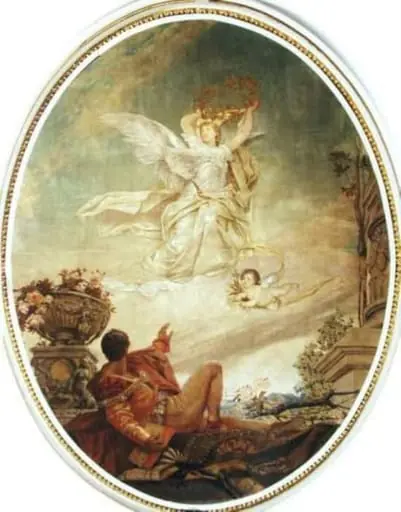
- Portrait of Anna Fredericx, wife of Jan Roose
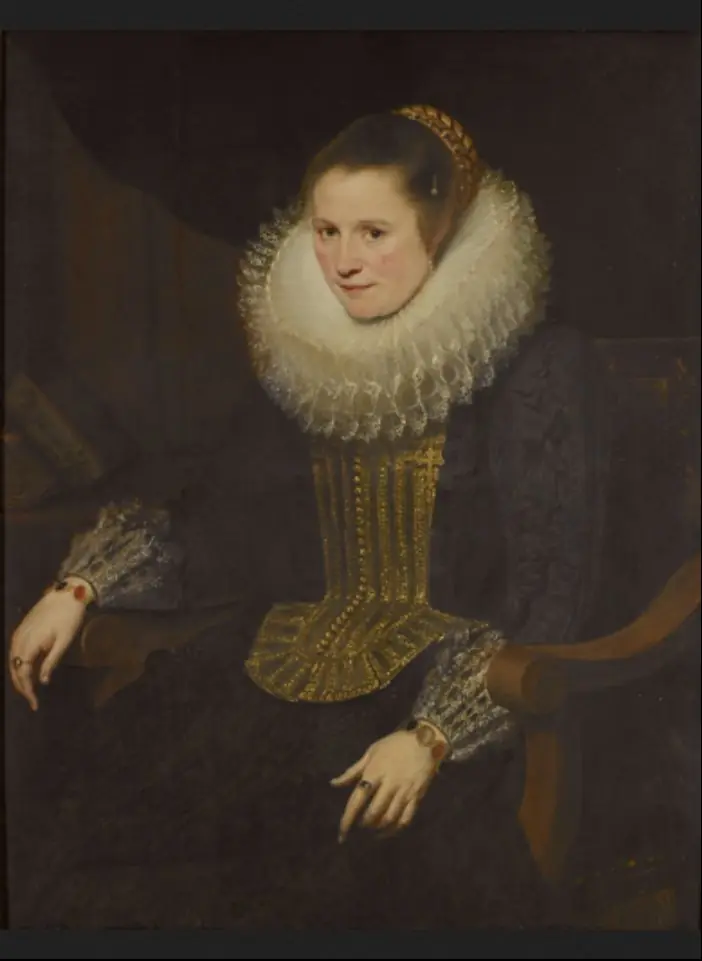
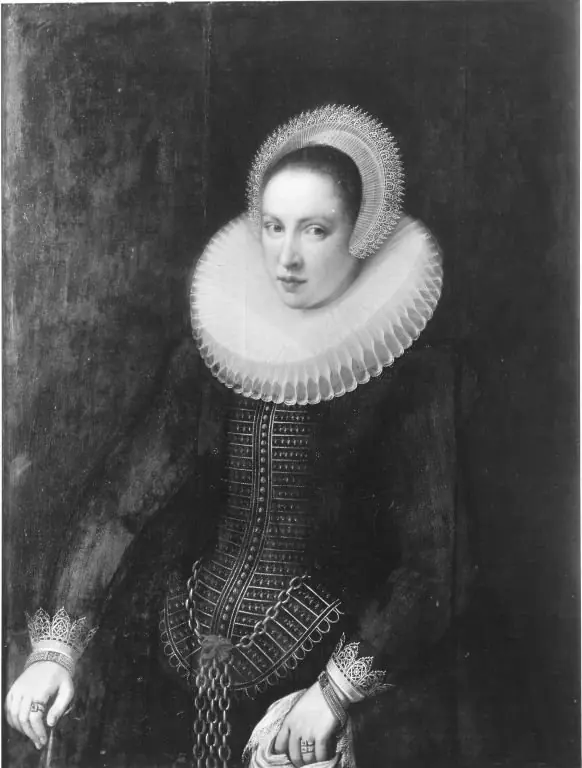 Portrait of an unknown woman aged 28 year
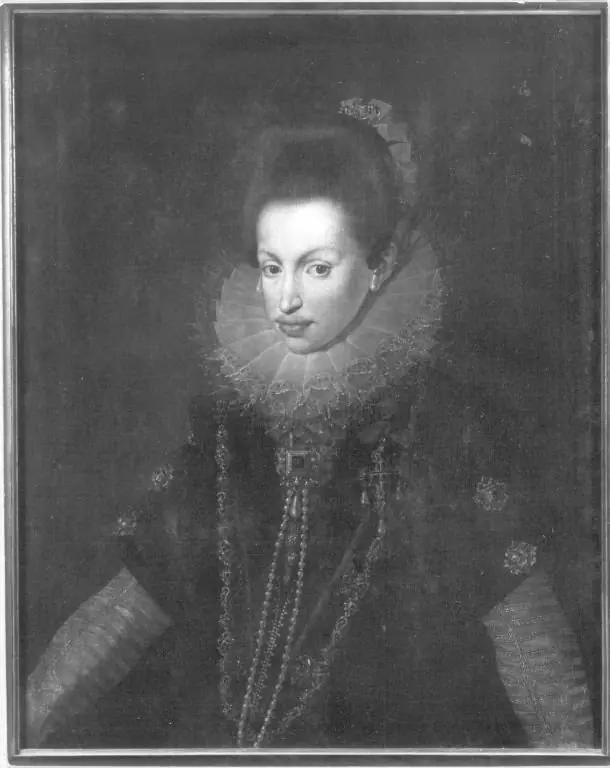 Bildnis der Erzherzogin Maria Anna (Kopie nach)
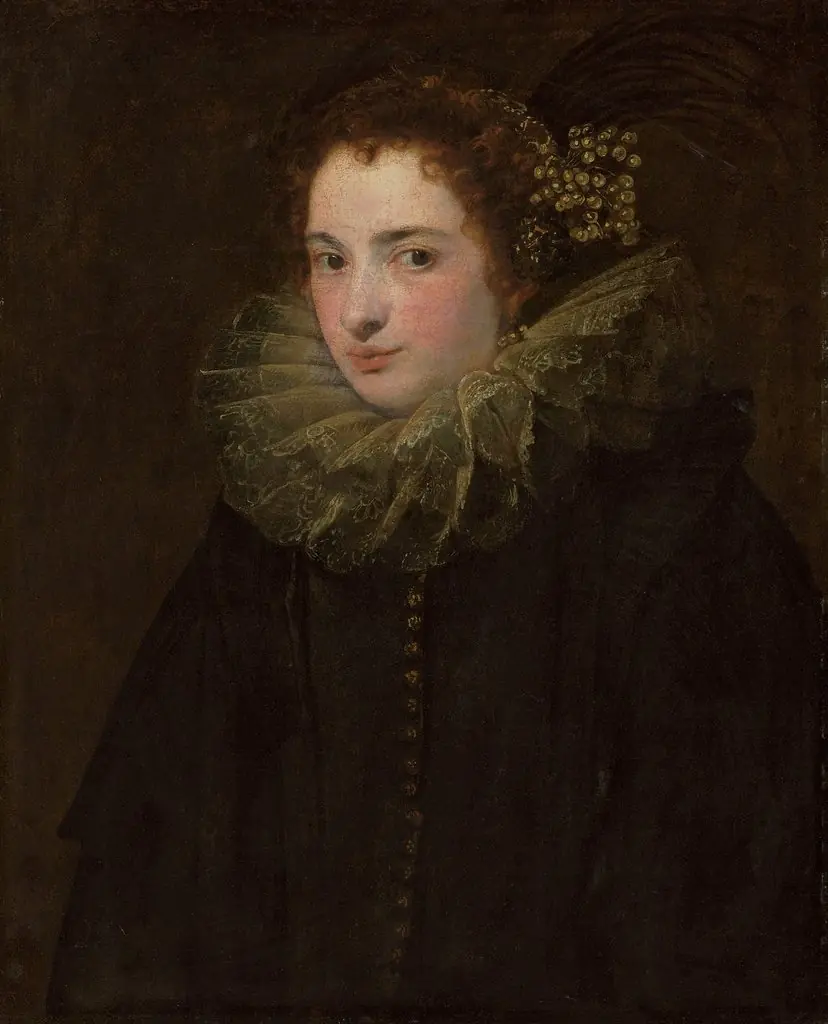 A portrait of a noblewoman
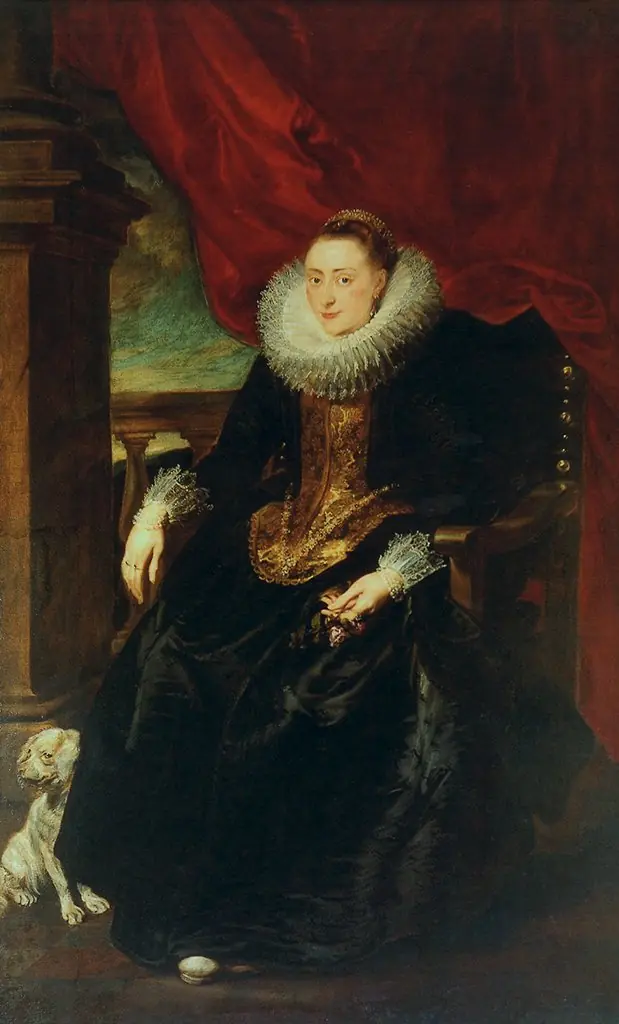 Portrait of a woman of the Vinck/Vincque family
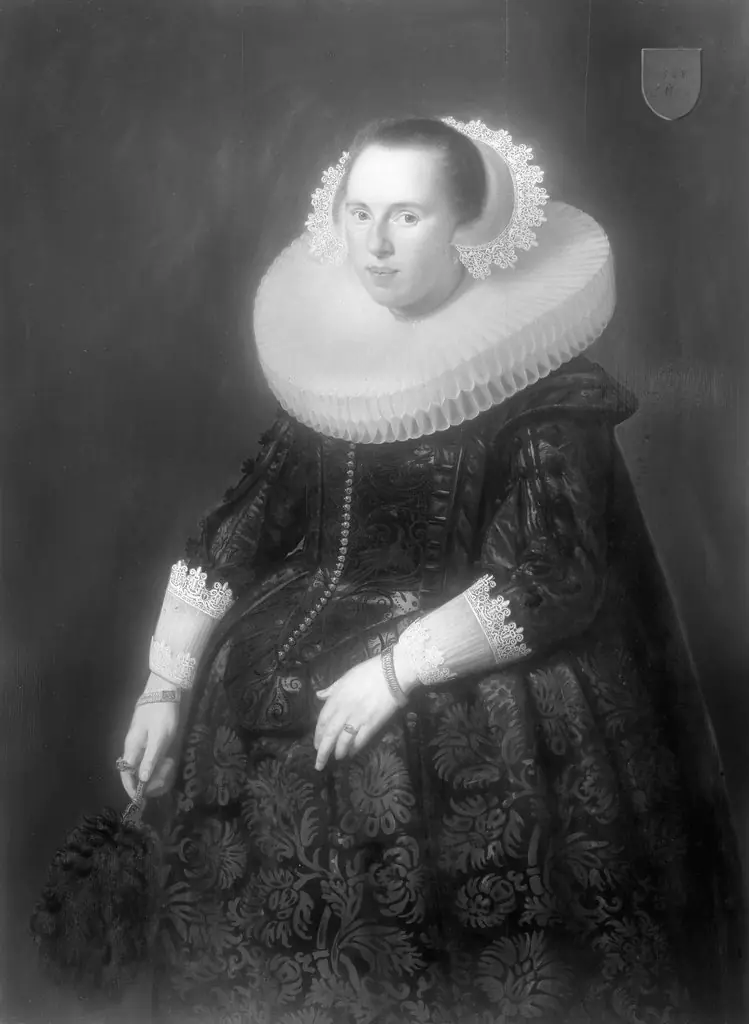 Portrait of a Young Woman
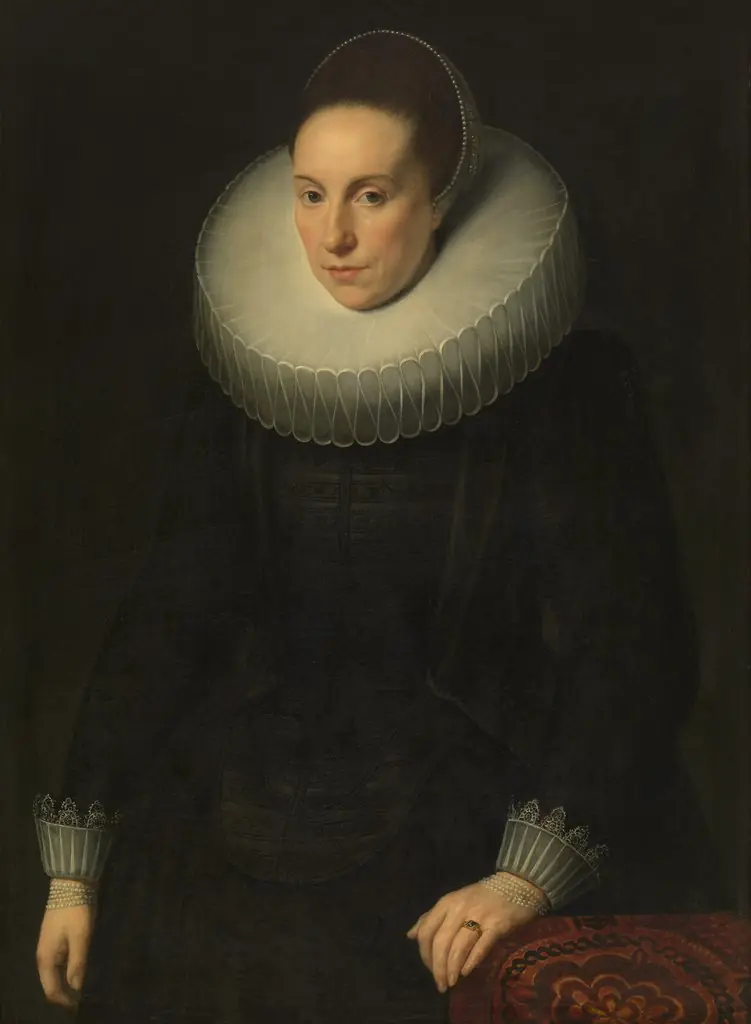 Portret van een vrouw
 Portrait of a Woman
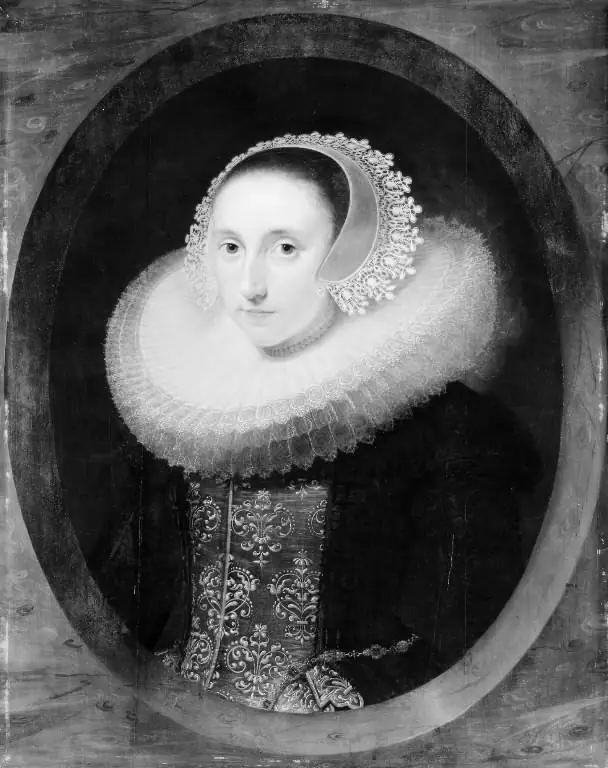 Portrait of a Young Lady
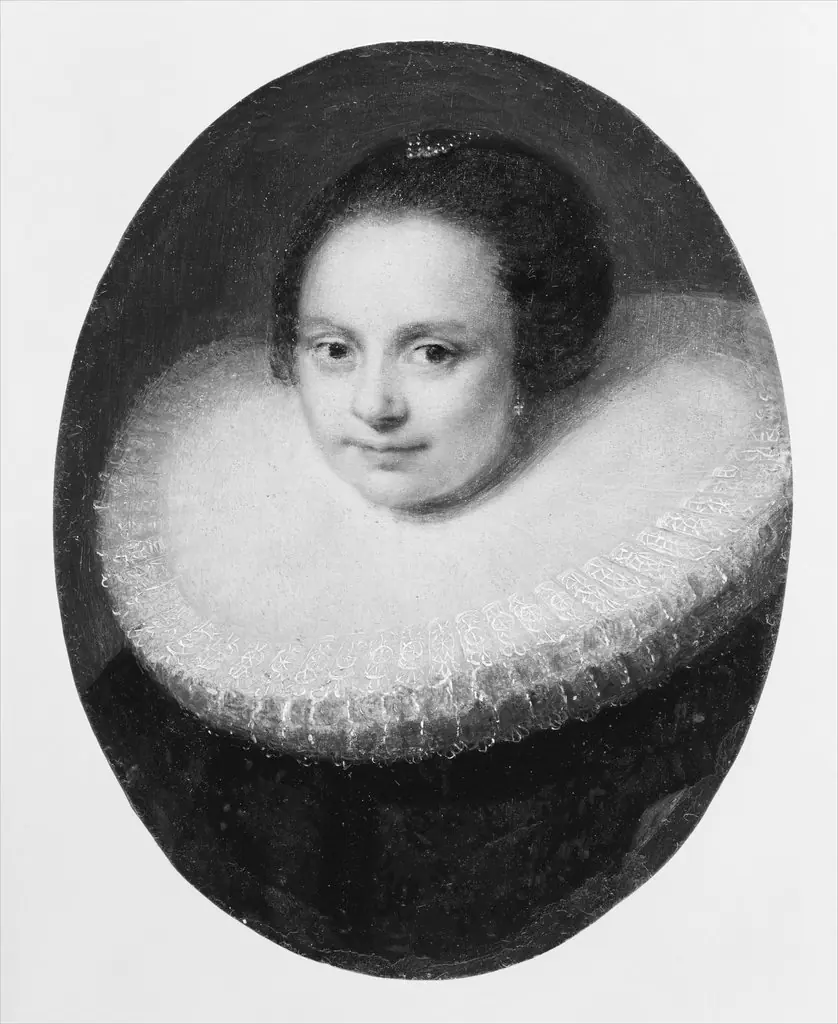 Portrait of a Woman
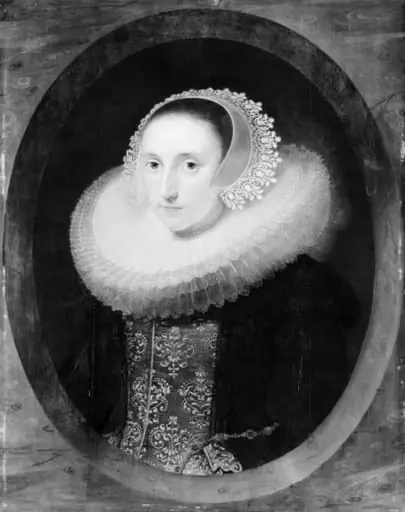 Portrait of a Young Lady
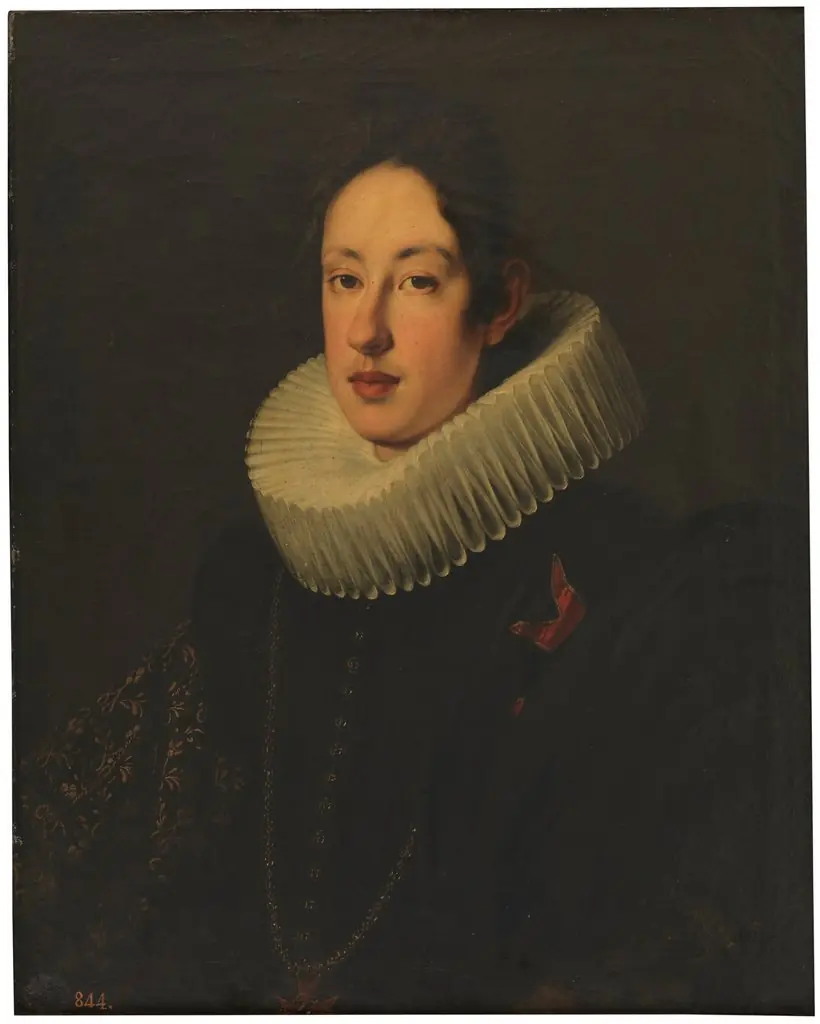 Portrait of Ferdinand II of Tuscany