Artwork
Portrait of Ferdinand II of Tuscany
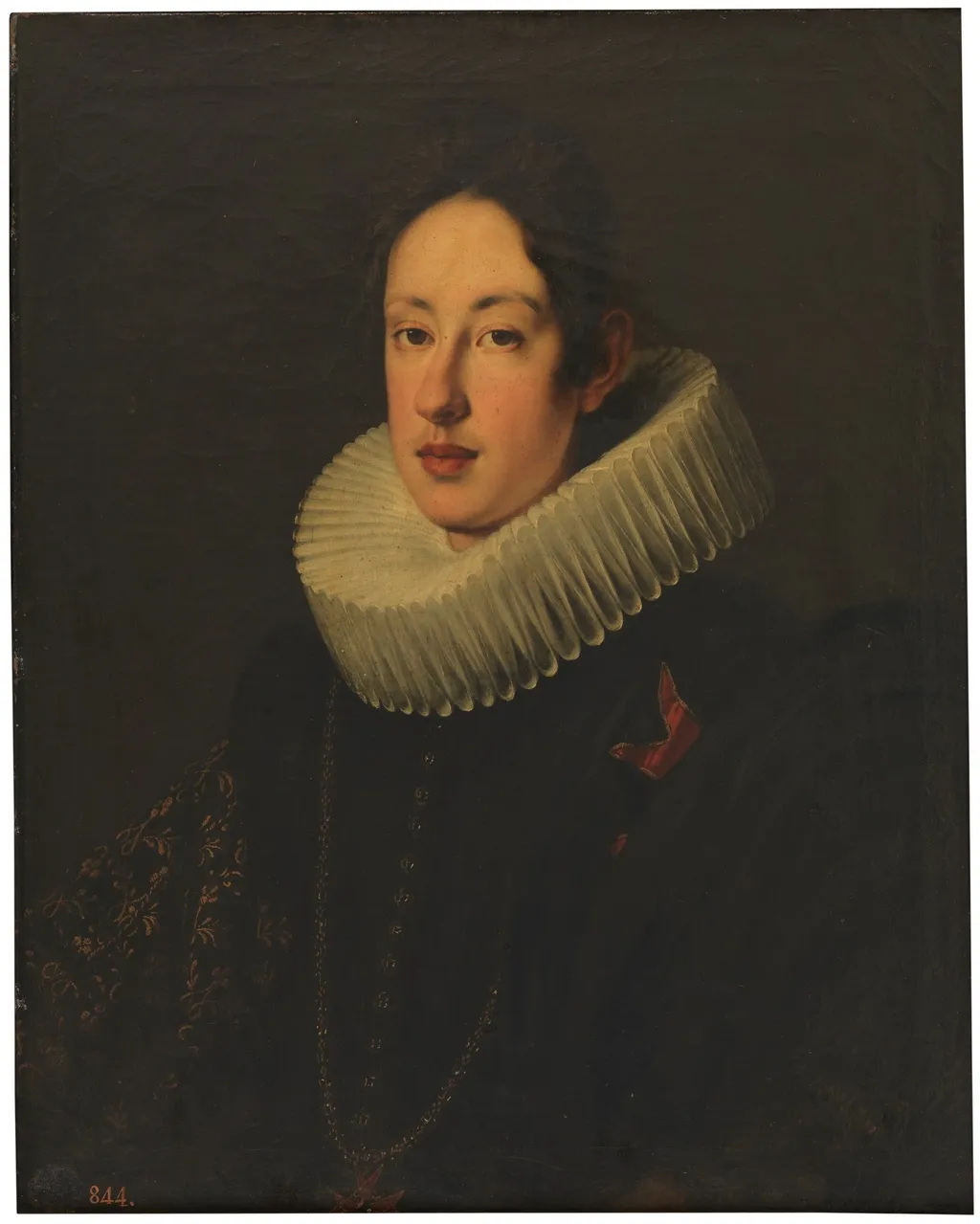
Portrait of Ferdinand II of Tuscany is an oil painting by the Early Baroque Italian artist Justus Sustermans. It dates from 1627 and is held in the collection of the Museo del Prado.
About this work
Subject & Meaning
The painting portrays Ferdinando II de' Medici, a member of the Medici dynasty who ruled the Grand Duchy of Tuscany in the early 17th century.
The painting portrays Ferdinando II de' Medici, a member of the Medici dynasty who ruled the Grand Duchy of Tuscany in the early 17th century. Rendered by Justus Sustermans in 1627, the portrait emphasizes the sitter's aristocratic status through formal attire and a direct gaze, reflecting the political authority and cultural patronage associated with the Medici family. The work belongs to the portrait genre and was created using oil paint on canvas, measuring 77 cm in height and 63 cm in width.
Technique & Style
The portrait of Ferdinand II of Tuscany by Justus Sustermans is executed in oil paint on canvas, a standard support for seventeenth-century Flemish-Italian court portraiture. The work measures 77 cm in height by 63 cm in width, an upright format suited to a half- or three-quarter-length depiction of the sitter. Classified as a portrait painting and dated to 1627, the medium and dimensions are consistent with Sustermans' characteristic production for the Medici court, in which oil on canvas allowed for the layered glazes and meticulous finish associated with his formal likenesses.
History & Provenance
Justus Sustermans executed the Portrait of Ferdinand II of Tuscany in 1627. Created using oil paint on canvas, the work depicts Ferdinando II de' Medici. The painting currently resides in the collection of the Museo del Prado, where it is held as part of their holdings.
Overview
Justus Sustermans painted this oil portrait in 1627 while serving as the Medici court artist. The work presents Ferdinando II de' Medici, Grand Duke of Tuscany, rendered in a restrained palette against a dark backdrop. It exemplifies the early Baroque interest in realistic likeness and dignified representation of ruling figures.
Context
The portrait reflects the broader early 17th‑century trend among European courts to commission lifelike images that reinforced dynastic legitimacy. As a Flemish artist working in Italy, Sustermans blended Northern attention to detail with Italian Baroque drama, producing a work that aligns with contemporary expectations of noble representation.
Own this work as a print
Artist & collection
Artist
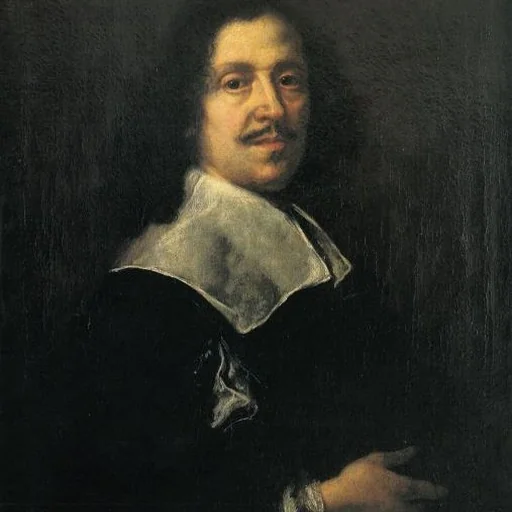
Justus Sustermans, Joost Sustermans or Suttermans, his given name Italianised to Giusto (28 September 1597 – 23 April 1681), was a Flemish painter and draughtsman who is mainly known for his portraits.

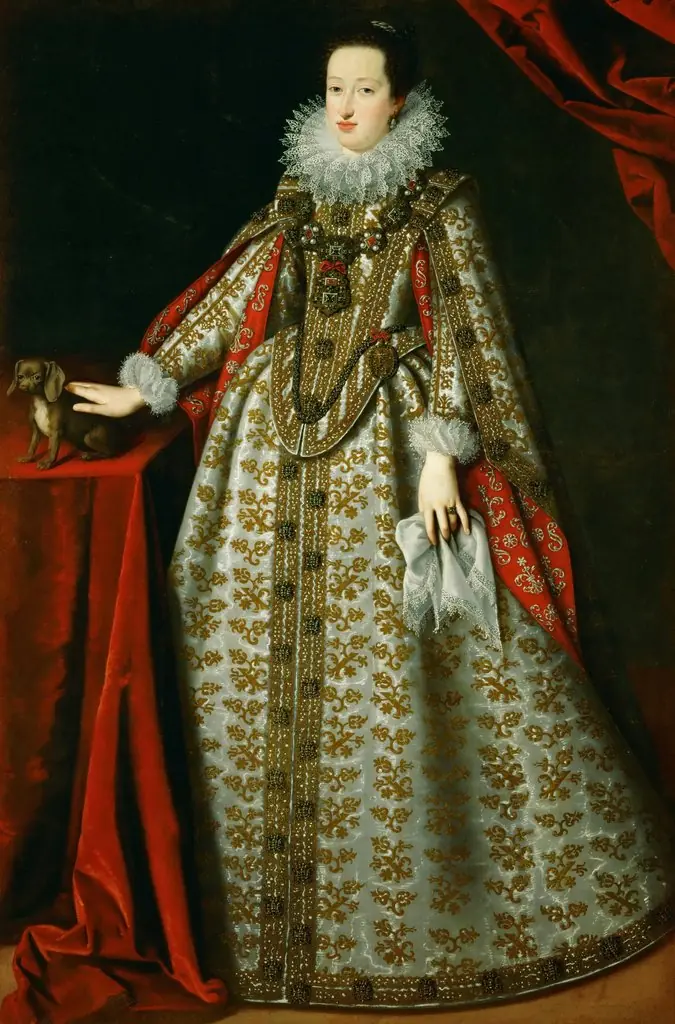 Portrait of Eleonore von Gonzaga (1598-1655), wife of Ferdinand II
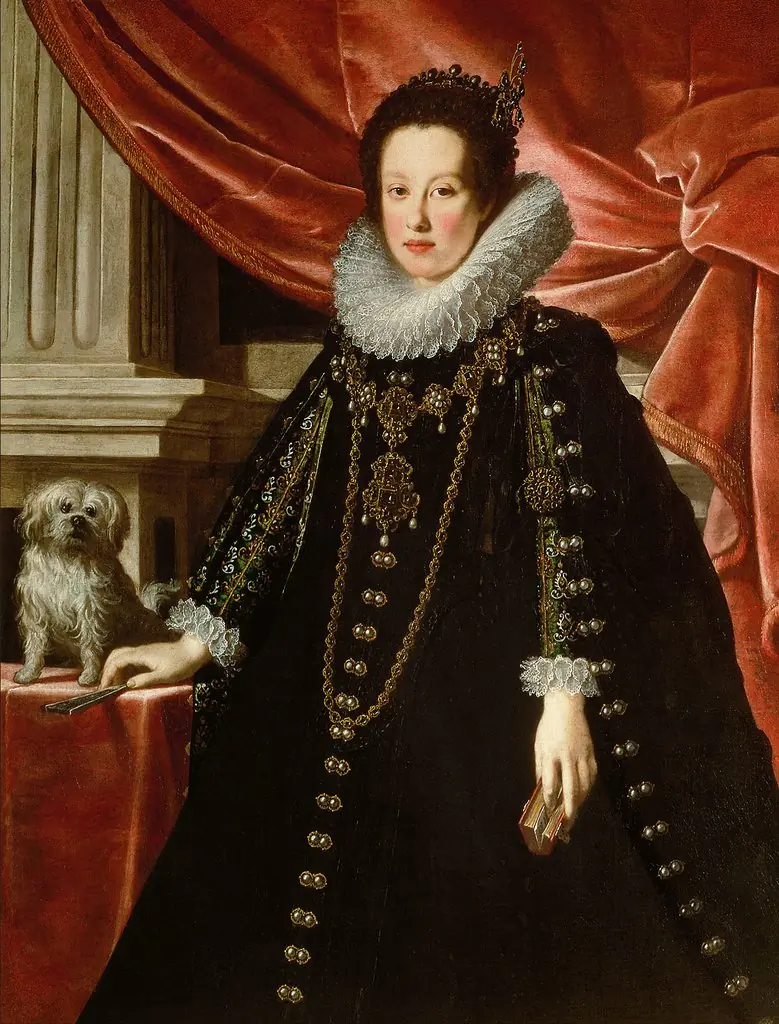 Portrait of Anna de' Medici (1616-1676), Archduchess with her Lapdog
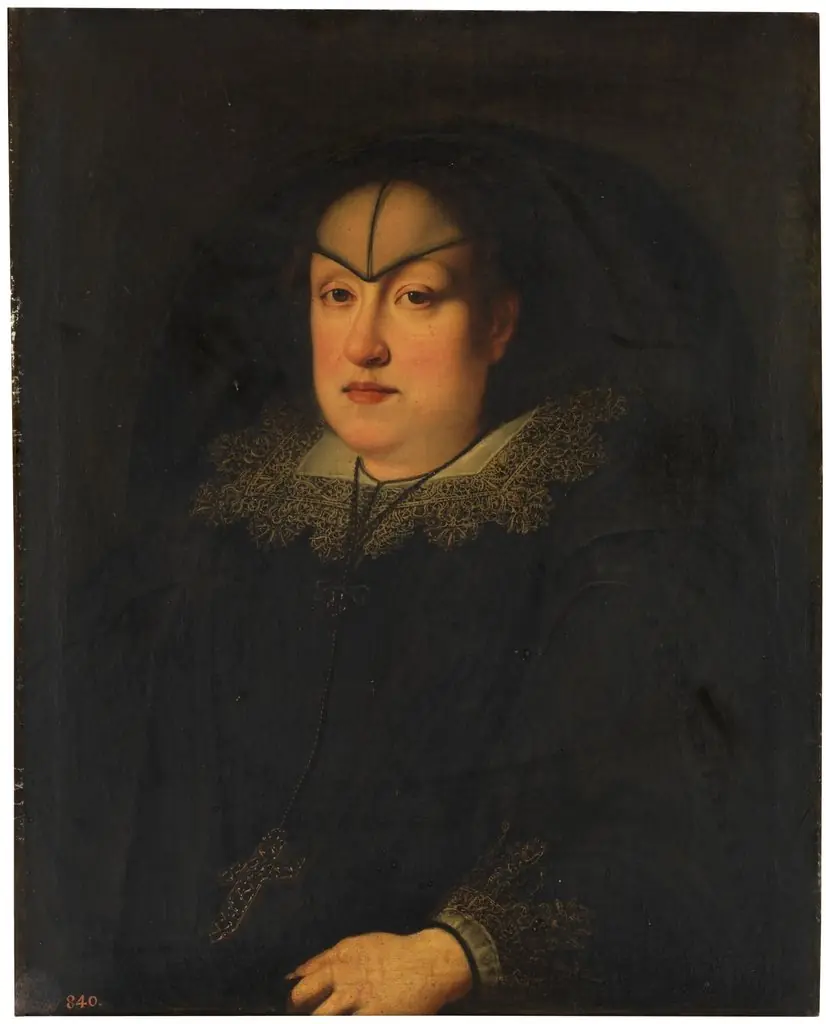 Portrait of Maria Maddalena of Austria as a widow
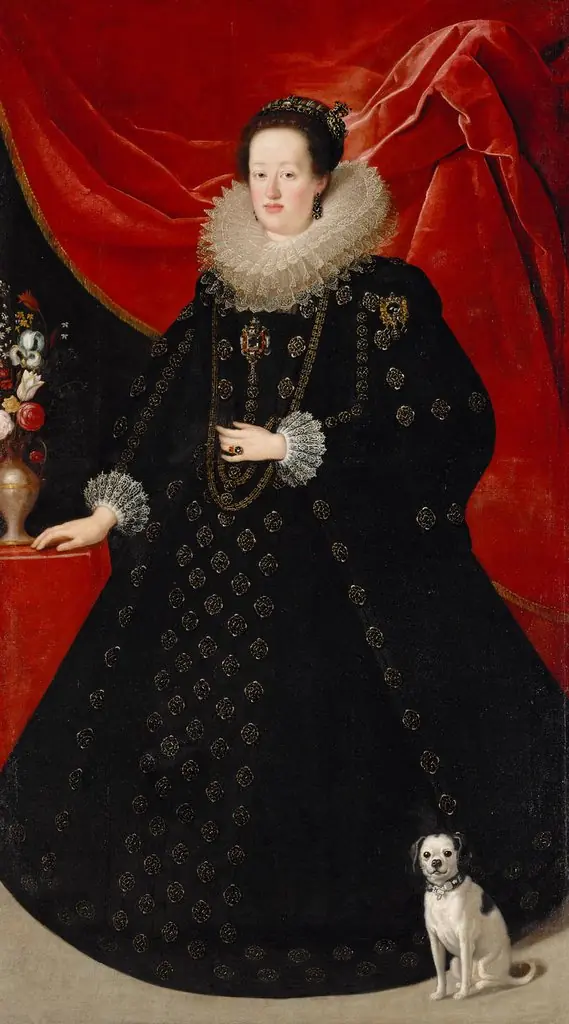 Portrait of Eleonore von Gonzaga (1598-1655), Empress in Black Dress
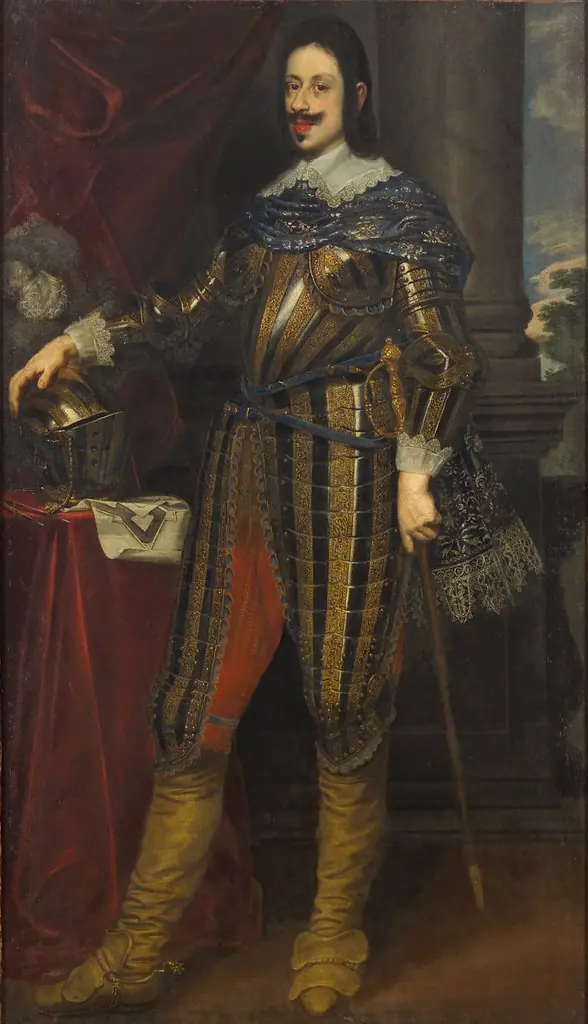 Grand-duke Ferdinand II of Tuscany (1610-1670) in Armour
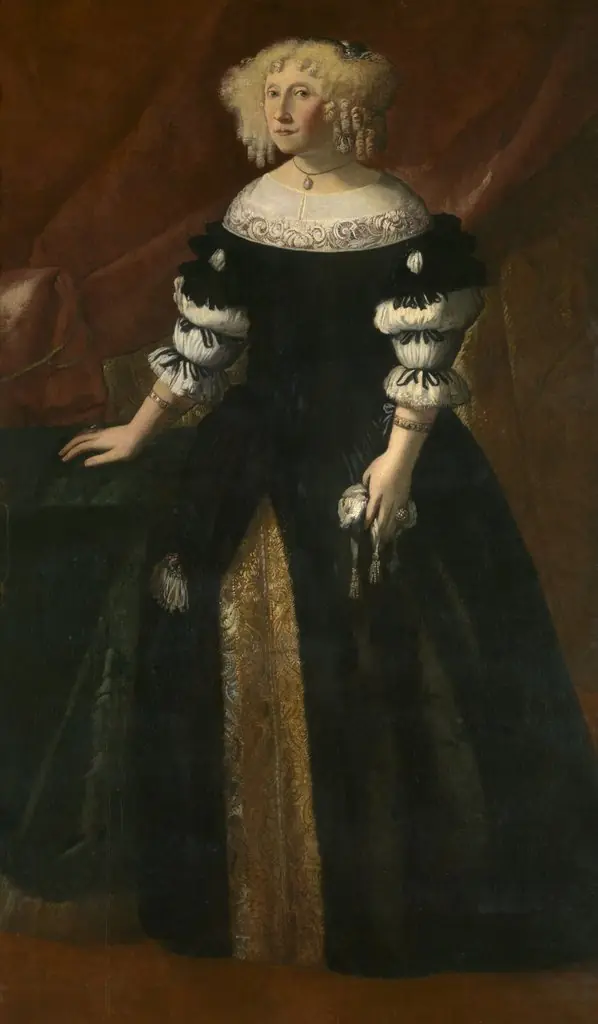 Portrait of a Woman
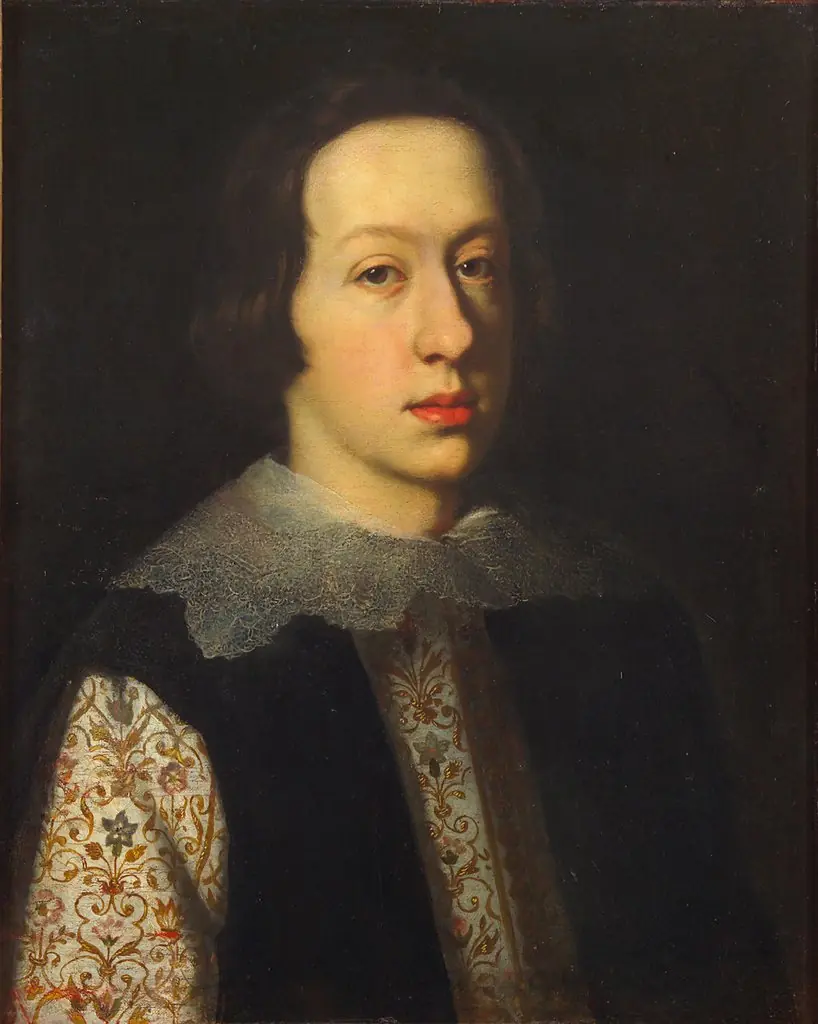 Portrait of Mattias de' Medici
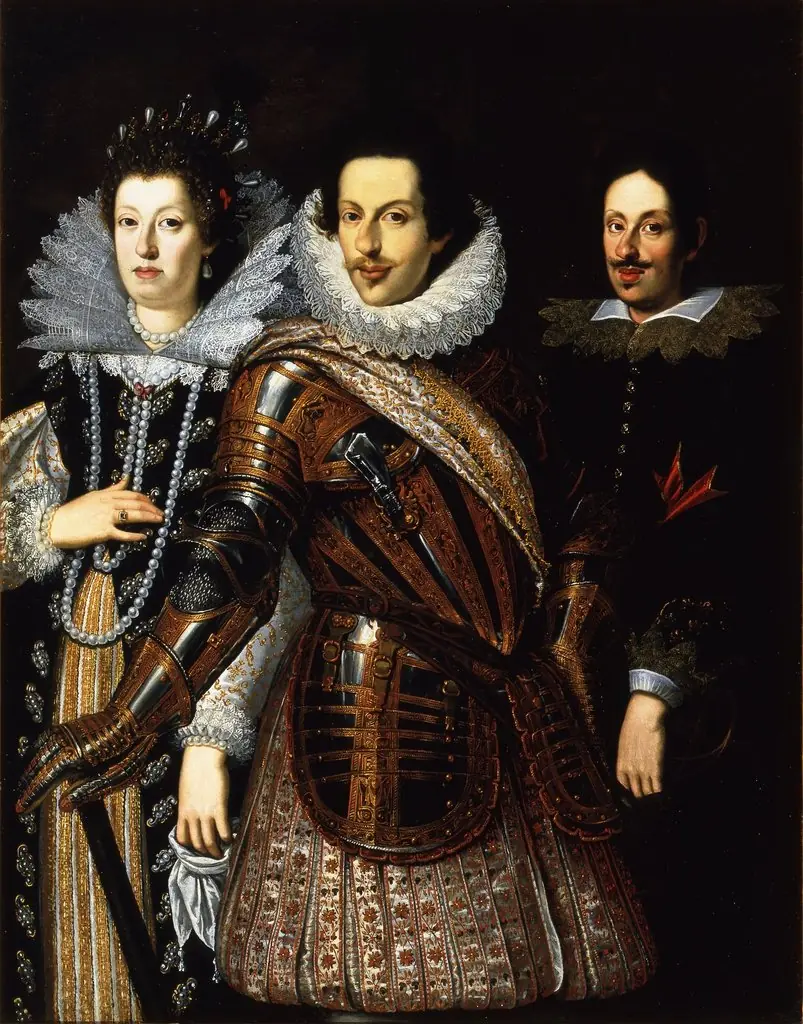 Cosimo II de’ Medici with his wife, Maria Maddalena of Austria and their son, Ferdinando II
- Portrait of Lucretia del Prado, Wife of Jeremias Boudinois
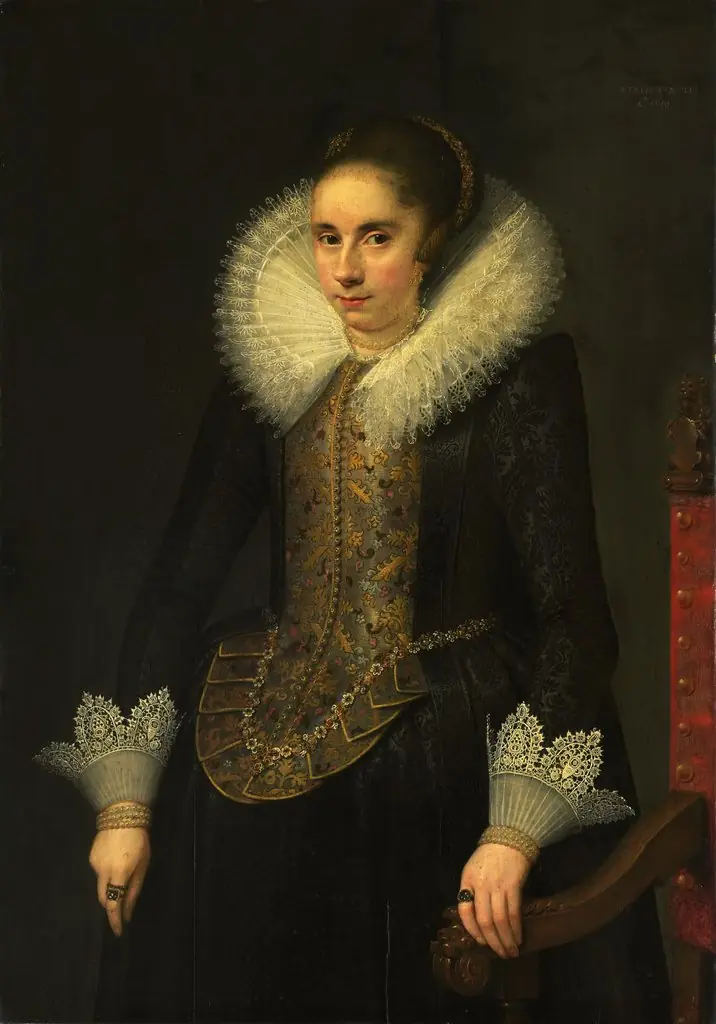 Portrait of Catharina Fourmenois (1598-1665)
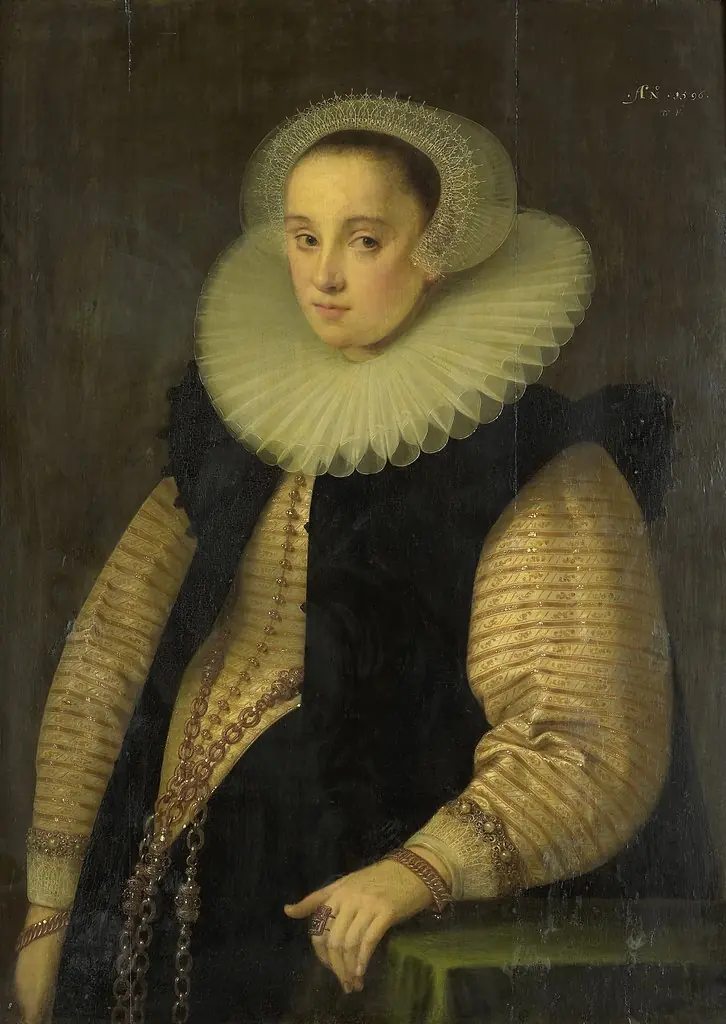 Portrait of Hortensia del Prado (died 1627), Wife of Jean Fourmenois
 Untitled
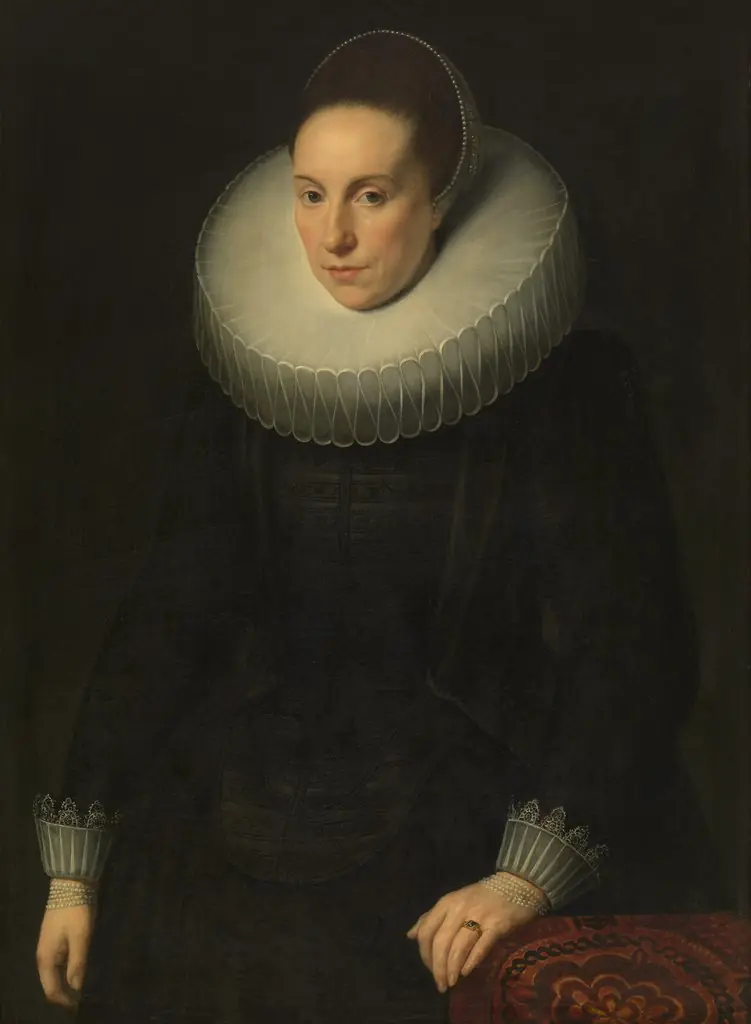 Portret van een vrouw
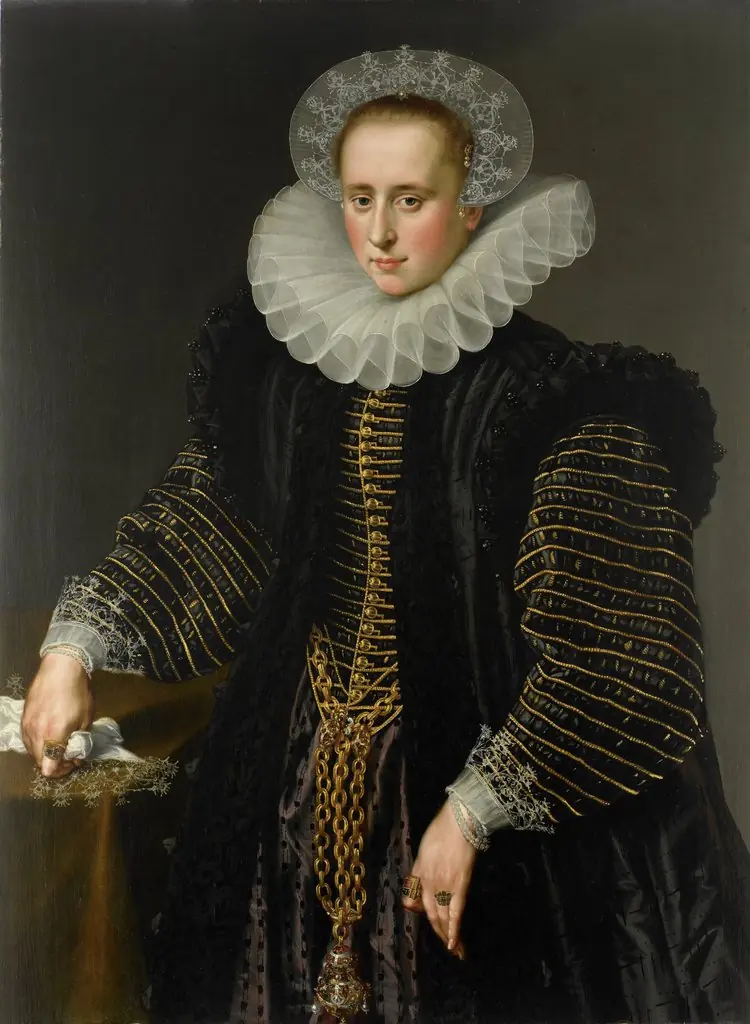 Portrait of a woman, probably Maria Schuurman (1575-1621)
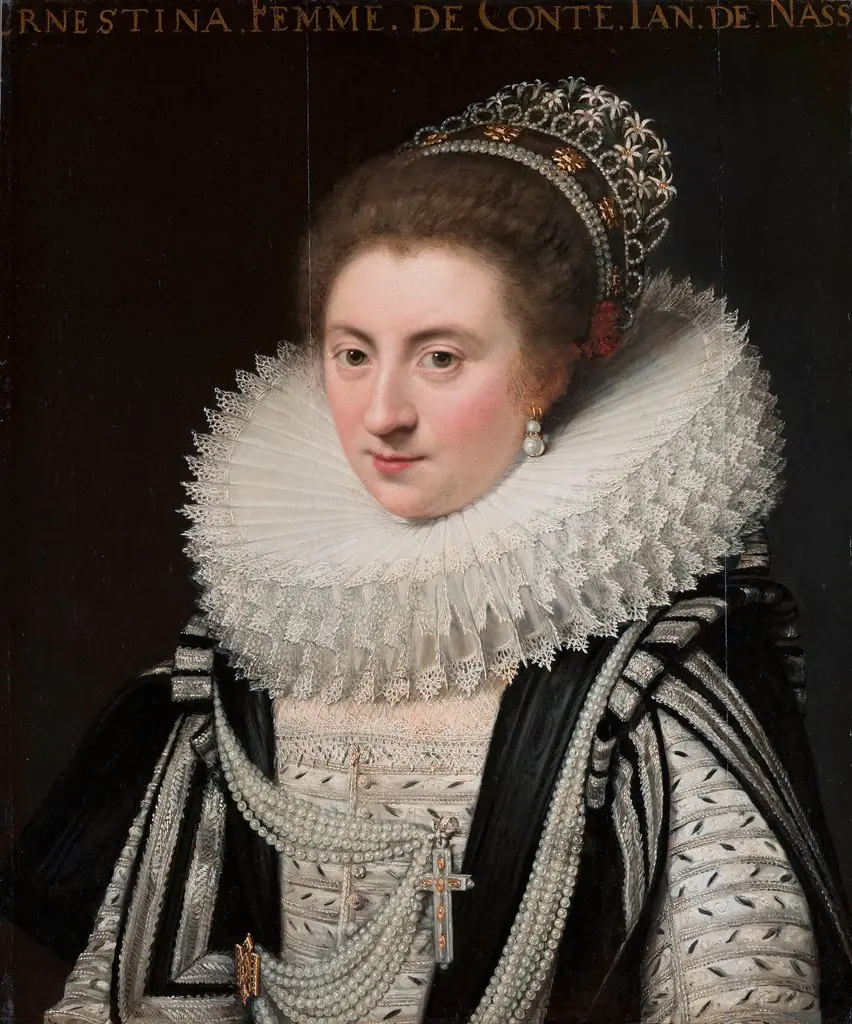 Portrait of Ernestine Yolande (1594-1663), Princess of Ligne
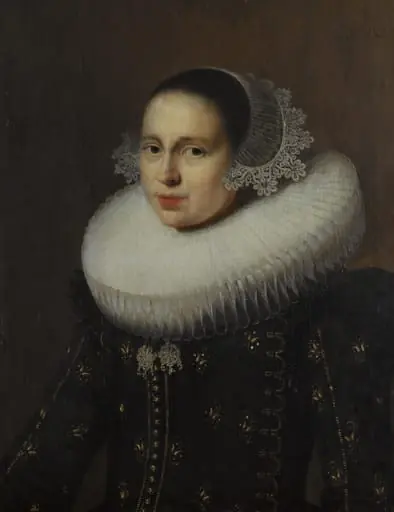 Portrait of Hendrickje Uylenburgh (1600-c. 1682)
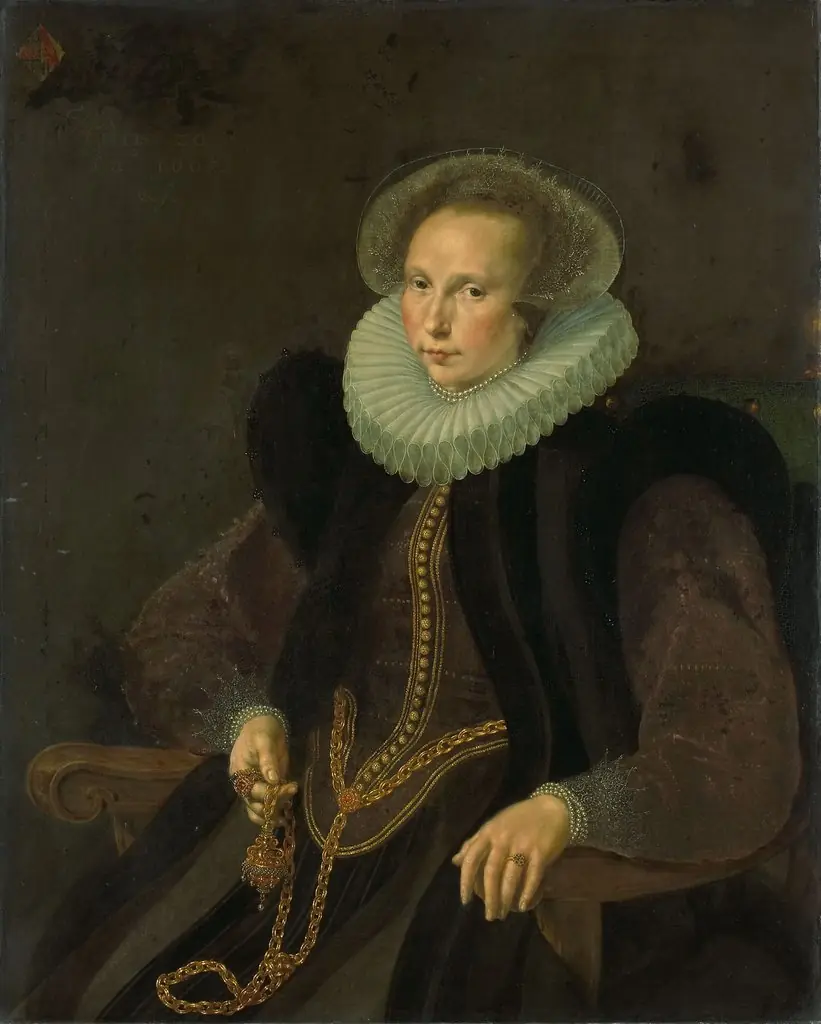 Portrait of Griete Jacobsdr van Rhijn (1585-1652). Wife of Jacob Cornelisz Banjaert, called van Neck
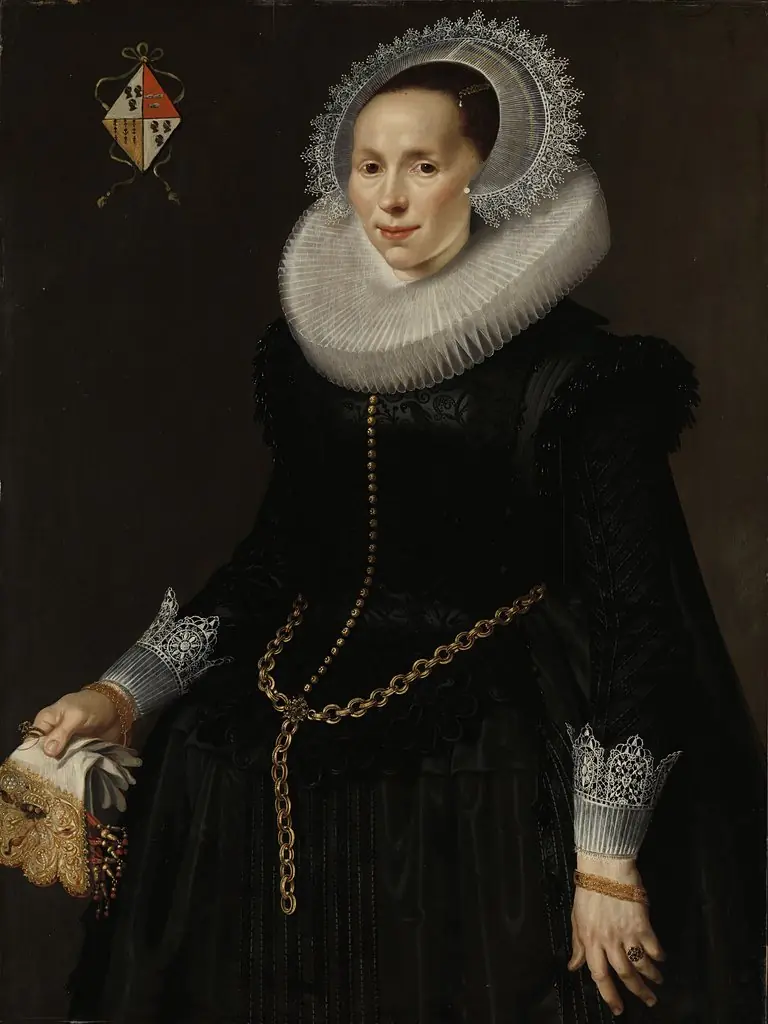 Portrait of Johanna Le Maire (c. 1601-60)
 Portrait of Jeanne de Planque
 Leonor de Màntua