Artwork
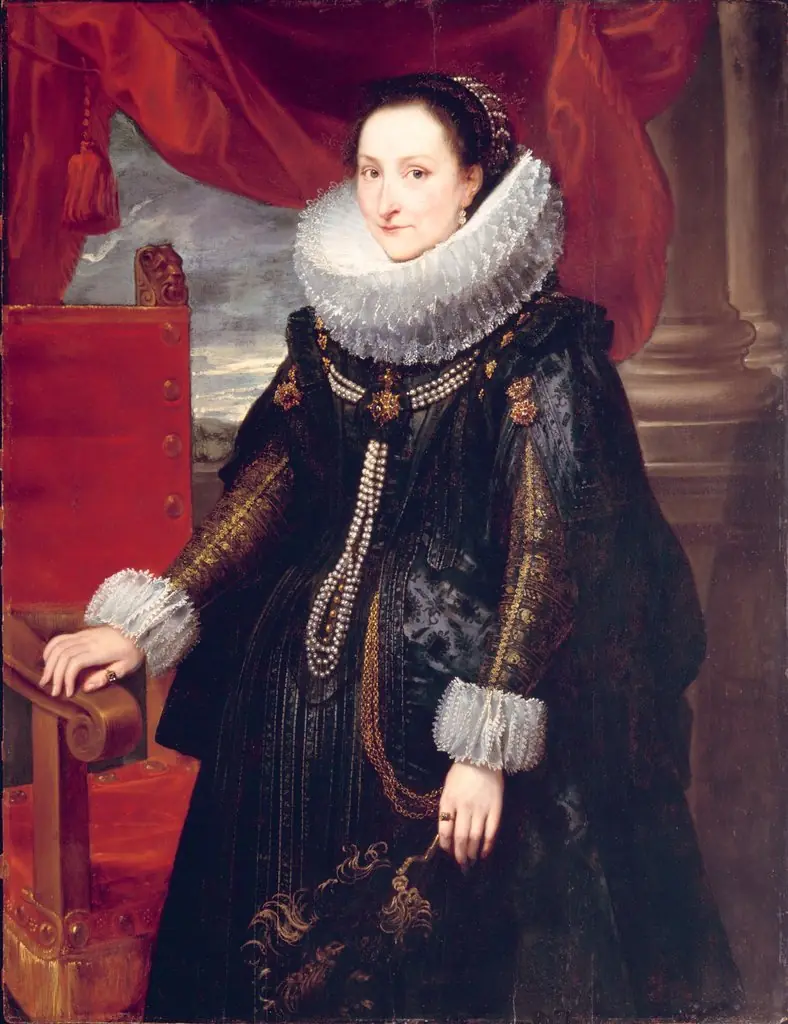
Portrait of a woman of the Vinck/Vincque family
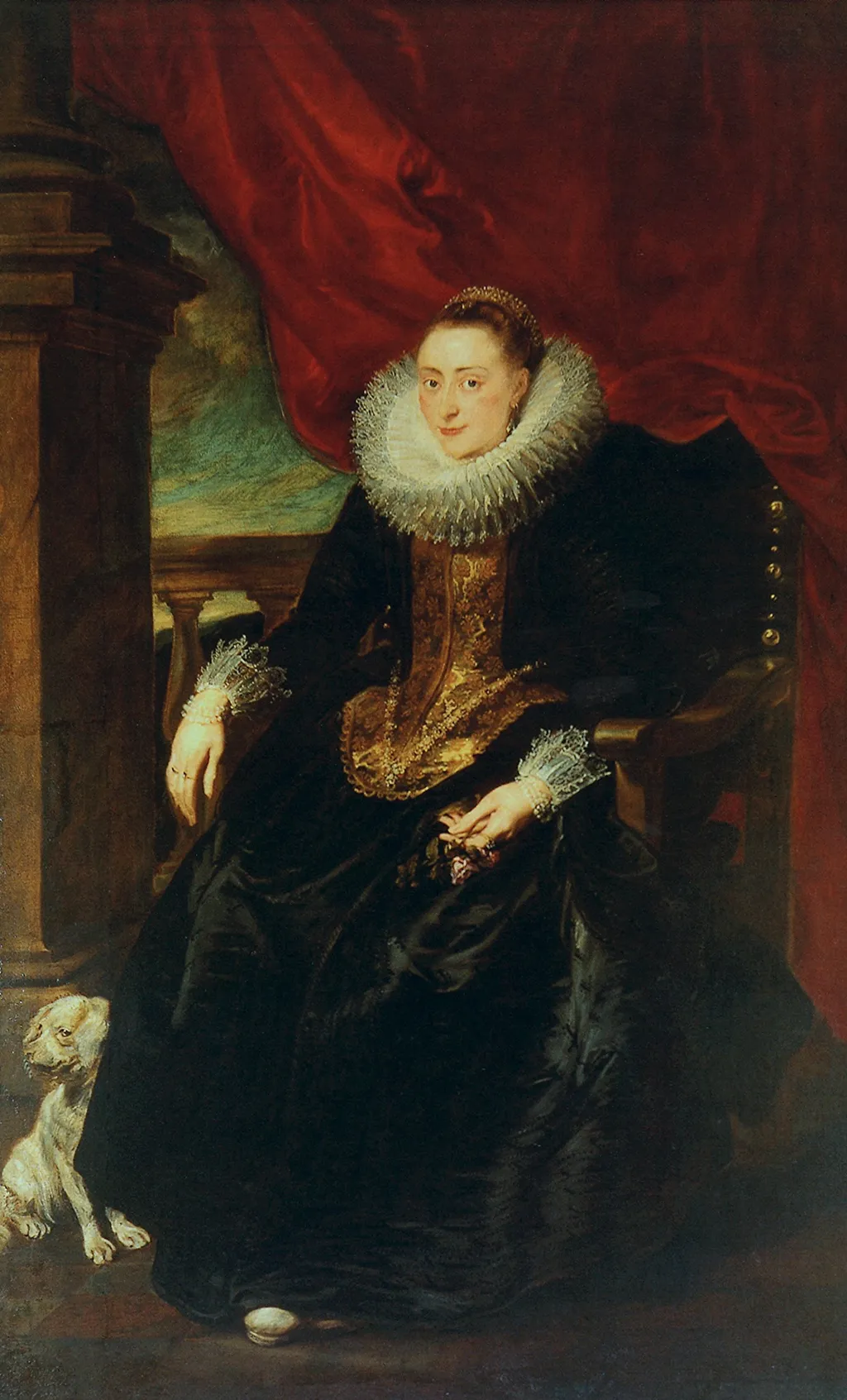
Portrait of a woman of the Vinck/Vincque family is an oil painting by the Flemish Baroque painting artist Anthony van Dyck. It dates from 1619 and is held in the collection of the Ashmolean Museum.
About this work
Technique & Style
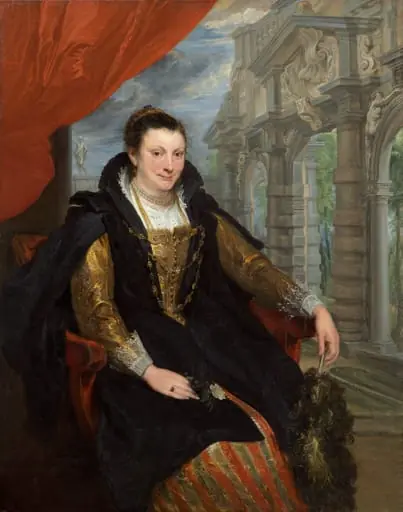
It depicts a woman accompanied by a dog, seated on a chair beneath a curtain, reflecting the compositional detail noted in the source.
The work is an oil painting executed on canvas, a format documented in its technical record. It depicts a woman accompanied by a dog, seated on a chair beneath a curtain, reflecting the compositional detail noted in the source. The painting measures 213 cm by 127 cm, matching the dimensions recorded for the piece. Its formal qualities align with the portrait genre as classified in the documentation.
The surface handling shows typical oil‑on‑canvas characteristics of early 17th‑century practice, though no specific conservation data are provided in the available sources.
History & Provenance
The Portrait of a woman of the Vinck/Vincque family was created in 1619 as an oil on canvas portrait by Anthony van Dyck. It entered the collection of the Ashmolean Museum in Broadlands and remains part of its holdings, reflecting a continuous ownership chain from its inception to the present.
The painting is held in the collection of the Ashmolean Museum. While specific inventory or accession numbers are not provided in the available records, the work is documented as part of this institution's holdings. The sources do not contain information regarding any past or current exhibitions featuring this portrait.
Context
The portrait, painted in 1619, exemplifies Van Dyck's early mastery of psychological depth and aristocratic representation within the evolving Baroque tradition. It reflects his emerging skill in rendering fabric textures and subtle facial expressions, positioning the work at a pivotal moment in his career before his continental breakthroughs. The inclusion of symbolic elements like the dog and curtain underscores contemporary portraiture's narrative complexity, while its stylistic choices resonate with the broader shift toward naturalism in 17th-century European art.
Scholarship emphasizes its significance as an early independent commission, illustrating Van Dyck's ability to blend personal intimacy with elite status signaling. The composition's influence can be traced through later portraitists who adopted his refined spatial arrangements and nuanced lighting techniques.
Overview
Anthony van Dyck’s 1619 oil portrait presents a seated woman of the Vinck (also recorded as Vincque) family. She is positioned beside a modest chair, a draped red curtain, and a small white dog at her feet. The composition emphasizes her individual presence, aligning with early‑17th‑century portrait conventions that highlighted personal identity and social standing.
Subject & Meaning
The sitter is dressed in dark attire accented by a crisp white collar and elaborately embroidered gold sleeves, holding a delicate fan in one hand. The inclusion of the dog, a common symbol of fidelity, and the luxurious fabrics suggest wealth and refinement, while the restrained pose conveys a measured dignity typical of the period’s genteel portraiture.
Own this work as a print
Artist & collection
Artist
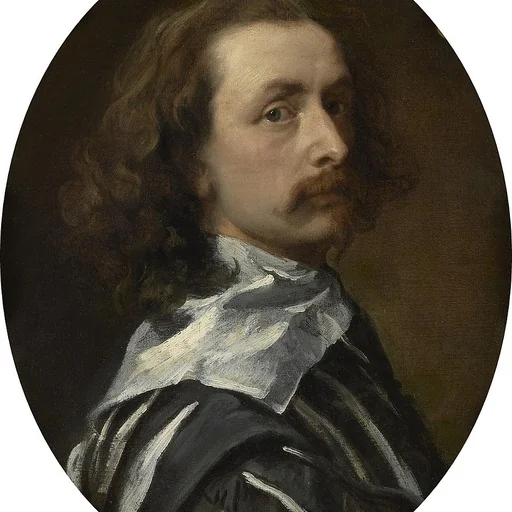
Sir Anthony van Dyck (; Dutch: Antoon van Dijck; 22 March 1599 – 9 December 1641) was a Flemish Baroque artist, who became the leading court painter in England after success in the Spanish Netherlands and Italy.

- Isabella Clara Eugenia, wife of Albrecht VII
 Portrait of a Woman
 Portrait of a Woman
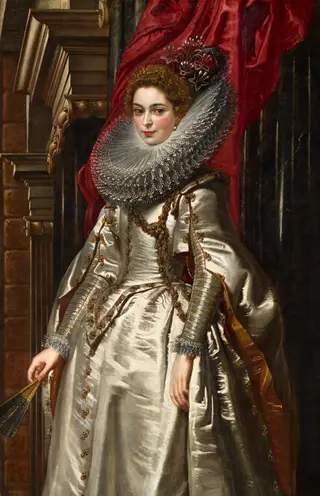 Marchesa Brigida Spinola Doria
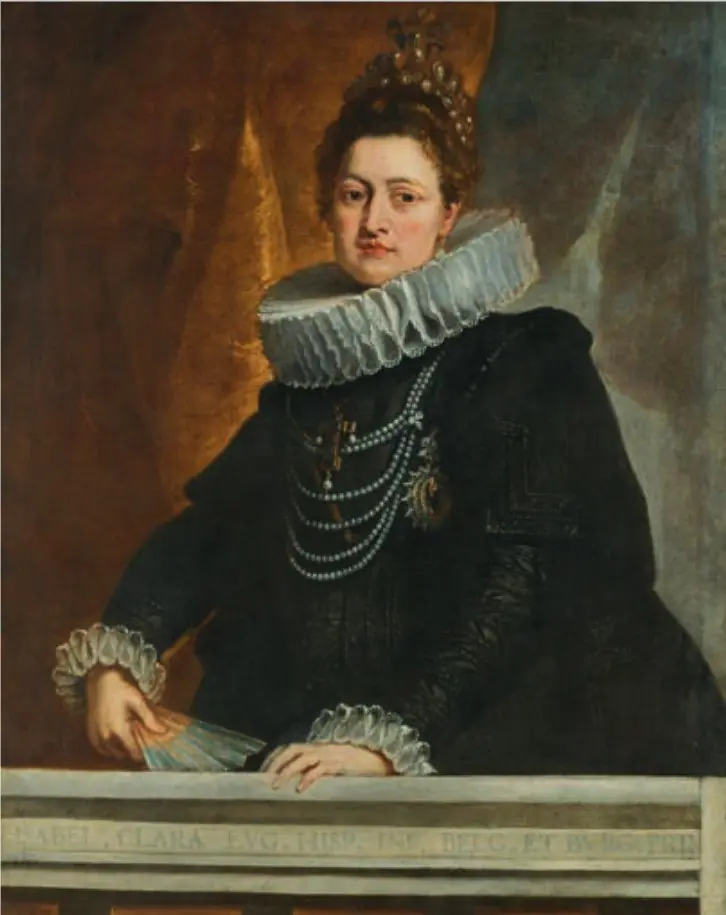 Portrait of Isabella Clara Eugenia
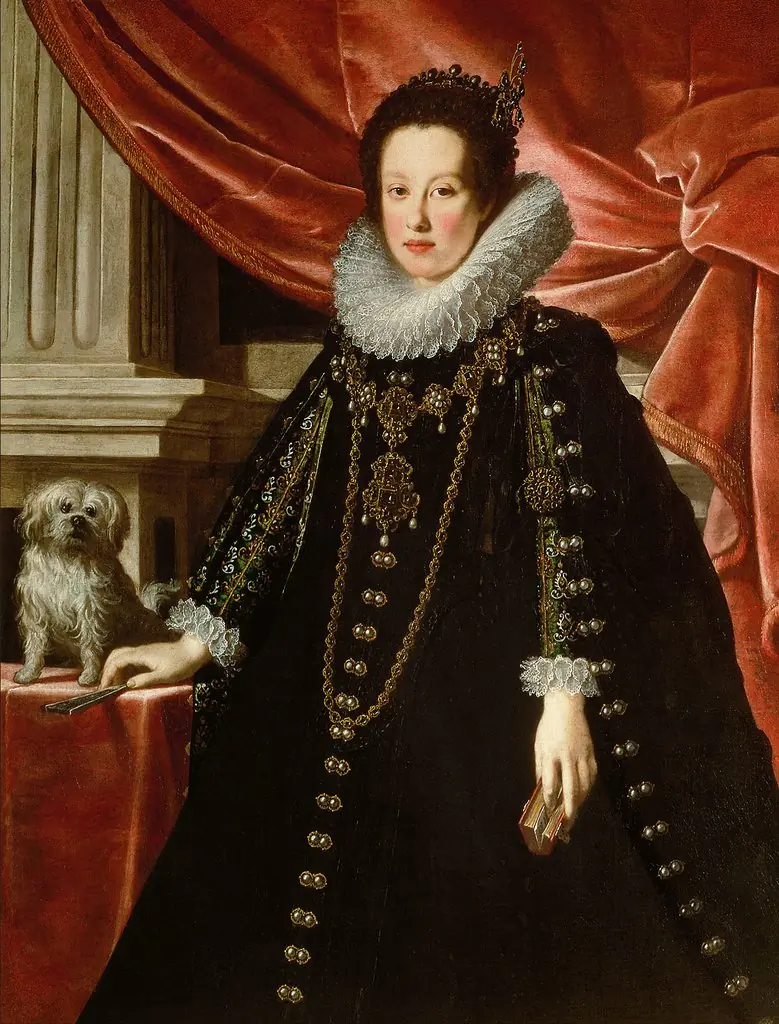 Portrait of Anna de' Medici (1616-1676), Archduchess with her Lapdog
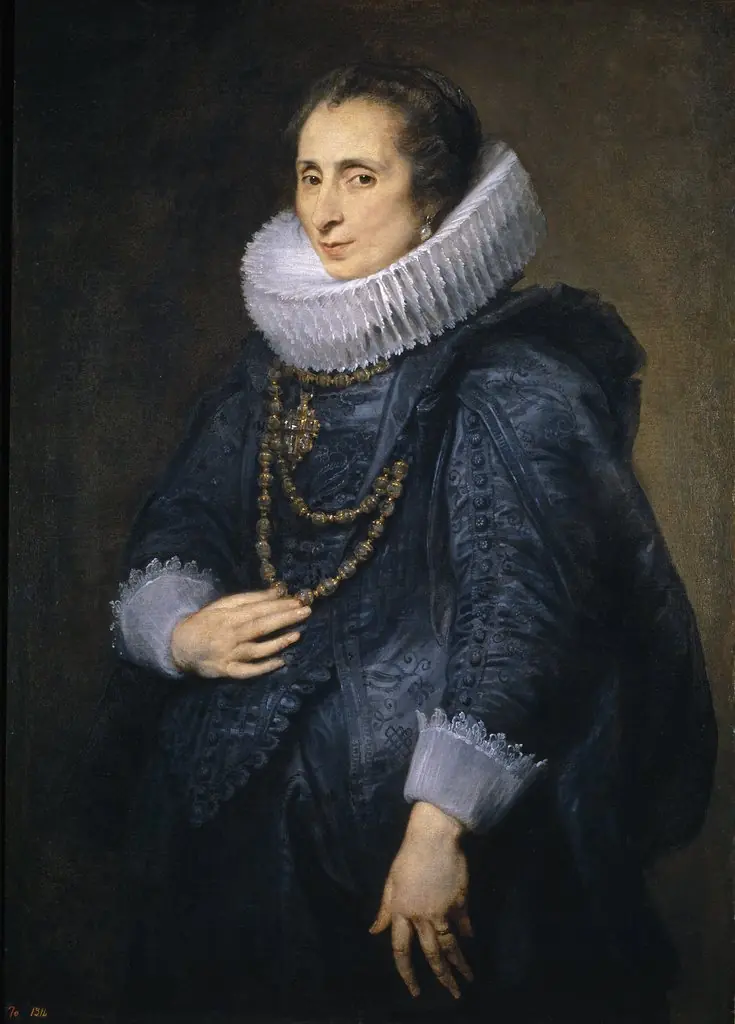 Unknown Lady
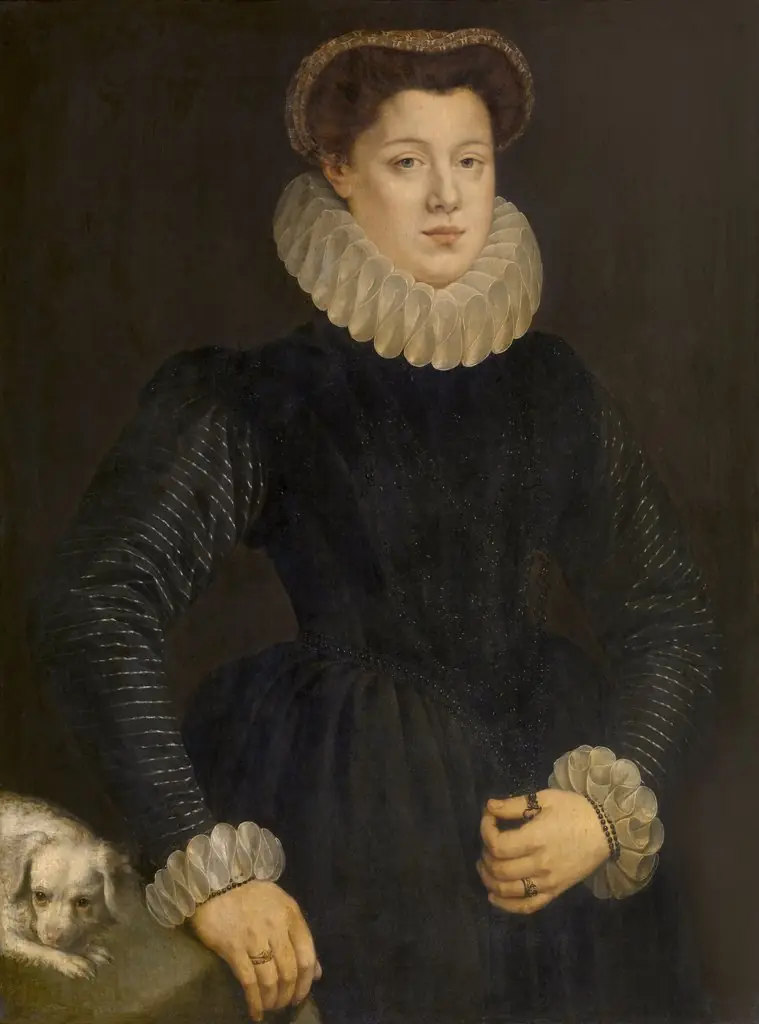 Portrait of a Lady
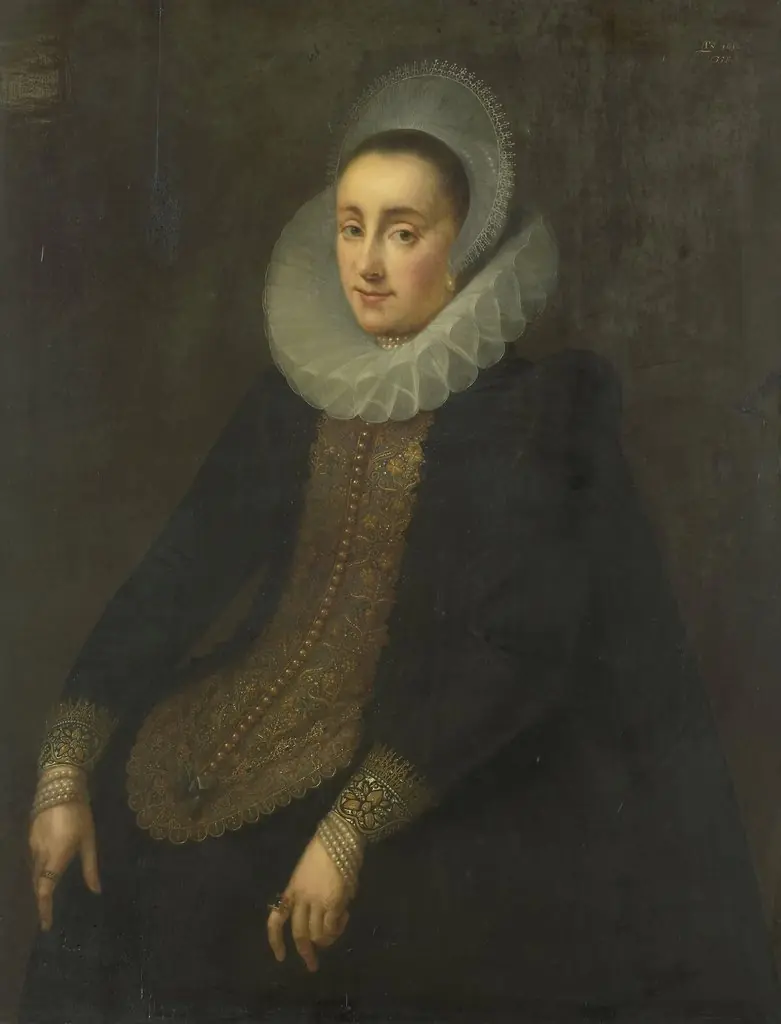 Portrait of Lucretia del Prado, Wife of Jeremias Boudinois
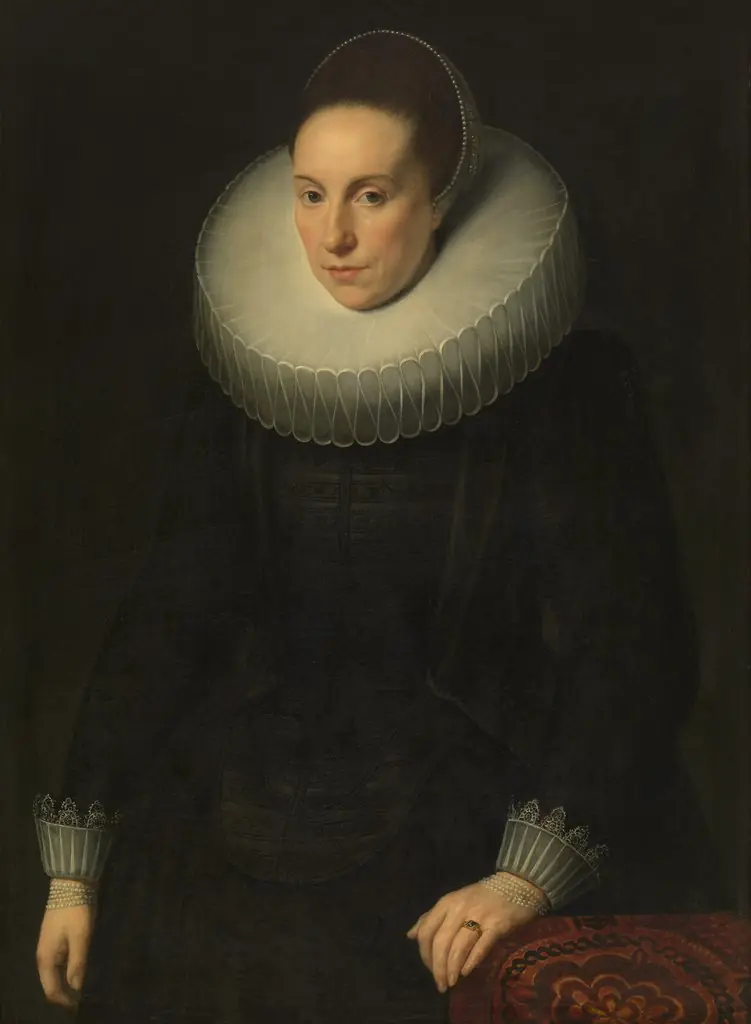 Portret van een vrouw
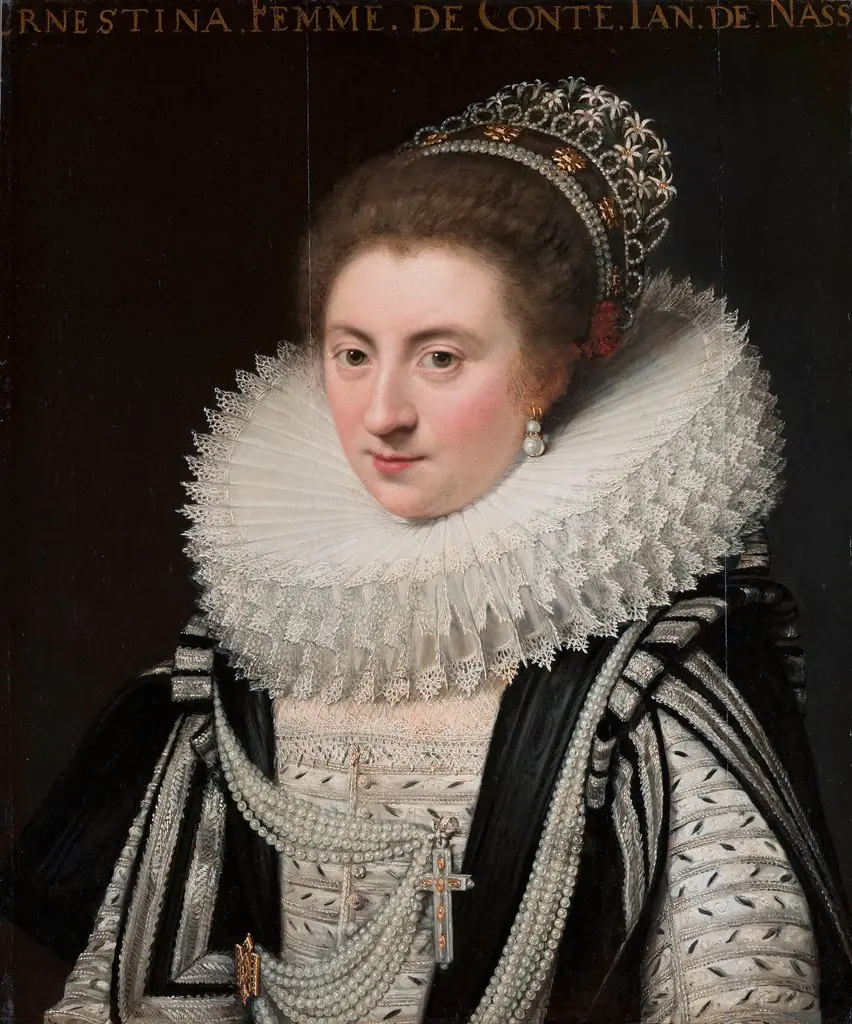 Portrait of Ernestine Yolande (1594-1663), Princess of Ligne
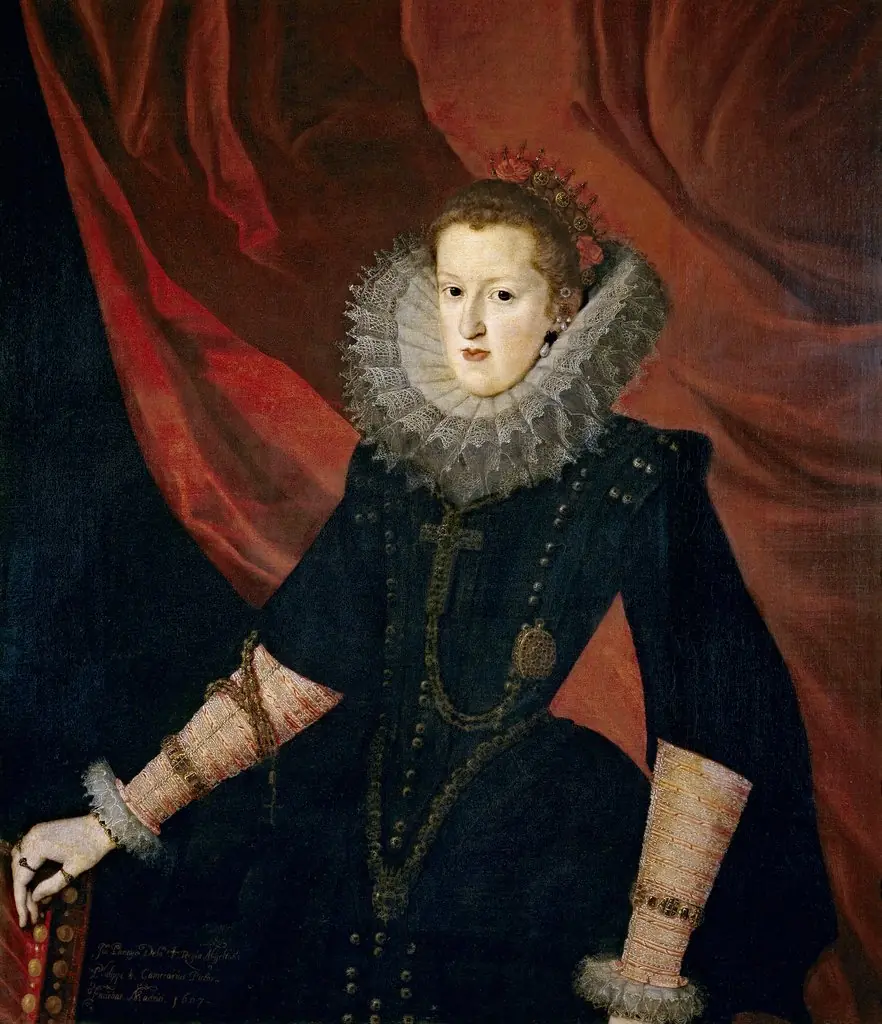 Margaret of Austria