Artwork
Aeneas Becomes a God
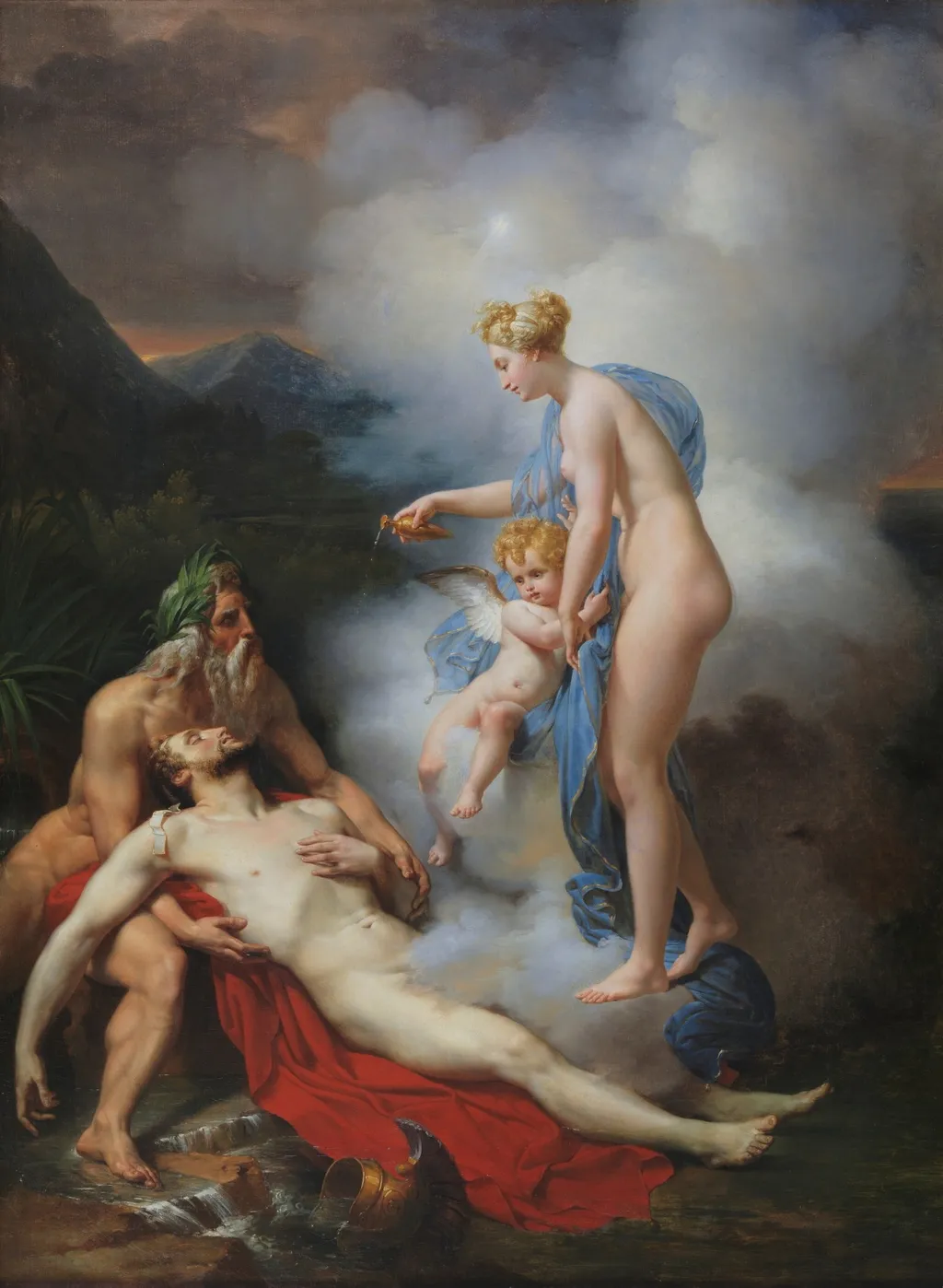
Aeneas Becomes a God is an oil painting by Merry-Joseph Blondel. It dates from 1820 and is held in the collection of the Museo del Prado.
About this work
Subject & Meaning
Through this scene, the work evokes the Vergilian tradition of Aeneas as the founder of Rome and a figure elevated by divine favor.
The painting depicts the apotheosis of the Trojan hero Aeneas, who is shown ascending to divinity as a radiant figure amid clouds. He is accompanied by Venus, his divine mother, and Cupid, who personifies love and guides the ascent. The elderly healer Iapyx, identifiable by his staff, witnesses the transformation, grounding the scene in classical narrative.
The composition emphasizes Aeneas’s deification as part of a mythological lineage, underscoring themes of ancestry and destiny. Through this scene, the work evokes the Vergilian tradition of Aeneas as the founder of Rome and a figure elevated by divine favor.
Technique & Style
Executed in oil on canvas in 1820, the work measures 127 cm in height and 96 cm in width.
The composition privileges neoclassical clarity, arranging figures along a shallow stage-like space. Blondel’s handling blends smooth modeling with crisp contours to articulate anatomy and drapery, while a cool, even light defines forms without pronounced impasto. The palette relies on restrained tones, punctuated by accents of pale flesh and muted drapery, reflecting the period’s academic practice.
The state of preservation is not detailed in the cited sources.
History & Provenance
Aeneas Becomes a God is an oil painting by Merry-Joseph Blondel dated to 1820. The work is held in the collection of the Museo del Prado, where it remains located. Wikidata records its inception as 1820, with no further details on commission, intermediate ownership, or acquisition history provided in the available sources.
The painting measures 127 cm in height by 96 cm in width and is executed in oil on canvas. It depicts a mythological scene featuring Venus, Cupid, Aeneas, and Iapyx. Beyond the date of creation and its current placement at the Museo del Prado, the available sources do not document the circumstances of the work's commission, its early provenance, or how it entered the museum's holdings.
Merry-Joseph Blondel's 1820 painting Aeneas Becomes a God is held in the collection of the Museo del Prado in Madrid. The work, executed in oil on canvas, depicts the mythological figures Venus, Cupid, Aeneas, and Iapyx. While the provided sources confirm its current location and physical dimensions of 127 cm in height and 96 cm in width, no specific inventory or accession number is listed in the available records. Additionally, the sources do not contain information regarding the work's exhibition history.
Context
The painting was created by Merry-Joseph Blondel in 1820 and depicts a mythological scene featuring Venus, Cupid, Aeneas, and Iapyx. It is classified as a mythological painting and executed in oil on canvas, measuring 127 cm in height and 96 cm in width. The work is part of the collection at the Museo del Prado, where it remains on display.
Scholars have examined its neoclassical style and thematic ties to Enlightenment interpretations of classical antiquity, situating it within Blondel's broader oeuvre of mythological subjects.
Overview
Created in 1820, this oil painting by French artist Merry‑Joseph Blondel illustrates the moment when the Trojan hero Aeneas is transformed into a deity. The composition centers on a wounded figure on the ground, attended by an older man, while a serene female figure hovers above, cradling a winged child. The work is part of the Prado Museum’s collection.
Own this work as a print
Artist & collection
Artist
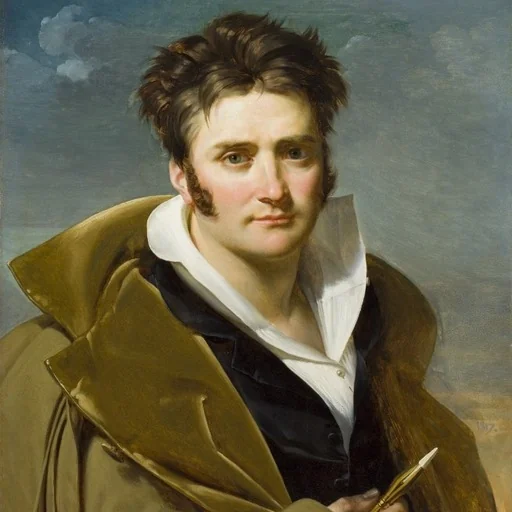
Merry-Joseph Blondel (French pronunciation:; 25 July 1781 – 12 June 1853) was a French history painter of the Neoclassical school.

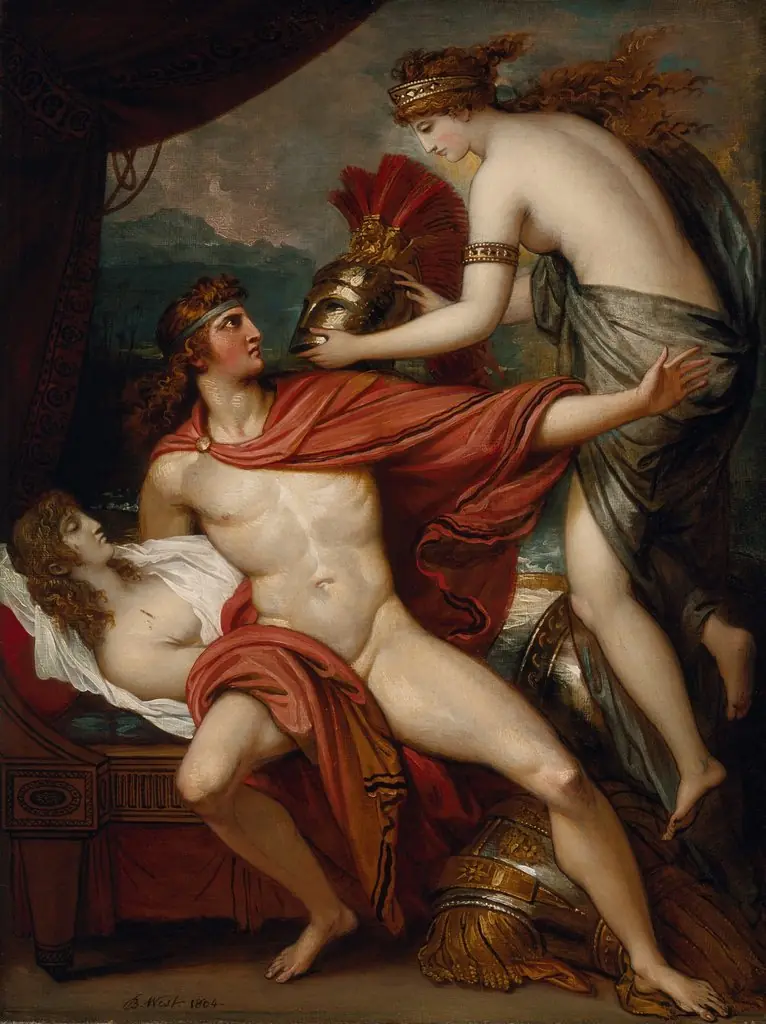 Thetis Bringing the Armor to Achilles
 Sócrates reprendiendo a Alcibíades en casa de una cortesana
 Psyche is awakened from fainting by Cupid's arrow
 Oedipus at Colonus
 Thetis takes Achilles from the Centaur Chiron
 Bacchus and Ariadne
 Zeus and Hera on Mount Ida
 Alpheus and Arethusa
 Morpheus and Iris
 Venus beweint den toten Adonis
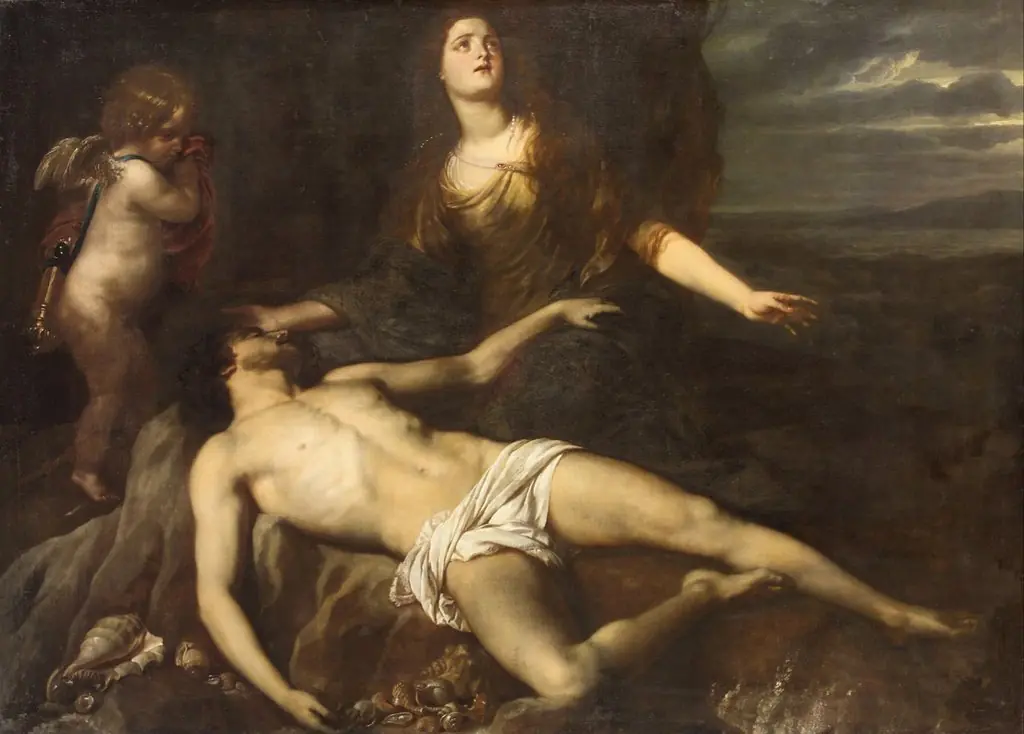 Hero laments the dead Leander
- Venus Healing Aeneas