Artwork
Nativity
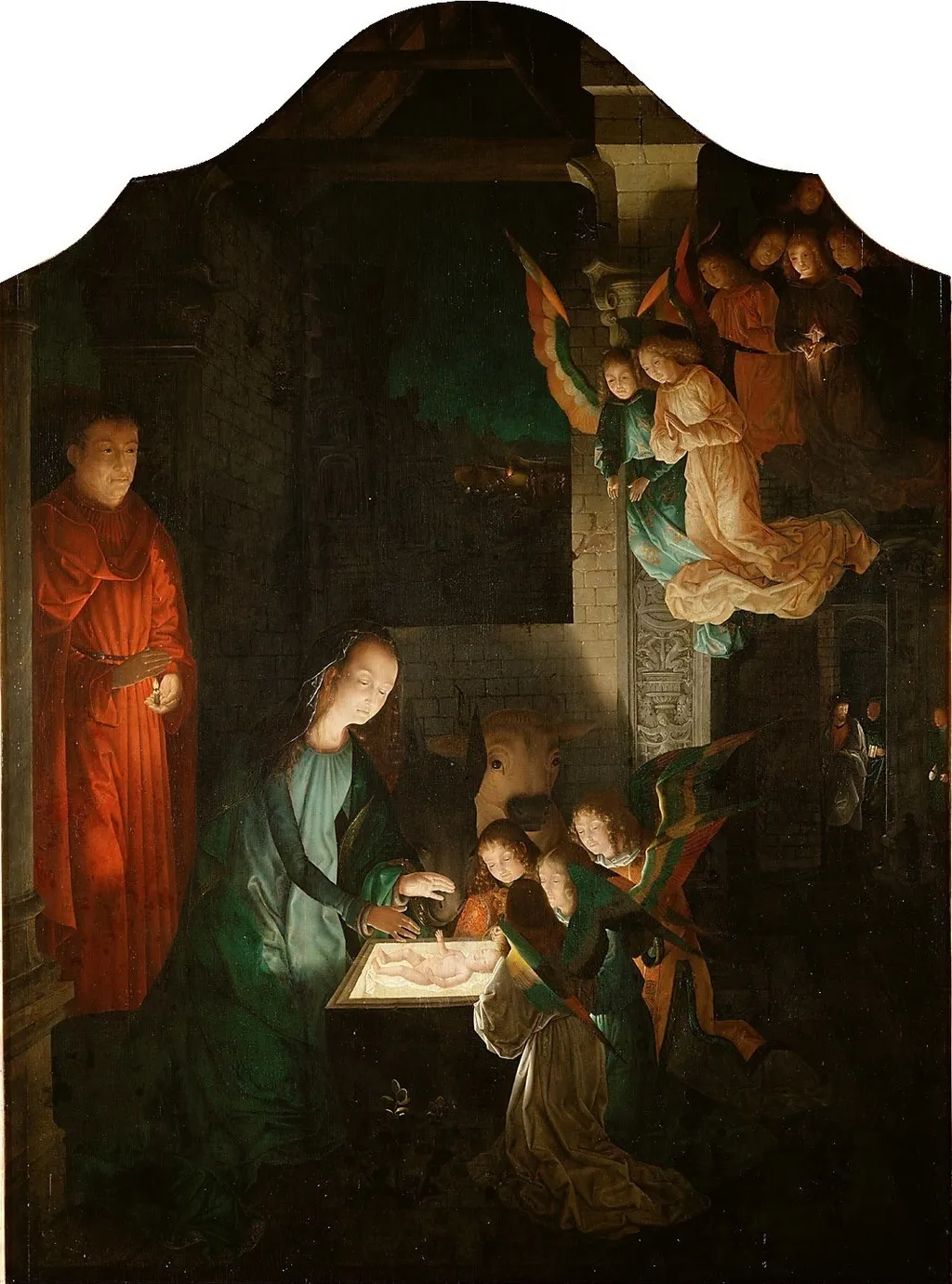
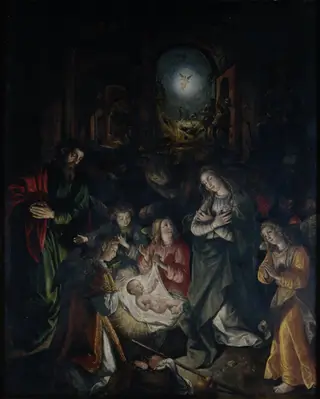
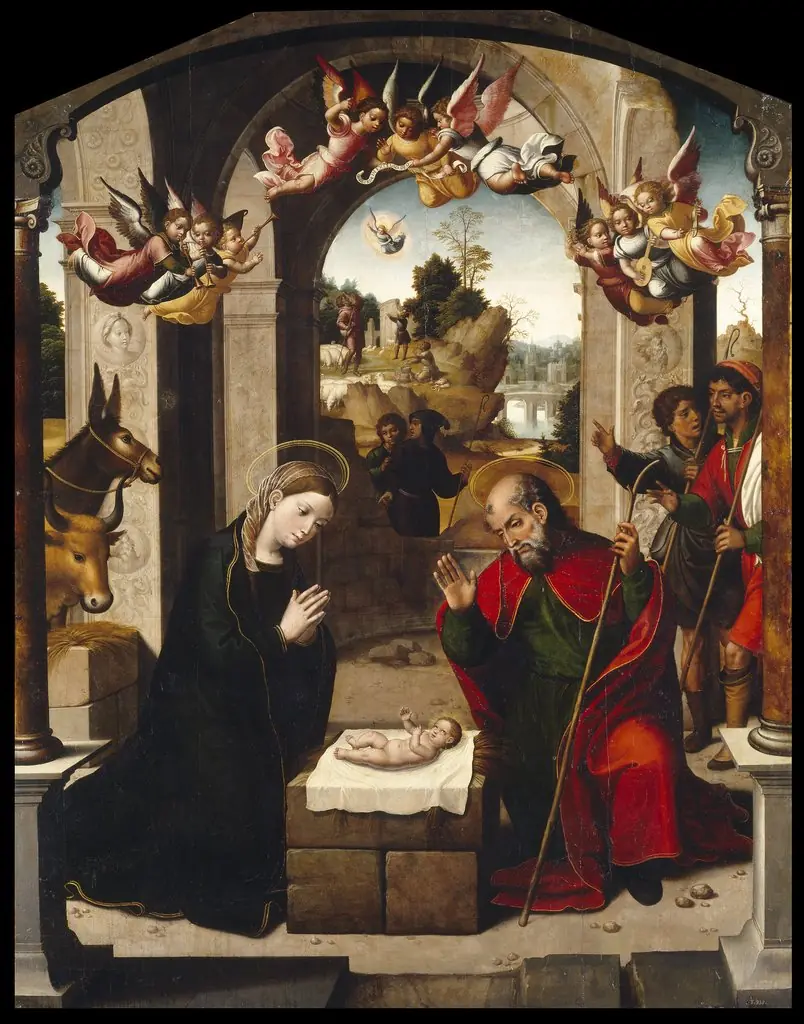
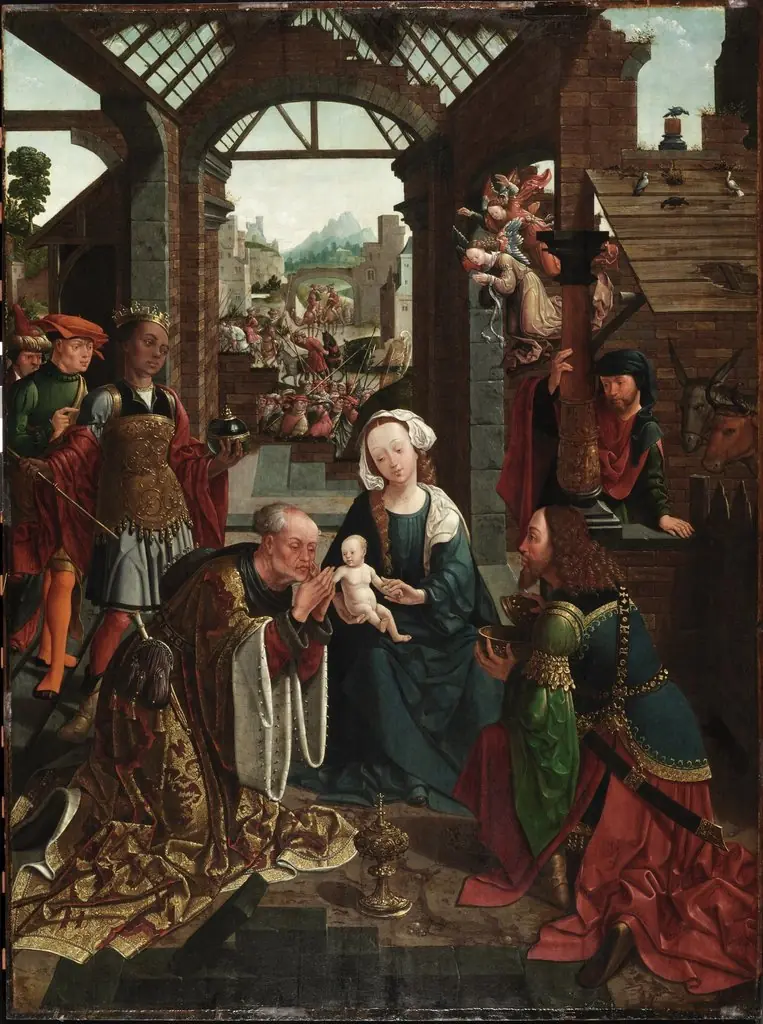
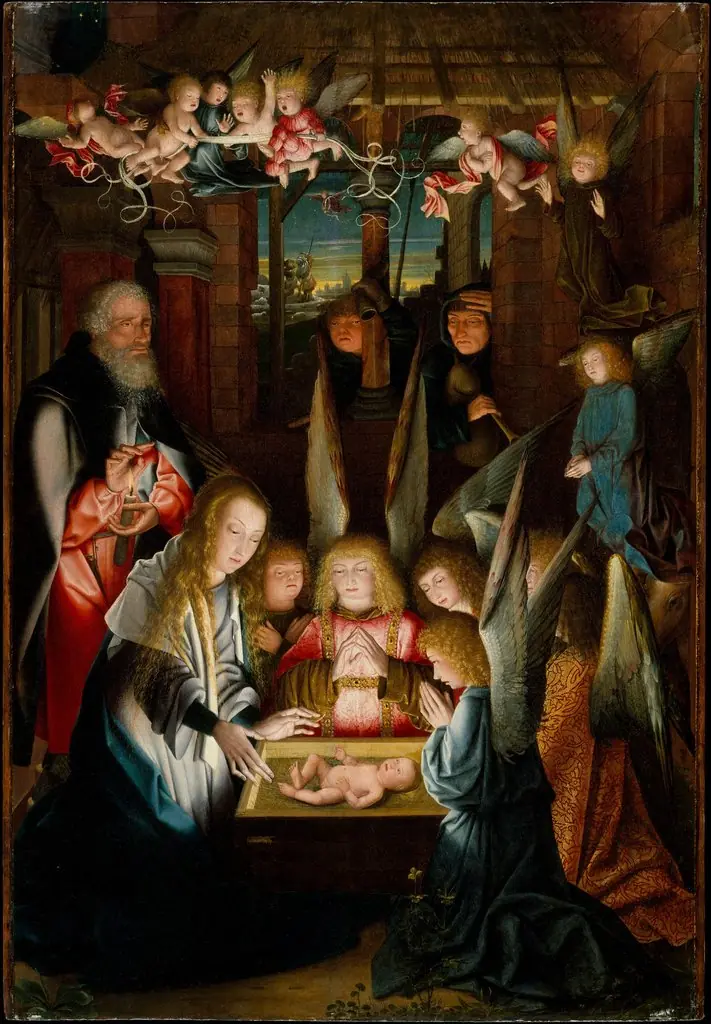
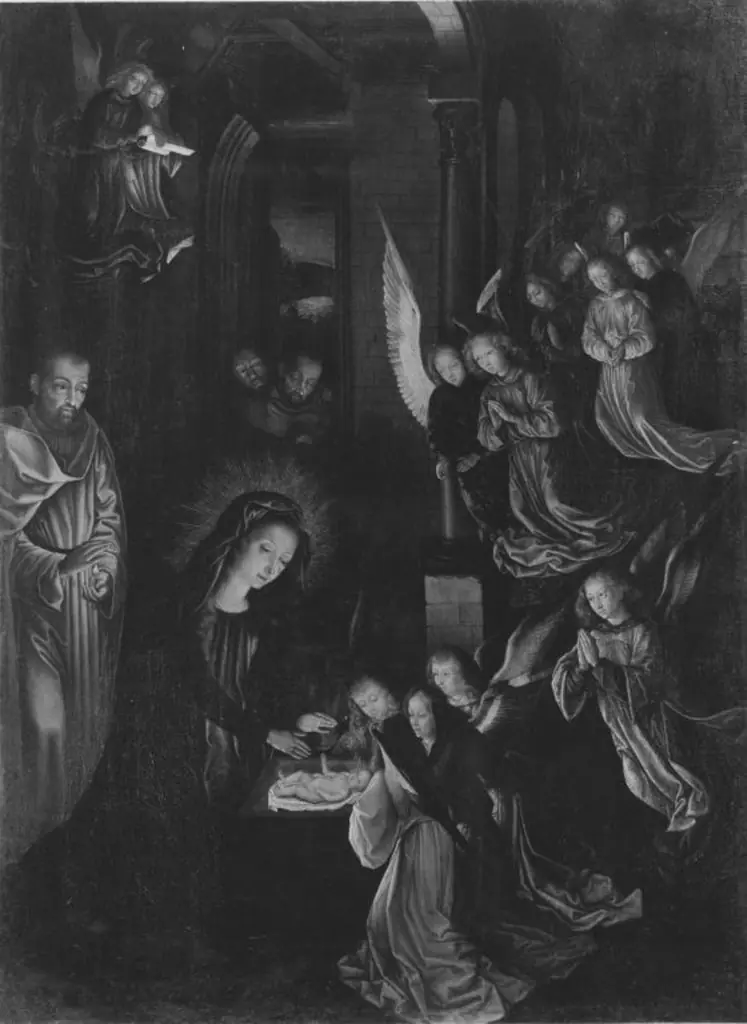
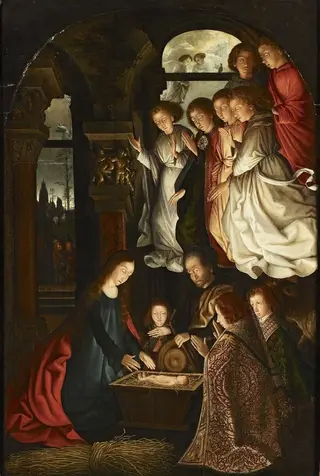
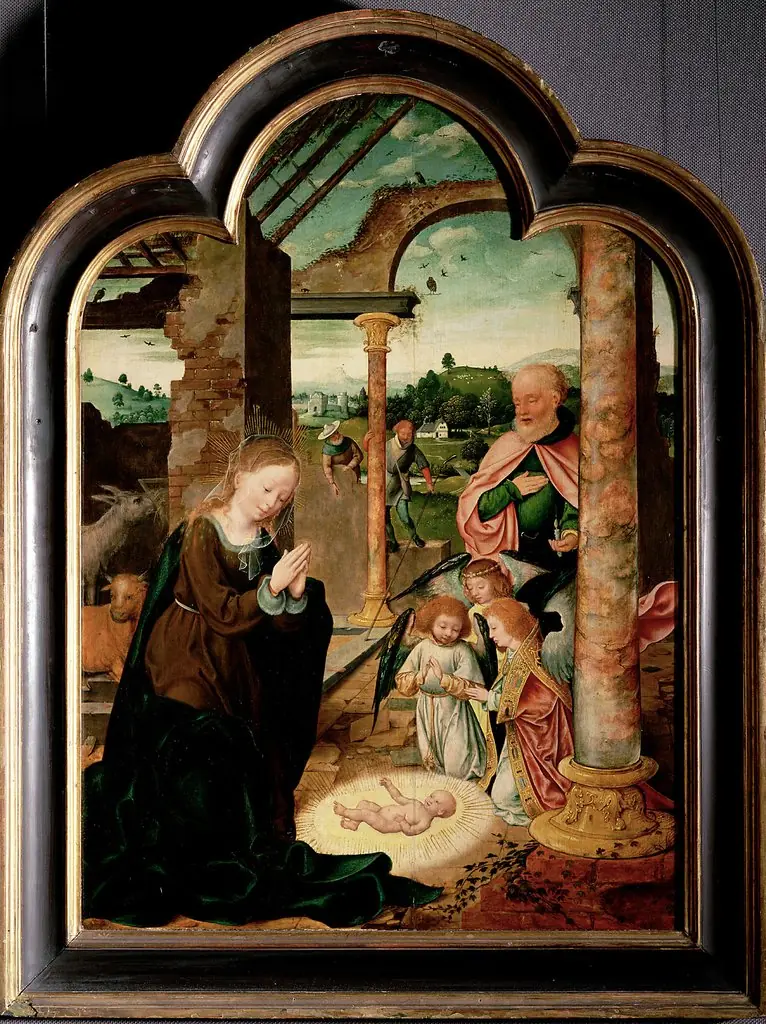
Nativity is an oil painting by the Northern Renaissance artist Michael Sittow. It dates from 1510 and is held in the collection of the Kunsthistorisches Museum.
About this work
Subject & Meaning
This visual narrative serves to illustrate the foundational moment of the Incarnation within the context of religious art.
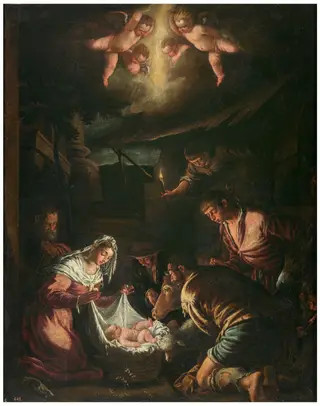
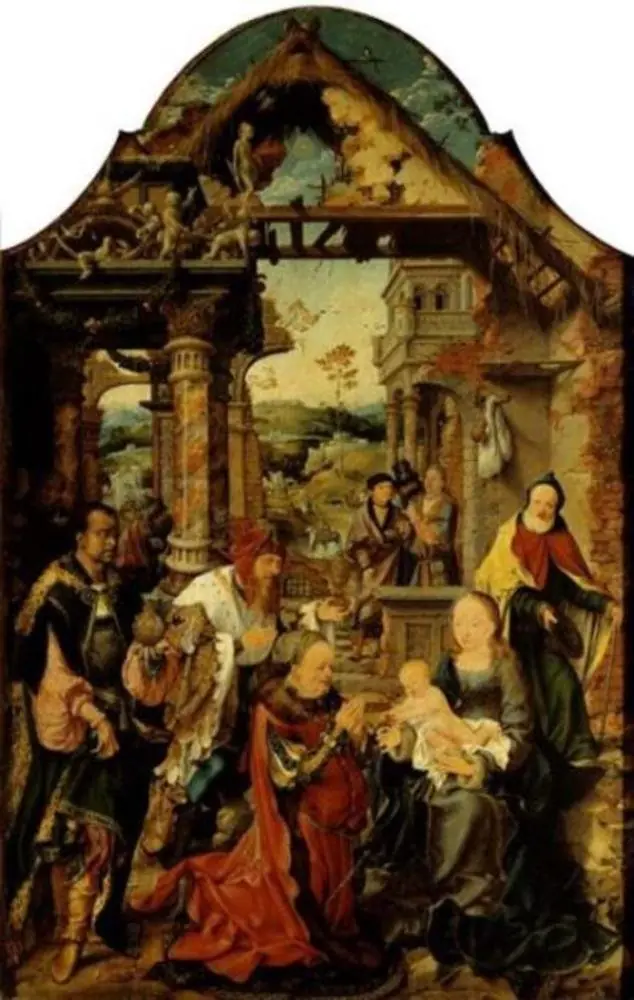
The work depicts the Nativity of Jesus, a central event in Christian theology representing the birth of Christ. As a religious painting, the subject focuses on the Christ Child, who is presented as the main figure of the scene. The iconography aligns with traditional depictions of the birth of Jesus, emphasizing the divine arrival of the savior.
This visual narrative serves to illustrate the foundational moment of the Incarnation within the context of religious art.
Technique & Style
Michael Sittow's Nativity, dated to 1510, is executed in oil paint on a wooden panel support. The work measures 113 cm in height and 84 cm in width, presenting a vertical rectangular format typical of religious altarpieces of the period. As a religious painting depicting the birth of Jesus Christ, the piece utilizes the oil medium to render the figures and scene with the characteristic depth and detail associated with Northern Renaissance technique.
The painting remains in the collection of the Kunsthistorisches Museum, having passed through the ownership of Archduke Leopold Wilhelm of Austria.
History & Provenance
The painting known as Nativity, attributed to Michael Sittow, was created in 1510. Executed in oil on panel, the work depicts the Nativity of Jesus and is currently held by the Kunsthistorisches Museum. Historical records indicate that the piece was once part of the collection of Archduke Leopold Wilhelm of Austria before entering the museum's holdings.
The painting Nativity by Michael Sittow, dated to 1510, is held in the collection of the Kunsthistorisches Museum. Historically, the work was owned by Archduke Leopold Wilhelm of Austria before entering the museum's holdings. The provided sources confirm its location and ownership lineage but do not list specific inventory numbers or detail any public exhibition history.
Legacy
The painting's later influence is noted through its continued attribution to Michael Sittow and inclusion in major collections, reflecting its recognized place in early Netherlandish religious art.
The work remains part of the Kunsthistorisches Museum's holdings, where it is displayed alongside other works from the period, preserving its legacy within institutional narratives.
Scholarly attention to the piece underscores its role in documenting 16th-century devotional practices and artistic techniques associated with the Northern Renaissance.
Overview
Created in 1510 by Michael Sittow, a painter from Reval (now Tallinn) trained in the Early Netherlandish tradition, this oil painting presents a conventional Nativity scene. It belongs to the Northern Renaissance and is part of the Kunsthistorisches Museum’s collection.
Artist & collection
Artist
Michael Sittow (c. 1469 – 1525), also known as Master Michiel, Michel Sittow, Michiel, Miguel Sithium, and several other variants, was a painter from Reval (Tallinn), now capital of Estonia, who was trained in the…