Artwork
The Assumption of the Virgin
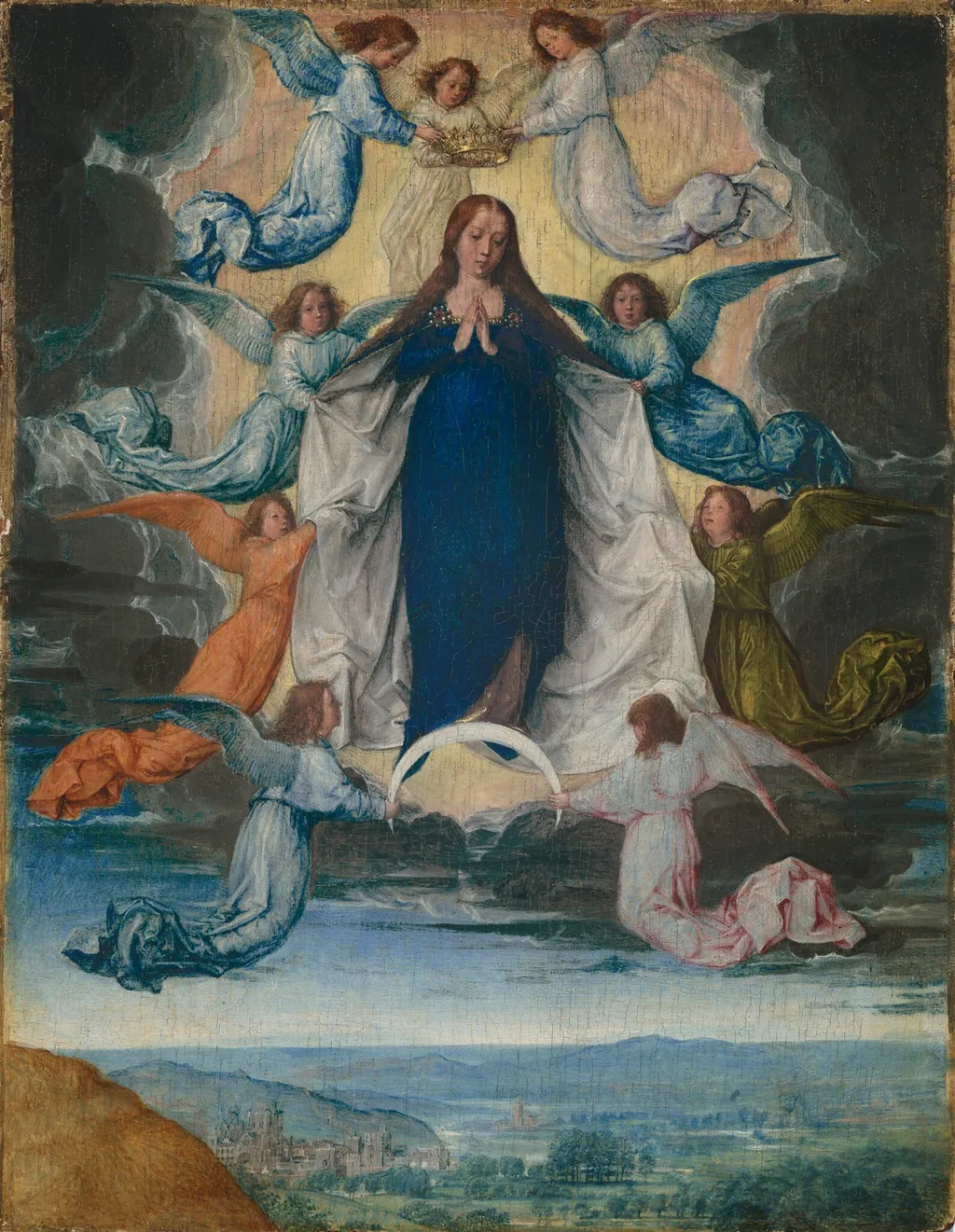
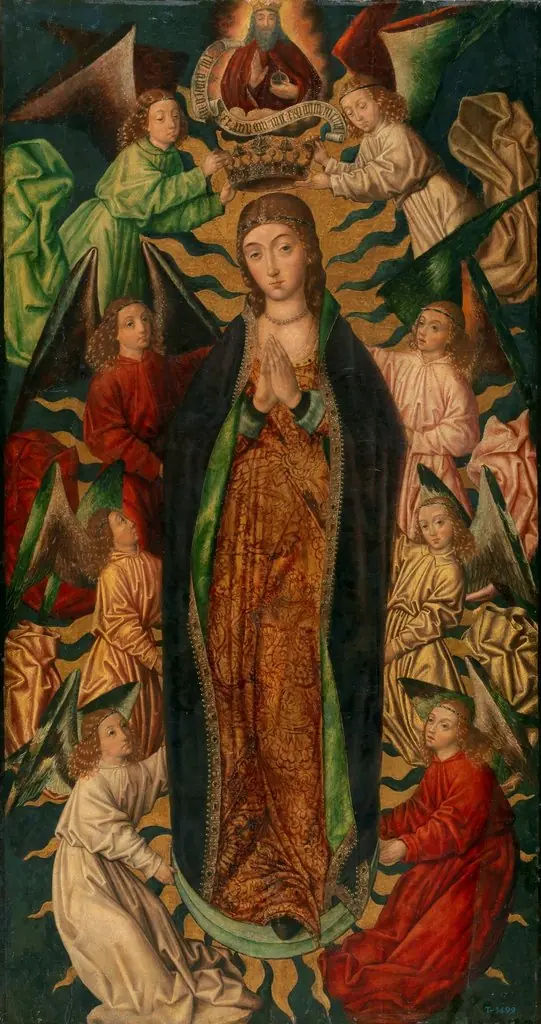
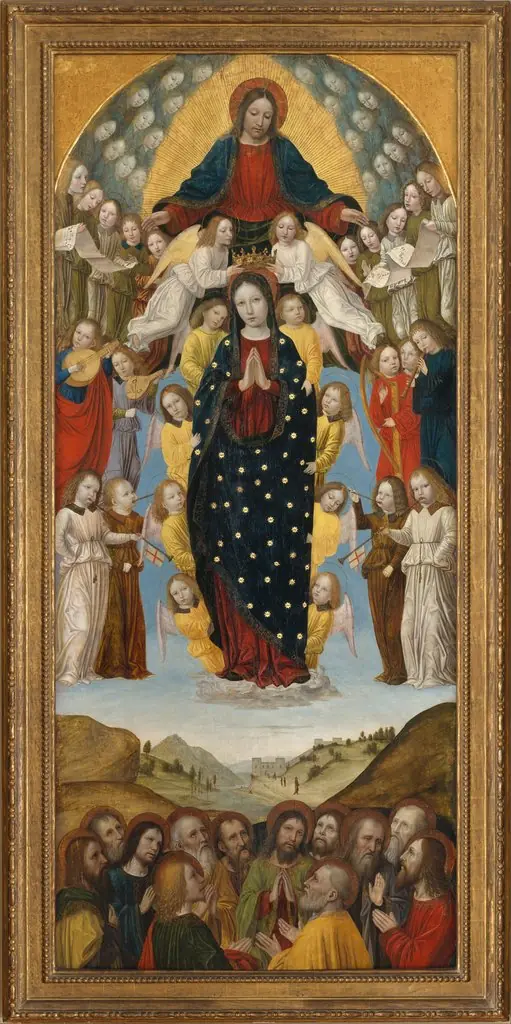
The Assumption of the Virgin is an oil painting by the Northern Renaissance artist Michael Sittow. It dates from 1500 and is held in the collection of the National Gallery of Art.
About this work
Subject & Meaning
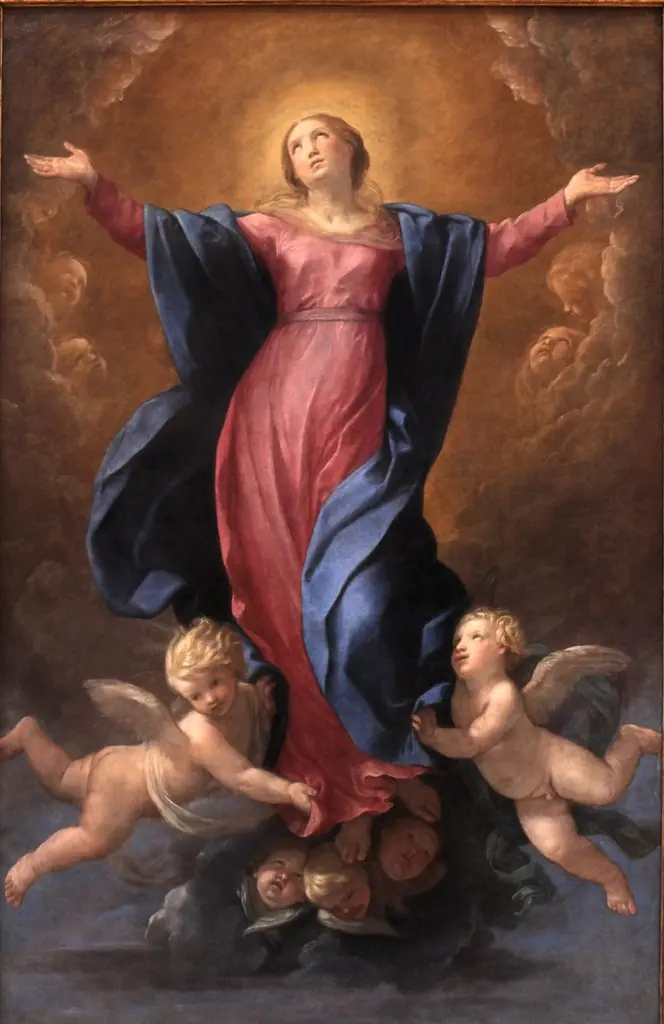
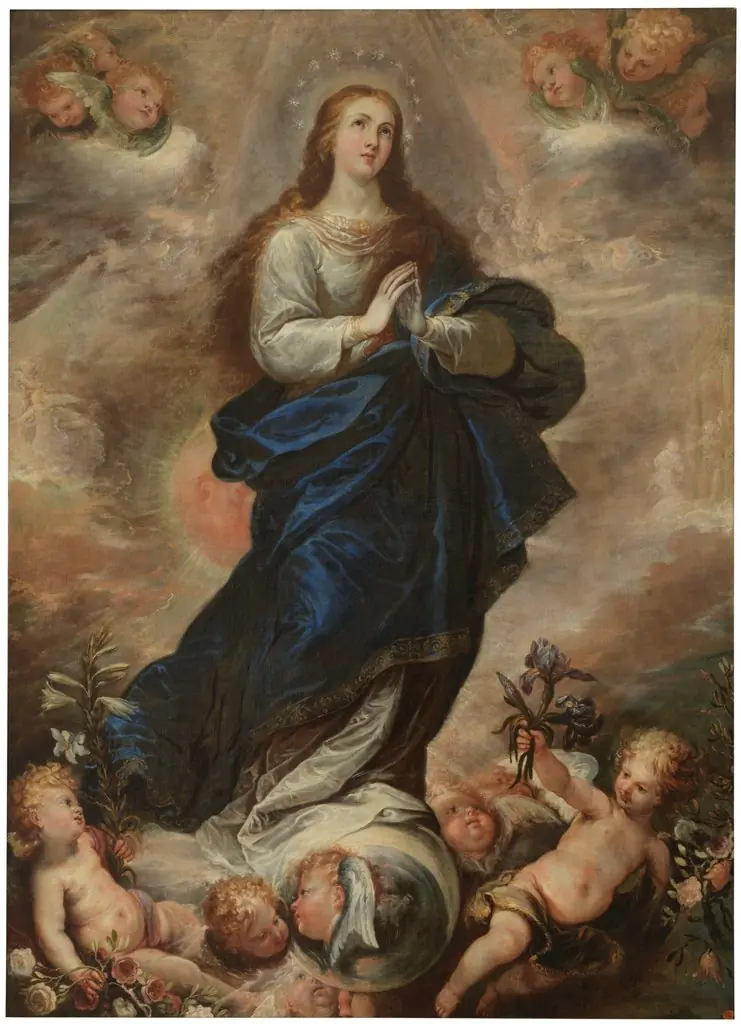
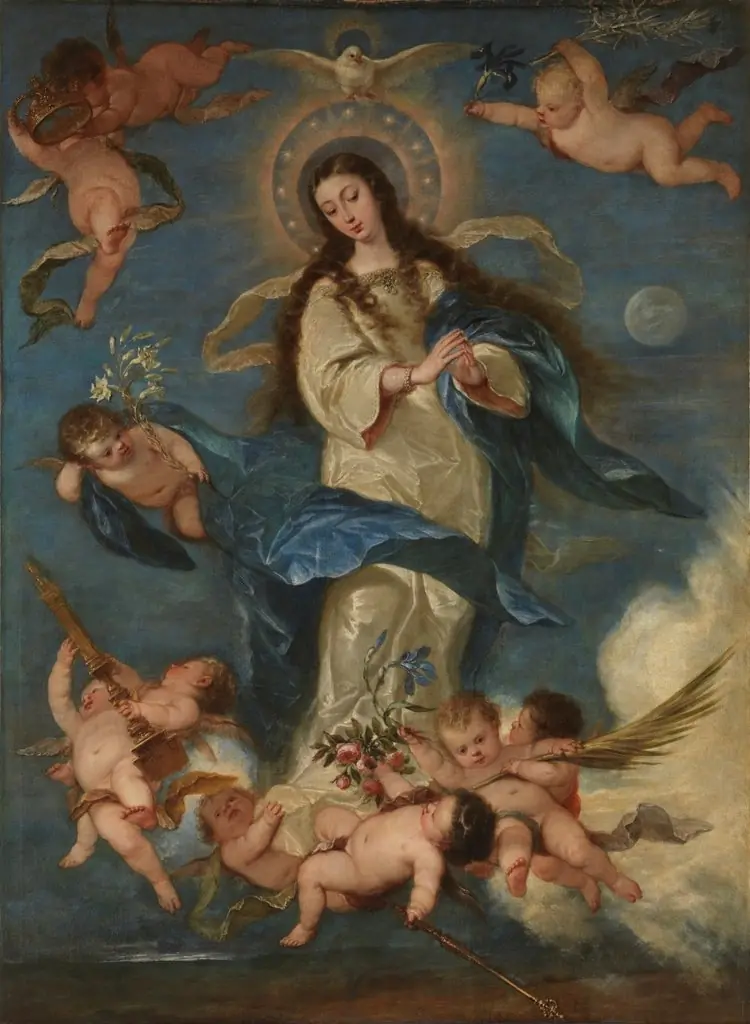
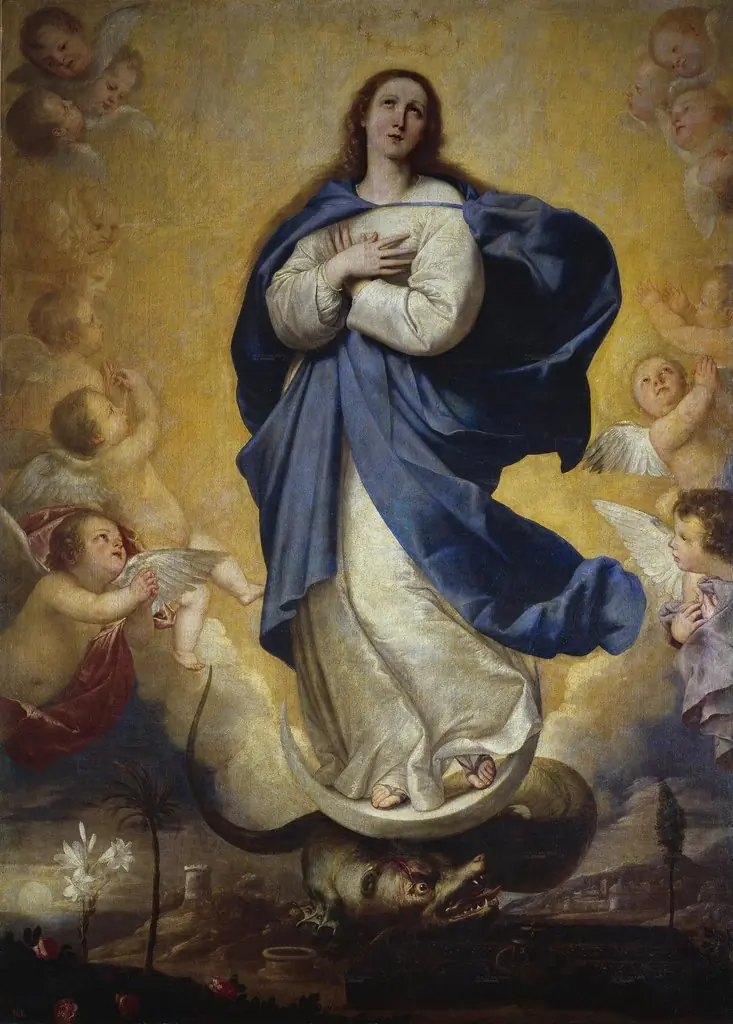
Michel Sittow's painting depicts the Assumption of Mary, a central event in Christian theology where the Virgin Mary is taken bodily into heaven.
Michel Sittow's painting depicts the Assumption of Mary, a central event in Christian theology where the Virgin Mary is taken bodily into heaven. As a work of religious art, the subject focuses on the culmination of Mary's earthly life and her transition to divine glory. The composition illustrates the core narrative of her ascent, serving as a devotional object intended to inspire faith in her unique role within the faith tradition. The work is classified specifically under the main subject of the Assumption of Mary.
History & Provenance
Michel Sittow created The Assumption of the Virgin in 1500 as an oil-on-panel painting. The work was originally in the possession of Queen Isabel of Castile until her death in 1504, after which it was held at the castle of Toro in the Zamora province. By March 13, 1505, the painting was in the hands of Diego Flores, who may have acted as an agent for Margaret of Austria.
Margaret, Regent of the Netherlands, subsequently owned the piece, with her ownership confirmed by inventories from 1516 and 1524 listing the work in Mechelen. In the twentieth century, the painting appeared in the 1904 Exposition des primitifs français in Paris under the ownership of Jules Quesnet. Following a period in a Zurich private collection around 1941 and subsequent handling by the Feilchenfeldt gallery in Zurich by 1964, the National Gallery of Art in Washington, D.C. purchased the work in 1965.
The painting is held by the National Gallery of Art, Washington, D.C., where it is recorded under accession number 1965.13.1.
Its exhibition history includes the Exposition des primitifs français held in Paris in 1904, where it was included as entry no. 111.
Overview
Michel Sittow's painting, The Assumption of the Virgin, created around 1500, is an oil on panel work depicting a central event in Christian theology. This religious composition portrays the Virgin Mary's ascent into heaven, a common theme in art from the late medieval and early Renaissance periods. The artwork showcases Sittow's skill in rendering spiritual narratives through detailed figural representation.
Technique & Style
Executed in oil on panel, The Assumption of the Virgin demonstrates the meticulous approach characteristic of Northern Renaissance painting. Sittow's technique is evident in the precise rendering of drapery, where the folds and textures of the Virgin's blue dress and the angels' garments are carefully delineated. This attention to detail contributes to the painting's sense of realism and its portrayal of a sacred, heavenly moment, aligning with the artistic innovations of its era.
Own this work as a print
Artist & collection
Artist
Michael Sittow (c. 1469 – 1525), also known as Master Michiel, Michel Sittow, Michiel, Miguel Sithium, and several other variants, was a painter from Reval (Tallinn), now capital of Estonia, who was trained in the…