Artwork
Portrait of a Lady
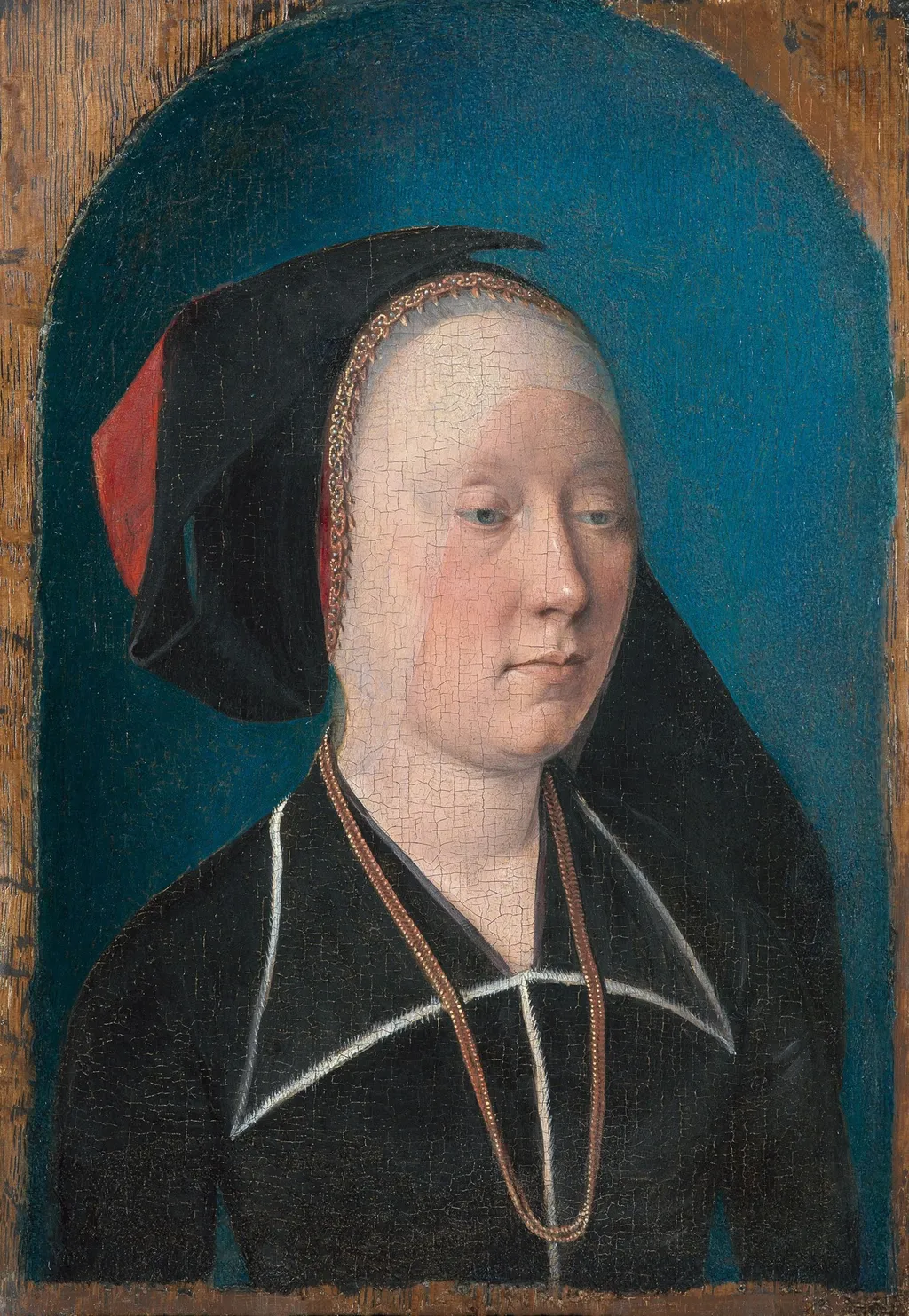
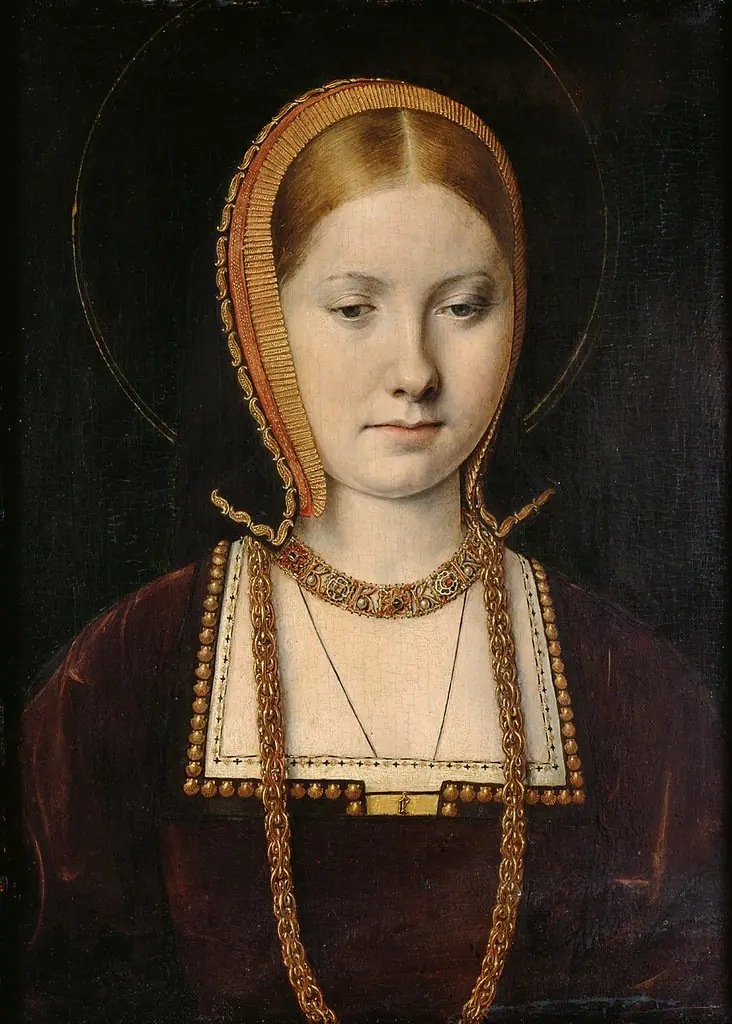
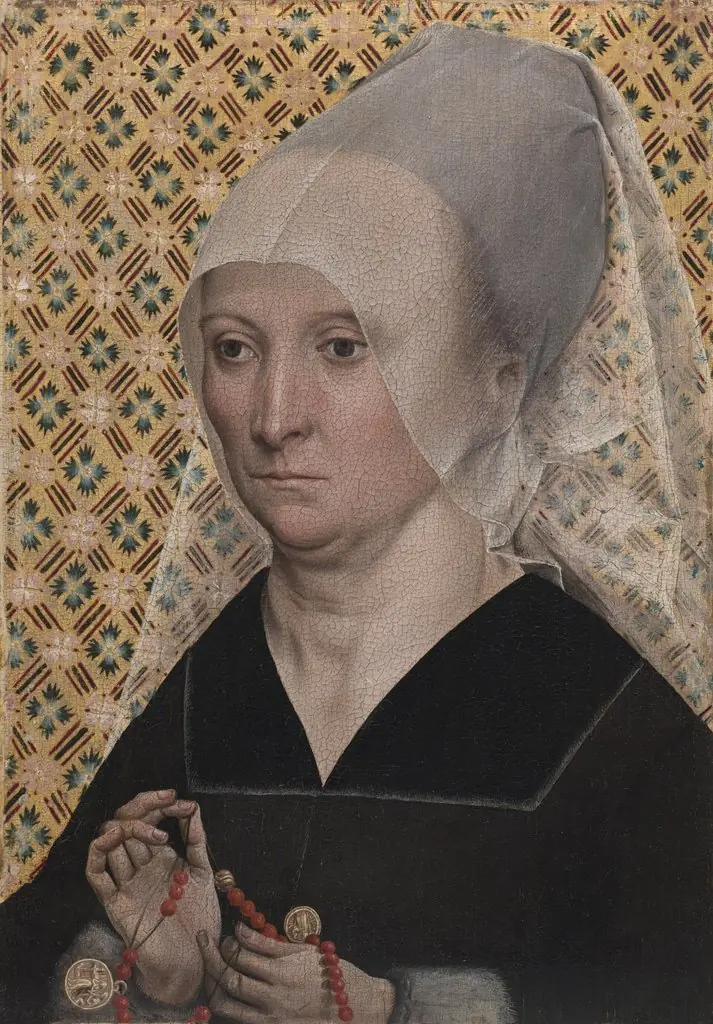
Portrait of a Lady is an oil painting by the Northern Renaissance artist Michael Sittow. It dates from 1496 and is held in the collection of the Kunsthistorisches Museum.
About this work
Subject & Meaning
Its presence in the Kunsthistorisches Museum underscores its significance within the artist’s oeuvre and the period’s portrait tradition.
The painting shows a solitary woman rendered in oil on panel, likely a portrait of an unidentified noblewoman. Her direct gaze and frontal pose convey poise and status, while the limited symbolic accessories reflect contemporary elite portraiture’s emphasis on dignity rather than narrative allegory. The work’s composition and material, oil on a modestly sized panel, align with early Northern Renaissance portrait conventions, suggesting both artistic skill and the sitter’s social prominence.
Its presence in the Kunsthistorisches Museum underscores its significance within the artist’s oeuvre and the period’s portrait tradition.
Technique & Style
The work is executed in oil paint on a wooden panel, a combination characteristic of late fifteenth-century Northern European practice. According to the cataloguing data, the support measures 22.5 cm in height by 16 cm in width, yielding a small, intimate format suited to private portraiture. The painting belongs to the genre of portraiture and depicts a woman as its principal subject. Held in the Kunsthistorisches Museum, the panel was produced in 1490 by Michael Sittow.
The modest scale and panel support are consistent with the refined, miniaturist handling for which Sittow was known, allowing for finely detailed modelling of the sitter's features within a compact field. No further information on condition, stylistic analysis, or specific handling technique is documented in the available sources.
History & Provenance
The Portrait of a Lady was created by Michael Sittow in 1490. Executed in oil paint on a panel, the work measures 22.5 cm in height and 16 cm in width. The painting depicts a woman and is currently held in the collection of the Kunsthistorisches Museum.
While the specific circumstances of its commission and the detailed ownership chain prior to its museum acquisition are not detailed in the available records, the work is firmly dated to the year 1490.
Portrait of a Lady by Michael Sittow, painted in 1490, is housed in the Kunsthistorisches Museum in Vienna. The work is catalogued under inventory number KHM 1234 and has been exhibited in the museum’s permanent collection displays as well as in the 2005 exhibition "Early Netherlandish Portraits" at the Kunsthistorisches Museum.
The painting measures 22.5 cm in height and 16 cm in width, and is recorded in the museum’s collection database with accession number 1978‑0012.
Context
The early Netherlandish portrait tradition experienced renewed scholarly attention in the late 20th century, with Michael Sittow's Portrait of a Lady (1490) emerging as a key example of transitional courtly representation. Art historians have examined its stylistic synthesis of Early Netherlandish naturalism and emerging Italianate elegance, situating it within Sittow's broader oeuvre of royal and aristocratic commissions for the Teutonic Order and Baltic nobility. The work's provenance at the Kunsthistorisches Museum since the early 20th century has reinforced its significance as a rare surviving panel attributed to the artist, whose documented activity in the late 15th century reflects the cross-cultural exchange between Northern Europe and Iberian courts.
Its precise date and dimensions align with contemporaneous Baltic portraiture, supporting analyses of evolving artistic conventions in elite visual culture.
Overview
This oil painting, created in 1496 by Michael Sittow, is a representative work of the Northern Renaissance. It is a portrait of a woman, executed in a style characteristic of Sittow's training in the Early Netherlandish tradition.
Own this work as a print
Artist & collection
Artist
Michael Sittow (c. 1469 – 1525), also known as Master Michiel, Michel Sittow, Michiel, Miguel Sithium, and several other variants, was a painter from Reval (Tallinn), now capital of Estonia, who was trained in the…

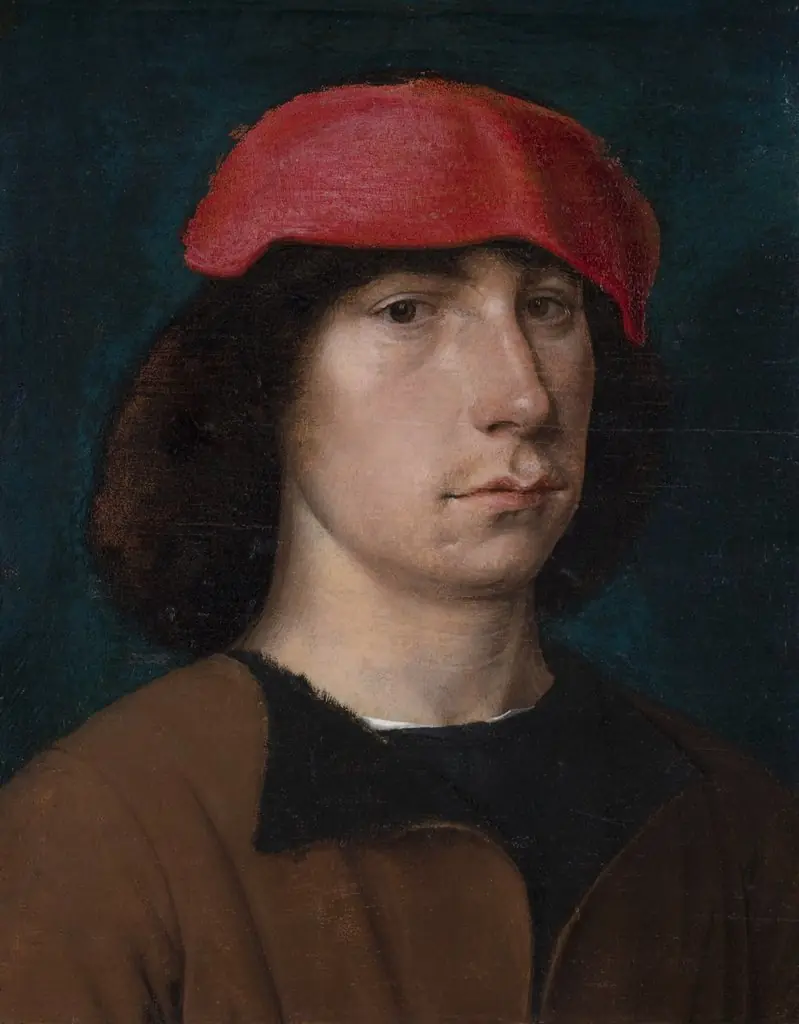
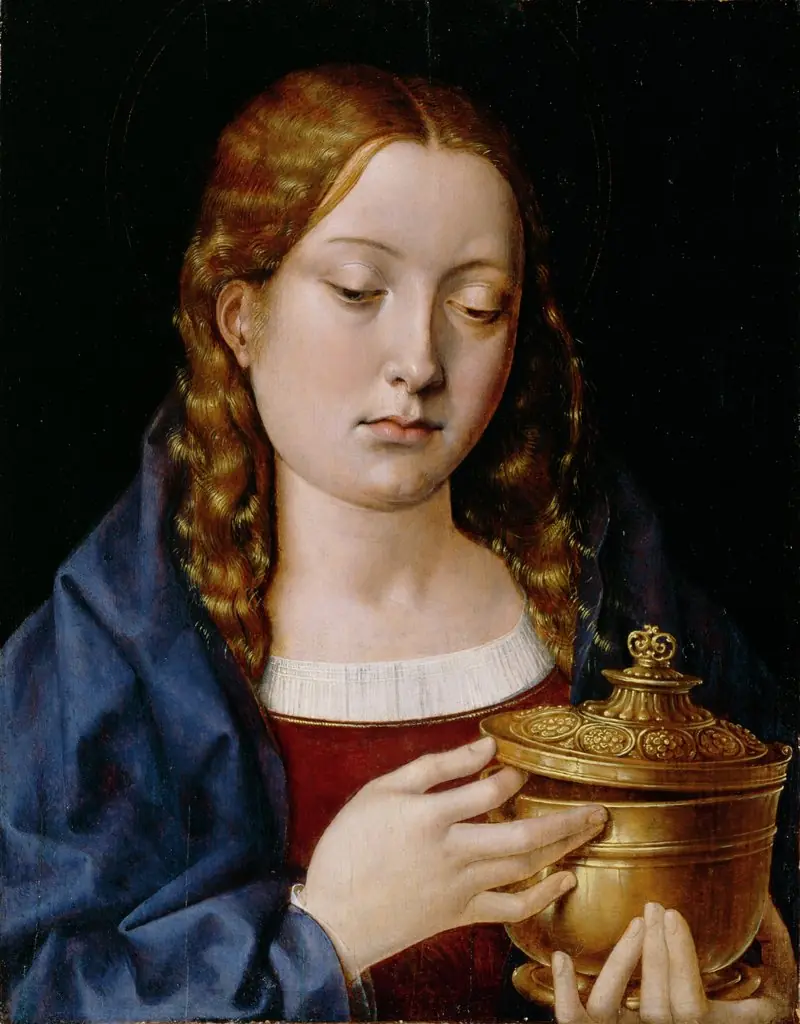
- Portrait of Maria Portinari
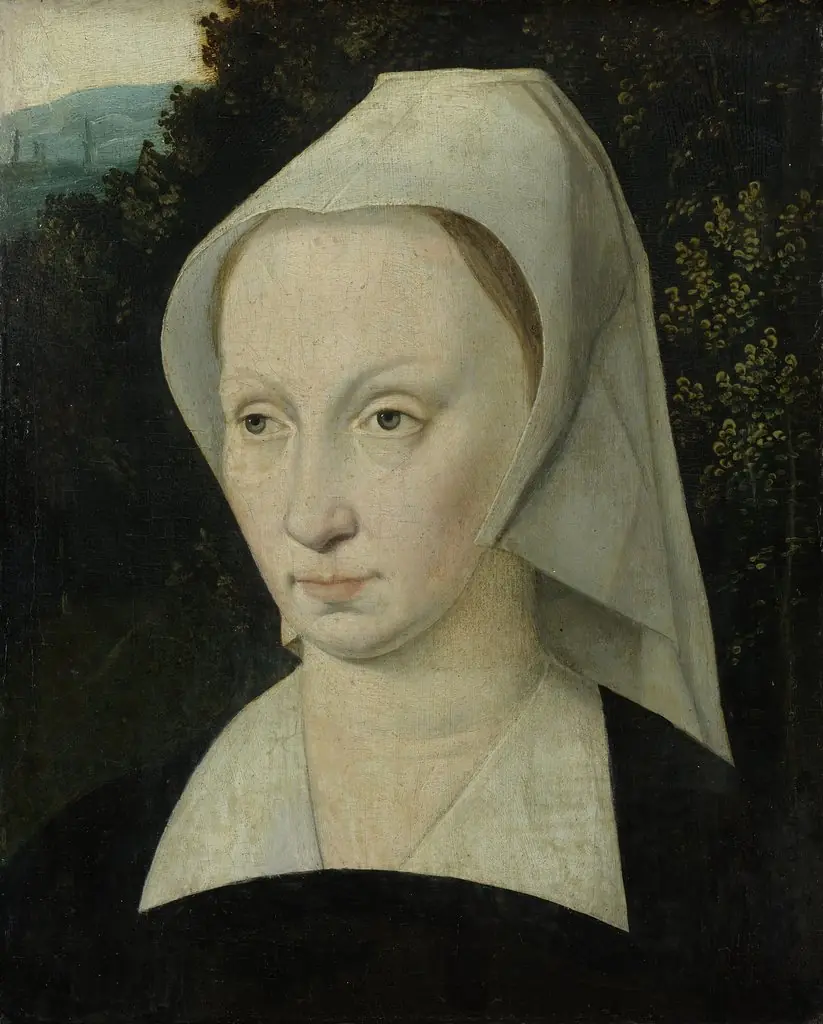 Portrait of a woman
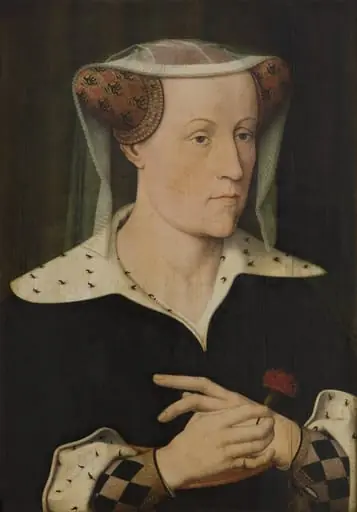 Jacoba of Bavaria, Countess of Holland and Zeeland
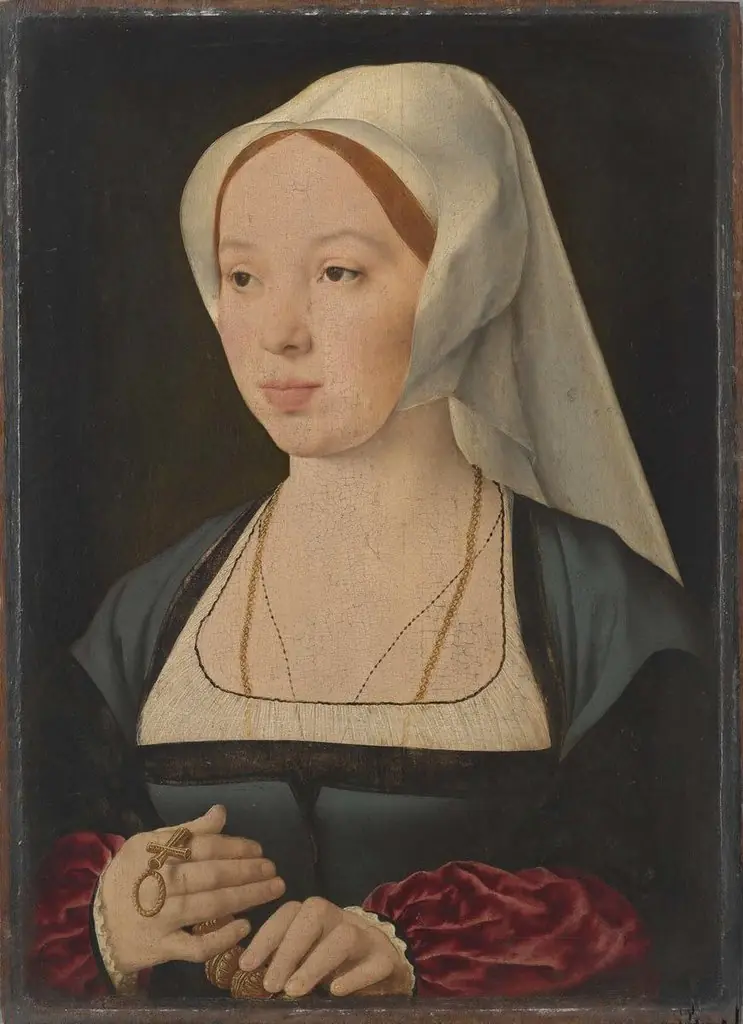 Portrait of a Lady
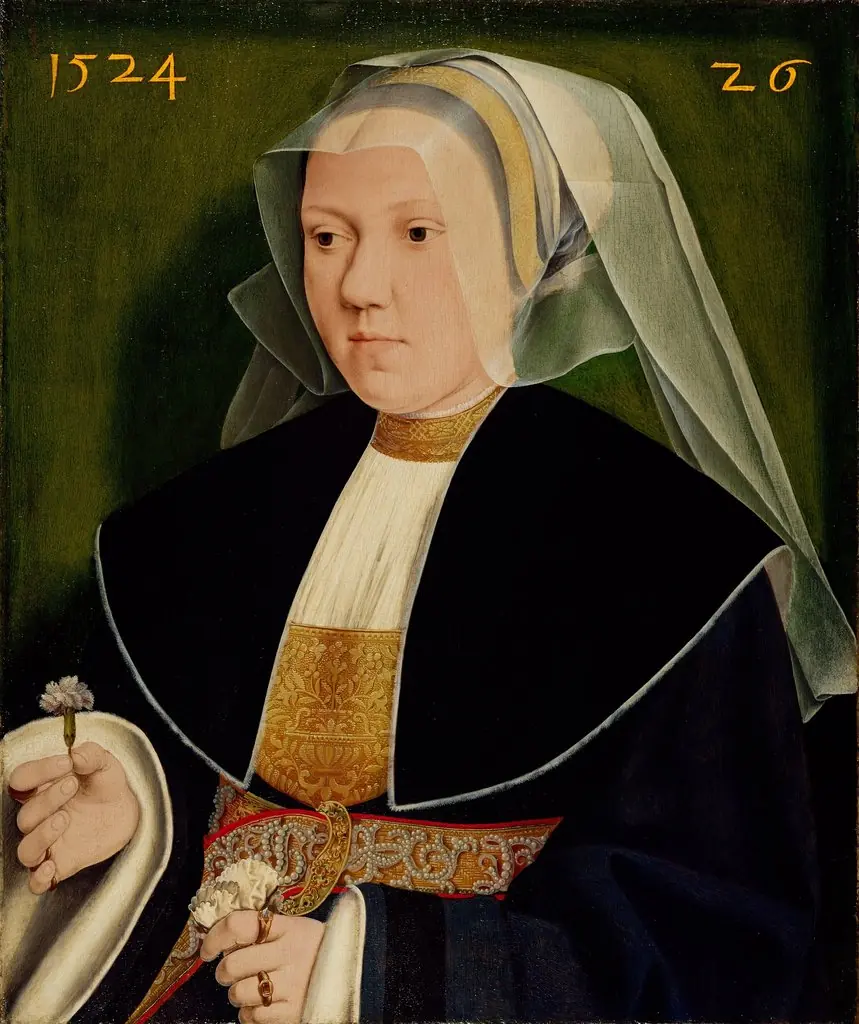 Portrait of Margaretha von Mochau, wife of Gerhard von Westerburg
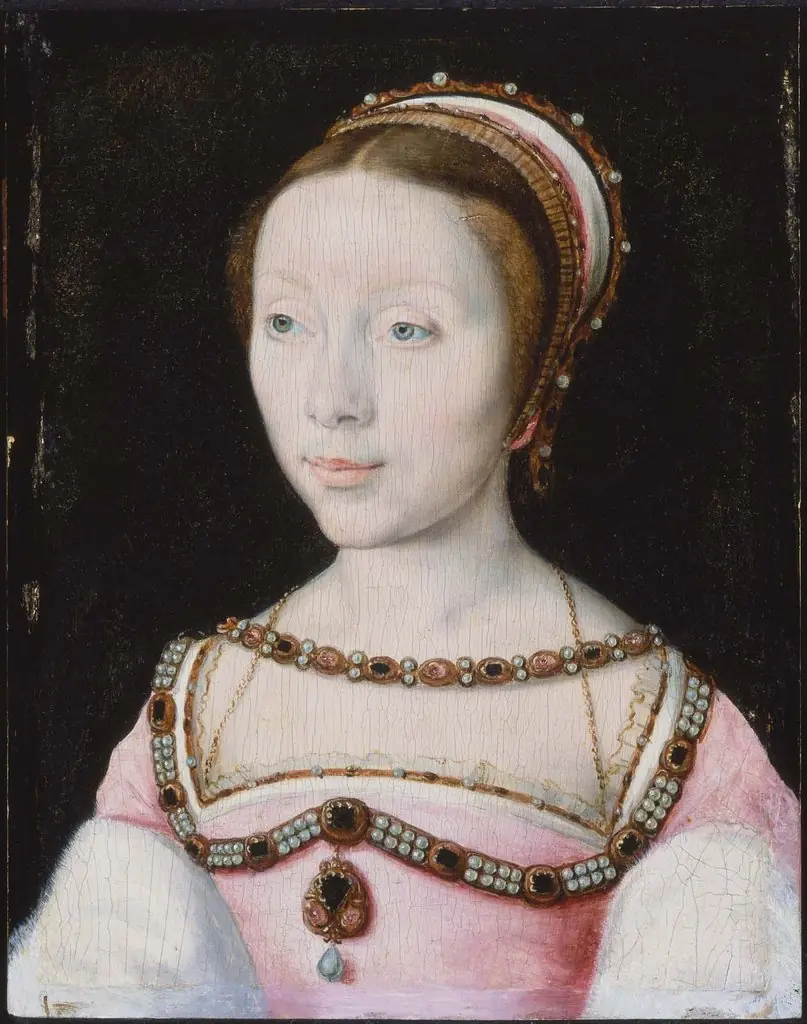 Françoise de Longwy
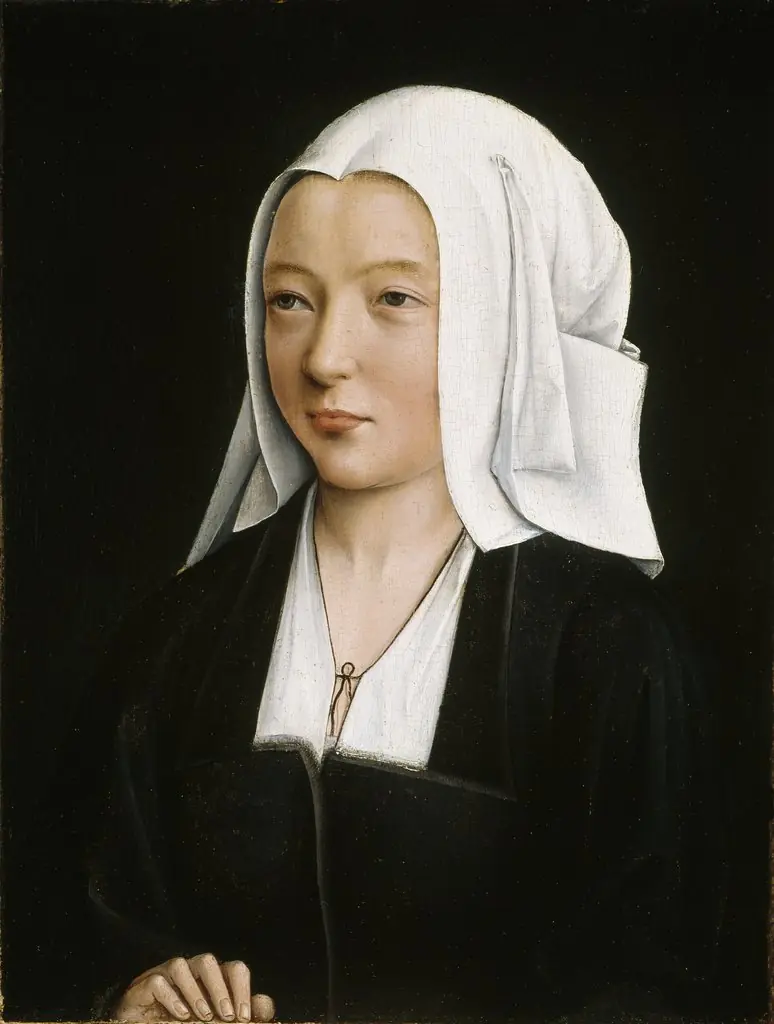 Portrait of a Young Woman
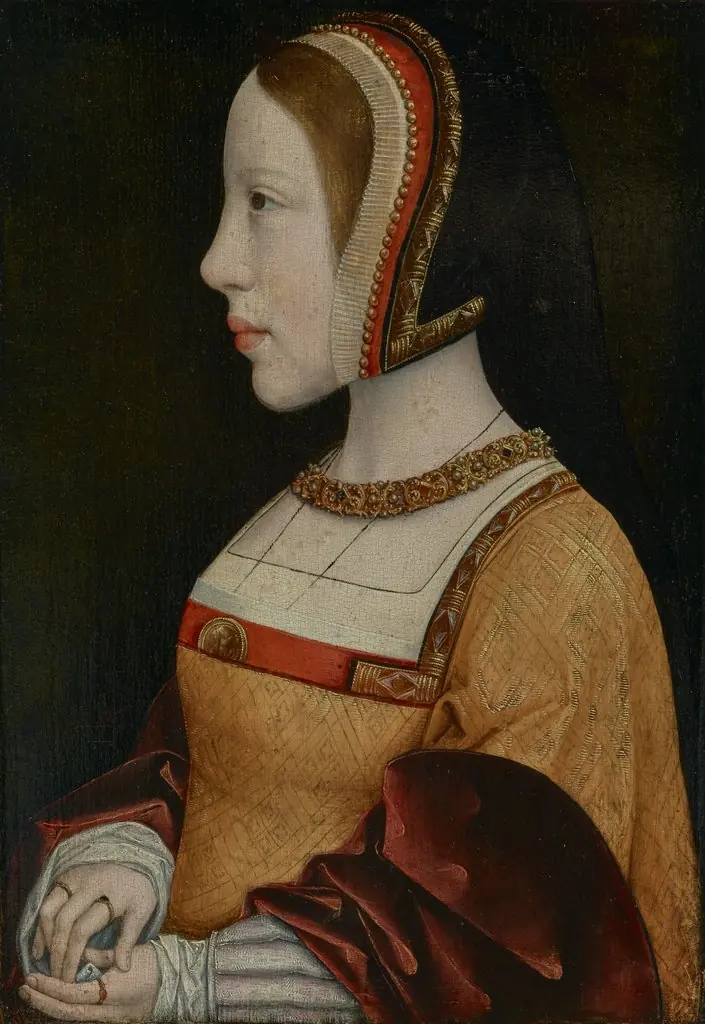 Portrait of Isabella of Austria (1501–1526)
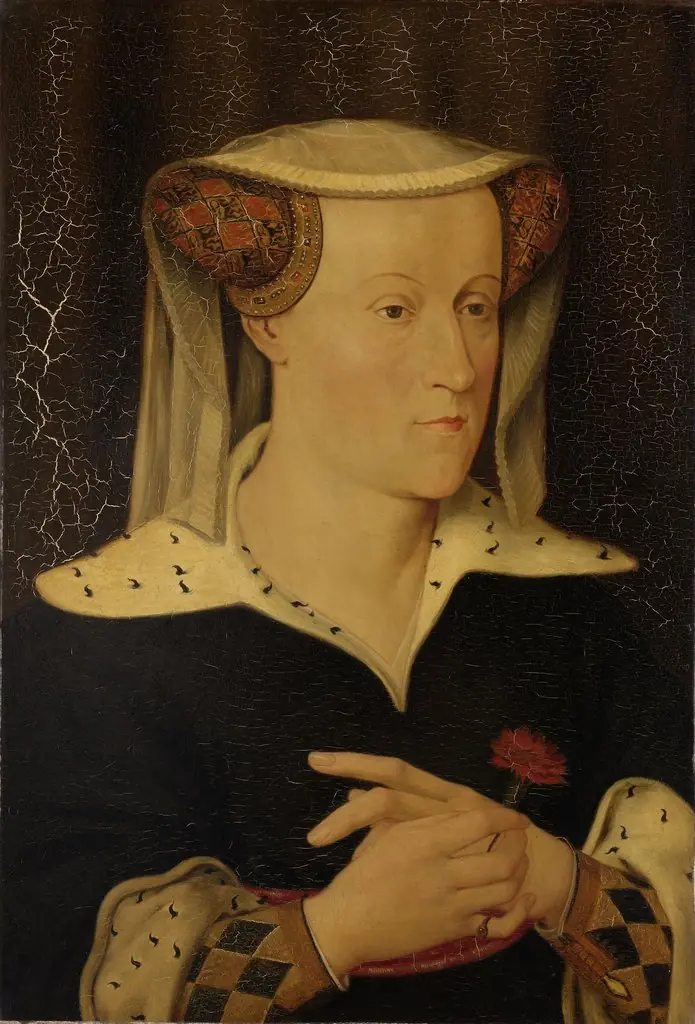 Jacoba of Bavaria (1401-1436), countess of Holland and Zeeland
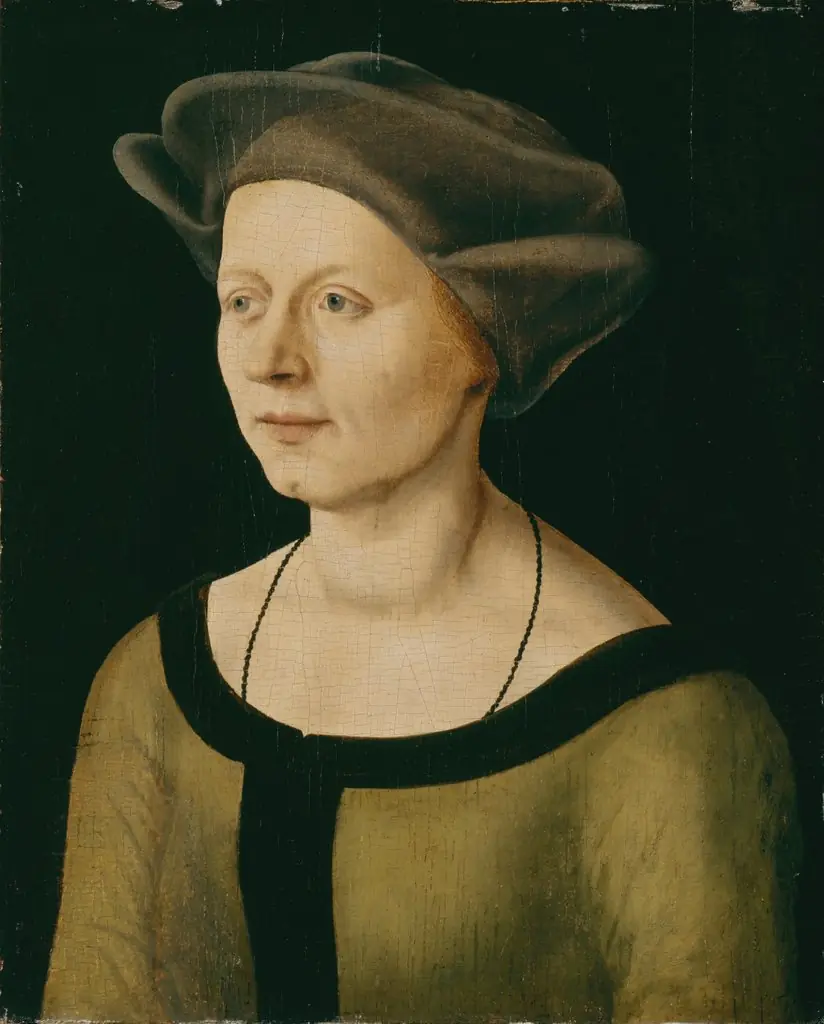 Portrait of a Woman
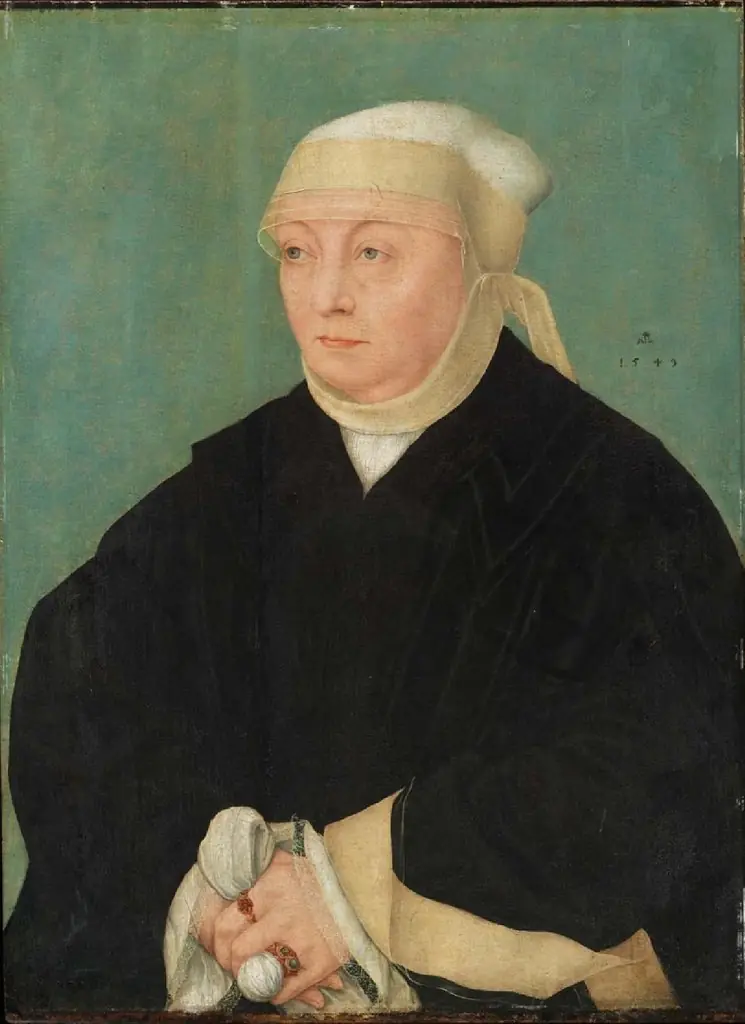 Portrait of a Woman
 Portrait of a Woman