Artwork
Thomas Hees and his Servant Thomas and Nephews Jan and Andries Hees
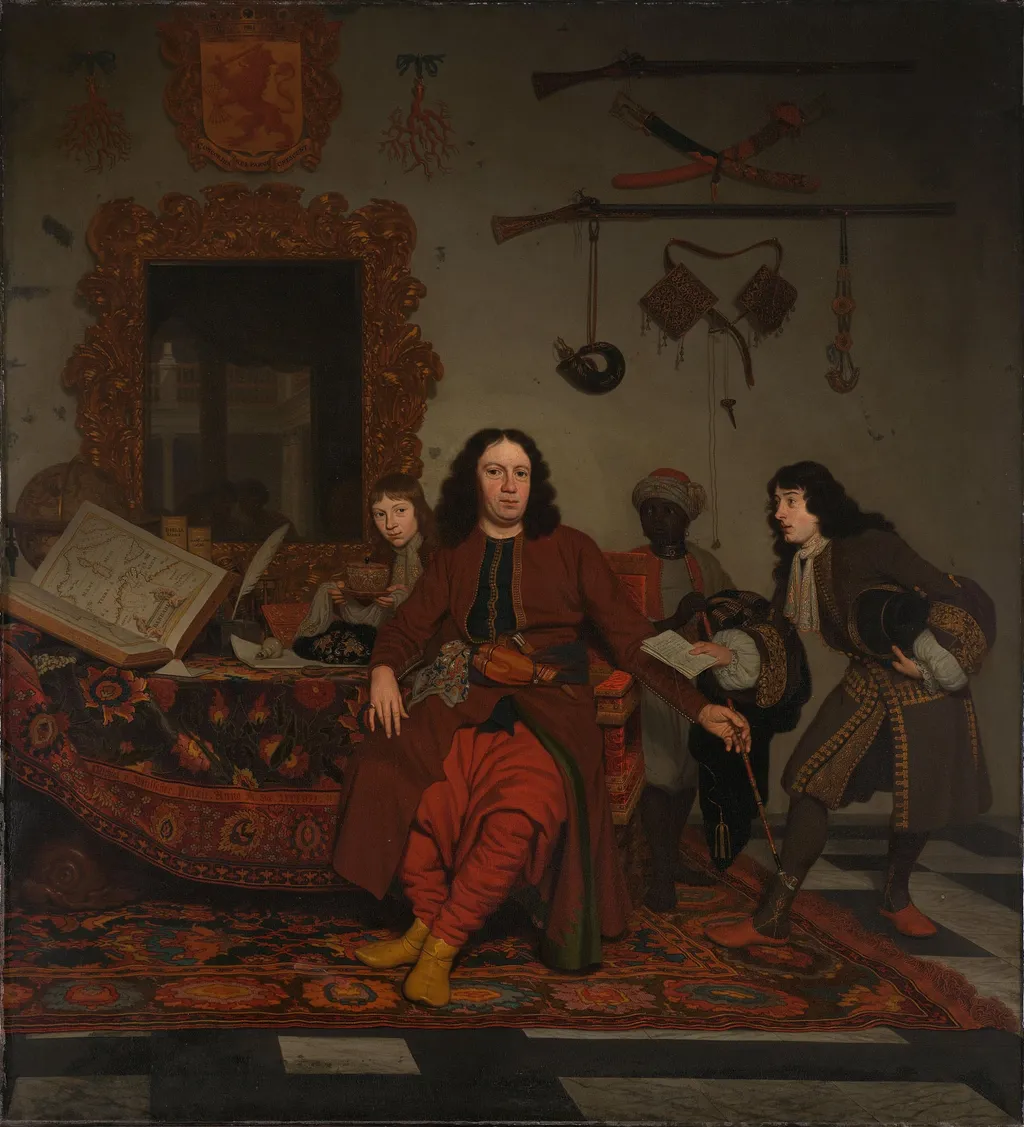
Thomas Hees and his Servant Thomas and Nephews Jan and Andries Hees is an unspecified painting by the Baroque artist Michiel van Musscher. It dates from 1687 and is held in the collection of the Rijksmuseum.
About this work
Subject & Meaning
The composition emphasizes Hees’s status and diplomatic role, portraying him in a formal, dignified manner that underscores his authority and connections.
The painting depicts Thomas Hees, a Dutch diplomat serving as the resident and commissary of the States General to the North African regencies of Algiers, Tunis, and Tripoli, alongside his servant Thomas and his nephews Jan and Andries Hees. The composition emphasizes Hees’s status and diplomatic role, portraying him in a formal, dignified manner that underscores his authority and connections. The inclusion of his nephews and servant suggests familial and professional continuity, reinforcing his legacy and the social hierarchy of the period.
The work functions as both a personal and official portrait, capturing the sitters’ identities while symbolizing Dutch diplomatic engagement in the Mediterranean during the late 17th century.
History & Provenance
Michiel van Musscher executed the portrait of Thomas Hees, his servant Thomas, and his nephews Jan and Andries Hees in 1687. The work depicts Thomas Hees in his capacity as Resident and Commissary of the States General to the governments of Algiers, Tunis, and Tripoli. Van Musscher, who had established himself in Amsterdam by 1660, secured commissions from wealthy merchants and regents starting around 1670, a trajectory that likely led to this specific assignment. The painting is currently held in the collection of the Rijksmuseum in Amsterdam.
The painting 'Thomas Hees and his Servant Thomas and Nephews Jan and Andries Hees,' created by Michiel van Musscher in 1687, is held in the collection of the Rijksmuseum in Amsterdam. Multiple sources confirm the work's location within this major Dutch institution, identifying the sitter Thomas Hees as a resident and commissary of the States General. While the artist's broader oeuvre is documented in other venues such as the Museum Van Loon and the Mauritshuis, specific records for this group portrait consistently place it at the Rijksmuseum.
The available sources do not provide a specific inventory accession number or detail any past exhibition history for this particular work.
Context
Michiel van Musscher’s 1687 group portrait of Thomas Hees with family members and servant belongs to the Amsterdam regents’ portrait tradition, where individual likeness and social hierarchy are rendered through precise detail and controlled composition. The painting exemplifies Van Musscher’s specialization in portraiture during the late Dutch Golden Age, a genre in which he worked after establishing himself in Amsterdam around 1660 and securing elite commissions from officials such as Johannes Hudde and merchant-regents.
The work’s inclusion in the Rijksmuseum’s holdings underscores its recognized place within Dutch art’s portrait canon, aligning with the artist’s documented practice of depicting patrons and their kin with meticulous attention to costume and setting. Within Van Musscher’s oeuvre, the portrait reflects his mature style, combining Baroque formality with the individualized rendering expected of Amsterdam’s civic and commercial elite in the final quarter of the seventeenth century.
Overview
The canvas portrays Thomas Hees, a Dutch envoy active in the early 17th‑century Mediterranean, seated at a table in a red coat alongside his two nephews, Jan and Andries. A young Black adolescent stands behind them, barefoot and wearing a metal collar around his neck. The composition juxtaposes Hees’s diplomatic role with the presence of a figure whose attire signals subjugation.
Own this work as a print
Artist & collection

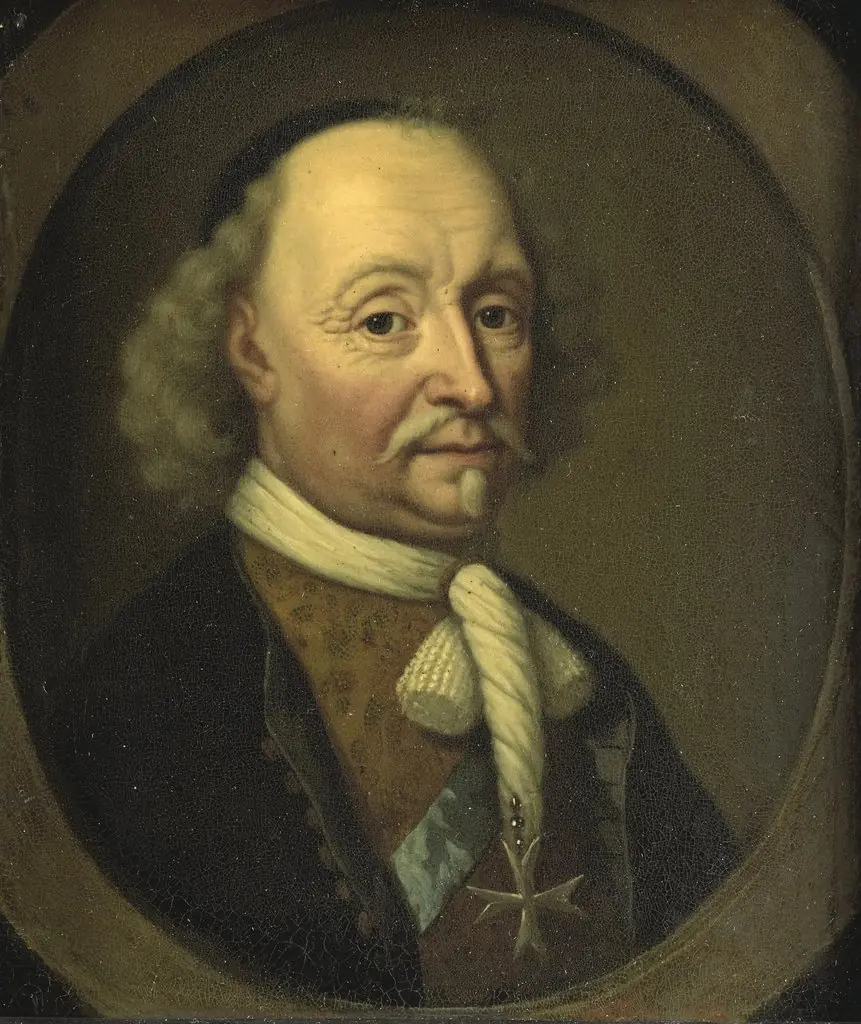 Portrait of Johan Maurits (1604-79), count of Nassau-Siegen and governor of Brazil
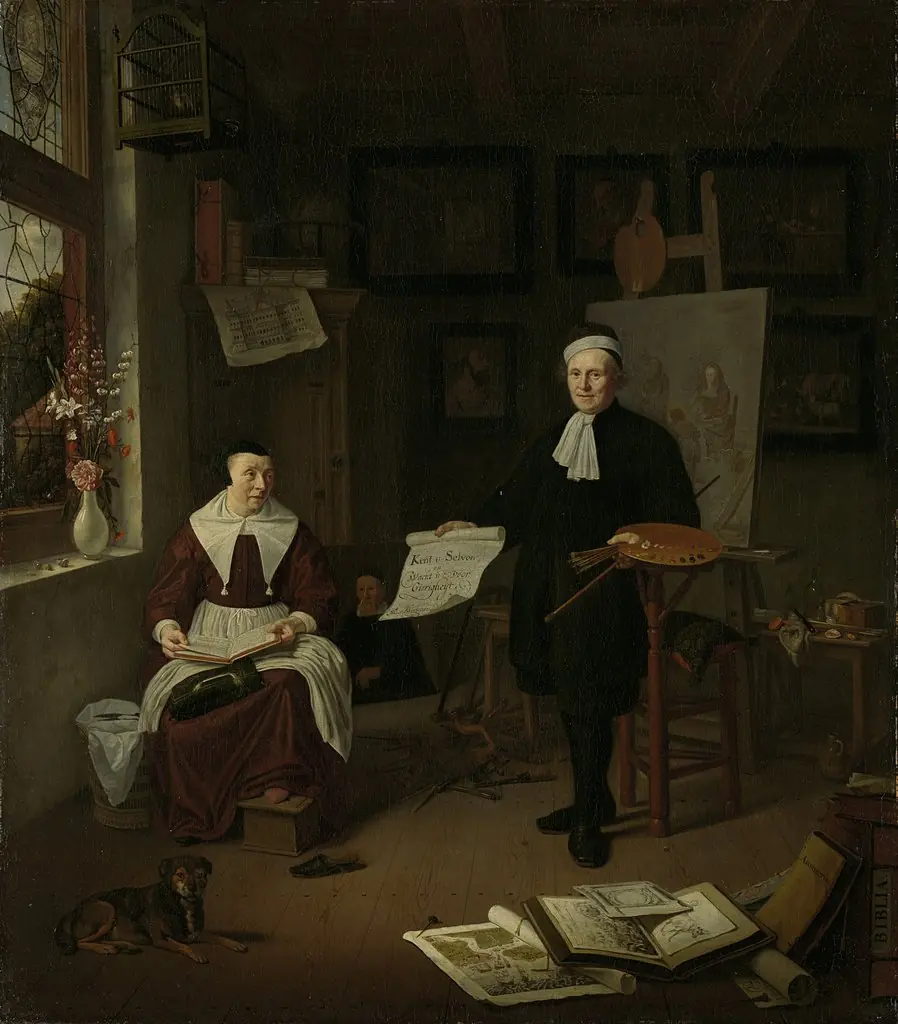 Portrait of Michiel Comans (d. 1687), calligrapher, etcher, painter and schoolmaster, with his third wife Elisabeth van der Mersche
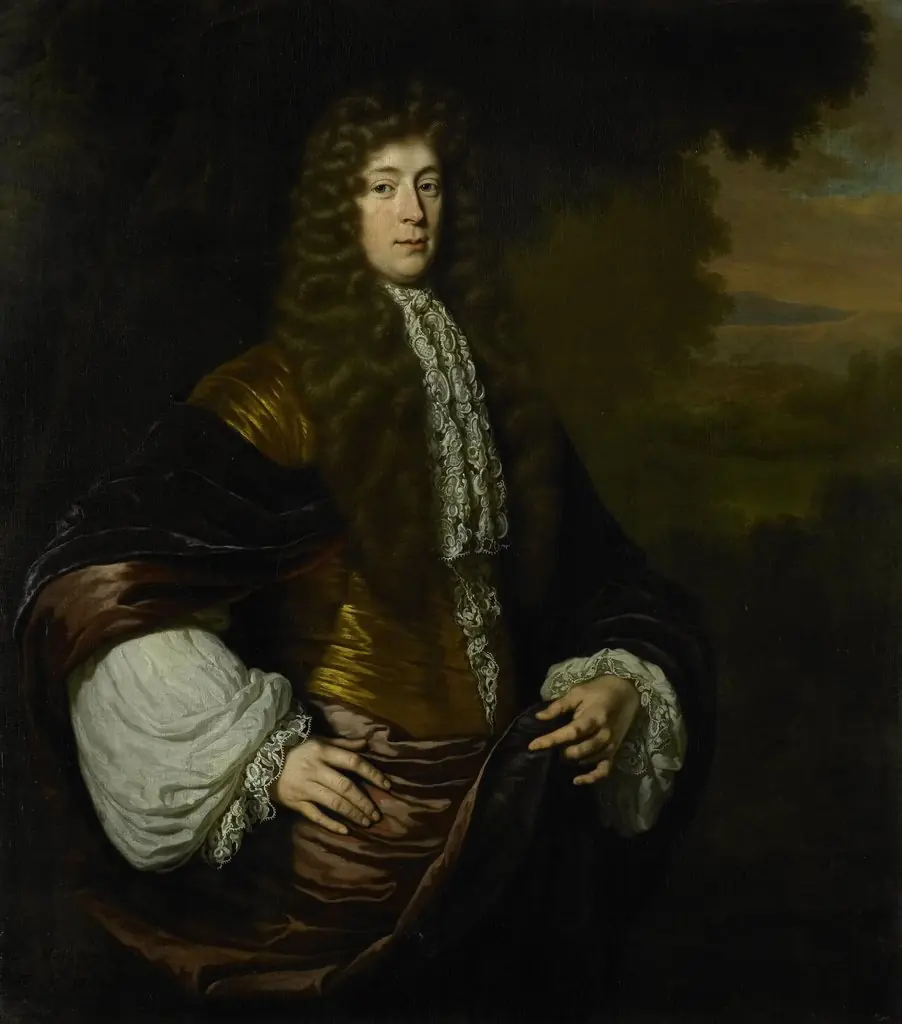 Portrait of Hendrick Bicker (1649 - 1718), burgomaster of Amsterdam
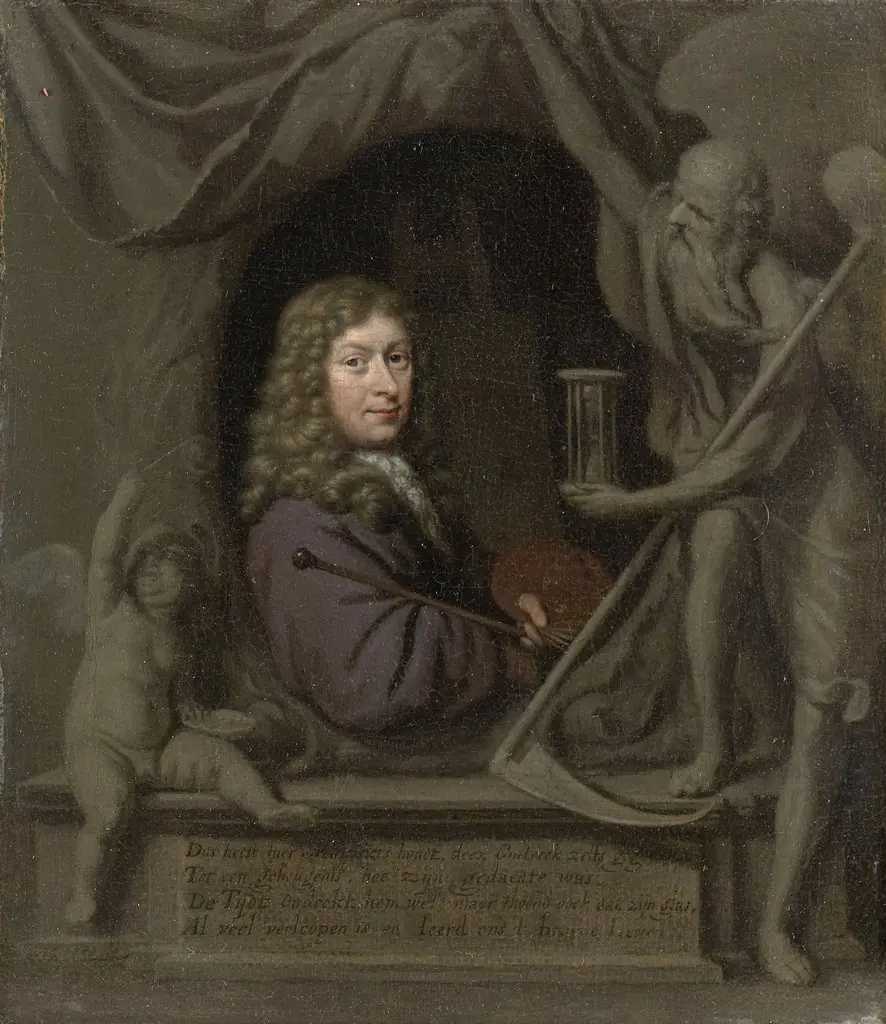 Self portrait
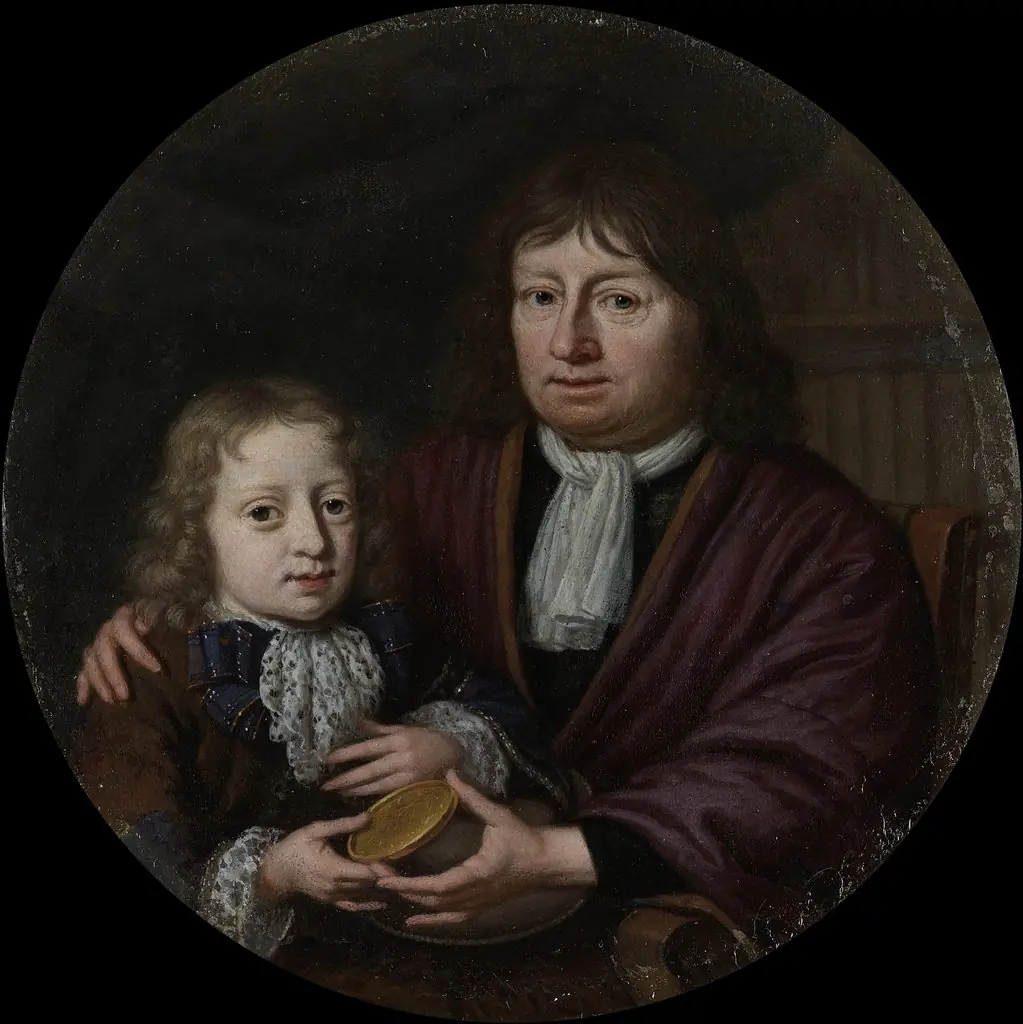 Isaac Pontanus Giving a Gold Medal to his Grandson Hendrik van Beek
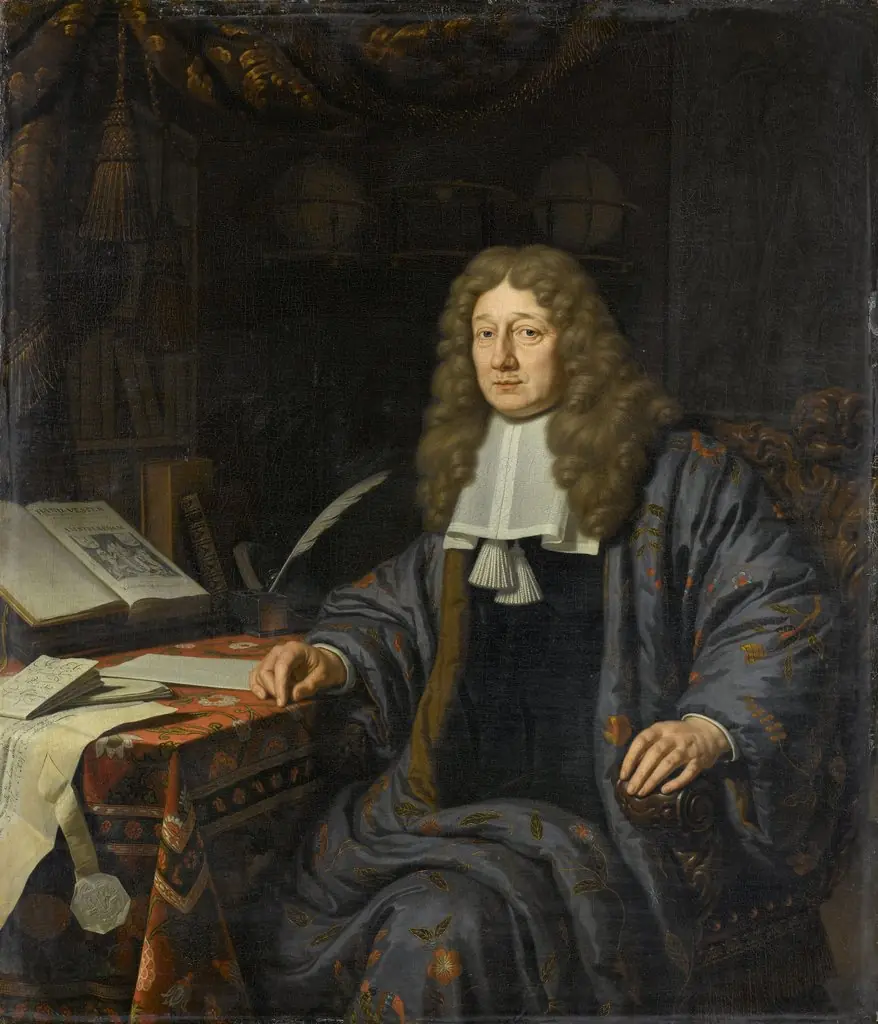 Portrait of Johannes Hudde (1628-1704), burgomaster of Amsterdam
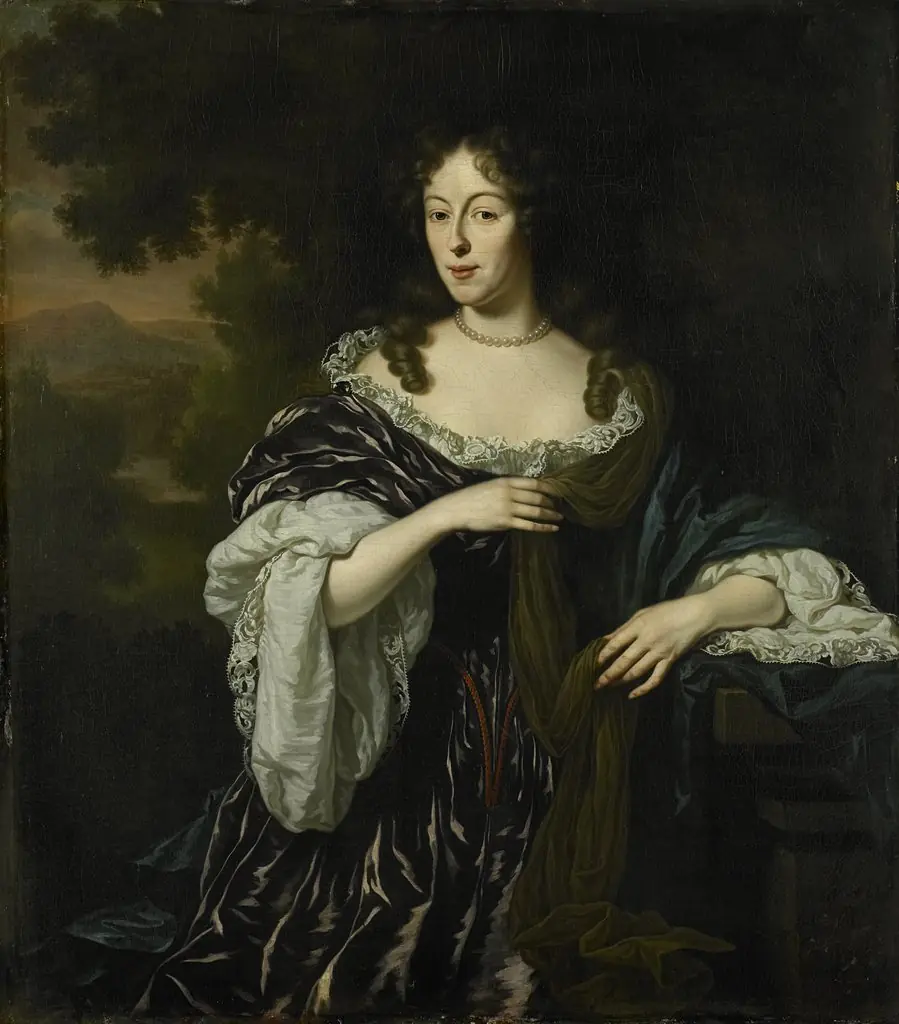 Portrait of Maria Schaep (1658-1725), wife of Hendrick Bicker
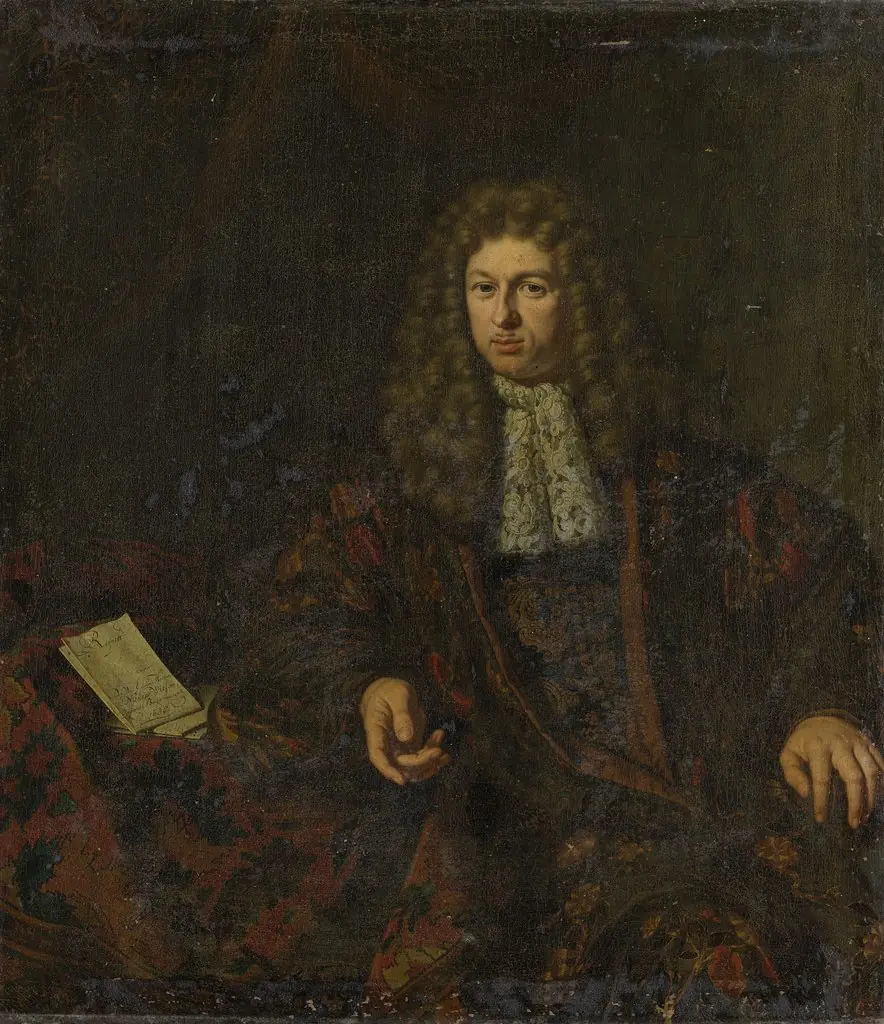 Portret van Nicolaes Witsen (1641-1717)
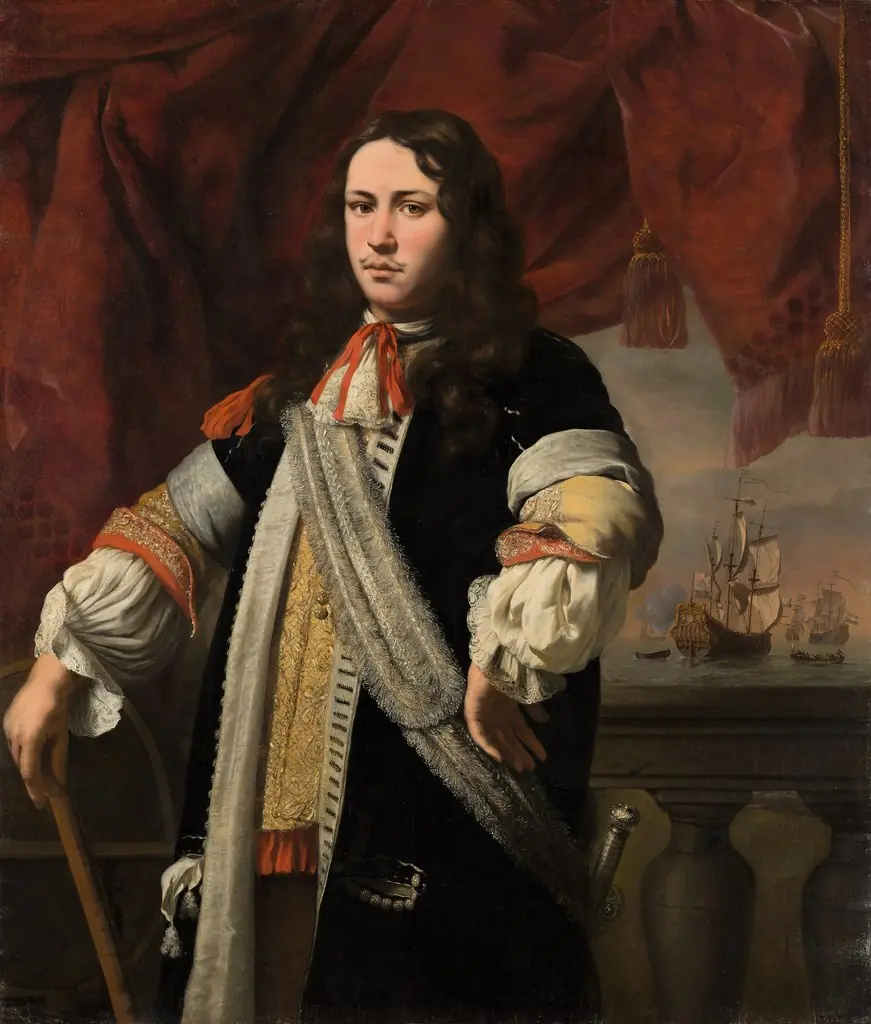 Portrait of Engel de Ruyter
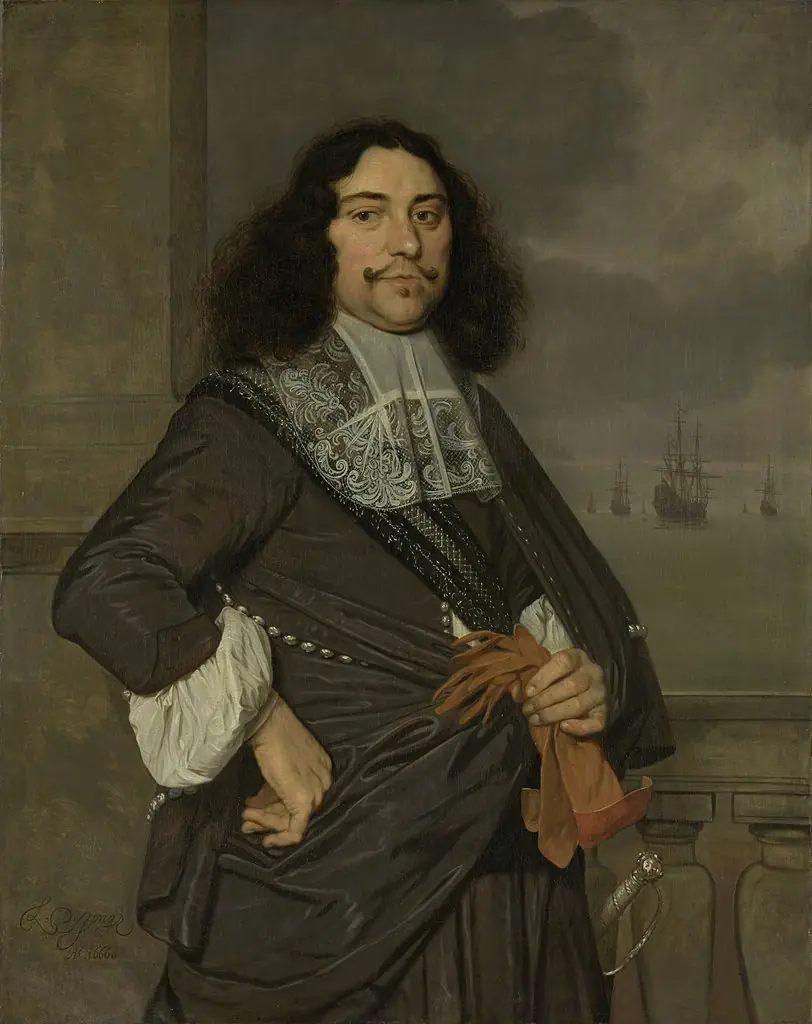
 Jan van Nes (1631-80), Vice admiral of Holland and West-Friesland
 Portrait of a family making music
 Portrait of a Family Playing Music
 A Soldier Smoking a Pipe
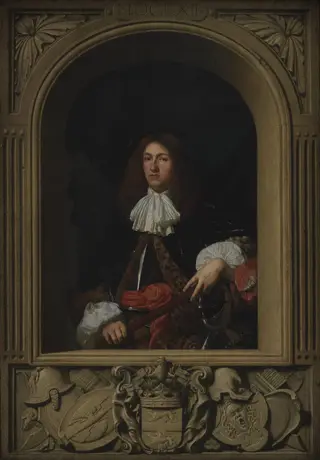 Portrait of Count Ulrik Frederik Gyldenløve
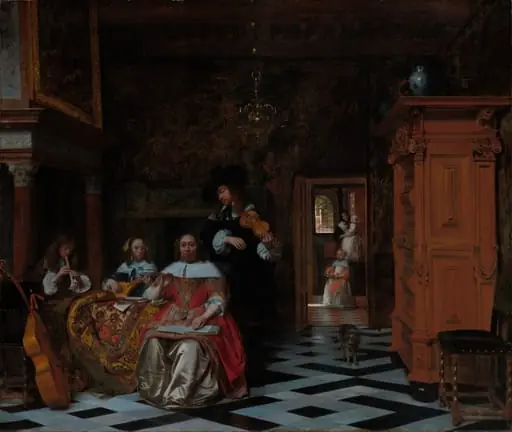 Portrait of a Family Playing Music
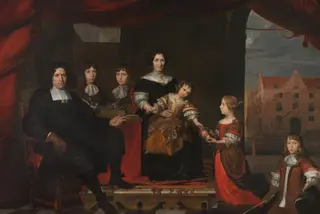 Reyer Reyersz van der Burch (1630-1695), Ammunition Officer attached to the Arsenal of the States-General, Delft, with his Wife Geertruid Graswinckel and their Children Frank, Cornelis, Reyer, Maria and Alida
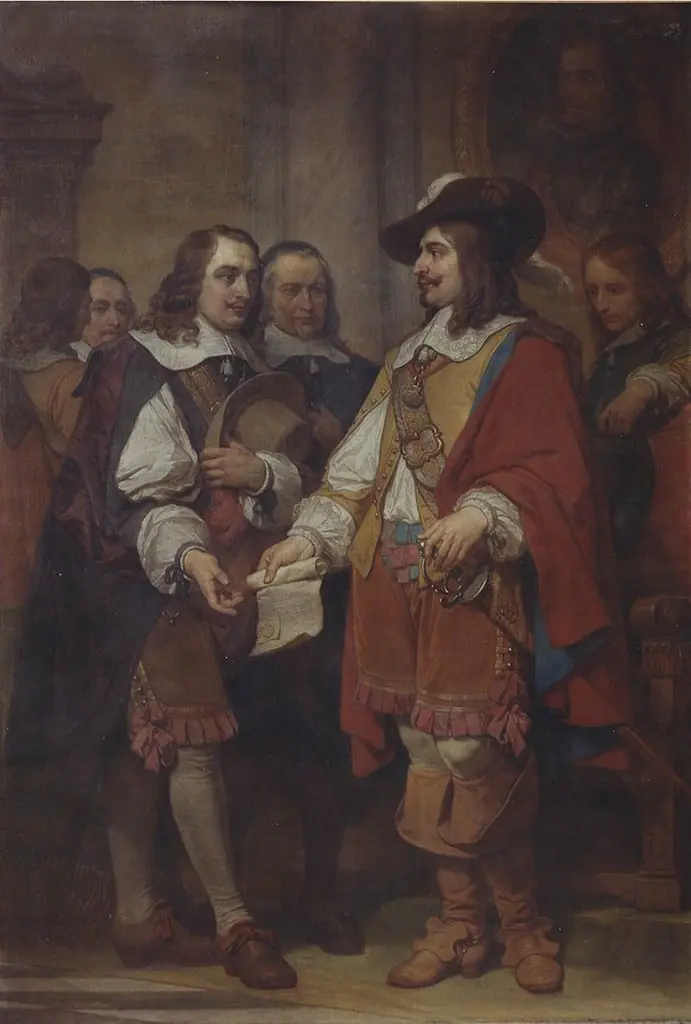 Foundation of the Antwerp Academy by David Teniers II
 Portrait of Jan van Nes (1631-80). Vice admiral of Holland and West-Friesland
 Untitled
- Thomas Hees with his Nephews Jan and Andries Hees and a Servant