Artwork
Hardouin de Beaumont de Perefixe
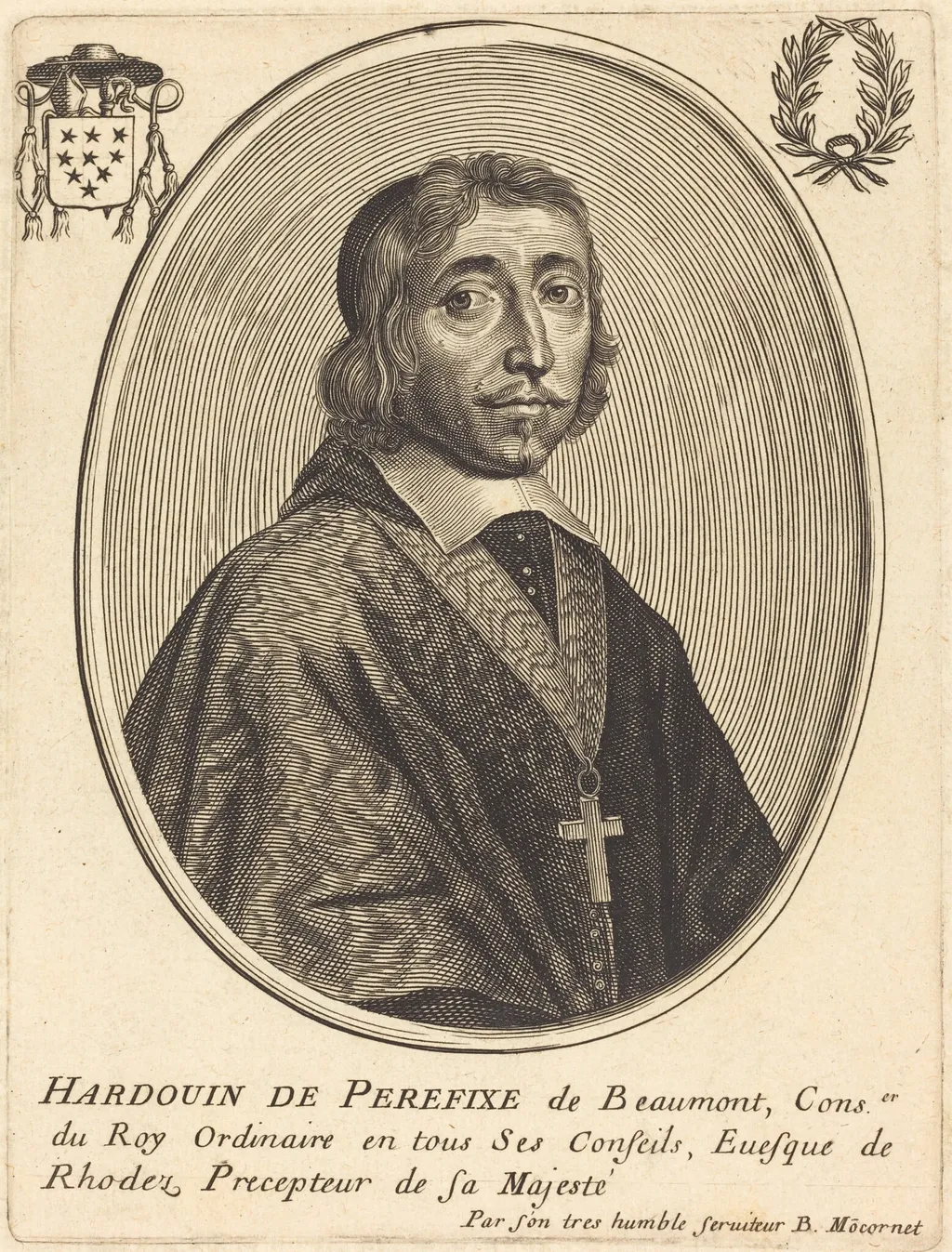
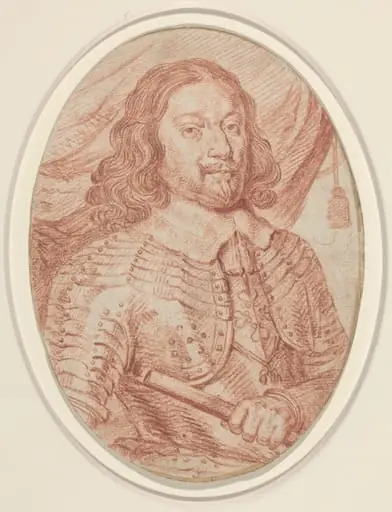
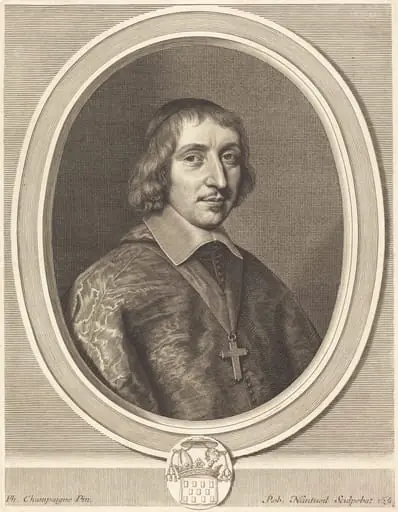
Hardouin de Beaumont de Perefixe is an ink print by the Baroque artist Balthasar Moncornet. It dates from 1634 and is held in the collection of the National Gallery of Art.
- Inscription
- Inscribed:lower right in plate: Par son tres humble seruiteur B. Mocornet; across bottom in plate: HARDOUIN DE PEREFIXE de Beaumont, Cons.er / du Roy Ordinaire en tous Ses Conseils, ...
About this work
Overview
Executed in black ink on laid paper, the portrait follows the conventions of early modern printmaking, emphasizing clarity and formal dignity.
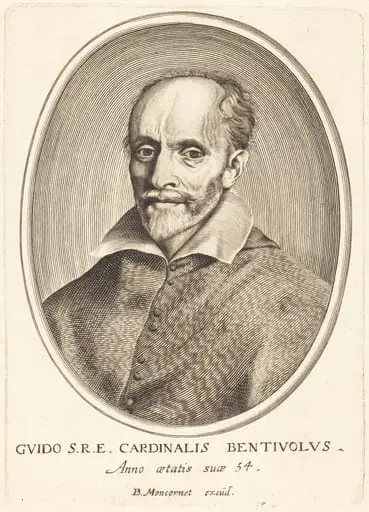
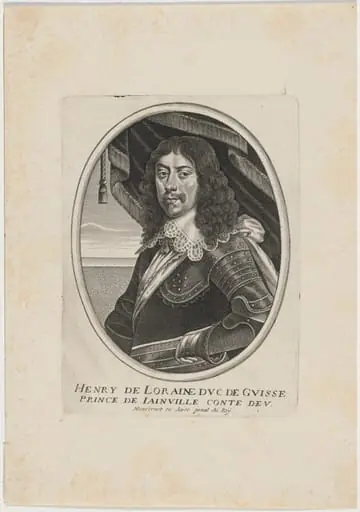
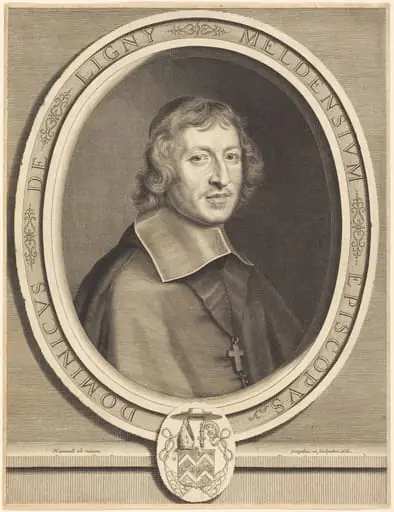
This 1634 engraving by Balthasar Moncornet depicts Hardouin de Beaumont de Perefixe, a French clergyman and royal advisor. Executed in black ink on laid paper, the portrait follows the conventions of early modern printmaking, emphasizing clarity and formal dignity. Moncornet, known for his series of engraved portraits of contemporary elites, rendered this image as part of a broader effort to document prominent figures of the French court and church.
Subject & Meaning
Hardouin de Beaumont de Perefixe is identified by inscriptions as both Counselor to the King and Bishop of Rodez, indicating his dual authority in state and ecclesiastical affairs. His solemn expression, dark robe, and ornate chain suggest high status and gravitas. The oval frame’s symbolic elements, a bishop’s mitre and a laurel branch, reinforce his spiritual rank and civic honor, aligning the portrait with the tradition of using iconography to convey institutional power.
Technique & Style
Moncornet employed fine, controlled lines typical of engraved portraiture to model the subject’s face and fabric folds. The plain background focuses attention on the figure, while the intricate border frames him as an object of reverence. The artist signed his name modestly at the base, identifying himself as a 'humble servant,' a common convention among printmakers who deferred to the status of their subjects. The tonal range is achieved through cross-hatching rather than shading, characteristic of the medium.
History & Provenance
Created in 1634, the engraving was likely produced for distribution among court circles or ecclesiastical institutions. Moncornet’s practice involved issuing portraits in small editions, often commissioned or approved by the subjects themselves. While the specific early ownership of this print is undocumented, its survival reflects the demand for visual records of influential figures during Louis XIII’s reign, when print culture expanded as a tool of social and political representation.
Context
In mid-17th-century France, engraved portraits served as both personal mementos and public affirmations of status. Moncornet’s work emerged alongside other printmakers who documented the nobility, clergy, and officials, contributing to a visual archive of power. The inclusion of ecclesiastical and royal titles in the inscription reflects the close ties between church and state, and the role of imagery in legitimizing authority during a period of centralized monarchy.
Legacy
Moncornet’s portraits, including this one, remain valuable for their documentation of 17th-century French elites. Though not widely exhibited today, such engravings inform historical studies of identity, representation, and the visual culture of governance. The work exemplifies how printmaking enabled the dissemination of authority beyond courtly circles, preserving the likenesses of figures who shaped France’s political and religious landscape.
Own this work as a print
Artist & collection
Artist
Balthasar Moncornet (1600, Rouen – 1668, Paris) was a French painter, engraver, and tapissier revered for his depictions of around 45 different prominent figures of the 17th century.