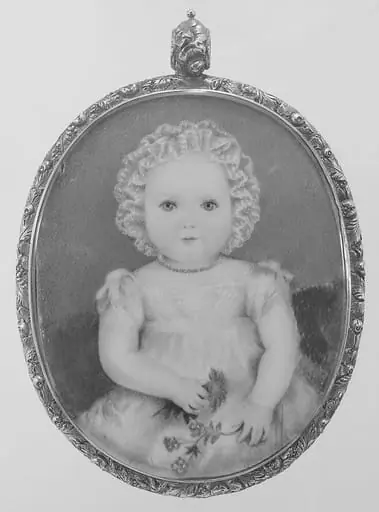
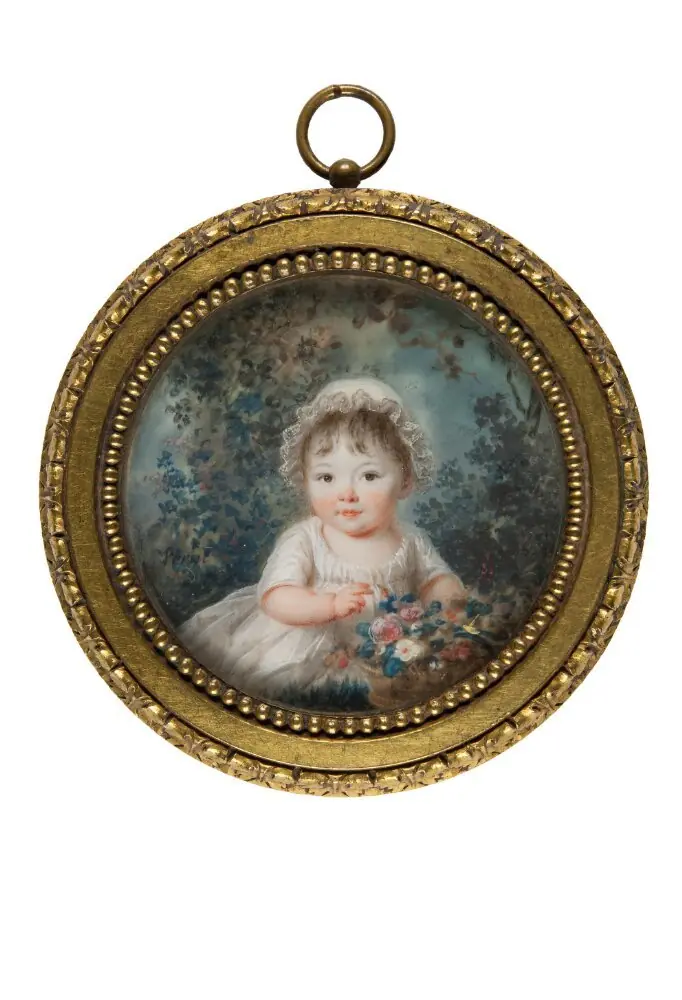
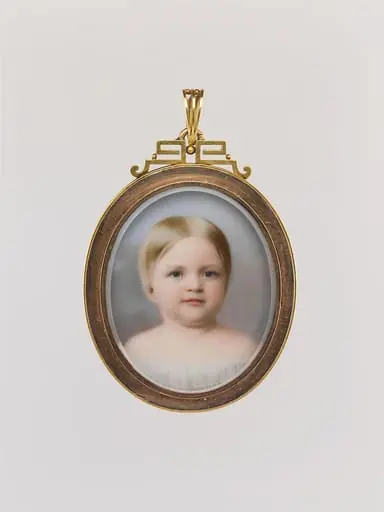
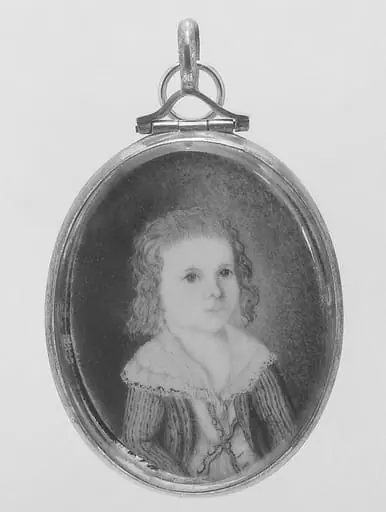
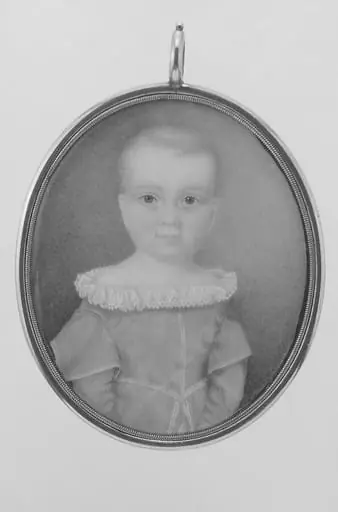
Artwork
Rufus Morse Newhall
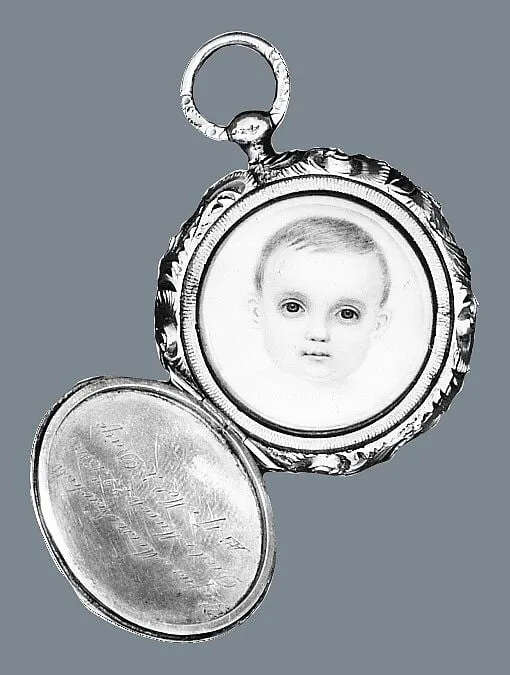
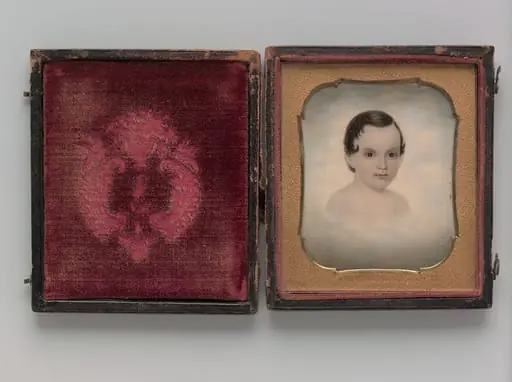
Rufus Morse Newhall is a watercolor painting by the American Folk Art artist Mrs. Moses B. Russell. It dates from 1849 and is held in the collection of the Metropolitan Museum of Art. Mrs.
About this work
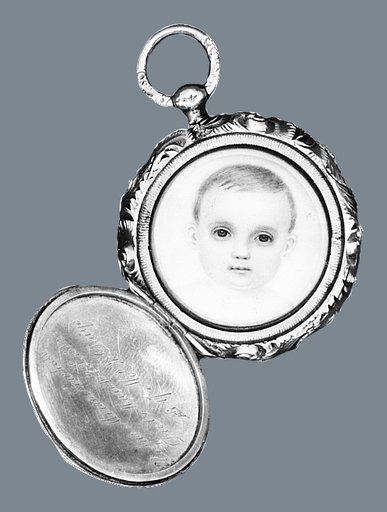
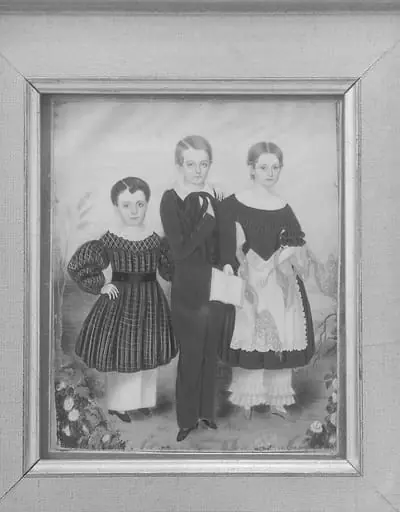
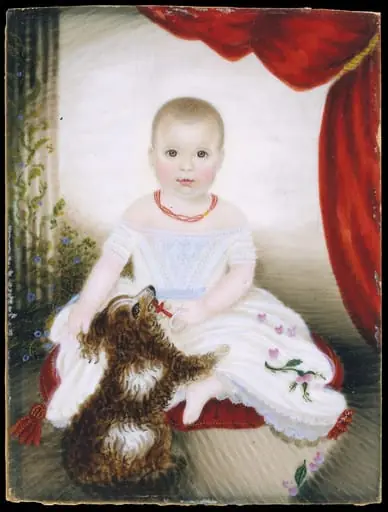
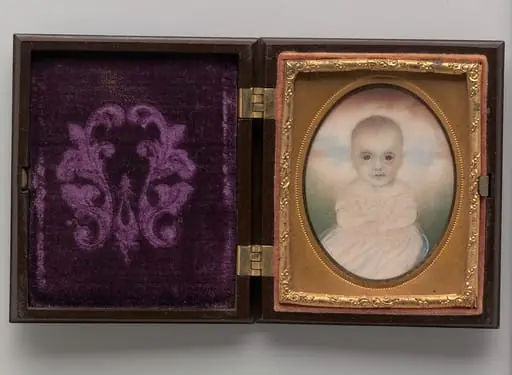
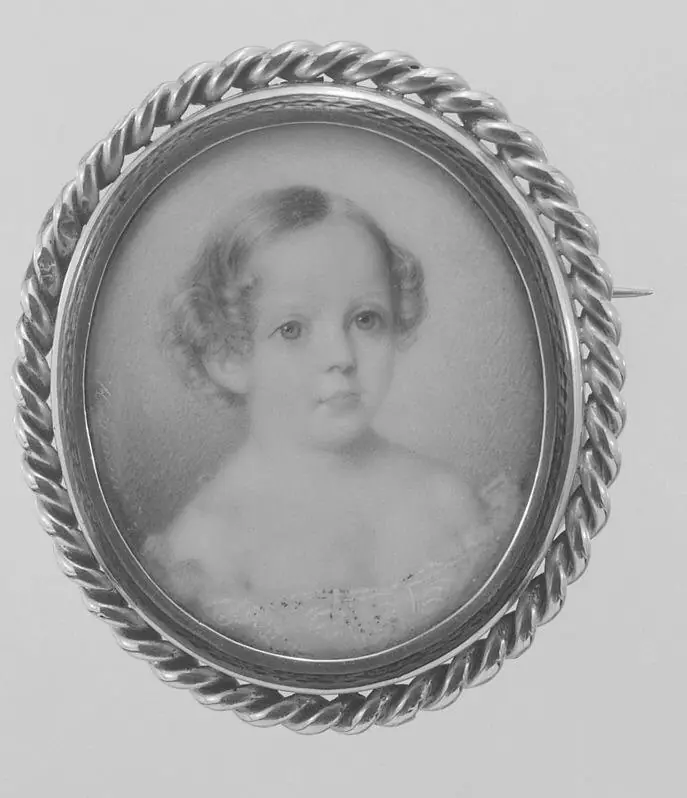
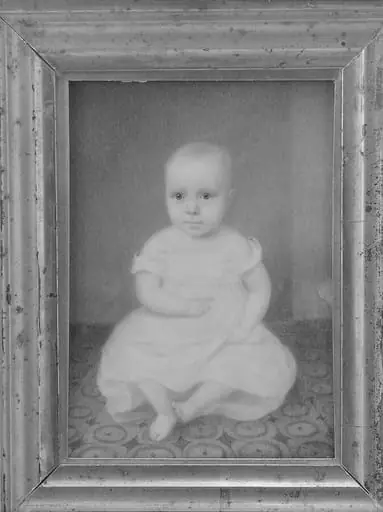
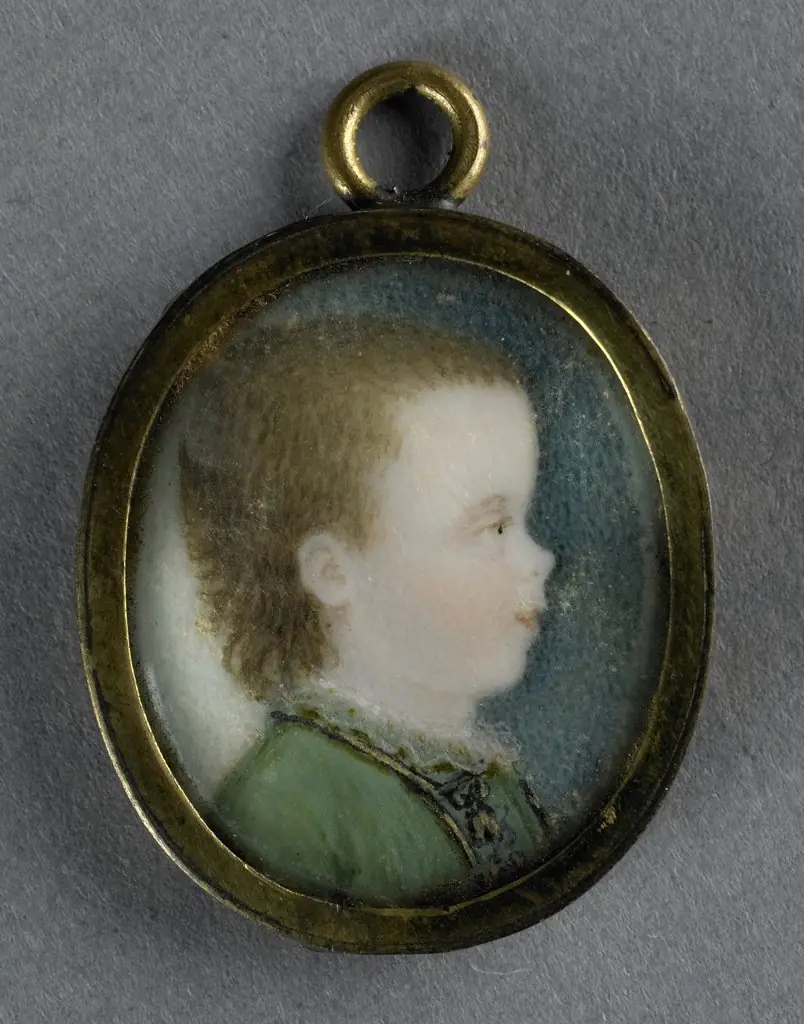
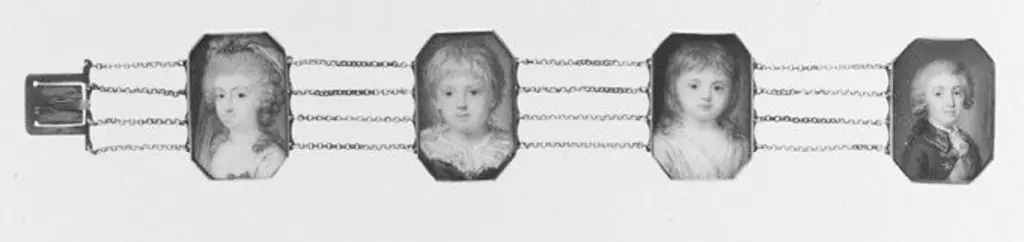
This is a watercolor miniature, a kind of portrait people carried like photos before cameras existed.
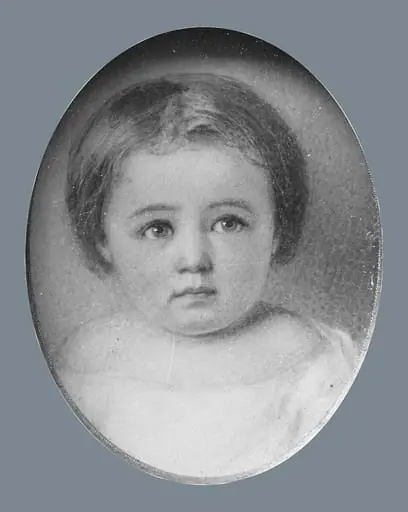
You see a small boy in a dark suit, holding a straw hat and a book. His cheeks are rosy, his eyes bright. The painting is tiny, about the size of a playing card, painted on ivory.
This is a watercolor miniature, a kind of portrait people carried like photos before cameras existed. The artist, a woman in 1849, worked in fine, almost invisible strokes to make the boy’s face glow. The ivory underneath gives the skin a soft shine.
Look up more watercolor miniatures to see how artists made tiny portraits feel alive.
Subject & Meaning
The painting is a portrait of a young boy, created in 1849 as a watercolor on ivory. As a portrait, it functions to record the child's appearance and to convey the sitter's familial context or social standing in early American society. The depiction of a boy aligns with 19th-century portrait conventions that used childhood imagery to emphasize innocence and familial identity.
Technique & Style
The portrait is executed in watercolor on ivory, a miniature painting technique that pairs translucent water-based pigment with a smooth, luminous ivory support. This combination, favored for small-scale likenesses in the mid-nineteenth century, allows for fine detail and a soft, glowing surface quality. The work is classified within the Metropolitan Museum of Art's American Wing and falls within the portrait genre, depicting a young boy.
Beyond these cataloged attributes of medium, support, classification, and subject, the available sources do not provide further information on handling, condition, dimensions, or stylistic analysis.
History & Provenance
The work titled Rufus Morse Newhall is a watercolor-on-ivory portrait painted in 1849 by Mrs. Moses B. Russell (Clarissa Peters). It portrays a young boy and is classified within the Metropolitan Museum of Art's American Wing as a portrait. The painting is held by the museum under accession number 49.12.1, and was shown there in 1935 in the exhibition "American Miniatures and Silhouettes." No ownership chain prior to the museum's acquisition is documented in the available sources.
Context
The watercolor portrait dated 1849, attributed to Mrs. Moses B. Russell (Clarissa Peters), exemplifies mid-nineteenth-century American portrait miniature practice through its delicate rendering on ivory and its inclusion in the American Wing at the Metropolitan Museum of Art. As a portrait of a boy, it reflects contemporary notions of childhood and the participation of women artists in the visual culture of the United States before the Civil War.
Overview
Mrs. Moses B. Russell created Rufus Morse Newhall in 1849, a watercolor portrait on ivory. This miniature depicts a young boy, likely the work's namesake, rendered with delicate detail. As a common form of personal art before photography, such small-scale portraits were often cherished and carried by their owners, serving as intimate mementos.
Artist & collection