Artwork
Cosimo II de' Medici
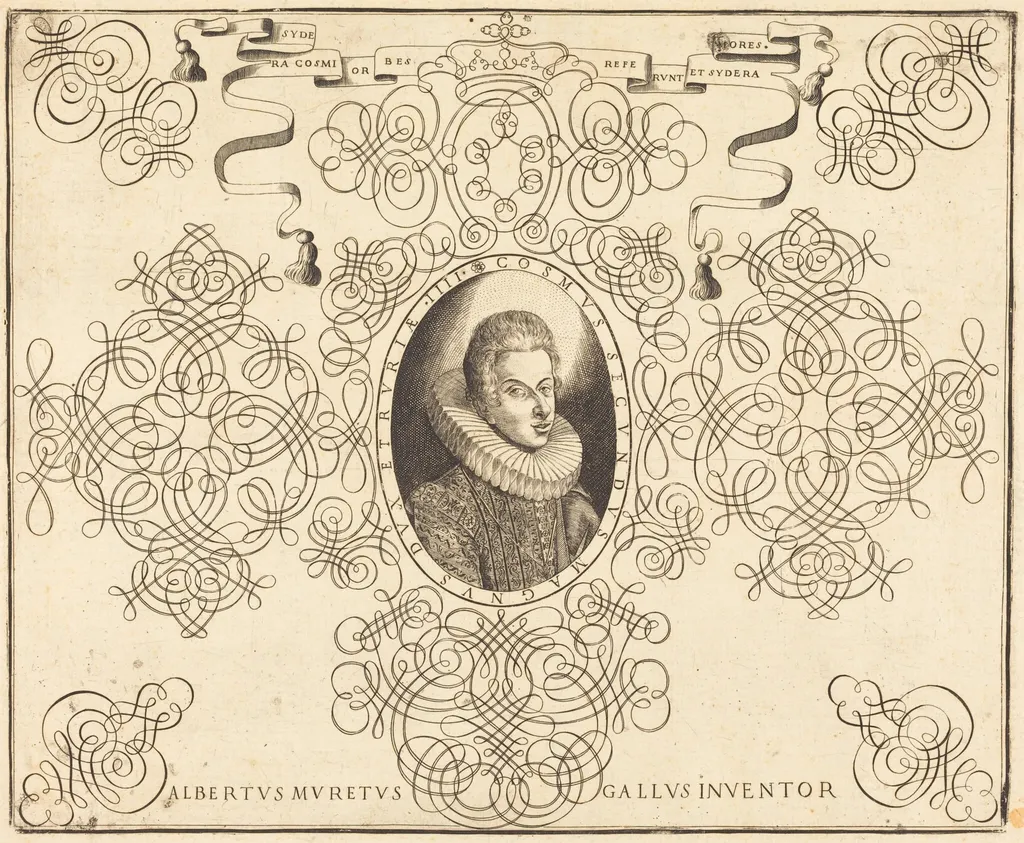
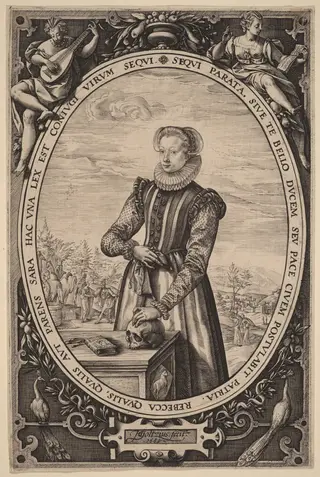
Cosimo II de' Medici is an ink print by the Baroque artist Albert Muret. It dates from 1615 and is held in the collection of the National Gallery of Art.
About this work
Overview
The image is circular, with the figure centered and surrounded by ornamental scrollwork.
This black-and-white print, dated around 1615, depicts Cosimo II de' Medici, Grand Duke of Tuscany, rendered in the medium of engraving by Albert Muret, a French artist active in Italy. The image is circular, with the figure centered and surrounded by ornamental scrollwork. A Latin inscription at the top identifies his status, while the lower margin credits the artist as inventor of the design, reflecting the printmaker’s role in authoring the image.
Subject & Meaning
Cosimo II is portrayed in formal attire, his high collar and curled hair signaling aristocratic dignity. The surrounding decorative border, rich with swirling lines, functions as a visual frame of authority, common in portrait engravings of the period. The Latin banner likely enumerates his titles or virtues, reinforcing his political and dynastic identity. The image was intended for dissemination among elites, serving as a portable emblem of Medici power.
Technique & Style
Muret employed fine linear engraving to model the duke’s features and texture of fabric, using incised lines on a metal plate to create tonal variation. The background is densely filled with rhythmic, swirling patterns, contrasting with the controlled clarity of the face. This technique, typical of Northern European printmaking traditions, emphasizes precision and detail over painterly effects, aligning with the print’s function as a reproducible likeness.
History & Provenance
Created during Cosimo II’s reign, the engraving was likely produced for circulation among courtiers and foreign dignitaries. Albert Muret, known for his work in Florence, specialized in portraiture and decorative prints. The inclusion of his name as 'inventor' suggests the work was part of a broader effort to document and legitimize Medici rule through visual culture, though specific early ownership records remain undocumented.
Context
In early 17th-century Italy, engraved portraits were key tools for political representation, especially for ruling families without standing armies to project power. The Medici, patrons of the arts, commissioned such works to reinforce their legitimacy. Muret’s style reflects the fusion of French engraving techniques with Italian portraiture conventions, illustrating the transnational nature of artistic practice in the Habsburg and Medici spheres.
Legacy
This engraving contributes to a broader corpus of Medici iconography that shaped perceptions of the dynasty across Europe. While not widely reproduced today, it exemplifies how print culture enabled the standardization of noble imagery before photography. Muret’s work remains a reference for understanding the intersection of art, politics, and print technology in early modern Italy.
Own this work as a print
Artist & collection

 Charlotte of Bourbon
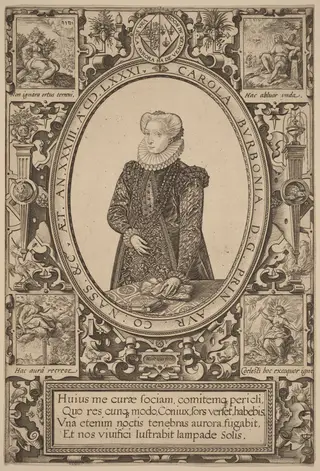 Charlotte of Bourbon
 Charlotte of Bourbon
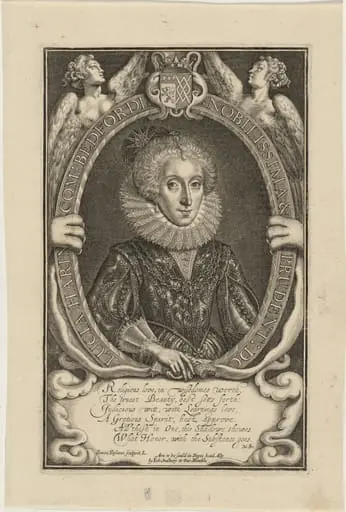 Lucia Harrington, Countess of Bedford
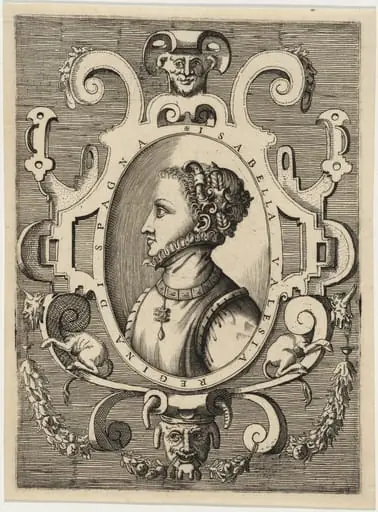 Isabella, Wife of Philip IV of Spain
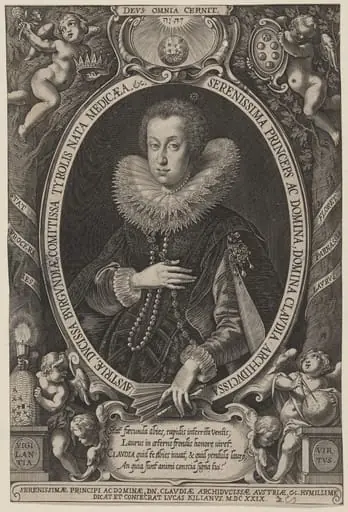 Claudia de Medici, Wife of Leopold of Austrian Tyrol
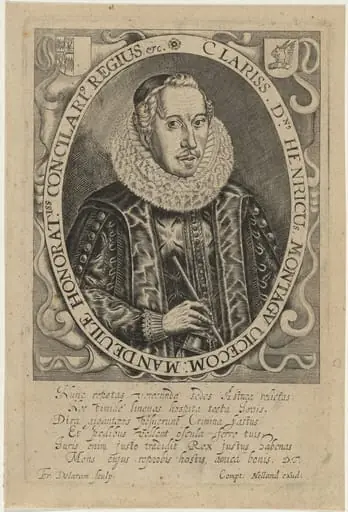 Henricus Montagu (Henry Montague, First Earl of Manchester)
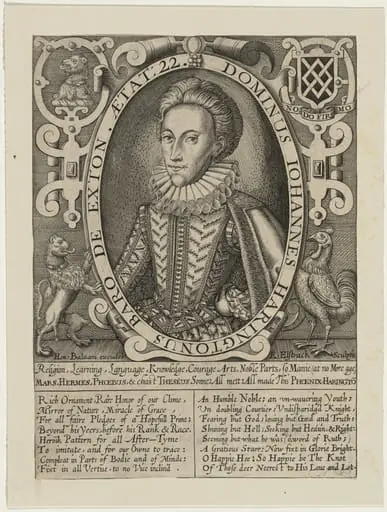 John, Lord Harrington of Exton
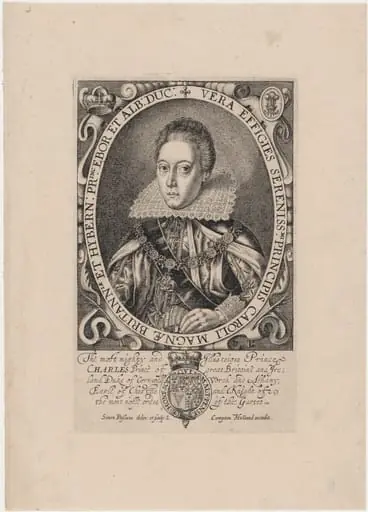 Charles I, Prince of Great Britain and Ireland, Duc of Cornwall and Yorck
 Josina Hamels